
• Home
  • About Us
  • Toolkit
  • Getting Finances Done
    • Hiring Advisors
    • Debt Management
    • Spending Plan
  • Insurance
    • Life Insurance
    • Health Insurance
    • Disability Insurance
    • Homeowners/Renters Insurance
  • Contact Us
  • Privacy Policy
  • Risk Tolerance Quiz

The Free Financial Advisor

You are here: Home / Archives for tax season 2026

Still Haven’t Received Your Refund? Why Some Filers Are Waiting Longer Than Ever

March 30, 2026 by Brandon Marcus Leave a Comment

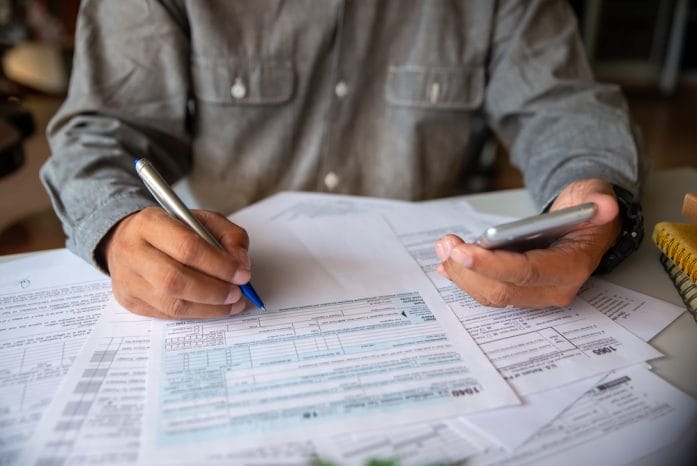
Still Haven't Received Your Refund? Why Some Filers Are Waiting Longer Than Ever

Image Source: Shutterstock.com

The waiting game has officially become the most frustrating sport of the year. Tax season always promises quick turnarounds and smooth deposits, yet a growing number of filers keep refreshing their bank apps with zero results. The expectation feels simple: file taxes, get refund, move on. Reality, though, looks far messier, and the gap between expectation and outcome has never felt wider.

That delay doesn’t come from thin air. A mix of policy changes, staffing issues, and good old-fashioned human error continues to slow things down behind the scenes. The system hasn’t collapsed, but it definitely feels like it’s limping at times. Knowing what’s actually going on can turn that frustration into something far more useful—control. Because while no one can force a refund to arrive faster overnight, a few smart moves can make a noticeable difference.

Why the “21-Day Refund” Promise Doesn’t Always Hold Up

The well-known 21-day timeline still exists, but it only applies to a specific group of returns that meet strict criteria. Anyone who files electronically, avoids errors, and chooses direct deposit typically lands in that faster lane. The moment anything complicates the return, that timeline starts to stretch. A missing form, a mismatched number, or even a simple typo can push a return out of the automated system and into manual review.

Manual review changes everything. Once a return leaves the automated pipeline, an actual person needs to step in and verify the details. That process takes time, especially when agencies deal with high volumes. Staffing shortages continue to create bottlenecks, which means even minor issues can sit in a queue longer than expected. The system prioritizes accuracy over speed, so delays often reflect caution rather than dysfunction.

Certain tax credits also slow things down by design. Returns that claim credits like the Earned Income Tax Credit or the Additional Child Tax Credit go through extra verification steps. These safeguards aim to prevent fraud, but they also extend processing times for legitimate claims. Filing early doesn’t always guarantee faster results when those credits enter the picture, which catches many people off guard.

Timing matters more than most expect. Submitting a return during peak filing weeks can increase the chance of delays simply due to volume. Early February and late March tend to create heavy traffic, and that surge can overwhelm even a well-functioning system. Choosing a quieter filing window sometimes makes a noticeable difference, especially for those who want to avoid unnecessary slowdowns.

Small Mistakes, Big Delays: What Trips Up Your Return

Tiny errors carry surprisingly large consequences during tax season. A misspelled name or an incorrect Social Security number can trigger an automatic rejection or force manual intervention. These issues sound simple, but they often require verification steps that slow everything down. Double-checking every detail before submitting a return saves more time than any shortcut ever could.

Banking information causes another common headache. Entering the wrong account or routing number doesn’t just delay a refund—it can send it to the wrong place or cause it to bounce back entirely. That mistake creates a chain reaction of corrections that can take weeks to resolve. Accuracy in this section matters just as much as accuracy in income reporting, even though it often gets less attention.

Incomplete forms create another major hurdle. Missing schedules or failing to include required documentation can flag a return for further review. That doesn’t mean the return gets rejected outright, but it does mean the process slows down significantly. Filing software helps catch many of these issues, but it doesn’t catch everything, especially when users skip prompts or rush through sections. Name mismatches between tax returns and official records also create delays that frustrate many filers. A recent name change that hasn’t been updated with the Social Security Administration can trigger a hold. That situation often surprises people who assume their records stay consistent across systems. Taking a moment to confirm that all official documents match can prevent that headache entirely.

What’s Slowing the System Down

The tax system doesn’t operate in a vacuum, and recent years have placed serious pressure on its infrastructure. Staffing shortages continue to impact processing times, especially during peak filing season. Fewer workers handling more returns creates an unavoidable backlog. That reality affects even perfectly filed returns, which explains why some delays feel unpredictable.

Technology also plays its part. While modernization efforts continue, parts of the system still rely on older processes that can’t keep up with today’s volume. Updating those systems takes time, funding, and coordination, so improvements don’t happen overnight. Until those upgrades fully roll out, occasional slowdowns remain part of the landscape.

Fraud prevention measures have also intensified, and that creates a trade-off between speed and security. The system now flags more returns for verification to prevent identity theft and fraudulent claims. That added scrutiny protects taxpayers in the long run, but it also means more returns undergo additional checks. Those checks take time, even when everything looks legitimate. Policy changes and new credits can complicate things further. Whenever new rules enter the mix, the system needs to adapt, and that adjustment period can slow processing. Tax agencies often update procedures mid-season to reflect new legislation, which can create temporary confusion or delays. That doesn’t mean the system breaks—it just means it needs time to catch up.

High filing volumes always create pressure, but recent years have pushed that pressure to new levels. More people file electronically than ever before, which sounds efficient but still requires robust systems to handle the demand. When millions of returns hit the system at once, even small inefficiencies can create noticeable delays.

Smart Moves That Can Actually Speed Things Up

Speeding up a refund starts with preparation, not luck. Gathering all necessary documents before filing reduces the risk of missing information. That includes income forms, deduction records, and any documents tied to tax credits. A complete return moves through the system more smoothly than one that needs follow-up.

E-filing remains the single most effective way to avoid delays. Electronic submissions move faster, face fewer errors, and integrate directly into processing systems. Pairing e-filing with direct deposit creates the fastest possible route from submission to payment. Paper filing, while still available, almost guarantees a longer wait.

Tracking tools also help manage expectations. The IRS “Where’s My Refund?” tool provides updates on processing status, which can reduce uncertainty. Checking that tool once a day offers enough insight without adding unnecessary stress. Constantly refreshing it won’t speed things up, but it can definitely raise frustration levels. Filing early can help, but timing matters. Submitting a return before peak season reduces competition within the system. Late-season filings often face heavier traffic, which increases the chance of delays. Planning ahead and filing during quieter periods can improve turnaround times.

Finally, responding quickly to any IRS notices can keep things moving. If the agency requests additional information, providing it as soon as possible prevents further delays. Ignoring those requests or waiting too long can stall the process even more. Staying proactive turns a potential setback into a manageable step.
Still Haven't Received Your Refund? Why Some Filers Are Waiting Longer Than Ever

Image Source: Shutterstock.com

The Waiting Game Isn’t Random—It’s Fixable

Waiting for a tax refund feels personal, but the reasons behind delays follow clear patterns. Errors, verification checks, and system pressures all play a role, and none of them operate randomly. Understanding those factors makes the process feel less mysterious and far more manageable. A few careful steps can reduce delays, even if they can’t eliminate them entirely.

Control starts with awareness. Filing accurately, choosing electronic options, and staying alert to potential issues can shift the experience in a better direction. That doesn’t guarantee instant results, but it does stack the odds in favor of a smoother process. And when delays do happen, knowing the cause can take some of the edge off that frustration.

So what’s been your experience this year? Still waiting, or did everything arrive right on time? Share what worked, what didn’t, and any strategies that helped speed things up.

You May Also Like…

Retirement Accounts Are Triggering Unexpected Taxes — What Some Investors Overlook

Refunds Are Being Frozen Over Missing Bank Details — And Some Filers Won’t Get Paid for Weeks

Stop Celebrating Your Tax Refund: You Just Gave the Government a Interest-Free Loan

The Verizon $20 Trap: Why That “Outage Refund” Text Message Could Wipe Out Your Bank Account

Are We Allowed to Ask for a Full Refund If Their Performance Sucks?

Brandon Marcus
Brandon Marcus

Brandon Marcus is a writer who has been sharing the written word since a very young age. His interests include sports, history, pop culture, and so much more. When he isn’t writing, he spends his time jogging, drinking coffee, or attempting to read a long book he may never complete.

Filed Under: tax tips Tagged With: filing errors, IRS delays, IRS processing, Personal Finance, refund delays, refund status, refund tracking, tax filing tips, tax refunds, tax returns, tax season 2026, taxes

Refunds Are Being Frozen Over Missing Bank Details — And Some Filers Won’t Get Paid for Weeks

March 27, 2026 by Brandon Marcus Leave a Comment

Refunds Are Being Frozen Over Missing Bank Details — And Some Filers Won’t Get Paid for Weeks

Image Source: Pexels.com

Imagine this: you’ve filed your taxes, you’re expecting that sweet refund you’ve been dreaming about, and then… crickets. No deposit, no email, no update — just silence. It turns out that one tiny step many people skip (or mess up) — putting correct bank account details on their tax return — can now freeze your refund faster than ice cream on a winter sidewalk. Worse, some folks might wait weeks before that money finally shows up, if it shows up at all.

This isn’t just a minor hiccup in the IRS machinery; it’s a major policy shift that’s leaving a ton of taxpayers spinning in limbo. The IRS is phasing out paper checks and pushing electronic refunds, which generally save everyone time and trouble, but if the bank info isn’t there or gets rejected, the refund gets paused until you fix it — and fixing it isn’t always as simple as clicking a button. Some people are staring at blank accounts while their cash waits in the digital wings.

When Missing Numbers Turn Your Refund Into a Waiting Game

One of the biggest reasons refunds are freezing this tax season is missing or incorrect direct deposit information. The IRS now leans heavily on electronic payments and has significantly reduced reliance on paper checks, which means that if your routing number or account number is blank, incomplete, or wrong, your refund just hits the pause button. The IRS will still process your tax return, but the refund sits in a holding pattern until you fix the issue.

Here’s the kicker: the IRS doesn’t automatically resend your refund as a mailed check if the bank details fail. Instead, they send you a letter (officially called a CP53E notice) telling you there’s a problem and you have up to 30 days to update your banking details online. If you miss that window, then they’ll send a paper check. But it could be six weeks or more before it arrives. That’s weeks added to an already anxious wait.

This shift aims to streamline refund delivery and reduce lost or stolen mail issues, but for people who didn’t expect to use direct deposit — or who simply typed a number wrong — the result feels like a bureaucratic roadblock. It’s not just paper checks going away; it’s about forcing direct deposit as the default, with serious consequences if you overlook it.

Why This Isn’t Just a Small Glitch With a Simple Fix

You might think, “Okay, I just update my bank info, and I’m good.” In many cases, that’s true. But the reality is messier. Some taxpayers don’t have easy access to the IRS online account system, or they don’t know how to navigate it. Others don’t have immediate access to a computer or reliable internet connection. For folks already on tight budgets — relying on that refund for bills, rent, or essentials — waiting for another mail-out or struggling to update online can be wildly stressful.

There’s also the weird situation where people who did put in details still get rejected because of a tiny typo or a bank validation issue. Refunds bounce back, and suddenly the IRS treats it as though you never submitted the info in the first place.

And it’s not just one isolated group. Roughly 830,000 taxpayers have received notices about missing bank info so far this season alone. Many of these individuals used to rely on paper refunds — and now they’re finding that the old safety net of a mailed check has been pulled away.

How to Break the Freeze and Get Paid Faster

There has to be a solution, right? Yes! Here’s how to actually fix it and get that refund moving again. First: when you receive a CP53E notice, don’t toss it like junk mail. That piece of paper holds the key to unlocking your refund. The IRS gives you a limited window — usually 30 days — to log into your IRS Online Account and update your bank information. Once you do, they’ll reissue the payment via direct deposit.

If you’re unsure whether your refund was frozen because of bank details or something else, use the IRS “Where’s My Refund?” tool. It updates daily and can give you specific status info so you’re not guessing in the dark. That way, you can tell whether you’re in the “frozen” queue, waiting for processing, or good to go.

If you absolutely don’t have a bank account — and that’s a real situation for some people — you can ask for a paper check, but prepare for the snail mail pace. Getting that check can take six weeks or more, and you’ll want to watch your mailbox like a hawk until it arrives.  And here’s something a lot of people overlook: making sure the initial bank info is accurate before you file saves a ton of hassle. Double-check every number. Nobody enjoys typing in a 12-digit routing combo, but spending three extra minutes verifying it now could save weeks of drama later.

Refunds Are Being Frozen Over Missing Bank Details — And Some Filers Won’t Get Paid for Weeks

Image Source: Shutterstock.com

Cash Flow Interruptions That Rock People’s Plans

Imagine budgeting based on a refund only to have it frozen for weeks because some digits weren’t just right. For people who rely on refunds to pay down debt, cover emergency expenses, or even make rent, weeks of delay can cause real disruptions. And since the IRS workforce is still rebuilding after staffing shortages and shakeups, getting help over the phone or in person can take longer than you want. That makes the online tools and accuracy up front all the more critical.

Also, new tax code changes have sometimes caused confusion or mistakes on returns, which then cascade into delays when the IRS has to review things more closely. So don’t ignore those warnings about missing details — even a tiny slip-up can spark a longer review.

Don’t Let a Tiny Omission Steal Your Money

This year’s tax season is teaching a hard lesson: accuracy in the little things matters more than ever. Miss those crucial bank details, and you’re stuck waiting for your refund while everyone else moves on with their lives. But with a bit of attention, you can break the hold and get your money sooner rather than later.

Have a trick or tip that helped you unfreeze a refund fast? Share your thoughts or stories below. We want to hear your insight!

You May Also Like…

Refunds Are Being Delayed Over New IRS Identity Flags — Why More Returns Are Getting Pulled

Refunds Are Being Frozen Over a Single IRS Identity Check — Here’s What’s Causing the Delays

Can You Trust AI With Your Taxes and Investments? 8 Risks No One Explains

The IRS Is Sending More “Math Error” Notices — Why You Could Owe Without Realizing It

7 Common Deductions That Are Getting More Scrutiny From the IRS


Brandon Marcus
Brandon Marcus

Brandon Marcus is a writer who has been sharing the written word since a very young age. His interests include sports, history, pop culture, and so much more. When he isn’t writing, he spends his time jogging, drinking coffee, or attempting to read a long book he may never complete.
Filed Under: tax tips Tagged With: bank details, direct deposit, IRS CP53E notice, IRS delays, paper checks phased out, refund freeze, refund status, refund tips, tax refunds, tax season 2026

Refunds Are Being Delayed Over New IRS Identity Flags — Why More Returns Are Getting Pulled

March 25, 2026 by Brandon Marcus Leave a Comment

Refunds Are Being Delayed Over New IRS Identity Flags — Why More Returns Are Getting Pulled

Image Source: Shutterstock.com

The clock starts ticking the moment a tax return gets filed, and for millions of people, that ticking feels louder than ever this year. Refunds that usually show up like clockwork now stall without warning, leaving bank accounts in limbo and patience wearing thin. The culprit does not come down to simple backlog or seasonal overwhelm. A growing number of returns now hit a digital checkpoint that demands something more than basic processing.

That checkpoint revolves around identity verification, and it has quietly reshaped how refunds move through the system. The IRS has ramped up efforts to catch fraud before money leaves the door, and that shift has pulled more returns into review than ever before. The result feels frustrating, confusing, and sometimes unfair, especially for people who filed correctly and early. But behind the scenes, a much bigger story unfolds—one that blends security, technology, and a rising wave of identity-related tax issues.

The Rise of Identity Flags: Why the IRS Hit the Brakes

The IRS does not randomly decide to delay refunds, even though it can feel that way when a payment disappears into processing purgatory. The agency uses a complex system of filters and algorithms designed to spot suspicious activity before issuing refunds. These filters look for mismatched information, unusual filing patterns, and anything that suggests a return might not belong to the person who submitted it. Over the past few years, identity theft tied to tax filings has pushed the IRS to strengthen those filters significantly. That shift has resulted in more returns getting flagged, even when no fraud actually exists.

A flagged return does not mean someone did something wrong, but it does mean the IRS wants proof that the filer is who they claim to be. That proof often comes in the form of identity verification requests, which can arrive through mail or online notices. Once that process begins, everything slows down because the IRS must confirm the information before releasing any refund. This step protects taxpayers from fraud, but it also creates delays that stretch from weeks into months. The system prioritizes caution over speed, and that trade-off shows up clearly during tax season.

The increase in flagged returns also reflects how criminals have evolved their tactics. Fraudsters now use stolen personal data to file early returns and claim refunds before the real taxpayer even logs in. The IRS has responded by tightening its screening process, which means legitimate returns sometimes get caught in the same net. That situation frustrates many filers, but it also prevents larger financial losses across the system. The agency continues to refine its detection tools, but for now, more scrutiny remains part of the process.

What Triggers a Flag? The Subtle Details That Raise Eyebrows

Many people assume only major errors or obvious red flags trigger IRS scrutiny, but the reality looks far more nuanced. Small inconsistencies can raise questions, especially when they involve personal details like Social Security numbers, addresses, or income reporting. A simple typo or outdated information can cause a return to fall out of the normal processing flow. Changes from previous filings, such as a new job, different filing status, or a sudden shift in income, can also prompt closer review. The system does not judge intent; it reacts to patterns and anomalies.

Filing early used to feel like a guaranteed way to get a fast refund, but that strategy now carries a different kind of risk. Early-season returns often face stricter scrutiny because fraud tends to spike at the beginning of tax season. When a return arrives before employers and financial institutions submit official income documents, the IRS lacks a full set of data to cross-check. That gap can lead to temporary flags, even if everything matches up later. Waiting until all documents are available can reduce that risk, even though it might feel counterintuitive.

Another common trigger involves multiple returns linked to the same Social Security number. This situation often occurs when identity theft enters the picture, but it can also happen due to simple mistakes like duplicate filings. When the system detects more than one return tied to a single identity, it locks everything down until it sorts out the conflict. That process takes time and often requires direct communication with the IRS. It adds another layer of frustration for people who expect a straightforward experience.

The Waiting Game: What Happens After a Return Gets Pulled

Once the IRS flags a return, the process shifts into a completely different gear. Automated systems step aside, and manual review takes center stage. That transition slows everything down because human verification requires time, documentation, and careful checking. The IRS may send a letter requesting identity verification, which often includes instructions for completing the process online or by phone. Responding quickly can help move things along, but it does not guarantee an immediate resolution.

Verification itself can feel surprisingly involved. The IRS may ask for details from previous tax returns, financial records, or even specific questions about personal history. These steps ensure that the person responding matches the identity tied to the return. Once the agency confirms that information, it resumes processing the refund, but the timeline does not snap back to normal. Delays can still linger as the system reintroduces the return into the queue.

During this waiting period, uncertainty tends to build quickly. The “Where’s My Refund?” tool may show limited updates, which only adds to the frustration. Staying proactive helps reduce stress, even though it cannot eliminate delays entirely. Keeping copies of tax documents, responding to IRS notices promptly, and checking official channels for updates all make a difference. While patience remains necessary, preparation can prevent the situation from dragging out longer than needed.

Smart Moves to Avoid Getting Stuck in the System

Avoiding a flagged return starts long before hitting the submit button. Accuracy plays the biggest role, and that means double-checking every detail, from Social Security numbers to bank account information. Even minor errors can trigger delays, so taking a few extra minutes during filing can save weeks of waiting later. Using trusted tax software or working with a qualified professional can also reduce the chances of mistakes slipping through.

Filing at the right time can make a noticeable difference as well. Waiting until all tax documents arrive ensures that the information matches what the IRS receives from employers and financial institutions. This alignment reduces the likelihood of discrepancies that trigger identity flags. While early filing still appeals to many, timing matters more than ever in the current environment.

Protecting personal information also plays a critical role in avoiding delays. Identity theft remains one of the biggest reasons returns get flagged, so safeguarding sensitive data helps prevent problems before they start. Using strong passwords, avoiding unsecured networks, and monitoring financial accounts regularly all contribute to better protection. The IRS also offers Identity Protection PINs, which add an extra layer of security for those who want additional peace of mind.

Refunds Are Being Delayed Over New IRS Identity Flags — Why More Returns Are Getting Pulled

Image Source: Shutterstock.com

Security vs. Speed in a Changing Tax Landscape

The shift toward stricter identity verification reflects a broader change in how tax systems operate. Speed once defined the refund process, but security now takes the lead. This change does not happen in isolation; it responds to real threats that have grown more sophisticated over time. While delays feel inconvenient, they also signal that the system actively works to prevent fraud on a larger scale.

Balancing speed and security will likely remain a challenge moving forward. Taxpayers want quick access to refunds, especially when they rely on that money for essential expenses. At the same time, stronger protections help ensure that refunds reach the right hands. The IRS continues to adjust its approach, but for now, increased scrutiny remains part of the landscape.

Understanding this shift can make the process feel less unpredictable. Knowing why delays happen—and how to avoid them—gives taxpayers more control over their experience. It does not eliminate frustration entirely, but it replaces confusion with clarity. That clarity can make all the difference when navigating tax season.

When the Refund Pauses, What’s the Next Move?

Refund delays tied to identity flags might feel like a sudden roadblock, but they rarely come without warning signs or solutions. Staying alert to IRS communications, verifying information quickly, and taking preventive steps can turn a stressful situation into a manageable one. The system may move slower than expected, but it still moves forward with the right input and attention.

Tax season always brings its share of surprises, but this year’s identity checks have added a new twist that demands awareness and strategy. Handling that twist well comes down to preparation, patience, and a clear understanding of how the process works. With the right approach, even a flagged return can find its way back on track without unnecessary chaos.

What strategies have worked when dealing with refund delays, or what questions still linger about the process? Drop those thoughts, experiences, or theories in the comments and keep the conversation going.

You May Also Like…

5 Reasons To Talk To Your Kids About Taxes

9 Georgia Counties Where Property Taxes Are Set to Rise the Fastest

9 Financial Dangers of Ignoring Property Taxes

7 Common Deductions That Are Getting More Scrutiny From the IRS

The IRS Is Flagging More Returns This Year—And One Detail Keeps Triggering Reviews

Brandon Marcus
Brandon Marcus

Brandon Marcus is a writer who has been sharing the written word since a very young age. His interests include sports, history, pop culture, and so much more. When he isn’t writing, he spends his time jogging, drinking coffee, or attempting to read a long book he may never complete.

Filed Under: tax tips Tagged With: fraud prevention, identity theft, identity verification, IRS, IRS flags, IRS review process, refund delays, tax delays, tax refunds, tax return issues, tax season 2026, taxes

Refunds Are Being Frozen Over a Single IRS Identity Check — Here’s What’s Causing the Delays

February 22, 2026 by Brandon Marcus Leave a Comment

Refunds Are Being Frozen Over a Single IRS Identity Check — Here’s What’s Causing the Delays

Image Source: Pexels.com

The tax refund that was supposed to land in a bank account can stop cold because of one thing: identity verification. Not an audit. Not a math error. Not some dramatic investigation. Just a single flag that tells the Internal Revenue Service it needs to make sure the person behind the return is actually who they claim to be.

For anyone counting on that refund to cover rent, wipe out a credit card balance, or finally fix the car that keeps making that mysterious noise, the delay feels personal. It also feels confusing. After all, if a return went through without a hitch last year, why would the IRS suddenly question it now?

The Identity Verification Trigger That Stops Everything

The IRS runs every tax return through filters designed to catch fraud before money leaves the Treasury. Identity theft tied to tax refunds remains a real issue, so the agency built automated systems that compare each return against prior filings, wage records, and known fraud patterns. When something does not match up, the system kicks the return out for review.

That mismatch can stem from surprisingly ordinary details. A new mailing address, a different bank account for direct deposit, a change in filing status, or income that looks out of line with prior years can all raise a flag. Sometimes the IRS simply wants to confirm that the person who filed the return actually submitted it.

When that happens, the IRS freezes the refund and sends a letter asking for identity verification. The letter instructs the taxpayer to verify identity either online through the IRS identity verification service or by phone. In some cases, the IRS requires an in-person appointment at a Taxpayer Assistance Center.

Until that step happens, the refund does not move. The IRS does not issue partial payments. It does not release funds while it waits. The entire amount stays locked.

Why the IRS Cares So Much About This One Check

Tax identity theft once exploded across the country as criminals filed fake returns early in the season to grab refunds before legitimate taxpayers filed their own. The IRS responded by tightening security. It expanded filters, improved data matching, and added more identity verification steps. That shift cut down fraudulent payouts, but it also created more friction for legitimate filers.

The agency now cross-checks W-2 and 1099 income forms against returns. If an employer submits wage information late, the IRS system may not see a match right away. That delay alone can cause a return to get flagged. When self-employed taxpayers report income that differs sharply from previous years, the system may also want confirmation.

The IRS does not treat every flagged return as fraud. It treats them as returns that need confirmation. That distinction matters. An identity verification request does not mean someone faces penalties or criminal trouble. It means the IRS wants proof before releasing money.

The Letters That Spark Panic — and What They Actually Mean

Nothing rattles nerves quite like an official IRS letter. The envelope alone can raise blood pressure. Yet in many cases, these identity verification letters follow a straightforward script.

Letter 5071C directs taxpayers to verify their identity online using the IRS’s secure identity verification tool. That process requires personal information, a copy of the prior year’s return, and access to a financial account or mobile phone for verification. Letter 4883C often asks taxpayers to call a specific IRS phone number and answer questions about their return. Letter 5747C typically requires an in-person visit.

Each letter includes a control number and instructions that must match the official IRS website. The IRS does not initiate identity verification requests through email, text, or social media. Anyone who receives a message outside official channels should assume it is a scam and avoid clicking links.

After successful verification, the IRS resumes processing the return. The agency often states that it may take up to nine weeks to issue the refund once identity verification is complete. Some refunds arrive sooner, but no one should expect instant movement.

How to Respond Without Making the Delay Worse

Speed matters. When the IRS sends an identity verification letter, the clock starts ticking. Ignoring the letter does not make the issue disappear. It simply keeps the refund frozen.

The first step involves confirming the letter’s authenticity by checking the letter number and comparing it with information on IRS.gov. Once that check clears, taxpayers should gather last year’s tax return, the current year’s return, and any supporting documents such as W-2s or 1099s. Having those documents ready makes the online or phone verification process smoother.

If the letter instructs online verification, completing it through the official IRS identity verification portal usually moves faster than calling. Phone lines often involve long hold times, especially during peak tax season. For letters that require in-person visits, scheduling the appointment quickly reduces the overall wait.

Taxpayers should also continue to monitor their refund status using the “Where’s My Refund?” tool on IRS.gov. That tool updates once per day and reflects progress after identity verification clears.

When the Refund Delay Points to Something Bigger

Sometimes identity verification marks the beginning of a more complicated review. If the IRS suspects discrepancies beyond identity concerns, it may send additional notices asking for documentation to support credits or income claims. That situation often happens with refundable credits such as the Earned Income Tax Credit or the Additional Child Tax Credit, which the IRS reviews carefully due to past abuse.

In those cases, the IRS may ask for proof of residency for children, school records, or income documentation. Responding thoroughly and quickly becomes even more important. Missing deadlines or sending incomplete information can extend the delay by months.

Refunds Are Being Frozen Over a Single IRS Identity Check — Here’s What’s Causing the Delays

Image Source: Pexels.com

Practical Steps to Reduce the Risk Next Year

Filing early in the season often helps because fraudsters typically file as soon as filing opens. Using direct deposit with a bank account in the taxpayer’s own name avoids confusion. Keeping mailing addresses consistent across employers, banks, and tax filings prevents mismatches.

Creating an IRS online account adds another layer of control. Through that account, taxpayers can view balances, transcripts, and notices. Monitoring wage and income transcripts later in the season ensures that employers submitted accurate forms.

Anyone concerned about identity theft can also request an Identity Protection PIN, known as an IP PIN, from the IRS. That six-digit number must accompany a tax return each year, which blocks fraudsters from filing without it.

Security Comes First, Even When It Hurts

Identity verification freezes feel frustrating because they disrupt expectations. Taxpayers follow the rules, file on time, and expect the refund timeline advertised by the IRS. Then a letter arrives and changes everything.

Yet the IRS tightened these checks for a reason. When criminals steal refunds, legitimate taxpayers deal with months of cleanup and paperwork. Strong verification rules protect the system as a whole, even though they slow down some refunds.

Refund delays over a single identity check do not signal doom. They signal a pause that requires action. Once identity verification clears, the refund clock starts ticking again.

Has an identity verification letter ever held up a refund, or did the process move faster than expected? Share your thoughts, insights, and tips in the comments below.

You May Also Like…

Can You Trust AI With Your Taxes and Investments? 8 Risks No One Explains

5 Reasons To Talk To Your Kids About Taxes

Income Threshold: 4 Hidden Taxes That Hit Once You Cross Certain Limits

6 Advanced Techniques to Lower Your Capital Gains Taxes Legally

Can Your Taxes Be Cut In Half By You Simply Incorporating Your Name?

Brandon Marcus
Brandon Marcus

Brandon Marcus is a writer who has been sharing the written word since a very young age. His interests include sports, history, pop culture, and so much more. When he isn’t writing, he spends his time jogging, drinking coffee, or attempting to read a long book he may never complete.

Filed Under: tax tips Tagged With: identity verification, IRS, IRS Form 5071C, IRS identity check, IRS letters, IRS online account, refund freeze, refund hold, tax delays, tax refunds, tax return processing, tax season 2026

FOLLOW US

Search this site:

Recent Posts

  • Can My Savings Account Affect My Financial Aid? by Tamila McDonald
  • 12 Ways Gen X’s Views Clash with Millennials… by Tamila McDonald
  • What Advantages and Disadvantages Are There To… by Jacob Sensiba
  • 10 Tactics for Building an Emergency Fund from Scratch by Vanessa Bermudez
  • Call 911: Go To the Emergency Room Immediately If… by Stephen Kanaval
  • 7 Weird Things You Can Sell Online by Tamila McDonald
  • 10 Scary Facts About DriveTime by Tamila McDonald

Copyright © 2026 · News Pro Theme on Genesis Framework