• Home
  • About Us
  • Toolkit
  • Getting Finances Done
    • Hiring Advisors
    • Debt Management
    • Spending Plan
  • Insurance
    • Life Insurance
    • Health Insurance
    • Disability Insurance
    • Homeowners/Renters Insurance
  • Contact Us
  • Privacy Policy
  • Risk Tolerance Quiz

The Free Financial Advisor

You are here: Home / Archives for Social Security number

5 Warning Signs Someone Is Using Your Social Security Number

March 27, 2026 by Brandon Marcus Leave a Comment

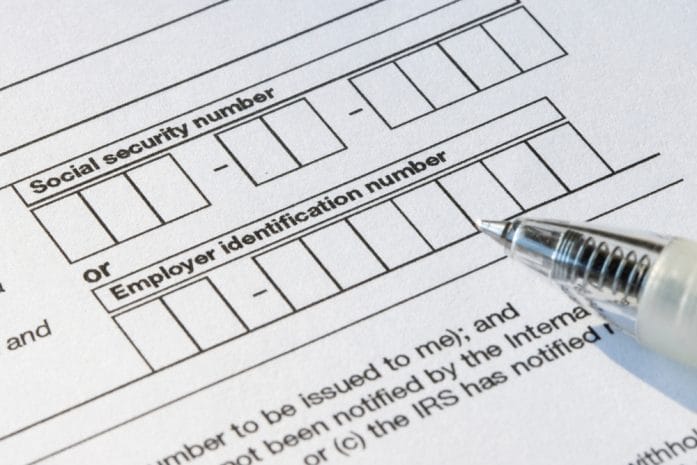
5 Warning Signs Someone Is Using Your Social Security Number

Image Source: Shutterstock.com

When it comes to identity theft, damage builds quietly, often hiding in plain sight while accounts shift, numbers change, and red flags stack up. One small clue can signal something much bigger, and ignoring that clue can turn a manageable issue into a full-blown financial nightmare. The reality feels uncomfortable, but awareness changes everything, especially when it comes to something as powerful as a Social Security number.

Most people assume they would notice identity theft immediately, but that assumption creates the perfect blind spot. Fraud rarely starts with dramatic moves; it creeps in with subtle changes that seem easy to brush off or explain away. That makes early warning signs incredibly valuable, because catching them quickly can save thousands of dollars, protect credit scores, and prevent months of cleanup. Knowing what to look for does not require expert-level knowledge, just a willingness to pay attention and act fast when something feels off.

1. Your Credit Report Starts Telling a Story You Don’t Recognize

A credit report should read like a familiar biography, filled with accounts, balances, and history that match real financial decisions. When unfamiliar accounts or inquiries suddenly appear, that story shifts into something confusing and concerning. New credit cards, loans, or even hard inquiries from lenders can signal that someone else uses personal information to apply for credit. These entries often show up before any bills or collection notices arrive, which makes regular credit checks one of the strongest early defenses.

Identity thieves rely on speed, opening accounts quickly and moving on before detection catches up. That means even one unfamiliar inquiry deserves attention, especially if it comes from a lender that has never appeared before. Checking credit reports from all three major bureaus adds another layer of protection, since not every account appears everywhere right away. A free annual report offers a baseline, but more frequent checks can reveal issues much earlier.

Taking action immediately matters more than trying to confirm every detail first. Filing a fraud alert or freezing credit can stop further damage while sorting out what happened. Credit monitoring services can also provide real-time alerts, which adds another safety net for anyone who wants constant visibility. Staying proactive here keeps control firmly in the right hands.

2. Bills and Statements Suddenly Go Missing In The Mail

Mail rarely disappears without a reason, especially when it comes to financial statements, tax documents, or official notices. When expected bills stop arriving, something may interfere behind the scenes. Identity thieves sometimes change mailing addresses on accounts to redirect sensitive information, which allows them to operate without interruption. That small change can delay discovery long enough to rack up serious damage.

Missing mail does not always scream fraud right away, but it should raise questions. Checking with service providers or financial institutions can confirm whether address changes occurred without permission. Online account access also helps verify recent activity, which can reveal whether someone has tampered with account details.

Switching to electronic statements can reduce the risk of intercepted mail while adding convenience. At the same time, keeping an eye on physical mail still matters, especially for government-related correspondence. Acting quickly when something goes missing prevents identity theft from gaining momentum.

5 Warning Signs Someone Is Using Your Social Security Number

Image Source: Pexels.com

3. Debt Collectors Call About Accounts That Don’t Exist

Few things feel more jarring than a call about a debt that has no connection to reality. When collectors start asking for payment on accounts that never existed, that often points directly to identity theft. These accounts may include credit cards, personal loans, or even medical bills opened under a stolen Social Security number.

Ignoring these calls can make the situation worse, since unpaid debts can move into collections and damage credit scores. Instead, requesting detailed information about the account helps clarify what happened. Debt collectors must provide verification, which can reveal the origin of the fraudulent account.

Disputing these debts quickly becomes critical, especially through credit bureaus and the original creditor. Filing an identity theft report with the Federal Trade Commission creates a formal record, which helps during disputes. Keeping organized records of every conversation and document can speed up the resolution process and protect against further complications.

4. Your Tax Return Gets Rejected Out of Nowhere

Tax season usually follows a predictable rhythm, but identity theft can throw that rhythm off instantly. When a tax return gets rejected because someone already filed using the same Social Security number, that signals a serious issue. Tax-related identity theft allows criminals to claim refunds before the real filer even submits their return.

This type of fraud often goes unnoticed until filing time, which makes it particularly frustrating. The rejection message usually includes a code that indicates duplicate filing, which provides a clear starting point for resolving the issue. Contacting the IRS and completing an identity theft affidavit sets the recovery process in motion. Filing taxes as early as possible each year can reduce the risk of this type of fraud. An Identity Protection PIN from the IRS adds another layer of security by requiring a unique code for filing. Staying ahead of tax deadlines can make a huge difference in preventing someone else from stepping in first.

5. Government Benefits Show Activity You Never Approved

Government benefits like Social Security or unemployment assistance should never show unexpected changes or claims. When benefits suddenly appear, increase, or shift without authorization, that often signals misuse of a Social Security number. Fraudsters sometimes file for benefits using stolen identities, collecting funds while the rightful owner remains unaware.

Checking benefit statements regularly can reveal these discrepancies early. Online portals for government programs often provide detailed activity logs, which can highlight unauthorized changes. Reporting suspicious activity immediately helps stop payments and prevents further misuse. Securing online accounts with strong passwords and multi-factor authentication adds a critical layer of protection. Monitoring government correspondence also helps catch unusual activity quickly. Staying alert in this area can prevent long-term complications that take months to resolve.

Stay Protected And Always in Control

Spotting identity theft early changes everything, and these warning signs offer a powerful advantage when used wisely. Each red flag, whether it shows up on a credit report or arrives as a confusing phone call, deserves attention and action. Waiting rarely improves the situation, but quick responses can limit damage and restore control faster than expected.

Building strong habits around monitoring financial activity, checking reports, and protecting personal information creates a solid defense against identity theft. Small steps, taken consistently, can block even determined fraud attempts. The goal does not involve living in fear, but staying informed and ready to act when something feels off.

What stands out the most among these warning signs, and what steps feel realistic to take right away? Share all of your thoughts, strategies, or even close calls in the comments, because real experiences can help others stay one step ahead.

You May Also Like…

8 Silent Costs of Ignoring Identity Theft

6 Free Credit Monitoring Tools That Expose You to Identity Theft

8 Email Habits That Make You a Target for Identity Theft After 40

Check Your Credit Report NOW—5 Signs of Identity Theft

6 Free Credit Monitoring Tools That Expose You to Identity Theft

Brandon Marcus
Brandon Marcus

Brandon Marcus is a writer who has been sharing the written word since a very young age. His interests include sports, history, pop culture, and so much more. When he isn’t writing, he spends his time jogging, drinking coffee, or attempting to read a long book he may never complete.

Filed Under: scams Tagged With: credit monitoring, credit score, cybersecurity, data breach, financial safety, fraud alerts, fraud prevention, identity protection, identity theft, Personal Finance, scams, Social Security number

What Does Your Social Security Number Really Mean and How Is It Used?

April 27, 2025 by Travis Campbell Leave a Comment

close up of money

Image Source: pexels.com

Your Social Security Number (SSN) is more than just a random sequence of digits—it’s a unique identifier that follows you throughout your life. Understanding what your SSN means and how it’s used is crucial for protecting your financial identity and preventing fraud. Many Americans use their SSNs daily without knowing their significance or the risks of sharing them. This comprehensive guide will decode your nine-digit number and explain how various institutions use it to track your financial life.

1. The History and Structure of Your Social Security Number

The Social Security Number system was created in 1936 as part of the Social Security Act signed by President Franklin D. Roosevelt. Your nine-digit SSN isn’t random—it follows a specific pattern. The first three digits, known as the area number, historically indicated the geographic region where you applied for your SSN. The middle two digits, called the group number, helped organize SSNs within each area. The last four digits are simply serial numbers assigned consecutively within each group.

Since 2011, the Social Security Administration has used a randomized assignment system to enhance security and ensure number availability across all states. This change means newer SSNs no longer reveal geographic information about their holders.

According to the Social Security Administration, over 450 million SSNs have been issued since the program began, with approximately 5.5 million new numbers assigned annually.

2. Primary Uses of Your Social Security Number

Your SSN is the government’s way of tracking your lifetime earnings and determining future benefits. Employers report your wages to the IRS using your SSN, which affects your future Social Security retirement, disability, and survivor benefits. The number is also essential for tax reporting purposes, allowing the IRS to match your income with your tax returns.

Financial institutions require your SSN to report interest and investment income to the IRS and to check your credit history when you apply for loans or credit cards. Healthcare providers use it for insurance verification and billing purposes, while educational institutions may request it for financial aid applications and tax forms.

The SSN has become the de facto national identifier despite this not being its original purpose. This widespread use creates significant security vulnerabilities that consumers must actively manage.

3. SSN Security Risks and Identity Theft Concerns

Your SSN is the master key to your financial identity, making it extremely valuable to identity thieves. With your SSN, criminals can open new credit accounts, file fraudulent tax returns, obtain medical services, and even commit crimes in your name.

In recent years, data breaches have exposed millions of SSNs. The 2017 Equifax breach alone, reported by the Federal Trade Commission, compromised the personal information of approximately 147 million Americans.

Identity theft affects nearly 15 million Americans annually, with financial losses exceeding $16 billion. Many of these cases involve compromised Social Security Numbers, highlighting the critical importance of protecting this information.

4. When You Should and Shouldn’t Share Your SSN

You must provide your SSN for tax-related purposes, banking transactions, credit applications, and when applying for government benefits. However, many other requests for your SSN are negotiable or unnecessary.

When asked for your SSN, always question why it’s needed and how it will be protected. Many businesses ask for SSNs simply for convenience or as a default identifier, not because it’s legally required. Schools, medical offices, and utility companies often have alternative identification methods available if you request them.

Never share your SSN over unsecured email, on forms sent through regular mail, or over the phone unless you initiated the call to a verified number. Be particularly cautious with websites that request your SSN—ensure the connection is secure (https://) and the organization is legitimate.

5. How to Monitor and Protect Your SSN

Regularly check your credit reports from all three major bureaus (Equifax, Experian, and TransUnion) through AnnualCreditReport.com, which provides one annual free report from each bureau. Review these reports carefully for accounts or inquiries you don’t recognize.

Consider placing a security freeze on your credit files, which prevents new accounts from being opened without your explicit permission. This service is now free for all consumers and provides strong protection against financial identity theft.

Use strong, unique passwords for all financial accounts and enable two-factor authentication whenever possible. Shred documents containing your SSN before disposal, and consider using a credit monitoring service for real-time alerts about changes to your credit file.

If you suspect your SSN has been compromised, act immediately by placing fraud alerts on your credit reports, filing a report with the FTC at IdentityTheft.gov, and contacting the Social Security Administration.

6. The Digital Future of Identity Protection

The vulnerabilities of the SSN system have prompted discussions about alternative identification methods. Many security experts advocate for moving away from SSNs as universal identifiers toward more secure systems like digital IDs with biometric verification or blockchain-based identity solutions.

Some countries have already implemented more sophisticated national ID systems with enhanced security features. The U.S. is gradually adopting stronger verification protocols, but the SSN remains central to our current identification infrastructure.

Until better systems are widely implemented, understanding and protecting your SSN remains your best defense against identity theft and financial fraud.

7. Safeguarding Your Financial Legacy

Your Social Security Number represents more than just your identity—it’s the thread that connects your entire financial life. By understanding its significance, recognizing legitimate uses, and taking proactive steps to protect it, you’re not just preventing potential fraud; you’re securing your financial future and the benefits you’ve earned throughout your working life.

Remember that vigilance is your strongest asset in protecting your SSN. Regular monitoring, careful sharing practices, and prompt action when concerns arise will help ensure your nine-digit identifier remains secure in an increasingly complex digital world.

Have you ever had to deal with unauthorized use of your Social Security Number, or do you have additional tips for protecting this crucial identifier? Share your experiences in the comments below.

Read More

Check Your Credit Report Now: 5 Signs of Identity Theft

The Silent Theft: How to Spot a Relative Stealing from Your Elderly Parents

Travis Campbell
Travis Campbell

Travis Campbell is a digital marketer/developer with over 10 years of experience and a writer for over 6 years. He holds a degree in E-commerce and likes to share life advice he’s learned over the years. Travis loves spending time on the golf course or at the gym when he’s not working.

Filed Under: social security Tagged With: credit protection, Financial Security, identity theft, Personal Finance, Social Security number, SSN meaning, SSN protection

FOLLOW US

Search this site:

Recent Posts

  • Can My Savings Account Affect My Financial Aid? by Tamila McDonald
  • 12 Ways Gen X’s Views Clash with Millennials… by Tamila McDonald
  • What Advantages and Disadvantages Are There To… by Jacob Sensiba
  • 10 Tactics for Building an Emergency Fund from Scratch by Vanessa Bermudez
  • Call 911: Go To the Emergency Room Immediately If… by Stephen Kanaval
  • 7 Weird Things You Can Sell Online by Tamila McDonald
  • 10 Scary Facts About DriveTime by Tamila McDonald

Copyright © 2026 · News Pro Theme on Genesis Framework