• Home
  • About Us
  • Toolkit
  • Getting Finances Done
    • Hiring Advisors
    • Debt Management
    • Spending Plan
  • Insurance
    • Life Insurance
    • Health Insurance
    • Disability Insurance
    • Homeowners/Renters Insurance
  • Contact Us
  • Privacy Policy
  • Risk Tolerance Quiz

The Free Financial Advisor

You are here: Home / Archives for banking trends

Why Banks Are Quietly Reducing Cash Withdrawal Limits in California, New York, Texas, Florida, and Illinois

April 25, 2026 by Brandon Marcus Leave a Comment

Why Banks Are Quietly Reducing Cash Withdrawal Limits in California, New York, Texas, Florida, and Illinois

Image Source: Shutterstock.com

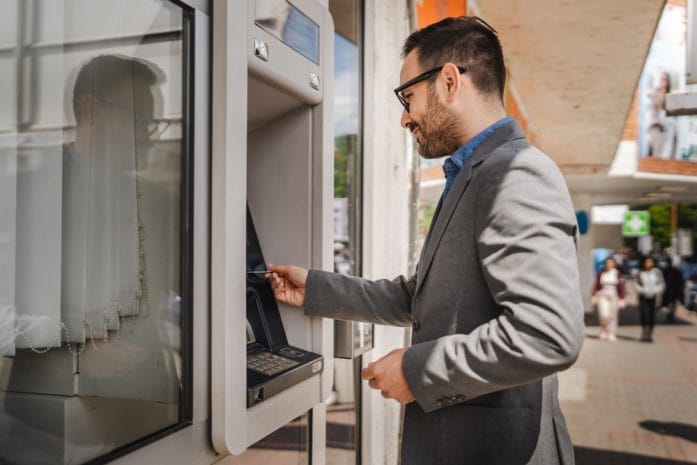
Cash still feels like control. It’s immediate, tangible, and doesn’t depend on a Wi-Fi signal or a battery percentage. Yet across major states like California, New York, Texas, Florida, and Illinois, banks have started dialing back how much cash customers can pull out at once. This shift hasn’t arrived with loud announcements or splashy headlines, but it’s happening steadily—and it’s catching people off guard at ATMs and teller windows alike. For everyday consumers, that quiet change can quickly turn into a frustrating moment when access to funds suddenly feels restricted.

This trend isn’t random, and it certainly isn’t temporary. Financial institutions are making calculated moves based on evolving risks, technology adoption, and changing customer behavior. While digital payments dominate more transactions than ever, cash still plays a crucial role in budgeting, emergencies, and small businesses.

The Real Reasons Banks Are Tightening Withdrawal Limits

Banks don’t make changes like this on a whim, and several forces drive the decision to reduce cash withdrawal limits. Fraud prevention sits at the top of the list, as criminals increasingly target ATM withdrawals and debit card access. Lower limits help reduce potential losses if someone gains unauthorized access to an account, especially in cases involving stolen cards or hacked PINs. Financial institutions also face pressure from regulators to strengthen security measures, and limiting withdrawals offers a simple, effective layer of protection. This approach allows banks to act quickly without overhauling entire systems or disrupting digital services.

Operational efficiency plays a major role as well, and it often flies under the radar. Banks spend significant resources transporting, storing, and securing physical cash, and those costs add up fast. By reducing withdrawal limits, institutions can streamline cash flow and reduce the need for frequent ATM replenishment. That shift also aligns with a broader industry push toward digital transactions, which cost less to process and track. In short, limiting cash access helps banks cut expenses while nudging customers toward electronic payments.

How This Impacts Everyday Customers

For many people, these changes don’t seem like a big deal—until they need more cash than the new limit allows. Imagine planning a last-minute home repair, paying a contractor, or covering an emergency expense that requires cash. Suddenly, multiple trips to the ATM or a visit to the bank becomes necessary, adding inconvenience and delays. Small business owners, in particular, feel the strain because they often rely on cash for daily operations, tips, or vendor payments. These limits can disrupt routines and force adjustments that weren’t necessary before.

There’s also a psychological shift that comes with reduced access to cash. Consumers often view their bank balance as fully accessible, so restrictions can create a sense of losing control over their own money. That perception matters, especially during times of economic uncertainty when people want quick access to funds. While banks emphasize security and efficiency, customers may interpret the move as a lack of transparency. This disconnect highlights the growing tension between traditional banking expectations and modern financial systems.

The Push Toward a Cashless Economy

Banks aren’t just reacting to risks—they’re actively shaping the future of how money moves. Digital wallets, peer-to-peer payment apps, and contactless transactions have exploded in popularity, making cash less essential for daily life. By lowering withdrawal limits, banks subtly encourage customers to rely more on these digital tools. This shift benefits institutions because electronic transactions generate data, reduce overhead, and integrate seamlessly with modern financial platforms. Over time, that convenience can outweigh the perceived need for physical cash.

However, the move toward a cashless society doesn’t come without challenges. Not everyone has equal access to digital banking tools, especially older adults or underserved communities. Cash still serves as a critical resource for budgeting and avoiding debt, since it limits overspending in a way digital payments often don’t. Reducing access to cash can unintentionally create barriers for those who depend on it most. That’s why this trend sparks debate about fairness, accessibility, and the future of financial inclusion.

Why Banks Are Quietly Reducing Cash Withdrawal Limits in California, New York, Texas, Florida, and Illinois

Image Source: Shutterstock.com

Smart Strategies to Stay Ahead of These Changes

Adapting to lower withdrawal limits doesn’t require a complete financial overhaul, but it does call for a smarter approach. Planning ahead becomes essential, especially for larger expenses that require cash, so spreading withdrawals over several days can help avoid last-minute stress. Keeping a small emergency cash reserve at home can also provide a safety net when limits get in the way. Many consumers are also exploring hybrid strategies, using a mix of digital payments and cash to maintain flexibility. These adjustments may seem minor, but they can make a big difference when access becomes restricted.

Communication with your bank can also go a long way. Some institutions allow temporary limit increases for specific situations, especially if requested in advance. Understanding your bank’s policies, daily limits, and available options helps avoid surprises at the worst possible moment. It’s also wise to explore alternative payment methods that offer speed and security without relying on cash. Taking these proactive steps ensures that reduced limits feel manageable rather than restrictive.

What This Quiet Shift Means for Your Financial Future

The reduction in cash withdrawal limits signals more than just a policy tweak—it reflects a broader transformation in banking. Financial institutions are prioritizing security, efficiency, and digital innovation, even if it means reshaping how customers access their own money. While the changes may feel inconvenient at times, they also highlight the importance of adapting to a rapidly evolving financial landscape. Consumers who stay informed and flexible will navigate these shifts with far less friction. Those who rely solely on old habits may find themselves increasingly constrained.

At the same time, this trend raises important questions about control, access, and trust in the banking system. Cash has long represented independence, and any limitation on it naturally draws attention. As banks continue to refine their strategies, customers will need to balance convenience with preparedness. Staying ahead of these changes ensures financial stability, even as the rules quietly evolve. The key lies in awareness, planning, and a willingness to adjust.

Have you noticed lower withdrawal limits at your bank, and how has it affected your daily routine? Share your story in the comments section below.

You May Also Like…

Banks Are Reducing Credit Limits for Older Customers During Risk Reviews

Why Direct Deposit Fails: Banking Errors That Cost You Benefits

Biometric Banking and the Rise of Fraud Concerns in 2026

6 Data-Scraping Features in Online Banking

6 Government Benefit Checks That Could Be Delayed Under New Fraud Reviews

Brandon Marcus
Brandon Marcus

Brandon Marcus is a writer who has been sharing the written word since a very young age. His interests include sports, history, pop culture, and so much more. When he isn’t writing, he spends his time jogging, drinking coffee, or attempting to read a long book he may never complete.


Filed Under: Banking Tagged With: ATMs, banking trends, cash withdrawal limits, digital payments, money management, Personal Finance, Planning

Banks Are Reducing Credit Limits for Older Customers During Risk Reviews

April 20, 2026 by Brandon Marcus Leave a Comment

Banks Are Reducing Credit Limits for Older Customers During Risk Reviews

Image Source: Shutterstock.com

A quiet shift is happening inside bank offices, and it’s catching many older customers off guard. During routine risk reviews, some financial institutions now trim credit lines without warning, even for people with long, solid histories. That move can feel confusing—or even a little insulting—when you’ve spent decades building excellent credit.

But banks don’t act randomly; they follow data, trends, and risk models that often prioritize caution over loyalty. Knowing why this happens puts you back in control and helps you protect your financial flexibility before any surprises hit.

Why Banks Are Reviewing Credit Limits More Aggressively

Banks have tightened their internal risk models in response to economic uncertainty, rising interest rates, and shifting debt patterns. They analyze spending behavior, repayment trends, and even inactivity on accounts to decide whether to adjust limits. When they spot what they consider “underutilized” or “higher-risk” profiles, they may reduce available credit to limit exposure.

Older customers sometimes fall into this category because they use less credit or carry lower balances than younger borrowers. These more aggressive reviews explain why credit limits for older customers have become a growing issue across major institutions.

How Age and Financial Behavior Intersect in Risk Models

Banks rarely admit they consider age directly, but their algorithms often connect age-related patterns with risk factors. For example, retirees might rely on fixed incomes, which can trigger caution flags in automated systems. Lower spending, fewer new accounts, or long periods of inactivity can also signal reduced engagement with credit products.

Ironically, these responsible habits often lead to lower perceived profitability for banks. As a result, credit limits for older customers can shrink not because of poor behavior, but because of how algorithms interpret stable financial lives.

The Real Impact of a Lower Credit Limit

A reduced credit limit doesn’t just affect spending power—it can ripple through your entire financial profile. Your credit utilization ratio, which plays a major role in your credit score, can jump overnight if your limit drops. Even if you don’t change your spending, a lower ceiling makes your balances look higher relative to your available credit. That shift can knock points off your score and make borrowing more expensive in the future. Many people don’t realize how quickly these changes affect them until they apply for a loan or notice a dip in their credit monitoring app.

Warning Signs That Your Limit Might Get Cut

Banks don’t always send clear signals before they reduce limits, but a few patterns often show up beforehand. If you rarely use a credit card or consistently carry a zero balance, the bank may flag the account as inactive. Sudden changes in income reporting, such as retirement, can also trigger internal reviews.

Some customers notice increased account monitoring or requests to update financial information before any action occurs. Paying attention to these clues can help you anticipate changes in credit limits for older customers and take steps before the bank makes the first move.

Banks Are Reducing Credit Limits for Older Customers During Risk Reviews

Image Source: Shutterstock.com

Smart Moves to Protect Your Credit Line

You don’t have to sit back and accept a sudden reduction without options. Using your credit cards regularly—even for small purchases—can signal activity and relevance to your bank. Keeping your utilization low while still showing consistent use creates a strong profile that algorithms favor.

You can also call your issuer and request a review or even a limit increase, especially if you have a long-standing relationship. Staying proactive gives you a better chance of maintaining stable credit limits for older customers and avoiding unnecessary disruptions.

What to Do If Your Credit Limit Drops

A sudden decrease can feel frustrating, but quick action helps minimize the impact. Start by checking your credit report to make sure no errors contributed to the decision. Then, contact your bank and ask for a clear explanation; sometimes a simple review can reverse the change. Adjust your spending temporarily to keep your utilization ratio in a healthy range while you sort things out. Taking these steps keeps you in control and prevents a short-term issue from turning into a long-term financial setback.

Staying Ahead of the Curve Without Losing Ground

Banks may rely on data, but you still hold more power than you think when it comes to your credit profile. Awareness and small strategic moves can keep your accounts active, your utilization low, and your limits intact. The trend around credit limits for older customers highlights how important it is to stay engaged with your credit, even if you don’t rely on it daily. Treat your credit lines like tools that need occasional maintenance, not something you can ignore indefinitely. When you stay proactive, you turn a potentially frustrating situation into a manageable—and even avoidable—one.

What do you think about banks reducing credit limits for older customers—does it feel like smart risk management or unfair treatment? Share your thoughts in the comments.

You May Also Like…

Why Major Banks Are Quietly Lowering Credit Limits for Customers With Holiday Debt

Maryland Seniors: Filing Errors on Local Tax Credits Are Causing Residents to Lose Key Savings

How to Easily Get a Care Credit Limit Increase: Tips and Strategies

10 Signs Your Credit Limit Is Hurting Your Score

Do Couples Really Know Each Other’s Credit Scores? What Surveys Reveal

Brandon Marcus
Brandon Marcus

Brandon Marcus is a writer who has been sharing the written word since a very young age. His interests include sports, history, pop culture, and so much more. When he isn’t writing, he spends his time jogging, drinking coffee, or attempting to read a long book he may never complete.

Filed Under: Banking Tagged With: banking trends, credit limits, credit score, Debt Management, older customers, Personal Finance, Planning, retirement finances

Some Banks Are Going Digital-Only — What That Means for Your Money

April 11, 2026 by Brandon Marcus Leave a Comment

Some Banks Are Going Digital-Only — What That Means for Your Money

Image Source: Shutterstock.com

A bank branch used to stand like a symbol—solid, physical, impossible to ignore. Now, that symbol keeps shrinking, disappearing, or transforming into something that fits inside a phone screen. The shift toward digital-only banking doesn’t whisper; it moves fast, reshaping how money gets stored, moved, and managed. Big names and newer fintech players push forward with sleek apps, fewer fees, and zero intention of opening more brick-and-mortar locations. That transformation sparks excitement, but it also raises a big, unavoidable question: what gets lost when the building disappears?

Money doesn’t feel the same when it lives entirely on a screen. Swiping, tapping, and checking balances in seconds creates a different kind of relationship with spending and saving. Digital-only banks promise speed, convenience, and lower costs, but they also remove the human layer that once defined banking. No teller windows, no face-to-face problem solving, no physical place to walk into when something feels off.

The Branch Is Gone… But The Fees Might Be Too

Digital-only banks love to lead with one powerful advantage: fewer fees. Without the cost of maintaining physical branches, these banks often cut or eliminate monthly maintenance fees, overdraft charges, and minimum balance requirements. That difference can feel refreshing, especially for anyone tired of watching small charges chip away at their balance. Traditional banks carry higher overhead, and those costs often show up in fee structures that feel outdated in a digital-first world. Digital banks step in and flip that model, offering simpler, cleaner pricing that feels more aligned with modern habits.

But the story doesn’t stop at “no fees.” Many digital-only banks also offer higher interest rates on savings accounts compared to traditional institutions. They pass along some of their cost savings, which means money sitting in those accounts can grow faster. That sounds like a clear win, and in many cases, it is. However, the details matter, because not every digital bank operates the same way, and not every account delivers the same benefits. Some accounts still include limits, conditions, or tiered rates that require attention.

Smart moves start with comparison. Check interest rates, fee structures, and account features before jumping in, because flashy marketing can hide fine print. Look for banks that offer FDIC insurance, since that protection ensures deposits remain safe up to legal limits. Digital banking can absolutely save money, but it rewards those who stay curious and read the details carefully. Convenience should feel empowering, not confusing.

Some Banks Are Going Digital-Only — What That Means for Your Money

Image Source: Unsplash.com

Customer Service Without a Counter: Smooth or Stressful?

Walking into a bank used to solve problems quickly. A conversation with a real person could clear up confusion, fix errors, or answer questions on the spot. Digital-only banks replace that experience with chat support, phone lines, and email systems that operate around the clock. That shift brings both speed and frustration, depending on the situation. Some platforms respond instantly with helpful solutions, while others send users through endless loops of automated responses.

Technology handles simple requests beautifully. Checking balances, transferring funds, or locking a card takes seconds and requires no human interaction. But more complex issues, like disputed transactions or account freezes, can feel harder to resolve without face-to-face support. Waiting for a response or navigating multiple layers of digital assistance can test patience quickly. That difference becomes especially noticeable during urgent situations.

Preparation makes a huge difference here. Choose a digital bank with strong customer service reviews and multiple support channels. Keep records of transactions and communications in case problems arise. Consider maintaining a secondary account with a traditional bank if access to in-person help feels important. Digital banking works best when it combines convenience with reliable backup options.

The Psychology of Spending Changes Fast

Money feels different when it exists as numbers on a screen instead of cash in hand. Digital-only banking speeds everything up, and that speed can influence spending habits in subtle but powerful ways. Quick transfers and instant payments remove friction, which makes spending feel effortless. That ease can help with efficiency, but it can also lead to less awareness of where money goes.

Budgeting tools built into many digital banking apps offer a major advantage. These features track spending, categorize purchases, and provide real-time insights that traditional banking rarely matches. That visibility can strengthen financial habits and help users stay on track. However, those tools only work if people actively engage with them instead of ignoring the data. Awareness requires attention, even in a digital world.

Strong habits keep everything balanced. Set spending alerts, review transactions regularly, and use budgeting features to stay grounded. Treat digital money with the same level of intention as physical cash. The format may change, but the responsibility stays the same. Digital-only banking can sharpen financial awareness, but it requires consistent effort to avoid slipping into autopilot spending.

Security: High-Tech Protection With Real Risks

Digital-only banks invest heavily in security technology. Encryption, biometric logins, and real-time fraud monitoring create layers of protection that rival or exceed traditional systems. These tools work constantly, scanning for unusual activity and blocking threats before they escalate. That level of protection offers reassurance, especially as cyber threats continue to evolve.

At the same time, digital banking introduces new risks that require attention. Phishing scams, hacked devices, and weak passwords can create vulnerabilities that no bank can fully control. Security doesn’t rest solely on the institution—it also depends on user behavior. A strong password, two-factor authentication, and cautious online habits make a significant difference.

Take control of security proactively. Enable every available protection feature, update apps regularly, and avoid using public Wi-Fi for sensitive transactions. Monitor accounts frequently to catch any unusual activity early. Digital banking can feel incredibly safe, but it works best when users actively participate in protecting their own information. Technology provides the tools, but awareness provides the edge.

Not Everyone Wins in a Fully Digital World

Digital-only banking offers speed and efficiency, but it doesn’t fit every lifestyle. Some people rely on cash transactions, prefer face-to-face interactions, or simply feel more comfortable with a physical location. Small businesses, older adults, and individuals in areas with limited internet access may find digital-only systems less practical. That reality highlights an important truth: convenience looks different for everyone.

Even tech-savvy users can hit limitations. Depositing cash, accessing certain financial services, or resolving complex issues may require workarounds that feel inconvenient. Digital banks continue to expand their features, but gaps still exist. Understanding those gaps helps avoid frustration and ensures the chosen banking setup matches real needs.

Flexibility creates the best outcome. Consider a hybrid approach that combines digital banking with access to traditional services when necessary. Evaluate personal habits, financial goals, and comfort levels before making a switch. Digital-only banking represents a powerful shift, but it works best as part of a strategy, not a one-size-fits-all solution.

The Real Shift Isn’t Technology—It’s Control

Digital-only banking doesn’t just change where money lives; it changes how control works. Apps put financial tools directly into users’ hands, offering speed, insight, and flexibility that traditional systems struggled to match. That shift can feel empowering, but it also demands more awareness, more responsibility, and more intentional decision-making. The absence of a physical branch removes a layer of support while opening the door to greater independence.

Does a fully app-based experience feel like freedom, or does it leave something important behind—and what mix of tools actually gives the most control over money? Let’s hear your thoughts, strategies, or experiences in the comments.

You May Also Like…

Direct Deposit Refunds Are Being Returned by Banks When Names Don’t Match the Account

5 Outrageous Fees Hidden in Everyday Banking Services

Biometric Banking and the Rise of Fraud Concerns in 2026

5 Budgeting Apps That Integrate With Biometric Banking

5 Red Flags That a Financial Alert Isn’t Actually From Your Bank

Brandon Marcus
Brandon Marcus

Brandon Marcus is a writer who has been sharing the written word since a very young age. His interests include sports, history, pop culture, and so much more. When he isn’t writing, he spends his time jogging, drinking coffee, or attempting to read a long book he may never complete.

Filed Under: Banking Tagged With: banking apps, banking trends, digital banking, financial technology, fintech, mobile banking, money management, neobanks, online banks, Personal Finance, Planning, savings accounts

Banks Are Tightening Fraud Controls — Why Some Cards Are Being Declined Unexpectedly

March 30, 2026 by Brandon Marcus Leave a Comment

Banks Are Tightening Fraud Controls — Why Some Cards Are Being Declined Unexpectedly

Image Source: Shutterstock.com

An innocent tap of a card used to feel like the easiest part of the day. That quick beep at the checkout once signaled convenience, confidence, and a system that worked exactly as expected. Now, that same moment can come with a sharp twist of uncertainty, as more transactions hit a sudden wall for reasons that seem impossible to guess. Something has shifted, and it has nothing to do with how people spend and everything to do with how banks watch.

Banks have turned up the dial on fraud prevention in a big way, and that intensity shows up in places nobody expects. A routine purchase can suddenly look suspicious, a familiar store can trigger a red flag, and a perfectly normal day can turn into a scramble to prove identity. This shift doesn’t come out of nowhere, though. It reflects a massive increase in digital fraud attempts, more sophisticated scams, and a financial system that now treats every transaction like a potential risk until proven otherwise.

Every Swipe Faces Scrutiny

Banks no longer treat transactions as simple exchanges. They run each purchase through complex fraud detection systems that analyze patterns, behaviors, and even subtle changes in spending habits. A single purchase can trigger dozens of automated checks in milliseconds, comparing location data, transaction size, merchant type, and recent activity. That means even small deviations from a typical routine can set off alarms. A late-night food order in a different neighborhood, a slightly higher bill at a regular spot, or a sudden online purchase from a new retailer can all look suspicious under these systems.

Financial institutions have invested heavily in machine learning and artificial intelligence to fight fraud, and those tools don’t rely on human intuition. They rely on patterns, probabilities, and risk thresholds. If something doesn’t match a known pattern, the system may block it first and ask questions later. That approach protects accounts from fraud, but it also increases the chances of false declines. Banks would rather inconvenience a legitimate purchase than allow a fraudulent one to slip through, and that mindset drives many of the unexpected declines people now experience.

This shift also reflects the sheer scale of modern fraud. Cybercriminals run highly organized operations, using stolen data, automated tools, and coordinated attacks to exploit weaknesses. Banks respond by tightening controls across the board, not just for high-risk accounts. That means everyone feels the impact, even those with spotless financial histories. A decline no longer signals something wrong with the account itself; it often signals a system working exactly as designed, even if it feels frustrating in the moment.

Why “Normal” Spending Suddenly Looks Suspicious

Patterns matter more than ever, and consistency has become a silent currency in the eyes of fraud systems. When spending habits shift, even slightly, those systems take notice. A card that usually handles groceries, gas, and streaming subscriptions might suddenly face scrutiny when it processes a luxury purchase or a large online order. That change alone can trigger a decline, not because the purchase seems unreasonable, but because it breaks the established rhythm of activity.

Travel often causes the biggest headaches. A card that works perfectly at home may fail the moment it gets used in a new city or country. Banks used to rely on travel notices to prevent this issue, but modern systems often make decisions in real time without that input. If the system detects a geographic jump or a merchant category that doesn’t align with past behavior, it may block the transaction instantly. Even domestic travel can create problems if spending patterns shift quickly within a short timeframe.

Online shopping adds another layer of complexity. Digital transactions don’t offer the same physical verification as in-person purchases, so banks treat them with extra caution. A new device, a different shipping address, or a retailer that hasn’t appeared in past transactions can all increase the perceived risk. Subscription services, digital goods, and international merchants often face even stricter scrutiny. That means a perfectly legitimate purchase can still get flagged simply because it doesn’t fit neatly into an established pattern.

The Hidden Triggers Most People Never Consider

Some of the most common decline triggers hide in plain sight. Rapid-fire transactions can raise immediate concerns, especially when multiple purchases occur within minutes. Even if those purchases come from the same store, the system may interpret them as unusual behavior. Splitting a bill into several smaller transactions or retrying a declined payment multiple times can amplify that risk and lead to temporary blocks on the card.

Changes in personal information can also create unexpected friction. Updating an address, phone number, or email may seem like routine maintenance, but those changes can temporarily disrupt the system’s ability to verify identity. If a transaction occurs shortly after such updates, the system may flag it as suspicious. Similarly, using a new card after a replacement or upgrade can trigger heightened scrutiny until the system recognizes consistent patterns again.

Merchant-side issues can play a role too. Some businesses process payments in ways that differ from standard practices, such as using international payment processors or categorizing transactions under unexpected merchant codes. These quirks can confuse fraud detection systems and lead to declines. Even something as simple as a delayed charge from a hotel or rental service can look unusual if it doesn’t align with the timing of the original transaction. All of these factors combine to create a landscape where declines feel random, even though they follow a very specific logic behind the scenes.

Banks Are Tightening Fraud Controls — Why Some Cards Are Being Declined Unexpectedly

Image Source: Shutterstock.com

How to Stay One Step Ahead of the System

A few proactive habits can make a big difference in avoiding those frustrating declines. Keeping contact information up to date ensures that banks can reach out quickly if something looks unusual. Many institutions send real-time alerts or verification requests through mobile apps or text messages, and a quick response can often resolve a blocked transaction within minutes. Enabling these notifications adds an extra layer of control and helps keep transactions moving smoothly.

Consistency helps more than most people realize. Using the same card for regular purchases builds a clear pattern that fraud systems can recognize. When planning a larger or unusual purchase, it helps to use a card with an established history rather than a rarely used one. For travel, checking account settings or notifying the bank ahead of time can reduce the chances of a decline, even though modern systems don’t always rely on those notices. Carrying a backup payment method also provides a simple safety net when the unexpected happens.

Patience plays a role, too. Repeatedly attempting a declined transaction can make the situation worse, as the system may interpret those attempts as suspicious behavior. Taking a moment to check for alerts or contact the bank can resolve the issue more effectively. Many declines come with a quick fix once the system confirms that the transaction is legitimate.

Security Wins, But Convenience Takes a Hit

Banks have drawn a clear line in the sand, and that line prioritizes security above all else. Fraud prevention systems have become smarter, faster, and more aggressive, and they catch threats that would have slipped through just a few years ago. That progress protects accounts, reduces financial losses, and strengthens trust in digital payments. At the same time, it reshapes the everyday experience of using a card, adding friction where there once was none.

What strategies have worked best to avoid those awkward checkout moments, and what changes have made the biggest difference? Let’s hear your thoughts, experiences, or clever workarounds in the comments.

You May Also Like…

Biometric Banking and the Rise of Fraud Concerns in 2026

7 Reasons Why Many “Buy Now, Pay Later” Users Are Actually Paying With Debit Cards

Banks Are Moving Toward All-Digital Payments — What That Means for Your Money

4 Ways to Spot Fraud Before Your Bank Does

7 Things A Fraudulent Financial Advisor Would Tell You to Do

Brandon Marcus
Brandon Marcus

Brandon Marcus is a writer who has been sharing the written word since a very young age. His interests include sports, history, pop culture, and so much more. When he isn’t writing, he spends his time jogging, drinking coffee, or attempting to read a long book he may never complete.
Filed Under: Banking Tagged With: banking, banking trends, consumer finance, credit cards, debit cards, digital payments, Financial Security, fintech, fraud prevention, identity theft, payment declines, Spending Habits

Banks Are Moving Toward All-Digital Payments — What That Means for Your Money

March 28, 2026 by Brandon Marcus Leave a Comment

Banks Are Moving Toward All-Digital Payments — What That Means for Your Money

Image Source: Unsplash.com

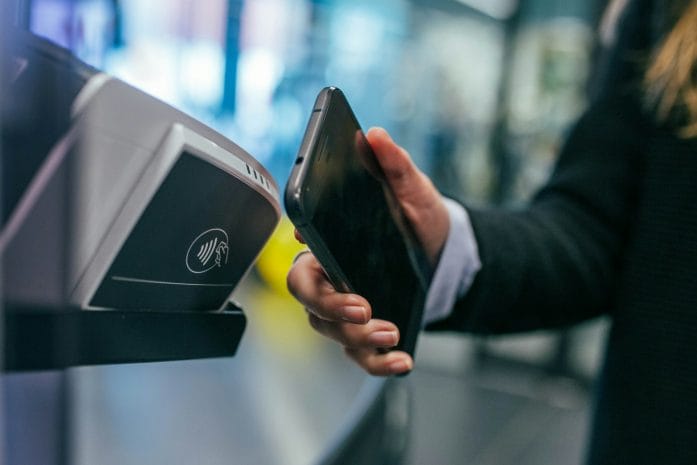
Ever pulled out a crumpled dollar bill at the grocery store and wondered if paper money will even exist in ten years? The financial world is hurtling into a cashless future faster than most people realize, and banks are leading the charge. Across the country, institutions are investing heavily in digital payment systems, mobile apps, and online banking features that make physical money seem almost prehistoric. From tap-to-pay smartphones to instant peer-to-peer transfers, the days of waiting for checks to clear or fumbling for coins are slipping away. This shift isn’t just about convenience; it’s reshaping how money flows in everyday life, and it’s happening faster than many customers can keep up with.

As banks go fully digital, they aren’t just changing how people pay—they’re changing how people think about money itself. The rise of digital payments is influencing spending habits, saving patterns, and even the way we handle financial emergencies. That’s why understanding what’s happening now isn’t just smart—it’s essential.

The Digital Dollar Is Taking Over

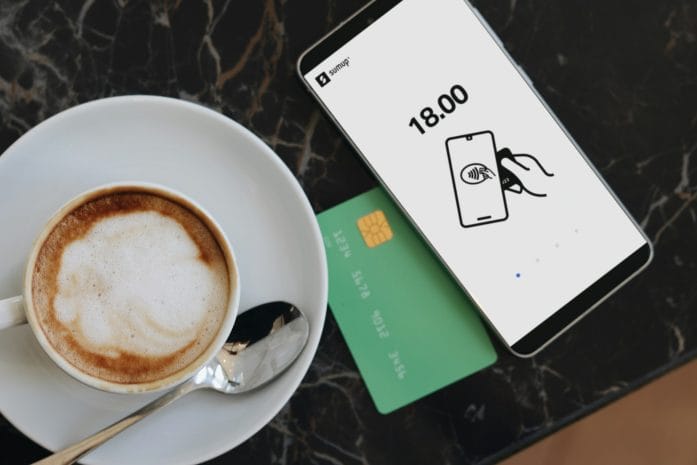
The push toward digital payments isn’t a gimmick or a passing trend. Banks are increasingly phasing out paper checks and encouraging customers to adopt mobile wallets, contactless cards, and app-based transfers. Digital transactions have been growing at double-digit rates over the past few years, with mobile payments like Apple Pay, Google Wallet, and Venmo accounting for a substantial share of everyday transactions. The convenience of sending money with a tap or a swipe is undeniable, but there’s more than just speed at play here. Banks also see digital payments as a way to collect data, streamline operations, and reduce the costs associated with handling physical cash.

For consumers, this transition means reevaluating how they carry and use money. A digital-first approach can save time and make budgeting easier, as app notifications track spending in real time and allow users to categorize expenses automatically. However, it also comes with responsibilities. Digital wallets and banking apps are vulnerable to hacks, phishing scams, and identity theft if users aren’t careful. The key takeaway? Embracing digital payments doesn’t mean giving up control—it means staying vigilant and using the tools smartly. Learning to protect passwords, enabling two-factor authentication, and keeping software updated aren’t optional anymore—they’re essential.

Goodbye Cash, Hello Convenience

The appeal of a cashless lifestyle isn’t hard to see. Forget digging for coins or standing in line to deposit checks. Mobile and online payments let people pay bills, split tabs, and shop online faster than ever. But convenience doesn’t automatically translate to safety. While banks implement encryption and security protocols to protect transactions, individuals must also adopt safe practices to avoid cyber threats. Using verified apps, avoiding public Wi-Fi for financial activities, and monitoring accounts for unusual activity are critical steps.

Moreover, the rise of digital payments has sparked a cultural shift. Spending money has become instantaneous and often less tangible. People feel the financial impact in real time rather than counting physical cash, which can influence budgeting habits. For some, this is empowering; for others, it may require adopting new strategies to avoid overspending. Automated alerts, digital envelopes, and regular app-based reconciliations can help keep spending habits in check while embracing the speed and simplicity of modern banking.

The Banks’ Big Bet on Mobile

It isn’t just consumers driving the move to digital payments—banks are betting big on mobile-first experiences. Apps now allow users to deposit checks with a photo, transfer money instantly to friends and family, and even track credit scores all in one place. According to studies, many U.S. banks have upgraded their mobile platforms to support advanced features, signaling a clear commitment to a fully digital future. The competition isn’t just about convenience—it’s about survival in a world where nimble fintech companies are snapping at the heels of traditional institutions.

For customers, this means more options but also more decisions. Comparing app features, transaction fees, and security protocols can help ensure that choosing a digital bank aligns with personal financial goals. Experimenting with different tools—like budgeting integrations, AI-powered alerts, or investment tracking features—can turn mobile banking from a mundane task into a genuinely useful resource. Staying informed and proactive allows people to take full advantage of what banks are offering without being blindsided by fees or limitations.

Banks Are Moving Toward All-Digital Payments — What That Means for Your Money

Image Source: Unsplash.com

Protecting Your Money in a Digital World

As digital payments dominate, protecting financial data has never been more critical. Cybersecurity threats evolve alongside technology, and relying solely on a bank’s security measures isn’t enough. Consumers must take active steps, such as using strong, unique passwords, monitoring accounts daily, and setting up fraud alerts. Biometrics, like fingerprint or facial recognition, add another layer of protection, especially for mobile payments.

Beyond security, having a backup plan for emergencies remains essential. Even the most tech-savvy individuals can encounter outages, frozen accounts, or lost devices. Keeping a small reserve of cash for unavoidable situations and knowing alternative payment options can prevent panic if digital systems fail. The goal isn’t to fear the digital shift but to navigate it confidently and safely, ensuring that convenience never comes at the expense of security.

Embracing the Future Without Losing Control

The all-digital payment era promises speed, simplicity, and efficiency, but it also demands responsibility and awareness. Banks are accelerating this transition, and consumers who adapt quickly can reap the benefits while staying protected. Learning how to manage digital wallets, safeguard accounts, and track spending proactively transforms what might feel like a chaotic shift into a smooth, empowering experience.

The move toward cashless living isn’t just a technical evolution—it’s a lifestyle change. Embracing it offers remarkable opportunities for efficiency, financial insight, and convenience, as long as people stay attentive to the risks. Thinking strategically about security, budgeting, and emergency plans allows anyone to thrive in a fully digital banking environment. As banks continue to innovate, the question isn’t whether the shift will happen—it’s how well people will adapt and take control of their digital financial future.

What strategies or tools have worked best for navigating digital payments? Give us your ideas, experiences, and tips in the comments below and spark the conversation about mastering money in the digital age.

You May Also Like…

Biometric Banking and the Rise of Fraud Concerns in 2026

5 Budgeting Apps That Integrate With Biometric Banking

6 Data-Scraping Features in Online Banking

6 Banking Terms That Invalidate Joint Ownership Intentions

What Are the Hidden Dangers of Digital-Only Banking?


Brandon Marcus
Brandon Marcus

Brandon Marcus is a writer who has been sharing the written word since a very young age. His interests include sports, history, pop culture, and so much more. When he isn’t writing, he spends his time jogging, drinking coffee, or attempting to read a long book he may never complete.
Filed Under: Banking Tagged With: banking trends, cashless society, consumer finance, digital payments, digital wallets, financial technology, fintech, future of banking, mobile banking, money management, Online banking

FOLLOW US

Search this site:

Recent Posts

  • Can My Savings Account Affect My Financial Aid? by Tamila McDonald
  • 12 Ways Gen X’s Views Clash with Millennials… by Tamila McDonald
  • What Advantages and Disadvantages Are There To… by Jacob Sensiba
  • 10 Tactics for Building an Emergency Fund from Scratch by Vanessa Bermudez
  • Call 911: Go To the Emergency Room Immediately If… by Stephen Kanaval
  • 7 Weird Things You Can Sell Online by Tamila McDonald
  • 10 Scary Facts About DriveTime by Tamila McDonald

Copyright © 2026 · News Pro Theme on Genesis Framework