• Home
  • About Us
  • Toolkit
  • Getting Finances Done
    • Hiring Advisors
    • Debt Management
    • Spending Plan
  • Insurance
    • Life Insurance
    • Health Insurance
    • Disability Insurance
    • Homeowners/Renters Insurance
  • Contact Us
  • Risk Tolerance Quiz
  • Our Editorial Commitment

The Free Financial Advisor

You are here: Home / Archives for scam alerts

Medicare Identity Alert: 3 Steps to Take After a Data Exposure Notice

May 5, 2026 by Brandon Marcus Leave a Comment

Medicare Identity Alert: 3 Steps to Take After a Data Exposure Notice
Image Source: Shutterstock.com

A Medicare data exposure notice can land in a mailbox or inbox like an unwelcome surprise that instantly raises alarm bells. These notices signal that sensitive personal information may have been compromised, and scammers often see that as an open invitation. Medical identity theft does not just create financial headaches—it can also disrupt healthcare records, prescriptions, and even insurance eligibility.

Quick action matters more than panic, and smart steps can shut down fraud attempts before they gain momentum. This situation demands attention, but it also gives a clear opportunity to lock down protection fast and effectively.

What a Medicare Data Exposure Notice Really Signals

A Medicare data exposure notice does not automatically mean fraud already occurred, but it does confirm that personal data entered risky territory. Hackers, unauthorized insiders, or system vulnerabilities may have exposed details such as Medicare numbers, names, or even health records. Criminals often trade this information on hidden online marketplaces where identity data becomes a valuable commodity. That reality makes early awareness a powerful advantage rather than a reason for fear. Quick interpretation of the notice helps prevent confusion and keeps the response focused.

Many notices include technical explanations that sound confusing, but the core message stays simple: personal data may no longer remain private. Fraudsters often wait weeks or months before using stolen information, which creates a false sense of safety for victims. This delay makes proactive monitoring essential because silence does not equal safety. Acting early shuts down opportunities before criminals test the stolen information. Awareness turns into the first line of defense.

Step 1: Confirm the Legitimacy of the Notice

Scammers love impersonating government agencies, so verifying the notice comes first before any action takes place. Official Medicare communications always include verifiable contact information and reference numbers that match government records. A quick call to the official Medicare helpline confirms whether the notice holds real legitimacy or masks a phishing attempt. Fraudulent letters often push urgency without providing traceable details. Careful verification stops unnecessary exposure to secondary scams.

Suspicious notices often contain spelling errors, unusual return addresses, or pressure tactics demanding immediate action. Real Medicare communications never request sensitive details like passwords or banking credentials through insecure channels. Comparing the notice with official Medicare updates online helps separate fact from fraud. Many scams rely on emotional urgency, so slowing down breaks their momentum. A verified notice clears the path for confident next steps.

Step 2: Lock Down Your Medicare and Financial Accounts

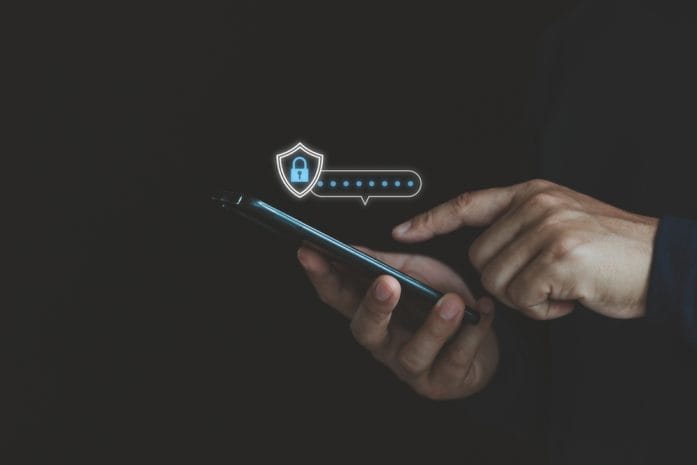
Once legitimacy gets confirmed, securing Medicare accounts becomes the top priority. Changing login credentials and strengthening passwords creates an immediate barrier against unauthorized access. Fraudsters often attempt to reuse stolen data quickly, so early lock-down efforts disrupt their timing. Enabling multi-factor authentication adds another layer that blocks most automated intrusion attempts. Security improvements work best when applied immediately after exposure.

Financial institutions connected to Medicare billing also need close attention because criminals often test multiple systems with stolen data. Banks and credit card companies can place fraud alerts that flag suspicious activity in real time. Reviewing recent transactions helps detect small unauthorized charges that often go unnoticed. Reporting any irregularity early prevents larger financial damage from developing. A coordinated lock-down strategy limits every possible entry point.
Medicare Identity Alert: 3 Steps to Take After a Data Exposure Notice
Image Source: Shutterstock.com

Step 3: Watch for Fraudulent Activity Like a Hawk

Monitoring activity becomes critical after securing accounts because identity theft often develops in subtle stages. Criminals may open medical claims, request prescriptions, or reroute insurance benefits using stolen Medicare information. Regular review of Medicare Summary Notices helps detect unfamiliar services or providers. Early detection turns small issues into manageable corrections instead of full-scale crises. Vigilance transforms into ongoing protection.

Credit reports also reveal whether identity thieves attempt to open new accounts using stolen personal data. Free credit monitoring tools or alerts can flag sudden changes that signal unauthorized activity. Fraud often starts quietly before escalating into visible financial damage. Tracking patterns over time helps identify irregular behavior that single checks might miss. Consistent monitoring builds a strong defensive rhythm.

Extra Moves That Add Strong Security Layers

Adding extra safeguards strengthens protection beyond the basic steps and reduces future risk exposure. Placing a fraud alert or credit freeze restricts access to credit reports, making new account openings significantly harder for criminals. These tools act like security gates that require verification before any financial activity proceeds. Many victims overlook these protections until after damage occurs. Acting early increases overall resilience.

Identity theft protection services can also monitor dark web activity for stolen Medicare or personal data. While no service guarantees total protection, alerts often provide early warning signs that help contain threats quickly. Updating passwords regularly and avoiding reuse across platforms further reduces vulnerability. Small habits build strong long-term security outcomes. Layered protection creates multiple barriers that discourage criminal attempts.

Red Flags That Suggest Identity Theft Has Already Started

Certain warning signs reveal that stolen Medicare information may already be in use. Unexpected medical bills, unfamiliar doctor visits, or denied insurance claims often signal fraudulent activity. These issues typically appear before victims realize any breach occurred. Quick reporting to Medicare and healthcare providers helps stop misuse early. Immediate action limits long-term consequences.

Credit score drops or new accounts appearing without authorization also indicate potential identity theft. Fraudsters often test stolen data in small ways before attempting larger financial moves. Monitoring alerts from banks or Medicare systems can expose suspicious behavior quickly. Ignoring these signals allows criminals more time to escalate damage. Fast response turns detection into protection.

Why Quick Action Changes the Outcome Entirely

Speed matters more than complexity when responding to a Medicare data exposure notice because fraudsters rely on delay. Immediate verification, account protection, and monitoring create a defensive chain that blocks most exploitation attempts. Criminals often abandon compromised data when they encounter strong resistance early. Every hour of delay increases risk exposure. Fast action reduces both stress and potential damage.

Medicare identity protection depends on consistent awareness rather than one-time fixes. Each step builds on the previous one to create a secure environment that limits fraud opportunities. Staying alert transforms a stressful notice into a manageable situation with clear control points. Strong responses prevent long-term complications from taking root. Confidence grows when protection becomes routine.

Staying One Step Ahead of Medicare Identity Threats

A Medicare data exposure notice does not define the outcome—response strategy does. Careful verification, fast account protection, ongoing monitoring, and layered security tools all work together to shut down fraud opportunities. Criminals depend on confusion and delay, but structured action removes both advantages. Each step strengthens control over personal information and healthcare security. Smart prevention always beats reactive recovery.

What steps feel most important when it comes to protecting your Medicare information after a data exposure notice? Let’s hear your thoughts and advice in the comments below.

You May Also Like…

A Big Change to Medicare Prior Authorization: 7‑Day Deadline Now Mandatory

Retirement Healthcare Costs Are Climbing Again — What the Average Couple Now Needs

Healthcare Spending Doesn’t Stop Rising — Why That Matters for Retirees

4 Medicare Advantage Changes That Could Affect Your Doctor Access

5 Hidden Medicare Costs That Can Reduce Your Monthly Budget

Brandon Marcus
Brandon Marcus

Brandon Marcus is a writer who has been sharing the written word since a very young age. His interests include sports, history, pop culture, and so much more. When he isn’t writing, he spends his time jogging, drinking coffee, or attempting to read a long book he may never complete.

Filed Under: safety Tagged With: credit monitoring, cybersecurity, data breach, financial safety, fraud prevention, healthcare security, identity theft, Medicare, Medicare fraud, personal data protection, scam alerts

Seniors Receiving ‘Utility Shutoff’ Calls With Exact Account Numbers — Here’s How Criminals Are Stealing Them

April 2, 2026 by Brandon Marcus Leave a Comment

Seniors Receiving ‘Utility Shutoff’ Calls With Exact Account Numbers — Here’s How Criminals Are Stealing Them
Image Source: Unsplash.com

It starts with a jolt of panic. A phone rings, a voice sounds urgent, and the message hits hard: pay now or lose your power. That alone rattles anyone, but this new wave of scams adds a chilling twist that feels almost impossible to ignore. The caller doesn’t just bluff or guess—they read off a real account number. That single detail transforms a suspicious call into something that feels dangerously legitimate, and it pushes people to act fast before thinking twice.

Criminals have stepped up their game in a way that feels personal, precise, and alarmingly effective. Seniors, in particular, have become frequent targets, not because they lack awareness, but because scammers know how to create pressure and exploit trust. These calls don’t rely on luck anymore. They rely on stolen data, careful scripting, and just enough truth to make the lie stick.

The New Trick That Turns a Scam Into a Crisis

This latest scam doesn’t rely on vague threats or generic claims. Instead, it leans heavily on credibility, and nothing builds credibility faster than specific, accurate information. When a caller rattles off an actual utility account number, it instantly lowers defenses and makes the situation feel urgent and real. That sense of urgency drives quick decisions, and quick decisions often lead to costly mistakes. Scammers know this, so they design every second of the call to keep emotions high and logic low.

These calls often follow a tight script that sounds professional and authoritative. The caller claims to represent a utility company, warns about an overdue balance, and threatens immediate disconnection unless payment happens right away. They push for payment through methods that leave little trace, such as prepaid cards, wire transfers, or digital payment apps. That detail alone should raise alarms, since legitimate utility companies never demand payment in those forms under pressure. Still, the presence of a real account number convinces many people that the situation must be legitimate.

The timing of these calls often adds another layer of pressure. Scammers frequently call during busy hours or just before weekends, when reaching customer service becomes harder. That tactic increases the likelihood that someone will comply rather than verify. The combination of urgency, authority, and accurate data creates a perfect storm that feels almost impossible to ignore. Recognizing this pattern helps break the illusion before it takes hold.

Where Are Scammers Getting Real Account Numbers?

The big question lingers: how do scammers even get access to real account numbers in the first place? The answer usually traces back to data breaches, phishing schemes, and information leaks that happen quietly behind the scenes. When companies experience breaches, even small ones, fragments of customer data can end up in the wrong hands. Those fragments often include account numbers, phone numbers, and billing details that criminals can later piece together.

Phishing plays a huge role in this ecosystem as well. Emails or fake websites trick people into entering their information, which then gets stored and sold on underground marketplaces. Once scammers collect enough data points, they can build highly convincing profiles of potential targets. That allows them to tailor their calls with just enough accuracy to seem legitimate without needing full access to an account. It creates the illusion of authority without the reality behind it.

Social engineering fills in the remaining gaps. Scammers gather bits of information from public records, social media, or previous interactions and combine them into a convincing narrative. Even something as simple as a phone number linked to a billing address can help them sound credible. The result feels like a fully informed representative calling with urgent news, when in reality it’s a carefully constructed illusion. Understanding these sources makes it easier to see how the scam comes together—and how to dismantle it.

Why Seniors Face the Brunt of These Calls

Scammers don’t randomly choose their targets. They focus on groups they believe will respond quickly to authority and urgency, and seniors often fit that profile due to a lifetime of trusting institutions and valuing prompt bill payments. That sense of responsibility becomes a vulnerability when someone threatens to shut off essential services like electricity or water. The idea of losing access to those services feels overwhelming, and scammers exploit that fear without hesitation.

Many seniors also prefer phone communication over digital methods, which makes them more accessible to voice-based scams. A phone call feels direct and personal, and that personal touch can build trust even when it shouldn’t. Scammers take advantage of that preference by sounding polite, professional, and sometimes even helpful. They guide the conversation in a way that feels cooperative rather than confrontational, which lowers suspicion even further.

Isolation can also play a role in how these scams succeed. Without someone nearby to quickly question the situation or offer a second opinion, it becomes easier to act under pressure. That doesn’t mean seniors lack awareness or intelligence; it simply reflects how these scams manipulate circumstances. Encouraging open conversations about scams within families and communities can create a stronger line of defense. The more people talk about these tactics, the harder it becomes for scammers to succeed.

Seniors Receiving ‘Utility Shutoff’ Calls With Exact Account Numbers — Here’s How Criminals Are Stealing Them
Image Source: Pexels.com

Smart Moves That Shut Scammers Down Fast

Stopping these scams doesn’t require technical expertise, but it does require a shift in how people respond to urgent financial demands. The first and most important move involves slowing down. Scammers rely on speed, so taking a moment to pause immediately disrupts their strategy. Hanging up and calling the utility company directly using an official number removes all doubt and puts control back where it belongs.

Another powerful step involves recognizing payment red flags. Any demand for prepaid cards, cryptocurrency, or instant transfers should trigger immediate suspicion. Legitimate companies offer multiple payment options and never threaten immediate disconnection over the phone without prior notice. Keeping that in mind makes it easier to spot when something feels off. Writing down official customer service numbers and keeping them accessible can also make verification quick and easy.

Technology can add another layer of protection as well. Call-blocking tools, spam filters, and phone settings can reduce the number of scam calls that get through in the first place. While no system works perfectly, combining these tools with awareness creates a strong defense. Sharing information about recent scams with friends and family helps spread that protection even further. Every conversation about scams strengthens the network of awareness that keeps people safe.

Turning Awareness Into Action

Knowledge alone doesn’t stop scams, but action does. Recognizing the tactics, understanding the sources of stolen data, and knowing how to respond can completely change the outcome of these situations. That shift turns a moment of panic into a moment of control, and that control makes all the difference. Scammers depend on confusion and urgency, so clarity and patience act as the ultimate counterattack.

What strategies have worked to shut down suspicious calls, and what tips deserve more attention? Drop those thoughts and experiences in the comments and keep the conversation going.

You May Also Like…

8 Scam Messages That Look Official — But Aren’t

7 Ways Identity Scammers Copy Your Signature Remotely

10 Phishing Scheme Red Flags That Fool Even Savvy Account Holders

Utility Companies Are Ending Paper Billing — How It Will Change Your Monthly Payments

7 Ways Criminals Are Bypassing Security Codes in 2026

Brandon Marcus
Brandon Marcus

Brandon Marcus is a writer who has been sharing the written word since a very young age. His interests include sports, history, pop culture, and so much more. When he isn’t writing, he spends his time jogging, drinking coffee, or attempting to read a long book he may never complete.
Filed Under: scams Tagged With: Consumer Protection, cybersecurity, data breaches, financial fraud, fraud prevention, identity theft, phishing, phone scams, scam alerts, scam awareness, senior safety, utility scam

If You Get a ‘Replacement’ Medicare Card in the Mail, Do NOT Call the Number Printed on It

April 1, 2026 by Brandon Marcus Leave a Comment

If You Get a ‘Replacement’ Medicare Card in the Mail, Do NOT Call the Number Printed on It
Image Source: Shutterstock.com

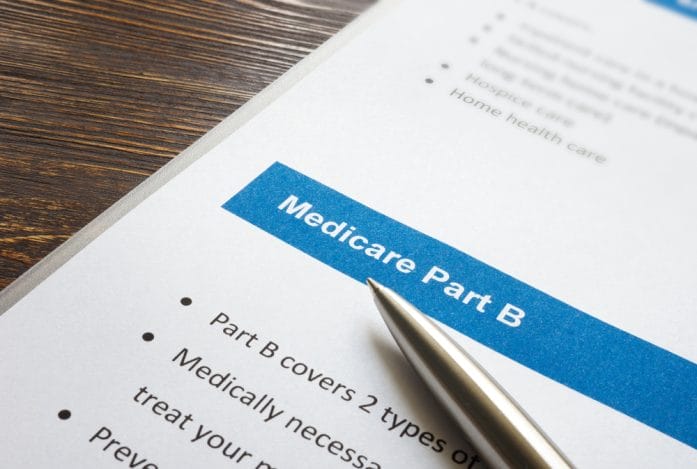
A random piece of mail can flip from harmless to dangerous in seconds. One glance at an official-looking envelope, a familiar logo, and a message that feels urgent can send anyone into action without a second thought. That reaction fuels one of the fastest-growing scams targeting older adults today, and it arrives dressed as something meant to help. It promises a replacement Medicare card, sometimes even hinting at improved benefits or updated security features, and it looks convincing enough to pass a quick inspection.

The real problem begins the moment that phone number gets dialed. That number does not connect to a government office or a helpful representative ready to assist with healthcare coverage. It leads straight to scammers who know exactly what they want and exactly how to get it. This scheme thrives on trust, confusion, and urgency, and it has already cost people sensitive information, money, and peace of mind.

The Fake Card That Looks Way Too Real

Scammers do not throw together sloppy designs and hope for the best anymore. They invest time and effort into creating mail that mirrors official government correspondence down to the smallest detail. The fake Medicare card often includes logos, formatting, and language that closely resemble legitimate documents, which makes it incredibly difficult to spot at first glance. Some even include barcodes, ID numbers, and instructions that feel procedural and routine, adding another layer of believability. That level of detail tricks people into trusting what lands in their mailbox without questioning its origin.

The messaging on these cards usually leans heavily on urgency. It might warn about expiring coverage, security breaches, or required updates that demand immediate attention. That urgency pushes people to act quickly instead of pausing to verify the information, which plays directly into the scammer’s strategy. Once someone calls the number, the scam shifts from paper to persuasion, and that is where the real damage begins. The caller often hears a confident voice that sounds professional, calm, and ready to help resolve the issue.

These scammers follow scripts designed to extract personal information step by step. They may ask for a Medicare number, Social Security number, banking details, or even payment for “processing fees.” Each request builds on the last, creating a sense of normalcy that keeps the conversation going. Before long, the caller has handed over enough information to open the door to identity theft or financial fraud. The fake card does not just mislead; it sets the stage for a carefully planned interaction that targets trust.

Why Calling That Number Is Exactly What They Want

The phone call sits at the center of this scam for a reason. It gives scammers direct access to a real person, which allows them to adapt their approach in real time. They can respond to hesitation, answer questions convincingly, and keep the conversation moving forward with just enough reassurance to maintain control. That human interaction makes the scam far more effective than a simple email or text message. It feels personal, and that feeling lowers defenses.

Once the call begins, scammers often create a sense of authority by using official-sounding titles and language. They might claim affiliation with Medicare or a related agency, and they may even provide fake identification numbers to back up their story. That performance builds credibility quickly, especially for anyone who already believes the card came from a legitimate source. The longer the call continues, the harder it becomes to step back and question what is happening.

Scammers also rely on subtle pressure tactics during the call. They may suggest that failing to act immediately could result in lost benefits or compromised coverage, which adds emotional weight to the situation. That pressure keeps people engaged and focused on solving the supposed problem rather than verifying the legitimacy of the request. By the time doubts start to surface, the conversation has already moved into dangerous territory. Hanging up at that point can feel uncomfortable, but it remains the smartest move.

The Real Rules Medicare Actually Follows

Medicare does not operate this way, and that fact alone can stop this scam in its tracks. Official Medicare communications do not include unsolicited requests for sensitive personal information over the phone. They also do not send replacement cards out of the blue without prior notice or a clear reason. When Medicare issues a new card, it typically follows a broad, well-publicized rollout rather than random, isolated mailings. That consistency makes unexpected cards a major red flag.

Legitimate Medicare contact information also stays consistent and easy to verify. The official phone number appears on the Medicare website and on authentic documents, and it does not change from one mailing to the next. Any card or letter that lists a different number should raise immediate suspicion. Taking a moment to compare that number with official sources can prevent a costly mistake. That simple step often makes the difference between staying safe and falling into a scam.

Another key detail involves payment. Medicare does not charge fees for sending replacement cards, and it does not require immediate payment to maintain coverage. Any request for money tied to a card replacement should set off alarm bells right away. Scammers often rely on small fees to make the request seem reasonable, but those payments can lead to larger financial losses later. Recognizing these patterns creates a strong defense against this type of fraud.

If You Get a ‘Replacement’ Medicare Card in the Mail, Do NOT Call the Number Printed on It
Image Source: Shutterstock.com

Smart Moves That Shut This Scam Down Fast

Stopping this scam does not require advanced technical skills or deep knowledge of fraud tactics. It starts with slowing down and questioning anything that feels urgent or unexpected. Taking a closer look at the mail, checking for inconsistencies, and refusing to act immediately can break the scammer’s momentum. That pause creates space to think clearly and make better decisions. It also removes the emotional pressure that scammers depend on.

Verifying information through official channels remains one of the most effective strategies. Instead of calling the number on the card, use the official Medicare website or a trusted contact method to confirm whether the mailing is legitimate. That extra step takes only a few minutes, but it can prevent serious consequences. It also reinforces a habit of double-checking information before taking action, which helps in many other situations beyond this specific scam.

Shredding suspicious mail and keeping personal information secure adds another layer of protection. Even if the card looks convincing, treating it as untrusted material reduces the risk of accidental exposure. Staying informed about common scams also plays a big role in prevention. Awareness turns what might have been a confusing situation into an obvious red flag, and that awareness spreads easily through conversations with family and friends. Sharing this knowledge helps protect others who might encounter the same scam.

The Bottom Line That Could Save You a Headache

A convincing piece of mail can spark a chain reaction that leads straight into a scam, but one small decision can stop that chain before it starts. Ignoring the number on a suspicious Medicare card and choosing to verify information independently cuts off the scammer’s main point of access. That single choice protects personal information, financial security, and peace of mind all at once. It also reinforces a mindset that values caution over speed, which pays off in countless situations.

Have you or someone close encountered a suspicious Medicare card or a similar scam? What strategies helped spot it before any damage happened, and what advice would make a difference for others facing the same situation? Drop those thoughts and experiences in the comments and keep the conversation going.

You May Also Like…

6 Income Thresholds That Can Trigger Higher Medicare Premiums

From Medicare to Medicaid: Why Billing Glitches Are Causing Unexpected Medical Bills Nationwide

More Retirees Are Seeing Higher Medicare Costs—And It’s Tied to Income From Years Ago

5 Warning Signs Someone Is Using Your Social Security Number

The Hidden Tax Rules Shrinking Social Security Checks — What Seniors Need to Know

Brandon Marcus
Brandon Marcus

Brandon Marcus is a writer who has been sharing the written word since a very young age. His interests include sports, history, pop culture, and so much more. When he isn’t writing, he spends his time jogging, drinking coffee, or attempting to read a long book he may never complete.
Filed Under: scams Tagged With: Consumer Protection, cybersecurity basics, fraud prevention, government scams, healthcare fraud, identity theft, mail fraud, Medicare scam, personal finance safety, phishing scams, scam alerts, senior safety

5 Red Flags That a Financial Alert Isn’t Actually From Your Bank

March 31, 2026 by Brandon Marcus Leave a Comment

5 Red Flags That a Financial Alert Isn’t Actually From Your Bank
Image Source: Shutterstock.com

The moment a “bank alert” lands on a phone or inbox, urgency kicks in hard. That little spike of adrenaline? Scammers count on it. They design messages to trigger fast reactions, not careful thinking, and they push just enough panic to make even cautious people hesitate for a split second. That split second often decides whether money stays safe or disappears into a digital black hole.

Real banks don’t play games with communication, and they certainly don’t rely on fear to get attention. They follow strict security practices, predictable formats, and consistent channels, because trust matters more than speed. Fake alerts, on the other hand, chase chaos. They rush, pressure, and confuse, all while pretending to protect.

1. The Message Screams Urgency Like It’s a Five-Alarm Fire

Scammers love urgency because it shuts down logic faster than almost anything else. A message that claims an account will lock within minutes or that suspicious charges demand immediate action often signals trouble rather than truth. Real banks take fraud seriously, but they don’t corner customers into rushed decisions without options. They provide clear steps, allow time to verify, and never demand instant compliance through a single message.

Urgent language often includes dramatic phrasing that feels slightly over-the-top, even if it looks convincing at first glance. Words like “immediate suspension,” “critical breach,” or “act now or lose access” push emotional buttons rather than deliver useful information. Banks aim for clarity and calm communication because panic leads to mistakes, and mistakes damage trust. A legitimate alert might flag unusual activity, but it won’t demand action within an absurdly short timeframe or threaten consequences that escalate every second.

Taking a breath changes everything in these situations. Instead of reacting to the message itself, a safer move involves opening the official banking app or logging in through a known website. If something truly needs attention, it will show up there without the dramatic countdown. That simple pause often breaks the scammer’s entire strategy.

2. The Link Looks Just a Little… Off

A suspicious link rarely screams “fake” right away. Instead, it hides behind something that looks almost right, with tiny differences that only stand out under closer inspection. A swapped letter, an extra word, or a strange domain ending can turn a legitimate-looking link into a trap. Scammers rely on quick glances, not careful reading, so they design URLs that pass the first impression test but fail under scrutiny.

Legitimate banks use consistent, recognizable web addresses that rarely change. They don’t send random shortened links or unfamiliar domains, especially in urgent alerts. A message that includes a link that looks messy, overly long, or slightly misspelled should raise immediate suspicion. Hovering over a link on a computer or pressing and holding it on a phone reveals the true destination, and that quick check can save a lot of trouble.

Clicking unknown links in financial messages creates unnecessary risk, even when curiosity kicks in. A smarter approach involves skipping the link entirely and heading straight to the official banking platform. Bookmarking the correct website or relying on the bank’s mobile app builds a safer habit over time. That small shift removes the scammer’s main entry point and keeps control firmly in the right hands.

3. It Asks for Information No Bank Would Ever Request

A real bank already holds essential account details, so it doesn’t need to ask for passwords, PINs, or full card numbers through an email or text. Requests for sensitive information in a message should set off immediate alarms. Scammers often disguise these requests as “verification steps” or “security checks,” but they aim to collect data, not protect it. These fake alerts sometimes include forms or direct replies that encourage sharing personal details quickly. That tactic plays on the idea that fast action prevents fraud, when in reality it creates it. Banks don’t ask for login credentials through messages, and they never request full authentication details outside secure platforms. Even customer support teams follow strict rules about what they can and cannot ask for.

Keeping personal information locked down requires a simple rule: never share sensitive details through a message, no matter how official it looks. If a situation feels uncertain, contacting the bank directly through verified channels clears things up fast. That extra step might feel inconvenient in the moment, but it eliminates the risk of handing valuable information to someone who shouldn’t have it.

4. The Sender Doesn’t Quite Match the Bank’s Identity

At first glance, a sender name might look perfectly fine. It might even include the bank’s name, logo, or branding. A closer look often reveals subtle inconsistencies that don’t line up with official communication. Email addresses with random numbers, unusual domains, or extra characters often signal a scam hiding in plain sight.

Text messages can also come from suspicious numbers that don’t match the bank’s usual contact methods. While some banks use short codes or automated systems, they maintain consistency in how they reach customers. A message that arrives from a completely unfamiliar number, especially one that looks personal or international, deserves a second look before any action.

Verifying the sender takes only a few seconds but makes a huge difference. Comparing the message details with previous legitimate communications from the bank helps spot inconsistencies quickly. If something feels even slightly off, ignoring the message and checking through official channels removes all doubt. Trust builds on consistency, and scammers struggle to replicate that perfectly.

5. The Message Feels Sloppy or Weirdly Written

Grammar mistakes, awkward phrasing, and unusual formatting often give fake alerts away. While not every legitimate message reads like polished marketing copy, banks invest in clear, professional communication. A message filled with typos or strange sentence structure suggests a lack of quality control, which rarely aligns with financial institutions.

Some scam messages mix formal language with odd word choices that don’t quite fit together. Others use inconsistent capitalization, missing punctuation, or strange spacing that disrupts the flow. These details might seem small, but they add up quickly and create a sense that something isn’t right. Scammers often prioritize speed over accuracy, and it shows.

Trusting instincts plays a big role here. If a message feels off, even without a clear reason, it deserves skepticism. Taking a moment to compare it with previous official alerts often highlights the differences immediately. That gut reaction often catches what the eyes don’t fully process at first glance.

5 Red Flags That a Financial Alert Isn’t Actually From Your Bank
Image Source: Shutterstock.com

Slow Down and Take Control

Spotting a fake financial alert doesn’t require technical expertise, just a steady approach and a willingness to pause. Urgency, strange links, odd requests, mismatched senders, and sloppy writing all point in the same direction: something isn’t right. Recognizing even one of these signs should stop any immediate action and shift attention toward safer verification methods.

What strategies have proven most effective for spotting fake alerts, or what warning signs stand out the most? Drop those thoughts and experiences in the comments and keep the conversation going.

You May Also Like…

Biometric Banking and the Rise of Fraud Concerns in 2026

Bank Alert: 7 Reasons “Courtesy Credits” Get Taken Back Without Warning

Payment Delay Alert: Why Your January Social Security Deposit May Not Hit Your Account Today

Traditional Banking vs. Digital Solutions: What is the Future of Overseas Payments?

5 Outrageous Fees Hidden in Everyday Banking Services


Brandon Marcus
Brandon Marcus

Brandon Marcus is a writer who has been sharing the written word since a very young age. His interests include sports, history, pop culture, and so much more. When he isn’t writing, he spends his time jogging, drinking coffee, or attempting to read a long book he may never complete.
Filed Under: Banking Tagged With: banking security, cybersecurity, Digital Security, email scams, financial safety, fraud awareness, fraud prevention, identity theft, Online banking, phishing, scam alerts, text scams

8 Scam Messages That Look Official — But Aren’t

March 28, 2026 by Brandon Marcus Leave a Comment

8 Scam Messages That Look Official — But Aren’t
Image Source: Shutterstock.com

We have all been taught to stay on high alert for suspicious text messages that may be scams. Maybe it screams “urgent action required” or promises a reward that seems almost too good to be true. Those messages are often crafted to make your heart race and your fingers click before your brain even gets a chance to breathe. They look polished, they look real, and they look like something you absolutely must act on—but that’s exactly the point. Scammers rely on that split-second reaction to trick people out of money, personal info, or even both at once.

These messages don’t just lurk in spam folders. They invade your inbox, pop up as texts, or even slide into your social media DMs, perfectly dressed in the language of authority. A lot of them come cloaked as banks, delivery services, or even government notifications, making it nearly impossible to spot the danger at first glance. The catch? These messages are designed to pressure, confuse, and manipulate. If you want to outsmart the con artists, you need to know what you’re looking for.

1. The “Urgent Bank Alert” That Isn’t

Few things get attention faster than a banking emergency. Scammers know this, so they craft emails and texts that mimic your bank’s official tone, complete with logos and professional formatting. They might warn about suspicious activity, account freezes, or unauthorized purchases. The message will often demand immediate action, like clicking a link or calling a number, giving them the chance to steal login credentials instantly.

These fakes usually have tiny clues if you know where to look. Check the sender’s email or phone number—it often has extra letters or numbers that don’t match your bank. Links might look correct but redirect to entirely different websites. Real banks rarely ask for sensitive information through email or text. A solid defense is logging directly into your banking app or calling your bank using the official number, never the one in the suspicious message. That short pause can save you from a serious headache.

2. The “Package Delivery” Panic

Nothing spikes curiosity like a delivery notification, especially if you weren’t expecting a package. These scams mimic carriers like FedEx, UPS, or USPS, claiming your shipment can’t be delivered or requires urgent confirmation. The messages often include links or attachments, supposedly to “reschedule” or “verify” delivery. Clicking can install malware or steal personal information faster than a blink.

The scam usually leans on fear of missing out: missed deliveries, fines, or unexpected fees create instant pressure. Look closely at the sender info and URL. Real carriers usually provide tracking numbers that can be verified on their official websites. Avoid links in messages unless you initiated a shipment. A quick check with the actual company can reveal whether the notice is legitimate, saving you from digital chaos.

3. The “Government Agency” Deception

Scammers love pretending to be government offices. Tax authorities, immigration offices, or social security departments can all be impersonated convincingly. The messages often threaten penalties, legal action, or fines unless you act immediately. Panic sets in, and people feel forced to comply, which is exactly what the fraudsters want.

These scams are designed to feel official, sometimes even quoting real laws or referencing public programs. Legitimate agencies rarely communicate serious matters through text or email without prior notice by mail. If you receive a message claiming you owe money or must take immediate action, verify it independently by calling the agency directly using information from their official website. Staying skeptical is the best way to protect yourself from a high-pressure trap.

4. The “Account Suspended” Hook

Platforms you use every day, like social media, email services, or streaming accounts, can become tools for scammers. They craft messages claiming your account is suspended, hacked, or needs immediate verification. Panic is the bait: people tend to click first and think later. The link usually leads to a fake login page, harvesting your username and password before you know what hit you.

One key giveaway is generic language like “Dear User” instead of your actual account name. Another is grammar mistakes or odd phrasing that real companies would never use. Always navigate directly to the official platform to check your account status. Multi-factor authentication is also a strong shield, adding another layer of protection against these sneaky attempts.

8 Scam Messages That Look Official — But Aren’t
Image Source: Unsplash.com

5. The “Prize Winner” Illusion

Everyone loves free stuff. Scammers exploit this by sending messages claiming you’ve won a prize, lottery, or sweepstakes. They demand personal info or a small payment to release winnings, turning excitement into a trap. The offer often feels too good to be true because it is.

Legitimate contests never ask for sensitive information upfront or require payment to claim a prize. Examine the email address carefully, and don’t click on flashy links promising jackpots. If curiosity strikes, search for the contest online to verify authenticity. These scams prey on hope, but a little patience and skepticism can prevent a lot of frustration.

6. The “Tech Support” Con Game

A sudden pop-up or call claiming your computer is infected with viruses or compromised can create instant fear. Scammers impersonate tech companies, urging you to download software, call a number, or provide remote access. Once granted, they can steal files, install malware, or demand ransom.

Real tech support never initiates contact without prior reason. If a message claims there’s a problem with your device, close the window, restart, and reach out to the company through official channels. Avoiding panic is critical—these scams thrive on creating a sense of immediate danger. A calm, methodical approach will keep both your device and your sanity intact.

7. The “Subscription Renewal” Trap

Fake renewal notices target subscriptions people actually use, like streaming services, software, or even gym memberships. Messages claim your payment failed or that your account will be canceled unless you click a link or update your info. The urgency triggers quick reactions, often before users think twice.

Check your account directly by logging in on the official website. Watch for typos, suspicious email addresses, or unusual URLs in the message. Legitimate services rarely ask for sensitive details via email. Staying cautious can prevent financial loss and keep scammers from hijacking recurring payments.

8. The “Friend in Trouble” Ploy

This one’s straight out of a soap opera: a message from someone claiming to be a friend or family member in urgent need, stranded or locked out, asking for money immediately. The panic and emotional appeal are designed to override rational thinking. Many fall for this because it tugs at empathy and trust simultaneously.

Confirm the story through separate communication channels, like calling the person directly or messaging them on a platform you know is safe. Scammers rely on split-second emotional reactions, so taking a moment to pause and verify can prevent heartbreak and financial loss. Always check before acting—if it seems suspicious, it probably is.

Time To Outsmart the Fakes

Scam messages don’t have to ruin your day or empty your wallet. Recognizing the patterns—urgency, unexpected requests, links that don’t match official websites, and emotional manipulation—can give you the edge. Always take a moment to verify, check official sources, and trust your instinct when something feels off. Protecting personal information and credentials is non-negotiable, and a little skepticism goes a long way.

Have a story about a scam you almost fell for or a clever trick to spot fakes? Share it in the comments because everyone could use a few more tactics in their toolkit for staying one step ahead of these digital hustlers.

You May Also Like…

7 New Scam Tactics That Look Real — And Are Still Fooling Americans

Is Your Neighborhood Being Targeted by Real Estate Scammers?

7 Ways Identity Scammers Copy Your Signature Remotely

Regulation Alert: 9 Proposed Rules Every Investor Should Watch in 2026

4 Moves to Make After a Job Loss in a Tech-Driven Market

Brandon Marcus
Brandon Marcus

Brandon Marcus is a writer who has been sharing the written word since a very young age. His interests include sports, history, pop culture, and so much more. When he isn’t writing, he spends his time jogging, drinking coffee, or attempting to read a long book he may never complete.
Filed Under: scams Tagged With: Consumer Protection, cyber security, email scams, fraud prevention, identity theft, Online Safety, phishing, safety online, scam alerts, tech tips, text scams

7 New Scam Tactics That Look Real — And Are Still Fooling Americans

March 25, 2026 by Brandon Marcus Leave a Comment

7 New Scam Tactics That Look Real — And Are Still Fooling Americans
Image Source: Unsplash.com

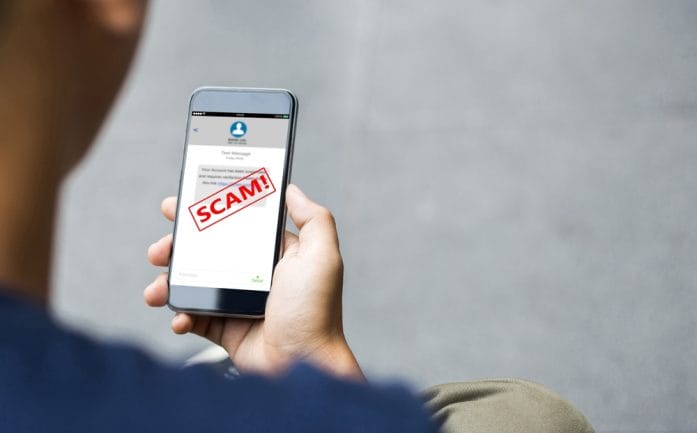
An alarming shift has taken over the world of scams, and it doesn’t rely on clumsy emails or obvious red flags anymore. Today’s scams walk, talk, and breathe like the real thing, blending into everyday life so smoothly that even cautious people pause for just a second—and that second can cost everything. These schemes don’t just trick the careless; they target the busy, the distracted, and even the well-informed, turning normal moments into high-stakes traps. The rules have changed, and the line between real and fake keeps getting blurrier by the day. That shift demands attention right now, not later.

Modern scammers don’t gamble on luck anymore—they engineer trust. They study habits, mimic legitimate organizations, and time their attacks perfectly, often striking when stress runs high or attention runs low. A missed package, a bank alert, a job opportunity, or even a quick message from “family” can pull someone straight into a carefully built illusion.

1. The “Urgent Bank Alert” That Feels Way Too Legit

This scam doesn’t look like a scam at all, and that’s exactly the problem. A text message or email arrives claiming suspicious activity on a bank account, complete with branding, formatting, and even partial account numbers that look believable. It pushes urgency hard, often warning that immediate action must happen to avoid account suspension or fraud. That pressure forces quick decisions, and that’s where things go wrong. A link inside the message leads to a fake login page that mirrors a real bank website almost perfectly. Once login details get entered, scammers gain access in seconds and start draining accounts or collecting personal data.

People fall for this tactic because it hits a real fear: losing control of money. The message feels tailored and timely, especially when it lands during busy moments like work hours or errands. Instead of clicking links, always open a bank’s official app or type the website address directly into a browser. That simple step breaks the scam instantly. Banks never ask for full passwords or sensitive details through text links, no matter how convincing the message looks. Slowing down and double-checking turns this high-pressure trick into an obvious fake.

2. Fake Package Notifications That Exploit Everyday Habits

Online shopping continues to rise, and scammers have noticed. A message claims a delivery failed or needs confirmation, often using names of well-known shipping companies. It includes a tracking link that looks real, complete with order numbers and logos that match familiar brands. That link leads to a page requesting a small fee or personal information to “release” the package. It feels harmless—just a couple of dollars or a quick form—but that small step opens the door to much bigger problems.

This tactic works because it taps into routine behavior. People expect packages, forget exact delivery dates, and react quickly when something seems delayed. Scammers count on that moment of uncertainty and turn it into action. Checking orders directly through retailer accounts or official shipping apps eliminates the risk entirely. No legitimate courier demands payment through random links in text messages. Treat every unexpected delivery alert as suspicious until verified through trusted sources. That mindset keeps this scam from gaining any traction.

3. AI Voice Cloning That Sounds Like Someone You Know

Technology has taken scams to a whole new level, and this one feels especially unsettling. Scammers now use artificial intelligence to clone voices, creating audio that sounds like a family member, boss, or friend. A call comes in with urgency, often claiming an emergency or asking for quick financial help. The voice sounds familiar, emotional, and convincing enough to bypass skepticism. That realism pushes people to act fast without asking too many questions.

This tactic succeeds because it hijacks trust at a deeply personal level. Hearing a loved one’s voice triggers immediate concern and action, and scammers exploit that instinct. The safest response involves slowing everything down and verifying the situation through another method, like calling the person directly on a known number. Setting up a family “safe word” or verification phrase can also add a layer of protection. Technology may keep improving, but simple verification steps still shut this tactic down effectively.

4. Job Offers That Look Like a Dream Come True

Job scams have evolved far beyond poorly written emails. Today’s fake job offers include professional-looking websites, real company names, and detailed interview processes conducted through messaging apps or email. They promise flexible schedules, high pay, and quick hiring decisions, often targeting people eager for remote work. Once trust builds, the scam shifts toward requests for personal information or upfront payments for equipment and training. At that point, victims hand over sensitive details or money without realizing the job doesn’t exist.

The appeal of a great opportunity makes this scam especially effective. It feels exciting, hopeful, and legitimate, which lowers defenses quickly. Verifying job postings through official company websites or trusted job platforms adds a critical layer of protection. No real employer asks for payment to start a job or demands sensitive data early in the process. Taking time to research the company and cross-check communication channels exposes most fake offers immediately. Excitement should never replace caution when money or personal data sits on the line.

5. QR Code Scams That Hide in Plain Sight

QR codes have become part of everyday life, showing up in restaurants, parking meters, and advertisements. Scammers take advantage of that familiarity by placing fake QR codes in public spaces or embedding them in emails and messages. Scanning the code directs users to malicious websites designed to steal information or install harmful software. Because QR codes hide the actual link, people can’t see where they’re going before they scan. That blind trust creates the perfect setup for fraud.

This tactic works because it feels modern and convenient. People trust QR codes without thinking twice, especially in busy environments where speed matters. Checking the source before scanning makes a huge difference, especially when a code appears on a sticker or looks tampered with. Avoid scanning codes from random messages or unknown senders altogether. Using a QR scanner that previews the URL before opening adds another layer of safety. Convenience should never override basic caution, especially when hidden links come into play.

7 New Scam Tactics That Look Real — And Are Still Fooling Americans
Image Source: Unsplash.com

6. Subscription Renewal Traps That Drain Accounts Quietly

A message arrives claiming a subscription renewal failed or requires confirmation, often referencing streaming services, antivirus software, or online tools. It includes a link to “fix” the issue, which leads to a fake billing page requesting payment details. In some cases, scammers even claim large charges will process automatically unless action happens immediately. That urgency creates panic, pushing people to respond without verifying the claim. Once payment information gets entered, scammers either charge accounts or sell the data for further fraud.

This scam thrives on confusion and fear of unexpected charges. Many people lose track of subscriptions, which makes these messages feel plausible. Checking accounts directly through official apps or websites prevents any interaction with fake links. Real companies don’t demand immediate action through random emails or texts, especially with threats of large charges. Taking a moment to verify details avoids unnecessary stress and keeps financial information secure. Calm responses beat panic every time.

7. Social Media Impersonation That Feels Personal

Scammers increasingly impersonate real people on social media, copying profiles, photos, and even posting styles to look authentic. They send friend requests or direct messages, often pretending to reconnect or share opportunities. Once communication starts, they introduce requests for money, investments, or personal information. The familiarity of the profile lowers suspicion, especially when mutual connections appear involved. That false sense of trust makes this tactic incredibly effective.

This approach works because it blends into normal online interaction. People expect messages from friends or acquaintances, which makes it harder to spot red flags. Checking profiles carefully, including account history and activity, reveals many fakes quickly. Reaching out through another platform or verifying directly with the real person adds an extra layer of protection. Never send money or sensitive information based solely on social media messages, no matter how convincing they seem. Trust should always come with verification.

Staying Sharp in a World That Keeps Getting Trickier

Scams keep evolving, but one thing stays constant: awareness beats deception every time. Each of these tactics relies on speed, emotion, or distraction, pushing people to act before thinking. Slowing down, verifying details, and sticking to trusted channels instantly cuts off most of these schemes. Small habits—like typing website addresses manually, double-checking requests, and questioning urgency—build a powerful defense against even the most convincing scams. Staying informed doesn’t just help; it creates a shield that adapts as fast as these tricks change.

Which of these scams feels the most convincing, and what strategies have worked best to avoid getting caught off guard? Give us all your thoughts, experiences, or tips in the comments and keep the conversation going.

You May Also Like…

Is Quality Furniture Officially a Scam? Why Filling a New Home in 2026 is Destroying Senior Nest Eggs

8 Job-Scam Red Flags Everyone Needs to Know in 2025

Is Your Neighborhood Being Targeted by Real Estate Scammers?

Zelle and Instant Payments Are Facing New Scrutiny—Here’s What Users Are Seeing

6 Credit Card Reward Scams That Cost You More Than You Earn

Brandon Marcus
Brandon Marcus

Brandon Marcus is a writer who has been sharing the written word since a very young age. His interests include sports, history, pop culture, and so much more. When he isn’t writing, he spends his time jogging, drinking coffee, or attempting to read a long book he may never complete.
Filed Under: scams Tagged With: AI scams, Consumer Protection, cybersecurity, digital scams, financial safety, fraud prevention, identity theft, Online Safety, phishing, scam alerts, scams

FOLLOW US

Search this site:

Recent Posts

  • Can My Savings Account Affect My Financial Aid? by Tamila McDonald
  • 12 Ways Gen X’s Views Clash with Millennials… by Tamila McDonald
  • What Advantages and Disadvantages Are There To… by Jacob Sensiba
  • 10 Tactics for Building an Emergency Fund from Scratch by Vanessa Bermudez
  • Call 911: Go To the Emergency Room Immediately If… by Stephen Kanaval
  • 7 Weird Things You Can Sell Online by Tamila McDonald
  • 10 Scary Facts About DriveTime by Tamila McDonald

Copyright © 2026 · News Pro Theme on Genesis Framework