• Home
  • About Us
  • Toolkit
  • Getting Finances Done
    • Hiring Advisors
    • Debt Management
    • Spending Plan
  • Insurance
    • Life Insurance
    • Health Insurance
    • Disability Insurance
    • Homeowners/Renters Insurance
  • Contact Us
  • Risk Tolerance Quiz
  • Our Editorial Commitment

The Free Financial Advisor

You are here: Home / Archives for credit monitoring

Medicare Identity Alert: 3 Steps to Take After a Data Exposure Notice

May 5, 2026 by Brandon Marcus Leave a Comment

Medicare Identity Alert: 3 Steps to Take After a Data Exposure Notice
Image Source: Shutterstock.com

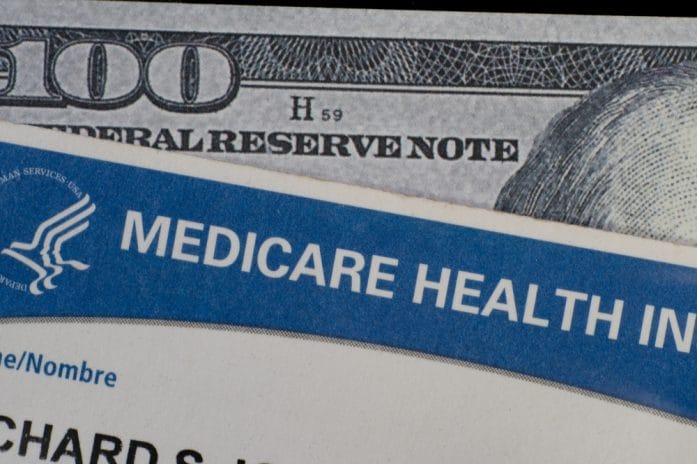
A Medicare data exposure notice can land in a mailbox or inbox like an unwelcome surprise that instantly raises alarm bells. These notices signal that sensitive personal information may have been compromised, and scammers often see that as an open invitation. Medical identity theft does not just create financial headaches—it can also disrupt healthcare records, prescriptions, and even insurance eligibility.

Quick action matters more than panic, and smart steps can shut down fraud attempts before they gain momentum. This situation demands attention, but it also gives a clear opportunity to lock down protection fast and effectively.

What a Medicare Data Exposure Notice Really Signals

A Medicare data exposure notice does not automatically mean fraud already occurred, but it does confirm that personal data entered risky territory. Hackers, unauthorized insiders, or system vulnerabilities may have exposed details such as Medicare numbers, names, or even health records. Criminals often trade this information on hidden online marketplaces where identity data becomes a valuable commodity. That reality makes early awareness a powerful advantage rather than a reason for fear. Quick interpretation of the notice helps prevent confusion and keeps the response focused.

Many notices include technical explanations that sound confusing, but the core message stays simple: personal data may no longer remain private. Fraudsters often wait weeks or months before using stolen information, which creates a false sense of safety for victims. This delay makes proactive monitoring essential because silence does not equal safety. Acting early shuts down opportunities before criminals test the stolen information. Awareness turns into the first line of defense.

Step 1: Confirm the Legitimacy of the Notice

Scammers love impersonating government agencies, so verifying the notice comes first before any action takes place. Official Medicare communications always include verifiable contact information and reference numbers that match government records. A quick call to the official Medicare helpline confirms whether the notice holds real legitimacy or masks a phishing attempt. Fraudulent letters often push urgency without providing traceable details. Careful verification stops unnecessary exposure to secondary scams.

Suspicious notices often contain spelling errors, unusual return addresses, or pressure tactics demanding immediate action. Real Medicare communications never request sensitive details like passwords or banking credentials through insecure channels. Comparing the notice with official Medicare updates online helps separate fact from fraud. Many scams rely on emotional urgency, so slowing down breaks their momentum. A verified notice clears the path for confident next steps.

Step 2: Lock Down Your Medicare and Financial Accounts

Once legitimacy gets confirmed, securing Medicare accounts becomes the top priority. Changing login credentials and strengthening passwords creates an immediate barrier against unauthorized access. Fraudsters often attempt to reuse stolen data quickly, so early lock-down efforts disrupt their timing. Enabling multi-factor authentication adds another layer that blocks most automated intrusion attempts. Security improvements work best when applied immediately after exposure.

Financial institutions connected to Medicare billing also need close attention because criminals often test multiple systems with stolen data. Banks and credit card companies can place fraud alerts that flag suspicious activity in real time. Reviewing recent transactions helps detect small unauthorized charges that often go unnoticed. Reporting any irregularity early prevents larger financial damage from developing. A coordinated lock-down strategy limits every possible entry point.

Medicare Identity Alert: 3 Steps to Take After a Data Exposure Notice
Image Source: Shutterstock.com

Step 3: Watch for Fraudulent Activity Like a Hawk

Monitoring activity becomes critical after securing accounts because identity theft often develops in subtle stages. Criminals may open medical claims, request prescriptions, or reroute insurance benefits using stolen Medicare information. Regular review of Medicare Summary Notices helps detect unfamiliar services or providers. Early detection turns small issues into manageable corrections instead of full-scale crises. Vigilance transforms into ongoing protection.

Credit reports also reveal whether identity thieves attempt to open new accounts using stolen personal data. Free credit monitoring tools or alerts can flag sudden changes that signal unauthorized activity. Fraud often starts quietly before escalating into visible financial damage. Tracking patterns over time helps identify irregular behavior that single checks might miss. Consistent monitoring builds a strong defensive rhythm.

Extra Moves That Add Strong Security Layers

Adding extra safeguards strengthens protection beyond the basic steps and reduces future risk exposure. Placing a fraud alert or credit freeze restricts access to credit reports, making new account openings significantly harder for criminals. These tools act like security gates that require verification before any financial activity proceeds. Many victims overlook these protections until after damage occurs. Acting early increases overall resilience.

Identity theft protection services can also monitor dark web activity for stolen Medicare or personal data. While no service guarantees total protection, alerts often provide early warning signs that help contain threats quickly. Updating passwords regularly and avoiding reuse across platforms further reduces vulnerability. Small habits build strong long-term security outcomes. Layered protection creates multiple barriers that discourage criminal attempts.

Red Flags That Suggest Identity Theft Has Already Started

Certain warning signs reveal that stolen Medicare information may already be in use. Unexpected medical bills, unfamiliar doctor visits, or denied insurance claims often signal fraudulent activity. These issues typically appear before victims realize any breach occurred. Quick reporting to Medicare and healthcare providers helps stop misuse early. Immediate action limits long-term consequences.

Credit score drops or new accounts appearing without authorization also indicate potential identity theft. Fraudsters often test stolen data in small ways before attempting larger financial moves. Monitoring alerts from banks or Medicare systems can expose suspicious behavior quickly. Ignoring these signals allows criminals more time to escalate damage. Fast response turns detection into protection.

Why Quick Action Changes the Outcome Entirely

Speed matters more than complexity when responding to a Medicare data exposure notice because fraudsters rely on delay. Immediate verification, account protection, and monitoring create a defensive chain that blocks most exploitation attempts. Criminals often abandon compromised data when they encounter strong resistance early. Every hour of delay increases risk exposure. Fast action reduces both stress and potential damage.

Medicare identity protection depends on consistent awareness rather than one-time fixes. Each step builds on the previous one to create a secure environment that limits fraud opportunities. Staying alert transforms a stressful notice into a manageable situation with clear control points. Strong responses prevent long-term complications from taking root. Confidence grows when protection becomes routine.

Staying One Step Ahead of Medicare Identity Threats

A Medicare data exposure notice does not define the outcome—response strategy does. Careful verification, fast account protection, ongoing monitoring, and layered security tools all work together to shut down fraud opportunities. Criminals depend on confusion and delay, but structured action removes both advantages. Each step strengthens control over personal information and healthcare security. Smart prevention always beats reactive recovery.

What steps feel most important when it comes to protecting your Medicare information after a data exposure notice? Let’s hear your thoughts and advice in the comments below.

You May Also Like…

A Big Change to Medicare Prior Authorization: 7‑Day Deadline Now Mandatory

Retirement Healthcare Costs Are Climbing Again — What the Average Couple Now Needs

Healthcare Spending Doesn’t Stop Rising — Why That Matters for Retirees

4 Medicare Advantage Changes That Could Affect Your Doctor Access

5 Hidden Medicare Costs That Can Reduce Your Monthly Budget

Brandon Marcus
Brandon Marcus

Brandon Marcus is a writer who has been sharing the written word since a very young age. His interests include sports, history, pop culture, and so much more. When he isn’t writing, he spends his time jogging, drinking coffee, or attempting to read a long book he may never complete.
Filed Under: safety Tagged With: credit monitoring, cybersecurity, data breach, financial safety, fraud prevention, healthcare security, identity theft, Medicare, Medicare fraud, personal data protection, scam alerts

5 Warning Signs Someone Is Using Your Social Security Number

March 27, 2026 by Brandon Marcus Leave a Comment

5 Warning Signs Someone Is Using Your Social Security Number
Image Source: Shutterstock.com

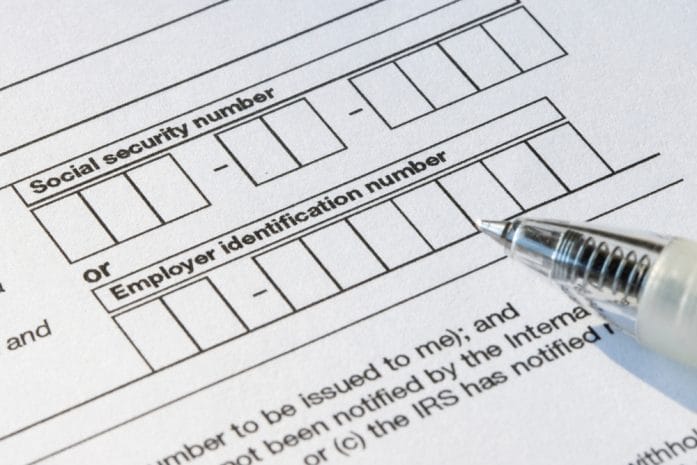
When it comes to identity theft, damage builds quietly, often hiding in plain sight while accounts shift, numbers change, and red flags stack up. One small clue can signal something much bigger, and ignoring that clue can turn a manageable issue into a full-blown financial nightmare. The reality feels uncomfortable, but awareness changes everything, especially when it comes to something as powerful as a Social Security number.

Most people assume they would notice identity theft immediately, but that assumption creates the perfect blind spot. Fraud rarely starts with dramatic moves; it creeps in with subtle changes that seem easy to brush off or explain away. That makes early warning signs incredibly valuable, because catching them quickly can save thousands of dollars, protect credit scores, and prevent months of cleanup. Knowing what to look for does not require expert-level knowledge, just a willingness to pay attention and act fast when something feels off.

1. Your Credit Report Starts Telling a Story You Don’t Recognize

A credit report should read like a familiar biography, filled with accounts, balances, and history that match real financial decisions. When unfamiliar accounts or inquiries suddenly appear, that story shifts into something confusing and concerning. New credit cards, loans, or even hard inquiries from lenders can signal that someone else uses personal information to apply for credit. These entries often show up before any bills or collection notices arrive, which makes regular credit checks one of the strongest early defenses.

Identity thieves rely on speed, opening accounts quickly and moving on before detection catches up. That means even one unfamiliar inquiry deserves attention, especially if it comes from a lender that has never appeared before. Checking credit reports from all three major bureaus adds another layer of protection, since not every account appears everywhere right away. A free annual report offers a baseline, but more frequent checks can reveal issues much earlier.

Taking action immediately matters more than trying to confirm every detail first. Filing a fraud alert or freezing credit can stop further damage while sorting out what happened. Credit monitoring services can also provide real-time alerts, which adds another safety net for anyone who wants constant visibility. Staying proactive here keeps control firmly in the right hands.

2. Bills and Statements Suddenly Go Missing In The Mail

Mail rarely disappears without a reason, especially when it comes to financial statements, tax documents, or official notices. When expected bills stop arriving, something may interfere behind the scenes. Identity thieves sometimes change mailing addresses on accounts to redirect sensitive information, which allows them to operate without interruption. That small change can delay discovery long enough to rack up serious damage.

Missing mail does not always scream fraud right away, but it should raise questions. Checking with service providers or financial institutions can confirm whether address changes occurred without permission. Online account access also helps verify recent activity, which can reveal whether someone has tampered with account details.

Switching to electronic statements can reduce the risk of intercepted mail while adding convenience. At the same time, keeping an eye on physical mail still matters, especially for government-related correspondence. Acting quickly when something goes missing prevents identity theft from gaining momentum.

5 Warning Signs Someone Is Using Your Social Security Number
Image Source: Pexels.com

3. Debt Collectors Call About Accounts That Don’t Exist

Few things feel more jarring than a call about a debt that has no connection to reality. When collectors start asking for payment on accounts that never existed, that often points directly to identity theft. These accounts may include credit cards, personal loans, or even medical bills opened under a stolen Social Security number.

Ignoring these calls can make the situation worse, since unpaid debts can move into collections and damage credit scores. Instead, requesting detailed information about the account helps clarify what happened. Debt collectors must provide verification, which can reveal the origin of the fraudulent account.

Disputing these debts quickly becomes critical, especially through credit bureaus and the original creditor. Filing an identity theft report with the Federal Trade Commission creates a formal record, which helps during disputes. Keeping organized records of every conversation and document can speed up the resolution process and protect against further complications.

4. Your Tax Return Gets Rejected Out of Nowhere

Tax season usually follows a predictable rhythm, but identity theft can throw that rhythm off instantly. When a tax return gets rejected because someone already filed using the same Social Security number, that signals a serious issue. Tax-related identity theft allows criminals to claim refunds before the real filer even submits their return.

This type of fraud often goes unnoticed until filing time, which makes it particularly frustrating. The rejection message usually includes a code that indicates duplicate filing, which provides a clear starting point for resolving the issue. Contacting the IRS and completing an identity theft affidavit sets the recovery process in motion. Filing taxes as early as possible each year can reduce the risk of this type of fraud. An Identity Protection PIN from the IRS adds another layer of security by requiring a unique code for filing. Staying ahead of tax deadlines can make a huge difference in preventing someone else from stepping in first.

5. Government Benefits Show Activity You Never Approved

Government benefits like Social Security or unemployment assistance should never show unexpected changes or claims. When benefits suddenly appear, increase, or shift without authorization, that often signals misuse of a Social Security number. Fraudsters sometimes file for benefits using stolen identities, collecting funds while the rightful owner remains unaware.

Checking benefit statements regularly can reveal these discrepancies early. Online portals for government programs often provide detailed activity logs, which can highlight unauthorized changes. Reporting suspicious activity immediately helps stop payments and prevents further misuse. Securing online accounts with strong passwords and multi-factor authentication adds a critical layer of protection. Monitoring government correspondence also helps catch unusual activity quickly. Staying alert in this area can prevent long-term complications that take months to resolve.

Stay Protected And Always in Control

Spotting identity theft early changes everything, and these warning signs offer a powerful advantage when used wisely. Each red flag, whether it shows up on a credit report or arrives as a confusing phone call, deserves attention and action. Waiting rarely improves the situation, but quick responses can limit damage and restore control faster than expected.

Building strong habits around monitoring financial activity, checking reports, and protecting personal information creates a solid defense against identity theft. Small steps, taken consistently, can block even determined fraud attempts. The goal does not involve living in fear, but staying informed and ready to act when something feels off.

What stands out the most among these warning signs, and what steps feel realistic to take right away? Share all of your thoughts, strategies, or even close calls in the comments, because real experiences can help others stay one step ahead.

You May Also Like…

8 Silent Costs of Ignoring Identity Theft

6 Free Credit Monitoring Tools That Expose You to Identity Theft

8 Email Habits That Make You a Target for Identity Theft After 40

Check Your Credit Report NOW—5 Signs of Identity Theft

6 Free Credit Monitoring Tools That Expose You to Identity Theft

Brandon Marcus
Brandon Marcus

Brandon Marcus is a writer who has been sharing the written word since a very young age. His interests include sports, history, pop culture, and so much more. When he isn’t writing, he spends his time jogging, drinking coffee, or attempting to read a long book he may never complete.
Filed Under: scams Tagged With: credit monitoring, credit score, cybersecurity, data breach, financial safety, fraud alerts, fraud prevention, identity protection, identity theft, Personal Finance, scams, Social Security number

Doing Everything Right? 7 Ways Your Credit Score Can Still Fall

February 19, 2026 by Brandon Marcus Leave a Comment

Doing Everything Right? 7 Ways Your Credit Score Can Still Fall
Image Source: Pixabay.com

Your credit score does not care about your good intentions. It does not applaud your budgeting spreadsheet or congratulate you for paying every bill on time. It reacts to data, formulas, and timing, and sometimes it drops even when you swear you have done everything right.

That reality feels unfair, especially when you follow the common advice: pay on time, keep balances low, avoid too many applications. Yet credit scoring models evaluate far more than a simple checklist. They analyze patterns, ratios, account histories, and recent activity in ways that can surprise even careful borrowers.

1. You Paid Off a Loan and Closed the Account

Paying off a loan can be a financial victory lap. You eliminate debt, free up cash flow, and reduce stress. Yet when you close an installment loan or a credit card after payoff, your score can drop for two main reasons.

First, credit scoring models consider the length of your credit history. When you close an older account, especially one that anchors your credit timeline, you reduce the average age of your active accounts. A shorter average age can pull your score down because scoring systems reward long, stable histories.

Second, closing a credit card reduces your total available credit. If you carry balances on other cards, your credit utilization ratio can jump overnight even though your spending habits have not changed. Since utilization makes up a significant portion of your score, often cited at about 30 percent in FICO’s model, that shift alone can trigger a decline.

2. Your Credit Utilization Spiked—Even for a Month

Credit utilization measures how much of your available revolving credit you use. If you have $10,000 in total credit limits and you carry $3,000 in balances, you sit at 30 percent utilization. Many experts recommend staying below 30 percent, and even lower if you want to optimize your score.

Here is the catch: scoring models calculate utilization based on the balance reported to the credit bureaus, not what you pay off later. If you charge a large purchase and your issuer reports that higher balance before you pay it down, your score can fall temporarily. That dip can occur even if you pay the statement in full and avoid interest.

3. You Applied for New Credit

A new credit card with a generous rewards program or a competitive loan rate looks tempting. When you apply, the lender conducts a hard inquiry on your credit report. That inquiry can shave a few points off your score.

One inquiry does not usually cause major damage. However, several applications within a short window can signal higher risk. Scoring models interpret multiple inquiries as a sign that you might plan to take on more debt, and that perception can lower your score.

Rate shopping for certain loans, such as mortgages or auto loans, receives special treatment. FICO, for example, groups similar inquiries within a specific time frame and counts them as one. Still, if you open several new credit cards back-to-back, you add both inquiries and new accounts, which reduce your average account age and potentially increase utilization.

4. Your Credit Limit Decreased Without Warning

Sometimes your behavior does not change at all, yet your available credit shrinks. Credit card issuers can reduce your credit limit if they detect higher risk factors, such as changes in your credit profile or broader economic conditions.

When a lender lowers your limit, your utilization ratio rises automatically if you carry a balance. Imagine you carry $2,000 on a card with a $10,000 limit, which equals 20 percent utilization. If the issuer cuts your limit to $5,000, your utilization jumps to 40 percent instantly. That shift can hurt your score even though you did not spend another dollar.

5. A Negative Mark Appeared on Your Report

Credit reports contain detailed records of your financial behavior. Late payments, collections, charge-offs, and public records such as bankruptcies can all reduce your score. Even one late payment reported 30 days past due can cause a noticeable drop, especially if you previously maintained a clean history.

Errors also happen. The Federal Trade Commission advises consumers to review their credit reports regularly because inaccurate information can appear. You can access free reports from each of the three major bureaus through AnnualCreditReport.com, which provides reports from Equifax, Experian, and TransUnion.

6. You Became a Victim of Identity Theft

Identity theft can wreck a credit score faster than almost any other event. If someone opens accounts in your name, racks up balances, or misses payments, those negative actions can land on your credit report.

The Federal Trade Commission recommends placing a fraud alert or a credit freeze if you suspect identity theft. A fraud alert prompts lenders to take extra steps to verify your identity before extending credit. A freeze restricts access to your credit report entirely until you lift it.

You should also review your credit reports for unfamiliar accounts or inquiries and report identity theft at IdentityTheft.gov. Acting quickly limits the damage and speeds up the recovery process. Monitoring services can help, but regular manual checks add another layer of protection.

Doing Everything Right? 7 Ways Your Credit Score Can Still Fall
Image Source: Pixabay.com

7. Your Credit Mix Changed

Credit scoring models consider your credit mix, which refers to the variety of account types you hold. Installment loans, such as mortgages and auto loans, differ from revolving accounts like credit cards. A diverse mix can support a higher score because it shows that you can manage different types of credit responsibly.

If you pay off your only installment loan and close it, you may reduce the diversity of your profile. That change can cause a small drop, even though you eliminated debt. Similarly, if you rely exclusively on credit cards and never establish an installment account, your score may not reach its full potential.

You should never take on unnecessary debt solely to improve your credit mix. However, understanding how the mix influences your score helps you make informed decisions. If you already plan to finance a car or take out a mortgage, responsible management of that loan can strengthen your overall profile over time.

Monitor, Adjust, and Stay Strategic

Credit scores reward patterns, not perfection. You can pay every bill on time and still watch your number fluctuate because the system evaluates ratios, timing, and account composition. Once you understand how those pieces interact, you gain far more control.

Check your credit reports regularly. Track your utilization throughout the month, not just on the due date. Think twice before closing long-standing accounts, and space out credit applications when possible. When something changes unexpectedly, investigate quickly rather than assuming the drop will fix itself.

If your score fell recently, which of these factors do you think played the biggest role in your situation? Let’s have this serious financial discussion in the comments.

You May Also Like…

The Credit Score Range That Gets You 17%–21% APR on Credit Cards Right Now

The Quiet Credit Score Rule Change That’s Raising Borrowing Costs for Older Americans

Debt Alert: 6 Ways Holiday Spending Could Trigger a January Credit Score Crisis

The Credit Card Balance Growth Slowdown That Signals Financial Stress in 2026

Bankrate Projects Credit Card Rates Will Only Drop to 19.1% by End of 2026

Brandon Marcus
Brandon Marcus

Brandon Marcus is a writer who has been sharing the written word since a very young age. His interests include sports, history, pop culture, and so much more. When he isn’t writing, he spends his time jogging, drinking coffee, or attempting to read a long book he may never complete.

Filed Under: credit score Tagged With: credit cards, credit monitoring, credit report, credit score, credit utilization, Debt Management, FICO score, identity theft, loans, Personal Finance, Planning, VantageScore

What Happens When You Ignore Your Credit Report for Years

September 21, 2025 by Catherine Reed Leave a Comment

What Happens When You Ignore Your Credit Report for Years
Image source: 123rf.com

Your credit report is one of the most important financial tools you have, yet many people go years without checking it. Out of sight, out of mind might seem harmless, but the reality is that failing to monitor your credit can quietly damage your financial future. Errors, fraud, and unnoticed debts can pile up behind the scenes, leaving you with higher interest rates, loan denials, or even missed opportunities for jobs and housing. When you ignore your credit report, the consequences don’t just disappear—they grow worse with time. Here are some of the risks that come with years of neglect.

1. Errors Go Unnoticed and Unchallenged

One of the biggest problems when you ignore your credit report is allowing mistakes to sit unchecked. Credit bureaus are not perfect, and it’s common for incorrect information to slip through. It could be as simple as a misspelled name or as serious as someone else’s debt showing up on your file. If you don’t catch these errors quickly, they may lower your credit score and affect your ability to borrow. Regular reviews give you the chance to dispute inaccuracies before they harm you financially.

2. Identity Theft Can Run Wild

Fraudulent activity is another major risk when you ignore your credit report for years. Identity thieves thrive when no one is watching, opening accounts in your name or racking up charges you never authorized. If you don’t check your report, you won’t notice new credit cards, loans, or accounts until debt collectors come calling. By then, repairing the damage can be time-consuming and expensive. Monitoring your credit is one of the easiest ways to catch fraud early and protect yourself.

3. Missed Payments Linger for Years

If you’ve ever forgotten to pay a bill or loan, it can stay on your credit history for up to seven years. When you ignore your credit report, you might not realize these negative marks are dragging down your score. Even a single missed payment can lower your score significantly, affecting your ability to get affordable loans. Without reviewing your report, you have no way of knowing what lenders see when they pull your file. Staying on top of your history helps you address problems before they haunt you for years.

4. Your Score Suffers Without You Knowing

Credit scores are built from the information in your report, and ignoring it means ignoring your financial health. You may think everything is fine, only to discover later that your score has plummeted. Low scores lead to higher interest rates on mortgages, auto loans, and credit cards. In some cases, you may even be denied access to credit altogether. When you ignore your credit report, you’re essentially flying blind with your financial future.

5. Opportunities for Better Rates Slip Away

Regularly checking your credit report isn’t just about preventing harm—it’s also about finding opportunities. When you ignore your credit report, you miss chances to refinance at lower rates or qualify for premium credit cards. Lenders reward good credit histories, but you won’t know where you stand if you never look. Even small improvements in your score could save you thousands over the life of a loan. Staying engaged with your report means you’re ready to seize opportunities when they appear.

6. Stress Hits Harder When Problems Finally Surface

Years of neglect often lead to a shocking reality check when you finally review your report. By then, multiple issues may have compounded, creating a mountain of financial stress. Instead of addressing small problems along the way, you’re left with big challenges all at once. This can make repairing your credit feel overwhelming and discouraging. Consistent monitoring helps you stay in control rather than facing a crisis down the line.

Why Staying Alert Matters More Than Ever

It may be tempting to ignore your credit report, but the risks far outweigh the convenience of not looking. Errors, fraud, missed payments, and lost opportunities all pile up silently when you aren’t paying attention. The good news is that checking your credit report is free and easier than ever, with resources available online from all three major credit bureaus. Staying informed puts you in the driver’s seat, protecting your finances and opening doors to better financial options. Don’t let years of neglect cost you more than you realize.

How often do you check your credit report, and have you ever caught a surprise on it? Share your experience in the comments below.

What to Read Next…

  • 5 Silent Costs of Ignoring Credit Monitoring
  • Could Owning Too Many Credit Cards Destroy Your Score
  • 5 Cosigning Mistakes That Could Wreck Your Credit for Years
  • 9 Hidden Costs of Switching Banks Nobody Warns You About
  • Why Do People Get Trapped by “Buy Now Pay Later” Schemes
Catherine Reed
Catherine Reed

Catherine is a tech-savvy writer who has focused on the personal finance space for more than eight years. She has a Bachelor’s in Information Technology and enjoys showcasing how tech can simplify everyday personal finance tasks like budgeting, spending tracking, and planning for the future. Additionally, she’s explored the ins and outs of the world of side hustles and loves to share what she’s learned along the way. When she’s not working, you can find her relaxing at home in the Pacific Northwest with her two cats or enjoying a cup of coffee at her neighborhood cafe.

Filed Under: credit score Tagged With: credit monitoring, credit score, Debt Management, Financial Health, identity theft, ignore your credit report, Personal Finance

5 Silent Costs of Ignoring Credit Monitoring

September 18, 2025 by Catherine Reed Leave a Comment

5 Silent Costs of Ignoring Credit Monitoring
Image source: 123rf.com

Most people don’t think about their credit until they’re ready to buy a car, apply for a mortgage, or open a new credit card. But waiting until those moments can backfire if your credit history has hidden problems. Ignoring credit monitoring doesn’t just mean missing out on a nice score boost—it can lead to financial losses, higher borrowing costs, and even fraud going undetected. The silent costs of neglecting your credit add up quickly, making it crucial to stay proactive about your financial health.

1. Higher Interest Rates on Loans

One of the biggest silent costs of ignoring credit monitoring is paying more interest on loans. Lenders use credit scores to determine risk, and a lower score often means a higher rate. Even a small difference in interest can cost thousands over the life of a loan. For example, a mortgage with just a 1% higher rate could add tens of thousands in extra payments. Monitoring your credit helps you spot issues early so you can fix them before applying for major loans.

2. Missed Signs of Identity Theft

Another hidden danger of ignoring credit monitoring is missing early signs of identity theft. Criminals often open accounts in victims’ names or make unauthorized charges that go unnoticed until bills pile up. By the time you realize what happened, the damage can be extensive and difficult to reverse. Credit monitoring alerts you to suspicious activity quickly, giving you a chance to act before the problem worsens. Without it, the financial and emotional costs of fraud can be overwhelming.

3. Lost Opportunities for Better Credit Offers

Ignoring credit monitoring can also mean missing out on valuable offers. People with strong scores often qualify for rewards cards, zero-interest financing, or lower insurance premiums. If you don’t track your credit, you may never know you’re eligible for these opportunities. On the flip side, errors on your report could hold you back without you realizing it. Regular monitoring ensures your financial profile is accurate and helps you maximize benefits.

4. Damage to Employment Prospects

Some employers check credit reports as part of the hiring process, especially for jobs involving money or sensitive information. If you’ve been ignoring credit monitoring, errors or negative marks could hurt your chances of getting hired. Even if you’re qualified, a poor credit report may raise red flags about reliability or responsibility. This silent cost goes beyond money—it can affect your career and long-term earning potential. Keeping an eye on your credit helps prevent surprises during job searches.

5. Greater Stress from Financial Uncertainty

One of the less obvious but very real costs of ignoring credit monitoring is the stress it creates. Not knowing the state of your credit can make financial decisions more nerve-wracking. You may second-guess loan applications, worry about hidden problems, or feel unprepared for emergencies. This uncertainty takes a toll on mental health and makes it harder to plan confidently for the future. Monitoring your credit regularly provides peace of mind and reduces unnecessary anxiety.

Protecting Your Finances with Awareness

Ignoring credit monitoring doesn’t just risk your score—it risks your financial future. From higher interest rates to missed fraud alerts, the silent costs can affect everything from your bank account to your career opportunities. By paying attention and addressing issues early, you gain control over your financial life instead of letting hidden problems pile up. Credit monitoring isn’t just a tool—it’s a shield against costly mistakes and missed opportunities.

Have you ever discovered a costly mistake on your credit report that could have been avoided with credit monitoring? Share your experience in the comments below.

What to Read Next…

Could Owning Too Many Credit Cards Destroy Your Score

5 Cosigning Mistakes That Could Wreck Your Credit for Years

Why Do Some People Refuse to Use Credit Cards but Still Pay More

9 Hidden Costs of Switching Banks Nobody Warns You About

5 Financial Dangers That Hide in Credit Union Accounts

Catherine Reed
Catherine Reed

Catherine is a tech-savvy writer who has focused on the personal finance space for more than eight years. She has a Bachelor’s in Information Technology and enjoys showcasing how tech can simplify everyday personal finance tasks like budgeting, spending tracking, and planning for the future. Additionally, she’s explored the ins and outs of the world of side hustles and loves to share what she’s learned along the way. When she’s not working, you can find her relaxing at home in the Pacific Northwest with her two cats or enjoying a cup of coffee at her neighborhood cafe.

Filed Under: credit score Tagged With: borrowing costs, credit monitoring, credit reports, credit score, identity theft, loan interest, Personal Finance, Planning

5 Cosigning Mistakes That Could Wreck Your Credit for Years

September 12, 2025 by Travis Campbell Leave a Comment

co sign
Image source: pexels.com

Cosigning a loan for a friend or family member can feel like a generous act. You want to help someone qualify for a car loan, apartment, or credit card when they can’t do it on their own. But cosigning mistakes are easy to make, and the consequences can last for years. If the borrower misses payments or defaults, your credit score takes the hit just as hard as theirs. Many cosigners don’t realize how much risk they’re taking on—or how long the impact can linger. Before you sign your name, understand the pitfalls that could wreck your credit for years. Protecting your financial health starts with knowing what to avoid.

1. Ignoring the True Responsibility of Cosigning

One of the most common cosigning mistakes is underestimating what you’re really agreeing to. When you cosign, you’re not just vouching for someone’s character—you’re legally promising to pay the debt if they don’t. Lenders view you and the primary borrower as equally responsible for the loan. If payments are missed, your credit score can drop significantly. Even worse, creditors can pursue you for the full amount owed, including late fees and collection costs. Before you cosign, make sure you’re willing and able to pay off the debt if it comes to that. Treat cosigning as if you’re taking out the loan yourself, because that’s how the lender sees it.

2. Failing to Monitor the Loan After Signing

Many people make the mistake of cosigning and then forgetting about the loan. This is risky because you may not know if payments are late or missed until your credit score drops. Some lenders don’t notify cosigners about missed payments until the account is seriously delinquent. To avoid this cosigning mistake, set up alerts or request online access to the loan account. Regularly check statements or payment history. That way, you can step in quickly if the primary borrower falls behind, potentially preventing severe damage to your credit report. Monitoring the loan is an ongoing responsibility, not just a one-time favor.

3. Overlooking How Cosigning Affects Your Own Borrowing Power

Cosigning mistakes can sneak up on you when you apply for your own credit. The loan you cosigned appears on your credit report as if it’s your debt. Lenders will factor this into your debt-to-income ratio, which can limit your ability to qualify for new loans, credit cards, or even a mortgage. Even if payments are made on time, your available credit is tied up. If you plan to buy a home or car soon, cosigning could make approval harder or force you into a higher interest rate. Always consider your own financial goals before agreeing to cosign for someone else.

4. Not Understanding the Long-Term Impact on Your Credit Score

A single late payment on a cosigned loan can stay on your credit report for up to seven years. This is one of the most damaging cosigning mistakes, especially if you’re not prepared for the long-term consequences. Even if the borrower eventually catches up, that late mark can drag down your score and cost you thousands over the years in higher interest rates. If the loan goes into default or collections, the impact is even worse. Your credit score could take years to recover, affecting everything from insurance premiums to job opportunities. Cosigning is a commitment that can outlast friendships or family ties, so weigh the risks carefully.

5. Skipping Legal and Financial Safeguards

Too many cosigners sign paperwork without reading the fine print or setting boundaries. This can lead to costly cosigning mistakes. Before you agree, ask the lender what your rights and responsibilities are. Can you be released from the obligation later? Will you be notified if payments are missed? Get the answers in writing. Consider drafting a written agreement with the primary borrower that outlines payment terms and the process for handling any potential issues. Some financial experts recommend setting aside savings to cover at least a few payments, just in case. Don’t leave your credit future to chance.

Protecting Your Credit When Cosigning

Cosigning mistakes can turn a well-intentioned favor into a long-term financial headache. If you’re considering cosigning a loan, remember that your credit score is on the line for years to come. Take steps to protect yourself: understand the loan terms, monitor the account, and communicate openly with the borrower. Don’t be afraid to say no if the risk is too high. Your financial well-being should always come first.

Want more guidance before you cosign? Explore the pros and cons of cosigning a loan before making your decision. Have you ever made a cosigning mistake or learned a lesson the hard way? Share your experience in the comments below!

What to Read Next…

  • What Happens to Your Credit Score If Your Cell Provider Changes Ownership
  • The Benefits of Taking Personal Loans and Their Impact on Credit Scores
  • 5 Things That Instantly Decrease Your Credit Score by 50 Points
  • Why Some Elder Care Homes Are Requiring Adult Children to Cosign
  • What Happens When You Co Sign a Friends Loan by Accident
Travis Campbell
Travis Campbell

Travis Campbell is a digital marketer/developer with over 10 years of experience and a writer for over 6 years. He holds a degree in E-commerce and likes to share life advice he’s learned over the years. Travis loves spending time on the golf course or at the gym when he’s not working.

Filed Under: credit cards Tagged With: cosigning, credit monitoring, credit score, Debt, financial mistakes, loans, Personal Finance

6 Free Credit Monitoring Tools That Expose You to Identity Theft

August 10, 2025 by Travis Campbell Leave a Comment

credit
Image source: pexels.com

Staying on top of your credit is smart. Free credit monitoring tools promise to help you do just that. But not all of them are safe. Some of these tools can actually put your identity at risk. They might collect your data, sell it, or leave you open to hackers. If you’re using free credit monitoring tools, you need to know which ones could do more harm than good. Here’s what you should watch out for and how to keep your information safe.

1. Credit Karma

Credit Karma is one of the most popular free credit monitoring tools. It gives you access to your credit scores and reports. But there’s a catch. Credit Karma makes money by recommending financial products based on your data. This means your personal information is shared with third parties. If hackers breach their system, your data could be exposed. In 2019, Credit Karma had a security incident where users saw other people’s account information. Even though they fixed it, the risk is real. Always read the privacy policy before signing up for any free credit monitoring tool.

2. Experian Free Credit Monitoring

Experian offers a free credit monitoring service. It sounds like a good deal, but there’s a downside. When you sign up, you give Experian permission to use your data for marketing. They can share your information with partners. This increases your exposure to spam and phishing attempts. Experian has also faced data breaches in the past. In 2020, a major breach in South Africa exposed millions of records. Even if you’re in the U.S., it’s a reminder that no system is perfect. Free credit monitoring tools like this can make you a target for identity theft if your data falls into the wrong hands.

3. Credit Sesame

Credit Sesame is another free credit monitoring tool that promises to help you track your credit score. But it collects a lot of personal information. This includes your Social Security number, address, and financial details. Credit Sesame uses this data to show you ads for loans and credit cards. The more data they have, the more money they make from advertisers. If their database is hacked, your sensitive information could be stolen. And because it’s free, you’re paying with your data instead of your money. Always think twice before giving out your personal details to free credit monitoring tools.

4. WalletHub

WalletHub offers free credit scores and daily credit monitoring. But to use it, you have to provide a lot of personal information. WalletHub’s privacy policy says they may share your data with affiliates and third parties. This can lead to unwanted marketing and even scams. If a hacker gets access to WalletHub’s systems, your data could be at risk. Free credit monitoring tools like WalletHub often trade your privacy for their profits. It’s important to understand what you’re giving up before you sign up.

5. CreditWise from Capital One

CreditWise is a free credit monitoring tool from Capital One. It’s open to everyone, not just Capital One customers. But using it means you’re trusting a company that has already had a major data breach. In 2019, Capital One suffered a breach that exposed the personal information of over 100 million people. Even though they’ve improved their security, no system is foolproof. Free credit monitoring tools like CreditWise can make you feel safe, but they also create another place where your data can be stolen. Always use strong passwords and enable two-factor authentication if you use these services.

6. Mint

Mint is a popular budgeting app that also offers free credit monitoring. To use Mint, you have to link your bank accounts and provide sensitive information. Mint’s parent company, Intuit, has a good reputation, but no company is immune to cyberattacks. In 2023, Intuit warned users about phishing scams targeting Mint accounts. If someone gets into your Mint account, they could access your financial data and credit information. Free credit monitoring tools like Mint can be helpful, but they also increase your risk if you’re not careful. Always monitor your accounts for suspicious activity.

Protecting Yourself in a World of Free Credit Monitoring Tools

Free credit monitoring tools can be helpful, but they come with real risks. When you use these services, you’re often trading your privacy for convenience. Your data can be shared, sold, or stolen. Identity theft is a growing problem, and hackers are always looking for new ways to get your information. If you want to protect yourself, consider using paid credit monitoring services with stronger security. Or, check your credit reports directly through AnnualCreditReport.com, which is authorized by federal law. Always use strong passwords, enable two-factor authentication, and be careful about what information you share online. Your identity is valuable. Don’t give it away for free.

Have you ever used free credit monitoring tools? Did you feel safe, or did you have concerns about your data? Share your thoughts in the comments below.

Read More

Why Some Credit Reports Are Withholding Important Data

What Happens to Your Credit Score If Your Cell Provider Changes Ownership

Travis Campbell
Travis Campbell

Travis Campbell is a digital marketer/developer with over 10 years of experience and a writer for over 6 years. He holds a degree in E-commerce and likes to share life advice he’s learned over the years. Travis loves spending time on the golf course or at the gym when he’s not working.

Filed Under: credit score Tagged With: credit monitoring, credit score, financial safety, free tools, identity theft, online security, Personal Finance

7 “Free” Financial Tools With Privacy Concerns

August 9, 2025 by Catherine Reed Leave a Comment

7 “Free” Financial Tools That Sold Your Data Despite Promises
Image source: 123rf.com

Many free financial tools make money by using your data. You sign up for convenience and trade personal details without realizing it. That data can be shared, sold, or used to target you. Knowing which tools carry privacy risks helps you make smarter choices.

1. Budgeting apps that link to your bank accounts

Budgeting apps ask for account access to categorize spending. That access gives them transaction histories, merchant names, locations, and balances. Some apps share anonymized data with partners or sell trends to data brokers. Limit risk by using read-only access or manual entry when possible, and review the app’s privacy policy for third-party sharing.

2. Investment robo-advisors with free tiers

Robo-advisors collect income, net worth, and risk tolerance to build portfolios. Even free tiers may gather browsing and device data. Firms sometimes share data with analytics or ad partners. Pick services that commit to never selling personal data, check for encryption statements, and prefer advisors covered by strict financial privacy rules.

3. Credit score and monitoring sites

Free credit score sites often pull from credit bureaus or request identity details. To monetize, many integrate third-party trackers and ad networks. These trackers can link your financial profile to advertising IDs. Use official bureau services when possible, enable tracker blockers, and avoid giving extra permissions like SMS or call access.

4. Cashback and coupon extensions

Browser extensions and cashback tools need access to shopping activity to apply offers. That access can expose purchase histories and visited stores. Extensions may collect browsing data beyond shopping pages. Only install extensions from trusted sources, inspect requested permissions, and remove ones that ask for full browsing access.

5. Personal finance aggregators and “free” spreadsheets

Aggregators that combine multiple accounts are convenient but centralize risk. A single breach can expose data across banks, cards, and investment accounts. Spreadsheets shared or saved in cloud accounts can also leak info if linked to third-party apps. Use strong, unique passwords, enable two-factor authentication, and limit which accounts you connect.

6. Free tax-preparation tools

Some free tax tools advertise no-cost filing but monetize with targeted offers and data sharing. Sensitive details like Social Security numbers and dependents end up in their systems. Confirm whether the provider uses data for marketing or shares with affiliates. Prefer providers that explicitly restrict data use to tax services and that follow strong security standards.

7. Socially driven money apps and payment platforms

Peer payment apps and social finance tools collect contact lists, payment histories, and sometimes geo-location. That data can be used to suggest lenders, advertisers, or credit offers. Check settings to prevent contact syncing, and remove permissions you don’t need. If a social feature feels optional, turn it off.

Why these risks matter now

Free financial tools are widely used for convenience. At the same time, regulators are paying attention. The Federal Trade Commission has increased enforcement on data practices and financial privacy, and it has guidance on data brokers and tracking. Older but still relevant research shows how data brokers compile and sell consumer profiles, which can include financial behaviors.

Simple checks to protect your privacy

Start with the privacy policy. Look for clear statements about selling data. Next, limit permissions: apps often ask for more access than they need. Use bank accounts that support read-only API access. Turn on two-factor authentication and use a password manager. If a feature is optional, skip it. For browser tools, inspect extension permissions before installing.

Practical alternatives to sharing everything

You don’t have to avoid free tools entirely. Consider using separate accounts with lower balances for aggregation. Use manual imports or CSV uploads instead of full linking. Employ privacy-focused browsers and tracker blockers when using web-based tools. For sensitive tasks like tax filing, consider paid versions that promise no data-sharing, or use a local software install.

A clear, quick checklist

Check the privacy policy, limit permissions, use read-only connections, enable two-factor authentication, and avoid syncing contacts or location. Backup any exported records securely and delete old accounts you no longer use. These steps cut exposure without giving up convenience.

Main takeaway: convenience costs more than you think

Free financial tools can save time and money, but often trade privacy for convenience. Treat each app like a service that asks for access to your life. Read policies, reduce permissions, and use safer alternatives when you can. That keeps your financial data under your control.

How have free financial tools affected your privacy or finances? Share your experiences or tips in the comments.

Read More:

How Safe Is That “Password-Free” Login Feature Everyone’s Using?

How Your Wi-Fi Router Placement Might Be Sharing Personal Info

Catherine Reed
Catherine Reed

Catherine is a tech-savvy writer who has focused on the personal finance space for more than eight years. She has a Bachelor’s in Information Technology and enjoys showcasing how tech can simplify everyday personal finance tasks like budgeting, spending tracking, and planning for the future. Additionally, she’s explored the ins and outs of the world of side hustles and loves to share what she’s learned along the way. When she’s not working, you can find her relaxing at home in the Pacific Northwest with her two cats or enjoying a cup of coffee at her neighborhood cafe.

Filed Under: Online Safety Tagged With: budgeting apps, credit monitoring, data privacy, digital safety, fintech, free financial tools, identity protection, online privacy, Personal Finance, Planning

Are Your Grandkids’ Names Putting Their Future Credit at Risk?

July 19, 2025 by Travis Campbell Leave a Comment

grandkids
Image Source: pexels.com

Choosing a name for a grandchild is a big deal. It’s a moment filled with love, tradition, and sometimes a little family debate. But there’s something most people don’t think about: how a name can affect a child’s future credit. It sounds strange, but it’s true. Identity theft and credit fraud can start with something as simple as a name. And with more kids’ information floating around online, the risk is higher than ever. If you want to help protect your grandkids, it’s worth understanding how their names might play a role.

1. Common Names Make Identity Theft Easier

If your grandchild has a very common name, like John Smith or Emily Johnson, it’s easier for someone to mix up their records. Thieves often target common names because it’s harder for banks and credit agencies to spot mistakes. A criminal can use a common name to open accounts, and it might not raise any red flags. This can lead to credit files getting mixed up, or worse, someone stealing your grandchild’s identity before they even turn 18. If you’re picking a name, consider how common it is. A unique name can make it harder for someone to impersonate your grandchild.

2. Unusual Spellings Can Cause Confusion

On the flip side, names with unusual spellings can also create problems. Credit bureaus and banks rely on exact matches. If your grandchild’s name is spelled differently on different documents, it can lead to errors in their credit file. For example, if “Mackenzie” is sometimes spelled “Makenzie,” the system might create two separate credit files. This can make it hard to track credit history and fix mistakes. When choosing a name, think about how it will look on official documents. Consistency is key.

3. Family Names and Generational Suffixes Add Risk

Many families love to pass down names. You might have a John Smith Sr., John Smith Jr., and John Smith III all in one family. While this honors tradition, it can also create confusion for credit agencies. If records aren’t clear, your grandchild’s credit could get mixed up with a parent or grandparent. This can lead to someone else’s debt showing up on your grandchild’s report. If you use a family name, make sure to always include the correct suffix (Jr., Sr., III) on every document. And double-check that schools, doctors, and banks do the same.

4. Social Media and Public Sharing Increase Exposure

Parents and grandparents love to share baby news online. But posting a grandchild’s full name, birth date, and other details on social media can put them at risk. Identity thieves look for this information to create fake accounts or steal credit. Even if your privacy settings are strong, information can still leak. It’s best to avoid sharing full names and personal details online. If you want to celebrate, use a nickname or just a first name. This small step can help protect your grandchild’s future credit.

5. Data Breaches Affect Children, Too

You might think kids are safe from data breaches, but that’s not true. Schools, hospitals, and even toy companies have been targets of hackers. When a child’s name and Social Security number are stolen, thieves can open credit accounts in their name. Because kids don’t check their credit, the fraud can go unnoticed for years. In 2022, over 1.25 million children were victims of identity theft in the U.S. To help protect your grandchild, ask parents to freeze their child’s credit with the major bureaus. This makes it much harder for anyone to open accounts in their name.

6. Nicknames and Aliases Can Complicate Credit Files

Some families use nicknames or middle names instead of legal first names. While this feels natural, it can cause problems later. If your grandchild is known as “Alex” but their legal name is “Alexander,” records can get mixed up. Credit bureaus might create multiple files, or important information could be missed. Encourage parents to use the legal name on all official documents, including school records and medical forms. This helps keep credit files clean and accurate.

7. Mistakes on Birth Certificates Can Haunt You for Years

A simple typo on a birth certificate can cause years of trouble. If a name is misspelled or a suffix is missing, it can lead to mismatched records. These mistakes can make it hard to get a driver’s license, passport, or even a job. And they can definitely mess up a credit file. If you’re involved in the naming process, double-check all paperwork. Make sure the name is spelled correctly everywhere. Fixing mistakes early is much easier than trying to clean up a credit mess years later.

8. Monitoring and Freezing Credit Is Essential

No matter what name your grandchild has, monitoring their credit is important. Parents can check if a credit file exists for their child. If it does, and the child hasn’t applied for credit, that’s a red flag. Freezing a child’s credit is free and can stop most types of fraud. The Federal Trade Commission offers a guide on how to do this. Encourage your family to take this step. It’s one of the best ways to protect a child’s financial future.

Names Matter More Than You Think

A name is more than just a label. It can shape a child’s future in ways most people never consider. From common names to unique spellings, every choice has an impact. By understanding the risks and taking a few simple steps, you can help protect your grandchild’s credit before problems start. It’s a small effort that can make a big difference down the road.

Have you ever run into credit issues because of a name mix-up? Share your story or tips in the comments.

Read More

Top Tips For Buying A House With Children Or Grandchildren

7 Family Habits That Quietly Tear Inheritances Apart

Travis Campbell
Travis Campbell

Travis Campbell is a digital marketer/developer with over 10 years of experience and a writer for over 6 years. He holds a degree in E-commerce and likes to share life advice he’s learned over the years. Travis loves spending time on the golf course or at the gym when he’s not working.

Filed Under: Parenting & Family Tagged With: child identity theft, credit monitoring, credit protection, family finance, financial safety, grandparent tips

These 5 Subscriptions Are Worth Every Penny

May 31, 2025 by Travis Campbell Leave a Comment

Netflix subscription
Image Source: pexels.com

Most of us have a love-hate relationship with subscriptions. On one hand, they promise convenience and value; on the other, they can quietly drain our bank accounts if left unchecked. With the average American spending over $219 per month on subscription services, it’s no wonder many are rethinking which ones truly deserve a spot in their budget. The real challenge is separating the essentials from the excess, especially as new options pop up every year.

Making smart choices about which subscriptions to keep can have a real impact on your financial health. The right ones can save you time, reduce stress, and even help you reach your goals faster. But with so many options, it’s easy to feel overwhelmed. That’s why focusing on subscriptions that deliver genuine value is crucial—those that pay for themselves many times over. Here are five subscriptions that are worth every penny, backed by data, real-world examples, and practical advice to help you make informed decisions.

1. Streaming Services with Original Content

Streaming services have become a staple in most households, but not all are created equal. Platforms like Netflix, Disney+, and Max (formerly HBO Max) stand out because of their exclusive original content. In 2023, Netflix alone invested over $17 billion in original programming, offering a library that cable can’t match.

These services provide a wide range of entertainment options for families, from kids’ shows to documentaries and blockbuster movies. Cutting the cord and switching to a couple of well-chosen streaming subscriptions can save the average household up to $600 per year compared to traditional cable packages. The key is to avoid subscribing to every platform at once. Instead, rotate services based on what you want to watch, and take advantage of free trials or limited-time deals. This approach ensures you get the most value without overspending.

2. Grocery Delivery Memberships

Grocery delivery memberships like Instacart+ and Walmart+ have surged in popularity, especially since 2020. These services offer unlimited free deliveries, exclusive discounts, and time-saving convenience for a monthly or annual fee. According to a 2024 survey by Statista, 36% of U.S. consumers now use grocery delivery at least once a month, up from just 13% in 2019.

The real value comes from the time and money saved. For busy families or professionals, skipping weekly trips to the store can free up several hours each month. Many memberships include perks like fuel discounts or free shipping on household essentials. For example, Walmart+ members save an average of $1,300 annually when factoring in delivery fees, fuel savings, and exclusive deals. To maximize your savings, combine the service for larger, planned orders with digital coupons or cashback apps.

3. Cloud Storage and Backup Services

With more of our lives stored digitally, cloud storage subscriptions like Google One, Dropbox, or iCloud have become essential. Data loss from device failure, theft, or accidental deletion can be devastating. In fact, 30% of people have experienced data loss due to not backing up their files, according to a 2023 report from Backblaze.

A reliable cloud storage subscription offers peace of mind by automatically backing up your photos, documents, and important files. For as little as $2 per month, you can protect years’ worth of memories and work. Many services also include advanced features like file sharing, password management, and cross-device syncing. For families, shared plans make it easy to keep everyone’s data safe and organized. The practical implication is clear: a small monthly fee can prevent costly data recovery bills and irreplaceable losses.

4. Credit Monitoring and Identity Protection

Identity theft is a growing concern, with the Federal Trade Commission reporting over 1.1 million cases in 2023 alone. Credit monitoring subscriptions from reputable providers like Experian, LifeLock, or Credit Karma offer real-time alerts, credit score tracking, and identity theft insurance.

These services can help you catch suspicious activity early, saving you thousands of fraudulent charges and legal headaches. For example, a 2022 Javelin Strategy & Research study found that victims of identity theft spent an average of 15 hours and $1,343 resolving issues. A credit-monitoring subscription gives you proactive protection and support if your information is compromised. Regularly review your credit reports and set up custom alerts for new accounts or large transactions to get the most out of your subscription.

5. Fitness and Wellness Apps

Staying healthy is easier—and often cheaper—thanks to fitness and wellness apps like Peloton, Headspace, and MyFitnessPal. These subscriptions offer guided workouts, meditation sessions, and nutrition tracking for a fraction of the cost of a gym membership or personal trainer. The global digital fitness market is projected to reach $59 billion by 2027, reflecting a significant shift in how people approach health and wellness.

For many, the convenience of working out at home or on the go removes common barriers like time, travel, and intimidation. Users who stick with these apps report higher consistency and better results. For example, Peloton members complete 16 workouts per month, compared to the national gym attendance average of just 1.5 weekly visits. To maximize value, set clear fitness goals and use the app’s tracking features to monitor your progress.

Making Subscriptions Work for You

If you choose wisely, the right subscriptions can simplify your life, protect your assets, and help you achieve your goals. Focus on services that offer real, measurable benefits and fit your lifestyle. Regularly review your subscriptions to ensure they’re still delivering value, and don’t hesitate to cancel those that no longer serve you.

Remember, every dollar you spend should work as hard as you do. By prioritizing subscriptions that save you time, money, and stress, you can make your budget go further and enjoy greater peace of mind. Which subscriptions have made the biggest difference in your life? Share your experiences in the comments below.

Read More

Saving $1200 a Year by Streamlining Electronics and Subscriptions

5 Reasons You Need to Solve Your Credit Issues Now

Travis Campbell
Travis Campbell

Travis Campbell is a digital marketer/developer with over 10 years of experience and a writer for over 6 years. He holds a degree in E-commerce and likes to share life advice he’s learned over the years. Travis loves spending time on the golf course or at the gym when he’s not working.

Filed Under: subscriptions Tagged With: budgeting, cloud storage, credit monitoring, fitness apps, grocery delivery, Personal Finance, streaming services, subscriptions

  • 1
  • 2
  • Next Page »

FOLLOW US

Search this site:

Recent Posts

  • Can My Savings Account Affect My Financial Aid? by Tamila McDonald
  • 12 Ways Gen X’s Views Clash with Millennials… by Tamila McDonald
  • What Advantages and Disadvantages Are There To… by Jacob Sensiba
  • 10 Tactics for Building an Emergency Fund from Scratch by Vanessa Bermudez
  • Call 911: Go To the Emergency Room Immediately If… by Stephen Kanaval
  • 7 Weird Things You Can Sell Online by Tamila McDonald
  • 10 Scary Facts About DriveTime by Tamila McDonald

Copyright © 2026 · News Pro Theme on Genesis Framework