• Home
  • About Us
  • Getting Finances Done
    • Hiring Advisors
    • Debt Management
    • Spending Plan
  • Insurance
    • Life Insurance
    • Health Insurance
    • Disability Insurance
    • Homeowners/Renters Insurance
  • Contact Us
  • Our Editorial Commitment

The Free Financial Advisor

You are here: Home / Archives for robocalls

5 Phone Scam Warning Signs Too Many Americans Ignore

June 1, 2026 by Brandon Marcus Leave a Comment

5 Phone Scam Warning Signs Too Many Americans Ignore
Scammers use everything from emotions to pressure to get what they want – Shutterstock

Scam calls keep getting sharper, faster, and far more convincing than most people expect. Fraudsters now use spoofed numbers, AI-generated voices, and urgent threats that push people into quick emotional decisions. A single moment of hesitation or panic often opens the door to financial loss or stolen personal data. Many victims report that the scam felt “real enough” to trust at first glance. That reaction explains why these warning signs matter more than ever in daily life.

Criminals rely on pressure, confusion, and speed to bypass common sense. They often create scenarios involving missed payments, fake government threats, or “limited-time” account problems. These tactics work best when the target feels rushed or isolated. Strong awareness of early red flags stops most scams before any damage occurs.

1. Urgent Pressure That Demands Immediate Action

Scammers love urgency because it short-circuits careful thinking. They often claim an account faces suspension, a legal issue requires immediate payment, or a package needs instant confirmation. The caller pushes fast decisions and discourages hanging up or calling anyone else. That pressure tactic aims to force mistakes before doubts form. Legitimate institutions rarely demand instant action over the phone.

Real agencies and companies give clear timelines and written notices. They also allow time for verification and follow-up questions. Scammers remove that breathing room because hesitation breaks their control. Many victims report hearing phrases like “act now” or “last chance” within the first minute. Any call that demands instant compliance signals a high-risk scam attempt.

2. Requests for Gift Cards, Crypto, or Wire Transfers

Scammers avoid traditional payment methods because those options leave clear trails and protections. Instead, they demand gift cards, cryptocurrency, or wire transfers that offer no easy recovery. They often instruct victims to buy cards from specific stores and read numbers over the phone. That method removes banking safeguards and makes transactions nearly impossible to reverse. No legitimate business uses these payment methods for debt collection or fees.

Banks and government agencies rely on official billing systems, not untraceable transfers. Fraudsters prefer gift cards because they function like cash once activated. Many scams even involve step-by-step instructions to avoid suspicion at checkout counters. Retail employees now receive training to spot these transactions, especially when customers appear stressed or confused. Any request for unconventional payment should trigger immediate caution.

3. Caller ID That Looks Legitimate but Feels Off

Scammers often spoof phone numbers to mimic banks, government agencies, or tech support lines. Caller ID may show a familiar name or local area code, which builds instant trust. The voice on the other end may sound professional and rehearsed, adding another layer of credibility. Despite that appearance, small inconsistencies often reveal the scam. Strange phrasing, unusual grammar, or vague account details often signal fraud.

Many victims notice something “off” during the first exchange but continue the call anyway. Scammers rely on that hesitation gap to push their narrative forward. Real organizations provide verification methods and never object to callbacks through official numbers. Spoofing technology keeps improving, which makes caller ID less reliable every year. Trusting numbers alone creates one of the most common entry points for fraud.

5 Phone Scam Warning Signs Too Many Americans Ignore
The next time you receive a bizarre phone call, remember a few telltale signs of a scam – Shutterstock

4. Requests for Personal or Account Verification Details

Scammers often ask for Social Security numbers, banking credentials, passwords, or one-time verification codes. They frame these requests as routine security checks or identity confirmation steps. The conversation usually sounds polite and structured, which lowers suspicion. However, legitimate institutions never request full sensitive data over unsolicited calls. That detail alone exposes many scams instantly.

Fraudsters use stolen fragments of personal data to sound convincing during calls. Even partial information like an address or birth date can build false credibility. Victims often feel pressured to “confirm” details that the caller already knows. That psychological trick creates a false sense of legitimacy. Any request for sensitive data during an unexpected call should immediately end the conversation.

5. Emotional Triggers Like Fear, Sympathy, or Excitement

Scammers carefully design calls to trigger strong emotions that override logic. Some impersonate family members in trouble, while others claim urgent legal or financial danger. A growing trend includes fake tech support calls that warn about hacked devices or frozen accounts. These emotional hooks push people into fast reactions instead of careful verification. Fear remains the most common trigger used across scam operations.

Excitement also plays a role in lottery scams or fake prize notifications. Victims often hear claims of winnings that require small “processing fees” upfront. Sympathy-based scams may involve fabricated stories about relatives needing immediate help. Each emotional angle serves the same goal: quick compliance without questions. Recognizing emotional manipulation often stops scams before any information gets shared.

Scam Awareness That Builds Real Financial Protection

Scam tactics continue evolving, but the core warning signs stay consistent across most fraud attempts. Pressure, unusual payments, spoofed identities, data requests, and emotional manipulation all signal danger. People who slow down conversations and verify details independently avoid most financial losses. A simple pause often breaks the scammer’s control and exposes inconsistencies. Awareness turns confusing calls into obvious red flags.

Strong habits make the biggest difference in protection. Hanging up and calling official numbers directly removes uncertainty. Checking accounts independently instead of following caller’s instructions prevents unauthorized access. Families who discuss scam tactics often respond faster when real threats appear. Consistent caution creates a powerful defense against modern phone fraud.

What warning sign stands out the most in everyday scam calls, and which tactic seems the hardest to ignore in real time?

You May Also Like…

The “One-Ring” Phone Scam: Why Scammers Let It Ring Once and Hope You Call Back

The “Love Bombing” Tactic Scammers Use to Gain Financial Control in a New Relationship

7 New Scam Tactics That Look Real — And Are Still Fooling Americans

Is Quality Furniture Officially a Scam? Why Filling a New Home in 2026 is Destroying Senior Nest Eggs

8 Job-Scam Red Flags Everyone Needs to Know in 2025

Brandon Marcus
Brandon Marcus

Brandon Marcus is a writer who has been sharing the written word since a very young age. His interests include sports, history, pop culture, and so much more. When he isn’t writing, he spends his time jogging, drinking coffee, or attempting to read a long book he may never complete.

Filed Under: scams Tagged With: Consumer Protection, cybersecurity, fraud prevention, identity theft, phone scams, robocalls, scam calls, scam warning signs

The “One-Ring” Phone Scam: Why Scammers Let It Ring Once and Hope You Call Back

May 2, 2026 by Brandon Marcus Leave a Comment

The “One-Ring” Phone Scam: Why Scammers Let It Ring Once and Hope You Call Back
Image Source: Shutterstock.com

Scammers have turned missed calls into a money-making machine, and the “one-ring” trick sits right at the center of it. A phone buzzes, rings once, then stops, leaving nothing but curiosity and a flashing missed call notification. That tiny moment pushes many people into doing exactly what scammers want: calling back without thinking. Once that callback happens, the situation shifts from harmless curiosity to a potentially expensive mistake. This scam thrives because it plays on quick reactions instead of careful decisions.

Modern phone fraud doesn’t rely on complex hacking or sophisticated technology. It relies on human behavior, especially the impulse to return a missed call from an unknown number. Scammers know that people often assume a dropped call means something important or urgent.

How the One-Ring Scam Actually Works

Scammers use automated dialing systems that target thousands of numbers in a short burst. Each phone receives a single ring, just enough to trigger a missed call notification without giving time for the user to answer. The number often looks international or unfamiliar, which adds a layer of confusion and curiosity. Many of these calls come from premium-rate numbers that charge high fees per minute once someone calls back. The scammer earns money each time a victim returns the call and stays on the line even briefly.

The operation depends on scale rather than precision, so scammers do not care who answers. They simply want enough people to call back to generate profit from connection fees. Some operations even route calls through expensive foreign carriers to increase charges. The system works like a digital fishing net, casting wide and waiting for small but consistent returns. Every returned call increases the scammer’s revenue, even if the conversation never actually happens.

Why Scammers Rely on Curiosity and Urgency

Scammers understand that people react emotionally to missed calls from unknown numbers. The brain often assumes that a single ring signals urgency, such as a job call, delivery update, or personal emergency. That assumption pushes people to act quickly instead of checking details. The scam exploits this split-second decision-making process and turns it into profit. Curiosity becomes the bait that pulls victims into expensive traps.

Urgency also plays a powerful role in how this scam spreads. Many victims believe ignoring the call might mean missing something important. That fear of missing out creates pressure that overrides caution. Scammers do not need to build trust or maintain conversation because the system works before any dialogue even begins. The moment a call gets returned, the scam has already succeeded in its main goal.

The Hidden Costs When the Call Gets Returned

Returning a one-ring call often triggers international charges that appear small at first glance but grow quickly over time. Some premium-rate numbers charge per minute, while others apply connection fees that start immediately after dialing. Victims often remain on the line long enough to hear silence or automated messages, which still racks up charges. Phone bills then reveal unexpected costs that feel confusing and frustrating. These charges can escalate fast, especially when multiple callbacks happen in a short period.

Beyond direct financial loss, some scams also collect personal data during the call. Fraudulent systems may record voice patterns or attempt to trick callers into sharing information. Even a short interaction can expose users to additional scam attempts later. Phone numbers that engage with these systems often get flagged as “active,” leading to more spam calls. The damage continues long after the initial call ends.

Smart Ways to Shut It Down Fast and Stay Protected

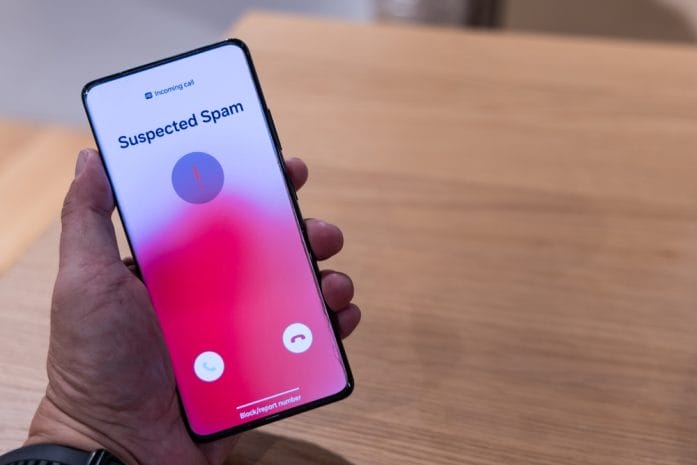
The simplest defense starts with ignoring unknown missed calls that ring only once. Legitimate callers rarely rely on a single ring before disconnecting. Blocking suspicious numbers immediately reduces repeat attempts from the same source. Many smartphones now include built-in spam detection tools that flag risky calls automatically. These tools help filter out most one-ring scam attempts before they ever reach attention.

Awareness also plays a major role in stopping this scam from spreading further. Checking unfamiliar numbers online often reveals reports from other users who experienced the same issue. Mobile carriers sometimes offer free scam and spam protection services that block known premium-rate fraud numbers. Reporting suspicious calls helps providers shut down active scam lines faster. Every small action strengthens protection against future attempts.

The “One-Ring” Phone Scam: Why Scammers Let It Ring Once and Hope You Call Back
Image Source: Shutterstock.com

The Real Cost Behind That One Ring: Staying Ahead of the Scam

The one-ring scam survives because it turns a split-second reaction into a financial trap. Scammers depend on curiosity, urgency, and automatic habits that bypass careful thinking. A single missed call can feel harmless, yet it can open the door to unexpected charges and ongoing spam contact. Staying cautious with unknown numbers protects both money and personal information. Smart habits consistently beat fast reactions when dealing with modern phone fraud.

What do you think—should phone carriers do more to block these scams before they even reach users? Share your thoughts with us below in our comments section.

You May Also Like…

5 Phone Calls You Should Never Return — Even If They Sound Urgent

8 Scam Messages That Look Official — But Aren’t

8 Subtle Illusions Used by Scammers in Investment Offers

7 New Scam Tactics That Look Real — And Are Still Fooling Americans

The “Love Bombing” Tactic Scammers Use to Gain Financial Control in a New Relationship

Brandon Marcus
Brandon Marcus

Brandon Marcus is a writer who has been sharing the written word since a very young age. His interests include sports, history, pop culture, and so much more. When he isn’t writing, he spends his time jogging, drinking coffee, or attempting to read a long book he may never complete.

Filed Under: scams Tagged With: Consumer Protection, cybersecurity, financial safety, international fraud, missed call scam, one ring scam, phone fraud, phone scam, phone security, robocalls, scam awareness, spam calls

5 Phone Calls You Should Never Return — Even If They Sound Urgent

March 26, 2026 by Brandon Marcus Leave a Comment

5 Phone Calls You Should Never Return — Even If They Sound Urgent
Image Source: Pexels.com

The phone rings, and suddenly everything feels urgent. A missed call flashes on the screen with a warning tone in the voicemail or a number that looks oddly official, and the instinct kicks in to fix whatever problem might be brewing. That sense of urgency feels powerful, almost impossible to ignore, and it pushes people to act fast instead of thinking things through. Scammers count on that exact reaction, because speed and panic make people easier to manipulate. One quick callback can open the door to losing money, personal information, or even control of important accounts. That single moment of curiosity or concern can turn into a costly mistake that lingers far longer than the call itself.

Plenty of calls deserve attention, but some absolutely do not deserve a return call under any circumstances. The tricky part comes from how convincing these calls sound, because they often mimic real institutions, real emergencies, or real opportunities that feel too important to ignore. Modern scam tactics rely on technology that masks phone numbers, imitates voices, and creates believable scenarios that fool even careful people.

1. The “One-Ring” Trap That Hooks You Fast

A missed call that rings once and disappears might seem harmless, but it often signals a well-known scam designed to get a callback. Scammers use automated systems to dial thousands of numbers and hang up almost immediately, leaving behind a tempting mystery. That curiosity pushes people to return the call, especially when the number looks unfamiliar or international. Once someone calls back, the scam kicks into gear through premium-rate numbers that charge high fees per minute. These charges can pile up quickly without any clear warning, leaving a shocking phone bill behind. The scam works because it feels so simple and innocent, and that simplicity masks the financial damage it can cause. A quick callback turns into a costly mistake that feels completely avoidable in hindsight.

The best move here involves ignoring the urge to investigate and resisting the temptation to call back unknown numbers entirely. If a call truly matters, the caller will leave a detailed message with clear identification and a legitimate reason to respond. Searching the number online can also reveal whether others have reported it as suspicious or linked it to scams.

Phone carriers and apps now offer spam detection features, and enabling those tools adds another layer of protection. Staying cautious about unfamiliar international numbers also helps, especially when no clear connection exists to that location. A missed call might spark curiosity, but curiosity should never outweigh caution when money sits on the line.

2. The Fake “Government Emergency” That Demands Immediate Action

Some calls come packed with urgency, claiming that a government agency needs immediate attention or that a serious issue requires instant action. These calls often mention unpaid taxes, legal trouble, or benefits that face suspension, and they rely heavily on fear to push people into reacting quickly. The caller may sound authoritative, using official-sounding language and even spoofed phone numbers that appear legitimate at first glance. That combination of urgency and authority creates a powerful sense of pressure that makes people act without verifying the situation. Scammers know that fear short-circuits logic, and they lean into that emotional response to keep control of the conversation. A callback gives them exactly what they want: engagement and a chance to escalate the scam.

Real government agencies do not operate this way, and they do not demand immediate payment or personal information over the phone without prior official communication. Anyone receiving a message like this should avoid calling back directly and instead look up the agency’s official contact information independently. Calling a verified number ensures that any conversation happens with a legitimate representative instead of a scammer. Staying calm and refusing to rush into action makes a huge difference, because urgency often signals manipulation rather than reality. Keeping personal information private and never sharing sensitive details over unsolicited calls also blocks many common scam tactics. A moment of patience can prevent a situation from spiraling into something far more serious.

3. The “Bank Alert” That Isn’t From Your Bank

Few things grab attention faster than a message about suspicious activity on a bank account, and scammers take full advantage of that reaction. A voicemail or missed call might claim that unauthorized transactions occurred, urging a quick callback to secure the account. The message often sounds polished and professional, sometimes even including partial account details to appear more convincing. That sense of urgency pushes people to act immediately, especially when money feels at risk. Once the callback happens, scammers guide the conversation toward gathering login credentials, PINs, or verification codes. That information gives them direct access to accounts, turning a fake alert into a real financial problem.

Handling these situations requires a deliberate shift in approach, because calling back the number provided creates unnecessary risk. Instead, checking the account directly through an official app or website provides accurate information without involving a third party. Contacting the bank using a verified number printed on a card or official statement ensures a safe connection. Financial institutions already encourage this habit, and following it protects against many common scams. Staying skeptical about unsolicited alerts also helps, especially when the message pressures immediate action. A real bank prioritizes security and clarity, while a scammer prioritizes speed and confusion.

4. The “Prize or Package” Call That Sounds Too Good to Miss

Excitement can feel just as powerful as fear, and scammers know exactly how to tap into that energy. A missed call or voicemail might claim that a prize awaits or that a package requires confirmation before delivery. These calls often create a sense of urgency by suggesting that the opportunity will disappear without quick action. That pressure pushes people to call back, hoping to claim something valuable or resolve a delivery issue. Once the connection happens, scammers may ask for personal details, payment for fees, or verification information that leads to identity theft. The initial excitement quickly fades when the consequences start to unfold.

Staying grounded and questioning the legitimacy of unexpected offers helps prevent falling into this trap. Legitimate companies do not require payment or sensitive information just to claim a prize or receive a package. Checking tracking numbers directly through official shipping websites provides accurate updates without relying on unknown callers. Ignoring unsolicited prize notifications also removes the temptation to engage with potential scams.

5. The “Tech Support Panic” Call That Creates Chaos

Technology issues can feel overwhelming, and scammers exploit that confusion with fake tech support calls. A voicemail or missed call might claim that a device has been compromised or that immediate action is needed to prevent damage. The message often includes alarming language that suggests viruses, hacking attempts, or data breaches. That sense of panic pushes people to call back quickly, hoping to fix the problem before it gets worse. Once connected, scammers may request remote access to devices or ask for payment to resolve the issue. That access gives them control over personal files, accounts, and sensitive information, turning a fake problem into a real one.

Avoiding these scams requires a clear understanding of how legitimate tech companies operate. Reputable companies do not initiate unsolicited calls about device issues, and they do not request remote access without a verified support request. Running antivirus software and keeping systems updated provides real protection without relying on unknown callers. Seeking help directly through official support channels ensures that any assistance comes from trusted sources.

5 Phone Calls You Should Never Return — Even If They Sound Urgent
Image Source: Unsplash.com

Let Suspicion Win Every Time

Every one of these calls shares a common thread: urgency designed to override good judgment. That urgency might come from fear, excitement, or confusion, but it always pushes for quick action without verification. Slowing down and questioning the situation creates a powerful defense against scams that rely on emotional reactions. Ignoring suspicious calls and refusing to return unknown numbers removes the opportunity for scammers to gain a foothold. Technology continues to evolve, and scammers adapt quickly, but a cautious mindset remains one of the strongest protections available. Taking control of how and when to respond keeps personal information and finances secure.

What strategies work best for handling suspicious calls, and which types of messages raise the biggest red flags? Share your thoughts, experiences, or tips in the comments and keep the conversation going.

You May Also Like…

7 New Scam Tactics That Look Real — And Are Still Fooling Americans

Is Quality Furniture Officially a Scam? Why Filling a New Home in 2026 is Destroying Senior Nest Eggs

8 Subtle Illusions Used by Scammers in Investment Offers

6 Elder Scams That Began Over the Phone Earlier This Year

10 Quiet Retirement Scams Targeting Women Who Just Got Divorced

Brandon Marcus
Brandon Marcus

Brandon Marcus is a writer who has been sharing the written word since a very young age. His interests include sports, history, pop culture, and so much more. When he isn’t writing, he spends his time jogging, drinking coffee, or attempting to read a long book he may never complete.

Filed Under: scams Tagged With: consumer safety, cybersecurity, fraud prevention, identity theft, personal finance safety, phishing, phone safety, phone scams, robocalls, scam awareness, scam calls, tech tips

Follow Us

Search this site:

Recent Posts

  • Can My Savings Account Affect My Financial Aid? by Tamila McDonald
  • 12 Ways Gen X’s Views Clash with Millennials… by Tamila McDonald
  • What Advantages and Disadvantages Are There To… by Jacob Sensiba
  • 10 Tactics for Building an Emergency Fund from Scratch by Vanessa Bermudez
  • Call 911: Go To the Emergency Room Immediately If… by Stephen Kanaval
  • 7 Weird Things You Can Sell Online by Tamila McDonald
  • 10 Scary Facts About DriveTime by Tamila McDonald

Copyright © 2026 · News Pro Theme on Genesis Framework