• Home
  • About Us
  • Toolkit
  • Getting Finances Done
    • Hiring Advisors
    • Debt Management
    • Spending Plan
  • Insurance
    • Life Insurance
    • Health Insurance
    • Disability Insurance
    • Homeowners/Renters Insurance
  • Contact Us
  • Privacy Policy
  • Risk Tolerance Quiz

The Free Financial Advisor

You are here: Home / Archives for banking tips

Customers Beware: Banks Are Tightening Fraud Rules and Freezing Accounts Faster Than Ever

March 23, 2026 by Brandon Marcus Leave a Comment

Customers Beware: Banks Are Tightening Fraud Rules and Freezing Accounts Faster Than Ever

Image Source: Shutterstock.com

Money moves fast now, and banks have decided they need to move even faster. One suspicious transaction, one unusual login, one transfer that looks slightly out of place, and suddenly access disappears. No warning, no countdown, just a locked account and a growing sense of panic.

This shift did not come out of nowhere. Fraud exploded in recent years, and banks responded by tightening the rules, sharpening their detection systems, and acting quicker than ever before. That might sound reassuring on paper, but it creates a new reality where everyday people can get caught in the crossfire without doing anything wrong.

When “Security” Hits the Brakes on Your Money

Banks now rely heavily on automated systems that scan activity in real time, and those systems do not hesitate when something looks off. A large transfer, a sudden change in spending habits, or a login from a new location can trigger an immediate freeze. That reaction does not mean fraud actually happened, but the system treats uncertainty as a risk worth stopping cold. Financial institutions have good reason to act this way. Fraud schemes have grown more sophisticated, especially with the rise of online banking, peer-to-peer payment apps, and digital wallets. Criminals move quickly, so banks try to move faster, even if that means locking down accounts before confirming anything.

That speed creates a frustrating experience when legitimate activity gets flagged. Someone might transfer money between personal accounts, book travel in another city, or receive a larger-than-usual payment, only to find their account suddenly restricted. The system sees a pattern change, not the full story.

Banks also face pressure from regulators to prevent fraud and money laundering, which pushes them toward aggressive monitoring. They would rather freeze a legitimate account temporarily than allow fraudulent transactions to slip through. That trade-off explains why these freezes have become more common. This approach leaves little room for nuance. Automated systems do not interpret intent, and they do not understand context beyond data patterns. That gap between human behavior and machine logic often creates the kind of disruption that catches people completely off guard.

The Triggers That Set Off Alarm Bells

Certain activities raise red flags faster than others, and understanding them can make a huge difference. Large or unusual deposits, especially from unfamiliar sources, often trigger reviews because they resemble patterns linked to fraud or scams. Even legitimate transfers can fall into this category if they break from normal habits. Frequent transfers between accounts, particularly across different banks or payment platforms, can also attract attention. These movements sometimes resemble tactics used to move stolen funds, so systems flag them quickly. That means even routine financial management can look suspicious under the wrong circumstances.

Logging in from a new device or location can also spark a freeze. Travel, a new phone, or even a different internet connection might cause the system to question whether the account owner still controls the account. That type of flag often leads to temporary restrictions until verification happens.

Peer-to-peer payment apps add another layer of complexity. Sending or receiving money from multiple unfamiliar contacts in a short period can raise concerns. Fraud rings often use these apps to move money quickly, so banks watch closely for patterns that match that behavior. Name mismatches, incorrect personal information, or outdated account details can also create problems. When records do not align, banks may pause activity until they confirm identity. That step protects accounts, but it can also create delays that feel unnecessary when everything seems correct on the surface.

What Happens After the Freeze Hits

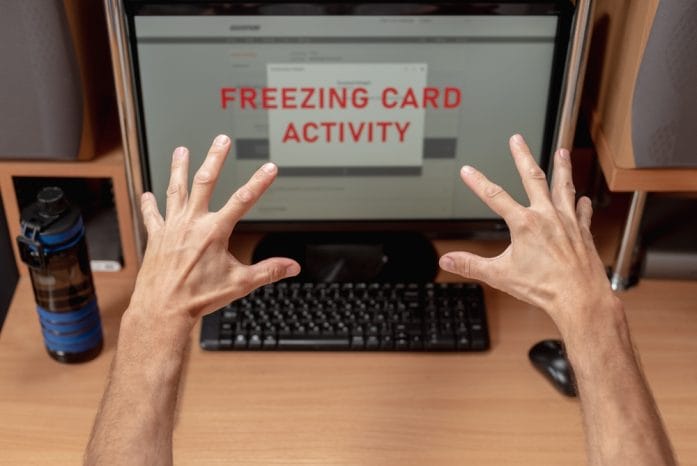
An account freeze does not always mean total shutdown, but it often limits access in frustrating ways. Some people lose the ability to withdraw money, make payments, or transfer funds while the bank investigates. That restriction can disrupt daily life quickly, especially when bills or expenses depend on that account. Banks usually require identity verification before restoring access. That process might involve submitting documents, answering security questions, or speaking with a representative. The timeline varies, and while some cases resolve quickly, others can stretch into days or even weeks.

Communication does not always move as fast as the freeze itself. Notifications might arrive after the account gets restricted, and explanations can feel vague or incomplete. That lack of clarity adds stress, especially when money sits locked without a clear resolution timeline.

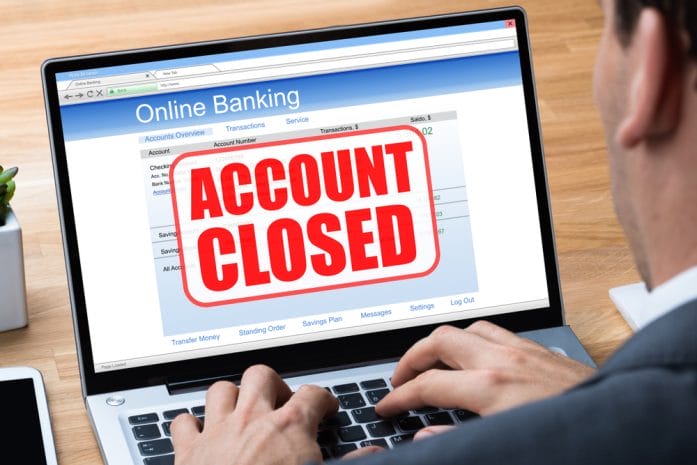
In more serious cases, banks may close accounts entirely if they believe activity violates their policies. That decision can happen even when no crime occurred, particularly if behavior consistently triggers risk alerts. Once an account closes, reopening it or moving funds can become more complicated. Despite the frustration, these steps exist to prevent larger losses. Banks aim to stop fraud before it spreads, even if that means inconveniencing legitimate customers. That balance between protection and access continues to shape how financial institutions handle risk.

How to Stay One Step Ahead of a Freeze

Taking a few proactive steps can reduce the chances of getting caught in a freeze. Keeping contact information updated ensures banks can reach out quickly when something looks unusual. That simple step often speeds up verification and prevents unnecessary delays. Maintaining consistent transaction patterns also helps. Sudden spikes in activity or major changes in behavior can trigger alerts, so spacing out large transfers or notifying the bank ahead of time can make a difference. Travel plans, especially international ones, should always get flagged with the bank in advance.

Using familiar devices and secure networks adds another layer of stability. Logging in from multiple new devices within a short time frame can raise suspicion, so sticking to known setups helps avoid unnecessary triggers. When a new device becomes necessary, verifying it quickly can prevent issues.

Reviewing account activity regularly keeps everything aligned. Catching errors, correcting outdated information, and monitoring transactions can prevent small issues from escalating into larger problems. Staying organized with financial records also makes it easier to respond if the bank requests verification. Diversifying where money sits can also provide a safety net. Relying on a single account for all expenses creates risk if that account gets frozen. Keeping funds in more than one place ensures access remains available even during an investigation.

Customers Beware: Banks Are Tightening Fraud Rules and Freezing Accounts Faster Than Ever

Image Source: Shutterstock.com

Banks Are Not Slowing Down Anytime Soon

Fraud continues to evolve, and banks continue to respond with tighter controls and faster reactions. Technology improves detection systems every year, which means freezes will likely become even more precise but not necessarily less frequent. The goal centers on stopping threats quickly, and that priority will not change. Customers now operate in a financial environment where security measures act first and explain later. That reality requires a shift in how people manage money, from staying aware of triggers to preparing for potential disruptions. Understanding the system turns frustration into something more manageable.

Banks do not aim to create chaos, but they prioritize protection above convenience. That approach makes sense from a risk perspective, yet it places more responsibility on individuals to stay informed and proactive. Awareness now plays a crucial role in avoiding unnecessary headaches.

How has banking changed in the past few years, and what strategies have helped avoid account issues or unexpected freezes? Share any and all thoughts, experiences, or tips in the comments.

You May Also Like…

Biometric Banking and the Rise of Fraud Concerns in 2026

4 Ways to Spot Fraud Before Your Bank Does

5 Outrageous Fees Hidden in Everyday Banking Services

Bank Alert: 7 Reasons “Courtesy Credits” Get Taken Back Without Warning

Why Overdraft Fee “Reforms” Haven’t Reduced Bank Profits

Brandon Marcus
Brandon Marcus

Brandon Marcus is a writer who has been sharing the written word since a very young age. His interests include sports, history, pop culture, and so much more. When he isn’t writing, he spends his time jogging, drinking coffee, or attempting to read a long book he may never complete.
Filed Under: Banking Tagged With: banking, banking rules, banking tips, Financial Security, fraud alerts, fraud prevention, frozen bank account, identity theft, money safety, Online banking, Personal Finance, scams

4 Steps to Take if You Hold More Than $250K in One Bank

March 20, 2026 by Brandon Marcus Leave a Comment

4 Steps to Take if You Hold More Than $250K in One Bank

Image Source: Shutterstock.com

Money sitting in a bank should feel safe. Not “probably fine,” not “it’ll work out,” but locked-down, sleep-easy, zero-stress safe. That feeling disappears fast once a balance creeps past $250,000, because that number carries real consequences that too many people ignore until it’s too late.

That $250K line doesn’t exist for decoration. It marks the limit of standard FDIC insurance per depositor, per bank, per ownership category. Cross it without a plan, and part of that money sits exposed. No alarms go off, no warning message pops up, and no banker rushes over to stop it. The responsibility lands entirely on the account holder, which means the next move matters more than ever.

Step One: Know Exactly What’s Protected (And What Isn’t)

The $250,000 FDIC insurance limit sounds simple, but the details underneath it tell a much bigger story. The Federal Deposit Insurance Corporation covers deposits like checking accounts, savings accounts, money market deposit accounts, and CDs. That coverage applies per depositor, per insured bank, and per ownership category, which creates more flexibility than most people realize. A single account with $300,000 at one bank leaves $50,000 unprotected, plain and simple. But ownership structure changes everything.

Different account categories unlock additional coverage. A single account, a joint account, a retirement account like an IRA, and a trust account each qualify for separate $250,000 limits. That means someone with a spouse could hold $500,000 in a joint account at one bank and still stay fully insured. Add individual accounts on top of that, and the coverage expands even further without opening new banks. This structure rewards organization and punishes guesswork.

Ignoring these details can get expensive in a worst-case scenario. If a bank fails, FDIC insurance kicks in quickly, but only for insured amounts. Anything above the limit becomes part of the recovery process, which can take time and may not return in full. That reality makes it essential to map out every account and understand how coverage applies. A quick review today beats a stressful scramble later.

Step Two: Spread It Out Like a Pro, Not Like a Panic Move

Moving money across multiple banks sounds like a hassle, but it works as one of the most effective ways to stay fully insured. The strategy stays simple: keep no more than $250,000 per depositor, per bank, per ownership category. That approach keeps every dollar within FDIC limits without relying on complicated financial products. It also creates a built-in safety net across institutions instead of concentrating risk in one place.

This step doesn’t require opening accounts at random banks just to check a box. Strong online banks, credit unions with NCUA insurance, and established financial institutions all offer options. The key lies in choosing institutions with solid reputations, easy account access, and clear policies. Managing multiple accounts becomes much easier with modern apps and dashboards, which track balances and transactions in one place.

Some people hesitate because spreading money feels inefficient, but the tradeoff leans heavily toward safety. A single bank failure may seem unlikely, yet recent history shows that unexpected events can shake even well-known institutions. Diversification doesn’t chase returns here; it protects principal. That shift in mindset turns this step into a smart defensive move rather than a reactive one.

Step Three: Use Ownership Categories to Your Advantage

Ownership categories often get overlooked, yet they offer one of the cleanest ways to expand coverage without adding complexity. A single account only gets one $250,000 limit, but combining different account types at the same bank can multiply protection quickly. For example, one person can hold an individual account, share a joint account, and maintain a retirement account, all at the same bank, with each category receiving its own coverage limit.

Trust accounts open another layer of opportunity. Revocable trust accounts can extend coverage based on the number of beneficiaries, which can significantly increase insured amounts when structured correctly. This option works especially well for those already using trusts for estate planning. The key lies in setting up the account properly and naming eligible beneficiaries according to FDIC rules.

This step rewards attention to detail. Simply opening multiple accounts without understanding categories won’t guarantee full coverage. Each account must fall into a recognized ownership type, and documentation must reflect that structure clearly. Taking the time to organize accounts strategically can protect hundreds of thousands of dollars without ever leaving a single bank.

4 Steps to Take if You Hold More Than $250K in One Bank

Image Source: Shutterstock.com

Step Four: Consider Tools Built for Big Balances

Managing large cash balances manually works, but specialized tools can make the process smoother and more efficient. Services like cash sweep programs automatically distribute funds across multiple partner banks, keeping each portion within FDIC limits. That means one account can provide access to millions in insured deposits without constant monitoring or manual transfers. These programs often come through brokerage firms or certain banks that cater to high-balance clients.

Certificates of deposit placed through CDARS (Certificate of Deposit Account Registry Service) offer another option. This system spreads large deposits across a network of banks while maintaining full FDIC coverage. The depositor works with one bank, signs one agreement, and receives one statement, even though the funds sit across multiple institutions behind the scenes. That simplicity appeals to anyone who wants protection without juggling multiple logins.

These tools don’t eliminate the need for awareness, but they reduce the day-to-day effort required to maintain coverage. Fees, interest rates, and terms can vary, so reviewing the details still matters. The right tool can turn a complicated setup into a streamlined system that keeps every dollar protected and easy to access. Convenience and security don’t have to compete here.

Keep Every Dollar Working and Protected

Holding more than $250,000 in one bank doesn’t signal a mistake, but ignoring that threshold definitely does. Smart money management means knowing where protection ends and taking action before risk creeps in. The steps don’t require advanced financial expertise, just a willingness to organize, diversify, and use the tools available.

Each move builds on the last. Understanding FDIC limits creates the foundation, spreading funds reduces concentration risk, ownership categories expand coverage, and specialized tools simplify the entire system. Together, these strategies form a strong defense that keeps large balances secure without sacrificing accessibility or control.

How is that money structured right now, and does every dollar sit fully protected? Take a look, make a plan, and share any strategies or insights that have worked well.

You May Also Like…

The AI Financial Advisor Era: Can You Trust a Bot With Your Savings?

Biometric Banking and the Rise of Fraud Concerns in 2026

5 Budgeting Apps That Integrate With Biometric Banking

Bank Alert: 7 Reasons “Courtesy Credits” Get Taken Back Without Warning

10 Warning Signs Your Banking App Was Compromised

Brandon Marcus
Brandon Marcus

Brandon Marcus is a writer who has been sharing the written word since a very young age. His interests include sports, history, pop culture, and so much more. When he isn’t writing, he spends his time jogging, drinking coffee, or attempting to read a long book he may never complete.

Filed Under: Banking Tagged With: 2026 finance, bank safety, banking tips, cash strategy, FDIC insurance, high net worth, money management, Personal Finance, Planning, Risk management, savings strategy, wealth protection

5 Red Flags to Watch Before Opening a Joint Account

March 6, 2026 by Brandon Marcus Leave a Comment

These Are 5 Red Flags to Watch Before Opening a Joint Account

Image Source: Shutterstock.com

Opening a joint account can feel like stepping into deeper trust with someone, whether that someone is a partner, family member, or close friend. Money carries emotion, history, and expectations, so putting finances together deserves more thought than just signing a form at the bank. Many people rush into shared accounts thinking it will simplify life, but sometimes simplicity turns into tension if warning signs appear early. The truth sits somewhere between optimism and caution when mixing money with relationships. Watching for red flags before opening a joint account can save stress, arguments, and complicated financial headaches later.

Money conversations reveal character faster than weekend plans or favorite movies. Financial habits show priorities, impulse control, and comfort with responsibility. A joint account works best when two people move in similar financial rhythms. If one person spends freely while the other watches every penny, friction tends to show up quickly. Taking a moment to pause before opening shared accounts feels less romantic but far more practical.

1. When One Person Hides Financial Information Like It Is Classified Intelligence

Transparency matters more than generosity when managing shared money. If someone avoids talking about debt, income, or spending patterns, that behavior deserves attention. People entering a joint account should feel comfortable showing pay stubs, credit obligations, and existing financial commitments. Hiding financial truth rarely ends well because trust grows slowly but breaks fast once deception appears.

Watch how someone reacts when questions come up about credit cards, loans, or past financial struggles. Defensive reactions often signal discomfort or fear of judgment. Open conversations about money should feel normal, not like conducting an interrogation. The financial world already contains enough pressure, so partners do not need to add emotional tension to basic information sharing.

Notice lifestyle consistency too. Someone who earns a moderate income but spends extravagantly on luxury purchases might create imbalance in shared funds. Think about long-term behavior rather than temporary excitement. Suggest meeting halfway by discussing spending limits or maintaining separate emergency funds even after opening a shared account.

2. When Spending Styles Feel Like Two Different Languages

Money habits resemble personal dialects shaped by upbringing, experience, and personality. Some people enjoy budgeting every expense, tracking coffee purchases, and planning months ahead. Others live more freely, spending when opportunities appear and worrying later. Neither style is automatically wrong, but mixing opposite styles inside one joint account can create confusion.

Before opening shared accounts, talk about how money will leave the account, not just how money will enter it. Decide whether both people need approval before large purchases. Agree on what qualifies as a large purchase. Numbers may differ depending on income levels, but clarity matters more than exact thresholds.

Observe reactions during budget discussions. If someone laughs off planning or feels restricted by structure, future disagreements might grow louder. If someone becomes anxious when discussing spending, emotional security around money might need strengthening. Building mutual comfort takes patience, like learning a new hobby together. Consider starting with small shared expenses before opening a full joint account. Sharing grocery bills or streaming subscriptions tests teamwork without exposing entire finances to risk. Practice cooperation before committing major financial life tools.

3. When One Person Treats the Account Like Personal Money Storage

A joint account does not automatically mean both people think about money the same way. Some individuals treat shared accounts like personal wallets. Others expect strict communication before every withdrawal. Problems often begin when expectations stay unspoken. Watch how someone talks about “my money” versus “our money.” Language reveals mindset. Someone might accidentally reveal intentions by talking about financial independence inside shared arrangements. Financial independence itself is healthy, but not if it conflicts with agreed account rules.

Discuss withdrawal habits early. Decide whether both people must notify each other before moving funds. Set spending alerts if the bank offers that feature. Technology helps relationships when used wisely because notifications can prevent accidental overspending.

Create shared goals that give the account purpose. Saving for travel, housing, or emergency protection gives meaning to the partnership. Without shared goals, joint accounts sometimes become simple storage spaces that collect money without direction.

4. When Debt Is Walking Into the Relationship Without a Plan

Debt does not automatically disqualify someone from sharing financial responsibility, but unmanaged debt creates risk. High interest balances, collection accounts, or missed payment history can strain joint finances. Understanding debt strategy matters more than knowing exact debt numbers. Talk honestly about how each person handles obligations. Some people pay aggressively to remove debt quickly. Others follow minimum payment strategies. Neither approach is inherently wrong, but combining approaches inside one account requires agreement.

Check whether debt payments will come from the joint account or from individual accounts. Mixing debt repayment and shared living expenses without structure may create confusion later. Establish priorities such as housing, food, savings, and then debt reduction.

Keep emergency protection money separate when possible. Financial surprises happen to everyone. Car repairs, medical expenses, or sudden travel needs can appear without warning. Having backup funds outside the shared account gives breathing room when life becomes unpredictable.

5. When Trust Feels Emotional Instead of Practical

Love, friendship, or family loyalty should not replace financial discipline. Trust is wonderful, but blind trust sometimes leads to regret. Opening a joint account works best when emotions and logic walk together like two friends enjoying the same path. Pay attention if someone discourages financial discussion by saying trust should be enough. Trust matters, yet responsible partners still talk about money details. Planning does not mean suspicion. Planning means preparation for future challenges.

Start small and review account activity monthly. Sit together and check transactions like reviewing travel photos after a vacation. Celebrate good financial habits. Discuss mistakes calmly if they happen. Treat money management like maintaining a garden that needs regular care.

Think about whether both people feel respected when discussing finances. Discomfort during money talks might signal unresolved concerns. Joint accounts work best when communication feels natural rather than forced.

These Are 5 Red Flags to Watch Before Opening a Joint Account

Image Source: Shutterstock.com

Truth Worth Earning

The smartest step before opening a joint account involves slowing down instead of rushing forward. Relationships grow stronger when financial expectations meet honesty and patience. Shared accounts should support partnership goals, not create pressure or control. Look for openness, consistent spending behavior, shared financial vision, and emotional comfort discussing money. If several red flags appear, consider waiting and building more trust first. A joint account represents teamwork, not just convenience.Ask whether the partnership feels ready for financial merging. If hesitation exists, that feeling deserves attention rather than dismissal. Taking time today may prevent arguments tomorrow.

Do you feel confident about sharing financial responsibility with someone else right now, or does something still feel uncertain? Let’s talk about all things financial in the comments below.

You May Also Like…

5 Outrageous Fees Hidden in Everyday Banking Services

The Bank Account Features That Can Freeze Your Money Without a Court Order

What To Look For When Opening A Bank Account For Your Teen

Risk Proaction: 5 Steps to Stress-Test Your Finances for Worst-Case Scenarios

5 Warning Signs Your “Side Gig” Is Destroying Your Finances

Brandon Marcus
Brandon Marcus

Brandon Marcus is a writer who has been sharing the written word since a very young age. His interests include sports, history, pop culture, and so much more. When he isn’t writing, he spends his time jogging, drinking coffee, or attempting to read a long book he may never complete.

Filed Under: Banking Tagged With: banking tips, couples finance, financial advice, joint bank account, money management, money red flags, Personal Finance, relationship finance, shared accounts, trust and money

8 Outrageous Fees That Appear on Bank Statements

September 26, 2025 by Catherine Reed Leave a Comment

8 Outrageous Fees That Appear on Bank Statements

Image source: 123rf.com

Opening your account online or reviewing your monthly paperwork should give you peace of mind, not frustration. Yet for many people, the sight of surprise charges on bank statements can feel like a financial ambush. Banks may advertise convenience and safety, but behind the scenes, hidden costs quietly eat away at your balance. These fees often appear small at first glance but add up over time, creating unnecessary financial strain. Let’s look at some of the most outrageous fees that sneak into everyday banking.

1. Overdraft Fees That Multiply Quickly

One of the most common complaints about bank statements is overdraft fees. When you accidentally spend more than you have, banks charge anywhere from $25 to $40 per occurrence. The problem is that these fees can multiply if multiple transactions go through while your account is negative. In some cases, customers end up paying more in fees than the original purchase amount. It’s a costly reminder of why monitoring your balance is so important.

2. ATM Fees for “Convenience”

Using an out-of-network ATM can feel harmless until you see the charge on your bank statements. You’re often hit with two fees—one from your bank and one from the machine owner. These small charges, usually $3 to $6, can add up if you withdraw cash frequently. Banks market their ATM networks as a convenience but punish you for stepping outside them. Planning ahead to use in-network machines can help you avoid these sneaky costs.

3. Monthly Maintenance Charges

Some accounts quietly slip in maintenance fees unless you meet certain requirements. If your balance drops too low or you don’t set up direct deposit, you might find a $10 to $25 charge on your bank statements. These fees can feel insulting, especially when the bank profits from holding your money. It’s their way of rewarding loyalty only when you follow specific conditions. Choosing accounts with no maintenance requirements can save you significant money each year.

4. Paper Statement Fees

Want to receive physical copies of your bank statements in the mail? Many banks now charge $2 to $5 per month for the privilege. They frame this as promoting “eco-friendly” behavior, but it’s really a revenue tactic. While going digital is smart for most people, some customers prefer paper records for organization. Charging for a basic service that was once standard feels outrageous.

5. Foreign Transaction Fees

Travelers often notice unfamiliar charges when they return home and review their bank statements. Foreign transaction fees are typically 1% to 3% of each purchase made abroad. Even online purchases from international retailers can trigger these charges. While the percentage may seem small, it adds up quickly on big-ticket items. Using a credit card with no foreign transaction fee is often a smarter choice for travelers.

6. Inactivity Penalties

Believe it or not, some banks punish you for not using your account enough. If an account remains inactive for several months, inactivity fees may suddenly appear on your bank statements. These charges are meant to push customers to close dormant accounts or resume activity. Unfortunately, they often penalize people who were simply saving money quietly. Checking account terms before leaving funds untouched is the best defense.

7. Wire Transfer Fees

Sending or receiving money via wire transfer is often marketed as quick and reliable. However, the fees you’ll see on your bank statements can be shocking. Outgoing transfers may cost $25 to $50, while even incoming wires can carry a charge. Considering these transfers are mostly automated, the high price is hard to justify. Whenever possible, explore alternative methods like ACH transfers or payment apps to cut costs.

8. Account Closing Fees

Yes, some banks even charge you for leaving. If you close an account within a certain timeframe, usually 90 to 180 days, you might face an early closure fee. These charges on bank statements feel particularly frustrating because they penalize customers for making financial choices that work best for them. It’s another way banks try to lock you into accounts that may not serve your needs. Reading fine print before opening an account helps you avoid this trap.

Taking Control of Your Money

Bank statements shouldn’t feel like riddles filled with hidden costs. By understanding the most common outrageous fees, you can take steps to avoid them and keep more of your hard-earned money. Whether it’s switching to a no-fee account, choosing smarter travel cards, or monitoring your activity more closely, the key is staying informed. Banks rely on customers overlooking the small print and ignoring recurring charges. Protecting your finances starts with reviewing every line of your statements and questioning what doesn’t feel right.

Have you ever spotted a fee on your bank statements that caught you by surprise? How did you handle it? Share your experience in the comments.

What to Read Next…

9 Hidden Costs of Switching Banks Nobody Warns You About

5 Outrageous Fees Hidden in Everyday Banking Services

8 New Tools That Collect Bank Info Through Pop-Ups

7 Surprising Risks of Keeping Too Much Cash at Home

Why Do Some People Lose Money by Keeping Too Much in Cash

Catherine Reed
Catherine Reed

Catherine is a tech-savvy writer who has focused on the personal finance space for more than eight years. She has a Bachelor’s in Information Technology and enjoys showcasing how tech can simplify everyday personal finance tasks like budgeting, spending tracking, and planning for the future. Additionally, she’s explored the ins and outs of the world of side hustles and loves to share what she’s learned along the way. When she’s not working, you can find her relaxing at home in the Pacific Northwest with her two cats or enjoying a cup of coffee at her neighborhood cafe.

Filed Under: Banking Tagged With: ATM Fees, bank statements, banking tips, financial literacy, Hidden Fees, overdraft charges, saving money

6 Surprising Risks of Online-Only Banks

September 12, 2025 by Catherine Reed Leave a Comment

6 Surprising Risks of Online-Only Banks

Image source: 123rf.com

Online-only banks have exploded in popularity thanks to their convenience, competitive interest rates, and low fees. For many, the ability to handle everything from a smartphone feels like the future of banking. But while these institutions have plenty of benefits, they also come with some surprising drawbacks that aren’t always obvious at first glance. Ignoring the risks can leave customers frustrated, vulnerable, or even financially stuck when issues arise. Here are six surprising risks of online-only banks that everyone should understand before making the switch.

1. Limited Access to Cash Deposits

One of the biggest challenges with online-only banks is depositing cash. Unlike traditional banks, they lack branches where you can walk in and make a deposit. Some institutions partner with ATMs or retail stores, but these options often come with fees or limits. For people who earn tips, run small cash-based businesses, or regularly deal with physical money, this becomes a major inconvenience. What feels like a minor issue quickly turns into a frustrating hurdle.

2. Technology Glitches Can Lock You Out

While the convenience of mobile apps is appealing, they’re not foolproof. Online-only banks rely entirely on technology, which means outages, bugs, or cyberattacks can disrupt access to your money. Even temporary lockouts can cause stress if bills are due or emergencies arise. Traditional banks usually provide in-person help, but online-only banks may leave you waiting for a system to recover. Relying solely on technology makes access to funds less predictable than many realize.

3. Customer Service May Be Hard to Reach

Another surprising risk of online-only banks is the limited customer support. Without local branches, your only options are phone lines, email, or chatbots. During high-demand periods, wait times can stretch, leaving you stuck without solutions to urgent problems. Complex issues, such as disputed charges or frozen accounts, often require human assistance that isn’t readily available. The lack of personal service can make resolving problems far more difficult.

4. Potential for Account Freezes

Online-only banks use automated fraud detection systems, which sometimes flag legitimate activity as suspicious. This can result in sudden account freezes, cutting off access to your money until the issue is resolved. Proving your identity remotely often takes time, especially if customer support is limited. For someone relying on the account for bills or payroll, this can create serious financial stress. The automated nature of these systems makes false alarms a bigger risk than in traditional banks.

5. Limited Financial Products and Services

Traditional banks often offer a wide range of financial services, including mortgages, investment advice, and business accounts. Online-only banks tend to focus on checking and savings products, leaving fewer options for customers with diverse financial needs. While some are expanding their offerings, gaps remain compared to full-service banks. This limitation means you may need multiple institutions to cover all your financial bases. Convenience fades when you juggle accounts across different platforms.

6. Security Concerns with Cybercrime

Although online-only banks use strong security measures, they remain prime targets for cybercriminals. Phishing scams, data breaches, and account hacks are ongoing risks for anyone relying heavily on digital banking. Customers who aren’t vigilant about passwords or suspicious activity may find themselves especially vulnerable. Unlike losing a debit card at a branch, resolving online fraud can take longer due to remote-only systems. The risk of cybercrime remains one of the biggest concerns for digital banking customers.

Balancing Convenience with Security and Support

Online-only banks offer impressive perks, but the surprising risks highlight why they may not be ideal as your sole financial institution. Limited access to cash, tech glitches, and weak customer service can quickly turn convenience into frustration. Security concerns and narrow service offerings add to the potential pitfalls. A balanced approach—such as using an online bank for high-yield savings while keeping a traditional account for flexibility—can help minimize risks. By understanding the trade-offs, you can enjoy digital banking without leaving yourself vulnerable.

Do you use online-only banks, and have you experienced any of these risks firsthand? Share your thoughts in the comments below.

What to Read Next…

5 Outrageous Fees Hidden in Everyday Banking Services

Some U.S. Banks Are Now Charging a “Cash Handling” Fee—Even at ATMs

How Can Small Banking Errors Snowball Into Huge Losses

5 Financial Dangers That Hide in Credit Union Accounts

Could Having Too Many Bank Accounts Complicate Wealth Instead of Protect It

Catherine Reed
Catherine Reed

Catherine is a tech-savvy writer who has focused on the personal finance space for more than eight years. She has a Bachelor’s in Information Technology and enjoys showcasing how tech can simplify everyday personal finance tasks like budgeting, spending tracking, and planning for the future. Additionally, she’s explored the ins and outs of the world of side hustles and loves to share what she’s learned along the way. When she’s not working, you can find her relaxing at home in the Pacific Northwest with her two cats or enjoying a cup of coffee at her neighborhood cafe.

Filed Under: Banking Tagged With: banking tips, customer service issues, cybersecurity, digital banking, financial risks, online-only banks, Personal Finance

9 Silent Bank Policy Changes That Eat Into Your Savings

August 14, 2025 by Travis Campbell Leave a Comment

money

Image source: pexels.com

Bank policy changes can sneak up on you. You might not notice them at first, but over time, they can eat into your savings. Banks often update their terms quietly, and unless you read every notice or email, you could miss important details. These changes can mean new fees, lower interest rates, or stricter rules. If you’re not paying attention, your hard-earned money could slowly disappear. Understanding these silent bank policy changes is key to protecting your savings and making smart choices with your money.

1. Lowering Savings Account Interest Rates

Banks can change the interest rates on your savings account at any time. They might send a notice, but it’s easy to miss. A small drop in your rate may not seem like much, but over a year, it adds up. If you keep a large balance, you lose even more. Always check your statements for changes in your interest rate. If your bank keeps lowering rates, look for better options. Online banks and credit unions often offer higher rates.

2. Increasing Minimum Balance Requirements

Some banks raise the minimum balance you need to avoid fees. If you don’t keep enough money in your account, you get charged a monthly fee. These fees can be $10 or more. Banks may not highlight this change, so you might not notice until you see a fee on your statement. Review your account terms every few months. If your bank raises the minimum, consider switching to an account with no minimum balance.

3. Adding or Raising Monthly Maintenance Fees

Monthly maintenance fees can appear out of nowhere. Banks sometimes add new fees or increase existing ones. You might have opened your account when there were no fees, but that can change. These fees can eat into your savings fast, especially if you have more than one account. Check your statements for new charges. If you see a new fee, call your bank and ask if there’s a way to avoid it. Sometimes, setting up direct deposit or using your debit card a certain number of times can help.

4. Reducing Overdraft Protection

Overdraft protection used to be a safety net. Now, some banks are making it harder to use or are charging more for it. They might limit the number of times you can use overdraft protection or raise the fee for each use. If you rely on this feature, you could end up paying more than you expect. Read your bank’s overdraft policy and look for changes. If the fees are too high, consider linking your savings account for backup or using a bank with lower overdraft fees.

5. Shortening Grace Periods for Fees

Banks sometimes shorten the grace period before they charge you a fee. For example, if you go below the minimum balance, you might have a few days to fix it. Now, some banks charge the fee right away. This change can catch you off guard. Always know your account balance and set up alerts if your bank offers them. Quick action can help you avoid unnecessary fees.

6. Limiting Free ATM Withdrawals

Many banks used to offer unlimited free ATM withdrawals. Now, some limit the number of free transactions each month. After you hit the limit, you pay a fee for each withdrawal. These fees can add up, especially if you use ATMs often. Check your account terms to see if there’s a limit. If you need more withdrawals, look for a bank that offers more free transactions or reimburses ATM fees.

7. Changing Deposit Hold Policies

Deposit hold policies determine the waiting period before you can access your money. Banks can change these policies without much notice. They might hold your check deposits longer, especially if the amount is large. This can be a problem if you need the money right away. Always ask how long your deposit will be held, especially if you’re expecting a large check. If your bank’s hold times are too long, consider other options.

8. Adding Inactivity or Dormancy Fees

If you don’t use your account for a while, some banks charge inactivity or dormancy fees. These fees can drain your savings if you forget about an old account. Banks may not remind you before charging the fee. To avoid this, use your account at least once every few months. Even a small deposit or withdrawal can keep your account active. If you have unused accounts, consider closing them or consolidating your funds.

9. Tightening Rules for Account Bonuses

Banks often offer bonuses for opening new accounts. But they can change the rules for earning or keeping these bonuses. You might need to meet higher deposit requirements or keep your account open longer. If you don’t follow the new rules, you could lose your bonus. Always read the fine print before signing up for a bonus. If the requirements change, decide if it’s still worth it.

Protecting Your Savings from Silent Bank Policy Changes

Bank policy changes can be hard to spot, but they have a real impact on your savings. The best way to protect yourself is to stay informed. Read every notice from your bank, even if it looks boring. Check your statements for new fees or changes in interest rates. Compare your bank’s policies with others at least once a year. If you find better terms elsewhere, don’t be afraid to switch. Your savings deserve the best protection you can give.

Have you noticed any silent bank policy changes that affected your savings? Share your story or tips in the comments below.

Read More

7 Bank Practices That Drop Accounts When You Mention “Estate”

What Are the Hidden Dangers of Digital-Only Banking?

Travis Campbell
Travis Campbell

Travis Campbell is a digital marketer/developer with over 10 years of experience and a writer for over 6 years. He holds a degree in E-commerce and likes to share life advice he’s learned over the years. Travis loves spending time on the golf course or at the gym when he’s not working.

Filed Under: Banking Tagged With: bank fees, bank policy changes, banking tips, financial literacy, hidden charges, money management, Personal Finance, savings

7 ATM Withdrawal Behaviors That Raise Government Surveillance Flags

August 13, 2025 by Catherine Reed Leave a Comment

7 ATM Withdrawal Behaviors That Raise Government Surveillance Flags

Image source: 123rf.com

While most people use ATMs without giving it a second thought, certain withdrawal patterns can draw unwanted attention from regulators and law enforcement agencies. Banks are required to monitor transactions for signs of suspicious activity, and in some cases, these patterns get flagged for further review by government agencies. Even if your money is completely legitimate, unusual habits at the ATM can lead to delays, account freezes, or questions you’d rather avoid. Understanding the ATM withdrawal behaviors that raise government surveillance flags can help you keep your banking routine low-risk and hassle-free. Here are seven behaviors worth knowing about.

1. Large Cash Withdrawals Over Reporting Thresholds

Withdrawing cash above certain limits — typically $10,000 in a single day — automatically triggers a Currency Transaction Report (CTR) to the government. Even if you are withdrawing for a perfectly legal reason, the transaction is flagged for recordkeeping under anti-money laundering laws. Banks are required to report these large withdrawals, and frequent high-value cash movements may invite further scrutiny. The government sees large sums of cash as a potential sign of illicit activity, such as tax evasion or money laundering. If you truly need to withdraw this much, be prepared for questions or documentation requests.

2. Multiple Withdrawals Just Under the Limit

Some people try to avoid triggering a report by making several withdrawals just under the $10,000 threshold. This tactic, known as “structuring,” is itself illegal and often more suspicious than a single large withdrawal. Regulators view this pattern as an intentional attempt to avoid reporting requirements. Even if the intention is innocent, such as withdrawing in stages for budgeting, banks may still flag the account. This is one of the most common ATM withdrawal behaviors that raise government surveillance flags.

3. Frequent Withdrawals in Unusual Locations

Withdrawing cash in multiple states, cities, or foreign countries in a short period can trigger monitoring alerts. These patterns suggest potential fraud or money movement designed to avoid detection. Banks may freeze your card until they verify your travel plans or intentions. If the withdrawals occur in areas known for high crime or financial fraud, the risk of scrutiny is even greater. Letting your bank know before traveling can help avoid unnecessary flags.

4. Consistent Withdrawals at Odd Hours

Late-night or very early morning withdrawals, especially if they happen regularly, can look suspicious to automated monitoring systems. While many people have legitimate reasons for nighttime transactions, unusual timing paired with high frequency can raise questions. The concern is that such behavior might be tied to illicit activities that operate during those hours. Even modest cash amounts withdrawn in the middle of the night can be flagged if they create a recognizable pattern. Being mindful of timing can reduce unwanted attention.

5. Using Multiple ATMs for Back-to-Back Withdrawals

Some account holders hop between different ATMs to take out cash in quick succession, either to avoid machine limits or to withdraw large sums without going into a branch. This can be interpreted as an attempt to conceal the total amount withdrawn. Banks are trained to spot this “ATM hopping” and may flag it as suspicious, even if you’re simply trying to access your own money. In certain cases, the bank might impose temporary withdrawal restrictions. Planning a single withdrawal through the bank can avoid this problem.

6. Repeated Maximum Daily Limit Withdrawals

Consistently taking out the maximum allowed amount each day — even if it’s below reporting thresholds — can catch the attention of monitoring systems. This is especially true if the withdrawals are in cash and not followed by a corresponding purchase or deposit pattern. Regulators may suspect the cash is being stockpiled or used in untraceable transactions. Over time, this can trigger further investigation or inquiries from your financial institution. Adjusting your withdrawal habits can help reduce the risk.

7. Frequent International ATM Transactions Without Travel History

Regularly withdrawing cash from ATMs in foreign countries while your main residence is in the U.S. can be a red flag. This behavior might be associated with offshore accounts, unreported income, or cross-border money movement. If you’re not physically traveling but using international ATMs through proxies or services, banks may consider this suspicious. Currency conversion patterns can also draw attention if the amounts are large or occur in high-risk regions. Among ATM withdrawal behaviors that raise government surveillance flags, this one often leads to deeper reviews by both banks and government agencies.

Staying Below the Radar with Smart Banking Habits

You don’t have to be doing anything illegal to trigger financial monitoring — sometimes, all it takes is a pattern that looks unusual to a computer algorithm. The best way to avoid ATM withdrawal behaviors that raise government surveillance flags is to keep transactions consistent, transparent, and in line with your known spending habits. If you anticipate a transaction that might raise questions, informing your bank ahead of time can prevent unnecessary freezes or reports. Your money should work for you without creating avoidable headaches.

Have you ever had a bank flag or question one of your withdrawals? Share your story in the comments — your experience could help others avoid the same situation.

Read More:

7 ATM Removal Features That Could Reduce Your Financial Privacy

Everyday Mistakes That Make You Vulnerable to Criminals

Catherine Reed
Catherine Reed

Catherine is a tech-savvy writer who has focused on the personal finance space for more than eight years. She has a Bachelor’s in Information Technology and enjoys showcasing how tech can simplify everyday personal finance tasks like budgeting, spending tracking, and planning for the future. Additionally, she’s explored the ins and outs of the world of side hustles and loves to share what she’s learned along the way. When she’s not working, you can find her relaxing at home in the Pacific Northwest with her two cats or enjoying a cup of coffee at her neighborhood cafe.

Filed Under: Banking Tagged With: ATM safety, banking tips, financial monitoring, government surveillance, personal finance habits, suspicious transactions

5 Invisible Service Charges Eating Into Your Bank Balance

August 12, 2025 by Travis Campbell Leave a Comment

bank balance

Image source: pexels.com

Keeping track of your money is hard enough without sneaky fees making it even harder. You check your bank balance, and it’s lower than you expected. Where did the money go? Sometimes, it’s not the big purchases that drain your account. It’s the invisible service charges that chip away at your savings, little by little. These fees often hide in the fine print, and most people don’t even realize they’re paying them. If you want to keep more of your money, you need to know what these charges are and how to stop them. Here are five invisible service charges that could be eating into your bank balance right now.

1. Monthly Maintenance Fees

Monthly maintenance fees are one of the most common invisible service charges. Banks often charge these fees just for keeping your account open. You might not notice them at first because they’re small—maybe $5 or $10 a month. But over a year, that adds up to $60 or $120, and that’s money you could use elsewhere. Some banks will waive these fees if you keep a minimum balance or set up direct deposit. But if you don’t meet those requirements, the fee hits your account every month. The worst part? Many people don’t even realize they’re paying it until they look closely at their statements. If you want to avoid this invisible service charge, look for banks that offer free checking or savings accounts. Or, ask your current bank what you need to do to get the fee waived. Don’t let a simple oversight cost you money every month.

2. Out-of-Network ATM Fees

Using an ATM that doesn’t belong to your bank can cost you more than you think. Out-of-network ATM fees are a classic invisible service charge. When you use another bank’s ATM, you might get hit with two fees: one from your bank and one from the ATM owner. These fees can range from $2 to $5 each time. If you use out-of-network ATMs a few times a month, you could lose $100 or more a year. That’s money you’re paying just to access your own cash. Some banks refund these fees, but many don’t. To avoid this invisible service charge, plan ahead. Use your bank’s ATM locator app or website to find free ATMs near you. Or, get cash back at the grocery store when you make a purchase. Small changes in your habits can save you a lot over time.

3. Overdraft Protection Fees

Overdraft protection sounds helpful, but it can be another invisible service charge draining your bank balance. When you spend more than you have in your account, overdraft protection covers the difference—usually by moving money from another account or giving you a short-term loan. But this service isn’t free. Banks often charge $10 to $35 each time it kicks in. Some people think overdraft protection means they won’t pay any fees, but that’s not true. The fee might be less than a regular overdraft charge, but it still adds up. If you use overdraft protection a few times a year, you could lose hundreds of dollars. The best way to avoid this invisible service charge is to keep a close eye on your balance. Set up alerts for low balances or use budgeting apps to track your spending. If you don’t need overdraft protection, consider opting out. That way, your card will be declined if you don’t have enough money, and you won’t get hit with a fee.

4. Paper Statement Fees

Getting a paper statement in the mail might seem harmless, but it can cost you. Many banks now charge a fee for mailing paper statements—sometimes $2 or $3 per month. This is another invisible service charge that’s easy to miss. You might not even realize you’re paying it unless you read your statement carefully. Over a year, this fee can add up to $24 or $36. That’s money you could save just by switching to electronic statements. Most banks offer free online statements, and you can access them anytime. If you still want a paper copy, you can usually print one at home. To avoid this invisible service charge, log in to your online banking and switch to e-statements. It’s a quick change that saves you money and helps the environment.

5. Foreign Transaction Fees

Traveling or shopping online from international retailers can trigger foreign transaction fees. These invisible service charges usually show up as a percentage of your purchase—often 1% to 3%. If you travel abroad or buy from overseas websites, these fees can add up fast. You might not notice them right away because they’re small, but over time, they can take a big bite out of your bank balance. Some banks and credit cards don’t charge foreign transaction fees, but many still do. Before you travel or shop online, check your bank’s policy. If you see these fees on your statement, consider switching to a card that doesn’t charge them. You can also use digital wallets or payment services that offer better exchange rates and lower fees. Being aware of this invisible service charge can help you keep more of your money when you spend internationally.

Protect Your Bank Balance by Staying Alert

Invisible service charges can quietly drain your bank balance if you’re not paying attention. The good news is, you can fight back. Review your statements every month. Ask your bank about any fees you don’t understand. Switch to accounts with fewer fees, and use technology to help you track your spending. Small steps can make a big difference. The more you know about invisible service charges, the easier it is to keep your money where it belongs—in your account.

Have you noticed any invisible service charges on your bank statements? Share your experiences or tips in the comments below.

Read More

Top Ways to Save Your Finances

How to Ensure Your Budget is Working for You

Travis Campbell
Travis Campbell

Travis Campbell is a digital marketer/developer with over 10 years of experience and a writer for over 6 years. He holds a degree in E-commerce and likes to share life advice he’s learned over the years. Travis loves spending time on the golf course or at the gym when he’s not working.

Filed Under: Banking Tagged With: bank fees, banking tips, financial literacy, hidden charges, invisible service charges, Personal Finance, saving money

10 Silent Triggers That Cause Retirement Funds to Lose FDIC Protection

August 9, 2025 by Catherine Reed Leave a Comment

10 Silent Triggers That Cause Retirement Funds to Lose FDIC Protection

Image source: 123rf.com

Most people assume their retirement savings are safe as long as they’re parked in reputable accounts. But that safety net isn’t always guaranteed—especially when it comes to FDIC protection. What many don’t realize is that a few seemingly minor moves can cause your retirement funds to lose FDIC protection without warning. One wrong transfer, account structure, or investment shift can leave your savings exposed. To safeguard your financial future, here are ten silent triggers that can quietly strip your retirement accounts of crucial FDIC insurance.

1. Moving Retirement Money into Investment Products

One of the most common ways for retirement funds to lose FDIC protection is when they’re moved into non-deposit investment products. Stocks, bonds, mutual funds, and annuities—even when offered by banks—are not FDIC insured. If your IRA or 401(k) is allocated heavily into market-based products, it’s no longer under the FDIC umbrella. This doesn’t mean they’re unsafe, but you do lose the guarantee against bank failure. Always double-check whether your funds are in a deposit account or an investment vehicle.

2. Exceeding the FDIC Coverage Limits

FDIC insurance covers up to \$250,000 per depositor, per insured bank, and per account category. If your retirement accounts exceed this limit and are held at a single bank, the amount over \$250,000 is no longer protected. Many people unintentionally let balances grow past this cap, believing all of it is insured. To stay protected, consider splitting funds across multiple banks or using account titling strategies. This trigger is silent but costly if your bank ever fails.

3. Rolling Over Funds Without Direct Transfer

When you roll over retirement funds from one institution to another, it’s safest to use a direct trustee-to-trustee transfer. If you take possession of the funds—even temporarily—it can disqualify them from FDIC coverage and open you up to tax penalties. During this brief holding period, the funds are no longer in an insured account. If something happens to your bank or you miss the 60-day window to redeposit, you risk both coverage and tax consequences. Always ask for a direct transfer when moving retirement money.

4. Holding Funds at Non-FDIC Institutions

Not all financial institutions are FDIC-insured. If your retirement funds are held at a credit union, brokerage, or fintech platform that’s not FDIC-backed, your money may not be protected from institutional failure. While some offer SIPC coverage or private insurance, it’s not the same as FDIC protection. Double-check that the bank or custodian holding your retirement account is FDIC insured. It’s easy to assume they are—but many aren’t.

5. Choosing Money Market Funds Instead of Deposit Accounts

Money market accounts and money market funds are not the same thing. Deposit-based money market accounts are FDIC insured, while money market funds (offered by brokerages) are investment products with no guarantee. Many retirement investors unknowingly switch into money market funds, thinking they’re equally safe. This switch is one of the most misunderstood ways for retirement funds to lose FDIC protection. Always confirm the product type before parking your cash.

6. Using Online “Sweep” Programs Without Understanding the Fine Print

Some online brokerages and financial platforms use sweep programs to automatically move uninvested cash into interest-bearing accounts. While some of these are FDIC-insured bank accounts, others are not. You might assume your retirement cash is safe, but depending on the sweep destination, it may fall outside FDIC coverage. These programs aren’t always clearly labeled, making them one of the silent triggers to watch for. Ask your platform where your sweep cash is being held.

7. Keeping Retirement Funds in Foreign Accounts

If you’ve opened foreign bank accounts for retirement purposes or have international investment platforms, your funds are not covered by the FDIC. Even if the bank is reputable, U.S. deposit insurance does not extend overseas. Some retirees explore offshore opportunities to diversify or avoid domestic taxes, but they trade off deposit protection in the process. For anyone considering global diversification, know that this move removes a layer of security. It’s another quiet way for retirement funds to lose FDIC protection.

8. Co-Mingling Retirement and Non-Retirement Funds

Blurring the lines between retirement and non-retirement accounts can create confusion and loss of protection. For example, placing both types of funds in a single joint account may disqualify portions from FDIC coverage if the titling is incorrect. Account types must remain distinct to qualify for separate FDIC insurance. If they’re lumped together, the insurance limit may be applied as if they’re one account. That’s an easy oversight with expensive consequences.

9. Using Trust Accounts Without Proper Titling

Retirement funds held in trust accounts must be titled correctly to qualify for FDIC insurance. If the trust’s beneficiaries are not properly documented or exceed the coverage limits, your account may not be protected. This is especially tricky for blended families or complex estate plans. Improper trust structuring is a silent trigger many retirees miss until they need to make a claim. Always review titling with your financial advisor or bank representative.

10. Assuming All Retirement Accounts Are Automatically Protected

Perhaps the most dangerous trigger is complacency. Many people believe all retirement accounts come with FDIC protection by default, when in reality, only specific types and amounts are covered. IRAs and 401(k)s held in deposit accounts are insured—but only within limits, and only at insured banks. If your retirement strategy involves brokerage accounts, mutual funds, or real estate holdings, you may be far outside the FDIC’s reach. Never assume coverage—confirm it.

The FDIC Safety Net Isn’t Automatic

FDIC protection is a valuable safeguard, but it’s not guaranteed for every retirement dollar. Small missteps in account setup, transfers, or investment choices can quietly trigger a loss of coverage when you least expect it. Understanding how retirement funds lose FDIC protection gives you the power to adjust your strategy and protect what you’ve worked so hard to build. When in doubt, ask questions—and read the fine print before assuming your money is safe.

Have you reviewed your accounts to ensure your retirement funds are fully protected? What surprised you the most about FDIC coverage? Share your thoughts in the comments!

Read More:

Is Your Roth IRA Protected From All Future Tax Code Changes?

6 Reasons Your Financial Advisor May Not Be Acting in Your Best Interest

Catherine Reed
Catherine Reed

Catherine is a tech-savvy writer who has focused on the personal finance space for more than eight years. She has a Bachelor’s in Information Technology and enjoys showcasing how tech can simplify everyday personal finance tasks like budgeting, spending tracking, and planning for the future. Additionally, she’s explored the ins and outs of the world of side hustles and loves to share what she’s learned along the way. When she’s not working, you can find her relaxing at home in the Pacific Northwest with her two cats or enjoying a cup of coffee at her neighborhood cafe.

Filed Under: Retirement Tagged With: account insurance, banking tips, FDIC protection, financial safety, identity protection, Personal Finance, retirement fund risks, retirement planning, retirement security

6 Bank Services That Start Charging After Just 60 Days

August 9, 2025 by Travis Campbell Leave a Comment

banking

Image source: unsplash.com

Banking isn’t always as simple as it looks. You open an account, set up direct deposit, and think you’re set. But banks have rules that can cost you money if you’re not careful. Some services are free at first, but after 60 days, the fees start. These charges can sneak up on you, especially if you’re not reading the fine print. Knowing which bank services start charging after just 60 days can help you avoid surprise fees and keep more money in your pocket. Here’s what you need to watch out for.

1. Inactive Account Fees

If you open a bank account and don’t use it for a while, you might get hit with an inactive account fee. Many banks give you a grace period—often 60 days—before they start charging. After that, if you haven’t made a deposit, withdrawal, or transfer, the bank may consider your account inactive. The fee can be a flat monthly charge or a percentage of your balance. It’s easy to forget about an account you opened for a bonus or as a backup. But if you leave it alone for too long, you’ll start losing money. To avoid this, set a reminder to make a small transaction every month or two. Even a $1 transfer can keep your account active and fee-free.

2. Paper Statement Fees

Banks want you to go paperless. That’s why many offer free paper statements for the first 60 days. After that, they start charging a monthly fee if you still get statements by mail. The fee might seem small—usually $2 to $5 per month—but it adds up over time. If you’re not careful, you could pay $60 a year just for paper. Switching to electronic statements is usually free and easy. You’ll get your statements by email or through your bank’s app. If you prefer paper, check if your bank offers any exceptions, like for seniors or students. Otherwise, go digital to avoid this unnecessary charge.

3. Overdraft Protection Transfers

Overdraft protection sounds helpful. It lets you link your checking account to a savings account or credit card. If you spend more than you have, the bank covers the difference by moving money from your linked account. Some banks offer this service for free at first, but after 60 days, they start charging a fee for each transfer. The fee can be $10 or more per transfer. If you’re not watching your balance, these charges can pile up fast. To avoid them, keep an eye on your account and set up low-balance alerts. If you rarely overdraw, you might want to turn off overdraft protection altogether. That way, your card will just be declined if you don’t have enough money, and you won’t get hit with a fee.

4. Safe Deposit Box Rental

Safe deposit boxes are a secure way to store valuables, but they’re not always free. Some banks offer a free or discounted rental for the first 60 days when you open a new account. After that, the regular rental fee kicks in. The cost depends on the size of the box and the bank, but it’s usually billed annually. If you don’t need the box long-term, make sure to empty it and cancel before the 60 days are up. Otherwise, you’ll be on the hook for the full year’s fee. If you’re just looking for a place to store documents or jewelry for a short time, ask about the exact terms before signing up.

5. Account Maintenance Fees

Some banks waive monthly maintenance fees for the first 60 days as a welcome perk. After that, you need to meet certain requirements to keep the account free. These might include keeping a minimum balance, setting up direct deposit, or making a certain number of transactions each month. If you don’t meet the requirements, the bank starts charging a maintenance fee—often $10 to $15 per month. These fees can eat into your savings if you’re not careful. Review your account terms and set up alerts to make sure you’re meeting the requirements. If you can’t, consider switching to a no-fee account or a credit union.

6. ATM Fee Reimbursements

Many banks offer free ATM fee reimbursements for the first 60 days after you open an account. This means they’ll refund fees charged by other banks’ ATMs. After the initial period, the reimbursements may stop or be limited. You could end up paying $3 to $5 every time you use an out-of-network ATM. If you travel or live in an area with few of your bank’s ATMs, these fees can add up quickly. To avoid them, use your bank’s ATM locator app or get cash back at stores when you make a purchase. Some online banks and credit unions offer ongoing ATM fee reimbursements, so shop around if this is important to you.

Stay Ahead of Sneaky Bank Fees

Bank fees can feel like a moving target. What’s free today might cost you tomorrow. The key is to read the fine print and set reminders for when introductory offers end. Don’t assume a service will stay free forever. Check your statements regularly and ask your bank about any fees that might start after 60 days. A little attention now can save you a lot of money later. Staying informed about which bank services start charging after just 60 days helps you keep more of your hard-earned cash.

What’s your experience with surprise bank fees? Share your story or tips in the comments below.

Read More

6 Banking Terms That Invalidate Joint Ownership Intentions

Some U.S. Banks Are Now Charging a “Cash Handling” Fee—Even at ATMs

Travis Campbell
Travis Campbell

Travis Campbell is a digital marketer/developer with over 10 years of experience and a writer for over 6 years. He holds a degree in E-commerce and likes to share life advice he’s learned over the years. Travis loves spending time on the golf course or at the gym when he’s not working.

Filed Under: Banking Tagged With: account maintenance, ATM Fees, avoid fees, bank fees, banking tips, checking accounts, Personal Finance, savings accounts

  • 1
  • 2
  • Next Page »

FOLLOW US

Search this site:

Recent Posts

  • Can My Savings Account Affect My Financial Aid? by Tamila McDonald
  • 12 Ways Gen X’s Views Clash with Millennials… by Tamila McDonald
  • What Advantages and Disadvantages Are There To… by Jacob Sensiba
  • Call 911: Go To the Emergency Room Immediately If… by Stephen Kanaval
  • 10 Tactics for Building an Emergency Fund from Scratch by Vanessa Bermudez
  • 7 Weird Things You Can Sell Online by Tamila McDonald
  • 10 Scary Facts About DriveTime by Tamila McDonald

Copyright © 2026 · News Pro Theme on Genesis Framework