• Home
  • About Us
  • Toolkit
  • Getting Finances Done
    • Hiring Advisors
    • Debt Management
    • Spending Plan
  • Insurance
    • Life Insurance
    • Health Insurance
    • Disability Insurance
    • Homeowners/Renters Insurance
  • Contact Us
  • Privacy Policy
  • Risk Tolerance Quiz

The Free Financial Advisor

You are here: Home / Archives for Federal Loan Rules

2026 Grad PLUS Reality Check: Why Transparency Rules Are Changing How Students Choose Degrees

April 26, 2026 by Brandon Marcus Leave a Comment

2026 Grad PLUS Reality Check: Why Transparency Rules Are Changing How Students Choose Degrees

Image Source: Shutterstock.com

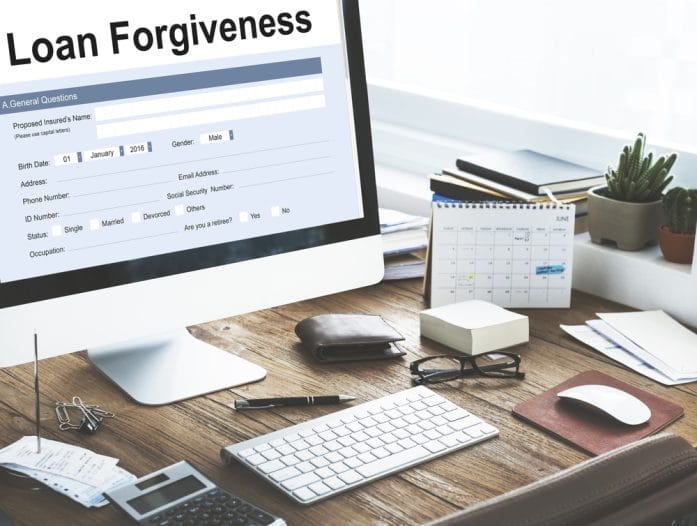
Graduate students have long relied on Grad PLUS loans to cover the steep costs of advanced degrees. These loans remain available in 2026, but the landscape around them has shifted. Federal policy now emphasizes transparency and accountability, requiring schools to show whether their programs deliver real financial value.

While students are not cut off from Grad PLUS loans based on program earnings, they are expected to make more informed choices using new data tools and disclosures. This change matters because it reshapes how both students and institutions think about debt, outcomes, and the long-term value of a degree.

What the Current Rules Actually Mean for Borrowers

Grad PLUS loans still provide funding for graduate and professional students who meet basic eligibility requirements. The difference today lies in how programs are evaluated and presented. The Department of Education has reinstated and expanded Gainful Employment regulations, which measure debt-to-earnings outcomes for certain vocational and for-profit programs. Alongside that, new transparency rules require schools to publish detailed information about graduate program costs, median debt, and typical earnings. Students can now see whether a program tends to leave graduates with manageable debt compared to their income.

This shift does not block access to loans, but it does put pressure on institutions to prove their programs deliver value. Graduate students must now weigh acceptance letters against hard data on career outcomes. The result is a more informed borrowing process, where passion for a field must be balanced with financial realities.

Why Some Degrees Face Tougher Questions

Fields with lower starting salaries—such as social work, education, and the arts—are not excluded from Grad PLUS loans, but they are more likely to appear in transparency reports as programs with high debt-to-income ratios. That visibility can influence student decisions and raise questions about affordability. Universities offering these degrees may need to rethink tuition pricing, expand career support, or highlight non-financial benefits to attract applicants.

The ripple effect is subtle but significant. Students may hesitate to enroll in programs that look financially risky on paper, even if those fields provide strong social value. Schools, in turn, must adapt to a marketplace where outcomes data plays a central role in recruitment.

How Students Can Protect Themselves Before Taking On Debt

Graduate students in 2026 should take advantage of the new transparency tools before committing to a program. Reviewing government data on median earnings and typical debt loads provides a clearer picture of what repayment might look like. Talking to alumni, checking job placement rates, and comparing program costs against expected salaries are now essential steps.

Alternative funding options remain important. Scholarships, assistantships, employer tuition benefits, and private grants can reduce reliance on federal loans. Building a financial plan that accounts for both tuition and living expenses helps prevent unpleasant surprises.

What This Means for Colleges and the Future of Graduate Education

Colleges now face increased pressure to demonstrate measurable value. Institutions that consistently show poor debt-to-earnings outcomes risk reputational damage, even if they retain loan eligibility. This pressure could lead to lower tuition, stronger employer partnerships, and redesigned programs that align more closely with job market demands.

Marketing strategies are shifting as well. Schools highlight salary data, career placement statistics, and alumni success stories more prominently than ever. Over time, this transparency may reshape graduate education into a more outcomes-driven system, though it also raises questions about how society values fields that do not lead to high salaries.

2026 Grad PLUS Reality Check: Why Transparency Rules Are Changing How Students Choose Degrees

Image Source: Shutterstock.com

What To Know About Grad PLUS Loans in 2026

Grad PLUS loans remain a powerful tool for financing graduate education, but they no longer exist in a vacuum. Federal rules now require schools to disclose program-level outcomes, giving students a clearer view of the financial risks and rewards. Borrowers must evaluate degrees through both a personal and financial lens, while colleges must prove their programs deliver real value.

This shift does not cut off access to loans, but it does change the conversation. Graduate students who prepare carefully, research outcomes, and build realistic financial plans can still pursue their chosen fields with confidence. The difference in 2026 is that the data is on the table, and ignoring it could turn a dream degree into a costly mistake.

What are your thoughts, and how have these changing rules affected your college career? Let’s hear your thoughts in our comments below.

You May Also Like…

The 7% Rule for Student Loans — When It Makes Sense to Refinance

New FAFSA Rules in Could Change When — and How — Families Save for College

Why Millennials Regret Their College Degrees—but Can’t Say It Out Loud

9 Sneaky Costs That Appear When Kids Leave for College

6 Shocking Costs Tied to Raising College-Age Kids

Brandon Marcus
Brandon Marcus

Brandon Marcus is a writer who has been sharing the written word since a very young age. His interests include sports, history, pop culture, and so much more. When he isn’t writing, he spends his time jogging, drinking coffee, or attempting to read a long book he may never complete.
Filed Under: Lifestyle Tagged With: college costs, Federal Loan Rules, Grad PLUS loans, graduate school financing, higher education policy, student debt, student loans 2026

Public Service Loan Forgiveness Changes: The July 1, 2026 Rule Affecting Government Workers

February 5, 2026 by Brandon Marcus Leave a Comment

Public Service Loan Forgiveness Changes: The July 1, 2026 Rule Affecting Government Workers

Image source: shutterstock.com

Ever feel like student loans are a twisty maze that only Indiana Jones could navigate without losing his hat? Well, buckle up, because for folks chasing Public Service Loan Forgiveness (PSLF), a big signpost is shifting on July 1, 2026 and it’s set to make some pathways narrower.

This change doesn’t mean the beloved PSLF program is disappearing, but it will reshape who and what qualifies, especially for government and nonprofit workers. Let’s walk through the upcoming shifts with the clarity of a highlighter on your loan paperwork…but with way more flair.

What’s Changing on July 1, 2026 — And Why It Matters More Than Your Morning Coffee

If you’re in public service — teaching, firefighting, civil engineering, health care, or any government gig — PSLF has historically been a portal to forgiving federal student loans after 10 years of service and monthly payments. That promise encouraged people to take meaningful jobs that didn’t always pay six figures. But starting July 1, 2026, the government is tightening the definition of what makes an employer qualify.

Under the new rule, the Department of Education will exclude employers from PSLF eligibility if they are found to engage in activities that have a “substantial illegal purpose.” What does that mean in real terms? It means if an employer is determined to have conducted unlawful activities that are material to its mission, it could lose its status as a qualifying public service employer. And if that happens, employees working there can no longer count their future months toward PSLF forgiveness.

Qualifying Employers: The New Yardstick You Need to Know

Importantly, only activities occurring on or after July 1, 2026 will be subject to this new rule — so past qualifying work still counts toward your forgiveness timeline. Borrowers won’t lose credit for work they’ve already completed before the change takes effect.

But after that date, if your employer’s PSLF status is revoked, any payments you make toward your loans while working there won’t count. It’s like having your gym points taken away because the gym suddenly changed its rewards program — frustrating, but not retroactive.

How the Department Will Decide Who’s In and Who’s Out

So how does the Education Department decide an employer’s fate? The final rule outlines that the department will use evidence such as court findings, legal admissions, or settlements to make a determination. Employers will get notice and the opportunity to respond before a status change.

This has introduced a level of subjectivity and administrative review that critics argue could produce uncertainty. There’s already been pushback from nonprofit groups and professional associations, who worry it could harm recruitment in fields that rely on PSLF incentives — like healthcare and education. Some fear it creates unpredictability for employers and workers who’ve planned their careers around the promise of loan forgiveness.

Public Service Loan Forgiveness Changes: The July 1, 2026 Rule Affecting Government Workers

Image source: shutterstock.com

What This Means for You

If you’re already on the path to PSLF, your timeline isn’t wiped out by this change. Payments and qualifying months you’ve earned before July 1, 2026, continue to count. However, if you’re banking on those final stretch payments — or planning to switch jobs — you’ll want to make sure your next employer will still qualify under the new standards.

If your organization gets flagged under the new rule and loses PSLF status, you’ve got choices: work towards forgiveness by moving to another qualified employer, hope the employer wins back eligibility through a corrective action plan, or wait out the disqualification period. None of these are tiny decisions, especially when your financial future is on the line.

Stay Informed and Stay Ahead of the Game

Changes like this are a great reminder to stay savvy about federal loan policies. There’s no better antifreeze for stress than understanding the terrain ahead. Keep an eye on official Department of Education updates and lender communications. Get into the habit of recertifying your employment annually — that keeps your qualifying status sharp and current.

What This Means for the Future of Public Service Careers

This moment is a pivot point. The PSLF program won’t disappear — it’s still alive and continues to honor long-term service. But it’s entering a fresher, stricter era. The government says this protects taxpayers and ensures the program serves its original purpose: backing workers who genuinely contribute to the public good. Critics say it muddies the rules and injects political definitions into what was once a straightforward benefit program.

Are you recalculating your PSLF game plan after these changes? What strategies are you considering? Let’s talk about it in the comments.

You May Also Like…

Could Student Loan Forgiveness End Up Costing Borrowers More Later

Student Loan Default Crisis: Millions Of Borrowers Are Now Delinquent or in Default

Are Payday Loans Still A Big Problem?

8 Ways You Should Never Use Student Loan Money For

Will I Ever Be Able to Afford a House With My Current Student Loan Burden?

Brandon Marcus
Brandon Marcus

Brandon Marcus is a writer who has been sharing the written word since a very young age. His interests include sports, history, pop culture, and so much more. When he isn’t writing, he spends his time jogging, drinking coffee, or attempting to read a long book he may never complete.

Filed Under: Lifestyle Tagged With: Department of Education, Employer Eligibility, Federal Loan Rules, finances, Government Workers, Loan, loan forgiveness, Loan Forgiveness Updates, PSLF Changes 2026, Public Service Loan Forgiveness, Qualifying Employers, Student Debt News, Student Loan Forgiveness

FOLLOW US

Search this site:

Recent Posts

  • Can My Savings Account Affect My Financial Aid? by Tamila McDonald
  • 12 Ways Gen X’s Views Clash with Millennials… by Tamila McDonald
  • What Advantages and Disadvantages Are There To… by Jacob Sensiba
  • 10 Tactics for Building an Emergency Fund from Scratch by Vanessa Bermudez
  • Call 911: Go To the Emergency Room Immediately If… by Stephen Kanaval
  • 7 Weird Things You Can Sell Online by Tamila McDonald
  • 10 Scary Facts About DriveTime by Tamila McDonald

Copyright © 2026 · News Pro Theme on Genesis Framework