
• Home
  • About Us
  • Toolkit
  • Getting Finances Done
    • Hiring Advisors
    • Debt Management
    • Spending Plan
  • Insurance
    • Life Insurance
    • Health Insurance
    • Disability Insurance
    • Homeowners/Renters Insurance
  • Contact Us
  • Privacy Policy
  • Risk Tolerance Quiz

The Free Financial Advisor

You are here: Home / Archives for general finances

The Financial Review Process Most People Skip That Exposes Them to Identity and Account Abuse

January 30, 2026 by Brandon Marcus Leave a Comment

The Financial Review Process Most People Skip That Exposes Them to Identity and Account Abuse

Image source: shutterstock.com

It’s a beautiful morning. You’re scrolling through your phone, sipping your coffee, feeling proud that you’ve got your finances “under control.” Bills are paid, your paycheck hit the account, and your credit card isn’t maxed out. Life is good.

But what if I told you that there’s a financial review almost nobody does that could save you from identity theft, unauthorized account access, and months of soul-crushing stress? Yes, the one thing most people skip could be the very thing keeping cybercriminals from living your best life… at your expense.

The Silent Account Threat Hiding in Plain Sight

Hackers and fraudsters don’t always break in with dramatic fireworks. Often, they slip through doors you didn’t even realize you left open. Many of us check our balances and call it a day, assuming our money is safe. But that’s like locking your front door while leaving the windows wide open.

A thorough financial review is your chance to notice irregularities before they become catastrophic. Look for unfamiliar charges, outdated contact information, or accounts you forgot you even opened. A real review isn’t just about seeing if the money’s there—it’s about understanding who can access it, how it’s being used, and whether your personal information could be exploited without your knowledge.

By taking an hour every month—or at least quarterly—to perform this review, you can spot potential abuse before it snowballs.

Why Most People Ignore the One Review That Protects Everything

Why don’t we do it? Honestly, a personal financial review is boring. There’s no rush, no flashy app telling you to “check now or else,” and no immediate reward for spending an afternoon scrutinizing statements. Humans are wired for instant gratification, and patience is a scarce resource in a world of streaming shows and push notifications.

Then there’s overconfidence. Many believe fraud happens “to someone else,” not them. They assume their passwords are strong, their bank’s security is solid, and any suspicious activity will automatically get flagged. Some signs of abuse are subtle—a $1 test charge from a scammer, a slightly delayed notification, or a new account opened in your name that hasn’t yet triggered an alert.

How to Make This Review Actually Useful (And Not Just Another Chore)

The review doesn’t have to feel like a punishment. Start by creating a simple checklist. Begin with all bank accounts, credit cards, investment portfolios, and any subscription services you pay for. Check balances, recent transactions, and account activity. Look for anything that feels “off,” even if it seems small.

Next, verify all your contact information is current. Email, phone numbers, and mailing addresses are often overlooked entry points for hackers. Even something as minor as an outdated email linked to your bank account could allow fraudsters to reset your password.

Then, dive into your credit report. Yes, it’s free from major reporting agencies once a year, and yes, it’s worth it. You’re looking for unfamiliar accounts, sudden inquiries, or strange balances. Catching these early can save you from massive headaches later.

The Financial Review Process Most People Skip That Exposes Them to Identity and Account Abuse

Image source: shutterstock.com

The Hidden Cost of Skipping This Review

It’s not just about the money you might lose. There’s time, stress, and reputation to consider. Recovering from identity theft isn’t like calling tech support for a frozen phone. It can take weeks, sometimes months, to untangle unauthorized accounts, disputing charges, and correcting your credit report. You might miss bill payments, damage your credit score, or even face legal issues if someone uses your identity for fraud.

And the emotional toll? It’s exhausting, invasive, and completely avoidable if a simple, proactive review becomes part of your routine.

Treat Your Financial Review Like a Superpower

A simple but thorough financial review like this one isn’t a chore—it’s a superpower. It gives you control, visibility, and a way to outsmart identity thieves before they strike. By dedicating a little time regularly, you transform from a passive target into a proactive defender of your financial life.

Make it a ritual, not an afterthought. Treat it like a coffee break for your finances. And remember, small steps now prevent giant headaches later.

Your Financial Health is Only as Strong as the Checks You Skip

Skipping a financial review isn’t harmless. Every overlooked statement, every ignored transaction, every expired password is a tiny crack in the armor protecting your money and identity. A consistent, careful review plugs those cracks, giving you confidence, control, and peace of mind. It’s easy to postpone, but every day you delay is a day you make things easier for fraudsters.

Schedule a review this week. Open your statements, scrutinize them like a detective, and lock down your accounts. It’s empowering, surprisingly satisfying, and may just save you from financial chaos you didn’t even know was possible.

What’s the one thing in your finances you keep skipping that might be putting your identity at risk? Share your thoughts below—we’re all ears for your stories and strategies.

You May Also Like…

5 Pieces of Financial Information Your Accountant Should Never Control Without Limits

How a Solid Estate Plan Can Protect Your Finances

8 Silent Costs of Ignoring Identity Theft

The Bank Account Features That Can Freeze Your Money Without a Court Order

8 Financial Habits That Quietly Drain Your Checking Account

Brandon Marcus
Brandon Marcus

Brandon Marcus is a writer who has been sharing the written word since a very young age. His interests include sports, history, pop culture, and so much more. When he isn’t writing, he spends his time jogging, drinking coffee, or attempting to read a long book he may never complete.

Filed Under: Finance Tagged With: account security, bank security, credit report, cybersecurity, finance, finances, Financial Health, financial review, fraud, fraud protection, general finances, identity theft, money management, Online Safety, Personal Finance

Why January 20th Is the ‘Red Line’ for Your 2026 Financial Stability

January 18, 2026 by Brandon Marcus Leave a Comment

Why January 20th Is the 'Red Line' for Your 2026 Financial Stability

Image source: shutterstock.com

If your bank account could talk, it would probably be whispering warnings about January 20th. This isn’t some arbitrary date plucked from the void—it’s a critical turning point for financial decision-making that can either set you up for a smooth year or trap you in a web of preventable setbacks.

Think of it as a checkpoint where procrastination and poor planning can turn into real consequences faster than you can say “credit freeze.” The stakes are higher than most realize, and the clock is ticking. Understanding why this date matters and acting accordingly might just be the smartest move you make all year.

The End Of Post-Holiday Cushioning

By January 20th, most people have exhausted the financial buffer built during the holiday season. Credit card bills from gifts, travel, and festive splurges start landing in mailboxes and inboxes, and many don’t realize how quickly these balances can compound with interest. The post-holiday financial lull can disguise looming trouble, especially for those who used short-term loans or credit cards as temporary relief.

Being proactive before this date means assessing what’s really owed versus what’s manageable, setting a plan to avoid carrying high-interest balances, and resisting the temptation to “catch up” with more debt. If left unchecked, January 20th can feel like stepping off a cliff, except the ground is made of interest rates, fees, and late charges. Preparing now gives you breathing room, instead of a scramble to make ends meet in late January.

Tax Deadlines And The Early-Year Crunch

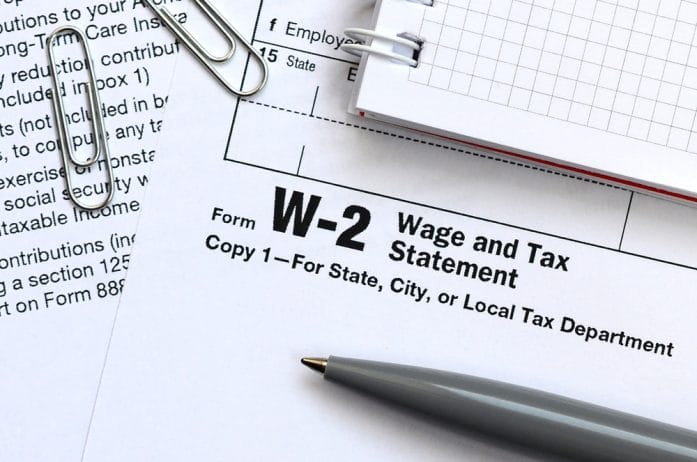
January 20th also falls at a critical point in the tax cycle. Many taxpayers begin seeing forms like W-2s, 1099s, and preliminary interest statements arrive right around this time. Missing the opportunity to organize documents, check deductions, or even estimate tax liabilities can create a domino effect of stress and financial strain. For self-employed individuals, freelancers, or those with variable income, this date signals the moment when financial projections for 2026 become urgent.

Why January 20th Is the 'Red Line' for Your 2026 Financial Stability

Image source: shutterstock.com

The earlier you review your tax situation, the better positioned you are to adjust withholding, make quarterly payments, or capitalize on deductions that can ease the burden later. Ignoring this timing doesn’t make the numbers go away—it only makes January 20th the day you realize you could have avoided an unnecessary headache.

Investment Decisions Need An Early-Year Lens

Financial advisors often stress the importance of early-year planning for investments, and January 20th serves as a key benchmark for decision-making. Markets react to policy announcements, interest rate changes, and corporate earnings projections, all of which can shift rapidly in the first few weeks of the year. By this date, patterns start emerging that inform your investment strategy for the months ahead. Delaying action until February or March could mean missed opportunities or entering positions when market conditions are less favorable. Whether it’s rebalancing a portfolio, adjusting retirement contributions, or reconsidering risk tolerance, January 20th is when the first real course corrections should happen to avoid costly missteps.

Personal Budgets Face Their First Real Test

The start of the year brings optimism, resolutions, and ambitious budgeting plans—but by January 20th, reality often hits. Bills, subscriptions, mortgage payments, and everyday expenses begin to accumulate, revealing whether your budget was aspirational or actually achievable. This is the moment to confront overspending, revisit discretionary categories, and make adjustments before habits become entrenched. Those who procrastinate might find themselves dipping into emergency savings or falling behind on bills, turning a minor inconvenience into a long-term financial challenge.

Approaching January 20th with a clear, realistic view of your cash flow can prevent small missteps from snowballing into full-blown crises.

Debt Management Must Take Priority

If debt management isn’t already a focus, January 20th is a wake-up call. Credit cards, personal loans, and other financial obligations can accumulate silently, with interest quietly chipping away at your available funds. Ignoring this date can result in missed minimum payments, higher interest accrual, and even damage to your credit score. A proactive approach includes reviewing all outstanding debts, prioritizing high-interest accounts, and considering strategies like consolidation or refinancing if necessary. By taking action before the red line of January 20th, you can transform a reactive, stressful financial situation into a structured, controlled plan that sets the stage for a more stable year.

Emergency Funds Should Be Evaluated Now

Finally, January 20th is the perfect checkpoint for your emergency fund. Unexpected expenses—a car repair, medical bill, or home maintenance—can derail financial stability if you’re unprepared. Assessing your savings, ensuring accessibility, and replenishing any shortfalls should be non-negotiable tasks before this date passes. An underfunded emergency cushion can turn minor inconveniences into significant disruptions. Planning for emergencies ahead of the curve isn’t just wise—it’s essential for maintaining momentum in your broader financial goals.

Take Action Before The Red Line

January 20th is more than a date—it’s a marker for proactive financial behavior. It signals the point where post-holiday recovery, tax considerations, budget testing, debt management, and investment strategy all intersect. Ignoring this date can magnify small missteps into larger financial problems. Meanwhile, acting beforehand sets you up for a smoother, more controlled year. Use it as a milestone to assess your overall financial health, make adjustments, and ensure your 2026 goals stay on track.

Have a personal experience or strategy that helped you navigate this crucial day? Leave your thoughts and stories in the comments below, because your insights might help someone else steer clear of pitfalls.

You May Also Like…

10 Financial Wake-Up Calls People Experience After Age 55

Income Stability: 6 Retirement Income Moves That Aren’t as Safe as They Seem

Savings Base: 6 Foundational Moves That Keep Retirement Plans Stable

Why Does Financial Anxiety Show Up Even When Bills Are Paid

8 Budget Fixes That Instantly Turn Finances Around

Brandon Marcus
Brandon Marcus

Brandon Marcus is a writer who has been sharing the written word since a very young age. His interests include sports, history, pop culture, and so much more. When he isn’t writing, he spends his time jogging, drinking coffee, or attempting to read a long book he may never complete.

Filed Under: Finance Tagged With: bank account, banking, Budget, budgeting, Debt, Debt Management, eliminating debt, end of year spending, finance, finances, Financial Stability, general finances, investing choices, investing decisions, investments, January, overspending, Pay Off Debt, personal budget, savings account, Smart Spending, spending, tax deadlines

Market Wave: 6 Sector Themes Building Momentum Heading Into 2026

December 27, 2025 by Brandon Marcus Leave a Comment

Market Wave: 6 Sector Themes Building Momentum Heading Into 2026

Image Source: Shutterstock.com

The market doesn’t whisper when change is coming — it hums, buzzes, and eventually roars. Right now, that sound is getting louder as investors, innovators, and everyday consumers feel the ground shifting under long-established industries. New technologies are colliding with changing demographics, evolving regulations, and a global appetite for efficiency and resilience.

Some sectors are quietly stacking momentum, while others are sprinting ahead like they know something the rest of us don’t. If you’re paying attention, the next few years won’t feel random at all — they’ll feel like a wave building offshore, just waiting to break.

1. Artificial Intelligence Moves From Hype To Infrastructure

Artificial intelligence is no longer a flashy experiment; it’s becoming core infrastructure across industries. Businesses are embedding AI into logistics, customer service, cybersecurity, and financial forecasting, making it less optional and more operational. The biggest momentum isn’t in chatbots alone but in automation tools that quietly increase margins and productivity. As regulation slowly matures, companies that focus on explainability and trust will separate from the hype-chasers. By 2026, AI will feel less like magic and more like electricity — invisible, essential, and everywhere.

2. Energy Transition Gets Practical And Profitable

Clean energy is entering a more grounded phase where scalability matters as much as idealism. Governments and corporations are shifting from lofty climate pledges to tangible investments in grids, storage, and efficiency. Battery technology, nuclear revival conversations, and next-gen solar are all converging into a more reliable energy ecosystem. Investors are increasingly favoring companies that solve real bottlenecks instead of selling futuristic promises. The transition isn’t slowing down; it’s simply growing up and becoming economically unavoidable.

Market Wave: 6 Sector Themes Building Momentum Heading Into 2026

Image Source: Shutterstock.com

3. Healthcare Tech Rewrites The Patient Experience

Healthcare innovation is moving from hospital-centered to patient-centered at remarkable speed. Wearables, remote monitoring, and AI-assisted diagnostics are reducing friction in how care is delivered and measured. Aging populations and staffing shortages are accelerating the need for smarter systems rather than bigger ones. Preventative care is becoming data-driven instead of guesswork, shifting incentives across the entire sector. By 2026, healthcare technology won’t just save lives — it will save time, money, and sanity.

4. Defense And Cybersecurity Enter A New Era

Geopolitical instability has turned defense and cybersecurity from background considerations into strategic necessities. Governments and private companies alike are spending aggressively to protect digital and physical infrastructure. Cyber threats now move at machine speed, forcing equally fast responses powered by automation and AI. Defense innovation is expanding beyond weapons into logistics, communications, and space-based systems. This sector’s growth is driven less by fear and more by the realization that resilience is a competitive advantage.

5. Consumer Finance Gets Smarter And More Personal

Financial services are undergoing a quiet but powerful transformation. Fintech platforms are using data to tailor experiences, from personalized budgeting to adaptive lending models. Younger generations expect transparency, speed, and control, forcing traditional institutions to evolve or partner up. Embedded finance is blurring the lines between banks, apps, and everyday services. By 2026, money management will feel less like paperwork and more like a real-time conversation.

6. Advanced Manufacturing Makes A Comeback

Manufacturing is shedding its old image and embracing automation, robotics, and localized production. Supply chain shocks taught businesses that efficiency without resilience is a liability. Smart factories are using AI, sensors, and digital twins to optimize output in real time. Governments are incentivizing domestic production to reduce dependency and create skilled jobs. The result is a manufacturing renaissance that blends high-tech innovation with economic strategy.

Riding The Momentum Without Losing Your Balance

The themes shaping the road to 2026 aren’t isolated trends — they’re interconnected forces reshaping how the world works. Technology, policy, and human behavior are moving together in ways that reward adaptability and long-term thinking. Whether you’re an investor, entrepreneur, or curious observer, understanding these shifts offers a powerful lens into what’s coming next.

Momentum doesn’t guarantee success, but awareness creates opportunity. Drop your thoughts, reactions, or personal experiences in the comments below and keep the conversation moving.

You May Also Like…

Should You Switch Advisors Before The New Year Or Wait Until Markets Stabilize?

Market Turn: 4 Signals That the Next Bull Cycle Could Look Different

Market Frame: 4 Visual Techniques Advisors Use to Explain Risk Better

Asset Migration: 5 Emerging Market Trends Retirees Should Know Before January

Crisis Proof: 10 Buffer Strategies Advisors Use to Protect Clients From Market Shock


Brandon Marcus
Brandon Marcus

Brandon Marcus is a writer who has been sharing the written word since a very young age. His interests include sports, history, pop culture, and so much more. When he isn’t writing, he spends his time jogging, drinking coffee, or attempting to read a long book he may never complete.

Filed Under: Lifestyle Tagged With: artificial intelligence, consume finance, cybersecurity, finance, finances, general finances, healthcare, healthcare tech, invest, investing, Investment, investments, manufacturing, market, stock market

9 Outdated Pieces of Financial Advice That Are Now Dangerous

December 4, 2025 by Brandon Marcus Leave a Comment

Here Are Outdated Pieces Of Financial Advice That Are Now Dangerous

Image Source: Shutterstock.com

Financial advice is everywhere—family, friends, blogs, and random people at parties who swear they know the “secret” to wealth. The problem? Some of that advice hasn’t just aged poorly—it’s actually risky in today’s economy. What worked in the 1980s or even the early 2000s can now set you up for stress, missed opportunities, or serious money mistakes.

If you’re still clinging to old rules without questioning them, it’s time to hit the brakes. Let’s go through nine pieces of financial guidance that sound innocent but can be downright dangerous in 2025 and beyond.

1. Always Pay Off Your Credit Cards In Full Every Month

This used to be gospel advice, but it’s not as simple as it sounds. While paying off debt is generally smart, obsessively trying to clear every card balance can sometimes backfire. Some credit cards offer rewards, points, or cash-back bonuses that make strategic borrowing worthwhile—if you know what you’re doing. Ignoring these perks in a rigid attempt to pay off every dollar immediately can cost you potential benefits. Today, financial savvy is about balance: pay down high-interest debt first but don’t fear leveraging low-interest opportunities.

2. Rent Is Throwing Money Away

The old adage “renting is wasting money” has lost credibility in many markets. Real estate is no longer a guaranteed wealth-builder; in fact, home ownership comes with hefty maintenance costs, property taxes, and fluctuating markets. People who buy too soon, purely because they’re told to, often end up financially strained. Renting can offer flexibility, liquidity, and the ability to invest elsewhere. Wealth today isn’t about owning property at all costs—it’s about making smart, personalized choices.

3. Buy A Brand-New Car As Soon As You Can Afford It

New car fever is tempting, but it’s a financial trap most people underestimate. Cars depreciate fast—sometimes losing 20% of their value the moment you drive off the lot. Older, certified pre-owned vehicles often offer reliability with far less financial stress. Following the “buy new as soon as possible” mantra can set you back tens of thousands over a lifetime. Smart drivers today think about total cost of ownership, not just monthly payments.

4. Avoid All Debt Like The Plague

Debt used to be villainized, and for good reason when interest rates were sky-high. But today, certain types of debt are strategic tools, not automatic disasters. Student loans, mortgages with low-interest rates, and small business loans can be leveraged to build long-term wealth. Avoiding all debt can sometimes prevent you from making investments that grow faster than inflation. Modern financial thinking focuses on smart debt, not zero debt.

5. Keep All Your Money In Savings Accounts

The advice to hoard cash in a savings account sounds safe but is increasingly dangerous. Inflation eats away at your purchasing power, meaning the money you “save” loses value over time. While having an emergency fund is crucial, parking excess cash in low-yield accounts can stunt your financial growth. Investments, index funds, and diversified portfolios offer opportunities to stay ahead of inflation. Being “safe” financially doesn’t mean freezing your money—it means making it work smarter.

Here Are Outdated Pieces Of Financial Advice That Are Now Dangerous

Image Source: Shutterstock.com

6. Only Buy Things On Sale

Waiting for discounts may have made sense before, but now it can backfire in subtle ways. Obsessing over sales can make you impulsively buy things you don’t need simply because they’re discounted. Meanwhile, inflation and fluctuating supply chains can make stockpiling impractical or even expensive. The real strategy is thoughtful, planned spending rather than chasing deals blindly. Financial health is about intention, not a bargain-hunting frenzy.

7. Ignore Technology When Managing Finances

The old mindset was “don’t trust computers with money.” Today, ignoring financial technology is a huge missed opportunity. Apps, automated savings, and investment platforms can streamline your finances, reduce mistakes, and provide insights that were impossible decades ago. People who cling to pen-and-paper budgeting often spend more time and make more errors. The best advice now? Embrace tools that help you track, analyze, and grow your money efficiently.

8. Investing Is Too Risky For Regular People

Once upon a time, investing was framed as a game for the wealthy or Wall Street insiders. That’s no longer true. With modern platforms, low-fee index funds, and educational resources, almost anyone can invest wisely. The real risk lies in not investing, because inflation and opportunity costs silently erode your wealth. Avoiding all investments out of fear may actually be the riskiest move of all. Smart investing is about strategy, not luck.

9. You Need To Do Everything Yourself Financially

The myth of the self-sufficient money expert has done serious harm. Managing finances is complex, and pretending you can handle every decision without guidance can cost time, energy, and even money. Today, working with advisors, using apps, or learning from credible sources is a sign of strength, not weakness. Delegating smartly allows you to focus on your career, relationships, and personal growth while staying financially secure. Financial independence is achieved through strategic support, not solitary struggle.

Time To Update Your Money Mindset

Outdated financial advice can feel harmless—or even wise—but in today’s fast-moving economy, it can be dangerous. The key takeaway is that context matters: what worked decades ago might leave you behind today. Modern money management requires flexibility, strategy, and awareness of new tools, markets, and investment opportunities.

Are you still following any advice from decades past? Share your stories, insights, or moments when old rules tripped you up in the comments section below.

You May Also Like…

The Financial Advice That Works—But Almost No One Follows

Could Your Advisor’s Advice Change If They Knew More About Your Personality

8 Budget Fixes That Instantly Turn Finances Around

8 Times “0% Interest” Credit Cards Turn Into Financial Traps

5 Debt Strategies Redditors Recommend When You’re Drowning But Financial Advisors Say Are Stupid


Brandon Marcus
Brandon Marcus

Brandon Marcus is a writer who has been sharing the written word since a very young age. His interests include sports, history, pop culture, and so much more. When he isn’t writing, he spends his time jogging, drinking coffee, or attempting to read a long book he may never complete.

Filed Under: Finance Tagged With: automobiles, buying a car, car, cars, credit card, Credit card debt, Debt, finance, finance advice, finances, financial advice, financial advisor, general finances, outdated advice, outdated financial advice, Paying Rent, Rent, rental properties, savings account

FOLLOW US

Search this site:

Recent Posts

  • Can My Savings Account Affect My Financial Aid? by Tamila McDonald
  • 12 Ways Gen X’s Views Clash with Millennials… by Tamila McDonald
  • What Advantages and Disadvantages Are There To… by Jacob Sensiba
  • 10 Tactics for Building an Emergency Fund from Scratch by Vanessa Bermudez
  • Call 911: Go To the Emergency Room Immediately If… by Stephen Kanaval
  • 7 Weird Things You Can Sell Online by Tamila McDonald
  • 10 Scary Facts About DriveTime by Tamila McDonald

Copyright © 2026 · News Pro Theme on Genesis Framework