• Home
  • About Us
  • Toolkit
  • Getting Finances Done
    • Hiring Advisors
    • Debt Management
    • Spending Plan
  • Insurance
    • Life Insurance
    • Health Insurance
    • Disability Insurance
    • Homeowners/Renters Insurance
  • Contact Us
  • Privacy Policy
  • Risk Tolerance Quiz

The Free Financial Advisor

You are here: Home / Archives for loan forgiveness

Missed Notices, Lost Credits: How Student Loans Are Trapping Borrowers Again

February 20, 2026 by Brandon Marcus Leave a Comment

Missed Notices, Lost Credits: How Student Loans Are Trapping Borrowers Again

Image Source: Unsplash.com

Student loan bills returned with a thud, and for millions of borrowers, the landing hurt a lot more than expected. After years of payment pauses, shifting policies, and new repayment plans, many people thought they had finally found stable ground. Instead, confusion over notices, lost qualifying credits, and servicing errors has pushed borrowers back into uncertainty at the exact moment they thought relief had arrived.

The federal student loan system sits at the center of this storm. The U.S. Department of Education restarted payments after the pandemic-era pause ended. Since then, borrowers have faced new rules, new timelines, and in some cases, new loan servicers. Add in court challenges to parts of the SAVE repayment plan and ongoing processing backlogs, and you get a system that feels less like a safety net and more like a maze.

When the Bills Came Back, the Confusion Followed

When the payment pause ended in the fall of 2023, millions of federal borrowers entered repayment at once. The Department of Education offered a one-year “on-ramp” period. During that window, borrowers who missed payments did not face delinquency reporting to credit bureaus. That policy softened the blow, but it did not erase the bill. Interest resumed, and balances started to grow again.

At the same time, millions of borrowers applied for income-driven repayment plans, especially the SAVE plan, which the Biden administration launched to lower monthly payments for many borrowers. SAVE calculates payments based on discretionary income and shields more income from the formula than older plans.

But demand overwhelmed servicers. Borrowers reported long call wait times, delayed processing of applications, and billing statements that did not reflect updated income-driven payment amounts. Some people received bills far higher than they expected because their applications had not processed yet. Others missed notices sent to outdated email addresses or buried in online portals they had not checked in years. In a system where timing matters, a missed message can trigger real financial consequences.

The SAVE Plan Promise and the Legal Cloud Hanging Over It

The SAVE plan offered real benefits. It stopped unpaid interest from ballooning balances for borrowers who made their required monthly payments. It raised the income exemption and also promised faster forgiveness for borrowers with smaller original loan balances.

However, several states challenged parts of the SAVE plan in federal court. Courts issued rulings that blocked some elements of the plan, and now it is set to end entirely. Those rulings created uncertainty about how long certain provisions will last and whether borrowers can count on the full benefits of SAVE in the future.

That legal back-and-forth affects real planning decisions. When you base your monthly budget on a specific payment amount and then read headlines suggesting that courts might scale back parts of the plan, anxiety spikes. Borrowers need clarity, yet the policy landscape keeps shifting.

Lost Credits and the Fight for Forgiveness

Public Service Loan Forgiveness, known as PSLF, adds another layer to this story. PSLF forgives remaining federal loan balances after 120 qualifying monthly payments for borrowers who work full-time for qualifying nonprofit or government employers. During the pandemic pause, the government counted those paused months as qualifying payments if borrowers met employment requirements. That move helped thousands move closer to forgiveness.

But once payments resumed, some borrowers discovered that their payment counts did not reflect what they expected. Servicing transfers complicated matters. When accounts move from one servicer to another, data sometimes arrives incomplete or appears differently in the new system. Borrowers have had to submit employment certification forms again or request manual reviews of their payment histories.

Servicing Errors, Silence, and the High Cost of Missed Notices

Loan servicers act as the middle managers of the federal student loan system. They send bills, process payments, and handle applications. When servicers fall behind, borrowers pay the price. State attorneys general have documented complaints about incorrect billing amounts, delayed processing of income-driven repayment applications, and difficulty reaching customer service representatives.

Missed notices often sit at the center of the problem. Servicers communicate primarily through email and online portals. If you changed email addresses during the pandemic or ignored loan-related messages for years because payments sat on pause, you might not see critical updates. A missed notice about recertifying income can lead to a sudden jump in your monthly payment. A missed alert about an upcoming payment can trigger late fees or, once the on-ramp period ended, credit reporting consequences.

Missed Notices, Lost Credits: How Student Loans Are Trapping Borrowers Again

Image Source: Pexels.com

What You Can Do Right Now to Protect Yourself

Start by logging into your account at StudentAid.gov and confirming your contact information. Make sure your email address and mailing address reflect your current reality, not your college apartment from a decade ago. Then log into your loan servicer’s website and double-check that the information matches.

Next, review your repayment plan. If your income has changed, submit or update your income-driven repayment application right away. Keep copies of every confirmation page and email. Take screenshots if you need to. Documentation gives you leverage if disputes arise later.

Finally, do not ignore confusing notices. Call your servicer, even if you face a long wait. Ask specific questions about your payment amount, interest accrual, and forgiveness progress. Write down the date, time, and name of the representative. That small habit can save hours later.

The System Feels Complicated Because It Is, But You Still Hold Power

Student loans now shape the financial lives of more than 40 million Americans. Policymakers continue to debate forgiveness, repayment formulas, and the future of federal lending. Courts continue to weigh in. That uncertainty frustrates people who simply want a clear path forward.

The system may test your patience, but it does not get the final word on your financial future. Staying informed and organized does not eliminate every risk, yet it dramatically reduces the odds that missed notices or lost credits will derail your progress.

What steps have you taken to stay on top of your student loans, and have you run into any surprises along the way? If you have advice that could help others, please share it in the comments below.

You May Also Like…

The Student Loan Servicer Transfer That “Lost” Payments and Triggered Defaults

Student Loans Forgiven Are Now Taxable In 2026 — Set Money Aside for Tax Bills

Why Are So Many Seniors Being Sued Over Student Loans They Didn’t Take Out?

Why Do Families Rely on Payday Loans in Emergencies

6 Hidden Dangers of Taking Out Student Loans Too Young

Brandon Marcus
Brandon Marcus

Brandon Marcus is a writer who has been sharing the written word since a very young age. His interests include sports, history, pop culture, and so much more. When he isn’t writing, he spends his time jogging, drinking coffee, or attempting to read a long book he may never complete.

Filed Under: Lifestyle Tagged With: credit score, Education Department, federal student aid, financial advice, income‑driven repayment, loan forgiveness, loan servicing, missed notices, payment restart, PSLF, SAVE Plan, student loans

Student Loans Forgiven Are Now Taxable In 2026 — Set Money Aside for Tax Bills

February 7, 2026 by Brandon Marcus Leave a Comment

Student Loans Forgiven Are Now Taxable In 2026 — Set Money Aside for Tax Bills

Image source: shutterstock.com

For years, student loan forgiveness felt like a financial fairy tale — the kind where your debt disappears and everyone rides into the sunset with zero consequences. But starting in 2026, that dream comes with a plot twist that could hit your wallet hard. If your student loans are forgiven in 2026 or later, that forgiven amount is once again considered taxable income under federal law, which means the IRS may want its cut.

That’s right: your “freedom from debt” moment could turn into a surprise tax bill if you’re not prepared. This isn’t a trap — it’s a known rule change, and with the right planning, you can outsmart it instead of getting blindsided.

Why Student Loan Forgiveness Is Taxable Again in 2026

For a brief, beautiful moment in financial history, forgiven student loans were federally tax-free. That came from pandemic-era legislation that temporarily made most federal student loan forgiveness non-taxable. But like many temporary policies, that protection has an expiration date — and in 2026, the tax-free treatment disappears unless new legislation changes it.

What that means in plain English is simple but serious: if you have loans forgiven in 2026, the IRS can treat that forgiven balance as ordinary income. That extra “income” can push you into a higher tax bracket, increase what you owe, and even affect credits and benefits tied to income limits. Forgiveness still helps your long-term finances, but the short-term tax hit can sting if you’re not ready for it.

Who This Impacts the Most

This change doesn’t hit everyone equally. Borrowers on income-driven repayment plans are especially affected. Public Service Loan Forgiveness (PSLF) is still federally tax-free under current rules, but many other forgiveness programs are not.

That means teachers, healthcare workers, nonprofit employees, and private-sector borrowers on income-driven plans could face very different tax outcomes depending on which forgiveness path they’re on. Not everyone will carry the same financial load.

Student Loans Forgiven Are Now Taxable In 2026 — Set Money Aside for Tax Bills

Image source: shutterstock.com

How a “Good Thing” Can Create a Bad Financial Surprise

Here’s the emotional shock that not enough people are talking about: you feel relieved, excited, and free when your loans are forgiven — and then the tax bill arrives. Unlike regular income, no one withholds taxes on forgiven debt. There’s no paycheck deduction, no automatic payment system, and no built-in safety net. The IRS simply expects you to pay what you owe.

This can be especially brutal for borrowers who are already living paycheck to paycheck. A tax bill of several thousand dollars isn’t just inconvenient — it can create real financial stress. The irony is painful: you finally escape student debt, only to be hit with a different kind of financial burden. That’s why planning ahead isn’t just smart — it’s necessary.

Smart Ways to Prepare So You’re Not Caught Off Guard

The most powerful move you can make right now is awareness. If you’re on track for forgiveness in 2026 or later, start treating that future tax bill as a known expense, not a surprise. Even small monthly savings can make a massive difference over time. A separate “tax buffer” savings account can turn a scary bill into a manageable payment.

It’s also worth talking to a tax advisor or financial planner who understands student loan forgiveness. They can help estimate your future tax exposure and show you how it might affect your bracket, deductions, and overall tax strategy.

Your Financial Freedom Moment Deserves a Plan, Not a Panic Attack

Student loan forgiveness should feel like a celebration, not a crisis. If 2026 is part of your forgiveness timeline, now is the moment to get proactive instead of reactive. Build a savings cushion, learn the rules, understand your specific forgiveness program, and stop assuming it will all magically work out.

The truth is simple: forgiven loans can change your life — but only if you’re ready for the tax side of the story. Preparation doesn’t ruin the win. It protects it.

Are you planning for student loan forgiveness in the next few years — and have you started saving for the tax side of it yet? Let’s hear all of your thoughts in the comments.

You May Also Like…

Student Loan Interest Resumed August 2025 — Costing SAVE Borrowers $300/Month

How Can Student Loans Quietly Shape Life Decisions for Decades

The Estate Planning Shortcut That Saves Time but Costs Families More in the Long Run

Student Loan Wage Garnishment Could Return After 5-Year Pause — 15% of Paychecks at Risk

8 Ways You Should Never Use Student Loan Money For

Brandon Marcus
Brandon Marcus

Brandon Marcus is a writer who has been sharing the written word since a very young age. His interests include sports, history, pop culture, and so much more. When he isn’t writing, he spends his time jogging, drinking coffee, or attempting to read a long book he may never complete.

Filed Under: Personal Finance Tagged With: 2026 taxes, budgeting, debt relief, federal student loans, Income tax, IRS, loan forgiveness, money tips, Personal Finance, Planning, student loans, taxes

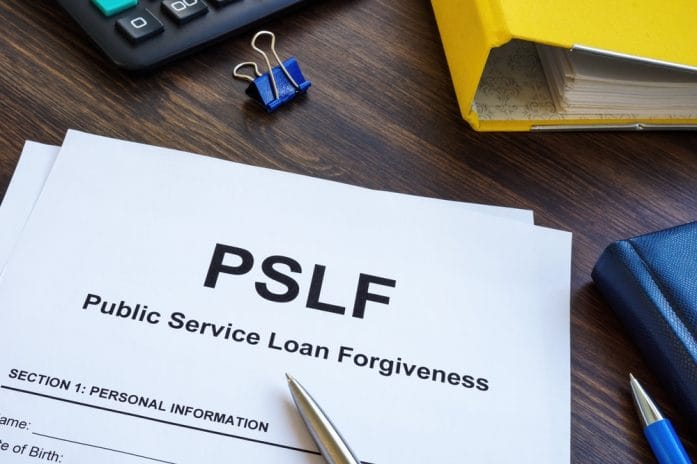
Public Service Loan Forgiveness Changes: The July 1, 2026 Rule Affecting Government Workers

February 5, 2026 by Brandon Marcus Leave a Comment

Public Service Loan Forgiveness Changes: The July 1, 2026 Rule Affecting Government Workers

Image source: shutterstock.com

Ever feel like student loans are a twisty maze that only Indiana Jones could navigate without losing his hat? Well, buckle up, because for folks chasing Public Service Loan Forgiveness (PSLF), a big signpost is shifting on July 1, 2026 and it’s set to make some pathways narrower.

This change doesn’t mean the beloved PSLF program is disappearing, but it will reshape who and what qualifies, especially for government and nonprofit workers. Let’s walk through the upcoming shifts with the clarity of a highlighter on your loan paperwork…but with way more flair.

What’s Changing on July 1, 2026 — And Why It Matters More Than Your Morning Coffee

If you’re in public service — teaching, firefighting, civil engineering, health care, or any government gig — PSLF has historically been a portal to forgiving federal student loans after 10 years of service and monthly payments. That promise encouraged people to take meaningful jobs that didn’t always pay six figures. But starting July 1, 2026, the government is tightening the definition of what makes an employer qualify.

Under the new rule, the Department of Education will exclude employers from PSLF eligibility if they are found to engage in activities that have a “substantial illegal purpose.” What does that mean in real terms? It means if an employer is determined to have conducted unlawful activities that are material to its mission, it could lose its status as a qualifying public service employer. And if that happens, employees working there can no longer count their future months toward PSLF forgiveness.

Qualifying Employers: The New Yardstick You Need to Know

Importantly, only activities occurring on or after July 1, 2026 will be subject to this new rule — so past qualifying work still counts toward your forgiveness timeline. Borrowers won’t lose credit for work they’ve already completed before the change takes effect.

But after that date, if your employer’s PSLF status is revoked, any payments you make toward your loans while working there won’t count. It’s like having your gym points taken away because the gym suddenly changed its rewards program — frustrating, but not retroactive.

How the Department Will Decide Who’s In and Who’s Out

So how does the Education Department decide an employer’s fate? The final rule outlines that the department will use evidence such as court findings, legal admissions, or settlements to make a determination. Employers will get notice and the opportunity to respond before a status change.

This has introduced a level of subjectivity and administrative review that critics argue could produce uncertainty. There’s already been pushback from nonprofit groups and professional associations, who worry it could harm recruitment in fields that rely on PSLF incentives — like healthcare and education. Some fear it creates unpredictability for employers and workers who’ve planned their careers around the promise of loan forgiveness.

Public Service Loan Forgiveness Changes: The July 1, 2026 Rule Affecting Government Workers

Image source: shutterstock.com

What This Means for You

If you’re already on the path to PSLF, your timeline isn’t wiped out by this change. Payments and qualifying months you’ve earned before July 1, 2026, continue to count. However, if you’re banking on those final stretch payments — or planning to switch jobs — you’ll want to make sure your next employer will still qualify under the new standards.

If your organization gets flagged under the new rule and loses PSLF status, you’ve got choices: work towards forgiveness by moving to another qualified employer, hope the employer wins back eligibility through a corrective action plan, or wait out the disqualification period. None of these are tiny decisions, especially when your financial future is on the line.

Stay Informed and Stay Ahead of the Game

Changes like this are a great reminder to stay savvy about federal loan policies. There’s no better antifreeze for stress than understanding the terrain ahead. Keep an eye on official Department of Education updates and lender communications. Get into the habit of recertifying your employment annually — that keeps your qualifying status sharp and current.

What This Means for the Future of Public Service Careers

This moment is a pivot point. The PSLF program won’t disappear — it’s still alive and continues to honor long-term service. But it’s entering a fresher, stricter era. The government says this protects taxpayers and ensures the program serves its original purpose: backing workers who genuinely contribute to the public good. Critics say it muddies the rules and injects political definitions into what was once a straightforward benefit program.

Are you recalculating your PSLF game plan after these changes? What strategies are you considering? Let’s talk about it in the comments.

You May Also Like…

Could Student Loan Forgiveness End Up Costing Borrowers More Later

Student Loan Default Crisis: Millions Of Borrowers Are Now Delinquent or in Default

Are Payday Loans Still A Big Problem?

8 Ways You Should Never Use Student Loan Money For

Will I Ever Be Able to Afford a House With My Current Student Loan Burden?

Brandon Marcus
Brandon Marcus

Brandon Marcus is a writer who has been sharing the written word since a very young age. His interests include sports, history, pop culture, and so much more. When he isn’t writing, he spends his time jogging, drinking coffee, or attempting to read a long book he may never complete.
Filed Under: Lifestyle Tagged With: Department of Education, Employer Eligibility, Federal Loan Rules, finances, Government Workers, Loan, loan forgiveness, Loan Forgiveness Updates, PSLF Changes 2026, Public Service Loan Forgiveness, Qualifying Employers, Student Debt News, Student Loan Forgiveness

Student Loan Interest Resumed August 2025 — Costing SAVE Borrowers $300/Month

February 4, 2026 by Brandon Marcus Leave a Comment

Student Loan Interest Resumed August 2025 — Costing SAVE Borrowers $300/Month

Image source: shutterstock.com

Imagine waking up to find that the student debt monster you thought was sleeping has started to stretch, yawn, and gobble up your financial future one dollar at a time.

That’s exactly what happened in August 2025 when interest resumed on federal student loans under the Saving on a Valuable Education (SAVE) plan — a move that could tack on roughly $300 or more to the monthly cost for millions of borrowers who had grown used to a 0% interest break.

This isn’t just a financial blip; it’s a shift that demands attention, strategy, and action if you want to keep your debt from snowballing out of control.

What Exactly Changed on August 1, 2025?

For quite a while, borrowers enrolled in the SAVE plan — an income-driven repayment program designed to make monthly payments more affordable — enjoyed a rare thing in the world of student loans: no interest while on administrative forbearance.

But on August 1, 2025, that interest pause ended, and interest began accruing on loan balances once again. No, you didn’t imagine it: the monster did wake up, and it woke up hungry for your money.

Your balance is quietly growing every single day. Interest isn’t retroactive, thankfully. However, going forward, it sticks to your principal like gum on a shoe. That means more to pay down later.

Why This Matters: The $300 Monthly Impact

Let’s talk numbers. Analysts estimate that the typical borrower under SAVE could see about $300 more in monthly costs as interest accrues on their loans. That’s a big chunk of change you might not have planned for. Over a year, that’s roughly $3,500 in added interest charges before you even pay a penny of principal. Suddenly that “manageable” debt feels a lot heavier.

Interest is compounding — which, in debt terms, is about as friendly as a porcupine in your backpack. Every dollar in interest that isn’t paid gets added to your principal balance, and then interest starts charging interest on that too. That can put you on a treadmill where the total amount you owe keeps creeping up even if you’re doing everything else right.

What This Means for Your Loan Balance (Spoiler: It Grows)

If your loan was enjoying the bliss of 0% interest forbearance, here’s the harsh reality: that party is officially over.

Beginning August 1, interest accrues daily on your outstanding principal, and the clock won’t stop.  Right now, borrowers are functionally in forbearance, not active repayment, meaning the usual SAVE benefits aren’t in play. So the interest you accrue now becomes interest you owe. In other words, it’s time to start paying because your financial situation will only get worse.

Options to Escape the Interest Boom (Yes, You Still Have Them)

All is not lost. You have choices that can help you manage this shift instead of letting it bury you.

Switch to another income-driven repayment plan like IBR or the upcoming Repayment Assistance Plan (RAP) to restart qualifying payments and avoid growing debt without direction. These plans calculate payments based on income and family size, though they might result in higher monthly amounts than you’re used to under SAVE.

Or you can pay the accruing interest now to prevent your balance from ballooning. This can be emotionally tough but financially smart.

Each option comes with tradeoffs — but taking no action is probably the most expensive one. So don’t wait until your balance feels unrecognizable.

Student Loan Interest Resumed August 2025 — Costing SAVE Borrowers $300/Month

Image source: shutterstock.com

Interest Isn’t Waiting — And Neither Should You

Interest resuming on SAVE loans isn’t just a footnote in the news — it’s a financial shift that could add roughly $300 (or more!) to what you need to solve each month. Whether you decide to switch repayment plans, make interest payments now, or tackle principal the moment you can, having a plan beats watching your balance balloon.

Ready to talk strategy? What’s your biggest worry about the return of interest — the growing balance, future payment amounts, or something completely different? Share your thoughts in the comments.

You May Also Like…

7 Million Student Loan Borrowers Must Switch Plans as SAVE Program Ends

The SAVE Plan Settlement: Why Pending Applications Were Just Denied

Student Loan Default Crisis: Millions Of Borrowers Are Now Delinquent or in Default

9 Outrageous Truths About Student Loan Interest

Could Student Loan Forgiveness End Up Costing Borrowers More Later?

Brandon Marcus
Brandon Marcus

Brandon Marcus is a writer who has been sharing the written word since a very young age. His interests include sports, history, pop culture, and so much more. When he isn’t writing, he spends his time jogging, drinking coffee, or attempting to read a long book he may never complete.
Filed Under: Lifestyle Tagged With: Debt Management, Education, Education Department, federal aid, income‑driven repayment, interest accrual, Life, Lifestyle, loan forgiveness, loan repayment, monthly payments, Personal Finance, Planning, SAVE Plan, student loans

7 Million Student Loan Borrowers Must Switch Plans as SAVE Program Ends

February 3, 2026 by Brandon Marcus Leave a Comment

7 Million Student Loan Borrowers Must Switch Plans as SAVE Program Ends

Image source: shutterstock.com

So, you’ve been cruising through your student loan repayment journey on the SAVE plan — the cushy, income-driven setup that kept your payments low and forgiveness goals in sight. Then reality hits. That safety net is being pulled away, and up to 7 million borrowers are suddenly on the clock to change course before the financial ground shifts beneath their feet.

If that sounds like a plot twist you didn’t sign up for, you’re not alone. But don’t panic. This moment doesn’t have to mean chaos — it can mean clarity, strategy, and smarter choices if you understand what’s happening and act intentionally. Whether you’re fresh out of school, deep into repayment, or counting the months toward forgiveness, the end of the SAVE program is something you need to understand — and prepare for.

Why the SAVE Plan Is Ending — And What That Really Means

The SAVE (Saving on a Valuable Education) plan quickly became a favorite for borrowers. It lowered monthly payments based on income and created a smoother path toward loan forgiveness. For many people, it wasn’t just a repayment plan — it was financial breathing room. But legal challenges and court rulings have changed its future. A proposed settlement involving the U.S. Department of Education is set to formally end the program, block new enrollments, deny pending applications, and transition current borrowers into other repayment options.

For millions of people, this isn’t just a bureaucratic change — it’s a shift in financial reality. The plan you assumed you’d be on for years may no longer exist at all.

Where You Can Move Your Loans Next

Here’s the good news: the end of SAVE doesn’t mean you’re out of options. Federal borrowers still have access to other income-driven repayment plans. A new option called the Repayment Assistance Plan (RAP) is expected to launch in 2026 and will eventually replace several existing plans.

But this is where strategy matters. Not all repayment plans are created equal. Some plans keep payments low but extend repayment timelines. Others shorten timelines but raise monthly costs. And if you do nothing, there’s a real chance you could be moved into a standard repayment plan that doesn’t adjust for income.

The biggest mistake borrowers can make right now is assuming the system will automatically move them into the best option for their situation. It won’t. If you want affordability, forgiveness eligibility, and long-term flexibility, you’ll need to make that choice intentionally.

When You’ll Need to Act (And Why Waiting Could Cost You)

One of the most stressful parts of this transition is the uncertainty around timing. While the settlement still requires court approval, the Department of Education has already made it clear that SAVE is on its way out. Most borrowers will be notified with instructions in the coming months. Most projections point toward early to mid-2026 as the period when large-scale transitions will occur, especially as new repayment systems begin rolling out.

Waiting comes with risks. Interest has already resumed on many loans that were placed into administrative forbearance, meaning balances can grow even while borrowers aren’t making payments. At the same time, loan servicers are facing the reality of processing millions of plan changes. Experts have warned that if too many borrowers wait until the last minute, application backlogs could stretch for months — or even years.

This creates a dangerous combination of rising balances, delayed processing, and financial uncertainty. Acting earlier doesn’t just give you peace of mind — it gives you leverage, flexibility, and options when the system becomes overwhelmed.

What You Should Do Next

The smartest thing you can do right now is get informed and proactive. Log into your Federal Student Aid account and confirm your current loan status, repayment plan, and whether you’re in forbearance or active repayment. Use the federal loan simulator tools to compare how different repayment plans would affect your monthly payments, total interest, and forgiveness timelines.

If your priority is affordability and long-term forgiveness, switching to a qualifying income-driven repayment plan sooner rather than later may protect you from payment shocks and processing delays. Waiting until changes are forced on you increases the risk of mistakes, delays, and lost progress.

Most importantly, don’t treat this as a passive change. This is one of those moments where being proactive can literally save you thousands of dollars over the life of your loans.

7 Million Student Loan Borrowers Must Switch Plans as SAVE Program Ends

Image source: shutterstock.com

This Shift Is Inevitable — But Financial Chaos Isn’t

The end of the SAVE program isn’t just a policy update — it’s a turning point for millions of borrowers. But it doesn’t have to be a financial disaster. With the right information, the right timing, and the right strategy, this transition can become an opportunity to reset your repayment path in a way that actually works for your life, your income, and your future goals.

The system is changing whether we like it or not. But how it affects you is something you still have control over.

So what’s your plan? Wait it out and hope for the best, or take the reins and choose your next move on your terms? Share your thoughts, concerns, and strategies in the comments because your story might help someone else navigate this change too.

You May Also Like…

The SAVE Plan Settlement: Why Pending Applications Were Just Denied

The Estate Planning Shortcut That Saves Time but Costs Families More in the Long Run

Student Loan Wage Garnishment Could Return After 5-Year Pause — 15% of Paychecks at Risk

Will I Ever Be Able to Afford a House With My Current Student Loan Burden?

9 Outrageous Truths About Student Loan Interest

Brandon Marcus
Brandon Marcus

Brandon Marcus is a writer who has been sharing the written word since a very young age. His interests include sports, history, pop culture, and so much more. When he isn’t writing, he spends his time jogging, drinking coffee, or attempting to read a long book he may never complete.
Filed Under: Lifestyle Tagged With: borrower tips, federal loans, IBR, income‑driven repayment, Life, Lifestyle, loan forgiveness, RAP, repayment plans, SAVE Plan, SAVE program ending, student debt, student loans, U.S. Department of Education

8 Outrageous Truths About Student Loan Repayments

September 22, 2025 by Travis Campbell Leave a Comment

college

Image source: pexels.com

Student loan repayments have become a defining financial challenge for millions of Americans. Whether you’re a recent graduate or have been out of school for years, the reality of paying off student debt can shape your budget, lifestyle, and future plans. With costs rising and policies changing, it’s easy to feel overwhelmed or confused by the options. Understanding the real facts about student loan repayments is not just important—it’s essential if you want to make smart decisions and avoid costly mistakes. Let’s look at eight outrageous truths about student loan repayments that every borrower should know.

1. Interest Can Snowball Fast

One of the most shocking truths about student loan repayments is how quickly interest can pile up. If you have unsubsidized federal loans or private loans, interest may start accruing as soon as the funds are disbursed. This means that by the time your grace period ends, you could owe more than you originally borrowed. Over the life of the loan, unchecked interest can add thousands to your balance, making it much harder to pay off your debt. Keeping an eye on how your loan accrues interest—and paying it off early, if possible—can save you a significant amount.

2. Repayment Plans Are Not One-Size-Fits-All

Many borrowers assume there’s only one way to pay back their student loans, but that’s far from true. Federal student loans come with several repayment plan options, including Standard, Graduated, Extended, and various income-driven plans. Each plan has its pros and cons, and the right choice depends on your income, career path, and financial goals. Choosing the wrong plan could cost you more in the long run, so it’s worth reviewing all your options carefully.

3. Refinancing Isn’t Always the Magic Solution

Refinancing is often marketed as a quick fix for high-interest student loans, but it’s not always the best move. Refinancing federal loans with a private lender means you lose access to federal protections, such as income-driven repayment and loan forgiveness programs. While a lower interest rate can help, not everyone qualifies, and some offers come with hidden fees. Before you refinance, weigh the benefits against the risks. Sometimes, sticking with your original loan terms is the safer bet, especially if you anticipate needing flexible repayment options in the future.

4. Missed Payments Can Haunt You for Years

Falling behind on student loan repayments can have long-lasting consequences. Missed payments can damage your credit score, making it harder to qualify for credit cards, car loans, or mortgages. If you default, your entire loan balance becomes due immediately, and your wages could be garnished. Federal loans offer options like deferment and forbearance, but these should be used sparingly, as interest often continues to accrue. Staying on top of your payments is critical for your financial health.

5. Loan Forgiveness Isn’t a Guarantee

Public Service Loan Forgiveness (PSLF) and other forgiveness programs promise relief after years of payments, but the path isn’t easy. Many borrowers have been denied forgiveness due to paperwork errors, employment ineligibility for the program, or missed qualifying payments. It’s essential to read the fine print and submit annual employment certification forms if you’re pursuing PSLF. Even then, forgiveness isn’t guaranteed.

6. Income-Driven Repayment Can Mean Paying More Over Time

Income-driven repayment plans can lower your monthly payments by stretching them out over 20 or 25 years. While this provides relief in the short term, it often means you’ll pay more in interest over the life of the loan. Some borrowers are surprised to find they owe more after years of steady payments. If you’re considering an income-driven plan, run the numbers to see the total cost. Student loan repayments under these plans can be helpful, but they’re not always the cheapest option in the long run.

7. Your Loans Don’t Disappear in Bankruptcy (Usually)

Unlike most other types of debt, student loans are notoriously difficult to discharge in bankruptcy. Courts require borrowers to prove “undue hardship,” a high legal standard that few meet. This means that, for most people, student loan repayments remain a lifelong obligation unless paid off or forgiven through official programs. While some recent legal changes have made it slightly easier, bankruptcy is still not a reliable escape route for student debt.

8. Cosigners Are on the Hook Too

If someone cosigned your private student loan, they’re just as responsible for the debt as you are. Missed payments or default will hurt their credit score and could lead to collection actions against them. Many families don’t realize that cosigning is a serious financial commitment. If you have a cosigner, keep them informed about your repayment status and explore options to release them from the loan if possible.

Taking Control of Your Student Loan Repayments

Facing the reality of student loan repayments can feel overwhelming, but knowing the facts puts you in control. By understanding how interest works, exploring repayment plans, and avoiding common pitfalls, you can make smarter choices and protect your finances. Don’t let myths or wishful thinking guide your strategy—get informed, stay organized, and take action to pay down your debt.

What has surprised you most about student loan repayments? Share your experience in the comments below!

What to Read Next…

  • Why Are So Many Seniors Being Sued Over Student Loans They Didn’t Take Out?
  • The Benefits of Taking Personal Loans and Their Impact on Credit Scores
  • 9 Surprising Penalties for Paying Off Loans Too Early
  • What Happens When You Co-Sign a Friend’s Loan by Accident?
  • 5 Things That Instantly Decrease Your Credit Score by 50 Points
Travis Campbell
Travis Campbell

Travis Campbell is a digital marketer/developer with over 10 years of experience and a writer for over 6 years. He holds a degree in E-commerce and likes to share life advice he’s learned over the years. Travis loves spending time on the golf course or at the gym when he’s not working.

Filed Under: Debt Management Tagged With: Debt Management, interest rates, loan forgiveness, Personal Finance, repayment plans, student loans

Could Student Loan Forgiveness End Up Costing Borrowers More Later

September 4, 2025 by Catherine Reed Leave a Comment

Could Student Loan Forgiveness End Up Costing Borrowers More Later

Image source: 123rf.com

Student loan forgiveness is often presented as a financial lifeline, especially for borrowers who feel buried by debt. The idea of having balances erased sounds like the ultimate relief, freeing up income and reducing financial stress. Yet forgiveness isn’t always as simple as it seems. The reality is that student loan forgiveness could end up costing borrowers more later depending on factors like taxes, program eligibility, and long-term financial trade-offs.

1. The Tax Burden on Forgiven Debt

One of the biggest issues is how forgiven loans may be treated by the IRS. In many cases, forgiven debt is considered taxable income, which means borrowers could face a large tax bill. For example, if $30,000 of student loans are forgiven, that amount might be added to a borrower’s taxable income. This sudden spike could push them into a higher tax bracket, leaving them with an unexpected financial burden. That’s a clear reason why could student loan forgiveness end up costing borrowers more later.

2. Longer Repayment Terms Before Forgiveness

Many forgiveness programs require decades of consistent payments before balances are forgiven. This means borrowers may pay thousands of dollars in interest before ever reaching the finish line. For some, the total cost of long-term repayment exceeds what they would have paid by aggressively tackling the debt sooner. Even though forgiveness eventually erases the balance, the journey there can be financially draining. This highlights how student loan forgiveness could end up costing borrowers more later if repayment drags on too long.

3. Limited Access to Forgiveness Programs

Not everyone qualifies for forgiveness, and the rules can be strict. Public Service Loan Forgiveness, for example, requires ten years of payments while working in specific jobs, with many applications rejected for technical errors. Income-driven repayment forgiveness takes even longer, often requiring 20 to 25 years. If borrowers make a mistake or change jobs, they may lose eligibility entirely. In these cases, could student loan forgiveness end up costing borrowers more later becomes a serious possibility when years of effort don’t pay off.

4. Opportunity Costs of Delayed Financial Goals

Borrowers relying on forgiveness often make only minimum payments, keeping balances for decades. While this strategy maintains eligibility, it can prevent them from building wealth in other ways. Money spent on interest over the years could have gone into retirement accounts, investments, or even homeownership. These lost opportunities add up and may outweigh the benefit of eventual forgiveness. For this reason, could student loan forgiveness end up costing borrowers more later ties directly to missed financial growth.

5. Policy Changes and Uncertainty

Forgiveness programs are often tied to shifting political landscapes. What exists today could be restructured, reduced, or eliminated in the future. Borrowers who depend heavily on forgiveness may find themselves facing new rules that delay or cancel expected relief. This uncertainty creates risks that can’t be ignored. The possibility that policies could change is another reason why student loan forgiveness could end up costing borrowers more later.

6. Impact on Credit and Financial Behavior

Some borrowers become complacent when they expect forgiveness, treating loans as less urgent. This mindset can affect how they manage credit, savings, and other financial responsibilities. Carrying balances for decades also keeps debt-to-income ratios higher, which can affect mortgage approvals or other borrowing opportunities. While forgiveness may eventually clear the balance, the long-term presence of debt can hold back financial progress. It’s another way that student loan forgiveness could end up costing borrowers more later in ways beyond just money.

Borrowers Need Strategy, Not Just Relief

Forgiveness may sound like the perfect solution, but it comes with strings attached. Taxes, long repayment terms, strict requirements, and policy risks all create potential downsides. For many, balancing repayment with financial growth may be smarter than relying solely on forgiveness. Asking could student loan forgiveness end up costing borrowers more later is essential for anyone weighing their options. With the right strategy, borrowers can avoid hidden costs while still finding relief from overwhelming debt.

Do you think loan forgiveness helps or hurts borrowers in the long run? Share your opinion in the comments below.

What to Read Next…

How Can Student Loans Quietly Shape Life Decisions for Decades

7 Financial Goals People Never Think to Update With Their Advisor

Why Do Advisors Downplay the Cost of Raising Children

Is a 529-to-Roth Rollover Worth It for Grandkids Under the New Rules?

5 Times Debt Was Used as a Tool Instead of a Burden

Catherine Reed
Catherine Reed

Catherine is a tech-savvy writer who has focused on the personal finance space for more than eight years. She has a Bachelor’s in Information Technology and enjoys showcasing how tech can simplify everyday personal finance tasks like budgeting, spending tracking, and planning for the future. Additionally, she’s explored the ins and outs of the world of side hustles and loves to share what she’s learned along the way. When she’s not working, you can find her relaxing at home in the Pacific Northwest with her two cats or enjoying a cup of coffee at her neighborhood cafe.

Filed Under: Education Tagged With: Debt Management, Higher education, loan forgiveness, Personal Finance, Planning, repayment strategies, student loans, taxes

FOLLOW US

Search this site:

Recent Posts

  • Can My Savings Account Affect My Financial Aid? by Tamila McDonald
  • 12 Ways Gen X’s Views Clash with Millennials… by Tamila McDonald
  • What Advantages and Disadvantages Are There To… by Jacob Sensiba
  • 10 Tactics for Building an Emergency Fund from Scratch by Vanessa Bermudez
  • Call 911: Go To the Emergency Room Immediately If… by Stephen Kanaval
  • 7 Weird Things You Can Sell Online by Tamila McDonald
  • 10 Scary Facts About DriveTime by Tamila McDonald

Copyright © 2026 · News Pro Theme on Genesis Framework