• Home
  • About Us
  • Getting Finances Done
    • Hiring Advisors
    • Debt Management
    • Spending Plan
  • Insurance
    • Life Insurance
    • Health Insurance
    • Disability Insurance
    • Homeowners/Renters Insurance
  • Contact Us
  • Our Editorial Commitment

The Free Financial Advisor

You are here: Home / Archives for Brandon Marcus

8 Budget Line Items That Keep Growing Without Notice

January 13, 2026 by Brandon Marcus Leave a Comment

Here Are 8 Budget Line Items That Keep Growing Without Notice
Image Source: Shutterstock.com

Money has a sneaky way of slipping through your fingers. One month, your budget looks manageable, and the next, you’re staring at numbers that make your jaw drop. Some expenses aren’t obvious—they don’t scream “I’m draining your bank account!” but quietly expand in ways that would make a magician jealous.

If you’ve ever wondered why your paycheck disappears faster than coffee on a Monday morning, you might be surprised at which line items are silently multiplying.

1. Subscription Services That Multiply Like Rabbits

Subscriptions start innocently—a streaming service here, a monthly app there—and suddenly, your bank account reads like a subscription buffet. Each one might seem harmless alone, but add them up, and they can devour hundreds of dollars a month. Many people forget about old trials that auto-renew or secondary services they barely use. What’s worse, some subscriptions increase prices yearly, quietly inflating without any alert.

Reviewing them regularly isn’t just smart; it’s practically a survival tactic for your finances. Take a close look at your statements and cancel the ones you genuinely don’t need—you might be shocked at how much you reclaim.

2. Utilities That Inch Up Silently

Electricity, water, gas—these bills rarely feel dramatic until they aren’t what you expect. Seasonal changes, rate hikes, and inefficient appliances can quietly push costs higher. Leaving lights on, overusing heating or cooling, or even letting phantom electronics draw power overnight can add to the stealthy climb. Tracking your usage and switching to energy-efficient solutions may feel tedious, but it saves more than just money; it saves stress.

Watching your utility bills like a hawk reveals patterns you can control instead of letting them control you. Small tweaks now prevent a shocking total later.

3. Grocery Costs That Spiral Out Of Control

Groceries are the classic example of creeping inflation that slips under the radar. Price increases, new food trends, and impulse buys can turn a reasonable shopping trip into a wallet workout. Shopping without a list, buying on convenience, or ignoring bulk opportunities leads to more than you planned. Even small daily snacks or specialty coffees can accumulate into a shocking sum over a month. Meal planning, comparing prices, and sticking to essentials can curb the rise. Once you see the numbers in black and white, it’s amazing how much control you regain.

4. Dining Out That Feels Small But Isn’t

Dinner out with friends or takeout after a long day often feels like a treat, not a threat. Yet these expenses stack faster than most realize. Ordering consistently, adding drinks, or tipping generously can turn “just once in a while” into a recurring drain. The allure of convenience masks the cumulative effect on your budget. Tracking dining expenses for a month often reveals jaw-dropping totals. Cooking at home even a few times per week can dramatically reduce your monthly outflow without cramping your lifestyle. And hey, experimenting in your own kitchen can be a delicious adventure.

Here Are 8 Budget Line Items That Keep Growing Without Notice
Image Source: Shutterstock.com

5. Transportation Costs That Balloon

Car payments, fuel, insurance, maintenance, and parking—transportation isn’t just a one-line expense. Fuel prices fluctuate, insurance premiums rise, and unexpected repairs sneak up at the worst times. Even public transportation costs add up, especially when factoring in occasional rideshare trips or taxis. Neglecting to maintain vehicles can lead to expensive emergencies, silently adding hundreds to your monthly tab. Comparing insurance, planning routes, and maintaining your vehicle are underrated strategies for stopping this creeping growth. Awareness is the first step toward taming these travel-related giants.

6. Impulse Purchases That Add Up Slowly

It’s not always the big buys that hurt—it’s the tiny impulse purchases that slowly nibble away at your finances. A gadget here, a trendy accessory there, a spontaneous online purchase at midnight—these “small” purchases can snowball. When added over weeks, they often total more than planned. People often underestimate the emotional triggers behind these splurges, which makes them harder to control. Setting limits, pausing before purchases, or even tracking all spending can curb this invisible inflation. Watching these micro-expenses gives you a sense of power over your wallet that’s surprisingly satisfying.

7. Healthcare Expenses That Aren’t Obvious

Insurance premiums, co-pays, prescriptions, and unexpected medical visits can quietly inflate your budget. Preventative care, routine check-ups, and regular prescriptions often feel minor, but the cumulative cost can be substantial. Lifestyle factors, aging, or changing coverage plans contribute to rising expenses. People rarely anticipate the “hidden” costs like over-the-counter medications or specialty treatments. Planning ahead with a health savings account or budgeting for medical needs reduces anxiety and keeps surprises in check. Staying proactive turns these creeping costs from budget-breaking to manageable.

8. Home Maintenance That Sneaks Up

Owning a home is a joy, but it comes with ongoing, often unexpected maintenance costs. Roof repairs, plumbing issues, painting, seasonal upkeep—all can surprise you when least expected. Ignoring minor problems often escalates them into expensive emergencies. Even simple upgrades like new appliances or energy-efficient renovations can temporarily spike expenses. Regular maintenance schedules and setting aside a home emergency fund keeps your home running smoothly without shocking your budget. Consider it the investment that protects both your house and your sanity.

Keep An Eye On Your Budget Growth

Budgets are living things—they change, evolve, and sometimes quietly expand without warning. By paying attention to subscriptions, utilities, groceries, dining, transportation, impulse purchases, healthcare, and home maintenance, you regain control over where your money goes. Catching these creeping expenses early transforms your financial life from reactive to proactive.

Which of these line items has caught you by surprise lately? Let us know your stories or strategies in the comments section below—we’d love to hear how you keep your budget in check.

You May Also Like…

10 Costs That Make Retirement Budgets Feel Unstable

9 Budget Categories That Blow Up After One Emergency

Why Do So Many People Believe Budgeting Apps Solve Everything

9 Everyday Expenses People Forget to Include in Their Budget

Are Budgeting Apps Designed to Push You Into Debt?

Brandon Marcus
Brandon Marcus

Brandon Marcus is a writer who has been sharing the written word since a very young age. His interests include sports, history, pop culture, and so much more. When he isn’t writing, he spends his time jogging, drinking coffee, or attempting to read a long book he may never complete.


Filed Under: Budgeting Tagged With: Budget, budget items, budget tips, budgeting, Budgeting Tips, Emotional Spending, grocery budget, grocery costs, grocery prices, grocery store, impulsing spending, subscriptions, transportation costs, utilities, utility bills

Why Does Shopping for Basics Feel Emotionally Draining Now

January 13, 2026 by Brandon Marcus Leave a Comment

Why Does Shopping for Basics Feel Emotionally Draining Now
Image Source: Shutterstock.com

Walking into a store to grab a simple pack of socks or a carton of milk used to feel straightforward. You knew what you needed, you got it, and you left. But now? Even grabbing the most mundane items can feel like stepping into a mental obstacle course. Suddenly, the fluorescent lighting, endless shelves, and decision overload seem to conspire against you, and what should take ten minutes stretches into a full-blown emotional workout.

Why has shopping for basics become such a draining experience, and is it just in your head, or is there something bigger going on? Let’s unpack the surprisingly complex world of everyday shopping stress.

The Overwhelming Tide Of Choices

One of the biggest culprits is choice overload. Today’s supermarkets, pharmacies, and online stores offer an absurd number of options for products that used to come in two or three varieties. Think toothpaste: whitening, enamel protection, sensitive, kids, natural, fluoride-free, vegan, eco-friendly—the list goes on. While variety sounds like a luxury, it actually triggers decision fatigue, which is a real psychological phenomenon.

Your brain has a limited reservoir of mental energy for making decisions, and when even the simplest choice becomes a marathon, it’s exhausting. That little thing like choosing between two brands of bread suddenly feels monumental. Each decision drains just a little more mental bandwidth, leaving shoppers feeling mentally frazzled by the time they reach the checkout.

Inflation And Anxiety Collide

Another factor is the creeping anxiety over money. Prices for basics have been creeping up steadily, and the rise of inflation is impossible to ignore. When you’re juggling a budget and trying to make your paycheck stretch, every decision carries extra weight. You might find yourself staring at a bag of rice and calculating, in your head, whether it’s the best value per ounce. This financial tension subtly amplifies the emotional toll of shopping, making what used to be a neutral experience feel loaded with stress. It’s not just the money itself—it’s the mental gymnastics of trying to feel responsible while still getting what you need.

Digital Shopping Doesn’t Make It Easier

Online shopping promised convenience, but in many ways, it has intensified the problem. Endless scrolling, hundreds of reviews, and the pressure to choose the “best” product can make even buying toilet paper a mentally exhausting chore. Notifications ping, ads pop up, and suddenly the act of selecting an essential item has spiraled into a full research project. Algorithms suggest items you didn’t even know existed, leaving you to wonder if the product you actually need is even the right choice. While the digital shift saves physical effort, it often multiplies cognitive load, keeping your mind in overdrive long after the virtual cart is filled.

The Emotional Weight Of Everyday Decisions

Shopping isn’t just about logistics; it’s emotional. Humans have a natural aversion to regret, and even small choices can trigger stress when you fear making the “wrong” one. Add in social comparison—seeing other people’s carts, Instagram grocery hauls, or product reviews—and suddenly picking a basic cereal becomes tied to your self-perception. There’s a subtle emotional labor in wanting to do “right” by yourself, your family, or even the planet, and every item feels like a little moral puzzle. These emotional pressures, often invisible but very real, turn mundane errands into unexpected psychological marathons.

Why Does Shopping for Basics Feel Emotionally Draining Now
Image Source: Shutterstock.com

The Role Of Sensory Overload

If you’ve felt physically tense in stores lately, you’re not imagining it. Bright lights, loud announcements, lingering scents, and crowded aisles all contribute to sensory overload. Even minor sensory irritations can accumulate into emotional strain, especially when combined with the mental load of decisions and budget concerns. Grocery stores and big-box retailers aren’t designed to soothe; they’re designed to stimulate—and that constant stimulation is exhausting. For introverts or anyone sensitive to noise and chaos, the emotional drain isn’t just figurative—it’s real, measurable stress.

When Convenience Becomes Stressful

Ironically, the conveniences meant to make shopping easier can also make it harder. Pre-packaged meals, subscription boxes, or online grocery services save time but often introduce their own stressors: Will the produce arrive fresh? Did I order the right quantity? Will the delivery window fit my schedule? Even the act of planning ahead, once a simple task, now demands attention to logistics, timing, and accuracy. Convenience doesn’t automatically reduce stress—it just shifts it, often in ways that sneak up on you.

The Psychological Impact Of Repetition

Finally, there’s the sheer monotony of routine shopping. Buying basics feels repetitive, yet every iteration comes with new challenges: price changes, inventory shifts, and seasonal product rotations. Our brains are wired to seek novelty, and repetitive tasks with high stakes—like budgeting, comparing, and evaluating quality—can feel draining. What should be automatic becomes mentally taxing when the repetition is paired with continuous choice and subtle pressure. It’s like running on a treadmill that keeps speeding up without warning.

How Shopping Shapes Our Emotions

In the end, shopping for basics is no longer just a transactional task—it’s a surprisingly intricate emotional experience. Choice overload, inflation, online complexity, sensory bombardment, moral considerations, and repetitive tasks all collide to make simple errands unexpectedly draining. Understanding why it feels this way is the first step in reclaiming some sanity from your grocery trips or essential shopping sprees.

How do you navigate the emotional weight of buying basics? Have you noticed the stress piling up during simple errands? Your experiences could help others realize they’re not alone—feel free to drop your thoughts or stories in the comments section below.

You May Also Like…

8 Grocery Shopping Habits That Make You Spend More Without Realizing It

7 Simple Techniques to Conquer Impulsive Shopping Forevermore

9 Sneaky Costs of Online Shopping Sprees

6 Silent Money Drains in Everyday Shopping

12 Financial Hacks to Beat Emotional Spending and Save Big!


Brandon Marcus
Brandon Marcus

Brandon Marcus is a writer who has been sharing the written word since a very young age. His interests include sports, history, pop culture, and so much more. When he isn’t writing, he spends his time jogging, drinking coffee, or attempting to read a long book he may never complete.

Filed Under: Spending Habits Tagged With: anxiety, digital shopping, Emotional Spending, impulse spending, Inflation, overspending, shop, Shopping, shopping choice, shopping online, smart shopping, Smart Spending, spending

9 Expenses That Used to Be Optional but Aren’t Anymore

January 12, 2026 by Brandon Marcus Leave a Comment

Here Are 9 Expenses That Used to Be Optional but Aren’t Anymore
Image Source: Shutterstock.com

The world didn’t just change overnight—it upgraded, auto-renewed, and charged your card while you weren’t looking. What once felt like a lifestyle choice has quietly transformed into a requirement for keeping a job, raising a family, or simply existing without daily frustration. Somewhere between dial-up tones and paper maps, modern life added a stack of “must-haves” that now feel as essential as electricity.

These expenses didn’t arrive with warning labels, but here we are, budgeting around them anyway. Let’s talk about the nine costs that graduated from “nice to have” to “you can’t realistically opt out.”

1. Mobile Data And Internet Access

Once upon a time, the internet lived in a single room and made loud noises while connecting. Now it’s the backbone of work, school, healthcare, banking, entertainment, and social life. Mobile data and home internet aren’t luxuries when job applications, homework portals, and appointment scheduling all happen online. Even basic communication often assumes instant access to email, messaging apps, and video calls.

Many employers quietly expect workers to be reachable, connected, and capable of hopping onto digital platforms at any moment. Trying to function without reliable internet today doesn’t make you frugal—it makes you invisible.

2. Smartphones

Smartphones used to be flashy gadgets for early adopters and tech enthusiasts. Today, they’re the remote controls for everyday life. From boarding passes and two-factor authentication to payment apps and emergency alerts, entire systems assume you have one. Schools send updates through apps, workplaces rely on messaging platforms, and even restaurants expect you to scan a code. Without a smartphone, simple tasks take longer, cost more, or become impossible. It’s not about brand loyalty or upgrades—it’s about participation.

3. Subscription Software And Apps

Buying software once and owning it forever now sounds like a fairy tale. Essential tools for work, creativity, taxes, fitness, and productivity increasingly live behind monthly or annual paywalls. Students and professionals alike are expected to use specific platforms just to keep up. Even things like note-taking, document signing, and cloud storage often require ongoing fees. These subscriptions may look small individually, but together they form a quiet, permanent drain on monthly budgets. Cancel too many, and daily life suddenly becomes much harder.

4. Health Insurance And Out-Of-Pocket Healthcare Costs

Healthcare has always cost money, but the degree of personal financial responsibility has shifted dramatically. Insurance premiums, deductibles, copays, and surprise bills have turned basic medical care into a budgeting challenge. Preventive care, mental health services, and prescription medications are no longer optional if you want to function well. Skipping care can quickly lead to bigger, more expensive problems down the road. For many people, healthcare expenses are now as non-negotiable as rent.

5. Reliable Transportation

Transportation used to mean getting from point A to point B when needed. Now, reliability is everything. Many jobs require flexible schedules, long commutes, or multiple daily stops that public transit can’t always support. Ride-share costs add up fast, and unreliable transportation can threaten employment itself. Even remote workers often need dependable transportation for childcare, errands, or medical appointments. Whether it’s car payments, maintenance, insurance, or transit passes, getting around is no longer optional—it’s foundational.

6. Childcare And After-School Programs

There was a time when childcare was considered a short-term or optional expense. Today, it’s a necessity for most working families. Dual-income households aren’t a luxury anymore—they’re often the only way to stay afloat. Safe, reliable childcare and after-school programs allow parents to work consistent hours without constant stress. These services also support children’s development, learning, and social skills. For many families, childcare costs rival housing expenses, yet opting out simply isn’t realistic.

7. Home Security And Digital Protection

Locks on doors used to be enough. Now, physical and digital security go hand in hand. Home security systems, smart cameras, identity theft protection, and antivirus software have become standard defenses. Online banking, remote work, and digital records make personal data more vulnerable than ever. Recovering from fraud or a breach can cost far more than preventive measures. Peace of mind, it turns out, comes with a monthly fee.

Here Are 9 Expenses That Used to Be Optional but Aren’t Anymore
Image Source: Shutterstock.com

8. Professional Development And Continuing Education

Education no longer ends with a diploma. Industries evolve quickly, and staying employable often requires constant learning. Certifications, online courses, workshops, and licensing fees are now part of many careers. Employers may expect skills updates without fully covering the cost. Falling behind can mean fewer opportunities or lower pay. Investing in yourself isn’t just aspirational anymore—it’s a survival strategy.

9. Convenience Services And Time-Saving Tools

Time has become one of the most expensive resources of all. Grocery delivery, meal kits, cleaning services, and digital assistants once felt indulgent. Now they’re coping mechanisms for overloaded schedules and burnout. When work, family, and obligations collide, convenience fills the gaps. These services help people stay functional when time and energy run low. Paying for time, it turns out, is often the only way to get any back.

Living In A World Of Non-Optional Options

Modern life has quietly rewritten the definition of “essential.” Expenses that once felt elective are now woven into how we work, connect, and care for ourselves and others. Recognizing these shifts doesn’t make budgeting easier, but it does make it more honest.

Everyone’s list looks a little different depending on lifestyle and priorities. Drop your thoughts or personal experiences in the comments below and let the conversation continue.

You May Also Like…

Why Do Unexpected Expenses Always Seem to Hit at the Worst Time

Are App-Linked Budget Tools Selling Your Income Data?

3 Reasons You Can’t Afford to Lose Your Smartphone

5 Tips to Save Money on Your Smartphone Bill

What Happens When Retirement Plans Ignore Healthcare Costs


Brandon Marcus
Brandon Marcus

Brandon Marcus is a writer who has been sharing the written word since a very young age. His interests include sports, history, pop culture, and so much more. When he isn’t writing, he spends his time jogging, drinking coffee, or attempting to read a long book he may never complete.

Filed Under: Spending Habits Tagged With: childcare, Cost of living, costs, cutting expenses, digital safety, Digital Security, everyday costs, expense mindset, expense tracking, expenses, health insurance, healthcare, home security, insurance costs, internet access, mobile data, smartphone apps, smartphones, subscriptions, transportation

Why Are Prescription Costs Catching So Many People Off Guard

January 12, 2026 by Brandon Marcus Leave a Comment

Why Are Prescription Costs Catching So Many People Off Guard
Image Source: Shutterstock.com

The pharmacy counter used to be a quick stop between errands. Now it can feel like the dramatic climax of a movie you didn’t buy tickets for. You hand over a prescription, tap your foot, scroll your phone, and then—bam—the total flashes on the screen like a plot twist nobody warned you about. Eyes widen. Brows furrow. Wallets quietly panic.

Across kitchen tables, group chats, and waiting rooms, people are asking the same stunned question: how did everyday medications turn into budget-blowing surprises? The answer is layered, complicated, and honestly kind of wild.

The Price Tag Shock At The Pharmacy Counter

One of the biggest reasons prescription costs feel so jarring is that the final price often appears out of nowhere. Most people walk into a pharmacy assuming their insurance has everything neatly handled, only to discover that “covered” does not always mean “affordable.” Copays, deductibles, and coinsurance can stack together in ways that feel more like a puzzle than a plan. Even longtime medication users can be caught off guard when a refill suddenly costs double what it did last month. Formularies change, coverage tiers shift, and pharmacies update prices more often than most people realize.

Because these changes happen quietly, the shock hits right at the register, when there’s little time to process or plan. That moment of surprise is what makes prescription costs feel personal, immediate, and stressful.

Insurance Isn’t As Predictable As It Sounds

Insurance is often described as a safety net, but it can feel more like a trampoline with unpredictable bounce. Plans differ wildly in what they cover, how much they cover, and when coverage actually kicks in. A medication that was affordable under one employer’s plan might become painfully expensive after a job change, even if nothing else changes in your life. High-deductible plans have become more common, meaning patients may pay full price for prescriptions until they hit a spending threshold that feels very far away. Prior authorizations can delay access and sometimes push people toward more expensive alternatives. All of this creates a sense that insurance rules are written in pencil, not ink. When the ground keeps shifting, it’s no wonder people feel blindsided.

Drug Pricing Is A Maze With Too Many Turns

Behind every prescription price is a complex system that most patients never see. Drug manufacturers set list prices, but those numbers are only the beginning of the story. Pharmacy benefit managers, wholesalers, pharmacies, and insurers all play roles that influence what someone ultimately pays. Rebates and negotiations happen behind closed doors, which can lead to higher list prices even when discounts exist somewhere in the system. Generic options help, but they are not always available or dramatically cheaper. New medications often enter the market with premium pricing, especially if they treat chronic or hard-to-manage conditions.

From the outside, it looks chaotic, and from the inside, it’s even more complicated. That complexity makes it hard for patients to predict costs or understand why two people taking the same drug might pay very different amounts.

Chronic Conditions Turn Surprise Into Ongoing Stress

For people managing long-term health conditions, prescription costs are not a one-time shock. They are a recurring line item that can quietly reshape a household budget. Monthly refills mean monthly reminders that prices can rise without warning. Skipping doses or stretching medication becomes a tempting but risky strategy when costs climb. The emotional toll adds another layer, as people weigh their health against financial pressure. Parents managing medications for children or caregivers supporting aging relatives feel this stress even more intensely.

Over time, the surprise turns into vigilance, with patients bracing themselves every time they approach the counter. That constant uncertainty is exhausting, and it explains why prescription pricing has become such a hot-button issue.

Why Are Prescription Costs Catching So Many People Off Guard
Image Source: Shutterstock.com

Why It Feels Worse Now Than It Used To

Prescription costs have existed for decades, so why does it feel more shocking now? Part of the answer lies in visibility. People talk more openly about money and healthcare experiences than they did years ago, so stories travel fast. Social media amplifies individual moments of sticker shock into shared outrage. At the same time, wages have not always kept pace with healthcare expenses, making price jumps harder to absorb.

More medications are used to manage conditions over longer lifespans, increasing total spending even when individual prices hold steady. Add in economic uncertainty, and every unexpected expense feels heavier. The surprise isn’t just about the number on the receipt; it’s about timing, context, and the feeling that control has slipped away.

Let’s Talk About The Real Cost Of Staying Healthy

Prescription costs catch people off guard because they combine surprise, complexity, and deeply personal stakes. They show up at moments when people are focused on feeling better, not decoding billing systems. Understanding why these costs feel so unpredictable is the first step toward navigating them with more confidence. Conversations matter, especially when they bring hidden frustrations into the open.

If you’ve had a moment at the pharmacy counter that left you stunned, or if you’ve found creative ways to manage medication expenses, add your thoughts or stories in the comments section below.

You May Also Like…

7 Clever Ways Grandparents Save on Family Vacations

Expense Spike: 8 Healthcare Costs That Hit Harder in Later Life

The Prescription Scandal No One Wants to Talk About

Navigating the Sandwich Generation: Caring for Kids, Aging Parents & Yourself

8 Tips for Talking With Your Partner About Health, Finances & Legacy


Brandon Marcus
Brandon Marcus

Brandon Marcus is a writer who has been sharing the written word since a very young age. His interests include sports, history, pop culture, and so much more. When he isn’t writing, he spends his time jogging, drinking coffee, or attempting to read a long book he may never complete.

Filed Under: Health & Wellness Tagged With: chronic conditions, drug pricing, drugs, generic drugs, health, health and wellness, health insurance, healthcare, healthcare costs, Insurance, medical expenses, medicine, over-the-counter drugs, prescription, prescription drugs, prescriptions, Smart Spending, spending

7 Common Money Habits That Increase Stress Instead of Reducing It

January 12, 2026 by Brandon Marcus Leave a Comment

These Are 7 Common Money Habits That Increase Stress Instead of Reducing It
Image Source: Shutterstock.com

Money advice is everywhere, shouted from podcasts, splashed across social feeds, and whispered by well-meaning relatives at family dinners. Yet for all that guidance, many people still feel a tight knot in their stomach every time they open a banking app. The twist is that some habits praised as “responsible” are actually fueling anxiety instead of calming it. These behaviors often look smart on the surface, but underneath, they quietly crank up pressure, guilt, and overwhelm.

If your finances feel more exhausting than empowering, you’re not broken. You might just be practicing a few stress-boosting money habits without realizing it.

1. Treating A Budget Like A Punishment

A budget is supposed to be a tool, not a disciplinary hearing, yet many people approach it like a scolding authority figure. Every coffee, snack, or small indulgence becomes evidence in a case against yourself. This mindset turns budgeting into a constant emotional battle rather than a helpful roadmap. When a budget feels restrictive and joyless, it often leads to rebellion spending, followed by guilt and self-criticism.

Stress grows because the budget is framed as something to survive rather than something that supports your life. A healthier approach allows room for enjoyment, flexibility, and adjustments as life changes.

2. Obsessively Checking Accounts And Balances

Keeping an eye on your money is wise, but refreshing your banking app ten times a day is a fast track to anxiety. Each glance becomes a mini emotional roller coaster, especially if balances fluctuate or expenses hit unexpectedly. This habit keeps your nervous system on high alert, as if a financial emergency is always seconds away. Instead of feeling informed, you feel monitored by your own numbers. Constant checking can also distort reality, making normal spending feel dangerous. Trust grows when you set intentional check-in times rather than living inside your balance screen.

3. Saving Every Extra Dollar Without Purpose

Saving money is often treated like an unquestionable virtue, but saving without clarity can be surprisingly stressful. When every spare dollar disappears into an unnamed savings account, it can feel like money is vanishing instead of working for you. This creates a vague sense of deprivation without a satisfying payoff. Goals give savings emotional meaning, whether it’s security, freedom, or future experiences. Without that meaning, saving feels endless and heavy. Stress eases when you know exactly what your money is preparing you for.

4. Avoiding Money Conversations Completely

Silence around money can feel safer than awkward conversations, but avoidance tends to magnify fear. When finances are never discussed, misunderstandings grow, assumptions take over, and anxiety fills in the blanks. This is especially true in relationships where unspoken expectations quietly build pressure. Avoidance can also prevent problem-solving, allowing small issues to snowball into major stressors.

Talking about money doesn’t have to be confrontational or uncomfortable. Honest, calm conversations often replace dread with relief and clarity.

5. Comparing Your Finances To Everyone Else’s

Financial comparison is a stress factory disguised as motivation. Social media highlights vacations, new cars, and dream homes without showing debt, trade-offs, or family support behind the scenes. Measuring your progress against someone else’s highlight reel can make even solid finances feel inadequate. This habit breeds impatience and dissatisfaction, pushing people to make choices that don’t align with their reality. Comparison also ignores personal values, priorities, and timelines. Peace grows when success is defined on your own terms, not someone else’s feed.

6. Using Credit As Emotional Relief

Swiping a card can feel like instant relief after a hard day, a rough week, or an emotional blow. That temporary comfort, however, often carries a delayed stress bill. Purchases made to soothe feelings can quickly turn into regret when statements arrive. The cycle repeats as stress leads to spending, which then creates more stress. Credit itself isn’t the villain, but using it as emotional support can quietly erode financial confidence. Awareness and alternative coping strategies can break this exhausting loop.

These Are 7 Common Money Habits That Increase Stress Instead of Reducing It
Image Source: Shutterstock.com

7. Believing You Should Already Know Everything About Money

Many adults secretly believe they missed a class where everyone else learned how money works. This belief creates shame, hesitation, and fear of asking questions. When you think you should already understand investing, taxes, or debt, learning feels intimidating instead of empowering. Stress thrives in that silence, convincing you to avoid decisions altogether. The truth is that money skills are learned, not inherited through some mysterious adulthood rite. Giving yourself permission to learn at your own pace can dramatically reduce financial tension.

Turning Stress Into Financial Confidence

Money stress often isn’t about numbers alone; it’s about habits, beliefs, and emotional patterns woven into daily life. When these common behaviors go unchecked, they can quietly drain energy and confidence. The encouraging part is that awareness opens the door to change, and even small shifts can bring noticeable relief. By reframing how you budget, save, spend, and think about money, finances can start to feel supportive instead of suffocating. Everyone’s journey with money is different, shaped by experiences, values, and goals.

Feel free to tell us what habits have caused you the most stress or what changes have made the biggest difference for you in the comments below.

You May Also Like…

6 Bad Money Habits Families Show During The Holidays

Behaviour Check: 8 Money Habits That Sabotage Boomers’ Financial Futures

The Impact Of Mortgage Choices On Your Financial Health

Risk Proaction: 5 Steps to Stress-Test Your Finances for Worst-Case Scenarios

9 Money Assumptions That No Longer Work in Today’s Economy


Brandon Marcus
Brandon Marcus

Brandon Marcus is a writer who has been sharing the written word since a very young age. His interests include sports, history, pop culture, and so much more. When he isn’t writing, he spends his time jogging, drinking coffee, or attempting to read a long book he may never complete.

Filed Under: Lifestyle Tagged With: bank account, Budget, budgeting, checking account, comparing finances, conversations about money, financial choices, financial decisions, Life, Lifestyle, Money, money choices, money habits, overspending, saving money, savings account, smart saving

Why Does Financial Anxiety Show Up Even When Bills Are Paid

January 12, 2026 by Brandon Marcus Leave a Comment

Why Does Financial Anxiety Show Up Even When Bills Are Paid
Image Source: Shutterstock.com

Your rent is covered, the lights are on, the credit card balance is behaving, and yet your chest still tightens when you open your banking app. Your stomach does a tiny flip when someone mentions inflation. You catch yourself running numbers in your head while brushing your teeth, even though the math already works. This isn’t a personal failure or a secret sign that you’re “bad with money.” It’s a deeply human reaction rooted in psychology, memory, culture, and the way our brains interpret safety.

Financial anxiety can feel ridiculous when everything looks fine on paper, which somehow makes it even louder. Let’s pull back the curtain and talk about why this stress shows up anyway, and why it makes perfect sense.

Your Brain Is Wired To Fear Uncertainty

The human brain loves predictability and absolutely panics at open-ended questions. Money, even when stable today, represents tomorrow, next month, and ten years from now, which is more than enough to set off mental alarms. Paying bills handles the present, but anxiety lives in the future, where outcomes feel blurry and uncontrollable. Evolution didn’t design our minds for long-term spreadsheets; it designed them to spot potential threats and react fast.

A single news headline, offhand comment, or unexpected expense can activate that threat system instantly. Once it’s on, logic struggles to compete with emotion, even if your checking account is calm. That’s why reassurance from numbers alone often feels thin when your brain is asking bigger, scarier questions about stability and survival.

Past Money Experiences Leave Emotional Residue

Financial anxiety doesn’t reset just because your circumstances improved. If you’ve lived through job loss, debt, family stress, or periods of scarcity, your nervous system remembers that instability vividly. Those memories sit quietly until something reminds them it could happen again. You might not consciously think about those moments, yet your body reacts as if it’s preparing for a repeat performance. Even people who grew up watching adults argue about money can internalize tension without realizing it. Paying bills now doesn’t erase the emotional imprint of earlier experiences. Instead, anxiety becomes a protective reflex, trying to prevent a return to those uncomfortable chapters.

Control Feels Different From Safety

Having enough money and feeling secure are not the same experience. Control is about knowing what’s happening right now, while safety is about trusting that you can handle whatever comes next. Many people manage their finances responsibly yet still feel unsafe because their sense of control feels fragile. One surprise expense can make everything seem wobbly, even if the savings account exists for that exact reason.

Anxiety often shows up when people believe one wrong move could unravel everything. This belief doesn’t mean it’s true; it means the margin for emotional comfort feels narrow. When safety hasn’t been fully internalized, control becomes exhausting to maintain.

Social Comparison Fuels Invisible Pressure

Money anxiety loves a comparison trap, especially in a world where financial success is constantly displayed. Social media highlights vacations, renovations, side hustles, and milestone purchases without context. Even if you’re doing well, someone else always appears to be doing better, faster, or with less effort. This creates a subtle feeling of falling behind, even when your own goals are being met.

Cultural messages about success, productivity, and wealth quietly raise the bar higher than necessary. Anxiety grows in the gap between what you have and what you think you should have by now. The result is stress that feels personal but is actually socially engineered.

Why Calm Does Not Automatically Arrive

Many people expect financial peace to arrive the moment bills are paid consistently, but calm doesn’t work like a light switch. Emotional regulation takes practice, not just progress. Your nervous system needs repeated evidence that stability lasts, not just a single month of success. Anxiety lingers because it’s trying to protect you, even if it’s overdoing the job.

Learning to trust your own resilience is often harder than learning to budget. Without that trust, peace keeps getting postponed to some imaginary future milestone. Calm arrives slowly, built through experience, reassurance, and self-compassion rather than perfect numbers.

Why Does Financial Anxiety Show Up Even When Bills Are Paid
Image Source: Shutterstock.com

Making Peace With Money Feelings

Financial anxiety isn’t a contradiction; it’s a signal asking for understanding rather than judgment. Paying bills proves responsibility, but emotional security asks for patience and gentleness with yourself. When anxiety shows up, it doesn’t mean something is wrong; it means your brain is trying to keep you safe using outdated information. Awareness is the first step toward changing that relationship. Over time, recognizing patterns and reframing fear can soften its grip.

If any part of this felt familiar, the comments section below is a great place to add your voice and reflect on what money stress has looked like in your own life.

You May Also Like…

11 Anxiety Triggers Caused By Living Paycheck-to-Paycheck Still

7 Reasons You’re More Prone to Anxiety in Your 40s (And How to Fix It)

10 Common Budgeting Mistakes That Create Constant Money Stress

Risk Exposure: 9 Stress Tests Every Soon-to-Retire Investor Should Run

10 Things That Instantly Reduce Anxiety and Overthinking


Brandon Marcus
Brandon Marcus

Brandon Marcus is a writer who has been sharing the written word since a very young age. His interests include sports, history, pop culture, and so much more. When he isn’t writing, he spends his time jogging, drinking coffee, or attempting to read a long book he may never complete.

Filed Under: Finance Tagged With: anxiety, bills, comparison, finance, finances, financial anxiety, financial chocies, financial stress, general finance, Money, money issues, paying bills, prepaying bills, social anxiety, spending, stress, utility bills

10 Costs That Make Retirement Budgets Feel Unstable

January 12, 2026 by Brandon Marcus Leave a Comment

Here Are 10 Costs That Make Retirement Budgets Feel Unstable
Image Source: Shutterstock.com

Retirement is supposed to feel like a victory lap, not a financial obstacle course. You clock out for the last time, imagine slow mornings and flexible days, and expect your money to finally relax along with you. Then reality taps you on the shoulder with a stack of bills you didn’t see coming.

Some costs arrive loudly, others creep in quietly, but all of them have the power to make a perfectly reasonable retirement budget feel wobbly. Understanding these expenses doesn’t ruin the dream—it actually gives you control over it.

1. Healthcare And Medical Expenses

Healthcare is often the heavyweight champion of retirement costs. Even with Medicare, premiums, deductibles, copays, and uncovered services can pile up faster than expected. Prescription drugs alone can fluctuate wildly from year to year, especially if your health changes. Dental, vision, and hearing care frequently fall outside standard coverage, yet they become more important with age.

A single unexpected diagnosis can reroute thousands of dollars without warning. The uncertainty, not just the size of the bills, is what makes retirees feel uneasy.

2. Housing Repairs And Maintenance

Homes age just like people do, and they tend to demand more attention over time. Roofs wear out, appliances fail, and plumbing issues love to announce themselves at the worst possible moment. Even paid-off homes aren’t “free” when you factor in maintenance, property taxes, and insurance.

Many retirees underestimate how often small fixes turn into big projects. When several repairs hit in the same year, budgets can feel suddenly fragile. Housing costs don’t politely stay put once you retire.

3. Rising Utility Costs

Utilities rarely get the spotlight, but they quietly chip away at monthly cash flow. Energy prices fluctuate, and extreme weather can push heating or cooling costs into uncomfortable territory. Retirees often spend more time at home, which naturally increases electricity, water, and internet usage. Small monthly increases don’t seem scary at first. Over a year, though, those increases can reshape an entire budget. Utilities are predictable enough to forget about, yet unpredictable enough to cause stress.

4. Long-Term Care Needs

Long-term care is one of the most emotionally charged expenses in retirement planning. Assisted living, in-home care, or nursing facilities can cost more per month than many people earned while working. These services often aren’t fully covered by Medicare, leaving families scrambling. The hardest part is timing, since no one knows if or when care will be needed. Planning too little feels risky, but planning too much feels expensive. This uncertainty alone can make even confident retirees uneasy.

Here Are 10 Costs That Make Retirement Budgets Feel Unstable
Image Source: Shutterstock.com

5. Taxes That Don’t Disappear

Retirement doesn’t mean waving goodbye to taxes forever. Withdrawals from traditional retirement accounts are often taxable, sometimes pushing retirees into higher brackets than expected. Property taxes can rise, even on homes that haven’t changed. Social Security benefits may also be taxed depending on total income. Many people assume taxes will shrink dramatically after work ends. When they don’t, it can feel like a budgeting ambush.

6. Inflation’s Slow And Steady Pressure

Inflation doesn’t shout, but it never stops talking. Over time, groceries, insurance, transportation, and everyday services gradually cost more. A budget that felt generous at 65 can feel tight by 75. Fixed incomes struggle to keep pace with rising prices, especially during inflationary spikes. Even modest annual increases add up over a decade or two. Inflation turns time itself into a financial expense.

7. Helping Family Members

Many retirees happily help adult children, grandchildren, or aging parents. Unfortunately, generosity doesn’t always fit neatly into a budget. Covering emergencies, contributing to education, or offering housing support can become ongoing commitments. These expenses are often emotional decisions, not financial ones. They tend to appear suddenly and resist easy limits. Over time, family assistance can quietly destabilize retirement plans.

8. Transportation And Vehicle Costs

Cars don’t retire when you do. Maintenance, insurance, fuel, and eventual replacement still apply, even if you drive less. Older vehicles may require more frequent repairs, which can be unpredictable. Public transportation or ride services can add their own recurring costs. Travel plans, road trips, or visits to family also increase transportation spending. Mobility is freedom, but that freedom has a price tag.

9. Lifestyle And Leisure Spending

Retirement finally opens the door to hobbies, travel, and experiences long postponed. Classes, clubs, trips, and dining out can quickly become regular expenses. Many retirees underestimate how active they’ll want to be. Leisure spending often grows instead of shrinking. While these costs bring joy, they still test financial boundaries. Fun is wonderful, but it isn’t free.

10. Insurance Premium Increases

Insurance rarely stays the same price year after year. Health, home, auto, and supplemental policies often increase with age or market shifts. Even small premium hikes across multiple policies can sting. Retirees may add coverage for peace of mind, further raising costs. Dropping coverage feels risky, yet keeping it strains the budget. Insurance becomes a balancing act between protection and affordability.

Steady Ground Starts With Awareness

Retirement budgets don’t unravel because of one dramatic mistake. They wobble because of many moving parts working together over time. Knowing where instability comes from makes it easier to prepare, adjust, and breathe a little easier. Awareness turns surprise costs into manageable challenges.

If retirement has thrown you a financial curveball, or if you’ve found smart ways to stay steady, we’d love to hear your thoughts or stories in the comments below.

You May Also Like…

Why Does Retirement Feel More Expensive Than People Planned For

Savings Repair: 4 Moves to Catch Up if You’re Within 10 Years of Retirement

Income Stability: 6 Retirement Income Moves That Aren’t as Safe as They Seem

Risk Scenario: 8 What-Ifs Every Pre-Retiree Should Consider

Expense Overflow: 4 Retirement Bills That Catch People Off Guard


Brandon Marcus
Brandon Marcus

Brandon Marcus is a writer who has been sharing the written word since a very young age. His interests include sports, history, pop culture, and so much more. When he isn’t writing, he spends his time jogging, drinking coffee, or attempting to read a long book he may never complete.

Filed Under: Retirement Tagged With: Budget, budgeting, healthcare, healthcare costs, housing, housing maintenance, housing repairs, liefstyle, Life, Lifestyle creep, medical expenses, retire, retiree, retirees, Retirement, Retirement activities, retirement budget, retirement budgeting, retirement planning, utility costs

Why Are Emergency Funds Harder to Rebuild Than People Expect

January 11, 2026 by Brandon Marcus Leave a Comment

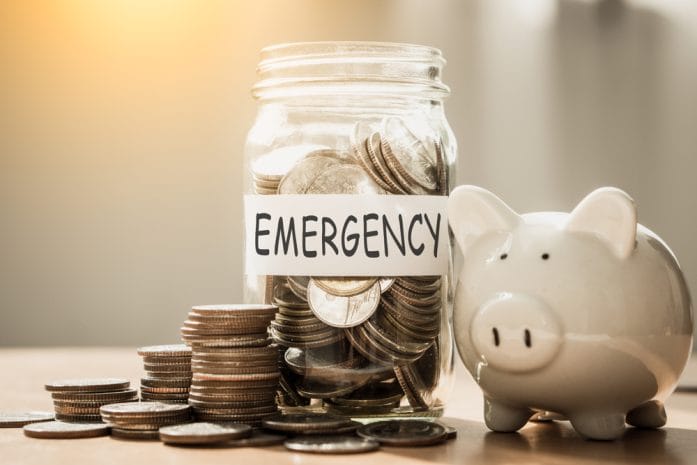
Why Are Emergency Funds Harder to Rebuild Than People Expect
Image Source: Shutterstock.com

Life has a sneaky habit of tossing unexpected bills, medical emergencies, and car repairs at the worst possible moments. One week you’re cruising through your budget with confidence, the next you’re staring at a drained bank account wondering, “How did this happen so fast?” Rebuilding an emergency fund often feels like trying to fill a leaky bucket—no matter how hard you try, the water just disappears. And yet, many people underestimate just how long it takes to recover after a financial setback.

It’s not about laziness, it’s about psychology, lifestyle pressures, and the subtle tricks our money habits play on us. Let’s dig into why replenishing your emergency fund can feel way harder than anyone expects.

The Psychology Of Loss And Why It Hurts More Than Expected

Humans are wired to feel losses more acutely than gains, a phenomenon economists call loss aversion. When money disappears from your emergency fund, the emotional impact is immediate and often exaggerated. Even a small setback can feel catastrophic, making the goal of rebuilding seem daunting. Our brains don’t treat money linearly; losing $500 feels like more than the happiness of earning $500. This mental weight can make it difficult to stay motivated, even if the numbers on paper aren’t dire.

On top of that, stress triggers a survival mode where long-term planning feels secondary to immediate needs. Understanding the psychology behind loss can help you cut yourself some slack while designing a realistic strategy to refill your safety net.

Lifestyle Inflation Sneaks In When You Least Expect It

As your income grows, it’s tempting to upgrade your lifestyle immediately—new gadgets, fancier dinners, or more travel. Lifestyle inflation is like a silent budget leak that drains money that could be rebuilding your emergency fund. Even small, consistent increases in monthly spending can derail your financial recovery plan without you noticing. People often assume that once the crisis is over, money will flow back in naturally—but reality doesn’t work that way. Every extra latte, subscription, or impulse purchase chips away at your ability to save. Being mindful of lifestyle inflation isn’t about restriction; it’s about protecting your long-term security while still enjoying life.

The Unseen Costs That Keep Piling Up

Unexpected expenses rarely come alone. A medical visit might lead to prescription costs, follow-up appointments, and transportation expenses. A car repair might reveal other maintenance needs. These hidden costs can make it feel like your emergency fund is a game of whack-a-mole. Each time you patch one hole, another seems to appear, making rebuilding a slow, sometimes discouraging process.

People often forget to account for these ripple effects when estimating how long it will take to recover. Anticipating potential hidden expenses and creating a buffer beyond your target fund can make a big difference in how achievable rebuilding feels.

Why Are Emergency Funds Harder to Rebuild Than People Expect
Image Source: Shutterstock.com

The Trap Of Overestimating Income Flexibility

After a financial shock, it’s natural to assume that “extra” money can be redirected to the emergency fund immediately. But life is rarely that simple. Paychecks are often already spoken for—rent, utilities, groceries, and debts don’t pause just because your fund is low. Overestimating your ability to save can lead to frustration and, in some cases, abandoning the effort altogether. People sometimes think that a small monthly contribution is inconsequential, but even modest, consistent deposits can rebuild a fund over time. The key is realistic expectations: understanding what can truly be allocated each month without causing stress or sacrificing essential needs.

The Long-Term Habit Shift That’s Often Required

Rebuilding an emergency fund isn’t just about numbers; it’s about forming lasting habits. If your spending patterns contributed to the initial drain, those habits need to change for recovery to stick. This often involves creating stricter budgets, tracking spending meticulously, or even reassessing priorities. Habit change takes time—sometimes months—to feel natural, and during this period, patience is crucial.

It’s common to see progress, experience setbacks, and feel like the effort isn’t paying off. Recognizing that habit formation is part of the process can transform frustration into steady progress. Consistency beats speed every time when it comes to financial security.

Unexpected Emotional Triggers Can Set You Back

Rebuilding your fund isn’t just about math; emotions play a huge role. Stress, peer pressure, and social comparison can trigger impulsive spending or feelings of hopelessness. A night out with friends, seeing a colleague’s new purchase, or even seasonal advertising can tempt you to dip into the fund you’re trying to rebuild. Emotional spending is a natural human response, but it can make recovery feel painfully slow. By identifying emotional triggers and planning for them—like allocating a small fun budget—you can protect your fund while still enjoying life. Financial resilience isn’t about perfection; it’s about managing these challenges strategically.

Join The Conversation About Rebuilding Financial Safety

Rebuilding an emergency fund is rarely as quick or easy as people hope, but understanding the hurdles makes the process less intimidating. From loss aversion to lifestyle inflation, hidden costs, and emotional triggers, many factors contribute to the challenge. By creating realistic goals, practicing patience, and cultivating consistent saving habits, you can rebuild your financial safety net without sacrificing your sanity.

Have you ever had to rebuild your emergency fund, or are you in the process now? Tell us your experiences and lessons below—your insights might just help someone else navigate the tricky path to financial security.

You May Also Like…

Savings Game: 5 Ways to Boost Your Emergency Fund Before December Ends

Build an Ironclad Emergency Fund That Can Withstand Any Crisis

10 Financial Dangers of Skipping Emergency Funds

Why Your $1,000 Emergency Fund Is Not Nearly Enough for 2026

5 Ways The New Year Gets In The Way Of Saving Money


Brandon Marcus
Brandon Marcus

Brandon Marcus is a writer who has been sharing the written word since a very young age. His interests include sports, history, pop culture, and so much more. When he isn’t writing, he spends his time jogging, drinking coffee, or attempting to read a long book he may never complete.

Filed Under: Lifestyle Tagged With: Cost of living, costs, emergency fund, emergency funds, Income, income flexibility, Life, Lifestyle, Lifestyle Inflation, loss, rising costs, Saving, saving account, saving money, savings

8 Financial Decisions That Feel Small but Add Up Quickly

January 11, 2026 by Brandon Marcus Leave a Comment

Here Are 8 Financial Decisions That Feel Small but Add Up Quickly
Image Source: Shutterstock.com

Money is a wild ride. Sometimes it feels like your dollars evaporate before you even notice, slipping through cracks you didn’t even know existed. What if I told you that tiny, seemingly harmless choices can snowball into serious financial impact faster than you think? From your daily coffee habit to subscription services you forgot you had, these small decisions can shape your wallet more than a sudden windfall or a big bonus ever could.

Time to talk about eight everyday financial moves that are way more powerful than they appear—and how being mindful can transform your cash life without feeling like a grind.

1. Skipping The Coffee Shop Run

Grabbing a latte might seem like a negligible part of your day, but let’s do the math. A $5 coffee every weekday adds up to $25 a week. That’s $100 a month, $1,200 a year, and enough to fund a mini vacation or a hefty chunk of your emergency fund. Brewing your own cup at home doesn’t just save money; it also gives you full control over what goes in your mug—goodbye mystery calories and questionable milk choices!

Beyond the financial boost, skipping that daily café run encourages a sense of mindfulness in other spending areas. Soon, you’ll notice small wins piling up, and your bank account will thank you. Your coffee habit can transform from an invisible drain into a tangible tool for building wealth.

2. Cutting Back On Subscriptions

Streaming services, fitness apps, magazine subscriptions—how many do you actually use? If you’re like most people, there are at least two you barely touch. At $10 to $15 each, the cost may feel minor, but when multiplied across multiple services, the numbers get serious. Evaluating subscriptions forces you to prioritize what you really value and stop paying for digital clutter.

Canceling unnecessary services isn’t just about saving money; it’s about reclaiming mental space too. And with auto-renewal traps everywhere, a little vigilance now prevents a lot of regret later. Your future self will appreciate a leaner, smarter subscription strategy that keeps more money in your pocket.

3. Opting For Generic Brands

Choosing store brands over name brands can seem trivial, but it quickly becomes a financial powerhouse. Grocery aisles are filled with premium-priced options, often indistinguishable from their generic counterparts. Making the switch for everyday items—from cereal to cleaning supplies—can save hundreds annually without sacrificing quality. This habit cultivates a mindset of smart spending instead of mindless brand loyalty.

Over time, it can extend to other areas, like electronics or personal care, turning you into a budget-savvy shopper. What feels like a tiny, inconsequential swap can become a significant contributor to long-term savings.

4. Bringing Lunch To Work

Dining out during the workweek might feel convenient, but the numbers tell a different story. Spending $12 to $15 per meal, five days a week, racks up to over $600 a year. Preparing lunch at home not only saves money but also allows for healthier, customized meals. Meal prepping on Sundays can turn a daunting weekday into a smooth, stress-free routine. Plus, it encourages creativity in the kitchen, making cooking feel less like a chore and more like a hobby. The cumulative savings from this single decision can fund investments, hobbies, or even a weekend getaway without breaking a sweat.

Here Are 8 Financial Decisions That Feel Small but Add Up Quickly
Image Source: Shutterstock.com

5. Avoiding Impulse Online Purchases

Online shopping is seductive; a few clicks and you’ve got a new gadget or trendy clothing piece in your cart. The problem? Those tiny impulses often slip under your radar until your bank statement arrives. Practicing pause-and-reflect habits, like waiting 24 hours before buying, drastically reduces unnecessary spending. Small discipline here compounds quickly over months, giving you significant discretionary funds. This strategy also makes you more intentional with your money, teaching you to prioritize value over fleeting satisfaction. Over time, this habit fosters a mindset of financial control and clarity that’s priceless.

6. Refinancing High-Interest Debt

Paying only the minimum on credit cards or loans might feel like you’re managing okay, but interest can quietly spiral out of control. Refinancing debt—even small amounts—into lower interest options can save thousands over time. This move doesn’t just reduce financial stress; it accelerates your path to debt freedom. It may require a bit of paperwork and research, but the payoff is monumental. Small, proactive choices like this compound silently but powerfully, showing that strategic action beats waiting for luck. Watching your debt shrink faster than expected is a major confidence boost, and it opens doors to more ambitious financial goals.

7. Automating Savings

Setting up automatic transfers to savings might feel inconsequential, especially if it’s a modest sum. Yet even $50 a week grows into a substantial emergency cushion or investment fund. Automation removes friction and the temptation to spend what you could save, turning good intentions into real results.

Watching your savings steadily rise without thinking too much about it is oddly satisfying and motivating. This approach reinforces positive financial habits while keeping stress levels low. In essence, small automated contributions quietly build financial resilience and long-term security.

8. Using Cashback And Rewards Programs

Signing up for cashback, points, or loyalty programs might feel like minor perks, but they stack quickly. Even a modest 1-2% cashback on everyday purchases can translate into hundreds of dollars a year. These programs work best when paired with intentional spending—buy what you need anyway and earn rewards while doing it. Over time, savvy use of rewards programs creates extra funds for splurges, savings, or charitable giving. Small habits like scanning receipts or using cashback apps don’t just reward money spent—they teach you to spend smarter. Suddenly, your everyday purchases are subtly working in your favor.

Small Decisions, Big Impact

Every little choice you make around money—whether it’s skipping a coffee run, canceling subscriptions, or automating savings—adds up in ways you might not notice at first. These decisions build momentum, shaping your financial future silently but powerfully.

Which of these habits have you tried, or which ones do you think could change your financial game the most? Give us your thoughts, experiences, or discoveries in the comments section below, and let’s keep the conversation going.

You May Also Like…

10 Financial Decisions That Strip Heirs of Legal Protection

Risk Proaction: 5 Steps to Stress-Test Your Finances for Worst-Case Scenarios

Holiday Debt: 9 Warning Signs Your Spending Is Already Off Track

ADHD and Credit Cards: Why Impulse Spending Feels Inevitable

How a Solid Estate Plan Can Protect Your Finances


Brandon Marcus
Brandon Marcus

Brandon Marcus is a writer who has been sharing the written word since a very young age. His interests include sports, history, pop culture, and so much more. When he isn’t writing, he spends his time jogging, drinking coffee, or attempting to read a long book he may never complete.

Filed Under: Finance Tagged With: automating savings, buying food, coffee run, Debt, emotional purchases, finance, finances, financial choices, financial decisions, general finance, high-interest debt, impulse shopping, impulse spending, lunch, overspending, Smart Spending, spending, subscriptions

Which Sneaky Bills Have The Biggest Chance To Rise In 2026?

January 11, 2026 by Brandon Marcus Leave a Comment

Which Sneaky Bills Have The Biggest Chance To Rise In 2026?
Image Source: Shutterstock.com

If you think 2026 is just another year on the calendar, think again. Your wallet might disagree. From energy costs to subscription services you barely remember signing up for, some bills are poised to climb faster than a roller coaster in a hurricane. Economists, analysts, and even everyday consumers are bracing for shifts that could make budgeting feel like playing a game with invisible rules.

But not all bills are created equal. Some have obvious reasons for rising, while others are lurking quietly in the background, ready to surprise even the savviest spenders. Let’s break down which bills could hit your finances hardest and why you should pay attention before it’s too late.

1. Energy Bills And Utility Costs

Electricity, natural gas, and heating oil are likely to see significant increases in 2026. Global energy markets are still recovering from past disruptions, and inflationary pressures in production and transportation are lingering. Utility companies may pass these rising costs straight to consumers, meaning higher monthly bills for homes and apartments alike. Renewable energy incentives might help offset some costs, but they’re often limited and region-specific.

Weather patterns also play a big role—longer, hotter summers or colder winters could push energy demand—and prices—even higher. For households with older infrastructure, energy efficiency upgrades could become more of a necessity than a choice.

2. Rent And Housing Expenses

Housing costs have been on an upward trajectory for years, and 2026 is expected to continue that trend. Rental demand remains high in urban areas while the supply of affordable units lags behind. Mortgage rates, which fluctuate based on economic conditions, can also indirectly affect rental markets by keeping more people renting rather than buying. Landlords may raise rents to keep pace with property taxes, maintenance costs, and inflation.

This isn’t just a city problem—suburban and rural markets are seeing modest increases as well. Budget-conscious renters may need to plan for incremental increases that, over the course of a year, add up to a significant chunk of their income.

3. Healthcare Premiums And Out-Of-Pocket Costs

Medical expenses are a financial headache most of us can’t avoid, and 2026 could see them climb again. Health insurance premiums have historically risen faster than general inflation, and experts anticipate this trend will continue. Prescription drugs, specialist visits, and medical procedures all contribute to growing out-of-pocket costs. Even small copay increases can add up, especially for families or those managing chronic conditions.

Public health policy changes, the ongoing evolution of telehealth, and shifts in employer coverage can also play a role. Keeping track of plan details and exploring cost-saving alternatives will be critical for anyone looking to avoid sticker shock.

4. Internet And Streaming Service Fees

If you thought your monthly subscription bundle was safe, think again. Internet service providers have been adjusting plans frequently, and new infrastructure costs may be passed on to consumers. Streaming platforms, too, continue experimenting with pricing models, premium tiers, and ad-supported plans. The average household is juggling multiple subscriptions, from video to music to gaming, meaning even modest increases add up quickly. Bundles that once seemed like savings could end up costing more in 2026. Staying informed and periodically auditing subscriptions could help prevent surprises at the end of the month. For tech-savvy households, comparison shopping and promotional deals could become essential strategies.

5. Grocery And Food Prices

Groceries may feel unavoidable, but in 2026, your shopping list might cost more than expected. Agricultural challenges, global supply chain issues, and fuel price fluctuations all influence grocery costs. Organic and specialty items often see steeper price hikes than staples, but even common products like bread, dairy, and meat are susceptible. Food inflation doesn’t just hit the shelves—it trickles into restaurants and takeout options, making dining out pricier too.

Seasonal variations and extreme weather events can spike produce costs unexpectedly. Savvy shoppers who monitor sales, stock up strategically, and explore alternatives could protect their wallets, but many households may still notice the pinch.

Which Sneaky Bills Have The Biggest Chance To Rise In 2026?
Image Source: Shutterstock.com

6. Transportation And Fuel Expenses

Getting from point A to point B isn’t going to get cheaper in 2026. Gasoline, diesel, and public transportation fares are all sensitive to international markets and domestic policy shifts. Electric vehicle adoption is increasing, but charging infrastructure and electricity costs may partially offset savings from fuel. Car insurance premiums, maintenance, and even ride-sharing fares are influenced by inflation and demand. Urban commuters, rural drivers, and anyone relying on public transit may need to rethink their travel budgets. Planning ahead, using cost-saving apps, and considering hybrid or electric options could help, but a jump in transportation expenses is likely unavoidable for most people.

How Will You Navigate Rising Bills?

2026 promises to be a year of financial juggling, with multiple bills likely rising in ways that feel unpredictable. Being aware of the potential culprits—from utilities to housing, healthcare, subscriptions, groceries, and transportation—gives you a head start on planning and strategizing.

How are you preparing for these changes? Have you noticed trends in your own bills that suggest an increase is on the horizon? Let us know your experiences, insights, or tips in the comments below, because there’s no better place for practical advice and shared wisdom than a community that’s navigating the same challenges.

You May Also Like…

Tax Surge: 4 Income Types That Trigger Hidden Tax Bills

Expense Overflow: 4 Retirement Bills That Catch People Off Guard

6 Surprising Costs That Hit Families After Natural Disasters

Your Medical Bills Might Be Shared Online Without Your Knowledge

How Paying Some Bills In Advance Can Help In A Financial Emergency


Brandon Marcus
Brandon Marcus

Brandon Marcus is a writer who has been sharing the written word since a very young age. His interests include sports, history, pop culture, and so much more. When he isn’t writing, he spends his time jogging, drinking coffee, or attempting to read a long book he may never complete.

Filed Under: Lifestyle Tagged With: bills, energy bills, family spending, food prices, fuel expenses, grocery costs, healthcare costs, healthcare premiums, housing expenses, Life, Lifestyle, overspending, Smart Spending, spending, transportation, utility bills, utility costs

  • « Previous Page
  • 1
  • …
  • 76
  • 77
  • 78
  • 79
  • 80
  • …
  • 98
  • Next Page »

Follow Us

Search this site:

Recent Posts

  • Can My Savings Account Affect My Financial Aid? by Tamila McDonald
  • 12 Ways Gen X’s Views Clash with Millennials… by Tamila McDonald
  • What Advantages and Disadvantages Are There To… by Jacob Sensiba
  • 10 Tactics for Building an Emergency Fund from Scratch by Vanessa Bermudez
  • Call 911: Go To the Emergency Room Immediately If… by Stephen Kanaval
  • 7 Weird Things You Can Sell Online by Tamila McDonald
  • 10 Scary Facts About DriveTime by Tamila McDonald

Copyright © 2026 · News Pro Theme on Genesis Framework