• Home
  • About Us
  • Toolkit
  • Getting Finances Done
    • Hiring Advisors
    • Debt Management
    • Spending Plan
  • Insurance
    • Life Insurance
    • Health Insurance
    • Disability Insurance
    • Homeowners/Renters Insurance
  • Contact Us
  • Privacy Policy
  • Risk Tolerance Quiz

The Free Financial Advisor

You are here: Home / Archives for home security

9 Expenses That Used to Be Optional but Aren’t Anymore

January 12, 2026 by Brandon Marcus Leave a Comment

Here Are 9 Expenses That Used to Be Optional but Aren’t Anymore

Image Source: Shutterstock.com

The world didn’t just change overnight—it upgraded, auto-renewed, and charged your card while you weren’t looking. What once felt like a lifestyle choice has quietly transformed into a requirement for keeping a job, raising a family, or simply existing without daily frustration. Somewhere between dial-up tones and paper maps, modern life added a stack of “must-haves” that now feel as essential as electricity.

These expenses didn’t arrive with warning labels, but here we are, budgeting around them anyway. Let’s talk about the nine costs that graduated from “nice to have” to “you can’t realistically opt out.”

1. Mobile Data And Internet Access

Once upon a time, the internet lived in a single room and made loud noises while connecting. Now it’s the backbone of work, school, healthcare, banking, entertainment, and social life. Mobile data and home internet aren’t luxuries when job applications, homework portals, and appointment scheduling all happen online. Even basic communication often assumes instant access to email, messaging apps, and video calls.

Many employers quietly expect workers to be reachable, connected, and capable of hopping onto digital platforms at any moment. Trying to function without reliable internet today doesn’t make you frugal—it makes you invisible.

2. Smartphones

Smartphones used to be flashy gadgets for early adopters and tech enthusiasts. Today, they’re the remote controls for everyday life. From boarding passes and two-factor authentication to payment apps and emergency alerts, entire systems assume you have one. Schools send updates through apps, workplaces rely on messaging platforms, and even restaurants expect you to scan a code. Without a smartphone, simple tasks take longer, cost more, or become impossible. It’s not about brand loyalty or upgrades—it’s about participation.

3. Subscription Software And Apps

Buying software once and owning it forever now sounds like a fairy tale. Essential tools for work, creativity, taxes, fitness, and productivity increasingly live behind monthly or annual paywalls. Students and professionals alike are expected to use specific platforms just to keep up. Even things like note-taking, document signing, and cloud storage often require ongoing fees. These subscriptions may look small individually, but together they form a quiet, permanent drain on monthly budgets. Cancel too many, and daily life suddenly becomes much harder.

4. Health Insurance And Out-Of-Pocket Healthcare Costs

Healthcare has always cost money, but the degree of personal financial responsibility has shifted dramatically. Insurance premiums, deductibles, copays, and surprise bills have turned basic medical care into a budgeting challenge. Preventive care, mental health services, and prescription medications are no longer optional if you want to function well. Skipping care can quickly lead to bigger, more expensive problems down the road. For many people, healthcare expenses are now as non-negotiable as rent.

5. Reliable Transportation

Transportation used to mean getting from point A to point B when needed. Now, reliability is everything. Many jobs require flexible schedules, long commutes, or multiple daily stops that public transit can’t always support. Ride-share costs add up fast, and unreliable transportation can threaten employment itself. Even remote workers often need dependable transportation for childcare, errands, or medical appointments. Whether it’s car payments, maintenance, insurance, or transit passes, getting around is no longer optional—it’s foundational.

6. Childcare And After-School Programs

There was a time when childcare was considered a short-term or optional expense. Today, it’s a necessity for most working families. Dual-income households aren’t a luxury anymore—they’re often the only way to stay afloat. Safe, reliable childcare and after-school programs allow parents to work consistent hours without constant stress. These services also support children’s development, learning, and social skills. For many families, childcare costs rival housing expenses, yet opting out simply isn’t realistic.

7. Home Security And Digital Protection

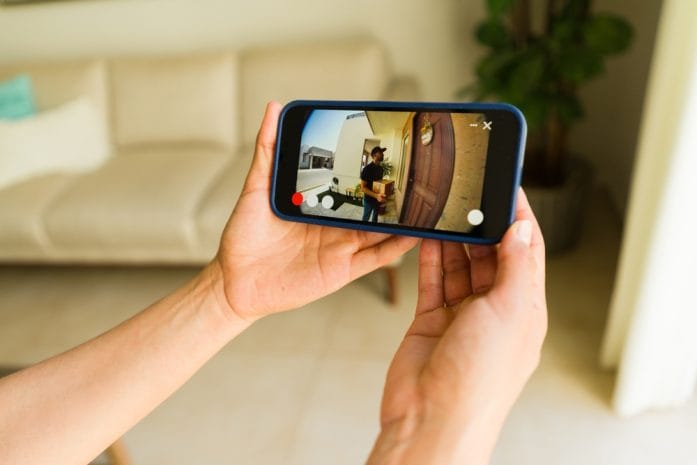
Locks on doors used to be enough. Now, physical and digital security go hand in hand. Home security systems, smart cameras, identity theft protection, and antivirus software have become standard defenses. Online banking, remote work, and digital records make personal data more vulnerable than ever. Recovering from fraud or a breach can cost far more than preventive measures. Peace of mind, it turns out, comes with a monthly fee.
Here Are 9 Expenses That Used to Be Optional but Aren’t Anymore

Image Source: Shutterstock.com

8. Professional Development And Continuing Education

Education no longer ends with a diploma. Industries evolve quickly, and staying employable often requires constant learning. Certifications, online courses, workshops, and licensing fees are now part of many careers. Employers may expect skills updates without fully covering the cost. Falling behind can mean fewer opportunities or lower pay. Investing in yourself isn’t just aspirational anymore—it’s a survival strategy.

9. Convenience Services And Time-Saving Tools

Time has become one of the most expensive resources of all. Grocery delivery, meal kits, cleaning services, and digital assistants once felt indulgent. Now they’re coping mechanisms for overloaded schedules and burnout. When work, family, and obligations collide, convenience fills the gaps. These services help people stay functional when time and energy run low. Paying for time, it turns out, is often the only way to get any back.

Living In A World Of Non-Optional Options

Modern life has quietly rewritten the definition of “essential.” Expenses that once felt elective are now woven into how we work, connect, and care for ourselves and others. Recognizing these shifts doesn’t make budgeting easier, but it does make it more honest.

Everyone’s list looks a little different depending on lifestyle and priorities. Drop your thoughts or personal experiences in the comments below and let the conversation continue.

You May Also Like…

Why Do Unexpected Expenses Always Seem to Hit at the Worst Time

Are App-Linked Budget Tools Selling Your Income Data?

3 Reasons You Can’t Afford to Lose Your Smartphone

5 Tips to Save Money on Your Smartphone Bill

What Happens When Retirement Plans Ignore Healthcare Costs


Brandon Marcus
Brandon Marcus

Brandon Marcus is a writer who has been sharing the written word since a very young age. His interests include sports, history, pop culture, and so much more. When he isn’t writing, he spends his time jogging, drinking coffee, or attempting to read a long book he may never complete.
Filed Under: Spending Habits Tagged With: childcare, Cost of living, costs, cutting expenses, digital safety, Digital Security, everyday costs, expense mindset, expense tracking, expenses, health insurance, healthcare, home security, insurance costs, internet access, mobile data, smartphone apps, smartphones, subscriptions, transportation

Your Ring Doorbell Is Recording Evidence That Could Void Your Homeowner’s Claim

October 20, 2025 by Travis Campbell Leave a Comment

rind doorbell

Image source: shutterstock.com

Smart home devices like the Ring doorbell have become a staple for homeowners seeking added security. These gadgets offer peace of mind, letting you see who’s at your door and monitor your property from anywhere. But what many people don’t realize is that your Ring doorbell could be quietly recording evidence that could void your homeowner’s claim. Insurance companies are increasingly turning to video footage as part of their investigation process. This means your own device might provide information that works against you if you ever need to file a claim.

Understanding how your Ring doorbell impacts your home insurance is more important than ever. There are real risks if you’re not careful about how you use and manage your video footage. Here’s what you need to know to protect yourself and your claim.

1. Your Ring Footage May Contradict Your Claim

Insurance companies look for inconsistencies when reviewing homeowner’s claims. If you say your house was broken into at 2 a.m., but your Ring doorbell evidence shows nothing happened during that time, your claim could be denied. In some cases, even small differences between your statement and what’s on video can raise red flags.

It’s not uncommon for adjusters to ask if you have security cameras or doorbell footage. If you provide it—or if they obtain it through other means—any discrepancies can be used against you. This is especially true if the footage shows someone entering your home with your permission, or if it captures you leaving a window unlocked. The details captured by your Ring doorbell can be more revealing than you realize.

2. Insurance Companies Can Request or Subpoena Footage

You might think your Ring recordings are private. However, insurance companies have the right to request evidence that’s relevant to your claim. In some situations, they may even subpoena your video footage. If you refuse to provide it, they could argue you’re not cooperating with the investigation, which may also void your claim.

This means you can’t assume your Ring doorbell evidence will stay private if you file a homeowner’s claim. Even if you delete footage, cloud backups, or shared access, it could still put it within reach of investigators. It’s important to know what’s being recorded and stored, just in case you need to hand it over.

3. Footage Can Reveal Policy Violations

Insurance policies often contain requirements about how you must maintain and secure your home. For example, you might be required to keep doors and windows locked, or to use certain types of locks. If your Ring doorbell evidence shows you leaving your door unlocked, or propping it open, your insurer could argue you failed to follow policy rules.

The same applies to claims involving accidents or injuries on your property. If footage shows you neglected basic maintenance or created a hazard, your insurer could use that as a reason to deny your claim. Video evidence is objective and hard to dispute, which makes it a powerful tool for insurance investigators.

4. Misinterpretation of Events Is Common

Ring doorbell cameras don’t capture everything, and sometimes what they record is open to interpretation. A shadow, a passing animal, or a glitch in the recording could be misread by an insurance adjuster. If your Ring doorbell evidence is unclear or doesn’t fully support your version of events, your claim might still be put at risk.

This is especially concerning if your footage is incomplete or missing key moments. Gaps in your recordings can raise suspicion, even if you had nothing to hide. It’s a good idea to regularly check that your Ring camera is functioning correctly and storing footage as expected.

5. Sharing Footage Online Can Backfire

Many people like to share interesting or suspicious activity from their Ring doorbells on social media or neighborhood apps. While this can help alert neighbors, it also creates a permanent record of events that insurers can find. If you post something publicly that contradicts your claim, or if comments reveal details you left out of your report, your insurer may use this information to deny your claim.

Think twice before sharing any Ring doorbell evidence online. Even seemingly harmless posts can be used out of context. Make sure you understand your insurance company’s policies and how they might interpret your online activity.

How to Protect Your Homeowner’s Claim When Using a Ring Doorbell

Awareness is the first step in protecting yourself. If you use a Ring doorbell, take the time to review what your device records and how long footage is stored. Make sure your camera is working properly and that you understand your insurance policy’s requirements for home security. If you’re involved in a claim, be honest and consistent in your statements, and consult with a professional if you’re unsure about sharing video evidence.

It’s also wise to read up on the latest privacy and insurance trends. Remember, your Ring doorbell evidence can be both a help and a hindrance. Use it thoughtfully to keep your home—and your insurance claim—safe.

Have you ever had to use Ring doorbell footage as part of a homeowner’s claim? Share your experience in the comments below!

What to Read Next…

  • 7 Ways Your Neighbor Could Be Spying On You Without Breaking The Law
  • 8 Common Home Security Features That Aren’t As Safe As You Think
  • 7 Homeowner Insurance Exclusions That Void Entire Policies
  • What Insurance Fine Print Could Void Your Entire Claim
  • How Your Wi-Fi Router Placement Might Be Sharing Personal Info
Travis Campbell
Travis Campbell

Travis Campbell is a digital marketer/developer with over 10 years of experience and a writer for over 6 years. He holds a degree in E-commerce and likes to share life advice he’s learned over the years. Travis loves spending time on the golf course or at the gym when he’s not working.

Filed Under: Home Improvement Tagged With: evidence, home security, homeowners insurance, insurance claims, privacy, Ring doorbell, smart home

7 Surprising Risks of Keeping Too Much Cash at Home

September 22, 2025 by Travis Campbell Leave a Comment

cash

Image source: pexels.com

It’s tempting to keep a stash of bills tucked away at home, just in case. Emergencies happen, and cash can come in handy if the power goes out or your debit card stops working. But while a little liquidity is wise, keeping too much cash at home can actually put your finances—and your peace of mind—at risk. Most people are unaware of the hidden dangers associated with storing large amounts of money in a drawer, safe, or even under the mattress. It’s not just about theft. Other surprising risks can affect your financial security and future goals. If you’re considering holding on to extra cash at home, here are seven reasons to think twice.

1. Theft: A Prime Target for Burglars

Keeping too much cash at home makes your house a more attractive target for thieves. Unlike jewelry or electronics, cash can’t be traced or returned if it’s stolen. Even if you have a safe, determined burglars may still find a way. Insurance policies often have strict limits on how much cash they’ll reimburse—usually just a few hundred dollars. If you lose a significant amount, it’s unlikely you’ll recover it. This risk of loss is one of the biggest reasons to reconsider storing large sums at home instead of in a bank account.

2. Fire and Natural Disasters: Cash Can Go Up in Smoke

Fires, floods, and other disasters can quickly destroy cash. Unlike digital records or bank balances, physical money has no backup. You won’t get compensation from most insurance companies for cash lost in a fire or flood. Even a well-hidden stash isn’t safe from water or smoke damage. If you live in an area prone to natural disasters, keeping too much cash at home puts your emergency fund at real risk.

3. Lack of Interest: Missing Out on Growth

One of the biggest financial risks of keeping too much cash at home is missing out on potential interest or investment gains. Money sitting in a safe or drawer isn’t earning anything. Over time, your purchasing power erodes due to inflation. By keeping your cash in a high-yield savings account or other secure financial products, you can let your money work for you. For example, high-yield savings accounts offer better returns than keeping cash at home, even in today’s low-rate environment.

4. Temptation to Overspend

Easy access to cash can make it harder to stick to your budget. Having large sums within reach may tempt you or family members to dip into your savings for non-essential purchases. Without the small barriers that banks provide, you may find your cash reserve shrinking faster than you expect. When money is out of sight in a bank account, it’s easier to keep your savings goals intact.

5. Limited Protection from Fraud and Loss

While keeping too much cash at home might feel safe from cybercrime, it actually leaves you exposed to other kinds of losses. Banks offer protections like FDIC insurance for deposits up to $250,000. If your cash is stolen or destroyed at home, there’s little recourse. Modern financial institutions also provide fraud monitoring and can reimburse you for unauthorized transactions, adding a layer of protection you just can’t get with a pile of bills under your mattress.

6. Complicating Your Estate and Taxes

If something happens to you, your family may not know about the cash you’ve hidden. This can create confusion and even legal issues during estate settlement. Unreported cash can also create problems with taxes, mainly if large amounts are found after your death. Being open about your assets and keeping them in traceable accounts makes things much simpler for your loved ones.

7. Security Risks: Trust Issues and Stress

Storing large amounts of money at home can create stress. You may find yourself worrying about who knows or feeling uneasy about sharing the information with anyone. This can lead to trust issues within your household or with visitors. The constant need to check on your cash, or anxiety about losing it, can take a toll on your mental well-being. Over time, this stress outweighs any comfort you get from having quick access to cash.

Balancing Safety and Access to Emergency Funds

Keeping too much cash at home may seem like a safe bet, but the risks often outweigh the benefits. A small emergency fund—maybe enough for a few days’ expenses—makes sense in case of power outages or short-term disruptions. For larger amounts, banks and credit unions provide far better protection, accessibility, and growth potential. Remember, your financial security depends on more than just having cash nearby. It’s about ensuring your money is safe, growing, and easily accessible when you or your family truly needs it.

Do you keep cash at home, or do you prefer digital security? Share your thoughts and experiences in the comments below.

What to Read Next…

  • 5 Invisible Service Charges Eating Into Your Bank Balance
  • Could a Bank Freeze Your Account Without Telling You?
  • What Are Banks Really Doing With Your Personal Spending Data?
  • 7 Bank Terms That Let Institutions Freeze Funds Without Warning
  • 7 Legal Loopholes That Let Authorities Freeze Assets Without Warning
Travis Campbell
Travis Campbell

Travis Campbell is a digital marketer/developer with over 10 years of experience and a writer for over 6 years. He holds a degree in E-commerce and likes to share life advice he’s learned over the years. Travis loves spending time on the golf course or at the gym when he’s not working.

Filed Under: safety Tagged With: cash safety, emergency funds, Estate planning, home security, Inflation, Personal Finance, Risk management

7 Hidden Dangers of Stashing Cash at Home—And What to Do Instead

September 12, 2025 by Travis Campbell Leave a Comment

cash

Image source: pexels.com

Many people like the idea of keeping emergency money close by. Stashing cash at home feels simple and gives you quick access if something goes wrong. But while this approach seems safe, it carries real risks that many overlook. The hidden dangers of stashing cash at home can have long-term impacts on your finances and peace of mind. Understanding these risks is key to protecting your money and your future. Let’s look at the seven biggest dangers—and what you should do instead.

1. Burglary Risks

Keeping large amounts of cash hidden in your home makes you a target for theft. Criminals know that people often keep money in obvious places like under mattresses or inside drawers. If someone breaks in, your hard-earned savings could vanish in seconds. Even safes aren’t foolproof—thieves can take them or force you to open them.

The loss isn’t just financial. Dealing with a burglary can also bring stress and a sense of violation that’s hard to shake. Relying on home cash storage for security is a gamble most people can’t afford to take.

2. Fire and Natural Disasters

Fire, floods, and other disasters can destroy your home—and any cash inside it. Unlike digital money, cash lost to disaster is gone forever. Insurance policies rarely cover lost cash, leaving you with no way to recover your emergency fund or savings. Even if you use a fireproof safe, no container is completely immune to nature’s extremes.

Stashing cash at home exposes your money to unpredictable risks. One accident could wipe out years of careful saving in an instant.

3. Lack of Interest and Growth

One of the most overlooked dangers of stashing cash at home is missed opportunity. Money hidden in your house isn’t earning interest. Over time, this means your savings lose value compared to money kept in a high-yield savings account or similar option. Even a modest interest rate can add up over the years.

By keeping your money out of the financial system, you miss out on the power of compound growth. It’s not just about safety—it’s about making your money work for you.

4. Inflation Eats Away at Value

Inflation is another silent threat to cash stored at home. Each year, the cost of goods and services goes up. If your cash isn’t growing, its buying power shrinks. What feels like a healthy emergency fund today may not cover the same expenses a few years from now.

While stashing cash at home may seem like a way to protect yourself, it leaves your money vulnerable to the slow drain of inflation. Over time, this can have a big effect on your financial security.

5. No Protection Against Loss or Forgetfulness

It’s easy to misplace or forget about hidden cash, especially over time. People have found stacks of money tucked away in old books, boxes, or other hiding spots—sometimes long after the original owner has passed away. If you move or declutter, you might accidentally throw away your savings.

Unlike funds in a bank account, there’s no recovery process for lost or forgotten home cash. Once it’s gone, it’s gone for good. This is one of the most practical dangers of stashing cash at home.

6. Legal and Tax Complications

Large sums of cash at home can raise eyebrows if you ever need to prove your income or assets. For example, if you want to buy a home, apply for a loan, or deal with legal matters, you may be asked where your money came from. Banks and government agencies may view large, unexplained cash deposits as suspicious.

Documenting your finances is much easier when your money is in a regulated account. Keeping cash at home can complicate your financial life and even put you under unwanted scrutiny.

7. Temptation to Spend

When cash is close at hand, it’s easier to dip into your stash for non-emergencies. Maybe you’re tempted by a big sale or an impulse purchase. Over time, these small withdrawals add up, leaving you with less in your emergency fund when you truly need it.

Out of sight, out of mind works both ways. Keeping your money in a secure account helps you resist the urge to spend it on things that aren’t truly necessary.

Smarter Alternatives to Stashing Cash at Home

Instead of facing the dangers of stashing cash at home, consider safer and smarter alternatives. A high-yield savings account offers security, earns interest, and is protected by the FDIC up to $250,000. This means your money is safe from theft, fire, or loss—and it grows over time.

For extra peace of mind, you can also explore a money market account or a certificate of deposit. These options keep your emergency fund accessible but protected. If you’re worried about digital banking, choose a local credit union or reputable bank with strong customer service. If you need quick access to small amounts, keep a modest sum at home for true emergencies, but put the rest somewhere safer.

The dangers of stashing cash at home simply outweigh the perceived benefits. By using secure, interest-bearing accounts, you protect your money and set yourself up for long-term success.

Have you ever kept cash at home? What’s your strategy for keeping your emergency fund safe? Share your thoughts in the comments below!

What to Read Next…

  • 8 Things You’re Doing That Make Criminals Think You’re An Easy Target
  • 7 Places Criminals Watch Before Picking A Home To Rob
  • 7 ATM Withdrawal Behaviors That Raise Government Surveillance Flags
  • Could A Bank Freeze Your Account Without Telling You?
  • 7 Legal Loopholes That Let Authorities Freeze Assets Without Warning
Travis Campbell
Travis Campbell

Travis Campbell is a digital marketer/developer with over 10 years of experience and a writer for over 6 years. He holds a degree in E-commerce and likes to share life advice he’s learned over the years. Travis loves spending time on the golf course or at the gym when he’s not working.

Filed Under: Cash Reserve Tagged With: cash safety, emergency fund, home security, Personal Finance, Planning, savings tips

9 Weird Places People Hide Cash That End Up Costing Them

September 5, 2025 by Travis Campbell Leave a Comment

mattress

Image source: pexels.com

Lots of people think hiding cash at home is a smart way to keep it handy and safe. Maybe you don’t trust banks, or you just like knowing you have a little emergency stash. But it’s easy to get creative—and sometimes too creative—when picking a hiding spot. The problem? Some of these weird places people hide cash end up costing them, whether through accidental loss, theft, or even permanent destruction of their money. If you’re tempted to tuck bills into strange corners, it’s worth thinking twice. Here’s a look at nine hiding spots that seem clever but could actually drain your wallet.

1. Inside the Freezer

Stashing cash inside the freezer—often in an empty food box or wrapped in foil—sounds secure. After all, who’d look there? But this hiding place can backfire in surprising ways. Family members might toss out that old frozen dinner, never realizing it’s your secret bank. Worse, a power outage or broken freezer can lead to soggy, moldy bills. If you forget where you hid your cash, you might find it months later, ruined and unusable. When it comes to weird places people hide cash, the freezer isn’t as foolproof as it seems.

2. Under the Mattress

The classic under-the-mattress method still tempts many people. It feels old-school and close at hand. But mattresses get flipped, moved, and replaced. If you’re not the only one using the bed, someone might stumble on your stash. Even worse, a fire or a break-in could wipe out your cash in minutes. The risk of loss is higher than you might think, and insurance won’t cover hidden money in most cases.

3. In Books on the Shelf

Some people hide cash between the pages of a book, thinking it blends in with the rest of the library. The trouble is, books get donated, borrowed, or thrown out. If you forget which book you used, you could lose your money for good. Plus, paper bills can stick together, making them easy to miss. If you’re looking for a reliable way to keep your cash safe, this literary hiding spot is risky.

4. In the Toilet Tank

Yes, people really do hide money in a plastic bag inside the toilet tank. The thinking is that thieves won’t look there. But toilets need repairs or replacement, and plumbers probably won’t expect to find your secret savings. Water leaks can soak through even the best plastic, leaving you with a soggy mess. When it comes to weird places people hide cash, the bathroom is full of pitfalls.

5. In Old Shoes or Clothing

Sticking cash in a shoe box or jacket pocket may seem clever, especially if you have a crowded closet. But shoes and clothes get donated, sold, or thrown away. If you forget about your hidden money, someone else could find it—or it could end up at the thrift store. Plus, moisture and time can damage paper bills, making them unusable if left for too long.

6. Buried in the Backyard

Some folks go full treasure-hunter and bury their cash in a jar or box outside. While it’s unlikely a thief will dig up your yard, weather and pests are bigger threats. Water can seep in, or critters could chew through containers. You might even forget exactly where you buried it, leading to lost money forever. As far as weird places people hide cash, the backyard is high-risk and low-reward.

7. Behind the Air Vent

Unscrewing an air vent and tucking cash inside seems crafty. But air vents get cleaned or replaced, and someone else could easily spot your stash. If you move out and forget to check, your money is gone. Plus, airflow can suck bills deeper into the ductwork, making them almost impossible to retrieve. This hiding spot often creates more problems than it solves.

8. Inside Household Appliances

It’s not rare for people to stash cash inside toasters, blenders, or even washing machines. But appliances break or get replaced. If you forget your hiding spot, you might toss an old toaster—cash and all. Repairs or routine cleaning could expose your secret at the worst time. Appliances are for cooking and cleaning, not for storing your emergency fund.

9. In the Car’s Glove Compartment

Your car might seem like a safe place to hide money, especially if you’re on the go. But glove compartments are one of the first places thieves check. Cars also get serviced, cleaned, and even stolen. Extreme heat or cold can damage bills over time. If you’re serious about protecting your cash, your car isn’t the answer.

Smarter Alternatives for Storing Cash

Instead of using unusual places where people often hide cash, consider safer alternatives. A small, fireproof safe at home offers real protection against fire and theft. Some banks offer safety deposit boxes, which are out of reach for burglars and houseguests alike. Even if you prefer to keep some cash on hand, limit how much you store and rotate it regularly.

Have you ever hidden cash in a weird place? Did it work out—or end up costing you? Share your story in the comments below!

What to Read Next…

  • What Are Banks Really Doing With Your Personal Spending Data?
  • 8 Things You’re Doing That Make Criminals Think You’re An Easy Target
  • 7 Places Criminals Watch Before Picking A Home To Rob
  • What Happens When Your Bank Changes The Terms Without Warning?
  • Could A Bank Freeze Your Account Without Telling You?
Travis Campbell
Travis Campbell

Travis Campbell is a digital marketer/developer with over 10 years of experience and a writer for over 6 years. He holds a degree in E-commerce and likes to share life advice he’s learned over the years. Travis loves spending time on the golf course or at the gym when he’s not working.

Filed Under: Frugal Living Tagged With: cash safety, hidden cash, home security, money mistakes, Personal Finance, saving tips

What Do Police Say About Those “Beware of Dog” Signs?

July 31, 2025 by Travis Campbell Leave a Comment

beware of dog

Image Source: pexels.com

If you’ve ever walked past a house with a “Beware of Dog” sign, you probably felt a little more alert. Maybe you wondered if there’s a big dog behind the fence, or if the sign is just there to scare people away. Homeowners put up these signs for all kinds of reasons. Some want to protect their property. Others want to warn visitors or keep out trespassers. But what do police actually think about these signs? And do they really help you, or could they cause problems? Here’s what you need to know about “Beware of Dog” signs and how police view them.

1. “Beware of Dog” Signs Can Deter Crime

Police often see “Beware of Dog” signs as a simple way to make a home less attractive to burglars. Most people don’t want to risk getting bitten by a dog. Even if there’s no dog, the sign alone can make someone think twice before hopping a fence or sneaking around your yard. Criminals usually look for easy targets. If they see a warning about a dog, they might just move on to the next house. This makes “Beware of Dog” signs a low-cost way to add a layer of security to your property. It’s not a guarantee, but it can help.

2. The Signs Serve as a Legal Warning

A “Beware of Dog” sign does more than just scare off intruders. It also acts as a warning to anyone who comes onto your property. Police say this can be important if there’s ever an incident. If someone ignores the sign and gets bitten, you can show that you tried to warn them. This can help in legal situations, especially if the person was trespassing. The sign shows you took steps to let people know about the risk. In some states, this can make a difference in court.

3. The Signs Don’t Replace Responsible Dog Ownership

Putting up a “Beware of Dog” sign doesn’t mean you can ignore other safety steps. Police stress that you still need to keep your dog secure. That means strong fences, locked gates, and making sure your dog can’t escape. If your dog bites someone, the sign alone won’t protect you from all responsibility. You need to show that you did everything you could to prevent an incident. The sign is just one part of a bigger picture. Responsible dog ownership is always the most important thing.

4. The Signs Can Affect Your Liability

Here’s where things get tricky. Some people worry that a “Beware of Dog” sign is like admitting your dog is dangerous. Police hear this question a lot. The truth is, the sign can be a double-edged sword. On one hand, it shows you tried to warn people. On the other, it could be used in court to argue that you knew your dog might bite. Laws vary by state, so it’s smart to check your local rules. In some places, the sign helps you. In others, it could hurt your case.

5. The Signs Don’t Stop All Lawsuits

Even with a “Beware of Dog” sign, you can still get sued if your dog bites someone. Police say the sign is not a magic shield. If your dog gets out and bites a neighbor, you could be held responsible. The sign might help your case, but it won’t stop a lawsuit. That’s why it’s important to have good insurance and to follow all local laws about dogs. Don’t rely on the sign alone to protect you from legal trouble.

6. The Signs Can Help Emergency Responders

Police and other emergency workers pay attention to “Beware of Dog” signs. If they need to enter your yard, the sign lets them know to be careful. This can help keep everyone safe. If you have a dog, it’s a good idea to let your local fire department and police know. That way, if there’s ever an emergency, they’ll be prepared. The sign is a simple way to communicate that there’s a dog on the property.

7. The Signs Don’t Excuse Aggressive Dogs

Some people believe that posting a “Beware of Dog” sign allows them to keep an aggressive dog without facing consequences. Police are clear: that’s not true. If your dog is known to be dangerous, you have extra responsibilities. You might need to use a muzzle, stronger fencing, or even keep your dog away from visitors. The sign is not a free pass. If your dog hurts someone, you can still face serious legal trouble.

8. The Signs Should Be Clear and Visible

Police recommend making sure your “Beware of Dog” sign is easy to see. Place it near gates, doors, or any entry point to your property. The sign should be big enough to read from a distance. If it’s hidden or too small, it won’t do much good. A clear sign helps protect you and warns others. It’s a simple step that can make a big difference.

9. The Signs Don’t Replace Good Communication

A sign is helpful, but it’s not enough on its own. Police say you should always tell guests, workers, or delivery people if you have a dog. Don’t assume they’ll see the sign. A quick heads-up can prevent accidents. Good communication is key to keeping everyone safe.

What Police Want You to Remember About “Beware of Dog” Signs

“Beware of Dog” signs can help protect your home and warn others, but they’re not a cure-all. Police see them as one tool among many. The most important thing is to be a responsible dog owner. Keep your dog secure, follow the law, and use the sign as part of a bigger safety plan. The sign can help, but it won’t solve every problem. Think of it as a warning, not a solution.

Have you ever used a “Beware of Dog” sign? Did it help, or cause any issues? Share your story in the comments.

Read More

These 5 Dog Breeds Have Been Linked to the Most Unprovoked Bites

Your Dog Needs Better Food: 10 Food Brands That Are Great At Any Price Point

Travis Campbell
Travis Campbell

Travis Campbell is a digital marketer/developer with over 10 years of experience and a writer for over 6 years. He holds a degree in E-commerce and likes to share life advice he’s learned over the years. Travis loves spending time on the golf course or at the gym when he’s not working.

Filed Under: safety Tagged With: beware of dog, dog bite prevention, dog ownership, home security, homeowner tips, legal liability, police advice

Is Your Neighborhood Being Targeted by Real Estate Scammers?

July 31, 2025 by Travis Campbell Leave a Comment

neighborhood

Image Source: pexels.com

Real estate scammers are getting smarter. They don’t just target big cities or wealthy neighborhoods. They go after anyone, anywhere. If you own a home, rent, or are thinking about moving, you could be a target. These scams can cost you money, your home, or even your peace of mind. Knowing what to look for is the first step to protecting yourself and your neighborhood from real estate scammers.

1. Fake Listings Are Everywhere

Scammers love to post fake rental or home listings online. They copy real ads, change the contact info, and wait for someone to bite. You might see a beautiful house at a price that seems too good to be true. That’s a red flag. If you reach out, the scammer will ask for a deposit or personal information before you even see the place. Never send money or share details until you’ve seen the property in person and confirmed the owner’s identity. Always use trusted real estate websites and double-check the address. If a listing looks suspicious, search for the address on multiple sites. If you see the same photos with different prices or contact info, it’s likely a scam.

2. Title Fraud Can Steal Your Home

Title fraud is when someone forges documents to transfer your home’s title to their name. They can then take out loans against your property or even try to sell it. You might not know until you get a foreclosure notice or a bill for a loan you never took out. Protect yourself by checking your property records regularly. Many counties let you sign up for alerts if someone files paperwork on your property. Consider title insurance for extra protection. If you spot anything odd, contact your local recorder’s office right away. Title fraud is a growing problem, and it can happen in any neighborhood.

3. Rental Scams Target Both Renters and Owners

Scammers don’t just trick renters. Sometimes, they target owners by pretending to be interested tenants. They might send a fake check for more than the rent and ask you to wire back the difference. The check will bounce, and you’ll be out of the money. Renters can get scammed by fake landlords who ask for deposits on places they don’t own. Always meet in person, verify identities, and never wire money. If you’re a landlord, screen tenants carefully and watch for red flags like overpayments or people who refuse to meet in person.

4. Phony Real Estate Agents Are on the Rise

Not every agent is legit. Some scammers pose as real estate agents to get your trust. They might use fake business cards, websites, or even stolen license numbers. Before you work with an agent, check their license with your state’s real estate board. Ask for references and look up reviews. If something feels off, walk away. Real agents won’t pressure you to act fast or pay upfront fees. If you’re unsure, call the agency directly using a number from their official website, not the one the agent gives you.

5. Foreclosure Rescue Scams Prey on the Vulnerable

If you’re behind on your mortgage, you might get offers from people promising to “save” your home. They’ll ask for fees upfront or tell you to sign over your deed. Don’t do it. These scammers often take your money and disappear, leaving you in worse shape. Real help is available, but it never comes with upfront fees or demands for your deed. Talk to your lender or a HUD-approved housing counselor if you need help.

6. Wire Fraud Can Empty Your Bank Account

Wire fraud is a big threat during real estate transactions. Scammers hack email accounts and send fake instructions to wire your down payment or closing costs to their account. Once the money is gone, it’s almost impossible to get back. Always confirm wiring instructions by phone using a trusted number. Don’t rely on email alone. If you get last-minute changes, be suspicious. Your title company or agent should never pressure you to act fast or change payment details without a good reason.

7. Unsolicited Offers May Signal a Scam

If you get a letter, call, or text from someone offering to buy your home out of the blue, be careful. Some of these offers are legit, but many are scams. The scammer might pressure you to sign paperwork quickly or offer a price that seems too high. They may ask for personal information or a fee to “lock in” the offer. Don’t share details or sign anything without checking the buyer’s credentials. If you’re interested in selling, contact a local real estate professional you trust.

8. Community Awareness Is Your Best Defense

Scammers count on people not talking to each other. If you hear about a scam in your area, share it with your neighbors. Join local online groups or neighborhood watch programs. The more people know, the harder it is for scammers to succeed. Report suspicious activity to your local police or real estate board. Staying connected and informed is one of the best ways to keep your neighborhood safe from real estate scammers.

Stay Alert: Protect Your Home and Your Wallet

Real estate scammers are always looking for new ways to trick people. They target neighborhoods of all kinds. By staying alert and knowing the signs, you can protect yourself and your community. Don’t let your guard down, even if everything seems normal. Trust your instincts, double-check everything, and talk to others if you’re unsure. Your home is worth protecting.

Have you or someone you know dealt with a real estate scam? Share your story or tips in the comments.

Read More

6 Estate Mistakes That Could Make Your Will Invalid Overnight

The Subtle Home Smells That Real Estate Agents Say Ruin Sales

Travis Campbell
Travis Campbell

Travis Campbell is a digital marketer/developer with over 10 years of experience and a writer for over 6 years. He holds a degree in E-commerce and likes to share life advice he’s learned over the years. Travis loves spending time on the golf course or at the gym when he’s not working.

Filed Under: Real Estate Tagged With: home security, neighborhood safety, property protection, real estate scams, rental scams, title fraud, wire fraud

10 Household Items That Seem Harmless But Can Be Used Against You Legally

July 30, 2025 by Travis Campbell Leave a Comment

prescription

Image Source: pexels.com

Every day life is full of routines. You use the same household items over and over, never thinking twice about them. But what if some of those items could be used against you in a legal dispute? It sounds strange, but it happens more often than you might think. From simple receipts to your social media devices, the things you keep at home can become evidence. Understanding which household items can be used against you legally is important. It helps you protect your privacy, your finances, and your peace of mind.

1. Receipts and Bank Statements

Receipts and bank statements seem harmless. You toss them in a drawer or leave them on the counter. But in a legal case, these household items can show where you’ve been, what you’ve bought, and even who you were with. For example, in divorce or custody cases, spending habits can be used to question your judgment or financial stability. If you’re ever involved in a lawsuit, these papers can be subpoenaed. Shred what you don’t need and store the rest securely.

2. Prescription Bottles

Prescription bottles are common in most homes. But they can reveal private health information. In legal battles, especially custody or employment cases, the type of medication you take can be used to question your fitness or reliability. Even empty bottles can be used as evidence. Keep your medications out of sight and dispose of old bottles carefully. Don’t leave them where visitors or others can see them.

3. Social Media Devices

Phones, tablets, and computers are everywhere. They hold photos, messages, and browsing history. In legal cases, these household items can be searched for evidence. A single text or photo can be taken out of context and used against you. Even deleted files can sometimes be recovered. Always use passwords and consider what you save or share. If you’re facing legal trouble, talk to a lawyer before handing over any device.

4. Home Security Cameras

Home security cameras are meant to keep you safe. But the footage they record can also be used in court. If something happens on your property, the video can be subpoenaed. Sometimes, it can help you. Other times, it can hurt your case. For example, footage of a guest slipping on your steps could be used in a lawsuit. Make sure you know where your cameras are pointed and how long footage is stored. Review your system’s privacy settings.

5. Smart Speakers and Voice Assistants

Smart speakers like Alexa or Google Home are popular. They listen for commands, but sometimes they record more than you realize. In some legal cases, voice recordings have been used as evidence. These household items can capture conversations you thought were private. Check your device’s privacy settings. Delete old recordings regularly. Be careful about what you say around these devices.

6. Personal Journals and Diaries

Journals and diaries are private, but they can be used in court. If you’re involved in a legal dispute, your written words can be subpoenaed. This includes digital notes on your phone or computer. What you write in a moment of anger or sadness can be taken out of context. If you keep a journal, store it in a safe place. Think twice before writing about sensitive topics.

7. Utility Bills

Utility bills seem boring. But they can show who lives in your home and when. In custody or landlord-tenant disputes, these household items can be used to prove or disprove someone’s residence. They can also show patterns, like when you’re usually home. Keep your bills organized and don’t leave them out in the open. If you move, update your address right away.

8. Mail and Packages

Unopened mail and packages can pile up. But they can reveal a lot about you. Legal cases sometimes use mail as evidence of your activities, purchases, or even your location at a certain time. For example, a package delivered to your home can show you were there on a specific date. Don’t let mail stack up. Shred what you don’t need and keep important documents in a safe place.

9. Photos and Family Albums

Photos capture memories, but they can also be used in court. Pictures can show who was present at an event, what you own, or even your state of mind. In legal disputes, photos from your home can be used as evidence. This includes digital photos stored on your devices. Be mindful of what you display and share. Store sensitive photos securely and consider using password protection.

10. Tools and Household Chemicals

Tools and chemicals are common in garages and sheds. But in some legal cases, these household items can be used to suggest intent or capability. For example, in a dispute with a neighbor, having certain tools could be used to imply that you could cause damage. Chemicals can raise questions about safety or compliance with local laws. Store these items safely and keep records of purchases if needed.

Protecting Yourself Starts at Home

Household items are part of daily life, but they can become evidence in ways you might not expect. Being aware of what you keep, how you store it, and who can access it is key. Take simple steps: shred sensitive papers, secure your devices, and review privacy settings on smart gadgets. If you’re ever unsure, talk to a legal professional. Staying informed helps you protect your privacy and your future.

Have you ever been surprised by how a household item was used in a legal situation? Share your story or thoughts in the comments.

Read More

Household Decor That Can Increase Fire Damage

How Many of These 8 Middle-Class Habits Are Keeping You Poor?

Travis Campbell
Travis Campbell

Travis Campbell is a digital marketer/developer with over 10 years of experience and a writer for over 6 years. He holds a degree in E-commerce and likes to share life advice he’s learned over the years. Travis loves spending time on the golf course or at the gym when he’s not working.

Filed Under: Law Tagged With: evidence, financial advisor, home security, household items, Law, legal advice, legal risks, personal safety, privacy

What Do Police Say About These “Safe” Neighborhood Assumptions?

July 29, 2025 by Travis Campbell Leave a Comment

neighborhood

Image Source: unsplash.com

You want to feel safe where you live. That’s normal. Most people look for neighborhoods with low crime rates, good schools, and quiet streets. But what if the things you think make a neighborhood “safe” aren’t as reliable as you believe? Police officers see the reality behind the numbers and the stories. They know that some common assumptions about “safe” neighborhoods can be misleading. If you’re thinking about moving, or just want to know how secure your area really is, it’s worth looking at what police say about these beliefs. Here’s what you need to know before you trust the usual signs of safety.

1. “Low Crime Rates Mean It’s Safe”

A lot of people check crime statistics before moving. It makes sense. But police often point out that crime rates don’t tell the whole story. Not all crimes get reported. Some neighborhoods have a culture of not calling the police, even when something serious happens. Others might have more active neighborhood watch groups, so more incidents get reported. This can make one area look safer or more dangerous than it really is. Also, crime rates can change quickly. A neighborhood that was safe last year might not be as safe now. Always look at trends over several years, not just one snapshot.

2. “Good Schools Equal Safe Streets”

It’s easy to think that good schools mean a safe neighborhood. After all, schools with high ratings often attract families who care about their community. But police say this isn’t always true. Sometimes, a school’s rating is based on test scores, not safety. There are neighborhoods with great schools that still have problems with theft, vandalism, or even violent crime. And sometimes, crime happens near schools because they’re busy places. Don’t assume that a good school rating means you can let your guard down. Walk around the area at different times of day. Talk to people who live nearby. Ask about what really happens after dark.

3. “Nice Homes and Lawns Mean No Crime”

A row of well-kept houses and green lawns looks safe. But police know that appearances can be deceiving. Some criminals target these areas because they expect people to have more valuables. A nice neighborhood might have more break-ins, not fewer. And sometimes, people in these areas are less likely to report suspicious activity because they don’t want to “cause trouble.” Don’t judge safety by looks alone. Ask about recent incidents. Check local news. Look for security cameras and signs of active neighborhood watch groups.

4. “Quiet Streets Are Always Safer”

A quiet street feels peaceful. But police say that quiet doesn’t always mean safe. Sometimes, quiet streets are just less watched. Fewer people around can mean fewer witnesses if something does happen. Criminals sometimes prefer these areas because they can work without being seen. If you’re considering a quiet street, look for signs that people are paying attention—like porch lights, neighbors chatting outside, or regular foot traffic. A street that’s too empty can be a red flag.

5. “Police Presence Means No Crime”

Seeing police cars in a neighborhood can feel reassuring. But it doesn’t always mean the area is safe. Sometimes, a heavy police presence means there are ongoing problems. Officers might be responding to frequent calls or trying to prevent crime in a known trouble spot. On the other hand, some safe neighborhoods rarely see police because there’s not much to respond to. If you see a lot of police activity, ask why. Don’t assume it’s a good sign.

6. “Everyone Knows Each Other, So It’s Safe”

It’s nice when neighbors know each other. But police say that even close-knit communities can have problems. Sometimes, people don’t report crimes because they don’t want to get their neighbor in trouble. Or they might handle things themselves instead of calling for help. This can let problems grow. It’s good to have friendly neighbors, but make sure there’s also a culture of looking out for each other’s safety. Ask if there’s a neighborhood watch or regular meetings about safety.

7. “No News Is Good News”

If you don’t hear about crime in your area, it’s easy to think nothing bad ever happens. But police warn that a lack of news doesn’t always mean a lack of crime. Some incidents don’t make the news. Others get downplayed to protect property values or the area’s reputation. Check police blotters or local online forums. Talk to officers at community events. Don’t rely only on what you see in the headlines.

8. “Security Systems Make a Neighborhood Safe”

Security cameras and alarm signs are everywhere now. They help, but they’re not a guarantee. Police say that some criminals are aware of how to circumvent these systems. Others aren’t deterred at all. And sometimes, people with security systems get careless, thinking the technology will protect them. Use security systems as one tool, not your only defense. Stay alert and keep up with what’s happening in your area.

Rethinking What “Safe” Really Means

A “safe” neighborhood is more than numbers, nice lawns, or quiet streets. It’s about people paying attention, reporting problems, and working together. Police see the patterns behind the scenes. They know that real safety comes from active communities, not just appearances. If you want to feel secure, get involved. Ask questions. Stay aware. Don’t trust assumptions—trust real information and your own observations.

Have you ever been surprised by what you learned about your neighborhood’s safety? Share your story or thoughts in the comments.

Read More

How to Tell If Your Neighborhood Is Quietly Being Bought by Hedge Funds

12 Red Flags That Indicate a Bad Neighborhood

Travis Campbell
Travis Campbell

Travis Campbell is a digital marketer/developer with over 10 years of experience and a writer for over 6 years. He holds a degree in E-commerce and likes to share life advice he’s learned over the years. Travis loves spending time on the golf course or at the gym when he’s not working.

Filed Under: Crime & Safety Tagged With: community safety, crime prevention, home security, neighborhood safety, police advice, safe neighborhoods

7 Places Criminals Watch Before Picking a Home to Rob

July 29, 2025 by Travis Campbell Leave a Comment

break in

Image Source: unsplash.com

Home security is something most people don’t think about until it’s too late. However, the truth is that criminals are constantly seeking easy targets. They don’t just pick a house at random. They watch, they wait, and they look for signs that make a home stand out as an easy mark. Understanding what draws their attention can help you protect your home and your family. If you know what criminals look for, you can take steps to make your house less appealing to them. Here are seven places criminals watch before picking a home to rob, and what you can do about it.

1. The Front Door

The front door is the first thing most people see, and criminals are no different. They watch to see if you leave your door unlocked or if you have a habit of leaving packages out for hours. A door with a flimsy lock or a broken frame is an open invitation. Criminals also look for spare keys hidden under mats or in fake rocks. If you have a lot of mail or packages piling up, it tells them you might be away. Make sure your front door is sturdy, always locked, and never leave spare keys in obvious places. Install a peephole or a smart doorbell camera for extra security. The front door is often the first place a criminal will try, so don’t make it easy for them.

2. Windows Facing the Street

Windows that face the street give criminals a clear view inside your home. They can see if you have expensive electronics, jewelry, or other valuables. Open curtains or blinds make it even easier for them to spot what’s worth stealing. At night, lights inside your home can turn your windows into a display case. Criminals may also look for windows that are left open or unlocked, especially on the ground floor. To protect yourself, keep valuables out of sight and close your blinds or curtains at night. Consider using frosted glass or window film for extra privacy. Secure all windows with locks, even those on upper floors.

3. The Garage

Garages are a favorite target for criminals. They often contain tools, bikes, and sometimes even unlocked doors leading into the house. Criminals watch to see if you leave your garage door open or if you forget to close it at night. They also look for older garage doors that are easy to force open. Some even use universal remotes to try and open garage doors in the neighborhood. Always close your garage door, even if you’re just running inside for a minute. Upgrade to a modern garage door opener with rolling codes, which are much harder to hack. Lock the door between your garage and your house for an extra layer of security.

4. Side Gates and Fences

Side gates and fences are supposed to keep people out, but they can also give criminals a place to hide. Criminals watch to see if your gate is left unlocked or if your fence is easy to climb. Overgrown bushes or trees near the fence can give them cover while they work. If your gate is old or broken, it’s an easy way in. Make sure your gates are always locked and in good repair. Trim back any plants that could give someone a place to hide. Consider adding motion-activated lights near side entrances to make it harder for criminals to go unnoticed.

5. The Backyard

The backyard is often out of sight from the street, which makes it a perfect spot for criminals to sneak in. They watch for signs that you don’t spend much time back there, like overgrown grass or unused furniture. If you leave ladders or tools out, you’re giving them the means to break in. Criminals also look for sliding glass doors, which are often less secure than front doors. Keep your backyard tidy and put away anything that could be used to break into your home. Install locks on all doors and windows leading to the backyard. Motion lights and security cameras can also help deter unwanted visitors.

6. Trash and Recycling Bins

It might sound strange, but your trash can tell criminals a lot about you. They watch for boxes from new electronics, like TVs or computers, which signal that you have something valuable inside. Even old mail or documents can give away personal information. Criminals sometimes go through trash to find out when you’re away or to steal your identity. Shred any documents with personal information before throwing them out. Break down boxes and put them inside recycling bins, not out on the curb. Be mindful of what you throw away and when.

7. Your Daily Routine

Criminals are patient. They watch to see when you leave for work, when you come home, and when the house is empty. If you have a predictable schedule, it’s easy for them to pick the best time to break in. They may also look for signs that you’re on vacation, like lights that never turn on or mail piling up. Vary your routine when you can. Use timers for lights and ask a neighbor to collect your mail if you’re away. Don’t post your travel plans on social media. The less predictable you are, the harder it is for criminals to target your home.

Make Your Home a Hard Target

Criminals look for easy opportunities. They watch for weak spots and predictable routines. By understanding the places they watch, you can take simple steps to make your home less appealing. Secure your doors and windows, keep your property tidy, and don’t advertise your valuables. Small changes can make a big difference.

What steps have you taken to make your home less of a target? Share your thoughts in the comments.

Read More

8 Things You’re Doing That Make Criminals Think You’re an Easy Target

How Criminals Pick Their Targets—8 Everyday Mistakes That Make You Vulnerable

Travis Campbell
Travis Campbell

Travis Campbell is a digital marketer/developer with over 10 years of experience and a writer for over 6 years. He holds a degree in E-commerce and likes to share life advice he’s learned over the years. Travis loves spending time on the golf course or at the gym when he’s not working.

Filed Under: Crime & Safety Tagged With: burglary prevention, Crime, home protection, home security, neighborhood safety, safety tips

  • 1
  • 2
  • 3
  • Next Page »

FOLLOW US

Search this site:

Recent Posts

  • Can My Savings Account Affect My Financial Aid? by Tamila McDonald
  • 12 Ways Gen X’s Views Clash with Millennials… by Tamila McDonald
  • What Advantages and Disadvantages Are There To… by Jacob Sensiba
  • 10 Tactics for Building an Emergency Fund from Scratch by Vanessa Bermudez
  • Call 911: Go To the Emergency Room Immediately If… by Stephen Kanaval
  • 7 Weird Things You Can Sell Online by Tamila McDonald
  • 10 Scary Facts About DriveTime by Tamila McDonald

Copyright © 2026 · News Pro Theme on Genesis Framework