• Home
  • About Us
  • Toolkit
  • Getting Finances Done
    • Hiring Advisors
    • Debt Management
    • Spending Plan
  • Insurance
    • Life Insurance
    • Health Insurance
    • Disability Insurance
    • Homeowners/Renters Insurance
  • Contact Us
  • Privacy Policy
  • Risk Tolerance Quiz

The Free Financial Advisor

You are here: Home / Archives for cutting expenses

9 Expenses That Used to Be Optional but Aren’t Anymore

January 12, 2026 by Brandon Marcus Leave a Comment

Here Are 9 Expenses That Used to Be Optional but Aren’t Anymore

Image Source: Shutterstock.com

The world didn’t just change overnight—it upgraded, auto-renewed, and charged your card while you weren’t looking. What once felt like a lifestyle choice has quietly transformed into a requirement for keeping a job, raising a family, or simply existing without daily frustration. Somewhere between dial-up tones and paper maps, modern life added a stack of “must-haves” that now feel as essential as electricity.

These expenses didn’t arrive with warning labels, but here we are, budgeting around them anyway. Let’s talk about the nine costs that graduated from “nice to have” to “you can’t realistically opt out.”

1. Mobile Data And Internet Access

Once upon a time, the internet lived in a single room and made loud noises while connecting. Now it’s the backbone of work, school, healthcare, banking, entertainment, and social life. Mobile data and home internet aren’t luxuries when job applications, homework portals, and appointment scheduling all happen online. Even basic communication often assumes instant access to email, messaging apps, and video calls.

Many employers quietly expect workers to be reachable, connected, and capable of hopping onto digital platforms at any moment. Trying to function without reliable internet today doesn’t make you frugal—it makes you invisible.

2. Smartphones

Smartphones used to be flashy gadgets for early adopters and tech enthusiasts. Today, they’re the remote controls for everyday life. From boarding passes and two-factor authentication to payment apps and emergency alerts, entire systems assume you have one. Schools send updates through apps, workplaces rely on messaging platforms, and even restaurants expect you to scan a code. Without a smartphone, simple tasks take longer, cost more, or become impossible. It’s not about brand loyalty or upgrades—it’s about participation.

3. Subscription Software And Apps

Buying software once and owning it forever now sounds like a fairy tale. Essential tools for work, creativity, taxes, fitness, and productivity increasingly live behind monthly or annual paywalls. Students and professionals alike are expected to use specific platforms just to keep up. Even things like note-taking, document signing, and cloud storage often require ongoing fees. These subscriptions may look small individually, but together they form a quiet, permanent drain on monthly budgets. Cancel too many, and daily life suddenly becomes much harder.

4. Health Insurance And Out-Of-Pocket Healthcare Costs

Healthcare has always cost money, but the degree of personal financial responsibility has shifted dramatically. Insurance premiums, deductibles, copays, and surprise bills have turned basic medical care into a budgeting challenge. Preventive care, mental health services, and prescription medications are no longer optional if you want to function well. Skipping care can quickly lead to bigger, more expensive problems down the road. For many people, healthcare expenses are now as non-negotiable as rent.

5. Reliable Transportation

Transportation used to mean getting from point A to point B when needed. Now, reliability is everything. Many jobs require flexible schedules, long commutes, or multiple daily stops that public transit can’t always support. Ride-share costs add up fast, and unreliable transportation can threaten employment itself. Even remote workers often need dependable transportation for childcare, errands, or medical appointments. Whether it’s car payments, maintenance, insurance, or transit passes, getting around is no longer optional—it’s foundational.

6. Childcare And After-School Programs

There was a time when childcare was considered a short-term or optional expense. Today, it’s a necessity for most working families. Dual-income households aren’t a luxury anymore—they’re often the only way to stay afloat. Safe, reliable childcare and after-school programs allow parents to work consistent hours without constant stress. These services also support children’s development, learning, and social skills. For many families, childcare costs rival housing expenses, yet opting out simply isn’t realistic.

7. Home Security And Digital Protection

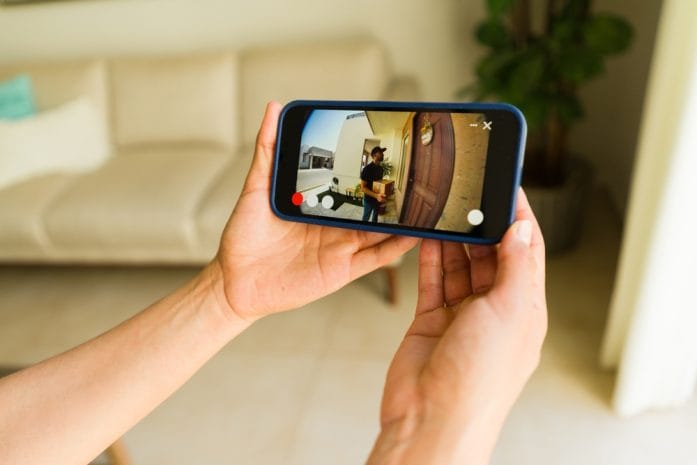
Locks on doors used to be enough. Now, physical and digital security go hand in hand. Home security systems, smart cameras, identity theft protection, and antivirus software have become standard defenses. Online banking, remote work, and digital records make personal data more vulnerable than ever. Recovering from fraud or a breach can cost far more than preventive measures. Peace of mind, it turns out, comes with a monthly fee.
Here Are 9 Expenses That Used to Be Optional but Aren’t Anymore

Image Source: Shutterstock.com

8. Professional Development And Continuing Education

Education no longer ends with a diploma. Industries evolve quickly, and staying employable often requires constant learning. Certifications, online courses, workshops, and licensing fees are now part of many careers. Employers may expect skills updates without fully covering the cost. Falling behind can mean fewer opportunities or lower pay. Investing in yourself isn’t just aspirational anymore—it’s a survival strategy.

9. Convenience Services And Time-Saving Tools

Time has become one of the most expensive resources of all. Grocery delivery, meal kits, cleaning services, and digital assistants once felt indulgent. Now they’re coping mechanisms for overloaded schedules and burnout. When work, family, and obligations collide, convenience fills the gaps. These services help people stay functional when time and energy run low. Paying for time, it turns out, is often the only way to get any back.

Living In A World Of Non-Optional Options

Modern life has quietly rewritten the definition of “essential.” Expenses that once felt elective are now woven into how we work, connect, and care for ourselves and others. Recognizing these shifts doesn’t make budgeting easier, but it does make it more honest.

Everyone’s list looks a little different depending on lifestyle and priorities. Drop your thoughts or personal experiences in the comments below and let the conversation continue.

You May Also Like…

Why Do Unexpected Expenses Always Seem to Hit at the Worst Time

Are App-Linked Budget Tools Selling Your Income Data?

3 Reasons You Can’t Afford to Lose Your Smartphone

5 Tips to Save Money on Your Smartphone Bill

What Happens When Retirement Plans Ignore Healthcare Costs


Brandon Marcus
Brandon Marcus

Brandon Marcus is a writer who has been sharing the written word since a very young age. His interests include sports, history, pop culture, and so much more. When he isn’t writing, he spends his time jogging, drinking coffee, or attempting to read a long book he may never complete.
Filed Under: Spending Habits Tagged With: childcare, Cost of living, costs, cutting expenses, digital safety, Digital Security, everyday costs, expense mindset, expense tracking, expenses, health insurance, healthcare, home security, insurance costs, internet access, mobile data, smartphone apps, smartphones, subscriptions, transportation

10 Things You Should Stop Buying to Immediately Save $500 a Month

October 12, 2025 by Travis Campbell Leave a Comment

food delivery

Image source: shutterstock.com

Most of us want to save more, but it’s easy to underestimate how much small, everyday expenses add up. If you’re looking to save $500 a month, the answer often isn’t making more money—it’s stopping certain purchases. By identifying things you don’t really need, you can redirect that cash toward your financial goals. This approach can help you build an emergency fund, pay off debt, or simply have more breathing room in your budget. If you’re ready to take control, here are ten things you should stop buying to save $500 a month, starting right now.

1. Daily Coffee Shop Drinks

Grabbing a latte or cold brew every morning can quickly eat away at your budget. If you spend $4 a day, five days a week, that’s $80 a month—just on coffee. Instead, make your coffee at home. You’ll not only save money but also avoid the temptation of pastries and snacks at the register. Stopping this one habit can make a noticeable dent in your spending each month.

2. Takeout and Food Delivery

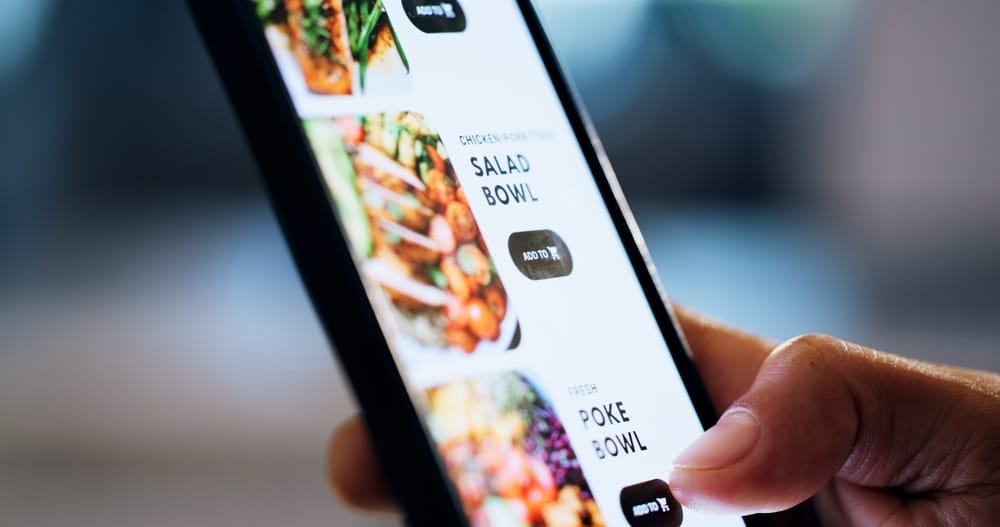
Ordering food for convenience is a major culprit when it comes to overspending. Delivery fees, tips, and inflated menu prices add up fast. Skip the delivery apps and cook more meals at home. Even replacing just two takeout meals a week with home-cooked alternatives could save you $100 or more a month.

3. Bottled Water and Single-Use Beverages

Bottled water and fancy drinks from the store are not just bad for the environment—they’re expensive. A family buying bottled water regularly can spend $30–$50 a month without realizing it. Invest in a reusable water bottle and a good filter. Over time, this small change can save you hundreds of dollars a year and help you save $500 a month faster.

4. Name-Brand Groceries

Many shoppers reach for name brands out of habit, but generic options offer the same quality for less. Switching to store brands for staples like cereal, pasta, and cleaning supplies can cut your grocery bill by 20% or more. Compare prices and don’t be afraid to try new brands. This adjustment alone can save a family $50–$100 each month.

5. Unused Subscriptions

Subscription creep is real. Streaming services, digital magazines, apps, and gym memberships you rarely use can quietly drain your wallet. Take an hour to review your statements and cancel anything you don’t use regularly. Even dropping two or three services can save you $30–$60 a month, bringing you closer to your goal of saving $500 a month.

6. Impulse Clothing Purchases

It’s easy to justify a new shirt or pair of shoes, especially with constant sales and ads. But buying clothes you don’t need is a quick way to blow your budget. Set a clothing budget or commit to a “no-buy” month. Use what you have, and only replace items when truly necessary. This can save you $50 or more every month, and you’ll still look great.

7. Premium Cable or TV Packages

Are you paying for hundreds of channels but only watching a few? Premium cable packages often cost over $100 a month. Switching to a streaming service or even using a digital antenna can cut this cost dramatically. There are plenty of affordable entertainment options that won’t sabotage your goal to save $500 a month.

8. Salon and Spa Treatments

Regular manicures, hair coloring, or spa visits feel great, but they’re expensive. A monthly salon trip can easily run $50–$100. Try at-home treatments, stretch the time between appointments, or look for student salons for discounted rates. Cutting back here can provide significant savings without sacrificing self-care.

9. Convenience Foods and Snacks

Pre-cut fruit, packaged snacks, and frozen meals are convenient but come with a hefty markup. Buy whole ingredients and prep snacks at home. Taking a few minutes to portion out your own snacks can save you $30–$60 a month. Over time, this small habit change will help you save $500 a month and eat healthier, too.

10. Tech Upgrades and Gadgets

It’s tempting to have the latest phone or gadget, but frequent upgrades are costly. Unless your device is broken or truly outdated, hold off on upgrades. Skip unnecessary accessories and extended warranties. Waiting an extra year or two between purchases can save you hundreds and keep more money in your pocket each month.

Start Saving $500 a Month Today

Reaching your savings goals doesn’t have to be complicated. When you stop buying these ten things, you can easily save $500 a month—or even more, depending on your habits. The money you free up can go toward paying off debt, investing, or building the life you want. Small changes add up faster than you think.

Remember, the key is to be intentional with your spending and keep your goals in focus.

What’s one thing you could stop buying this month to save money? Share your thoughts in the comments below!

What to Read Next…

  • 7 Tactics Grocery Stores Use to Keep You from Thinking About Price
  • Are These 7 Little Expenses Quietly Costing You Thousands a Year?
  • 6 Monthly Bills You Should Cancel Immediately Even If You Can Afford Them
  • 10 Smart Purchases That Are Slowly Making You Broke
  • Are These 8 Money Saving Tricks Actually Keeping You Broke?
Travis Campbell
Travis Campbell

Travis Campbell is a digital marketer/developer with over 10 years of experience and a writer for over 6 years. He holds a degree in E-commerce and likes to share life advice he’s learned over the years. Travis loves spending time on the golf course or at the gym when he’s not working.

Filed Under: Budgeting Tagged With: budgeting, cutting expenses, frugal living, Personal Finance, saving money

FOLLOW US

Search this site:

Recent Posts

  • Can My Savings Account Affect My Financial Aid? by Tamila McDonald
  • 12 Ways Gen X’s Views Clash with Millennials… by Tamila McDonald
  • What Advantages and Disadvantages Are There To… by Jacob Sensiba
  • Call 911: Go To the Emergency Room Immediately If… by Stephen Kanaval
  • 10 Tactics for Building an Emergency Fund from Scratch by Vanessa Bermudez
  • 7 Weird Things You Can Sell Online by Tamila McDonald
  • 10 Scary Facts About DriveTime by Tamila McDonald

Copyright © 2026 · News Pro Theme on Genesis Framework