
• Home
  • About Us
  • Getting Finances Done
    • Hiring Advisors
    • Debt Management
    • Spending Plan
  • Insurance
    • Life Insurance
    • Health Insurance
    • Disability Insurance
    • Homeowners/Renters Insurance
  • Contact Us
  • Our Editorial Commitment

The Free Financial Advisor

You are here: Home / Archives for Brandon Marcus

HOA Fees Are Jumping Without Warning — And Some Homeowners Are Paying the Price Overnight

March 31, 2026 by Brandon Marcus Leave a Comment

HOA Fees Are Jumping Without Warning — And Some Homeowners Are Paying the Price Overnight
Image Source: Unsplash.com

The bill shows up, and suddenly the math does not work anymore. Numbers that once felt manageable now stretch budgets to the breaking point, and the shock does not come from a flashy renovation or a luxury upgrade. It comes from a line item that many people assumed would stay relatively steady. HOA fees, once viewed as predictable and even boring, have started to behave more like a wildcard expense that can jump dramatically with little warning.

That shift has turned quiet neighborhoods into pressure cookers of financial stress, where residents scramble to figure out what changed and why it changed so fast. The surprise does not just sting—it reshapes monthly budgets overnight and forces tough decisions about savings, lifestyle, and even whether staying put still makes sense. This is not a niche issue tucked away in a handful of communities. It has become a widespread trend, and it demands a closer look at what drives these increases and what homeowners can actually do about them.

The Sudden Spike Nobody Saw Coming

HOA fees rarely rise for no reason, but the timing and size of increases often catch homeowners completely off guard. Associations typically set budgets annually, yet unexpected costs can force mid-year adjustments that hit without much runway. Insurance premiums have climbed sharply in many areas, and associations pass those increases straight to residents because they have no other revenue source. Maintenance costs have also surged, driven by higher labor rates and material prices, which means even routine upkeep now costs significantly more than it did just a few years ago.

Reserve funds, which associations use to cover major repairs, have also become a major pressure point. Many HOAs kept fees artificially low for years to keep residents happy, but that strategy often left reserves underfunded. When roofs need replacement or structural repairs become unavoidable, the association must either raise fees quickly or issue special assessments that demand large lump-sum payments. Neither option feels good, but both reflect years of financial decisions catching up all at once.

That combination of rising costs and past underfunding creates the perfect storm. Homeowners who never paid much attention to HOA finances suddenly find themselves facing steep increases that feel abrupt and unfair. Yet in many cases, those increases represent long-delayed corrections rather than sudden mismanagement. Understanding that distinction does not make the bill easier to pay, but it does explain why these jumps often arrive with such force.

What’s Really Driving These Fee Increases

Insurance stands out as one of the biggest culprits behind rising HOA fees, and it does not take much digging to see why. Natural disasters, rebuilding costs, and stricter underwriting standards have pushed premiums higher across the board. Associations must carry adequate coverage, so when insurers raise rates, the HOA has no choice but to absorb that cost and distribute it among homeowners. That single factor alone can trigger significant fee hikes, especially in communities with shared structures or amenities.

Utilities and services have also become more expensive, and those increases rarely grab headlines even though they hit budgets hard. Landscaping, security, waste management, and pool maintenance all cost more now, and those expenses add up quickly in larger communities. Vendors adjust pricing to match inflation and labor shortages, and associations must either pay those rates or reduce services, which often leads to resident dissatisfaction.

HOA Fees Are Jumping Without Warning — And Some Homeowners Are Paying the Price Overnight
Image Source: Unsplash.com

Then comes the issue of deferred maintenance, which acts like a ticking clock. When associations delay repairs to avoid raising fees, they often face much larger expenses later. A small crack in a foundation can turn into a major structural issue, and a roof patch can evolve into a full replacement. Those delayed decisions eventually demand action, and when they do, they often require sharp fee increases or special assessments that feel overwhelming. The result creates a cycle where past cost-saving choices lead directly to present-day financial strain.

When “Affordable Living” Starts to Feel Expensive

HOA communities often attract buyers with the promise of convenience and shared responsibility, but rising fees can quickly erode that appeal. A monthly fee that once seemed reasonable can double over time, turning a manageable expense into a significant financial burden. That shift can change how homeowners view their property, especially when the perceived value of services does not increase alongside the cost.

Buyers who stretch their budgets to enter a desirable community may feel the impact most intensely. Mortgage payments remain fixed, but HOA fees do not, and that variability can throw off carefully planned finances. Even modest increases can disrupt savings goals, while larger jumps may force difficult trade-offs involving travel, dining, or other discretionary spending. In extreme cases, homeowners may consider selling simply to regain financial stability.

The ripple effects extend beyond individual households. Rising HOA fees can influence property values, as potential buyers factor those costs into their decisions. Higher fees may limit the pool of interested buyers or push them toward communities with lower monthly obligations. That dynamic can create tension within neighborhoods, where residents want both well-maintained properties and affordable living costs, even though those goals often pull in opposite directions.

Stay Ahead of the Shock

Homeowners do not have to sit back and hope for the best when it comes to HOA fees. One of the most effective steps involves paying close attention to the association’s financial documents, including budgets, reserve studies, and meeting minutes. These records reveal how the HOA manages money and whether it prepares adequately for future expenses. Spotting warning signs early can provide valuable time to adjust personal finances or raise concerns within the community.

Getting involved in the HOA can also make a meaningful difference. Attending meetings, voting on budgets, and even serving on the board can provide insight into decision-making and help ensure transparency. Associations function best when residents stay engaged and informed, rather than treating the HOA as a distant authority that operates without input. That involvement can also foster better communication, which reduces the likelihood of unpleasant surprises.

Building a financial buffer specifically for HOA-related costs can also ease the impact of sudden increases. Setting aside extra funds each month may not feel exciting, but it creates a cushion that can absorb fee hikes or special assessments without derailing the entire budget. Homeowners who plan for variability often handle these changes with less stress, even when the numbers climb higher than expected. Preparation does not eliminate the problem, but it transforms it from a crisis into a manageable adjustment.

The Facts That Deserve More Attention

HOA fees have stepped out of the background and into the spotlight, and they demand serious attention from anyone living in or considering a managed community. These costs no longer behave like predictable line items that quietly tick along each month. They respond to real economic pressures, past financial decisions, and the ongoing challenge of maintaining shared spaces. Ignoring them or assuming they will stay stable can lead to unwelcome surprises that hit hard and fast.

Has enough attention gone into understanding what those HOA fees really cover and where they might go next? Share any thoughts, strategies, or even unexpected experiences in the comments.

You May Also Like…

What Happens When You Ignore HOA Violations

Could Ignoring HOA Fines Wreck Your Credit Score

The “Forever Home” Problem — Why More Homeowners Are Getting Stuck in Houses That No Longer Fit

The “Homeowner Lie”: Why Your House is Actually a Liability, Not an Investment in 2026

Avoid These Pitfalls: First-Time Homeownership Mistakes That Can Cost You

Brandon Marcus
Brandon Marcus

Brandon Marcus is a writer who has been sharing the written word since a very young age. His interests include sports, history, pop culture, and so much more. When he isn’t writing, he spends his time jogging, drinking coffee, or attempting to read a long book he may never complete.

Filed Under: Lifestyle Tagged With: Budgeting Tips, community living, HOA fees, HOA rules, homeowners association, homeownership, housing expenses, Planning, property fees, property management, real estate trends, rising costs

6 Ways Criminals Are Using AI to Impersonate Banks and Government Agencies

March 31, 2026 by Brandon Marcus Leave a Comment

6 Ways Criminals Are Using AI to Impersonate Banks and Government Agencies
Image Source: Pexels.com

Trust used to feel solid. A phone call from a bank sounded official, an email from a government agency looked polished, and a text message warning about suspicious activity carried real weight. That sense of certainty now faces a serious challenge, because artificial intelligence has stepped into the wrong hands and changed the rules of the game. Criminals no longer rely on sloppy grammar or obvious red flags, and they now build scams that look and sound eerily convincing. The result feels unsettling, because the very signals people once relied on to stay safe now work against them.

This shift demands attention, not panic. AI does not just speed things up for legitimate businesses; it gives scammers powerful tools to scale deception in ways that feel personal and precise. Instead of casting wide nets and hoping for a few bites, criminals now tailor their approach to mimic real institutions with frightening accuracy. That means spotting a scam requires sharper instincts and a bit more skepticism than ever before.

1. The Voice That Sounds Too Real

AI voice cloning has reached a level where a simple phone call can feel completely legitimate, and that creates a serious problem when criminals pose as bank representatives or government officials. Scammers can now generate voices that sound calm, professional, and authoritative, which removes one of the biggest warning signs people used to rely on. They often claim urgent issues like frozen accounts or suspicious transactions, pushing for quick action before doubt has time to settle in. That urgency works because the voice sounds polished and confident, not robotic or awkward. People instinctively trust tone and delivery, and AI exploits that instinct with precision.

This tactic becomes even more dangerous when scammers combine it with personal details pulled from data breaches or social media profiles. Hearing a convincing voice that already knows a name or recent activity can shake anyone’s confidence. Staying safe means slowing things down, even when the situation feels urgent. Hanging up and calling the official number listed on a bank’s website immediately removes the scammer’s advantage. Verifying through trusted channels may feel inconvenient, but it protects both money and personal information in a world where voices can no longer guarantee authenticity.

2. Emails That Pass Every Smell Test

Phishing emails have evolved far beyond the obvious scams filled with typos and strange formatting. AI now helps criminals generate emails that mirror the exact tone, branding, and structure of legitimate banks and government agencies. These messages often include accurate logos, polished language, and even context that makes them feel relevant, such as referencing tax deadlines or recent account activity. That level of detail lowers defenses because nothing looks out of place at first glance. Clicking a link or downloading an attachment then opens the door to stolen credentials or malware.

The real danger comes from how quickly these emails adapt. AI allows scammers to test different versions and refine them based on what works best, which means the quality keeps improving over time. That makes caution essential, even when an email looks flawless. Checking the sender’s address carefully, avoiding links in unsolicited messages, and logging into accounts directly through official websites all reduce risk significantly. Trust should never come from appearance alone, especially when technology can replicate appearances so convincingly.

3. Fake Websites That Feel Legit

Criminals now use AI to create websites that look almost identical to official bank portals or government service pages. These sites load quickly, display familiar layouts, and even include interactive features that mimic the real thing. A quick glance often fails to reveal anything suspicious, which makes it easy to enter sensitive information without hesitation. Once credentials get entered, scammers capture them instantly and use them to access real accounts. That process happens quietly, leaving victims unaware until damage has already occurred.

The key to avoiding this trap lies in controlling how websites get accessed. Clicking links from emails or text messages introduces unnecessary risk, especially when those links lead to carefully crafted fake pages. Typing the official website address directly into a browser or using bookmarked links keeps control in the user’s hands. Looking for secure connections and double-checking URLs also helps, although even those signals require careful attention now. A small habit change can make a huge difference when fake websites look almost perfect.

4. Text Messages That Push Panic Buttons

Text-based scams have exploded in popularity, and AI has made them sharper, faster, and more believable. Messages often claim issues like unpaid fines, suspicious account activity, or missed deliveries, and they push for immediate action. That urgency triggers quick reactions, which scammers rely on to bypass careful thinking. AI helps craft messages that feel natural and specific, avoiding the awkward phrasing that once gave scams away. The result feels like a legitimate alert rather than a random message.

These scams thrive on speed, so slowing down becomes the most effective defense. Ignoring unexpected texts and verifying claims through official apps or websites removes the pressure scammers try to create. Clicking links in text messages should never happen without absolute certainty about the sender. Blocking suspicious numbers and reporting them also helps reduce the spread of these scams. Staying calm and skeptical can turn a high-pressure moment into a controlled, safe decision.

6 Ways Criminals Are Using AI to Impersonate Banks and Government Agencies
Image Source: Pexels.com

5. Deepfake Videos That Build False Authority

AI-generated videos, often called deepfakes, have introduced a new layer of deception that feels almost surreal. Criminals can now create videos featuring realistic-looking officials or executives delivering messages that appear authentic. These videos might announce policy changes, urgent financial actions, or new procedures, all designed to manipulate trust. Seeing a face and hearing a voice together creates a powerful sense of credibility, which makes these scams especially effective. People tend to believe what they can see, and deepfakes exploit that instinct in a big way.

This tactic remains less common than emails or texts, but it continues to grow as technology improves. Recognizing that video content can be manipulated helps maintain a healthy level of skepticism. Verifying announcements through official websites or trusted news sources provides a reliable way to confirm legitimacy. Sharing suspicious videos without verification can spread misinformation quickly, so caution matters not just for personal safety but for others as well. Awareness turns this emerging threat into something manageable rather than overwhelming.

6. AI Chatbots That Pretend to Help

Customer service chatbots have become a normal part of online experiences, and scammers have taken notice. AI allows criminals to build chat interfaces that mimic real support systems, complete with polite responses and helpful instructions. These fake chatbots often appear on fraudulent websites or through links in phishing messages, guiding users through processes that lead to stolen information. The interaction feels smooth and professional, which lowers suspicion and encourages cooperation. That sense of ease makes the scam even more effective.

Protecting against this tactic involves staying mindful of where conversations begin. Engaging with customer support only through official websites or verified apps ensures that the interaction remains legitimate. Avoiding the sharing of sensitive information in unfamiliar chat interfaces also reduces risk significantly. If something feels off, ending the conversation and reaching out through official channels provides clarity. Trust should always come from verified sources, not from how polished a conversation feels.

Staying One Step Ahead

AI has changed the scam landscape, but it has not made people powerless. Awareness, patience, and a few smart habits can shut down even the most convincing impersonation attempts. Trust should come from verification, not from appearances, voices, or urgency. Taking an extra moment to double-check information can prevent hours, days, or even months of dealing with the fallout of a successful scam. That shift in mindset turns technology from a threat into something manageable.

Which of these tactics feels the most surprising or concerning, and what strategies have worked best for staying safe? Let’s hear your thoughts, ideas, or even close calls in the comments.

You May Also Like…

8 Scam Messages That Look Official — But Aren’t

7 New Scam Tactics That Look Real — And Are Still Fooling Americans

Is Your Neighborhood Being Targeted by Real Estate Scammers?

10 Quiet Retirement Scams Targeting Women Who Just Got Divorced

7 Everyday Mistakes That Invite Cybercriminals Into Your Life

Brandon Marcus
Brandon Marcus

Brandon Marcus is a writer who has been sharing the written word since a very young age. His interests include sports, history, pop culture, and so much more. When he isn’t writing, he spends his time jogging, drinking coffee, or attempting to read a long book he may never complete.

Filed Under: scams Tagged With: AI scams, Consumer Protection, cybersecurity, deepfake, Digital Security, financial safety, fraud prevention, identity theft, online scams, phishing, scam awareness, Tech Trends

6 Online Habits That Quietly Expose Your Financial Information

March 31, 2026 by Brandon Marcus Leave a Comment

6 Online Habits That Quietly Expose Your Financial Information
Image Source: Shutterstock.com

An unlocked door does not always look like an unlocked door. Sometimes it looks like a quick login, a harmless post, or a saved password that feels like a shortcut instead of a risk. The internet thrives on convenience, and that convenience often comes wrapped in quiet trade-offs that most people never stop to question. Every click, every autofill, and every shared detail creates a tiny trail that can lead somewhere far more serious than expected.

Financial information rarely gets exposed in one dramatic moment. It slips out gradually through everyday habits that feel routine, safe, and even smart. That’s what makes this topic so important and, honestly, a little unsettling. Once these habits come into focus, they become much easier to fix.

1. The Password Comfort Zone That Isn’t Comfortable at All

Reusing passwords across multiple accounts feels efficient, organized, and oddly satisfying, especially when everything just works without a reset email interrupting the day. That sense of ease hides a massive vulnerability, because one compromised account can unlock several others in seconds. Hackers rely on this exact behavior, often using automated tools that test stolen passwords across banking sites, shopping platforms, and email accounts. Once they find a match, they move fast and quietly. No alarms, no dramatic warnings, just access.

Password managers offer a much safer alternative, even if they seem like an extra step at first. They generate strong, unique passwords for every account and store them securely, which removes the mental load of remembering dozens of combinations. Two-factor authentication adds another layer, forcing a second verification step that blocks unauthorized access even if a password leaks. Simple tweaks like avoiding personal details in passwords and updating them regularly can also make a huge difference. This habit alone can close one of the biggest gaps in online security.

2. Public Wi-Fi: The Digital Coffee Shop Trap

Free Wi-Fi feels like a win every single time, especially when it saves mobile data or speeds up a quick task. Unfortunately, public networks often lack proper encryption, which means anyone with the right tools can intercept data moving across that connection. That includes login credentials, payment details, and even private messages. It does not take a high-level hacker to exploit this either, which makes the risk far more widespread than most people realize.

Using a virtual private network (VPN) creates a secure tunnel for internet activity, making it much harder for anyone to snoop on sensitive information. Avoiding financial transactions or account logins on public Wi-Fi adds another layer of safety. Even something as simple as turning off automatic Wi-Fi connections can prevent devices from joining risky networks without notice. These steps might sound cautious, but they quickly become second nature and dramatically reduce exposure.

3. Oversharing on Social Media: More Than Just Likes and Comments

Social media platforms encourage sharing, celebrating, and documenting everyday life, but they also create a goldmine of personal information. Details like birthdays, hometowns, workplaces, and even pet names can help attackers guess security questions or build convincing phishing messages. A seemingly harmless post can provide just enough context to make a scam feel legitimate and trustworthy. That’s where the real danger lies.

Adjusting privacy settings can limit who sees personal information, but awareness plays an even bigger role. Avoid posting details that tie directly to financial accounts or identity verification questions. Keeping location tagging to a minimum and thinking twice before sharing milestones can also reduce risk. Social media should feel fun and expressive, not like a blueprint for identity theft. A little restraint goes a long way without taking away the enjoyment.

6 Online Habits That Quietly Expose Your Financial Information
Image Source: Shutterstock.com

4. Auto-Save Features That Know Too Much

Browsers and apps love to offer convenience through auto-saving passwords and payment details. One click, and everything fills in instantly, which feels like magic during a busy day. That same convenience can turn risky if someone gains access to the device or if malware sneaks in. Stored information becomes an easy target, especially when devices lack strong security measures like encryption or passcodes.

Switching to a dedicated password manager instead of relying on browser storage adds a stronger layer of protection. Disabling auto-save for payment information and manually entering details when needed can also reduce exposure. Regularly reviewing saved data and clearing anything unnecessary keeps things tidy and safer. These small adjustments might add a few extra seconds to a task, but they significantly cut down on risk.

5. Clicking First, Thinking Later: The Phishing Problem

Phishing attacks have become incredibly convincing, often mimicking legitimate companies with impressive accuracy. Emails, texts, and even social media messages can carry links that lead to fake login pages designed to capture credentials. One quick click can hand over sensitive information without any obvious warning signs. That split-second decision can open the door to financial loss.

Taking a moment to verify links before clicking changes everything. Hovering over URLs, checking for slight misspellings, and going directly to official websites instead of using embedded links can prevent trouble. Suspicious messages that create urgency or fear should always raise a red flag. Deleting them or reporting them keeps things clean and reduces the chance of falling into a trap. A cautious mindset beats a rushed reaction every time.

6. Ignoring Software Updates Like They’re Optional

Software updates often show up at the worst possible time, interrupting work or delaying plans. That annoyance leads many people to hit “remind me later” again and again. Behind the scenes, those updates fix security vulnerabilities that attackers actively look for and exploit. Skipping updates leaves systems exposed in ways that feel invisible but carry real consequences.

Turning on automatic updates removes the hassle and ensures devices stay protected without constant attention. Keeping apps, operating systems, and even routers up to date closes known security gaps quickly. It also improves overall performance, which adds a nice bonus to the effort. Treating updates as essential rather than optional shifts the entire approach to digital safety.

The Quiet Habits That Make the Loudest Impact

Every online action leaves a trace, but not every trace needs to lead somewhere dangerous. Small, consistent habits shape the level of protection far more than any single dramatic change ever could. Strengthening passwords, avoiding risky networks, and staying mindful of shared information create a solid foundation that keeps financial data out of the wrong hands. None of these steps require expert-level knowledge, just a willingness to pay attention and adjust.

Which of these habits feels the hardest to break, and what strategies have worked to keep personal information secure? Drop some thoughts, tips, or even cautionary tales in the comments—there’s always something new to learn from each other.

You May Also Like…

4 Indispensable Tools for Backtesting Investment Theories Swiftly

Did You Know Turning Off Your Wi-Fi Router at Night Can Save You Money?

Why IRS Payment Plans Still Default After Missed Online Notices

Why Free Online Checking Continues to Beat Traditional Banks

Is Your “Little Treat” Habit Costing You $2,500 a Year? The Real Spending Math

Brandon Marcus
Brandon Marcus

Brandon Marcus is a writer who has been sharing the written word since a very young age. His interests include sports, history, pop culture, and so much more. When he isn’t writing, he spends his time jogging, drinking coffee, or attempting to read a long book he may never complete.

Filed Under: Finance Tagged With: cybersecurity, data protection, digital privacy, Financial Security, identity theft, internet habits, Online Safety, Online shopping, passwords, Personal Finance, scams, social media safety

Retirees Are Rethinking Second Homes — Why the “Snowbird Lifestyle” Is Getting Too Expensive

March 30, 2026 by Brandon Marcus Leave a Comment

Retirees Are Rethinking Second Homes — Why the “Snowbird Lifestyle” Is Getting Too Expensive
Image Source: Shutterstock.com

A beachfront condo in January once symbolized the ultimate retirement victory. Sun on the patio, coffee in hand, and not a snow shovel in sight felt like the reward for decades of hard work. That image still holds power, but the numbers behind it now raise eyebrows instead of smiles. Retirees who once jumped at the chance to own a second home in warmer climates now pause, run the math again, and sometimes walk away entirely. The “snowbird lifestyle” still sparkles on the surface, but beneath it sits a growing pile of expenses that refuse to stay quiet.

The shift does not come from a lack of desire, because the appeal of escaping winter remains strong and timeless. Instead, it comes from a new financial reality that feels heavier with every passing year. Property taxes climb, insurance premiums spike, and maintenance costs refuse to stay predictable. Add in rising travel expenses and fluctuating exchange rates, and the once-simple dream starts to look like a full-time financial commitment. Retirees now approach second homes with sharper questions, stricter budgets, and a willingness to rethink what “living the dream” really means.

When Paradise Comes With Property Taxes and Paperwork

Owning a second home used to feel like a straightforward upgrade, but today it behaves more like a second job with a hefty price tag. Property taxes in many popular warm-weather destinations have increased steadily, and some regions have seen sharp jumps due to booming real estate markets. Retirees who locked in homes years ago now face reassessments that push annual costs far beyond what they originally expected. Insurance adds another layer of stress, especially in areas prone to hurricanes, floods, or wildfires, where premiums have surged or coverage has become harder to secure. That combination alone can turn a relaxing getaway into a source of constant financial calculation.

Maintenance does not take a vacation either, and it demands attention whether the home sits occupied or empty. Roof repairs, plumbing issues, and general upkeep costs continue to rise, and hiring reliable help from afar adds another layer of complexity. Some retirees try to offset expenses by renting out their property, but that strategy brings its own set of responsibilities, from managing bookings to dealing with wear and tear. Regulations around short-term rentals have tightened in many areas, making it harder to rely on rental income as a safety net. The result leaves many retirees asking a simple but powerful question: does the convenience of ownership still outweigh the constant demands?

Travel Isn’t Cheap Anymore—And It Changes Everything

The snowbird lifestyle depends heavily on mobility, and that mobility has become noticeably more expensive. Airfare prices have climbed, fuel costs fluctuate unpredictably, and even road trips carry higher expenses than they once did. Retirees who once hopped between homes with ease now plan trips more carefully, sometimes reducing how often they travel between locations. That shift alone changes the rhythm of the lifestyle, turning what once felt flexible into something that requires more coordination and budgeting.

Longer stays might seem like a solution, but they introduce their own challenges, especially when family, healthcare, and social connections remain tied to a primary residence. Extended time away can complicate medical care, insurance coverage, and even access to trusted providers. Travel insurance and healthcare considerations add yet another line item to the budget, making each trip feel more like a calculated decision than a spontaneous escape. The freedom that defined the snowbird lifestyle starts to feel more structured, and that subtle shift plays a major role in why some retirees rethink the entire setup.

Renting, Downsizing, or Roaming—New Ways to Chase the Sun

Retirees have not abandoned the idea of warm winters, but they have started to approach it with more flexibility and creativity. Renting instead of owning has gained serious traction, offering the chance to enjoy different locations without the long-term financial commitment. Seasonal rentals allow retirees to test out new destinations, adapt to changing preferences, and avoid the headaches of maintenance and property management. That freedom appeals to those who value experiences over ownership, especially when costs continue to rise.

Downsizing also plays a key role in reshaping the snowbird strategy. Some retirees choose to sell larger primary homes and move into smaller, more manageable spaces, freeing up funds for travel or seasonal stays. Others take things a step further and embrace a more nomadic lifestyle, hopping between short-term rentals, extended stays, or even RV travel. These alternatives offer a sense of adventure while keeping financial obligations more predictable. The traditional second home no longer stands as the only path to a warm winter, and that shift opens the door to more personalized and adaptable lifestyles.

Retirees Are Rethinking Second Homes — Why the “Snowbird Lifestyle” Is Getting Too Expensive
Image Source: Shutterstock.com

The Emotional Side of Letting Go of a Long-Held Dream

Walking away from the idea of a second home does not feel purely financial, because it often carries emotional weight tied to years of anticipation and planning. Many retirees spent decades imagining a specific version of retirement, complete with a familiar spot in the sun. Letting go of that vision can feel like giving up a reward that once seemed guaranteed. That emotional layer makes the decision more complex than a simple cost-benefit analysis, especially when memories, aspirations, and identity all come into play.

At the same time, many retirees discover that letting go of the traditional model opens up new opportunities that feel just as fulfilling, if not more so. Without the burden of ownership, they gain the freedom to explore new places, try different lifestyles, and adapt to changing needs without feeling tied down. That flexibility often brings a renewed sense of excitement, turning retirement into a period of exploration rather than routine. The dream does not disappear; it simply evolves into something that fits better with today’s realities and priorities.

Rethinking Retirement Without Losing the Joy

The snowbird lifestyle has not vanished, but it has transformed into something more flexible, more intentional, and often more creative. Retirees now weigh costs with greater care, explore alternatives with more curiosity, and redefine what comfort and freedom look like in this stage of life. Owning a second home still works for some, especially those with the financial cushion to absorb rising expenses, but it no longer stands as the default path. Renting, downsizing, or embracing a more mobile lifestyle offers viable and appealing options that keep the spirit of the dream alive without the same level of financial strain.

Does owning a second home still feel like the right move, or does a more flexible approach sound like a better fit? Share thoughts, strategies, or experiences in the comments.

You May Also Like…

Retirement Accounts Are Triggering Unexpected Taxes — What Some Investors Overlook

7 Alternative Investments That Outperformed the S&P 500 in 2025

More Retirees Are “Aging in Place” — But Many Homes Aren’t Built for It

Why More Retirees Are Being Flagged for “Excess Assets” by Benefit Programs

7 Sun Belt Retirement Towns Seeing Significant Price Corrections

Brandon Marcus
Brandon Marcus

Brandon Marcus is a writer who has been sharing the written word since a very young age. His interests include sports, history, pop culture, and so much more. When he isn’t writing, he spends his time jogging, drinking coffee, or attempting to read a long book he may never complete.

Filed Under: Retirement Tagged With: Cost of living, downsizing, Housing Market, Inflation, Planning, real estate trends, retirees, retirement planning, second homes, snowbird lifestyle, travel lifestyle, vacation homes

6 Government Benefit Checks That Could Be Delayed Under New Fraud Reviews

March 30, 2026 by Brandon Marcus Leave a Comment

6 Government Benefit Checks That Could Be Delayed Under New Fraud Reviews
Image Source: Shutterstock.com

The words “payment delay” hit differently when bills sit on the kitchen counter and due dates refuse to move. New fraud review systems promise tighter security, but they also bring a wave of uncertainty for millions who rely on steady government support. The goal sounds simple enough—stop fraud before it drains public funds—but the ripple effects could reach far beyond the people trying to game the system.

This shift does not creep in quietly. Agencies across the board now lean harder into verification checks, identity confirmations, and cross-referenced data systems that slow down processing times. That means some benefit payments could take longer to arrive, even for those who follow every rule and file everything correctly.

1. Social Security Payments Could Hit Unexpected Speed Bumps

Social Security payments anchor the financial stability of millions, which makes any hint of delay feel like a major disruption rather than a minor inconvenience. Fraud reviews now require additional identity verification checks, especially when accounts show recent updates or changes in banking details. Even small edits, like updating an address or switching direct deposit accounts, can trigger extra scrutiny that slows down payment processing. These reviews aim to catch suspicious activity early, but they also place legitimate claims under a microscope.

That extra layer of verification may stretch processing times beyond the usual schedule, particularly during peak periods or after policy updates. People who rely on these payments for essentials like rent, groceries, and medication could feel the pressure quickly if delays pop up. Staying proactive helps reduce risk, so keeping account details accurate and avoiding last-minute changes can make a difference. Setting up alerts and checking account status regularly adds another layer of control. When systems move more slowly, preparation becomes the strongest tool available.

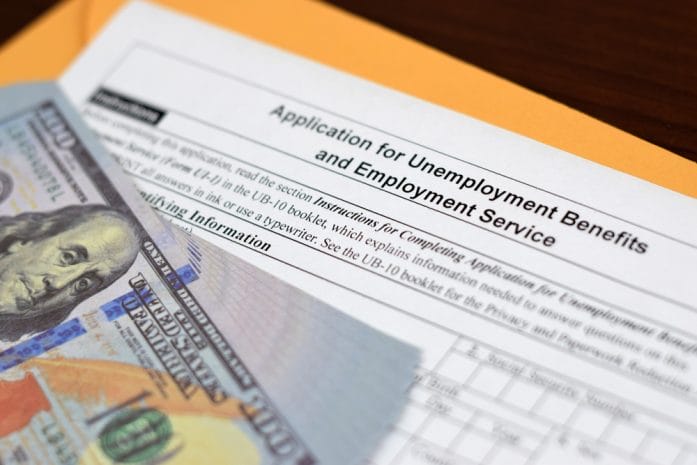
2. Unemployment Benefits Face More Intensive Screening

Unemployment benefits already come with layers of paperwork, but new fraud prevention measures raise the bar even higher. Agencies now cross-check employment records, wage data, and identity details more aggressively, which can stretch approval timelines. Claims that once moved quickly may now sit in review longer, especially if discrepancies show up in reported income or job separation details. Even minor mismatches can send a claim into a deeper review cycle.

These changes aim to reduce fraudulent claims that surged in recent years, but they also increase friction for legitimate applicants. Filing claims accurately and providing complete documentation from the start can help avoid unnecessary delays. Keeping records of past employment, pay stubs, and termination details ready to upload can speed things along. Consistency matters more than ever, so double-checking every entry before submission becomes essential. When reviews tighten, accuracy becomes the fastest path forward.

3. Disability Payments Could See Longer Verification Times

Disability benefits depend heavily on documentation, and fraud reviews now demand even more thorough validation of medical and personal records. Agencies may request additional proof or re-evaluate existing files more frequently, especially if something appears inconsistent or outdated. That added scrutiny can slow down both new applications and ongoing payments. Reviews that once occurred periodically may now happen more often, adding another layer of uncertainty.

People receiving disability payments often rely on predictable timelines, so any disruption can create immediate challenges. Staying ahead of documentation requirements can help reduce delays, particularly when medical records remain current and complete. Regularly updating information and responding quickly to requests can keep the process moving. Communication plays a key role here, since missed notices or incomplete responses can extend review times significantly. When the system asks for more proof, quick action keeps things from stalling.

6 Government Benefit Checks That Could Be Delayed Under New Fraud Reviews
Image Source: Shutterstock.com

4. Tax Credits and Refunds May Take Longer to Arrive

Tax season already tests patience, but fraud checks now stretch that waiting game even further. Credits like the Earned Income Tax Credit and Child Tax Credit often trigger additional reviews because they involve larger payouts and higher fraud risk. The system may flag returns for identity verification or income confirmation, especially if something changes from previous filings. Even accurate returns can land in review simply due to updated fraud detection algorithms.

That means refunds may take weeks longer than expected, which can disrupt plans that depend on that money. Filing early, using consistent information, and avoiding errors can reduce the chance of a delay. Electronic filing and direct deposit still offer the fastest routes, even with added checks in place. Keeping documentation handy in case verification becomes necessary can also prevent further setbacks. When timing matters, preparation turns into a powerful advantage.

5. SNAP and Food Assistance Programs Under Closer Watch

Food assistance programs like SNAP now face increased oversight as agencies work to prevent misuse. Verification processes may include stricter income checks, household composition reviews, and periodic eligibility confirmations. These steps can delay approvals for new applicants and slow down benefit renewals for existing participants. Even routine updates can trigger additional reviews that extend processing timelines.

For households that rely on these benefits for daily meals, delays can create immediate stress. Keeping records updated and reporting changes promptly can help minimize interruptions. Submitting renewal applications early provides extra time for any unexpected reviews. Staying organized with documentation like pay stubs and household details can also speed up the process if verification requests appear. When systems tighten, staying one step ahead becomes essential for maintaining consistent support.

6. Stimulus-Style Payments Could Get Extra Scrutiny

Whenever governments issue large-scale payments, fraud prevention moves front and center, and that focus brings added review layers. Stimulus-style payments, rebates, or emergency financial assistance programs often attract strict verification processes to ensure funds reach the right people. That can slow down distribution, especially when agencies cross-check eligibility against multiple data sources. Even small discrepancies in records can trigger delays that push payments further down the timeline.

These programs usually aim to deliver quick relief, but fraud checks can stretch that timeline unexpectedly. Ensuring tax filings, income records, and personal information stay consistent across systems can help reduce complications. Responding quickly to any verification requests can also prevent further delays. While the goal remains to protect funds, the process often demands patience from those waiting for assistance. Planning ahead for possible delays can ease some of that uncertainty.

Stay Ready, Stay Informed, & Stay One Step Ahead

Fraud prevention efforts bring a clear goal—protect public funds—but they also introduce real-world challenges for anyone relying on government benefits. Delays may not hit every payment, but the possibility now sits firmly on the table across multiple programs. That reality makes preparation more important than ever, especially when timing affects daily life. Keeping records updated, filing accurately, and responding quickly to requests can make a noticeable difference when reviews tighten.

What strategies have worked to keep payments on track, or what concerns stand out most about these new reviews? Let’s hear your thoughts, tips, or experiences in the comments.

You May Also Like…

Charity Strategy: 9 Giving Moves That Bring Tax Benefits Many People Ignore

6 Smart Strategies for Maximizing HSA Benefits Exponentially

Insurance Costs Are Quietly Reshaping Where Americans Can Live — And Some Are Being Priced Out

5 Subtle Estate-Tax Traps the Government Quietly Introduced

9 Benefits You Lose As An Independent Contractor

Brandon Marcus
Brandon Marcus

Brandon Marcus is a writer who has been sharing the written word since a very young age. His interests include sports, history, pop culture, and so much more. When he isn’t writing, he spends his time jogging, drinking coffee, or attempting to read a long book he may never complete.

Filed Under: Lifestyle Tagged With: benefits delays, delayed payments, disability payments, fraud checks, government benefits, income support, Planning, public assistance, Social Security, stimulus checks, tax credits, unemployment benefits

Still Haven’t Received Your Refund? Why Some Filers Are Waiting Longer Than Ever

March 30, 2026 by Brandon Marcus Leave a Comment

Still Haven't Received Your Refund? Why Some Filers Are Waiting Longer Than Ever
Image Source: Shutterstock.com

The waiting game has officially become the most frustrating sport of the year. Tax season always promises quick turnarounds and smooth deposits, yet a growing number of filers keep refreshing their bank apps with zero results. The expectation feels simple: file taxes, get refund, move on. Reality, though, looks far messier, and the gap between expectation and outcome has never felt wider.

That delay doesn’t come from thin air. A mix of policy changes, staffing issues, and good old-fashioned human error continues to slow things down behind the scenes. The system hasn’t collapsed, but it definitely feels like it’s limping at times. Knowing what’s actually going on can turn that frustration into something far more useful—control. Because while no one can force a refund to arrive faster overnight, a few smart moves can make a noticeable difference.

Why the “21-Day Refund” Promise Doesn’t Always Hold Up

The well-known 21-day timeline still exists, but it only applies to a specific group of returns that meet strict criteria. Anyone who files electronically, avoids errors, and chooses direct deposit typically lands in that faster lane. The moment anything complicates the return, that timeline starts to stretch. A missing form, a mismatched number, or even a simple typo can push a return out of the automated system and into manual review.

Manual review changes everything. Once a return leaves the automated pipeline, an actual person needs to step in and verify the details. That process takes time, especially when agencies deal with high volumes. Staffing shortages continue to create bottlenecks, which means even minor issues can sit in a queue longer than expected. The system prioritizes accuracy over speed, so delays often reflect caution rather than dysfunction.

Certain tax credits also slow things down by design. Returns that claim credits like the Earned Income Tax Credit or the Additional Child Tax Credit go through extra verification steps. These safeguards aim to prevent fraud, but they also extend processing times for legitimate claims. Filing early doesn’t always guarantee faster results when those credits enter the picture, which catches many people off guard.

Timing matters more than most expect. Submitting a return during peak filing weeks can increase the chance of delays simply due to volume. Early February and late March tend to create heavy traffic, and that surge can overwhelm even a well-functioning system. Choosing a quieter filing window sometimes makes a noticeable difference, especially for those who want to avoid unnecessary slowdowns.

Small Mistakes, Big Delays: What Trips Up Your Return

Tiny errors carry surprisingly large consequences during tax season. A misspelled name or an incorrect Social Security number can trigger an automatic rejection or force manual intervention. These issues sound simple, but they often require verification steps that slow everything down. Double-checking every detail before submitting a return saves more time than any shortcut ever could.

Banking information causes another common headache. Entering the wrong account or routing number doesn’t just delay a refund—it can send it to the wrong place or cause it to bounce back entirely. That mistake creates a chain reaction of corrections that can take weeks to resolve. Accuracy in this section matters just as much as accuracy in income reporting, even though it often gets less attention.

Incomplete forms create another major hurdle. Missing schedules or failing to include required documentation can flag a return for further review. That doesn’t mean the return gets rejected outright, but it does mean the process slows down significantly. Filing software helps catch many of these issues, but it doesn’t catch everything, especially when users skip prompts or rush through sections. Name mismatches between tax returns and official records also create delays that frustrate many filers. A recent name change that hasn’t been updated with the Social Security Administration can trigger a hold. That situation often surprises people who assume their records stay consistent across systems. Taking a moment to confirm that all official documents match can prevent that headache entirely.

What’s Slowing the System Down

The tax system doesn’t operate in a vacuum, and recent years have placed serious pressure on its infrastructure. Staffing shortages continue to impact processing times, especially during peak filing season. Fewer workers handling more returns creates an unavoidable backlog. That reality affects even perfectly filed returns, which explains why some delays feel unpredictable.

Technology also plays its part. While modernization efforts continue, parts of the system still rely on older processes that can’t keep up with today’s volume. Updating those systems takes time, funding, and coordination, so improvements don’t happen overnight. Until those upgrades fully roll out, occasional slowdowns remain part of the landscape.

Fraud prevention measures have also intensified, and that creates a trade-off between speed and security. The system now flags more returns for verification to prevent identity theft and fraudulent claims. That added scrutiny protects taxpayers in the long run, but it also means more returns undergo additional checks. Those checks take time, even when everything looks legitimate. Policy changes and new credits can complicate things further. Whenever new rules enter the mix, the system needs to adapt, and that adjustment period can slow processing. Tax agencies often update procedures mid-season to reflect new legislation, which can create temporary confusion or delays. That doesn’t mean the system breaks—it just means it needs time to catch up.

High filing volumes always create pressure, but recent years have pushed that pressure to new levels. More people file electronically than ever before, which sounds efficient but still requires robust systems to handle the demand. When millions of returns hit the system at once, even small inefficiencies can create noticeable delays.

Smart Moves That Can Actually Speed Things Up

Speeding up a refund starts with preparation, not luck. Gathering all necessary documents before filing reduces the risk of missing information. That includes income forms, deduction records, and any documents tied to tax credits. A complete return moves through the system more smoothly than one that needs follow-up.

E-filing remains the single most effective way to avoid delays. Electronic submissions move faster, face fewer errors, and integrate directly into processing systems. Pairing e-filing with direct deposit creates the fastest possible route from submission to payment. Paper filing, while still available, almost guarantees a longer wait.

Tracking tools also help manage expectations. The IRS “Where’s My Refund?” tool provides updates on processing status, which can reduce uncertainty. Checking that tool once a day offers enough insight without adding unnecessary stress. Constantly refreshing it won’t speed things up, but it can definitely raise frustration levels. Filing early can help, but timing matters. Submitting a return before peak season reduces competition within the system. Late-season filings often face heavier traffic, which increases the chance of delays. Planning ahead and filing during quieter periods can improve turnaround times.

Finally, responding quickly to any IRS notices can keep things moving. If the agency requests additional information, providing it as soon as possible prevents further delays. Ignoring those requests or waiting too long can stall the process even more. Staying proactive turns a potential setback into a manageable step.

Still Haven't Received Your Refund? Why Some Filers Are Waiting Longer Than Ever
Image Source: Shutterstock.com

The Waiting Game Isn’t Random—It’s Fixable

Waiting for a tax refund feels personal, but the reasons behind delays follow clear patterns. Errors, verification checks, and system pressures all play a role, and none of them operate randomly. Understanding those factors makes the process feel less mysterious and far more manageable. A few careful steps can reduce delays, even if they can’t eliminate them entirely.

Control starts with awareness. Filing accurately, choosing electronic options, and staying alert to potential issues can shift the experience in a better direction. That doesn’t guarantee instant results, but it does stack the odds in favor of a smoother process. And when delays do happen, knowing the cause can take some of the edge off that frustration.

So what’s been your experience this year? Still waiting, or did everything arrive right on time? Share what worked, what didn’t, and any strategies that helped speed things up.

You May Also Like…

Retirement Accounts Are Triggering Unexpected Taxes — What Some Investors Overlook

Refunds Are Being Frozen Over Missing Bank Details — And Some Filers Won’t Get Paid for Weeks

Stop Celebrating Your Tax Refund: You Just Gave the Government a Interest-Free Loan

The Verizon $20 Trap: Why That “Outage Refund” Text Message Could Wipe Out Your Bank Account

Are We Allowed to Ask for a Full Refund If Their Performance Sucks?

Brandon Marcus
Brandon Marcus

Brandon Marcus is a writer who has been sharing the written word since a very young age. His interests include sports, history, pop culture, and so much more. When he isn’t writing, he spends his time jogging, drinking coffee, or attempting to read a long book he may never complete.
Filed Under: tax tips Tagged With: filing errors, IRS delays, IRS processing, Personal Finance, refund delays, refund status, refund tracking, tax filing tips, tax refunds, tax returns, tax season 2026, taxes

7 Hidden Costs That Are Eating Away at Retirement Income

March 30, 2026 by Brandon Marcus Leave a Comment

7 Hidden Costs That Are Eating Away at Retirement Income
Image Source: Shutterstock.com

Retirement doesn’t fail in dramatic fashion. It rarely crashes and burns in one catastrophic moment that sends alarm bells ringing. Instead, it erodes slowly, almost politely, with small expenses nibbling away at carefully built savings until the numbers stop adding up the way they once did. That polished retirement plan that looked airtight on paper can lose its shine when real life steps in and starts charging admission.

That reality doesn’t need to feel discouraging, though—it should feel empowering. Knowing where money quietly slips away gives anyone a chance to push back and reclaim control. The goal isn’t perfection or extreme frugality; it’s awareness with a bit of strategy sprinkled on top. These hidden costs don’t announce themselves, but once they show up on the radar, they become much easier to manage. Let’s dig into the ones that tend to do the most damage.

1. Healthcare Isn’t Just Expensive—It’s Relentless

Healthcare doesn’t simply sit still in retirement; it keeps moving, growing, and occasionally surprising even the most prepared planners. Many people account for insurance premiums, but they often underestimate the ongoing parade of out-of-pocket costs like co-pays, prescriptions, dental work, vision care, and specialized treatments. Those smaller bills don’t look intimidating on their own, but they stack up quickly and refuse to take a break. A single unexpected procedure can throw off a monthly budget that once felt comfortable.

Long-term care deserves a spotlight of its own because it can reshape finances almost overnight. Assisted living, in-home care, or nursing facilities carry significant price tags that many plans don’t fully absorb. Insurance helps, but it rarely covers everything, and gaps can grow wide. Planning ahead with dedicated savings or long-term care insurance can soften that blow, but ignoring it creates risk that compounds over time. Staying proactive with preventative care also reduces long-term costs, even though it requires consistency and attention.

Healthcare inflation adds another layer that many people underestimate. Costs tend to rise faster than general inflation, which means today’s estimates won’t hold steady over the next decade. Building flexibility into a retirement plan makes a huge difference here. Setting aside a buffer specifically for medical expenses keeps surprises from turning into crises. Regularly reviewing insurance coverage and comparing plans can also uncover savings that many overlook year after year.

2. Taxes Don’t Retire When You Do

Income might change in retirement, but taxes don’t pack up and leave. Withdrawals from retirement accounts like traditional IRAs and 401(k)s still count as taxable income, and that reality can catch people off guard. Many assume that a lower income automatically leads to a lower tax bill, but required minimum distributions can push income higher than expected. That shift can even bump retirees into higher tax brackets if they don’t plan withdrawals carefully.

Social Security benefits also come with a tax twist that surprises many. Depending on total income, a portion of those benefits can become taxable, which adds another layer of complexity. Coordinating withdrawals between different account types—taxable, tax-deferred, and tax-free—can help control that burden. A thoughtful withdrawal strategy can stretch retirement income further without requiring drastic lifestyle changes.

Property taxes deserve attention too, especially for homeowners who plan to stay put long-term. Local governments adjust rates, and rising property values can drive bills higher even when income stays fixed. Some areas offer relief programs or exemptions for retirees, but those benefits often require proactive applications. Staying informed and reviewing tax strategies regularly can prevent unnecessary strain and keep more money available for everyday living.

3. Inflation: The Slow Burn That Never Stops

Inflation doesn’t knock loudly, but it quietly reshapes purchasing power year after year. What feels affordable today may feel noticeably heavier a decade into retirement. Groceries, utilities, transportation, and entertainment all creep upward in cost, and that steady climb can outpace fixed income streams. Even modest inflation rates can erode buying power significantly over a long retirement.

Many retirement plans rely on conservative estimates, but those estimates can fall short when inflation accelerates. Investments that generate growth become essential to offset that erosion. Keeping a portion of a portfolio in assets that historically outpace inflation helps maintain balance. Playing it too safe with all-cash or low-yield investments can actually increase long-term risk.

Adjusting spending habits along the way helps counteract inflation without sacrificing quality of life. Reviewing recurring expenses, renegotiating service contracts, and exploring alternatives can keep costs manageable. Staying flexible and open to small lifestyle tweaks makes a big difference over time. Inflation doesn’t need to win—it just needs to be acknowledged and addressed with intention.

4. Helping Family Can Come With a Price Tag

Supporting family often feels natural, but it can quietly reshape retirement finances in ways that don’t always show up in initial plans. Financial gifts, helping with education costs, or stepping in during emergencies can add up quickly. Many retirees prioritize family support, which speaks to strong values, but those contributions need boundaries to avoid long-term strain.

Adult children may face economic challenges that lead to ongoing support rather than one-time assistance. That shift can turn occasional help into a recurring expense that chips away at savings. Clear communication and realistic limits protect both sides of the relationship. Generosity works best when it aligns with a sustainable plan.

Grandchildren can also bring joy—and unexpected costs. Contributions to education funds, travel expenses for visits, or covering extracurricular activities can stretch budgets further than anticipated. Setting aside a specific “family support” fund within a retirement plan keeps these expenses from spilling into essential living costs. That approach allows for generosity without sacrificing financial stability.

7 Hidden Costs That Are Eating Away at Retirement Income
Image Source: Shutterstock.com

5. Housing Costs Don’t Freeze in Place

Owning a home in retirement doesn’t eliminate housing expenses; it simply changes their shape. Maintenance, repairs, insurance, and property taxes continue to demand attention, and those costs can increase as homes age. A new roof, plumbing issues, or appliance replacements can appear suddenly and require immediate funding. These expenses don’t follow a predictable schedule, which makes them easy to underestimate.

Downsizing often gets pitched as a solution, but it doesn’t always deliver instant savings. Moving costs, real estate fees, and higher prices in desirable retirement areas can offset expected benefits. Even smaller homes come with ongoing expenses that require careful budgeting. Evaluating total costs rather than just square footage helps avoid surprises.

Renters face their own version of uncertainty with rising rents and limited control over increases. Long-term leases can provide stability, but they don’t eliminate future adjustments. Exploring different housing options, including shared living arrangements or age-friendly communities, can offer both financial and social benefits. Housing decisions carry long-term impact, so they deserve thoughtful consideration.

6. Lifestyle Creep Doesn’t Retire Either

Retirement often brings more free time, and that freedom can encourage spending in subtle ways. Dining out more frequently, traveling, or picking up new hobbies can gradually increase monthly expenses. None of these choices feel excessive in isolation, but together they can shift a budget significantly. Lifestyle creep doesn’t announce itself—it simply becomes the new normal.

That shift doesn’t mean cutting out enjoyment; it means staying aware of patterns. Tracking expenses regularly helps identify trends before they become problems. Setting a flexible “fun budget” allows for experiences without derailing long-term plans. Balance matters more than restriction. Subscriptions and recurring charges deserve special attention as well. Streaming services, memberships, and automatic renewals can quietly pile up over time. Reviewing these expenses every few months can uncover easy savings without sacrificing much. Small adjustments here can free up funds for more meaningful experiences elsewhere.

7. Investment Fees Can Quietly Drain Growth

Investment fees don’t grab attention, but they steadily chip away at returns over time. Management fees, fund expense ratios, and advisory costs can reduce overall growth, especially over long periods. Even small percentages make a noticeable difference when compounded year after year. Many retirees don’t realize how much they pay unless they actively review their accounts.

Actively managed funds often carry higher fees compared to index funds, and those costs don’t always translate into better performance. Exploring lower-cost alternatives can improve net returns without increasing risk. Transparency matters here—knowing exactly what each investment costs helps make smarter decisions. Working with a financial advisor can still provide value, but that value should justify the cost. Fee-only advisors or flat-rate structures can offer more predictable expenses compared to percentage-based fees. Regular portfolio reviews ensure that investments stay aligned with goals while minimizing unnecessary costs. Keeping fees in check allows more money to stay invested and working over time.

Awareness Changes Everything

Retirement doesn’t demand perfection—it rewards awareness and adaptability. These hidden costs don’t need to derail financial plans when they get the attention they deserve. A thoughtful approach, regular check-ins, and a willingness to adjust can keep income flowing in the right direction. Small changes made early can create a ripple effect that strengthens financial stability over the long haul.

Which of these hidden costs feels the most surprising or relevant right now? Drop thoughts, strategies, or even personal experiences in the comments—there’s always something new to learn from each other.

You May Also Like…

Retirement Accounts Are Triggering Unexpected Taxes — What Some Investors Overlook

Retirement Healthcare Costs Are Climbing Again — What the Average Couple Now Needs

Is it Too Late at 45? How to Use the Mega Backdoor Roth to Dump Tens of Thousands into Retirement in One Year

Starting Retirement Savings at 30 With $0 — Is Catching Up Still Possible?

The Retirement Honeymoon Phase — Planning for Years 1 and 2

Brandon Marcus
Brandon Marcus

Brandon Marcus is a writer who has been sharing the written word since a very young age. His interests include sports, history, pop culture, and so much more. When he isn’t writing, he spends his time jogging, drinking coffee, or attempting to read a long book he may never complete.

Filed Under: Retirement Tagged With: budgeting, healthcare costs, hidden costs, Inflation, investments, money tips, Personal Finance, Planning, retirement income, retirement planning, senior living, taxes

Banks Are Tightening Fraud Controls — Why Some Cards Are Being Declined Unexpectedly

March 30, 2026 by Brandon Marcus Leave a Comment

Banks Are Tightening Fraud Controls — Why Some Cards Are Being Declined Unexpectedly
Image Source: Shutterstock.com

An innocent tap of a card used to feel like the easiest part of the day. That quick beep at the checkout once signaled convenience, confidence, and a system that worked exactly as expected. Now, that same moment can come with a sharp twist of uncertainty, as more transactions hit a sudden wall for reasons that seem impossible to guess. Something has shifted, and it has nothing to do with how people spend and everything to do with how banks watch.

Banks have turned up the dial on fraud prevention in a big way, and that intensity shows up in places nobody expects. A routine purchase can suddenly look suspicious, a familiar store can trigger a red flag, and a perfectly normal day can turn into a scramble to prove identity. This shift doesn’t come out of nowhere, though. It reflects a massive increase in digital fraud attempts, more sophisticated scams, and a financial system that now treats every transaction like a potential risk until proven otherwise.

Every Swipe Faces Scrutiny

Banks no longer treat transactions as simple exchanges. They run each purchase through complex fraud detection systems that analyze patterns, behaviors, and even subtle changes in spending habits. A single purchase can trigger dozens of automated checks in milliseconds, comparing location data, transaction size, merchant type, and recent activity. That means even small deviations from a typical routine can set off alarms. A late-night food order in a different neighborhood, a slightly higher bill at a regular spot, or a sudden online purchase from a new retailer can all look suspicious under these systems.

Financial institutions have invested heavily in machine learning and artificial intelligence to fight fraud, and those tools don’t rely on human intuition. They rely on patterns, probabilities, and risk thresholds. If something doesn’t match a known pattern, the system may block it first and ask questions later. That approach protects accounts from fraud, but it also increases the chances of false declines. Banks would rather inconvenience a legitimate purchase than allow a fraudulent one to slip through, and that mindset drives many of the unexpected declines people now experience.

This shift also reflects the sheer scale of modern fraud. Cybercriminals run highly organized operations, using stolen data, automated tools, and coordinated attacks to exploit weaknesses. Banks respond by tightening controls across the board, not just for high-risk accounts. That means everyone feels the impact, even those with spotless financial histories. A decline no longer signals something wrong with the account itself; it often signals a system working exactly as designed, even if it feels frustrating in the moment.

Why “Normal” Spending Suddenly Looks Suspicious

Patterns matter more than ever, and consistency has become a silent currency in the eyes of fraud systems. When spending habits shift, even slightly, those systems take notice. A card that usually handles groceries, gas, and streaming subscriptions might suddenly face scrutiny when it processes a luxury purchase or a large online order. That change alone can trigger a decline, not because the purchase seems unreasonable, but because it breaks the established rhythm of activity.

Travel often causes the biggest headaches. A card that works perfectly at home may fail the moment it gets used in a new city or country. Banks used to rely on travel notices to prevent this issue, but modern systems often make decisions in real time without that input. If the system detects a geographic jump or a merchant category that doesn’t align with past behavior, it may block the transaction instantly. Even domestic travel can create problems if spending patterns shift quickly within a short timeframe.

Online shopping adds another layer of complexity. Digital transactions don’t offer the same physical verification as in-person purchases, so banks treat them with extra caution. A new device, a different shipping address, or a retailer that hasn’t appeared in past transactions can all increase the perceived risk. Subscription services, digital goods, and international merchants often face even stricter scrutiny. That means a perfectly legitimate purchase can still get flagged simply because it doesn’t fit neatly into an established pattern.

The Hidden Triggers Most People Never Consider

Some of the most common decline triggers hide in plain sight. Rapid-fire transactions can raise immediate concerns, especially when multiple purchases occur within minutes. Even if those purchases come from the same store, the system may interpret them as unusual behavior. Splitting a bill into several smaller transactions or retrying a declined payment multiple times can amplify that risk and lead to temporary blocks on the card.

Changes in personal information can also create unexpected friction. Updating an address, phone number, or email may seem like routine maintenance, but those changes can temporarily disrupt the system’s ability to verify identity. If a transaction occurs shortly after such updates, the system may flag it as suspicious. Similarly, using a new card after a replacement or upgrade can trigger heightened scrutiny until the system recognizes consistent patterns again.

Merchant-side issues can play a role too. Some businesses process payments in ways that differ from standard practices, such as using international payment processors or categorizing transactions under unexpected merchant codes. These quirks can confuse fraud detection systems and lead to declines. Even something as simple as a delayed charge from a hotel or rental service can look unusual if it doesn’t align with the timing of the original transaction. All of these factors combine to create a landscape where declines feel random, even though they follow a very specific logic behind the scenes.

Banks Are Tightening Fraud Controls — Why Some Cards Are Being Declined Unexpectedly
Image Source: Shutterstock.com

How to Stay One Step Ahead of the System

A few proactive habits can make a big difference in avoiding those frustrating declines. Keeping contact information up to date ensures that banks can reach out quickly if something looks unusual. Many institutions send real-time alerts or verification requests through mobile apps or text messages, and a quick response can often resolve a blocked transaction within minutes. Enabling these notifications adds an extra layer of control and helps keep transactions moving smoothly.

Consistency helps more than most people realize. Using the same card for regular purchases builds a clear pattern that fraud systems can recognize. When planning a larger or unusual purchase, it helps to use a card with an established history rather than a rarely used one. For travel, checking account settings or notifying the bank ahead of time can reduce the chances of a decline, even though modern systems don’t always rely on those notices. Carrying a backup payment method also provides a simple safety net when the unexpected happens.

Patience plays a role, too. Repeatedly attempting a declined transaction can make the situation worse, as the system may interpret those attempts as suspicious behavior. Taking a moment to check for alerts or contact the bank can resolve the issue more effectively. Many declines come with a quick fix once the system confirms that the transaction is legitimate.

Security Wins, But Convenience Takes a Hit

Banks have drawn a clear line in the sand, and that line prioritizes security above all else. Fraud prevention systems have become smarter, faster, and more aggressive, and they catch threats that would have slipped through just a few years ago. That progress protects accounts, reduces financial losses, and strengthens trust in digital payments. At the same time, it reshapes the everyday experience of using a card, adding friction where there once was none.

What strategies have worked best to avoid those awkward checkout moments, and what changes have made the biggest difference? Let’s hear your thoughts, experiences, or clever workarounds in the comments.

You May Also Like…

Biometric Banking and the Rise of Fraud Concerns in 2026

7 Reasons Why Many “Buy Now, Pay Later” Users Are Actually Paying With Debit Cards

Banks Are Moving Toward All-Digital Payments — What That Means for Your Money

4 Ways to Spot Fraud Before Your Bank Does

7 Things A Fraudulent Financial Advisor Would Tell You to Do

Brandon Marcus
Brandon Marcus

Brandon Marcus is a writer who has been sharing the written word since a very young age. His interests include sports, history, pop culture, and so much more. When he isn’t writing, he spends his time jogging, drinking coffee, or attempting to read a long book he may never complete.

Filed Under: Banking Tagged With: banking, banking trends, consumer finance, credit cards, debit cards, digital payments, Financial Security, fintech, fraud prevention, identity theft, payment declines, Spending Habits

The “Forever Home” Problem — Why More Homeowners Are Getting Stuck in Houses That No Longer Fit

March 29, 2026 by Brandon Marcus Leave a Comment

The “Forever Home” Problem — Why More Homeowners Are Getting Stuck in Houses That No Longer Fit
Image Source: Pexels.com

The dream sold itself as simple and satisfying: find the perfect house, settle in, and stay forever. That idea still sounds comforting, like a warm blanket wrapped around stability and success. But the reality looks very different in 2026, and it’s getting messier by the month. A growing number of homeowners now sit in homes that no longer fit their lives, their families, or their finances, yet they feel completely unable to leave. The so-called “forever home” has quietly turned into something else entirely—a long-term trap with no easy exit.

This situation doesn’t come from one single cause, and it doesn’t affect just one type of household. It shows up in growing families squeezed into tight spaces, empty nesters rattling around in oversized houses, and remote workers stuck in layouts that suddenly feel all wrong. People don’t stay because they want to—they stay because moving feels like a financial and logistical nightmare.

The Mortgage Lock-In Effect Is Freezing People in Place

Interest rates have rewritten the rules of homeownership, and they’ve done it fast. Millions of homeowners locked in ultra-low mortgage rates during the early 2020s, and those rates now look like rare collector’s items. Today’s rates sit significantly higher, which means moving often comes with a painful trade-off. A homeowner might sell a perfectly good house, only to take on a much higher monthly payment for something similar—or even smaller. That reality alone stops people in their tracks before they even call a real estate agent.

This “lock-in effect” has created a strange kind of gridlock across the housing market. People who want to move simply don’t list their homes, which reduces inventory and drives prices even higher for everyone else. Buyers feel frustrated, sellers feel stuck, and the entire system slows down. Even homeowners who need more space or want to downsize hesitate because the math just doesn’t work in their favor. A decision that once felt exciting now feels like a financial gamble, and most people don’t feel eager to roll those dice.

Smart homeowners have started to look for creative ways around this problem instead of forcing a move that doesn’t make sense. Some choose to renovate instead of relocate, turning basements into living spaces or adding extensions to accommodate growing families. Others explore renting out part of their home to offset rising costs, which can ease financial pressure without requiring a full move. While these options don’t solve everything, they at least offer some flexibility in a market that doesn’t reward big transitions right now. The key lies in thinking beyond the traditional “sell and buy” approach and finding ways to make the current space work better.

Life Changes Faster Than Houses Do

People evolve quickly, but houses tend to stay exactly the same. That mismatch creates tension, especially when major life shifts come into play. A home that once felt perfect for a young couple can feel cramped and chaotic with two kids and a home office thrown into the mix. On the flip side, a large family home can feel overwhelming and inefficient once those kids move out. The idea of a “forever home” assumes life stays predictable, but reality rarely cooperates with that assumption.

Remote work has thrown gasoline on this already complicated situation. Suddenly, a dining room doubles as an office, and a spare bedroom transforms into a full-time office. Homes that once served as places to relax now need to function as productivity hubs, and not all layouts handle that shift well. People crave separation between work and life, but many houses simply don’t offer that flexibility. That frustration builds over time, turning small annoyances into daily obstacles that wear people down.

Homeowners can take small, intentional steps to adapt instead of waiting for the perfect opportunity to move. Rearranging layouts, investing in multifunctional furniture, and rethinking underused spaces can create surprising improvements. A garage can become an office, a corner can turn into a quiet work zone, and a backyard can evolve into a retreat. These changes won’t completely replace the feeling of a new home, but they can restore a sense of control. When moving feels impossible, adaptation becomes the next best strategy.

The Hidden Costs of Moving Are Scaring People Off

Buying a new home involves far more than just the purchase price, and those extra costs have climbed steadily. Closing fees, real estate commissions, moving expenses, and potential renovations add up quickly, turning a move into a massive financial event. Even people with solid equity hesitate when they calculate the full picture. That hesitation grows stronger when the new home doesn’t offer a dramatic upgrade in lifestyle.

Timing also complicates everything. Selling one home while buying another requires careful coordination, and mistakes can cost thousands. People worry about selling too low, buying too high, or getting stuck in temporary housing. That stress alone keeps many homeowners rooted where they are, even if the fit no longer makes sense. The process feels overwhelming, and many simply opt out altogether rather than navigate the chaos.

Preparation can make a huge difference for those considering a move despite the challenges. Building a detailed budget that includes every hidden cost helps eliminate unpleasant surprises. Working with experienced professionals can also streamline the process and reduce risk. Some homeowners even choose to rent before buying again, giving themselves time to explore options without pressure. While moving still carries risks, a well-planned approach can make it feel far more manageable.

The “Forever Home” Problem — Why More Homeowners Are Getting Stuck in Houses That No Longer Fit
Image Source: Pexels.com

Emotional Attachment Is Stronger Than Expected

Numbers don’t tell the whole story, and emotions play a powerful role in keeping people in place. A house holds memories, milestones, and a sense of identity that doesn’t easily transfer to a new space. Letting go of that connection can feel surprisingly difficult, even when the house no longer fits current needs. People don’t just leave walls and floors behind—they leave chapters of their lives.

That emotional pull often clouds decision-making. A homeowner might ignore practical concerns because the house “feels right,” even when it clearly no longer works. Nostalgia can make a space seem more functional than it actually is, which delays necessary changes. Over time, that delay can create frustration as daily inconveniences pile up. The longer someone stays in a mismatched home, the harder it becomes to imagine leaving.

Taking a step back and evaluating the home through a practical lens can help break that emotional loop. Creating a clear list of needs versus wants brings clarity to the situation. If the house consistently fails to meet essential needs, it might be time to seriously consider alternatives. Talking through options with family members or trusted advisors can also provide valuable perspective. Emotions matter, but they shouldn’t make the final call on such a major decision.

The “Forever Home” Idea Might Need a Rewrite

The concept of a forever home sounds appealing, but it doesn’t reflect how modern life actually works. Careers shift, families change, and priorities evolve in ways that no single house can perfectly accommodate forever. Clinging to that idea can create unrealistic expectations that lead to frustration. Instead of searching for permanence, homeowners might benefit from embracing flexibility as the new goal.

This shift in mindset opens the door to smarter decisions. A home can serve a purpose for a specific stage of life without needing to check every box for the future. Viewing housing as a dynamic choice rather than a permanent one allows people to adapt more easily when circumstances change. That perspective reduces pressure and makes transitions feel less like failures and more like natural progressions.

Practical strategies can support this more flexible approach. Choosing homes with adaptable layouts, considering resale potential, and planning for future changes can all make a difference. Even small decisions, like selecting neutral designs or maintaining the property well, can keep options open down the line. A house doesn’t need to last forever to be the right choice right now, and that realization can feel surprisingly freeing.

When “Stuck” Turns Into a Strategy

Feeling stuck doesn’t mean staying stuck forever, and that distinction matters more than it seems. Homeowners can turn a frustrating situation into an opportunity by focusing on what they can control instead of what they can’t. Small improvements, smart financial planning, and a flexible mindset can transform a limiting situation into a manageable one. The goal doesn’t need to be perfection—it just needs to be progress.

What does a “forever home” look like now, and how should it change to actually keep up with real life? Give us your thoughts, strategies, or experiences in the comments.

You May Also Like…

9 Money Conversations to Have Before Moving In Together

The $124 Trillion Hand-Off: How the Great Wealth Transfer is Quietly Saving the Real Estate Market

Why Wealthy Families Are Moving Cash Out of Traditional Banks Before Jan 31st

8 Home Upgrades Seniors Are Choosing Over Moving Into Facilities

Heritage Insurance Approved: 9.6% Premium Drop for Seminole County Homeowners

Brandon Marcus
Brandon Marcus

Brandon Marcus is a writer who has been sharing the written word since a very young age. His interests include sports, history, pop culture, and so much more. When he isn’t writing, he spends his time jogging, drinking coffee, or attempting to read a long book he may never complete.

Filed Under: Lifestyle Tagged With: downsizing, homeownership, housing affordability, housing crisis, Housing Market, interest rates, lifestyle changes, mortgages, moving tips, Planning, real estate trends, upsizing

Insurance Costs Are Quietly Reshaping Where Americans Can Live — And Some Are Being Priced Out

March 29, 2026 by Brandon Marcus Leave a Comment

Insurance Costs Are Quietly Reshaping Where Americans Can Live — And Some Are Being Priced Out
Image Source: Pexels.com

The price of living somewhere no longer stops at rent or a mortgage. Insurance has stepped into the spotlight, and it refuses to stay quiet. Premiums have surged across the country, and in some places, they have exploded so dramatically that entire communities now sit on the edge of affordability. Homeowners who once felt secure now scan renewal notices with a mix of disbelief and dread, wondering how a bill tied to “protection” turned into a dealbreaker. The map of where people can live comfortably has started to shift, and insurance companies now hold more influence over that map than many ever expected.

Coastal dream homes, wildfire-adjacent retreats, and even suburban neighborhoods that once felt like safe bets now carry price tags that extend far beyond the purchase price. Insurance costs don’t just reflect risk anymore; they actively shape decisions about where families settle, where retirees relocate, and where younger buyers even dare to look.

When “Affordable” Stops Meaning What It Used To

For decades, affordability centered on a simple equation: income, mortgage, and maybe property taxes. That formula now looks outdated. Insurance premiums have surged in many regions, especially in areas prone to hurricanes, wildfires, flooding, and severe storms. States like Florida and California have become headline examples, where some homeowners have seen premiums double or even triple in a short period. That kind of increase doesn’t just sting; it completely reshapes budgets and forces tough decisions about staying put or moving on.

Insurance companies have tightened their grip on risk, and they no longer hesitate to pull back from areas they consider too volatile. Some insurers have stopped writing new policies in high-risk regions altogether, leaving homeowners scrambling for limited and often expensive alternatives. This shrinking pool of options drives prices even higher, creating a cycle that feels impossible to escape. Homebuyers now factor insurance quotes into their decision-making process before they even make an offer, because ignoring it could mean walking into a financial trap.

That reality forces a mindset shift. Buyers who once chased ocean views or wooded privacy now look for “insurability” as a key feature. A home that looks perfect on paper can quickly lose its shine when the insurance estimate arrives. People have started asking different questions: How close is the nearest fire station? Has this area seen recent claims? What do insurers say about future risk? Those questions now shape the housing search just as much as square footage or school districts.

The Climate Factor Nobody Can Ignore Anymore

Climate risk has moved from an abstract concept to a daily reality, and insurance companies have responded with sharp adjustments. Wildfires in the West, hurricanes along the Gulf and East Coasts, and floods in unexpected regions have driven massive payouts for insurers. Those losses don’t disappear; companies pass them along through higher premiums or stricter coverage terms. The result lands squarely on homeowners’ shoulders, and it often arrives faster than expected.

Insurers rely on advanced data models that predict future risk, not just past events. That forward-looking approach means areas that haven’t yet faced a major disaster can still see rising premiums if models suggest trouble ahead. Homeowners sometimes feel blindsided when their rates jump without a recent claim, but insurers have already factored in shifting weather patterns and increasing disaster frequency. This disconnect between personal experience and projected risk creates frustration, especially when costs climb without a clear, visible cause.

Insurance Costs Are Quietly Reshaping Where Americans Can Live — And Some Are Being Priced Out
Image Source: Pexels.com

The Ripple Effect on Housing Markets

Rising insurance costs don’t stay confined to monthly bills; they ripple through entire housing markets. When insurance becomes too expensive, demand in certain areas begins to cool, and that shift can slow price growth or even push values downward. Sellers in high-risk regions now face an additional challenge, because buyers factor insurance costs into their overall budget and often walk away from deals that no longer make financial sense. What once looked like a hot market can lose momentum quickly when insurance enters the equation.

Lenders have also taken notice. Mortgage approvals often depend on proof of adequate insurance coverage, and when policies become difficult to obtain or prohibitively expensive, financing can fall through. That reality adds another layer of complexity for buyers, who must navigate not just interest rates and home prices but also insurance availability. A home that qualifies for a loan one year might become harder to finance the next, simply because insurance conditions changed.

This dynamic has started to influence migration patterns in subtle but significant ways. Some people leave high-cost, high-risk areas for regions with more stable insurance markets, even if it means sacrificing certain lifestyle perks. Others stay put but adjust expectations, opting for smaller homes or different neighborhoods to offset rising premiums. The housing market doesn’t just reflect personal preferences anymore; it reflects a growing awareness of long-term risk and financial sustainability.

Strategies for Staying Ahead of the Insurance Squeeze

Navigating this new landscape requires a proactive approach, because waiting for renewal notices can lead to unpleasant surprises. Homeowners benefit from shopping around for insurance regularly, even if they feel satisfied with their current provider. Different companies assess risk differently, and comparing quotes can reveal opportunities to save or find better coverage. Loyalty doesn’t always pay in this market, so staying informed matters more than ever.

Bundling policies, increasing deductibles, and asking about discounts for safety upgrades can also help manage costs. Insurers often reward homeowners who take steps to reduce risk, and those incentives can add up over time. Installing security systems, reinforcing roofs, or upgrading electrical systems can make a property more appealing from an insurance perspective. These improvements require upfront investment, but they can lead to long-term savings and greater peace of mind.

Location research has become a critical step for anyone considering a move. Checking local insurance trends, understanding regional risks, and reviewing state-backed insurance options can provide valuable insight before making a decision. Some states offer last-resort insurance programs for high-risk areas, but those policies often come with higher costs and limited coverage. Knowing these details ahead of time helps avoid surprises and allows for smarter planning. A little homework now can prevent major financial headaches later.

The New Geography of Affordability

A new map has started to emerge, and it doesn’t look like the one people grew up with. Insurance costs have quietly redrawn the boundaries of affordability, turning some once-desirable locations into financial challenges while elevating others as safer bets. This shift doesn’t mean people will abandon entire regions overnight, but it does mean decisions about where to live now carry more weight and complexity than ever before. Housing choices have become deeply intertwined with risk, resilience, and long-term cost planning.

What changes feel most realistic right now—adjusting expectations, relocating, or investing in upgrades to stay put? Drop your thoughts, strategies, or even frustrations in the comments and keep the conversation going.

You May Also Like…

7 Reasons Your Home Insurance Premium Just Went Up Again

8 Super Simple Ways to Reduce Your Car Insurance Premiums

Your House Is Holding You Back: Why So Many People Are Re‑Thinking Homeownership

Colorado Escrow Payments Continue Climbing — Homeowners Face Higher Monthly Costs

Avoid These Pitfalls: First-Time Homeownership Mistakes That Can Cost You

Brandon Marcus
Brandon Marcus

Brandon Marcus is a writer who has been sharing the written word since a very young age. His interests include sports, history, pop culture, and so much more. When he isn’t writing, he spends his time jogging, drinking coffee, or attempting to read a long book he may never complete.

Filed Under: Insurance Tagged With: climate risk, Cost of living, disaster zones, homeowners insurance, housing affordability, Housing Market, Inflation, insurance crisis, migration trends, Planning, property insurance, real estate trends

  • « Previous Page
  • 1
  • …
  • 38
  • 39
  • 40
  • 41
  • 42
  • …
  • 98
  • Next Page »

Follow Us

Search this site:

Recent Posts

  • Can My Savings Account Affect My Financial Aid? by Tamila McDonald
  • 12 Ways Gen X’s Views Clash with Millennials… by Tamila McDonald
  • What Advantages and Disadvantages Are There To… by Jacob Sensiba
  • 10 Tactics for Building an Emergency Fund from Scratch by Vanessa Bermudez
  • Call 911: Go To the Emergency Room Immediately If… by Stephen Kanaval
  • 7 Weird Things You Can Sell Online by Tamila McDonald
  • 10 Scary Facts About DriveTime by Tamila McDonald

Copyright © 2026 · News Pro Theme on Genesis Framework