• Home
  • About Us
  • Toolkit
  • Getting Finances Done
    • Hiring Advisors
    • Debt Management
    • Spending Plan
  • Insurance
    • Life Insurance
    • Health Insurance
    • Disability Insurance
    • Homeowners/Renters Insurance
  • Contact Us
  • Risk Tolerance Quiz
  • Our Editorial Commitment

The Free Financial Advisor

You are here: Home / Archives for senior safety

Seniors Receiving ‘Utility Shutoff’ Calls With Exact Account Numbers — Here’s How Criminals Are Stealing Them

April 2, 2026 by Brandon Marcus Leave a Comment

Seniors Receiving ‘Utility Shutoff’ Calls With Exact Account Numbers — Here’s How Criminals Are Stealing Them
Image Source: Unsplash.com

It starts with a jolt of panic. A phone rings, a voice sounds urgent, and the message hits hard: pay now or lose your power. That alone rattles anyone, but this new wave of scams adds a chilling twist that feels almost impossible to ignore. The caller doesn’t just bluff or guess—they read off a real account number. That single detail transforms a suspicious call into something that feels dangerously legitimate, and it pushes people to act fast before thinking twice.

Criminals have stepped up their game in a way that feels personal, precise, and alarmingly effective. Seniors, in particular, have become frequent targets, not because they lack awareness, but because scammers know how to create pressure and exploit trust. These calls don’t rely on luck anymore. They rely on stolen data, careful scripting, and just enough truth to make the lie stick.

The New Trick That Turns a Scam Into a Crisis

This latest scam doesn’t rely on vague threats or generic claims. Instead, it leans heavily on credibility, and nothing builds credibility faster than specific, accurate information. When a caller rattles off an actual utility account number, it instantly lowers defenses and makes the situation feel urgent and real. That sense of urgency drives quick decisions, and quick decisions often lead to costly mistakes. Scammers know this, so they design every second of the call to keep emotions high and logic low.

These calls often follow a tight script that sounds professional and authoritative. The caller claims to represent a utility company, warns about an overdue balance, and threatens immediate disconnection unless payment happens right away. They push for payment through methods that leave little trace, such as prepaid cards, wire transfers, or digital payment apps. That detail alone should raise alarms, since legitimate utility companies never demand payment in those forms under pressure. Still, the presence of a real account number convinces many people that the situation must be legitimate.

The timing of these calls often adds another layer of pressure. Scammers frequently call during busy hours or just before weekends, when reaching customer service becomes harder. That tactic increases the likelihood that someone will comply rather than verify. The combination of urgency, authority, and accurate data creates a perfect storm that feels almost impossible to ignore. Recognizing this pattern helps break the illusion before it takes hold.

Where Are Scammers Getting Real Account Numbers?

The big question lingers: how do scammers even get access to real account numbers in the first place? The answer usually traces back to data breaches, phishing schemes, and information leaks that happen quietly behind the scenes. When companies experience breaches, even small ones, fragments of customer data can end up in the wrong hands. Those fragments often include account numbers, phone numbers, and billing details that criminals can later piece together.

Phishing plays a huge role in this ecosystem as well. Emails or fake websites trick people into entering their information, which then gets stored and sold on underground marketplaces. Once scammers collect enough data points, they can build highly convincing profiles of potential targets. That allows them to tailor their calls with just enough accuracy to seem legitimate without needing full access to an account. It creates the illusion of authority without the reality behind it.

Social engineering fills in the remaining gaps. Scammers gather bits of information from public records, social media, or previous interactions and combine them into a convincing narrative. Even something as simple as a phone number linked to a billing address can help them sound credible. The result feels like a fully informed representative calling with urgent news, when in reality it’s a carefully constructed illusion. Understanding these sources makes it easier to see how the scam comes together—and how to dismantle it.

Why Seniors Face the Brunt of These Calls

Scammers don’t randomly choose their targets. They focus on groups they believe will respond quickly to authority and urgency, and seniors often fit that profile due to a lifetime of trusting institutions and valuing prompt bill payments. That sense of responsibility becomes a vulnerability when someone threatens to shut off essential services like electricity or water. The idea of losing access to those services feels overwhelming, and scammers exploit that fear without hesitation.

Many seniors also prefer phone communication over digital methods, which makes them more accessible to voice-based scams. A phone call feels direct and personal, and that personal touch can build trust even when it shouldn’t. Scammers take advantage of that preference by sounding polite, professional, and sometimes even helpful. They guide the conversation in a way that feels cooperative rather than confrontational, which lowers suspicion even further.

Isolation can also play a role in how these scams succeed. Without someone nearby to quickly question the situation or offer a second opinion, it becomes easier to act under pressure. That doesn’t mean seniors lack awareness or intelligence; it simply reflects how these scams manipulate circumstances. Encouraging open conversations about scams within families and communities can create a stronger line of defense. The more people talk about these tactics, the harder it becomes for scammers to succeed.

Seniors Receiving ‘Utility Shutoff’ Calls With Exact Account Numbers — Here’s How Criminals Are Stealing Them
Image Source: Pexels.com

Smart Moves That Shut Scammers Down Fast

Stopping these scams doesn’t require technical expertise, but it does require a shift in how people respond to urgent financial demands. The first and most important move involves slowing down. Scammers rely on speed, so taking a moment to pause immediately disrupts their strategy. Hanging up and calling the utility company directly using an official number removes all doubt and puts control back where it belongs.

Another powerful step involves recognizing payment red flags. Any demand for prepaid cards, cryptocurrency, or instant transfers should trigger immediate suspicion. Legitimate companies offer multiple payment options and never threaten immediate disconnection over the phone without prior notice. Keeping that in mind makes it easier to spot when something feels off. Writing down official customer service numbers and keeping them accessible can also make verification quick and easy.

Technology can add another layer of protection as well. Call-blocking tools, spam filters, and phone settings can reduce the number of scam calls that get through in the first place. While no system works perfectly, combining these tools with awareness creates a strong defense. Sharing information about recent scams with friends and family helps spread that protection even further. Every conversation about scams strengthens the network of awareness that keeps people safe.

Turning Awareness Into Action

Knowledge alone doesn’t stop scams, but action does. Recognizing the tactics, understanding the sources of stolen data, and knowing how to respond can completely change the outcome of these situations. That shift turns a moment of panic into a moment of control, and that control makes all the difference. Scammers depend on confusion and urgency, so clarity and patience act as the ultimate counterattack.

What strategies have worked to shut down suspicious calls, and what tips deserve more attention? Drop those thoughts and experiences in the comments and keep the conversation going.

You May Also Like…

8 Scam Messages That Look Official — But Aren’t

7 Ways Identity Scammers Copy Your Signature Remotely

10 Phishing Scheme Red Flags That Fool Even Savvy Account Holders

Utility Companies Are Ending Paper Billing — How It Will Change Your Monthly Payments

7 Ways Criminals Are Bypassing Security Codes in 2026

Brandon Marcus
Brandon Marcus

Brandon Marcus is a writer who has been sharing the written word since a very young age. His interests include sports, history, pop culture, and so much more. When he isn’t writing, he spends his time jogging, drinking coffee, or attempting to read a long book he may never complete.
Filed Under: scams Tagged With: Consumer Protection, cybersecurity, data breaches, financial fraud, fraud prevention, identity theft, phishing, phone scams, scam alerts, scam awareness, senior safety, utility scam

If You Get a ‘Replacement’ Medicare Card in the Mail, Do NOT Call the Number Printed on It

April 1, 2026 by Brandon Marcus Leave a Comment

If You Get a ‘Replacement’ Medicare Card in the Mail, Do NOT Call the Number Printed on It
Image Source: Shutterstock.com

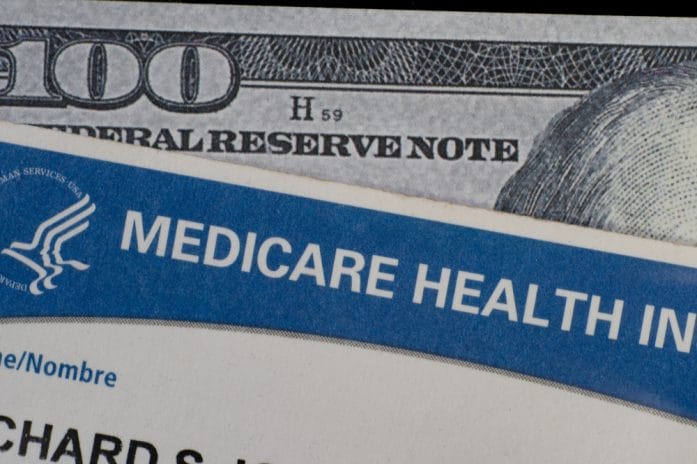
A random piece of mail can flip from harmless to dangerous in seconds. One glance at an official-looking envelope, a familiar logo, and a message that feels urgent can send anyone into action without a second thought. That reaction fuels one of the fastest-growing scams targeting older adults today, and it arrives dressed as something meant to help. It promises a replacement Medicare card, sometimes even hinting at improved benefits or updated security features, and it looks convincing enough to pass a quick inspection.

The real problem begins the moment that phone number gets dialed. That number does not connect to a government office or a helpful representative ready to assist with healthcare coverage. It leads straight to scammers who know exactly what they want and exactly how to get it. This scheme thrives on trust, confusion, and urgency, and it has already cost people sensitive information, money, and peace of mind.

The Fake Card That Looks Way Too Real

Scammers do not throw together sloppy designs and hope for the best anymore. They invest time and effort into creating mail that mirrors official government correspondence down to the smallest detail. The fake Medicare card often includes logos, formatting, and language that closely resemble legitimate documents, which makes it incredibly difficult to spot at first glance. Some even include barcodes, ID numbers, and instructions that feel procedural and routine, adding another layer of believability. That level of detail tricks people into trusting what lands in their mailbox without questioning its origin.

The messaging on these cards usually leans heavily on urgency. It might warn about expiring coverage, security breaches, or required updates that demand immediate attention. That urgency pushes people to act quickly instead of pausing to verify the information, which plays directly into the scammer’s strategy. Once someone calls the number, the scam shifts from paper to persuasion, and that is where the real damage begins. The caller often hears a confident voice that sounds professional, calm, and ready to help resolve the issue.

These scammers follow scripts designed to extract personal information step by step. They may ask for a Medicare number, Social Security number, banking details, or even payment for “processing fees.” Each request builds on the last, creating a sense of normalcy that keeps the conversation going. Before long, the caller has handed over enough information to open the door to identity theft or financial fraud. The fake card does not just mislead; it sets the stage for a carefully planned interaction that targets trust.

Why Calling That Number Is Exactly What They Want

The phone call sits at the center of this scam for a reason. It gives scammers direct access to a real person, which allows them to adapt their approach in real time. They can respond to hesitation, answer questions convincingly, and keep the conversation moving forward with just enough reassurance to maintain control. That human interaction makes the scam far more effective than a simple email or text message. It feels personal, and that feeling lowers defenses.

Once the call begins, scammers often create a sense of authority by using official-sounding titles and language. They might claim affiliation with Medicare or a related agency, and they may even provide fake identification numbers to back up their story. That performance builds credibility quickly, especially for anyone who already believes the card came from a legitimate source. The longer the call continues, the harder it becomes to step back and question what is happening.

Scammers also rely on subtle pressure tactics during the call. They may suggest that failing to act immediately could result in lost benefits or compromised coverage, which adds emotional weight to the situation. That pressure keeps people engaged and focused on solving the supposed problem rather than verifying the legitimacy of the request. By the time doubts start to surface, the conversation has already moved into dangerous territory. Hanging up at that point can feel uncomfortable, but it remains the smartest move.

The Real Rules Medicare Actually Follows

Medicare does not operate this way, and that fact alone can stop this scam in its tracks. Official Medicare communications do not include unsolicited requests for sensitive personal information over the phone. They also do not send replacement cards out of the blue without prior notice or a clear reason. When Medicare issues a new card, it typically follows a broad, well-publicized rollout rather than random, isolated mailings. That consistency makes unexpected cards a major red flag.

Legitimate Medicare contact information also stays consistent and easy to verify. The official phone number appears on the Medicare website and on authentic documents, and it does not change from one mailing to the next. Any card or letter that lists a different number should raise immediate suspicion. Taking a moment to compare that number with official sources can prevent a costly mistake. That simple step often makes the difference between staying safe and falling into a scam.

Another key detail involves payment. Medicare does not charge fees for sending replacement cards, and it does not require immediate payment to maintain coverage. Any request for money tied to a card replacement should set off alarm bells right away. Scammers often rely on small fees to make the request seem reasonable, but those payments can lead to larger financial losses later. Recognizing these patterns creates a strong defense against this type of fraud.

If You Get a ‘Replacement’ Medicare Card in the Mail, Do NOT Call the Number Printed on It
Image Source: Shutterstock.com

Smart Moves That Shut This Scam Down Fast

Stopping this scam does not require advanced technical skills or deep knowledge of fraud tactics. It starts with slowing down and questioning anything that feels urgent or unexpected. Taking a closer look at the mail, checking for inconsistencies, and refusing to act immediately can break the scammer’s momentum. That pause creates space to think clearly and make better decisions. It also removes the emotional pressure that scammers depend on.

Verifying information through official channels remains one of the most effective strategies. Instead of calling the number on the card, use the official Medicare website or a trusted contact method to confirm whether the mailing is legitimate. That extra step takes only a few minutes, but it can prevent serious consequences. It also reinforces a habit of double-checking information before taking action, which helps in many other situations beyond this specific scam.

Shredding suspicious mail and keeping personal information secure adds another layer of protection. Even if the card looks convincing, treating it as untrusted material reduces the risk of accidental exposure. Staying informed about common scams also plays a big role in prevention. Awareness turns what might have been a confusing situation into an obvious red flag, and that awareness spreads easily through conversations with family and friends. Sharing this knowledge helps protect others who might encounter the same scam.

The Bottom Line That Could Save You a Headache

A convincing piece of mail can spark a chain reaction that leads straight into a scam, but one small decision can stop that chain before it starts. Ignoring the number on a suspicious Medicare card and choosing to verify information independently cuts off the scammer’s main point of access. That single choice protects personal information, financial security, and peace of mind all at once. It also reinforces a mindset that values caution over speed, which pays off in countless situations.

Have you or someone close encountered a suspicious Medicare card or a similar scam? What strategies helped spot it before any damage happened, and what advice would make a difference for others facing the same situation? Drop those thoughts and experiences in the comments and keep the conversation going.

You May Also Like…

6 Income Thresholds That Can Trigger Higher Medicare Premiums

From Medicare to Medicaid: Why Billing Glitches Are Causing Unexpected Medical Bills Nationwide

More Retirees Are Seeing Higher Medicare Costs—And It’s Tied to Income From Years Ago

5 Warning Signs Someone Is Using Your Social Security Number

The Hidden Tax Rules Shrinking Social Security Checks — What Seniors Need to Know

Brandon Marcus
Brandon Marcus

Brandon Marcus is a writer who has been sharing the written word since a very young age. His interests include sports, history, pop culture, and so much more. When he isn’t writing, he spends his time jogging, drinking coffee, or attempting to read a long book he may never complete.

Filed Under: scams Tagged With: Consumer Protection, cybersecurity basics, fraud prevention, government scams, healthcare fraud, identity theft, mail fraud, Medicare scam, personal finance safety, phishing scams, scam alerts, senior safety

6 Elder Scams That Began Over the Phone Earlier This Year

August 25, 2025 by Travis Campbell Leave a Comment

senior scam
Image source: pexels.com

Elder scams that start with a simple phone call are still a major problem in 2024. Fraudsters use new tricks to target older adults, preying on trust and confusion. Many victims don’t realize they’re being scammed until it’s too late. The tactics keep evolving, making it harder for families and caregivers to keep up. Understanding how these elder scams work is the first step to protecting your loved ones and yourself.

1. Medicare Impersonation Calls

One of the most common elder scams over the phone this year involves scammers posing as Medicare representatives. The caller claims to need your Medicare number or personal details to “update your file” or send a new card. Sometimes, they threaten loss of benefits if you don’t comply. In reality, Medicare will never call out of the blue asking for private information.

Victims of these elder scams may end up with their identities stolen or even receive fraudulent medical bills. If you get a call like this, hang up and call Medicare directly using the number on their official website. Don’t share your Social Security or Medicare number over the phone unless you initiated the call.

2. Fake Tech Support Scams

Another persistent elder scam targets older adults with fake tech support calls. Scammers claim to be from Microsoft, Apple, or another big tech company. They warn you about a supposed virus or security breach on your computer. The caller then pressures you to grant remote access to your device or pay for unnecessary repairs.

These elder scams can lead to stolen passwords, drained bank accounts, or malware installed on your computer. Legitimate tech companies will not call you out of the blue. If you get a suspicious call, hang up and check your device with a trusted local technician.

3. Grandparent Emergency Scams

This phone scam preys on the emotions of older adults. The scammer pretends to be a grandchild or relative in urgent trouble—maybe in jail, in a car accident, or stranded while traveling. They beg for money and plead for secrecy, saying, “Please don’t tell mom or dad.”

These elder scams often use details found on social media to sound convincing. Scammers may also have accomplices pose as police or doctors. If you get a call like this, ask questions only your real relative would know the answer to, and always verify their story by contacting other family members.

4. Lottery and Prize Scams

Lottery or prize scams are another classic tactic making the rounds this year. The caller claims you’ve won money, a car, or a vacation—but there’s a catch. Before you can claim your “prize,” you must pay taxes, fees, or provide personal information. This is a common elder scam that can quickly empty a bank account.

Remember, real lotteries don’t ask winners to pay up front. If you didn’t enter a contest, you didn’t win.

5. Utility Company Threats

Some scammers pretend to be from your local utility company. They claim your bill is overdue and threaten to shut off your electricity, gas, or water unless you pay immediately. You might be asked to pay with prepaid gift cards, wire transfers, or cryptocurrency—methods that are nearly impossible to trace.

These elder scams rely on fear and urgency. Real utility companies don’t demand payment over the phone or threaten immediate shutoff without prior notice. If you get a suspicious call, hang up and contact your utility provider using the number on your bill.

6. Government Agency Impersonation

Government impostor scams have surged this year, targeting older adults with alarming phone calls. Scammers claim to be from the IRS, Social Security Administration, or even law enforcement. They say you owe money, your benefits are at risk, or you’re facing legal trouble unless you pay up or share sensitive information.

This type of elder scam can be especially convincing because the caller may use fake badge numbers or spoofed caller IDs. No real government agency will threaten you or demand payment over the phone. If you receive such a call, hang up and check the agency’s real contact information online.

Staying Safe from Elder Scams Over the Phone

Elder scams that begin over the phone aren’t going away anytime soon. Scammers adapt quickly, using fear, urgency, and personal details to trick their targets. The most important defense is to pause before acting. Never give out personal or financial information to someone who calls you unexpectedly.

Share this information with your family and friends, especially older adults who may be more vulnerable to elder scams. If you or someone you know has been targeted, report the incident to the proper authorities.

Have you or someone close to you received any suspicious calls lately? Share your experience or tips in the comments below.

Read More

Senior Citizens Alert 8 Pieces Of Information You Should Never Give Out Over The Phone

8 Everyday Scams Seniors Are Falling For Right Now

Travis Campbell
Travis Campbell

Travis Campbell is a digital marketer/developer with over 10 years of experience and a writer for over 6 years. He holds a degree in E-commerce and likes to share life advice he’s learned over the years. Travis loves spending time on the golf course or at the gym when he’s not working.

Filed Under: Crime & Safety Tagged With: elder scams, financial scams, fraud prevention, identity theft, phone scams, senior safety

10 Elder Financial Abuse Signs Most Overlook

August 24, 2025 by Travis Campbell Leave a Comment

elder abuse
Image source: pexels.com

Elder financial abuse is a growing problem that often hides in plain sight. Many older adults fall victim to scams, manipulation, or theft, sometimes by people they trust most. Financial losses can devastate retirement savings and lead to unnecessary stress, anxiety, and hardship. Spotting elder financial abuse early is critical to protecting loved ones’ well-being and independence. Yet, the warning signs are easy to miss, even for attentive family and friends. Understanding the subtle and overlooked indicators can make all the difference in keeping seniors safe from exploitation.

1. Unexplained Withdrawals or Transfers

One of the most significant elder financial abuse signs is unexpected activity in bank accounts. Large or frequent withdrawals, transfers to unfamiliar accounts, or sudden changes in spending patterns can signal trouble. Sometimes, abusers convince elders to make these transactions, while other times, they act without consent. If you notice odd account activity, don’t dismiss it as a simple mistake. Investigate further to ensure your loved one isn’t being taken advantage of.

2. Abrupt Changes to Legal Documents

Watch for sudden revisions to wills, powers of attorney, or beneficiary designations. If an older adult quickly amends important documents—especially under someone’s guidance—it could mean they’re being pressured. These changes often benefit the abuser or cut out long-standing heirs. Always ask questions if a senior unexpectedly alters their estate plans.

3. Isolation from Friends and Family

Abusers often isolate elders from their support networks to gain more control. If your loved one stops attending gatherings, avoids phone calls, or seems withdrawn, it’s a red flag. Social isolation makes it easier for predators to carry out financial abuse without interference. Stay connected and check in regularly, especially if someone new is suddenly “helping” manage their affairs.

4. Unpaid Bills or Essential Needs Neglected

Are important bills going unpaid, or is your loved one lacking food, medication, or basic care? These can be elder financial abuse signs, especially if there is enough money to cover expenses. Abusers may steal funds intended for essentials, leaving seniors vulnerable. Always look beyond surface explanations for missed payments or neglected needs.

5. Unusual Relationships or “New Best Friends”

Be alert when an older adult forms a quick, intense bond with someone new—especially if that person gains access to finances. Scammers and opportunists often pose as caregivers, romantic interests, or long-lost relatives. They may shower the elder with attention, then slowly gain control over money or assets. Don’t ignore sudden new relationships, especially if they come with requests for loans or gifts.

6. Missing Belongings or Property

Disappearing valuables, such as jewelry, cash, or important documents, can indicate financial exploitation. Sometimes, abusers sell or pawn items without the elder’s knowledge. If possessions start vanishing and there’s no reasonable explanation, ask questions. Keeping a simple inventory of valuables can help track any changes over time.

7. Fear, Anxiety, or Reluctance to Talk About Money

If an elder seems nervous, anxious, or evasive when discussing finances, take it seriously. Fear of retaliation or embarrassment often keeps victims silent. They may avoid the topic or insist everything is fine, even when it’s not. Gently encourage open conversations about money and assure your loved one that they can trust you.

8. Unfamiliar Signatures or Handwriting on Checks

Forged signatures or handwriting that doesn’t match your loved one’s can be a clear sign of elder financial abuse. Review checks, contracts, and other documents for anything out of the ordinary. Even small inconsistencies might reveal someone is forging documents to steal money or assets.

9. Sudden Increase in “Gifts” or Loans

If you notice your loved one giving away money, writing frequent checks, or making loans to a particular individual, pay attention. Abusers often manipulate elders into believing they must help or support them financially. These “gifts” may not be voluntary or in the senior’s best interest. It’s important to have open discussions about any significant or repeated financial outlays.

10. Unexplained Decline in Financial Confidence

When an older adult suddenly seems confused about financial matters or unsure how to manage money, it could signal abuse. Sometimes, abusers intentionally create confusion or overwhelm their victims to gain control. A once-confident person who suddenly doubts their ability to pay bills or handle banking may be experiencing elder financial abuse.

Taking Action to Prevent Elder Financial Abuse

Elder financial abuse is far too common, but you can take steps to protect the seniors in your life. Stay involved in their financial matters while respecting their independence. Encourage regular reviews of accounts and legal documents, and support them in making informed decisions. If something feels off, trust your instincts and seek help.

Resources like the Consumer Financial Protection Bureau’s guide to protecting seniors from fraud and the National Center on Elder Abuse offer practical advice and support. Remember, recognizing elder financial abuse signs early can prevent lasting harm and help your loved one maintain their dignity and security.

Have you ever spotted elder financial abuse signs others missed? Share your experience or tips in the comments below.

Read More

8 Everyday Scams Seniors Are Falling For Right Now

What Are The Quiet Red Flags That A Caregiver Shouldn’t Be Trusted?

Travis Campbell
Travis Campbell

Travis Campbell is a digital marketer/developer with over 10 years of experience and a writer for over 6 years. He holds a degree in E-commerce and likes to share life advice he’s learned over the years. Travis loves spending time on the golf course or at the gym when he’s not working.

Filed Under: Crime Tagged With: elder financial abuse, family finance, financial exploitation, fraud prevention, Retirement, senior safety

9 Ways Old People Are Getting Scammed in Plain Sight

June 12, 2025 by Travis Campbell Leave a Comment

old person scammed
Image Source: pexels.com

Older adults are increasingly targeted by scammers who use clever tricks and emotional manipulation to steal money, personal information, and even peace of mind. These scams are often hiding in plain sight, making them especially dangerous for seniors who may not be aware of the latest tactics. The risks are real and growing, whether it’s a phone call, an email, or even a friendly face at the door. Protecting yourself or your loved ones from these scams isn’t just about being cautious—it’s about staying informed and prepared. Here are nine common ways old people are getting scammed in plain sight, along with practical advice to help you avoid falling victim.

1. Fake IRS or Government Calls

Scammers often pose as IRS agents or government officials, claiming the victim owes back taxes or has legal trouble. These calls can be terrifying, especially when the caller threatens arrest or demands immediate payment. The truth is, the IRS and most government agencies will never call to demand payment or threaten you over the phone. If you receive such a call, hang up and contact the agency directly using a verified number. Never give out personal information or payment details to unsolicited callers.

2. Medicare and Health Insurance Scams

Medicare scams are rampant, with fraudsters calling seniors to “verify” information or offer fake services. They may ask for your Medicare number or other personal details, which they use to commit identity theft or bill for services never provided. Always be skeptical of unsolicited calls about your health insurance. If in doubt, call your provider directly. Remember, Medicare will never call you to ask for personal information or offer free equipment out of the blue.

3. Tech Support Scams

Tech support scams often start with a pop-up warning or a phone call claiming your computer is infected. The scammer offers to “fix” the problem for a fee or asks for remote access to your device. This can lead to stolen data, malware, or drained bank accounts. Never allow remote access to your computer unless you initiated the contact with a trusted company. If you’re unsure, ask a family member or a trusted friend for help before taking any action.

4. Romance and Friendship Scams

Loneliness can make seniors vulnerable to romance scams, where someone pretends to be interested in a relationship to gain trust and eventually ask for money. These scams often start on social media or dating sites, but can also happen through email or even phone calls. Be wary of anyone who professes love quickly or asks for financial help, especially if you’ve never met in person.

5. Grandparent Scams

In this scam, someone calls pretending to be a grandchild in trouble, urgently needing money for bail, medical bills, or travel. The caller may know personal details, making the story seem believable. Always verify the caller’s identity by asking questions only your real grandchild would know, or call their parents directly. Never send money or gift cards based on a phone call alone.

6. Lottery and Sweepstakes Scams

You get a call, email, or letter saying you’ve won a big prize—but to claim it, you need to pay taxes or fees upfront. This is a classic scam. Legitimate lotteries never ask winners to pay fees in advance. If it sounds too good to be true, it probably is. Don’t share your bank details or send money to claim a prize you didn’t enter to win.

7. Charity Scams

Scammers often exploit generosity, especially after natural disasters or during the holidays. They may pose as representatives of fake charities, asking for donations. Before giving, research the charity using sites like Charity Navigator or the Better Business Bureau’s Wise Giving Alliance. Never feel pressured to donate on the spot and avoid giving cash or wiring money.

8. Home Repair and Contractor Scams

Unsolicited offers for home repairs, especially after storms or disasters, are often scams. The scammer may ask for payment up front and then disappear or do shoddy work. Always check credentials, get written estimates, and never pay the full amount before the work is completed. Ask neighbors or friends for recommendations and avoid door-to-door offers.

9. Phishing Emails and Texts

Phishing scams use emails or texts that look official, often mimicking banks, delivery services, or even friends. These messages try to trick you into clicking links or sharing personal information. Always double-check the sender’s address and never click on suspicious links. If you’re unsure, contact the company directly using a verified phone number or website.

Staying One Step Ahead of Scammers

Scams targeting old people are constantly evolving, but awareness is your best defense. Talk openly with family and friends about the latest scams, and don’t be embarrassed to ask for help if something feels off. Keep your personal information private, and remember that legitimate organizations will never pressure you for money or sensitive details. By staying alert and informed, you can protect yourself and your loved ones from falling victim to these scams in plain sight.

Have you or someone you know encountered a scam like these? Share your story or tips in the comments below to help others stay safe.

Read More

The Definition of Irony (or Why You Should Know What You’re Doing)

Find the Right Amount of Life Insurance in 10 Minutes

Travis Campbell
Travis Campbell

Travis Campbell is a digital marketer/developer with over 10 years of experience and a writer for over 6 years. He holds a degree in E-commerce and likes to share life advice he’s learned over the years. Travis loves spending time on the golf course or at the gym when he’s not working.

Filed Under: Crime & Safety Tagged With: elder fraud, financial safety, identity theft, Personal Finance, scam prevention, senior safety, senior scams

FOLLOW US

Search this site:

Recent Posts

  • Can My Savings Account Affect My Financial Aid? by Tamila McDonald
  • 12 Ways Gen X’s Views Clash with Millennials… by Tamila McDonald
  • What Advantages and Disadvantages Are There To… by Jacob Sensiba
  • 10 Tactics for Building an Emergency Fund from Scratch by Vanessa Bermudez
  • Call 911: Go To the Emergency Room Immediately If… by Stephen Kanaval
  • 7 Weird Things You Can Sell Online by Tamila McDonald
  • 10 Scary Facts About DriveTime by Tamila McDonald

Copyright © 2026 · News Pro Theme on Genesis Framework