• Home
  • About Us
  • Toolkit
  • Getting Finances Done
    • Hiring Advisors
    • Debt Management
    • Spending Plan
  • Insurance
    • Life Insurance
    • Health Insurance
    • Disability Insurance
    • Homeowners/Renters Insurance
  • Contact Us
  • Risk Tolerance Quiz
  • Our Editorial Commitment

The Free Financial Advisor

You are here: Home / Archives for phishing scams

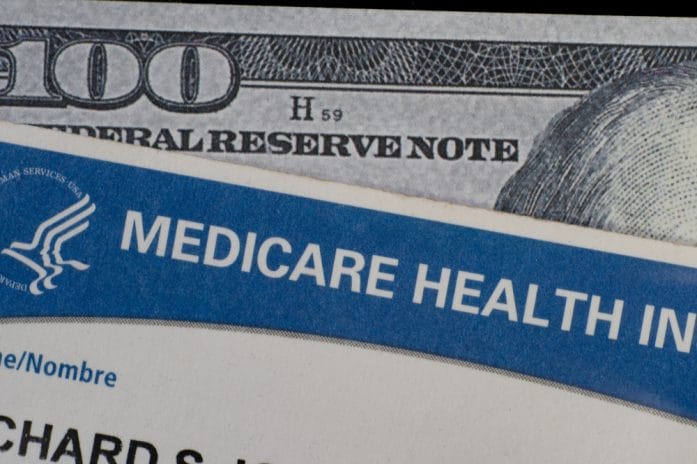
If You Get a ‘Replacement’ Medicare Card in the Mail, Do NOT Call the Number Printed on It

April 1, 2026 by Brandon Marcus Leave a Comment

If You Get a ‘Replacement’ Medicare Card in the Mail, Do NOT Call the Number Printed on It
Image Source: Shutterstock.com

A random piece of mail can flip from harmless to dangerous in seconds. One glance at an official-looking envelope, a familiar logo, and a message that feels urgent can send anyone into action without a second thought. That reaction fuels one of the fastest-growing scams targeting older adults today, and it arrives dressed as something meant to help. It promises a replacement Medicare card, sometimes even hinting at improved benefits or updated security features, and it looks convincing enough to pass a quick inspection.

The real problem begins the moment that phone number gets dialed. That number does not connect to a government office or a helpful representative ready to assist with healthcare coverage. It leads straight to scammers who know exactly what they want and exactly how to get it. This scheme thrives on trust, confusion, and urgency, and it has already cost people sensitive information, money, and peace of mind.

The Fake Card That Looks Way Too Real

Scammers do not throw together sloppy designs and hope for the best anymore. They invest time and effort into creating mail that mirrors official government correspondence down to the smallest detail. The fake Medicare card often includes logos, formatting, and language that closely resemble legitimate documents, which makes it incredibly difficult to spot at first glance. Some even include barcodes, ID numbers, and instructions that feel procedural and routine, adding another layer of believability. That level of detail tricks people into trusting what lands in their mailbox without questioning its origin.

The messaging on these cards usually leans heavily on urgency. It might warn about expiring coverage, security breaches, or required updates that demand immediate attention. That urgency pushes people to act quickly instead of pausing to verify the information, which plays directly into the scammer’s strategy. Once someone calls the number, the scam shifts from paper to persuasion, and that is where the real damage begins. The caller often hears a confident voice that sounds professional, calm, and ready to help resolve the issue.

These scammers follow scripts designed to extract personal information step by step. They may ask for a Medicare number, Social Security number, banking details, or even payment for “processing fees.” Each request builds on the last, creating a sense of normalcy that keeps the conversation going. Before long, the caller has handed over enough information to open the door to identity theft or financial fraud. The fake card does not just mislead; it sets the stage for a carefully planned interaction that targets trust.

Why Calling That Number Is Exactly What They Want

The phone call sits at the center of this scam for a reason. It gives scammers direct access to a real person, which allows them to adapt their approach in real time. They can respond to hesitation, answer questions convincingly, and keep the conversation moving forward with just enough reassurance to maintain control. That human interaction makes the scam far more effective than a simple email or text message. It feels personal, and that feeling lowers defenses.

Once the call begins, scammers often create a sense of authority by using official-sounding titles and language. They might claim affiliation with Medicare or a related agency, and they may even provide fake identification numbers to back up their story. That performance builds credibility quickly, especially for anyone who already believes the card came from a legitimate source. The longer the call continues, the harder it becomes to step back and question what is happening.

Scammers also rely on subtle pressure tactics during the call. They may suggest that failing to act immediately could result in lost benefits or compromised coverage, which adds emotional weight to the situation. That pressure keeps people engaged and focused on solving the supposed problem rather than verifying the legitimacy of the request. By the time doubts start to surface, the conversation has already moved into dangerous territory. Hanging up at that point can feel uncomfortable, but it remains the smartest move.

The Real Rules Medicare Actually Follows

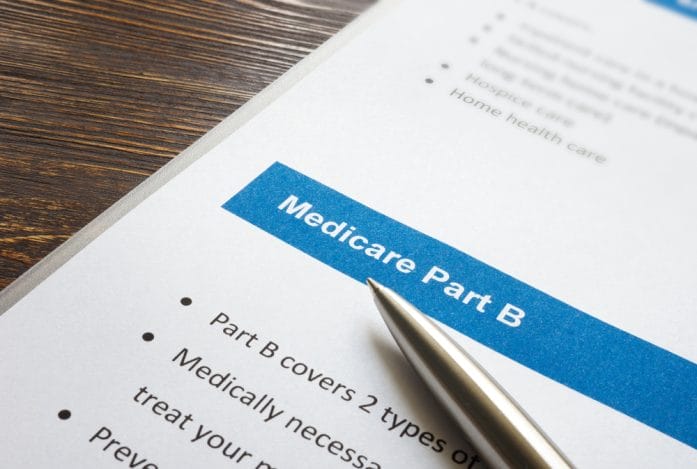
Medicare does not operate this way, and that fact alone can stop this scam in its tracks. Official Medicare communications do not include unsolicited requests for sensitive personal information over the phone. They also do not send replacement cards out of the blue without prior notice or a clear reason. When Medicare issues a new card, it typically follows a broad, well-publicized rollout rather than random, isolated mailings. That consistency makes unexpected cards a major red flag.

Legitimate Medicare contact information also stays consistent and easy to verify. The official phone number appears on the Medicare website and on authentic documents, and it does not change from one mailing to the next. Any card or letter that lists a different number should raise immediate suspicion. Taking a moment to compare that number with official sources can prevent a costly mistake. That simple step often makes the difference between staying safe and falling into a scam.

Another key detail involves payment. Medicare does not charge fees for sending replacement cards, and it does not require immediate payment to maintain coverage. Any request for money tied to a card replacement should set off alarm bells right away. Scammers often rely on small fees to make the request seem reasonable, but those payments can lead to larger financial losses later. Recognizing these patterns creates a strong defense against this type of fraud.
If You Get a ‘Replacement’ Medicare Card in the Mail, Do NOT Call the Number Printed on It
Image Source: Shutterstock.com

Smart Moves That Shut This Scam Down Fast

Stopping this scam does not require advanced technical skills or deep knowledge of fraud tactics. It starts with slowing down and questioning anything that feels urgent or unexpected. Taking a closer look at the mail, checking for inconsistencies, and refusing to act immediately can break the scammer’s momentum. That pause creates space to think clearly and make better decisions. It also removes the emotional pressure that scammers depend on.

Verifying information through official channels remains one of the most effective strategies. Instead of calling the number on the card, use the official Medicare website or a trusted contact method to confirm whether the mailing is legitimate. That extra step takes only a few minutes, but it can prevent serious consequences. It also reinforces a habit of double-checking information before taking action, which helps in many other situations beyond this specific scam.

Shredding suspicious mail and keeping personal information secure adds another layer of protection. Even if the card looks convincing, treating it as untrusted material reduces the risk of accidental exposure. Staying informed about common scams also plays a big role in prevention. Awareness turns what might have been a confusing situation into an obvious red flag, and that awareness spreads easily through conversations with family and friends. Sharing this knowledge helps protect others who might encounter the same scam.

The Bottom Line That Could Save You a Headache

A convincing piece of mail can spark a chain reaction that leads straight into a scam, but one small decision can stop that chain before it starts. Ignoring the number on a suspicious Medicare card and choosing to verify information independently cuts off the scammer’s main point of access. That single choice protects personal information, financial security, and peace of mind all at once. It also reinforces a mindset that values caution over speed, which pays off in countless situations.

Have you or someone close encountered a suspicious Medicare card or a similar scam? What strategies helped spot it before any damage happened, and what advice would make a difference for others facing the same situation? Drop those thoughts and experiences in the comments and keep the conversation going.

You May Also Like…

6 Income Thresholds That Can Trigger Higher Medicare Premiums

From Medicare to Medicaid: Why Billing Glitches Are Causing Unexpected Medical Bills Nationwide

More Retirees Are Seeing Higher Medicare Costs—And It’s Tied to Income From Years Ago

5 Warning Signs Someone Is Using Your Social Security Number

The Hidden Tax Rules Shrinking Social Security Checks — What Seniors Need to Know

Brandon Marcus
Brandon Marcus

Brandon Marcus is a writer who has been sharing the written word since a very young age. His interests include sports, history, pop culture, and so much more. When he isn’t writing, he spends his time jogging, drinking coffee, or attempting to read a long book he may never complete.

Filed Under: scams Tagged With: Consumer Protection, cybersecurity basics, fraud prevention, government scams, healthcare fraud, identity theft, mail fraud, Medicare scam, personal finance safety, phishing scams, scam alerts, senior safety

The One Thing You Should Never Do If You Get a Call from “Your Bank”

March 5, 2025 by Latrice Perez Leave a Comment

Make a Phone Call
Image Source: 123rf.com

Getting a call from your bank can be alarming, especially if the person on the other end claims there’s suspicious activity on your account. Your first instinct might be to cooperate immediately, eager to protect your money. But before you do anything, stop and think. Scammers have become incredibly sophisticated, and they know exactly how to make you panic and act without questioning. There’s one mistake that could cost you everything, and knowing how to avoid it could save you from financial disaster.

Never Give Out Your Personal or Banking Information

The biggest mistake you can make when receiving a call from someone claiming to be your bank is giving them your personal information. Scammers often pose as bank representatives, using fear tactics to pressure you into handing over sensitive details like your account number, PIN, or online banking login. They may claim they need to verify your identity or that your account is in immediate danger. No legitimate bank will ever ask for this information over the phone. If someone insists, it’s a clear sign that you’re dealing with a scam.

Scammers Use Caller ID Spoofing to Trick You

One reason these scams work so well is that fraudsters can manipulate caller ID to make it look like your bank is calling. This technique, known as spoofing, allows them to display an official bank phone number, making their call appear legitimate. Many people assume that if the number looks right, the call must be real. Unfortunately, this false sense of security leads them to lower their guard and provide information they wouldn’t otherwise share. Never trust a call solely based on the number displayed on your phone.

They Create a Sense of Urgency to Make You Act Fast

Scammers rely on fear and urgency to prevent you from thinking critically. They may claim that your account has been compromised, that there have been fraudulent transactions, or that your funds are at risk of being locked. The goal is to push you into making a quick decision before you have time to verify the situation. They may even threaten immediate consequences, like closing your account or freezing your funds. If a caller pressures you to act immediately, take it as a red flag. A real bank will never rush you into making financial decisions over the phone.

Fraudsters May Ask You to Move Your Money

One of the most dangerous scams involves criminals convincing victims to transfer their own money into a so-called “safe” account. They might tell you that your account has been hacked and that you need to move your funds to protect them. In reality, they are tricking you into wiring money directly into their control. Banks will never ask you to transfer money to another account for security reasons. If you ever receive such a request, hang up immediately and contact your bank through official channels.

They May Ask You to Provide a One-Time Passcode

Passcode
Image Source: 123rf.com

Many banks use two-factor authentication to verify your identity, often sending a one-time passcode to your phone or email. Scammers know this and will attempt to trick you into sharing that code with them. They may claim they are sending a security code to verify your identity when, in reality, they are using it to gain access to your online banking. If a caller asks for a one-time passcode, assume they are a scammer. Banks will never request this information over the phone.

Scammers Might Direct You to a Fake Website

A common tactic fraudsters use is directing victims to a fake banking website that looks nearly identical to the real thing. They may instruct you to log in to “confirm your account details” or “fix an issue.” If you enter your credentials, you’re handing them over to scammers who can then access your real account. Always type in your bank’s official website yourself instead of clicking on links provided by an unsolicited caller. If there’s an issue, you can check your account directly through secure channels.

They Will Try to Keep You on the Phone

Another trick scammers use is keeping you on the phone while they attempt to access your account in real time. They may ask you to verify information, reset your password, or approve a transaction while they guide you through the process. This is a method of controlling the situation and preventing you from realizing something is wrong. If a caller insists that you stay on the line while taking financial actions, end the call immediately. Take a moment to verify things on your own before making any decisions.

What to Do Instead of Engaging with the Caller

If you receive a call from someone claiming to be your bank, the safest thing you can do is hang up and contact your bank directly. Use the official number found on your bank’s website or your bank statement, not the number that called you. If there’s a real issue with your account, your bank will confirm it through official means. Never call back a number provided by the caller, as it could lead you right back to the scammers.

Report Suspicious Calls to Protect Yourself and Others

If you suspect a scam, report it to your bank and the appropriate authorities. Many banks have fraud departments that track these scams and warn other customers. You can also report the call to the Federal Trade Commission (FTC) or other consumer protection agencies. Spreading awareness about these tactics helps prevent others from falling victim. The more people recognize these scams, the harder it becomes for fraudsters to succeed.

Fear, Urgency and Trust

Scammers prey on fear, urgency, and trust, making it easy for even the smartest people to fall for their schemes. The one thing you should never do if you get a call from “your bank” is give out your personal or banking information. If a caller pressures you, creates a sense of urgency, or asks for sensitive details, it’s time to hang up and call your bank directly. Protecting your finances starts with knowing how to spot a scam before it’s too late.

Have you ever received a suspicious call from someone claiming to be your bank? How did you handle it? Share your experience in the comments to help others stay safe.

Read More:

Online Shopping Dangers: 7 Red Flags That Scream “Scam!”

The Truth Behind the Lies: 10 Signs Your Partner May Be a Con Artist

Latrice Perez

Latrice is a dedicated professional with a rich background in social work, complemented by an Associate Degree in the field. Her journey has been uniquely shaped by the rewarding experience of being a stay-at-home mom to her two children, aged 13 and 5. This role has not only been a testament to her commitment to family but has also provided her with invaluable life lessons and insights.

As a mother, Latrice has embraced the opportunity to educate her children on essential life skills, with a special focus on financial literacy, the nuances of life, and the importance of inner peace.

Filed Under: Banking & Finance Tagged With: banking scams, caller ID spoofing, Financial Security, fraud alerts, fraud prevention, identity theft, online banking safety, phishing scams, phone scams, scam awareness

Online Shopping Dangers: 7 Red Flags That Scream “Scam!”

February 27, 2025 by Latrice Perez Leave a Comment

Online shopping
Image Source: 123rf.com

Online shopping has become a convenient way to get anything from groceries to luxury items with just a few clicks. However, scammers have taken advantage of this digital marketplace, creating fake websites, phishing emails, and fraudulent ads to steal your money and personal information. Falling for an online shopping scam can lead to financial loss, identity theft, and frustration. To protect yourself, here are seven red flags that indicate you might be dealing with an online scam.

1. Prices That Are Too Good to Be True

If a deal seems too good to be true, it probably is. Scammers lure buyers with unbelievably low prices on high-demand products, such as designer handbags, electronics, or luxury brands. These fake deals are designed to entice you into making a purchase before you realize it’s a scam. If a website is offering a $1,500 laptop for $299 or a designer purse at 90% off, be skeptical. Always compare prices with reputable retailers and check reviews before purchasing.

2. No Contact Information or Customer Support

Legitimate businesses provide clear contact information, including a physical address, phone number, and email. If an online store only has an email form with no other details, consider it a red flag. Scammers often hide their identity to avoid being tracked down. Before purchasing from a new retailer, look for a customer service number and test it by calling or emailing with a question. If you can’t reach a real person, the website is likely a scam.

3. No Secure Payment Options

Secure websites use encryption to protect your financial information. If an online store only accepts wire transfers, cryptocurrency, or gift cards as payment, stay away. Legitimate businesses typically offer secure payment methods such as credit cards and PayPal, which provide fraud protection. Before entering your payment details, check for “https://” in the URL and look for a padlock icon in the address bar. These signs indicate that the website is using encryption to secure your information.

4. Poor Website Design and Spelling Errors

Many scam websites look unprofessional, with low-quality images, outdated designs, and numerous spelling and grammatical mistakes. Legitimate companies invest in professional websites that are easy to navigate and error-free. If you notice awkward phrasing, inconsistent branding, or product descriptions that seem copied from another site, be cautious. Scammers often clone real websites but overlook small details that expose them as frauds.

5. Fake Reviews and No Social Media Presence

Fake Reviews
Image Source: 123rf.com

Many scam websites display fake customer reviews to build credibility. These reviews often sound overly generic or are written in broken English. Some scam sites also steal reviews from legitimate retailers. Before making a purchase, search for the company on social media and third-party review sites like Trustpilot or the Better Business Bureau. If a company has no presence or has numerous complaints, it’s best to avoid shopping there.

6. High-Pressure Sales Tactics

Scammers create a false sense of urgency by claiming that an item is “selling out fast” or offering “limited-time deals.” These pressure tactics are designed to make you act quickly without verifying the legitimacy of the seller. Reputable businesses may run sales, but they don’t use aggressive pop-ups demanding immediate purchases. If a website forces you to act fast by claiming an exclusive deal expires in minutes, take a step back and do your research.

7. No Return Policy or Unrealistic Refund Terms

A legitimate online store should have a clear return policy that explains how refunds and exchanges work. Scam websites either have no return policy at all or make refund terms so complicated that it’s impossible to get your money back. Watch out for vague wording like “All sales are final” or “We are not responsible for lost packages.” Before making a purchase, read the refund policy carefully and check for real customer experiences with returns.

How to Stay Safe While Shopping Online

Online shopping doesn’t have to be risky if you take the right precautions. Stick to well-known retailers or verify new sellers before making a purchase. Always use secure payment methods like credit cards, which offer fraud protection, and avoid deals that seem too good to be true. If you come across a suspicious website, do a quick search to see if others have reported it as a scam. Being vigilant can save you from losing money and falling victim to identity theft.

Have you ever been the victim of an online shopping scam? What steps did you have to take to recover? Let us know in the comments below.

Read More:

Is It Really Your “Dream” Job? 10 Ways to Avoid Job Scams

The Truth Behind the Lies: 10 Signs Your Partner May Be a Con Artist

Latrice Perez

Latrice is a dedicated professional with a rich background in social work, complemented by an Associate Degree in the field. Her journey has been uniquely shaped by the rewarding experience of being a stay-at-home mom to her two children, aged 13 and 5. This role has not only been a testament to her commitment to family but has also provided her with invaluable life lessons and insights.

As a mother, Latrice has embraced the opportunity to educate her children on essential life skills, with a special focus on financial literacy, the nuances of life, and the importance of inner peace.

Filed Under: Smart Shopping Tagged With: avoiding scams, cybersecurity, e-commerce safety, fake websites, internet fraud, online shopping scams, phishing scams

FOLLOW US

Search this site:

Recent Posts

  • Can My Savings Account Affect My Financial Aid? by Tamila McDonald
  • 12 Ways Gen X’s Views Clash with Millennials… by Tamila McDonald
  • What Advantages and Disadvantages Are There To… by Jacob Sensiba
  • 10 Tactics for Building an Emergency Fund from Scratch by Vanessa Bermudez
  • Call 911: Go To the Emergency Room Immediately If… by Stephen Kanaval
  • 7 Weird Things You Can Sell Online by Tamila McDonald
  • 10 Scary Facts About DriveTime by Tamila McDonald

Copyright © 2026 · News Pro Theme on Genesis Framework