• Home
  • About Us
  • Toolkit
  • Getting Finances Done
    • Hiring Advisors
    • Debt Management
    • Spending Plan
  • Insurance
    • Life Insurance
    • Health Insurance
    • Disability Insurance
    • Homeowners/Renters Insurance
  • Contact Us
  • Privacy Policy
  • Risk Tolerance Quiz

The Free Financial Advisor

You are here: Home / Archives for SNAP benefits

The 72-Hour SNAP Hold: Why Millions Of Applications Are Stuck in “Pending Review”

April 29, 2026 by Brandon Marcus Leave a Comment

The 72-Hour SNAP Hold: Why Millions Of Applications Are Stuck in “Pending Review”

Image Source: Shutterstock.com

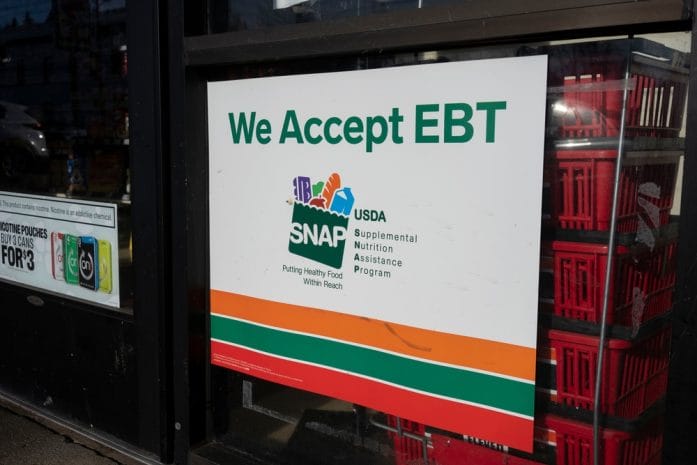
A growing number of SNAP applicants hit the same frustrating wall: a status that reads “pending review” and refuses to budge for days. That 72-hour window often stretches longer, leaving households stuck in limbo while grocery bills pile up and kitchen cabinets grow emptier. State agencies promise quick processing, yet real-world timelines often tell a very different story. Many applicants check their status multiple times a day, hoping for movement that never comes. That delay doesn’t just inconvenience people—it disrupts meal planning, budgeting, and basic peace of mind.

Behind that delay sits a mix of policy rules, staffing shortages, and outdated systems that struggle to keep pace with demand. SNAP offices must verify income, identity, residency, and household size before approval, and each step requires manual review in many states.

Why Applications Get Flagged for Extra Review

SNAP systems don’t treat every application equally, and certain triggers send files straight into extended review. Income inconsistencies, recent job changes, or self-employment claims often require deeper verification. Households with fluctuating earnings—like gig workers or seasonal employees—face longer scrutiny because agencies must confirm accurate monthly averages. Even something as simple as mismatched names across documents can slow things down. These flags protect against fraud, but they also create delays for legitimate applicants.

Technology adds another layer to the issue, and not always in a helpful way. Automated systems scan applications and flag anything that doesn’t match existing databases, including tax records or previous benefit history. When systems detect a mismatch, they often halt progress until a human caseworker reviews the file.

That handoff doesn’t happen instantly, especially in understaffed offices. Each flagged application joins a growing pile that caseworkers must sort through manually. The result: longer wait times and mounting frustration for applicants who did everything right.

Staffing Shortages and System Overload

State SNAP offices across the country continue to deal with staffing shortages that slow processing times significantly. Caseworkers often juggle hundreds of applications at once, which makes quick turnaround nearly impossible. Training new staff takes time, and high turnover rates make the problem worse. Experienced workers leave, new hires step in, and the cycle repeats while applications keep pouring in. That imbalance between workload and staffing creates unavoidable delays.

Outdated technology compounds the problem in ways that applicants rarely see. Many SNAP systems still rely on decades-old infrastructure that struggles with modern demand. Slow databases, system crashes, and limited automation force workers to rely on manual processes. When thousands of applications hit the system at once, bottlenecks form quickly. Even minor technical glitches can stall entire batches of applications. That combination of human and technical limitations turns a simple review into a multi-day—or even multi-week—process.

Common Mistakes That Add Days to the Wait

Applicants often unknowingly extend their own wait time with small but critical mistakes. Missing documents top the list, especially pay stubs, identification, or proof of residence. Even blurry uploads or incomplete forms can trigger delays. SNAP offices require clear, accurate information, and anything less forces a pause in processing. That pause pushes the application back in line, adding days to the timeline.

Timing also plays a huge role in how fast an application moves. Submitting documents late in the day or right before weekends can delay review until the next business cycle. Applicants who fail to respond quickly to requests for additional information risk even longer delays. Some states only allow a limited window for follow-up, and missing that window can restart the entire process. Careful attention to detail and quick responses can make a noticeable difference. Small actions often determine whether an application moves forward or stalls again.

What Applicants Can Do to Speed Things Up

Applicants don’t have to sit back and wait helplessly during the review period. Proactive steps can often reduce delays and push applications forward faster. Submitting all required documents at once—clearly and completely—gives caseworkers everything they need from the start. Double-checking entries for accuracy helps avoid unnecessary flags. Calling the SNAP office to confirm receipt of documents can also prevent silent errors.

Following up strategically can make a real impact when done correctly. Applicants who check in after the initial 72-hour window often catch issues early. Many states offer online portals where users can track updates or upload missing documents مباشرة. Staying organized and keeping copies of everything submitted helps resolve disputes quickly. Persistence matters, but timing and clarity matter even more. A well-prepared application stands a much better chance of moving through the system without delays.

The 72-Hour SNAP Hold: Why Millions Of Applications Are Stuck in “Pending Review”

Image Source: Shutterstock.com

The Bigger Picture Behind SNAP Delays

The SNAP backlog reflects broader challenges within public assistance systems nationwide. Economic shifts, rising food costs, and increased demand continue to stretch resources thin. Government agencies face pressure to process applications quickly while maintaining strict verification standards. That balancing act often leads to slower processing times. Applicants feel the impact immediately, especially those who rely on benefits for daily meals.

Policy changes also influence how quickly applications move through the system. New eligibility rules or reporting requirements can add complexity to the process. States must implement these changes while continuing to handle existing workloads. That transition period often creates temporary slowdowns. While reforms aim to improve efficiency long-term, short-term delays remain a reality. Understanding that broader context helps explain why the “pending review” status persists for so many applicants.

When “Pending” Means More Than Just Waiting

That simple status message carries more weight than it appears at first glance. For many households, it represents uncertainty about food security and financial stability. Every extra day in review can mean tough choices at the grocery store or skipped meals. The emotional toll builds quickly, especially for families with children or fixed incomes. That stress makes the delay feel even longer than it actually is.

Awareness of the process can ease some of that frustration. Knowing what triggers delays and how to avoid them gives applicants a sense of control. Preparation, attention to detail, and timely follow-up all play a role in speeding things up. While the system doesn’t move as fast as many would like, informed applicants can navigate it more effectively. That knowledge turns a confusing wait into a manageable process.

What To Know About SNAP’s 72-Hour Hold

The 72-hour SNAP hold rarely sticks to a neat three-day timeline, and several factors drive that reality. Staffing shortages, system limitations, and strict verification rules all contribute to delays that stretch beyond expectations. Applicants who prepare thoroughly and respond quickly can often shorten their wait, even within a slow system. Clear documentation and proactive follow-up remain the strongest tools for moving an application forward. While the process may never feel fast, strategic action can make it feel far less frustrating.

What has your experience been with SNAP application delays: quick approval or endless waiting? Give us your story and experiences in the comments below.

You May Also Like…

The SAVE System Backlog: How Immigration-Status Delays Are Knocking Eligible Families Off SNAP

Hidden SNAP Rule Hitting Millions Of Adults — And Why States Are Sending New Work Notice

April Food Alert: How to Use SNAP’s Medical Expense Deduction if Your Benefits Suddenly Dropped

These Are The Average Salaries of Those In Their 30s, 40s and 50s—How Do You Compare?

Staffing Cuts Are Slowing Benefit Processing — And Delays Are Growing

Brandon Marcus
Brandon Marcus

Brandon Marcus is a writer who has been sharing the written word since a very young age. His interests include sports, history, pop culture, and so much more. When he isn’t writing, he spends his time jogging, drinking coffee, or attempting to read a long book he may never complete.

Filed Under: Lifestyle Tagged With: benefits approval process, EBT processing time, financial help, food assistance delays, food stamps delay, government assistance, low income support, pending review SNAP, public benefits, SNAP application tips, SNAP backlog, SNAP benefits

The SAVE System Backlog: How Immigration-Status Delays Are Knocking Eligible Families Off SNAP

April 26, 2026 by Brandon Marcus Leave a Comment

The SAVE System Backlog: How Immigration-Status Delays Are Knocking Eligible Families Off SNAP

Image Source: Shutterstock.com

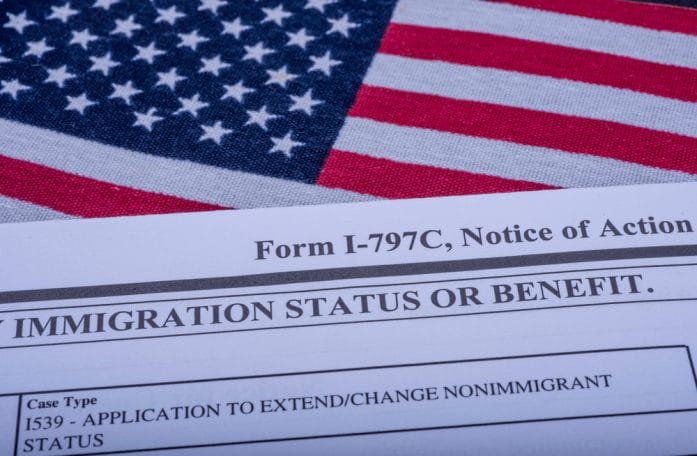
A bureaucratic slowdown rarely grabs headlines, yet it can ripple through thousands of households in very real ways. The SAVE system—short for Systematic Alien Verification for Entitlements—sits at the center of a growing problem that affects access to SNAP benefits. When this verification tool stalls, families who qualify for food assistance suddenly find themselves locked out. Grocery budgets shrink overnight, and households must stretch every dollar further than ever. The issue does not stem from eligibility changes, but from delays in confirming immigration status through a system that many never even knew existed.

Local agencies rely heavily on SAVE to confirm lawful presence for non-citizens applying for benefits. When the system works smoothly, approvals move forward quickly and families receive timely support. However, recent backlogs have slowed that process to a crawl in some areas, creating weeks or even months of waiting. During that gap, benefits often pause or never begin, leaving families in limbo. The consequences hit hardest for households already walking a financial tightrope.

Why the SAVE System Backlog Keeps Growing

Several factors have fueled the growing backlog, and none of them resolve quickly. Increased application volumes, staffing shortages, and outdated processing workflows have combined to create a perfect storm. Agencies process more cases than ever, yet the system struggles to keep pace with demand. Each delay compounds the next, pushing verification timelines further out and creating a frustrating cycle for both applicants and caseworkers. This situation places enormous strain on local SNAP offices trying to deliver timely decisions.

Policy changes and stricter verification requirements have also added layers of complexity. Each additional step means more documentation, more review time, and more chances for a case to stall. Even minor discrepancies in records can trigger manual reviews that take significantly longer to resolve. Families often submit everything correctly yet still face delays because the system flags their case for additional checks. That reality creates confusion and anxiety for applicants who expect a straightforward approval process.

How Delays Translate Into Lost SNAP Benefits

The impact of these delays reaches far beyond paperwork and processing times. When verification stalls, SNAP applications often remain incomplete, preventing benefits from starting on schedule. In some cases, benefits stop entirely during recertification periods, even for families who have received assistance for years. That interruption forces households to cover food costs without the support they depend on. For many, that shift means choosing between groceries and other essential expenses.

Consider a household with children that relies on SNAP to offset rising food prices. A delay of even a few weeks can lead to empty pantries and increased reliance on food banks. Community organizations often step in, but they cannot fully replace consistent benefits. Families also face the emotional toll of uncertainty, as they wait for updates with little visibility into the process. The longer the delay continues, the harder it becomes to recover financially.

The SAVE System Backlog: How Immigration-Status Delays Are Knocking Eligible Families Off SNAP

Image Source: Shutterstock.com

What Families Can Do While Waiting for Verification

Families caught in the SAVE backlog do have options, though none offer a perfect fix. Staying in close contact with local SNAP offices helps ensure that caseworkers have the most up-to-date information. Promptly responding to requests for additional documentation can prevent further delays and keep the application moving forward. Applicants should also keep copies of everything they submit, creating a clear record in case questions arise later. This level of organization can make a significant difference in resolving issues faster.

Community resources can help bridge the gap during delays. Food banks, mutual aid groups, and local nonprofits often provide temporary assistance for families waiting on benefits. Some states also offer expedited SNAP processing for households facing severe hardship, which may bypass certain delays. Legal aid organizations can step in if a case remains unresolved for an extended period, offering guidance on appeals or next steps. Taking proactive measures can ease some of the immediate pressure, even if the system itself remains slow.

What Policymakers and Agencies Are Doing About It

Government agencies have started to recognize the urgency of the SAVE backlog and its impact on vulnerable households. Efforts to modernize the system aim to reduce processing times and improve data accuracy. Some states have increased staffing levels or adjusted workflows to handle higher caseloads more efficiently. These steps show progress, but they require time to deliver measurable results. Families currently affected still face delays while improvements roll out.

Advocacy groups continue to push for broader reforms, including simplified verification processes and greater transparency for applicants. Clear communication about case status could reduce confusion and help families plan more effectively. Policymakers also explore temporary measures to prevent benefit interruptions during verification delays. These proposals highlight a growing awareness that administrative barriers should not block access to essential food assistance. Real change depends on sustained attention and investment in the system.

The Real Cost of Waiting for SNAP Approval

The SAVE system backlog reveals a critical flaw in how essential benefits get delivered. Delays in immigration-status verification do not just slow paperwork—they directly impact whether families can put food on the table. While agencies work to fix the problem, households must navigate uncertainty and financial strain in the meantime. Addressing this issue requires both immediate solutions and long-term system improvements to prevent future disruptions. Ensuring timely access to SNAP benefits should remain a top priority for policymakers and communities alike.

What steps do you think should come first to fix the SAVE system backlog and protect families from losing SNAP benefits?

You May Also Like…

Social Security Is Under Pressure — The Worker-to-Retiree Ratio Is Falling

April Food Alert: How to Use SNAP’s Medical Expense Deduction if Your Benefits Suddenly Dropped

5 Overlooked Tax Deductions That Could Save You Thousands

9 Reasons You Can’t Qualify For Medicaid

The “Too Late” Rule: When Missed Government Doors Close Forever

Brandon Marcus
Brandon Marcus

Brandon Marcus is a writer who has been sharing the written word since a very young age. His interests include sports, history, pop culture, and so much more. When he isn’t writing, he spends his time jogging, drinking coffee, or attempting to read a long book he may never complete.

Filed Under: Lifestyle Tagged With: Budgeting Tips, financial hardship, food assistance delays, immigration verification, public benefits, SAVE system backlog, SNAP benefits

Hidden SNAP Rule Hitting Millions Of Adults — And Why States Are Sending New Work Notice

April 26, 2026 by Brandon Marcus Leave a Comment

Hidden SNAP Rule Hitting Millions Of Adults — And Why States Are Sending New Work Notice

Image Source: Shutterstock.com

A quiet shift in SNAP policy has started to ripple across the country, and many adults now feel the impact without realizing what changed. States have begun issuing new work requirement notices that could affect benefits in a matter of months. For households already stretching every dollar, even a temporary disruption in food assistance can create serious financial strain.

The rule itself isn’t brand new, but expanded enforcement and updated exemptions have brought it back into focus. Anyone relying on SNAP needs to pay close attention right now, because these notices are more than just paperwork—they can directly determine whether benefits continue.

What The “Hidden” SNAP Rule Actually Means For Adults

The so-called hidden rule centers on Able-Bodied Adults Without Dependents, often referred to as ABAWDs, and it places strict limits on how long benefits last without meeting work requirements. Adults between ages 18 and 54 typically must work or participate in a qualifying program for at least 80 hours per month to keep receiving SNAP beyond three months. While the rule has existed for years, pandemic-era waivers paused enforcement in many states, creating a long period where recipients didn’t face these limits. Now that those waivers have expired, millions of people must meet the requirements again or risk losing benefits. The “hidden” aspect comes from how quietly these rules returned, often buried in notices that many recipients overlook or misunderstand.

States have started sending formal letters explaining these requirements, but the language can feel dense and easy to ignore. Many recipients assume nothing has changed, especially if they continued receiving benefits without interruption during the past few years. Unfortunately, ignoring these notices can lead to sudden benefit cutoffs after the three-month limit expires. Real-world examples already show people losing assistance simply because they didn’t realize they needed to report work hours or enroll in a program. Staying informed and acting quickly makes the difference between uninterrupted support and a frustrating gap in food access.

Why States Are Suddenly Sending Work Requirement Notices

States didn’t randomly decide to send out these notices; federal policy changes triggered a nationwide return to stricter enforcement. As pandemic protections ended, the federal government required states to resume ABAWD time limits and ensure compliance with work rules. This shift created a surge of administrative updates, prompting agencies to notify recipients about their responsibilities. States also face pressure to maintain program integrity, which includes verifying that recipients meet eligibility criteria. These combined factors explain why so many households now receive letters about work requirements at the same time.

The rollout hasn’t always gone smoothly, and that has added to the confusion. Some notices arrive late, while others lack clear instructions on what steps recipients should take next. In certain cases, people receive multiple letters with slightly different wording, which only increases uncertainty. Advocacy groups have raised concerns that communication gaps could cause eligible individuals to lose benefits unnecessarily. Despite these issues, the notices still carry serious consequences, so recipients must treat them as urgent and respond quickly.

Hidden SNAP Rule Hitting Millions Of Adults — And Why States Are Sending New Work Notice

Image Source: Shutterstock.com

Who Faces The Biggest Risk Of Losing SNAP Benefits

Not every SNAP recipient falls under these stricter rules, but certain groups face higher risk than others. Adults without children in their household typically bear the full weight of ABAWD requirements, especially if they don’t already work consistent hours. People in areas with limited job opportunities or unreliable transportation may struggle to meet the 80-hour threshold each month. Even those working part-time jobs can run into trouble if their hours fluctuate below the requirement. These factors create a perfect storm where vulnerable individuals face the highest likelihood of losing assistance.

At the same time, some exemptions still exist, and understanding them can protect benefits. Individuals with medical conditions, those experiencing homelessness, and veterans may qualify for exceptions that remove the time limit. However, recipients must often provide documentation to claim these exemptions, which adds another layer of complexity. Many people miss out simply because they don’t realize they qualify or fail to submit the required paperwork. Taking the time to verify eligibility and gather documentation can prevent unnecessary benefit loss.

Stay Compliant And Keep Your Benefits Active

Meeting SNAP work requirements doesn’t always mean finding a traditional full-time job. Approved activities include job training programs, volunteer work, and certain education courses that help build employment skills. Many states offer free workforce programs specifically designed to help SNAP recipients meet these requirements. Enrolling in one of these programs can satisfy the 80-hour rule while also improving long-term job prospects. This approach turns a stressful requirement into an opportunity for career growth.

Tracking and reporting hours accurately plays an equally important role in staying compliant. Recipients should keep detailed records of work or program participation and submit them promptly when required. Missing deadlines or failing to report hours can lead to benefit termination even if the work requirement was technically met. Local SNAP offices and community organizations often provide assistance with reporting and documentation. Taking advantage of these resources can simplify the process and reduce the risk of errors.

Behind The SNAP Policy Changes

The return of stricter SNAP rules reflects a broader policy trend focused on workforce participation. Lawmakers often argue that work requirements encourage employment and reduce long-term reliance on assistance programs. Critics, however, point out that these rules can create barriers for people already facing unstable work conditions or personal challenges. The debate continues, but the immediate reality remains clear for recipients navigating the system today. Policy shifts at the federal level will likely continue shaping how states administer SNAP in the future.

For now, awareness stands as the most powerful tool for anyone receiving benefits. Understanding current rules, responding to notices, and seeking help when needed can prevent sudden disruptions in food assistance. Real-life stories show that those who stay proactive tend to maintain their benefits, while those who ignore updates often face avoidable setbacks. The system may feel complicated, but informed action can make it manageable. Keeping a close eye on policy changes ensures fewer surprises and more stability for households relying on SNAP.

Don’t Let A Missed Notice Disrupt Your Grocery Budget

SNAP remains a critical safety net, but it now comes with renewed expectations that recipients must meet to stay eligible. Ignoring a single letter or misunderstanding a requirement can quickly turn into lost benefits and added financial stress. Taking a proactive approach—reading every notice, tracking hours, and exploring available programs—can keep assistance flowing without interruption. Small actions today can prevent major disruptions tomorrow, especially as enforcement tightens across states. Staying engaged with the process ensures that support remains available when it matters most.

Have these new SNAP work notices affected your household, or do you think the rules are fair? Share your thoughts in the comments!

You May Also Like…

April Food Alert: How to Use SNAP’s Medical Expense Deduction if Your Benefits Suddenly Dropped

5 Overlooked Tax Deductions That Could Save You Thousands

How the “Community Spouse” Can Protect Family Assets When Medicaid Enters the Picture

Social Security COLA Gains Are Being Offset by Rising Medicare Costs

Unclaimed Benefits: Are You Missing Out On Government Money

Brandon Marcus
Brandon Marcus

Brandon Marcus is a writer who has been sharing the written word since a very young age. His interests include sports, history, pop culture, and so much more. When he isn’t writing, he spends his time jogging, drinking coffee, or attempting to read a long book he may never complete.

Filed Under: Lifestyle Tagged With: ABAWD rules, budgeting help, food stamps, government assistance, low income support, Personal Finance, SNAP benefits, work requirements

April Food Alert: How to Use SNAP’s Medical Expense Deduction if Your Benefits Suddenly Dropped

April 1, 2026 by Brandon Marcus Leave a Comment

April Food Alert: How to Use SNAP’s Medical Expense Deduction if Your Benefits Suddenly Dropped

Image Source: Shutterstock.com

A sudden drop in SNAP benefits doesn’t just sting—it disrupts meals, routines, and a sense of stability all at once. When the numbers shrink without warning, grocery lists tighten and stress levels climb fast. April has brought confusion for many households, especially those who rely on consistent food support to stay afloat. While benefit adjustments happen for several reasons, that doesn’t mean every reduction is correct or should go unchallenged.

There is a powerful but often overlooked tool built directly into SNAP rules: the medical expense deduction. It’s not flashy, and it’s not widely discussed, but for eligible households it can significantly increase monthly benefits. Many people miss out simply because they don’t know it exists or assume the process is too complicated.

When SNAP Shrinks: Why Benefits Suddenly Drop and What That Really Means

SNAP benefits don’t change randomly, even if it feels that way. Agencies adjust benefit amounts based on income, household size, rent or shelter costs, and allowable deductions. A small change in any of these categories can trigger a noticeable reduction. A raise at work, a shift in rent, or the end of a temporary adjustment can all move the numbers quickly. Sometimes missing paperwork or delayed reporting triggers automatic recalculations that cut benefits without much warning.

Medical costs play a bigger role than many people realize, especially for older adults or individuals with disabilities. SNAP rules allow certain households to deduct verified out‑of‑pocket medical expenses from their income. When these expenses go unreported, the system assumes more disposable income exists than is actually available. That leads to lower benefits, even when grocery costs keep climbing. Understanding this connection opens the door to correcting the situation instead of accepting the reduction as final.

The medical expense deduction steps in at this exact intersection of health and food access. It allows eligible households to count certain medical costs—doctor visits, prescriptions, medical equipment, transportation to appointments, and more—when calculating SNAP benefits. These deductions can significantly increase monthly support for those who qualify. The key is knowing who qualifies and how to document expenses correctly.

The Medical Expense Deduction: A Lifeline Many Households Overlook

The medical expense deduction isn’t a special waiver or a loophole. It’s a long‑standing SNAP rule designed to help elderly or disabled household members whose medical costs reduce their ability to afford food. When these expenses exceed $35 per month and are properly documented, they can be deducted from household income. Lower income means higher SNAP benefits.

This deduction does not apply to everyone. It is specifically for households with at least one elderly or disabled member, and only verified out‑of‑pocket medical expenses count. That includes prescriptions, medical supplies, dental care, eyeglasses, hearing aids, in‑home care, and transportation to medical appointments. It does not include the cost of food, even medically recommended diets. But for households with significant medical bills, the deduction can make a meaningful difference.

Timing matters. If benefits suddenly dropped and medical expenses weren’t included in the calculation, reporting them now can trigger a recalculation. In some cases, benefits can even be adjusted retroactively if the agency made an error or failed to apply deductions that were properly reported. Acting quickly prevents months of lower benefits and unnecessary strain.

How to Request the Medical Expense Deduction Without Getting Stuck

The process starts with gathering documentation. A household must show proof of medical expenses for the elderly or disabled member. That can include receipts, bills, statements from pharmacies, or documentation from healthcare providers. The more complete the information, the smoother the process becomes.

Once the documents are ready, they must be submitted to the local SNAP office. This can usually be done online, by mail, or in person. After submission, communication becomes essential. Calling to confirm that documents were received and asking about next steps helps prevent delays. Many people assume silence means progress, but checking in often keeps the request moving.

Caseworkers may request additional information or clarification. Responding quickly prevents the application from stalling. If approved, the deduction can increase benefits and may apply retroactively if the agency determines that the household was eligible earlier. Staying organized and persistent turns a complicated process into a manageable one.

Smart Moves That Strengthen Your Case and Protect Your Benefits

A strong request relies on clear, complete documentation. Tracking medical expenses for a month or two can help identify costs that qualify. Keeping receipts, pharmacy printouts, and appointment summaries creates a solid foundation for the deduction.

Working closely with healthcare providers can also help. Asking for clear documentation of medical needs, prescriptions, or ongoing treatments strengthens the case. Providers are often willing to help when asked directly.

April Food Alert: How to Use SNAP’s Medical Expense Deduction if Your Benefits Suddenly Dropped

Image Source: Pexels.com

After approval, staying proactive matters. Reporting changes in medical expenses, income, or household circumstances ensures benefits remain accurate. Ignoring updates can lead to future reductions or complications that undo the progress made. Keeping the case aligned with real‑life needs protects the stability gained through the deduction.

Turning Knowledge Into Real Food Security

A sudden SNAP reduction doesn’t have to define the next few months or limit what ends up in the grocery cart. The medical expense deduction offers a clear, actionable path to restoring benefits for households that qualify. Taking control of the process, gathering strong documentation, and following through with persistence can transform a stressful situation into a manageable one.

Have you had to deal with SNAP changes before? How did you handle it? We want to hear your stories and insights in the comments below.

You May Also Like…

6 Income Thresholds That Can Trigger Higher Medicare Premiums

From Medicare to Medicaid: Why Billing Glitches Are Causing Unexpected Medical Bills Nationwide

Retirement Healthcare Costs Are Climbing Again — What the Average Couple Now Needs

Alaska’s Eye-Popping Healthcare Costs — Planning for Higher Medical Expenses

Social Security 2026 COLA: Why Your 2.8% Raise Disappeared After Medicare Deductions

Brandon Marcus
Brandon Marcus

Brandon Marcus is a writer who has been sharing the written word since a very young age. His interests include sports, history, pop culture, and so much more. When he isn’t writing, he spends his time jogging, drinking coffee, or attempting to read a long book he may never complete.

Filed Under: Health & Wellness Tagged With: benefits reduction, EBT, food assistance, food security, food stamps, government aid, healthcare documentation, low income support, medical nutrition waiver, nutrition assistance, SNAP benefits, SNAP rules

FOLLOW US

Search this site:

Recent Posts

  • Can My Savings Account Affect My Financial Aid? by Tamila McDonald
  • 12 Ways Gen X’s Views Clash with Millennials… by Tamila McDonald
  • What Advantages and Disadvantages Are There To… by Jacob Sensiba
  • 10 Tactics for Building an Emergency Fund from Scratch by Vanessa Bermudez
  • Call 911: Go To the Emergency Room Immediately If… by Stephen Kanaval
  • 7 Weird Things You Can Sell Online by Tamila McDonald
  • 10 Scary Facts About DriveTime by Tamila McDonald

Copyright © 2026 · News Pro Theme on Genesis Framework