• Home
  • About Us
  • Getting Finances Done
    • Hiring Advisors
    • Debt Management
    • Spending Plan
  • Insurance
    • Life Insurance
    • Health Insurance
    • Disability Insurance
    • Homeowners/Renters Insurance
  • Contact Us
  • Our Editorial Commitment

The Free Financial Advisor

You are here: Home / Archives for food security

April Food Alert: How to Use SNAP’s Medical Expense Deduction if Your Benefits Suddenly Dropped

April 1, 2026 by Brandon Marcus Leave a Comment

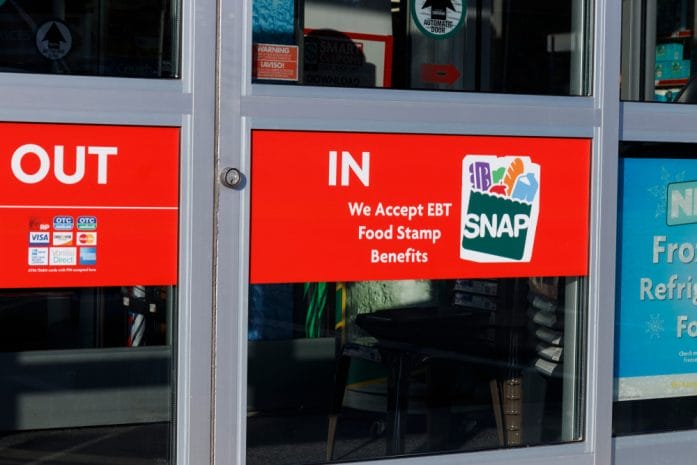
April Food Alert: How to Use SNAP’s Medical Expense Deduction if Your Benefits Suddenly Dropped
Image Source: Shutterstock.com

A sudden drop in SNAP benefits doesn’t just sting—it disrupts meals, routines, and a sense of stability all at once. When the numbers shrink without warning, grocery lists tighten and stress levels climb fast. April has brought confusion for many households, especially those who rely on consistent food support to stay afloat. While benefit adjustments happen for several reasons, that doesn’t mean every reduction is correct or should go unchallenged.

There is a powerful but often overlooked tool built directly into SNAP rules: the medical expense deduction. It’s not flashy, and it’s not widely discussed, but for eligible households it can significantly increase monthly benefits. Many people miss out simply because they don’t know it exists or assume the process is too complicated.

When SNAP Shrinks: Why Benefits Suddenly Drop and What That Really Means

SNAP benefits don’t change randomly, even if it feels that way. Agencies adjust benefit amounts based on income, household size, rent or shelter costs, and allowable deductions. A small change in any of these categories can trigger a noticeable reduction. A raise at work, a shift in rent, or the end of a temporary adjustment can all move the numbers quickly. Sometimes missing paperwork or delayed reporting triggers automatic recalculations that cut benefits without much warning.

Medical costs play a bigger role than many people realize, especially for older adults or individuals with disabilities. SNAP rules allow certain households to deduct verified out‑of‑pocket medical expenses from their income. When these expenses go unreported, the system assumes more disposable income exists than is actually available. That leads to lower benefits, even when grocery costs keep climbing. Understanding this connection opens the door to correcting the situation instead of accepting the reduction as final.

The medical expense deduction steps in at this exact intersection of health and food access. It allows eligible households to count certain medical costs—doctor visits, prescriptions, medical equipment, transportation to appointments, and more—when calculating SNAP benefits. These deductions can significantly increase monthly support for those who qualify. The key is knowing who qualifies and how to document expenses correctly.

The Medical Expense Deduction: A Lifeline Many Households Overlook

The medical expense deduction isn’t a special waiver or a loophole. It’s a long‑standing SNAP rule designed to help elderly or disabled household members whose medical costs reduce their ability to afford food. When these expenses exceed $35 per month and are properly documented, they can be deducted from household income. Lower income means higher SNAP benefits.

This deduction does not apply to everyone. It is specifically for households with at least one elderly or disabled member, and only verified out‑of‑pocket medical expenses count. That includes prescriptions, medical supplies, dental care, eyeglasses, hearing aids, in‑home care, and transportation to medical appointments. It does not include the cost of food, even medically recommended diets. But for households with significant medical bills, the deduction can make a meaningful difference.

Timing matters. If benefits suddenly dropped and medical expenses weren’t included in the calculation, reporting them now can trigger a recalculation. In some cases, benefits can even be adjusted retroactively if the agency made an error or failed to apply deductions that were properly reported. Acting quickly prevents months of lower benefits and unnecessary strain.

How to Request the Medical Expense Deduction Without Getting Stuck

The process starts with gathering documentation. A household must show proof of medical expenses for the elderly or disabled member. That can include receipts, bills, statements from pharmacies, or documentation from healthcare providers. The more complete the information, the smoother the process becomes.

Once the documents are ready, they must be submitted to the local SNAP office. This can usually be done online, by mail, or in person. After submission, communication becomes essential. Calling to confirm that documents were received and asking about next steps helps prevent delays. Many people assume silence means progress, but checking in often keeps the request moving.

Caseworkers may request additional information or clarification. Responding quickly prevents the application from stalling. If approved, the deduction can increase benefits and may apply retroactively if the agency determines that the household was eligible earlier. Staying organized and persistent turns a complicated process into a manageable one.

Smart Moves That Strengthen Your Case and Protect Your Benefits

A strong request relies on clear, complete documentation. Tracking medical expenses for a month or two can help identify costs that qualify. Keeping receipts, pharmacy printouts, and appointment summaries creates a solid foundation for the deduction.

Working closely with healthcare providers can also help. Asking for clear documentation of medical needs, prescriptions, or ongoing treatments strengthens the case. Providers are often willing to help when asked directly.

April Food Alert: How to Use SNAP’s Medical Expense Deduction if Your Benefits Suddenly Dropped
Image Source: Pexels.com

After approval, staying proactive matters. Reporting changes in medical expenses, income, or household circumstances ensures benefits remain accurate. Ignoring updates can lead to future reductions or complications that undo the progress made. Keeping the case aligned with real‑life needs protects the stability gained through the deduction.

Turning Knowledge Into Real Food Security

A sudden SNAP reduction doesn’t have to define the next few months or limit what ends up in the grocery cart. The medical expense deduction offers a clear, actionable path to restoring benefits for households that qualify. Taking control of the process, gathering strong documentation, and following through with persistence can transform a stressful situation into a manageable one.

Have you had to deal with SNAP changes before? How did you handle it? We want to hear your stories and insights in the comments below.

You May Also Like…

6 Income Thresholds That Can Trigger Higher Medicare Premiums

From Medicare to Medicaid: Why Billing Glitches Are Causing Unexpected Medical Bills Nationwide

Retirement Healthcare Costs Are Climbing Again — What the Average Couple Now Needs

Alaska’s Eye-Popping Healthcare Costs — Planning for Higher Medical Expenses

Social Security 2026 COLA: Why Your 2.8% Raise Disappeared After Medicare Deductions

Brandon Marcus
Brandon Marcus

Brandon Marcus is a writer who has been sharing the written word since a very young age. His interests include sports, history, pop culture, and so much more. When he isn’t writing, he spends his time jogging, drinking coffee, or attempting to read a long book he may never complete.

Filed Under: Health & Wellness Tagged With: benefits reduction, EBT, food assistance, food security, food stamps, government aid, healthcare documentation, low income support, medical nutrition waiver, nutrition assistance, SNAP benefits, SNAP rules

Grocery Foods That Disappear During Economic Downturns

July 6, 2025 by Travis Campbell Leave a Comment

grocery
Image Source: pexels.com

When the economy takes a downturn, the effects ripple through every aisle of the grocery store. Suddenly, shelves that were once fully stocked start to look a little bare. Shoppers notice their favorite items missing, prices creeping up, and a sense of urgency in the air. Understanding which grocery foods disappear during economic downturns can help you plan ahead, stretch your budget, and avoid unnecessary stress. Whether you’re trying to keep your pantry full or just want to make smarter choices, knowing what vanishes first is a practical way to stay prepared and resilient.

Let’s break down the top grocery foods that disappear during economic downturns, why they go so quickly, and what you can do to stay ahead of the curve.

1. Shelf-Stable Staples

When uncertainty hits, people flock to foods that last. Items like rice, pasta, beans, and canned vegetables are among the first grocery foods that disappear during economic downturns. These staples are affordable, filling, and have a long shelf life, making them a go-to for families looking to stretch their dollars. Stocking up on these items is a common-sense move, but it also means they can be hard to find when everyone has the same idea. To avoid empty shelves, consider buying a little extra during regular shopping trips and rotating your stock to keep it fresh.

2. Baking Essentials

Flour, sugar, yeast, and baking powder often vanish quickly when times get tough. During economic downturns, more people turn to home baking as a way to save money and create comfort foods. The surge in demand for these grocery foods that disappear during economic downturns can lead to shortages, as seen during the early months of the COVID-19 pandemic. If you enjoy baking, keep an eye on your pantry and replenish these basics before you run out.

3. Frozen Foods

Frozen vegetables, fruits, and ready-to-eat meals are prized for their convenience and longevity. When budgets tighten, shoppers gravitate toward frozen foods because they reduce food waste and offer quick meal solutions. These grocery items that disappear during economic downturns are also popular because they can be purchased in bulk and stored for extended periods. To avoid missing out, consider diversifying your freezer with a mix of vegetables, proteins, and prepared meals. Don’t forget to check for sales to maximize your savings.

4. Discount Proteins

Affordable sources of protein, such as eggs, canned tuna, peanut butter, and dried lentils, are in high demand during recessions. These items provide essential nutrition at a lower cost than fresh meat or specialty products. As more shoppers look for ways to keep meals balanced without breaking the bank, these grocery foods that disappear during economic downturns can become scarce. If you rely on these proteins, try to buy in reasonable quantities and explore alternative sources like tofu or bulk beans.

5. Dairy Products

Milk, cheese, and yogurt are everyday essentials for many households. During economic downturns, these items can be harder to find, especially when supply chains are disrupted or prices rise. Some families may switch to powdered or shelf-stable milk as a backup, but even those alternatives can sell out quickly. To stay prepared, consider keeping a mix of fresh and long-lasting dairy options on hand, and be flexible with brands or types if your favorites are out of stock.

6. Baby Formula and Kid-Friendly Foods

Parents are quick to stock up on baby formula, jarred baby food, and kid-friendly snacks when the economy wobbles. These grocery foods that disappear during economic downturns are non-negotiable for families with young children, leading to rapid sellouts and even rationing in some stores. If you have little ones at home, plan by keeping a small reserve and exploring homemade options when possible.

7. Comfort Foods and Treats

It’s not just the basics that fly off the shelves—comfort foods like chocolate, chips, and ice cream also become hot commodities. Stressful times drive people to seek small pleasures, and these grocery foods that disappear during economic downturns offer a sense of normalcy and relief. While it’s smart to prioritize essentials, don’t overlook the value of a treat or two to boost morale. Just remember to shop mindfully and avoid panic buying.

8. Cleaning and Paper Products

While not technically food, cleaning supplies and paper products, such as toilet paper and paper towels, often disappear alongside pantry staples. These items are essential for maintaining hygiene and peace of mind, especially when people spend more time at home. If you notice these products running low, consider alternatives like reusable cloths or making your cleaning solutions to bridge the gap.

Staying Prepared Without Panic

Economic downturns can make grocery shopping feel unpredictable, but a little planning goes a long way. By understanding which grocery foods disappear during economic downturns, you can shop smarter, avoid last-minute scrambles, and keep your household running smoothly. Focus on building a flexible pantry by buying only what you need and staying calm when your shelves look sparse. Remember, shortages are usually temporary, and thoughtful shopping helps everyone weather tough times together.

What foods have you noticed disappearing from your local grocery store during tough economic times? Share your experiences in the comments below!

Read More

Ripped From the Headlines: Bad Holiday Economic Mood

Federal Reserve Report: Hang On For Rough Ride…

Travis Campbell
Travis Campbell

Travis Campbell is a digital marketer/developer with over 10 years of experience and a writer for over 6 years. He holds a degree in E-commerce and likes to share life advice he’s learned over the years. Travis loves spending time on the golf course or at the gym when he’s not working.

Filed Under: Business Tagged With: budgeting, economic downturn, food security, food shortages, grocery shopping, Personal Finance, recession tips

When Food Turns Fatal: The Rise of Black-Market Avocado Heists

April 1, 2025 by Latrice Perez Leave a Comment

Avocados
Image Source: 123rf.com

Avocados—a creamy, green treasure beloved by foodies worldwide—may seem like an unlikely target for crime. However, their skyrocketing demand and high market value have turned them into a lucrative commodity for black-market operations. The rise of avocado heists is not just a quirky headline; it’s a serious global issue with far-reaching consequences for farmers, communities, and consumers. Here’s the dark underbelly of the avocado trade, uncovering why these crimes are happening and who is paying the price.

1. The “Green Gold” Craze

Avocados have earned the nickname “green gold” thanks to their soaring popularity and premium price. With the rise of health-conscious diets and Instagram-worthy meals, the demand for avocados has skyrocketed. This has led to an avocado boom in countries like Mexico, Peru, and Chile, where farmers work tirelessly to meet global consumption. However, as demand grows, so does the potential for exploitation. Criminals see avocados as easy targets, stealing large quantities to sell at a premium price on the black market.

2. Organized Crime Involvement

What’s particularly alarming about avocado heists is the level of organization behind them. These aren’t just small-scale thefts; entire cartels are getting involved. Organized crime groups are infiltrating avocado farms, threatening farmers, and orchestrating massive thefts. Some even extort growers for “protection money” to ensure their crops aren’t stolen. The involvement of cartels has made the avocado trade increasingly dangerous, turning a beloved fruit into a source of fear and violence.

3. Environmental Consequences

The illegal trade of avocados doesn’t just hurt farmers—it damages the environment as well. Criminal groups often cut corners, growing avocados in protected areas or deforesting land to expand farming operations. This contributes to habitat loss, soil erosion, and water shortages in regions already struggling with climate change. The ripple effect of these environmental crimes highlights the broader impact of the black-market avocado trade.

4. The Role of Corruption

In some regions, local authorities are complicit in avocado-related crimes. Corrupt officials may turn a blind eye to illegal farming practices or even participate in theft operations themselves. This lack of accountability allows the black market to thrive, leaving honest farmers to fend for themselves. Tackling corruption is essential to restoring integrity to the avocado trade and protecting those who rely on it for their livelihoods.

5. The Consumer Connection

making sandwiches with avocado healthy organic food.
Image Source: 123rf.com

As consumers, we play a surprising role in the avocado black market. The demand for cheap, readily available avocados often drives illegal operations. When stolen avocados make their way into markets and stores, buyers may unknowingly support criminal activities. Raising awareness about the origin of the avocados we purchase can help combat this issue. Opting for fair-trade and sustainably sourced options is a small but impactful way to make a difference.

The Cost of “Green Gold”

Avocado heists are more than just a curious phenomenon—they’re a reminder of the complexities behind seemingly simple commodities. From organized crime to environmental damage, the black-market trade of avocados has serious implications for all involved. By shedding light on these issues, we can work toward solutions that protect farmers, consumers, and the planet.

Did you know about the dark side of the avocado trade? How can we as consumers ensure we’re supporting ethical practices? Share your thoughts and ideas in the comments below.

Read More:

The Real Reasons Fast-Food Chains Are Charging You More for Less Food

Forever Food: 12 Food Items That Never Expire

Latrice Perez

Latrice is a dedicated professional with a rich background in social work, complemented by an Associate Degree in the field. Her journey has been uniquely shaped by the rewarding experience of being a stay-at-home mom to her two children, aged 13 and 5. This role has not only been a testament to her commitment to family but has also provided her with invaluable life lessons and insights.

As a mother, Latrice has embraced the opportunity to educate her children on essential life skills, with a special focus on financial literacy, the nuances of life, and the importance of inner peace.

Filed Under: Crime & Safety Tagged With: avocado crime, black-market trade, environmental impact, ethical consumption, fair trade, food security, organized crime

Follow Us

Search this site:

Recent Posts

  • Can My Savings Account Affect My Financial Aid? by Tamila McDonald
  • 12 Ways Gen X’s Views Clash with Millennials… by Tamila McDonald
  • What Advantages and Disadvantages Are There To… by Jacob Sensiba
  • 10 Tactics for Building an Emergency Fund from Scratch by Vanessa Bermudez
  • Call 911: Go To the Emergency Room Immediately If… by Stephen Kanaval
  • 7 Weird Things You Can Sell Online by Tamila McDonald
  • 10 Scary Facts About DriveTime by Tamila McDonald

Copyright © 2026 · News Pro Theme on Genesis Framework