
• Home
  • About Us
  • Getting Finances Done
    • Hiring Advisors
    • Debt Management
    • Spending Plan
  • Insurance
    • Life Insurance
    • Health Insurance
    • Disability Insurance
    • Homeowners/Renters Insurance
  • Contact Us
  • Our Editorial Commitment

The Free Financial Advisor

You are here: Home / Archives for vacation homes

Retirees Are Rethinking Second Homes — Why the “Snowbird Lifestyle” Is Getting Too Expensive

March 30, 2026 by Brandon Marcus Leave a Comment

Retirees Are Rethinking Second Homes — Why the “Snowbird Lifestyle” Is Getting Too Expensive
Image Source: Shutterstock.com

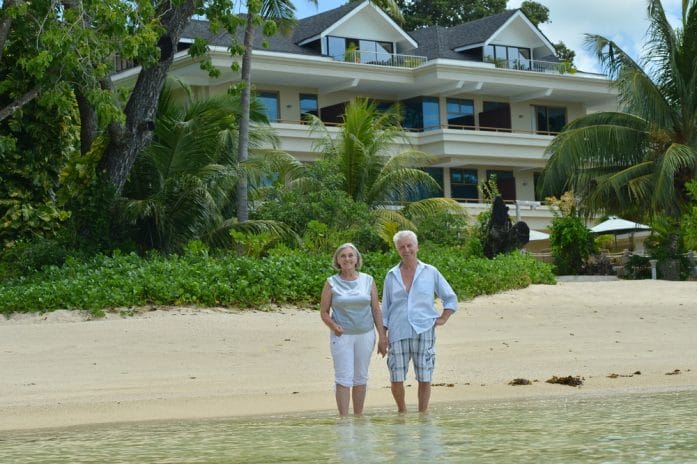
A beachfront condo in January once symbolized the ultimate retirement victory. Sun on the patio, coffee in hand, and not a snow shovel in sight felt like the reward for decades of hard work. That image still holds power, but the numbers behind it now raise eyebrows instead of smiles. Retirees who once jumped at the chance to own a second home in warmer climates now pause, run the math again, and sometimes walk away entirely. The “snowbird lifestyle” still sparkles on the surface, but beneath it sits a growing pile of expenses that refuse to stay quiet.

The shift does not come from a lack of desire, because the appeal of escaping winter remains strong and timeless. Instead, it comes from a new financial reality that feels heavier with every passing year. Property taxes climb, insurance premiums spike, and maintenance costs refuse to stay predictable. Add in rising travel expenses and fluctuating exchange rates, and the once-simple dream starts to look like a full-time financial commitment. Retirees now approach second homes with sharper questions, stricter budgets, and a willingness to rethink what “living the dream” really means.

When Paradise Comes With Property Taxes and Paperwork

Owning a second home used to feel like a straightforward upgrade, but today it behaves more like a second job with a hefty price tag. Property taxes in many popular warm-weather destinations have increased steadily, and some regions have seen sharp jumps due to booming real estate markets. Retirees who locked in homes years ago now face reassessments that push annual costs far beyond what they originally expected. Insurance adds another layer of stress, especially in areas prone to hurricanes, floods, or wildfires, where premiums have surged or coverage has become harder to secure. That combination alone can turn a relaxing getaway into a source of constant financial calculation.

Maintenance does not take a vacation either, and it demands attention whether the home sits occupied or empty. Roof repairs, plumbing issues, and general upkeep costs continue to rise, and hiring reliable help from afar adds another layer of complexity. Some retirees try to offset expenses by renting out their property, but that strategy brings its own set of responsibilities, from managing bookings to dealing with wear and tear. Regulations around short-term rentals have tightened in many areas, making it harder to rely on rental income as a safety net. The result leaves many retirees asking a simple but powerful question: does the convenience of ownership still outweigh the constant demands?

Travel Isn’t Cheap Anymore—And It Changes Everything

The snowbird lifestyle depends heavily on mobility, and that mobility has become noticeably more expensive. Airfare prices have climbed, fuel costs fluctuate unpredictably, and even road trips carry higher expenses than they once did. Retirees who once hopped between homes with ease now plan trips more carefully, sometimes reducing how often they travel between locations. That shift alone changes the rhythm of the lifestyle, turning what once felt flexible into something that requires more coordination and budgeting.

Longer stays might seem like a solution, but they introduce their own challenges, especially when family, healthcare, and social connections remain tied to a primary residence. Extended time away can complicate medical care, insurance coverage, and even access to trusted providers. Travel insurance and healthcare considerations add yet another line item to the budget, making each trip feel more like a calculated decision than a spontaneous escape. The freedom that defined the snowbird lifestyle starts to feel more structured, and that subtle shift plays a major role in why some retirees rethink the entire setup.

Renting, Downsizing, or Roaming—New Ways to Chase the Sun

Retirees have not abandoned the idea of warm winters, but they have started to approach it with more flexibility and creativity. Renting instead of owning has gained serious traction, offering the chance to enjoy different locations without the long-term financial commitment. Seasonal rentals allow retirees to test out new destinations, adapt to changing preferences, and avoid the headaches of maintenance and property management. That freedom appeals to those who value experiences over ownership, especially when costs continue to rise.

Downsizing also plays a key role in reshaping the snowbird strategy. Some retirees choose to sell larger primary homes and move into smaller, more manageable spaces, freeing up funds for travel or seasonal stays. Others take things a step further and embrace a more nomadic lifestyle, hopping between short-term rentals, extended stays, or even RV travel. These alternatives offer a sense of adventure while keeping financial obligations more predictable. The traditional second home no longer stands as the only path to a warm winter, and that shift opens the door to more personalized and adaptable lifestyles.
Retirees Are Rethinking Second Homes — Why the “Snowbird Lifestyle” Is Getting Too Expensive
Image Source: Shutterstock.com

The Emotional Side of Letting Go of a Long-Held Dream

Walking away from the idea of a second home does not feel purely financial, because it often carries emotional weight tied to years of anticipation and planning. Many retirees spent decades imagining a specific version of retirement, complete with a familiar spot in the sun. Letting go of that vision can feel like giving up a reward that once seemed guaranteed. That emotional layer makes the decision more complex than a simple cost-benefit analysis, especially when memories, aspirations, and identity all come into play.

At the same time, many retirees discover that letting go of the traditional model opens up new opportunities that feel just as fulfilling, if not more so. Without the burden of ownership, they gain the freedom to explore new places, try different lifestyles, and adapt to changing needs without feeling tied down. That flexibility often brings a renewed sense of excitement, turning retirement into a period of exploration rather than routine. The dream does not disappear; it simply evolves into something that fits better with today’s realities and priorities.

Rethinking Retirement Without Losing the Joy

The snowbird lifestyle has not vanished, but it has transformed into something more flexible, more intentional, and often more creative. Retirees now weigh costs with greater care, explore alternatives with more curiosity, and redefine what comfort and freedom look like in this stage of life. Owning a second home still works for some, especially those with the financial cushion to absorb rising expenses, but it no longer stands as the default path. Renting, downsizing, or embracing a more mobile lifestyle offers viable and appealing options that keep the spirit of the dream alive without the same level of financial strain.

Does owning a second home still feel like the right move, or does a more flexible approach sound like a better fit? Share thoughts, strategies, or experiences in the comments.

You May Also Like…

Retirement Accounts Are Triggering Unexpected Taxes — What Some Investors Overlook

7 Alternative Investments That Outperformed the S&P 500 in 2025

More Retirees Are “Aging in Place” — But Many Homes Aren’t Built for It

Why More Retirees Are Being Flagged for “Excess Assets” by Benefit Programs

7 Sun Belt Retirement Towns Seeing Significant Price Corrections

Brandon Marcus
Brandon Marcus

Brandon Marcus is a writer who has been sharing the written word since a very young age. His interests include sports, history, pop culture, and so much more. When he isn’t writing, he spends his time jogging, drinking coffee, or attempting to read a long book he may never complete.

Filed Under: Retirement Tagged With: Cost of living, downsizing, Housing Market, Inflation, Planning, real estate trends, retirees, retirement planning, second homes, snowbird lifestyle, travel lifestyle, vacation homes

10 Amazing Opportunities in Global Real Estate Markets Now

October 18, 2025 by Travis Campbell Leave a Comment

home buying
Image source: pexels.com

Global real estate markets are shifting fast, opening doors for investors and homebuyers willing to look beyond their backyard. From emerging markets to established cities reinventing themselves, there are new ways to build wealth and find unique properties. With remote work, digital nomads, and changing demographics, the landscape is more dynamic than ever. Understanding where the best opportunities lie can help you make smarter, more profitable decisions. Whether you’re seeking rental income, capital appreciation, or a vacation home, now is a great time to explore global real estate markets.

1. Affordable Luxury in Portugal

Portugal’s real estate market remains a hot spot for international buyers. Cities like Lisbon and Porto offer a blend of historic charm and modern amenities, while the Algarve region boasts stunning beaches and golf resorts. Prices are still more affordable compared to Western Europe, making it possible to own a luxury property at a reasonable cost. The country’s Golden Visa program also attracts investors seeking residency. If you want both lifestyle and value, Portugal is a top contender in today’s global real estate markets.

2. Booming Rental Yields in Vietnam

Vietnam’s urban centers, especially Ho Chi Minh City and Hanoi, have seen rapid economic growth. This has driven demand for quality housing, with rental yields often outpacing those in established markets. Foreign ownership rules have relaxed, allowing more investors to participate. With a growing middle class and a youthful population, Vietnam offers strong prospects for both short- and long-term investments in global real estate markets.

3. Tech-Driven Growth in Estonia

Estonia is gaining attention for its digital infrastructure and business-friendly policies. Tallinn, the capital, offers a mix of old-world architecture and new tech startups. Real estate remains reasonably priced, and the country’s e-Residency program makes it easy for foreigners to invest and manage properties remotely. If you’re interested in tech-forward opportunities, Estonia is worth a closer look.

4. Urban Renewal in Detroit, USA

Detroit’s story of decline is turning into one of renewal. Downtown revitalization, new businesses, and affordable property prices are attracting investors from around the world. While risks remain, the potential rewards are significant. You can buy properties at a fraction of big city prices, and rental demand is rising as more people move back to the city. Detroit exemplifies how overlooked cities can become top global real estate markets for those willing to do their homework.

5. Eco-Friendly Developments in Costa Rica

Costa Rica is a leader in sustainable living, attracting buyers seeking eco-friendly homes and resorts. The country’s stable government and welcoming attitude toward foreigners make it easy to purchase property. Areas like Guanacaste and the Central Valley offer options ranging from jungles to beaches. If sustainability and lifestyle are high on your list, Costa Rica’s real estate market is filled with promise.

6. City Living in Istanbul, Turkey

Istanbul bridges Europe and Asia, offering a unique culture and vibrant real estate scene. Prices are still lower than in other major world cities, and rental yields can be attractive. The government has also introduced citizenship programs for significant property investments. Istanbul’s location and history make it a fascinating choice for those eyeing global real estate markets with long-term potential.

7. Retirement Havens in Mexico

Mexico continues to be a favorite for retirees and investors. Well-known spots like Playa del Carmen, Puerto Vallarta, and San Miguel de Allende offer excellent value, amenities, and healthcare. The cost of living is low, and property taxes are generally modest. Mexico’s proximity to the U.S. and Canada adds convenience, making it one of the most accessible global real estate markets for North Americans.

8. High-Growth Suburbs in Australia

Australia’s major cities are expensive, but suburbs and regional towns are booming. Places like Geelong, Newcastle, and the Gold Coast are experiencing population growth and infrastructure investment. These areas offer better affordability and strong rental demand. Investors looking for stability and growth should consider these up-and-coming locations within the Australian real estate market.

9. Student Housing in the United Kingdom

The UK’s world-class universities create steady demand for student accommodation. Cities like Manchester, Birmingham, and Edinburgh offer lower entry prices than London but still attract thousands of students each year. Purpose-built student housing can provide reliable rental income, especially if located near top institutions. If you’re interested in niche investments, student housing is a promising segment of global real estate markets.

10. Vacation Rentals in Greece

Greece’s islands and coastal towns have always been popular with tourists, but recent changes in property laws have opened up new investment opportunities. Short-term rentals are in high demand, especially during the summer. Areas like Crete, Santorini, and Corfu offer beautiful scenery and historic charm. Buying a vacation home in Greece can mean both personal enjoyment and strong rental income potential.

How to Start Investing in Global Real Estate Markets

Exploring global real estate markets can seem overwhelming, but resources are available to make the process easier. Start by researching local laws, tax implications, and property management options. Consider working with international real estate agents or legal advisors who understand your target market. It’s also wise to visit in person before buying, if possible, and to connect with other investors for firsthand insights.

Whether you’re new to global real estate markets or ready to expand your portfolio, taking a strategic approach can lead to exciting, profitable opportunities.

Which of these global real estate markets would you consider investing in? Share your thoughts or questions below!

What to Read Next…

  • 8 Real Estate Mistakes That Erode Wealth Before Retirement Ever Starts
  • 6 Reasons Real Estate Wealth Disappears Within One Generation
  • 7 Real Estate Transfers That Trigger Capital Gains Overnight
  • Why Buying A Second Property Could Jeopardize Your Heirs Inheritance
  • Is Your Neighborhood Being Targeted By Real Estate Scammers
Travis Campbell
Travis Campbell

Travis Campbell is a digital marketer/developer with over 10 years of experience and a writer for over 6 years. He holds a degree in E-commerce and likes to share life advice he’s learned over the years. Travis loves spending time on the golf course or at the gym when he’s not working.

Filed Under: Real Estate Tagged With: global investing, international property, property markets, Real estate, rental yields, Retirement, vacation homes

9 Lesser-Known Risks of Buying Vacation Homes

September 28, 2025 by Travis Campbell Leave a Comment

vacation home
Image source: pexels.com

Owning a vacation home sounds like a dream. The idea of escaping to your own place, whenever you want, is tempting. But before you jump in, it’s important to understand the full picture. Buying vacation homes comes with risks that aren’t always obvious. These can affect your finances, stress levels, and even your ability to enjoy your new getaway. If you’re considering this big purchase, here are nine lesser-known risks you should keep in mind.

1. Hidden Maintenance Surprises

Vacation homes often sit empty for weeks or months. This makes them more vulnerable to issues like water leaks, pest infestations, or weather damage. Small problems can snowball when you’re not around to catch them early. You might come back to find costly repairs waiting for you. Regular upkeep, even from a distance, is essential—and it can become expensive quickly.

2. Local Tax and Regulation Changes

Property taxes and regulations can shift, especially in popular vacation areas. Some towns increase taxes on second homes or impose new restrictions on rentals. These changes can impact your budget and your ability to rent out the property. Always research the area’s track record for tax hikes and regulatory shifts before buying vacation homes.

3. Unpredictable Rental Income

If you plan to offset costs by renting out your vacation home, prepare for uncertainty. Rental demand can be seasonal or drop unexpectedly due to bad weather, local events, or even pandemics. Platforms like Airbnb and VRBO can change their rules. You may also face unexpected vacancies or difficult guests. Don’t count on a steady income to cover your mortgage or costs.

4. Insurance Complications

Insuring a second home is often more complex and expensive than insuring your primary residence. Some insurers view vacation homes as higher risk because they’re empty much of the time. You may need special policies for things like floods, hurricanes, or wildfires. In some regions, insurance might be difficult or extremely costly to obtain.

5. Limited Financing Options

Getting a mortgage for vacation homes isn’t as straightforward as for your main house. Lenders often require larger down payments and charge higher interest rates. Some banks have stricter requirements for second homes, like higher credit scores or lower debt-to-income ratios. This can make buying vacation homes more challenging and expensive than you expect.

6. Community and HOA Restrictions

Many vacation properties are part of homeowners’ associations (HOAs) or resort communities. These groups may limit what you can do with your property, especially when it comes to short-term rentals or renovations. If you want to make changes or rent out your home, you could face fines or legal trouble if you don’t follow the rules. Always read the HOA documents carefully before you buy.

7. Risk of Natural Disasters

Vacation homes are often situated in scenic yet vulnerable areas—such as beaches, mountains, or forests. These spots are prone to floods, hurricanes, wildfires, or earthquakes. A single disaster can cause significant damage or make your property unlivable for months. Ensure you understand the local risks and costs associated with preparing for or recovering from such events.

8. Resale Challenges

When it’s time to sell, vacation homes can take longer to move than primary residences. The buyer pool is smaller, and demand can drop during economic downturns. If you need to sell quickly, you might have to accept a lower price. Local market trends can be unpredictable, so don’t assume your property will appreciate over time.

9. Emotional Attachment and Decision Fatigue

It’s easy to fall in love with a vacation home. But that attachment can cloud your judgment, especially if problems arise. You might spend more than you should on upgrades or overlook serious issues. Managing a property from afar also adds to your mental load. If you’re not careful, owning a vacation home can become more stressful than relaxing.

Smart Steps Before You Buy

Buying vacation homes can be rewarding, but it’s not without pitfalls. Take your time to research, budget for the unexpected, and talk to local experts. Visit the area in different seasons to experience a sense of year-round life. Consider talking to current owners about their experiences. If you plan to rent, thoroughly check local laws and market trends.

What’s your biggest concern about buying vacation homes? Share your thoughts in the comments below!

What to Read Next…

  • Why Buying a Second Property Could Jeopardize Your Heirs Inheritance
  • 8 Real Estate Mistakes That Erode Wealth Before Retirement Ever Starts
  • How a Rental Property in the Wrong State Can Wreck Your Tax Bracket
  • How Many of These 8 Retirement Mistakes Are You Already Making
  • What Are Banks Really Doing With Your Personal Spending Data
Travis Campbell
Travis Campbell

Travis Campbell is a digital marketer/developer with over 10 years of experience and a writer for over 6 years. He holds a degree in E-commerce and likes to share life advice he’s learned over the years. Travis loves spending time on the golf course or at the gym when he’s not working.

Filed Under: Real Estate Tagged With: home buying, Personal Finance, property risks, Real estate, second home, vacation homes

Follow Us

Search this site:

Recent Posts

  • Can My Savings Account Affect My Financial Aid? by Tamila McDonald
  • 12 Ways Gen X’s Views Clash with Millennials… by Tamila McDonald
  • What Advantages and Disadvantages Are There To… by Jacob Sensiba
  • 10 Tactics for Building an Emergency Fund from Scratch by Vanessa Bermudez
  • Call 911: Go To the Emergency Room Immediately If… by Stephen Kanaval
  • 7 Weird Things You Can Sell Online by Tamila McDonald
  • 10 Scary Facts About DriveTime by Tamila McDonald

Copyright © 2026 · News Pro Theme on Genesis Framework