• Home
  • About Us
  • Toolkit
  • Getting Finances Done
    • Hiring Advisors
    • Debt Management
    • Spending Plan
  • Insurance
    • Life Insurance
    • Health Insurance
    • Disability Insurance
    • Homeowners/Renters Insurance
  • Contact Us
  • Risk Tolerance Quiz
  • Our Editorial Commitment

The Free Financial Advisor

You are here: Home / Archives for home renovation

Property Taxes Are Catching Homeowners Off Guard — Especially After Buying or Renovating

March 31, 2026 by Brandon Marcus Leave a Comment

Property Taxes Are Catching Homeowners Off Guard — Especially After Buying or Renovating
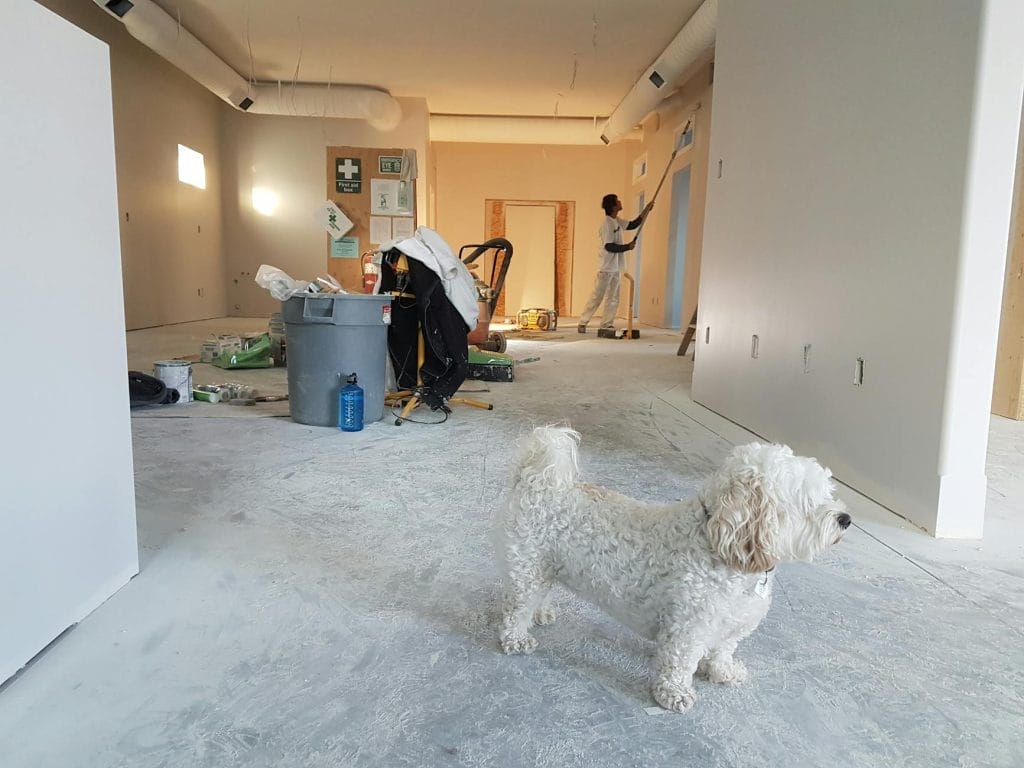
Image Source: Unsplash.com

A fresh set of keys is a huge victory. Then the property tax bill arrives and suddenly the celebration loses a bit of shine. Numbers climb higher than expected, and that monthly budget that once looked solid now starts to wobble. The shock doesn’t come from nowhere, but it often feels like it does, especially when no one spells it out clearly during the buying or renovating process.

Property taxes don’t just sit idly in the background. They react, they adjust, and sometimes they surge in ways that catch homeowners completely off guard. That surprise tends to hit hardest right after big financial milestones, like closing on a home or finishing a renovation project.

The Hidden Reset Button That Comes With Buying a Home

A home purchase doesn’t just transfer ownership. It often resets the property’s assessed value to match the current market price, and that shift can dramatically increase the tax bill. Previous owners might have benefited from years of slower assessment growth, exemptions, or caps that kept their taxes relatively low. Once a new owner steps in, those protections can disappear, and the property’s value gets recalculated based on what someone just paid for it. That recalculation frequently pushes the assessed value higher, sometimes significantly higher than before.

Many buyers focus heavily on the mortgage payment during the purchase process, but property taxes deserve equal attention because they can shift more than expected. Lenders often estimate taxes based on past bills, which can create a misleading sense of stability. Once the local assessor updates the value, the actual tax bill reflects that new reality, and the difference can feel like a financial ambush. Planning ahead requires digging into how assessments work in the specific area and asking whether a recent sale will trigger a reassessment. That simple question can prevent a lot of future frustration.

Buyers who want to stay ahead of the curve should look beyond the listing price and examine the property’s tax history in detail. Comparing past assessments with current market trends can reveal whether a jump seems likely. It also helps to set aside extra funds during the first year of ownership, just in case the bill climbs higher than expected. That buffer can absorb the impact without forcing sudden lifestyle changes, which always feels like a win.

Renovations: The Upgrade That Can Cost More Than Expected

A renovation adds comfort, style, and value, but it also sends a clear signal to local tax authorities. Improvements like finished basements, upgraded kitchens, or additional square footage often increase a property’s assessed value, and that change translates directly into higher taxes. The logic makes sense because a more valuable home typically carries a larger tax burden, but the timing and scale of that increase can still surprise homeowners who focus mostly on construction costs.

Not all renovations affect property taxes equally. Cosmetic updates like painting or replacing fixtures might not trigger a reassessment, but structural changes almost always do. Adding a new room, building a deck, or finishing unused space can push the assessed value upward in a noticeable way. Local rules vary, so homeowners need to understand what kinds of projects require permits and inspections, since those often serve as triggers for reassessment. Skipping that research can lead to a situation where the final renovation bill feels manageable, but the long-term tax impact quietly grows in the background.

Smart planning makes a huge difference here. Before starting a renovation, it helps to estimate how much value the project will add and how that might affect property taxes. Local assessors or online tools can provide rough guidance, and even a ballpark figure can help shape decisions. Some homeowners choose to phase projects over time to spread out the impact, while others build the expected tax increase into their overall budget. That kind of foresight turns a potential shock into a manageable adjustment.

Property Taxes Are Catching Homeowners Off Guard — Especially After Buying or Renovating
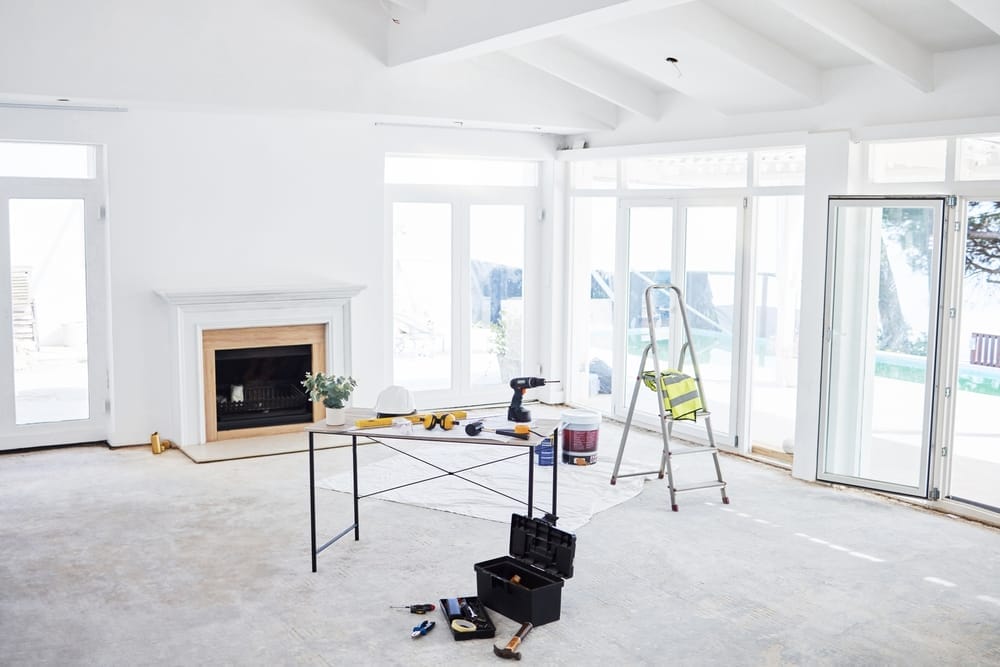
Image Source: Pexels.com

Why Tax Bills Don’t Always Match Expectations

Property taxes rely on assessed value, not necessarily the exact market value, and that distinction creates confusion. Assessors use formulas, comparable sales, and periodic updates to determine a property’s worth for tax purposes. That process doesn’t always align perfectly with what homeowners expect, especially in fast-moving markets where prices shift quickly. A sudden jump in neighborhood values can push assessments higher even without any changes to the home itself.

Timing also plays a role. Some areas reassess properties annually, while others follow longer cycles, which can create delayed increases that arrive all at once. A homeowner might enjoy relatively stable taxes for a few years, only to face a sharp increase when the next assessment cycle kicks in. That delay can make the jump feel more dramatic, even though it reflects gradual market changes over time. Understanding the local reassessment schedule helps set realistic expectations and reduces the element of surprise.

Appeals offer another layer of complexity. If a homeowner believes the assessed value sits too high, filing an appeal can potentially lower the tax bill. That process usually requires evidence, such as comparable sales or an independent appraisal, and it demands time and attention. While not every appeal succeeds, the option provides a path for those who feel their assessment doesn’t reflect reality. Taking advantage of that opportunity can lead to meaningful savings when done correctly.

Practical Moves That Keep Property Taxes From Spiraling

Preparation beats panic every time, especially when it comes to property taxes. Setting aside extra funds in an escrow account or personal savings can cushion the impact of unexpected increases. That approach prevents sudden financial strain and keeps monthly budgeting on track, even when the tax bill rises. It also creates a sense of control, which always feels better than scrambling to adjust after the fact.

Research plays a powerful role in avoiding surprises. Before buying a home, reviewing recent sales and assessment trends in the area can reveal patterns that might affect future taxes. During renovations, checking local regulations and understanding which projects trigger reassessments can guide smarter decisions. Knowledge doesn’t eliminate higher taxes, but it transforms them from a shock into a planned expense, and that shift changes the entire experience.

Staying proactive after receiving a tax bill also makes a difference. Reviewing the assessment details for accuracy ensures that errors don’t inflate the amount owed. If something looks off, contacting the local assessor or exploring the appeals process can provide a path to correction. Taking those steps requires effort, but the potential savings often justify the time invested.

Control the Surprise Before It Controls the Budget

Property taxes don’t need to feel like an unpredictable force that shows up at the worst possible moment. With the right information and a bit of forward planning, homeowners can anticipate changes and adapt without stress. Buying a home or upgrading a space should feel exciting, not overshadowed by unexpected costs that disrupt financial stability. The key lies in understanding how assessments work, asking the right questions, and building flexibility into the budget from the very beginning.

What strategies have worked for you when dealing with rising property taxes, or what lessons came from an unexpected increase? Share thoughts, experiences, or tips in the comments and keep the conversation going.

You May Also Like…

Nevada’s Low Median Property Tax — Weighing Investment Appeal

How Utilities Affect Colorado’s Low Property Tax Rate

New Jersey’s 2.23% Property Tax — How to Appeal and Save

Why Nashville Property Tax Bills Keep Rising Even With Tennessee’s Rate Cap Proposal

The “Forever Home” Problem — Why More Homeowners Are Getting Stuck in Houses That No Longer Fit


Brandon Marcus
Brandon Marcus

Brandon Marcus is a writer who has been sharing the written word since a very young age. His interests include sports, history, pop culture, and so much more. When he isn’t writing, he spends his time jogging, drinking coffee, or attempting to read a long book he may never complete.


Filed Under: tax tips Tagged With: assessment value, budgeting, home renovation, homeownership, Housing Costs, Housing Market, new homeowners, Planning, property taxes, Real estate, real estate tips, tax increase

More Retirees Are “Aging in Place” — But Many Homes Aren’t Built for It

March 27, 2026 by Brandon Marcus Leave a Comment

More Retirees Are “Aging in Place” — But Many Homes Aren’t Built for It
Image Source: Pexels.com

Have you noticed how retirement is no longer about moving into a quiet community and fading into the background? A growing number of older adults are rewriting the rules, insisting on staying right where they’ve built memories, decorated walls, and spent decades perfecting the art of comfortable living. Aging in place isn’t just a trend; it’s a movement, one that’s reshaping homes, neighborhoods, and even the way society thinks about getting older. People aren’t ready to give up control or familiarity, and honestly, who can blame them? Staying home means holding onto independence, comfort, and the routines that bring genuine joy.

But here’s the catch: most homes weren’t designed for the realities of aging. Staircases, narrow hallways, slippery bathrooms, and heavy doors suddenly turn from charming features into daily hazards. Retirees may want to stay put, but without some smart modifications, the dream of independent living can quickly turn stressful—or worse, unsafe. Architects, designers, and families are stepping up, but there’s still a gap between aspiration and reality.

Staying Home Without Losing Your Freedom

Retirees want independence, and aging in place offers it in spades. Living in a familiar space allows them to maintain routines, hobbies, and social connections that simply can’t be replicated in institutional settings. But the average home isn’t built with wide hallways, zero-step entries, or bathrooms that prevent slips and falls. That’s where creative solutions come into play. Grab bars, walk-in showers, stair lifts, and smart lighting aren’t just safety features—they’re confidence boosters, giving homeowners the ability to move freely without fear of injury. Installing these features early can prevent a costly emergency down the road and give families peace of mind.

Technology also plays a starring role in modern aging in place. Smart home devices can remind people to take medications, alert family members if something seems off, and even control lighting and temperature with voice commands. Many retirees are discovering that technology isn’t intimidating—it’s empowering. Paired with thoughtful interior design, these updates can transform an old house into a safe, efficient, and even stylish space. Aging in place is about retaining freedom, and every modification should prioritize the person living there over aesthetics alone.

Bathrooms: The Silent Danger Zone

Bathrooms account for a surprisingly high percentage of accidents among older adults. Wet tiles, tight spaces, and high bathtubs turn everyday routines into potential hazards. Converting a bathtub to a walk-in shower, adding non-slip mats, and installing grab bars may seem minor, but these changes dramatically reduce fall risk. Even something as simple as a shower chair or a hand-held showerhead can increase safety while preserving dignity and independence.

Lighting matters too. Shadows can hide obstacles and make slippery floors more treacherous. Motion-sensor lights and bright, evenly distributed fixtures reduce the chance of accidents. On top of safety, small touches like anti-scald faucets and adjustable water temperatures make daily life easier and more comfortable. Designers are now thinking like seniors, creating bathrooms that balance practicality, style, and accessibility. In many cases, the cost of renovations pales in comparison to the benefits of safety and independence, making bathroom upgrades one of the smartest investments for anyone planning to age in place.

Kitchen Upgrades That Actually Make Life Easier

Kitchens are the heart of any home, but for aging residents, they can be a minefield. Heavy doors, high shelves, and tricky appliances create unnecessary challenges. Modifying cabinets with pull-down shelves, adding lever-style handles, and placing frequently used items within easy reach can make cooking less of a workout and more of a joy. Counter heights may need adjusting to prevent strain, and non-slip flooring can transform a hazardous space into a functional, safe zone.

Beyond safety, kitchen upgrades can foster social connections. Open layouts encourage family gatherings and communal cooking, while better lighting and organization reduce stress during meal prep. Technology is stepping in here too, with smart appliances that monitor cooking times, adjust temperatures, and even alert users if something is left on. Aging in place isn’t about sacrifice—it’s about keeping life delicious, fun, and worry-free. A well-thought-out kitchen allows retirees to maintain independence without missing out on the pleasures of home-cooked meals.

More Retirees Are “Aging in Place” — But Many Homes Aren’t Built for It
Image Source: Pexels.com

Outdoor Spaces: Not Just a Nice View

Many retirees underestimate the importance of outdoor accessibility. Steps, uneven surfaces, and heavy doors can make it difficult to enjoy fresh air, gardens, or morning coffee on the porch. Adding ramps, handrails, and level pathways ensures that outdoor spaces remain accessible and safe. Gardens, patios, and decks aren’t just aesthetic features—they’re crucial for mental health, exercise, and social interaction.

Even small improvements like outdoor lighting, non-slip surfaces, and easy-to-manage planters make a big difference. Retirees who engage with their environment stay more active and maintain stronger social ties. Outdoor accessibility doesn’t require an entire remodel; thoughtful adjustments can transform the yard into an inviting, safe extension of the home. Staying connected to nature while remaining independent adds joy, energy, and purpose to daily life.

Financial Planning Meets Practical Renovations

Aging in place isn’t just a design challenge—it’s a financial one. Many retirees worry about the cost of home modifications, but there are programs and incentives to make updates more affordable. Grants, low-interest loans, and tax credits exist in many areas to help cover accessibility upgrades. Even budgeting for small, incremental improvements over time can add up to a significantly safer living environment without draining savings.

Families also play a role, whether by helping with DIY projects or coordinating professional renovations. Planning ahead prevents costly emergency interventions and allows modifications to match personal needs rather than reacting to accidents. By thinking creatively and financially, retirees can craft homes that balance comfort, safety, and long-term independence. It’s about turning a dream of staying home into a practical, achievable reality.

Designing a Home That Grows With You

Aging in place succeeds when homes evolve alongside the people who live in them. Flexibility is key: adjustable counters, modular furniture, and multipurpose spaces can accommodate changing mobility or health needs. Retirees are increasingly prioritizing universal design principles, which make homes functional for people of all ages and abilities. This proactive approach reduces stress later and keeps life enjoyable rather than restrictive.

Homes can become places of creativity, comfort, and ongoing independence with a few thoughtful upgrades. From smart technology to physical modifications, each change empowers residents to keep living life on their terms. With intentional planning, homes become safe havens that support well-being, social engagement, and even a little fun along the way.

A Home That Lets Life Shine

Aging in place is about more than convenience; it’s about maintaining identity, freedom, and the joy of daily routines. Every ramp, every lever handle, every well-placed sensor contributes to a bigger picture: a home that keeps life vibrant, exciting, and independent. While most houses weren’t built for aging adults, the right modifications make them adaptable, safe, and stylish. The key takeaway is simple: with foresight and creativity, retirees can stay where they belong without sacrificing quality of life.

What are your favorite strategies or tips for creating a home that grows with its residents? Have you seen clever solutions that blend safety and style? Share your thoughts, ideas, and personal stories in the comments section below.

You May Also Like…

Retirement Healthcare Costs Are Climbing Again — What the Average Couple Now Needs

8 Hidden Fees That Can Eat Away at Your Retirement Savings

Starting Retirement Savings at 30 With $0 — Is Catching Up Still Possible?

Is it Too Late at 45? How to Use the Mega Backdoor Roth to Dump Tens of Thousands into Retirement in One Year

10 Hidden 401(k) Fees That Can Eat Into Your Retirement Savings

Brandon Marcus
Brandon Marcus

Brandon Marcus is a writer who has been sharing the written word since a very young age. His interests include sports, history, pop culture, and so much more. When he isn’t writing, he spends his time jogging, drinking coffee, or attempting to read a long book he may never complete.
Filed Under: Retirement Tagged With: accessibility, Aging in Place, elderly care, home modifications, home renovation, home safety, independent living, mobility solutions, Retirement, senior living, smart home

14 Costly Disasters That Happen When You Renovate Without a Permit

November 3, 2025 by Travis Campbell Leave a Comment

renovate
Image source: shutterstock.com

Homeowners who want to renovate their property should assess the risks of performing work without obtaining the necessary permits. The practice of bypassing permits during renovation work appears to save time and money but results in costly problems. Building codes at the local level serve multiple purposes, including maintaining safety standards, protecting property values, and preventing legal issues. The costs of non-compliance with regulations will exceed the amount you paid for the permit. The following section examines 14 potential disasters that can occur when homeowners undertake renovations without obtaining proper permits.

1. Failed Home Inspections

If you renovate without a permit, your home might not pass future inspections. This can happen when you sell or refinance. Inspectors will spot unpermitted work, leading to delays, fines, or even demands to tear out the changes. The cost and hassle of fixing these issues can be significant.

2. Voided Homeowners Insurance

Insurance companies expect you to follow building codes. If you file a claim related to unpermitted work, your insurer might deny it. This could leave you paying out of pocket for repairs after a fire, flood, or accident. Renovating without a permit can put your financial safety net at risk.

3. Steep Fines and Penalties

When the city discovers that you skipped a permit, you may face fines. These penalties often cost more than the original permit. Some municipalities charge double or triple fees as punishment for illegal work. In extreme cases, legal action can follow, adding to your stress and expense.

4. Forced Removal of Improvements

Imagine building your dream addition, only to be told you must tear it down. Cities can require you to remove any changes made without a permit. The demolition and restoration costs can be crushing. All your hard work could vanish, along with your investment.

5. Difficulty Selling Your Home

Unpermitted renovations make selling tricky. Buyers often want assurance that everything is up to code. If they learn you renovated without a permit, they might walk away or demand a lower price. Some lenders won’t approve mortgages on homes with unpermitted work.

6. Reduced Home Value

Your home’s value depends on its legal status. Renovations without permits don’t count toward official square footage or features. Appraisers may ignore these improvements, meaning you won’t get credit for them when you sell or refinance.

7. Unsafe Living Conditions

Permits ensure renovations meet safety standards. Without oversight, mistakes can go unnoticed, such as faulty wiring, poor plumbing, or unstable structures. This puts your family at risk. Renovating without a permit can lead to dangerous living conditions.

8. Problems With Future Renovations

In the future, you may want to take on more responsibilities. If inspectors find unpermitted changes, they may halt your new project until you resolve old issues. This can delay your plans and add unexpected costs.

9. Complications With Neighbors

Neighbors sometimes report work they suspect is unpermitted, especially if it affects them. Renovating without a permit can spark disputes, complaints, or even lawsuits. Good fences may make good neighbors—but so do proper permits.

10. Tax Assessment Surprises

Unpermitted improvements can still catch the eye of tax assessors. If they discover your upgrades, your property taxes may rise unexpectedly. However, you may not fully realize the value of the renovation if it’s not officially recognized.

11. Legal Liability for Injuries

If someone gets hurt because of faulty work, you could be sued. Without a permit, it’s harder to prove the work was done safely. Renovating without a permit increases your legal risk if an accident happens on your property.

12. Poor Workmanship and Lack of Oversight

Permits require inspections at key stages. Skipping them often results in lower-quality work, especially when hiring unlicensed contractors. Mistakes may not become apparent until years later, resulting in costly repairs.

13. Difficulty Getting Future Permits

Once you’re caught renovating without a permit, the city may scrutinize you more closely. Obtaining approval for future projects may become more challenging, time-consuming, or costly.

14. Problems With Insurance Claims When Selling

Even after you sell, if problems arise from your unpermitted work, the buyer’s insurance company may pursue you legally. This can lead to ongoing legal and financial headaches long after you thought the project was complete.

How to Avoid the Pitfalls of Renovating Without a Permit

The urge to begin a project or save money on costs might lead people to start renovations without obtaining proper permits. The dangers of unauthorized renovation work create major threats to your financial stability, personal safety, and mental comfort. Always verify with your local building department before beginning any modifications to your property. Most urban areas provide accessible resources and hotline services that enable residents to identify which construction work needs official authorization.

You can find the necessary information about permit requirements through your city website or by contacting a reliable source. Your contractor should obtain all required permits for your project when you work with them.

Have you encountered any issues during your renovation project? Please share your renovation experiences through the comment section.

What to Read Next…

  • Why Are So Many DIY Projects Actually Illegal In Your County?
  • 9 Renovation Grants That Can Backfire On Your Estate
  • 5 Home Investment Plans That Legal Experts Say To Avoid
  • 10 Items That Could Void Your Homeowners Insurance Instantly
  • 5 Emergency Repairs That Could Force You Into Debt Overnight
Travis Campbell
Travis Campbell

Travis Campbell is a digital marketer/developer with over 10 years of experience and a writer for over 6 years. He holds a degree in E-commerce and likes to share life advice he’s learned over the years. Travis loves spending time on the golf course or at the gym when he’s not working.

Filed Under: Home Improvement Tagged With: building codes, DIY, home renovation, homeowners insurance, legal issues, permits, property value

5 Home Renovation Projects That Will Never Increase Your Home’s Value

October 14, 2025 by Travis Campbell Leave a Comment

home improvement
Image source: shutterstock.com

Homeowners often dream of boosting their property value with creative renovations. The truth is, not all home renovation projects pay off when it comes time to sell. In fact, some updates can actually make your home harder to sell or reduce its appeal to potential buyers. Spending thousands of dollars on the wrong upgrades can leave you disappointed when you don’t see a return on investment. If you want to make smart choices, it’s important to know which projects will never increase your home’s value. Let’s look at five renovations that rarely deliver the payoff homeowners hope for.

1. Luxury Bathroom Overhauls With High-End Features

It’s tempting to turn your bathroom into a spa-like retreat with heated floors, custom steam showers, and imported tile. However, luxury bathroom renovations are one of the most common home renovation projects that will never increase your home’s value. The cost of these upgrades often far outweighs what buyers are willing to pay for them. Most home shoppers are looking for a functional, clean bathroom—not a luxury suite they’ll rarely use. If your remodel is too over-the-top, it can actually make your home less appealing to buyers who’d rather have the extra cash to personalize the space themselves.

Instead of splurging on high-end features, consider basic updates like fresh paint, new fixtures, or updated lighting. These improvements are more likely to appeal to a wider range of buyers and are easier on your wallet.

2. Swimming Pools

Adding a swimming pool may seem like a dream come true, especially if you live in a warm climate. But pools are one of those classic home renovation projects that will never increase your home’s value in most markets. Pools are expensive to install, maintain, and insure. Many buyers see them as a safety hazard or a costly burden, not a luxury. In some regions, a pool can even make your property harder to sell. Families with young children or buyers concerned about upkeep may cross your home off their list entirely.

If you want to add value, focus on outdoor improvements that have broader appeal, like landscaping or a simple patio. These upgrades offer more flexibility and require less long-term maintenance.

3. Garage Conversions Into Living Space

It might sound like a good idea to turn your garage into a guest suite, gym, or home office. Unfortunately, this is another example of home renovation projects that will never increase your home’s value. While you may enjoy the extra living space, most buyers value a functional garage for parking and storage. Removing this feature can actually deter buyers, especially in areas with harsh weather or limited street parking.

Instead, if you need more living space, look for ways to finish an attic or basement. These areas can be converted without sacrificing essential features buyers expect in a home.

4. Highly Personalized Room Themes

Do you dream of a medieval-themed dining room or a home theater decked out in neon lights? While it’s fun to personalize your space, highly specific room themes are a risky investment. These renovations are another example of home renovation projects that will never increase your home’s value. Most buyers want a blank canvas they can make their own, not a room they’ll need to rip out and redo. The more niche your renovation, the harder it will be to find someone who shares your exact taste.

If you’re passionate about a theme, consider using removable décor instead of permanent changes. This way, you can enjoy your unique style now and easily return the room to a neutral state when it’s time to sell.

5. Over-the-Top Smart Home Technology

Smart home tech is more popular than ever, but going overboard can backfire. Fully integrated systems with complex controls, custom wiring, and high-end gadgets are expensive and quickly become outdated. Most buyers want simple, user-friendly features—think a smart thermostat or video doorbell—not a home that requires a manual to operate. This makes tech-heavy upgrades one of the home renovation projects that will never increase your home’s value in the long run.

If you want to add technology, stick to upgrades that are easy to use and can be removed or updated as needed. Simple devices are more likely to appeal to future buyers and won’t break the bank if trends change.

How to Choose Value-Boosting Renovations

Before you start any home renovation projects that will never increase your home’s value, take a step back and consider what buyers in your area really want. Focus on projects that offer broad appeal and practical benefits, like updated kitchens, energy-efficient windows, or fresh paint. These improvements tend to have the best return on investment and make your home stand out in the market.

Have you tackled any home renovation projects that didn’t pay off? Share your experiences in the comments below!

What to Read Next…

  • 5 Home Investment Plans That Legal Experts Say to Avoid
  • 9 Renovation Grants That Can Backfire on Your Estate
  • The Subtle Home Smells That Real Estate Agents Say Ruin Sales
  • Why Are So Many DIY Projects Actually Illegal in Your County
  • Top 3 Water Damage Claims Home Insurance Actually Covers
Travis Campbell
Travis Campbell

Travis Campbell is a digital marketer/developer with over 10 years of experience and a writer for over 6 years. He holds a degree in E-commerce and likes to share life advice he’s learned over the years. Travis loves spending time on the golf course or at the gym when he’s not working.

Filed Under: Home Improvement Tagged With: Home Improvement, home renovation, home selling, property value, Real estate, remodeling, ROI

5 Times You Should Renovate Your Home and 5 Times You Should Absolutely Sell It

October 3, 2025 by Travis Campbell Leave a Comment

renovations
Image source: pexels.com

Deciding whether to renovate your home or put it on the market is one of the biggest choices homeowners face. The stakes are high: your finances, comfort, and future plans all hang in the balance. Sometimes, investing in a renovation can add value and make your house feel like home again. Other times, selling is the smarter move, especially when repairs are overwhelming or your needs change. Weighing the pros and cons isn’t always easy, but knowing when to renovate or sell your home can help you make the best decision for your situation. Let’s break down five times you should consider renovating your home and five times when it’s absolutely time to sell.

1. Renovate When You Love Your Neighborhood

If you’re happy with your location, neighbors, and school district, renovating makes sense. Moving might land you in a less desirable area or disrupt your daily routine. A remodel allows you to update your space without giving up your community. Plus, familiar surroundings can be hard to replace, especially if you’ve built relationships nearby. When you renovate your home in a neighborhood you love, you keep what matters most while making your space work better for you.

2. Sell When Your Home Needs Major Structural Repairs

Some problems go beyond cosmetic fixes. If your house has foundation issues, a crumbling roof, or outdated wiring, the cost to renovate your home may be more than it’s worth. Extensive repairs can also mean months of construction and stress. In these cases, selling could be the better financial move. Let a new buyer with the resources (or appetite) for major renovations take over, and use your equity to find a home that doesn’t come with so much baggage.

3. Renovate When Your Family Is Growing

Is your family expanding? A new baby, an elderly parent moving in, or kids needing separate rooms are all good reasons to renovate your home. Adding a bedroom, finishing a basement, or expanding a kitchen can make your home fit your family’s needs without the hassle of moving. Renovations can be tailored to your lifestyle, helping you stay put while still giving everyone space.

4. Sell When You Need to Downsize

If your kids have moved out or your home feels too large to manage, selling makes sense. Renovating to shrink a space rarely works out the way people hope. Large homes require more maintenance, higher utility bills, and can become a burden as you age. Selling gives you the freedom to find a property that better matches your current lifestyle. You may even free up cash for travel, hobbies, or retirement.

5. Renovate When You Can Increase Value for Less

Sometimes, small updates can lead to a big boost in your home’s value. If your kitchen or bathroom is outdated but structurally sound, a targeted renovation may pay off. Updating fixtures, painting, and adding modern touches can make your home more comfortable now and more attractive to future buyers. These simple upgrades often offer a strong return on investment, making renovation a smart choice when you want to stay put but invest in your property’s future.

6. Sell When the Market Is Hot

Timing matters. If your local real estate market is booming, selling your home could net you a tidy profit. A seller’s market means more buyers competing, which can drive up prices. It may make sense to sell rather than renovate your home if you can capitalize on high demand. This is especially true if you’re already considering a move for work, family, or lifestyle reasons. Cashing in while the market favors sellers can give you more options for your next home.

7. Renovate When You Plan to Stay Long-Term

If you see yourself living in your home for many years, renovating makes sense. Upgrades like energy-efficient windows, a new HVAC system, or improved insulation pay off over time. When you renovate your home for the long haul, you can focus on features that matter to you, not just resale value. Comfort, efficiency, and personal style become top priorities, making your investment worthwhile.

8. Sell When You’re Facing a Long Commute

Job changes, school choices, or lifestyle shifts can turn a once-convenient location into a logistical nightmare. If you’re spending hours in traffic or far from friends and family, selling may be the best option. Renovating won’t fix a bad location. In this case, moving closer to work or loved ones can improve your quality of life and save money over time.

9. Renovate When Your Home Has “Good Bones”

Is your house structurally sound, with no major issues? Homes with solid foundations, good layouts, and quality materials are prime candidates for renovation. Cosmetic updates can be transformative when the basics are in great shape. Renovating your home can unlock its full potential without the headaches that come with major repairs. You get a fresh look and feel while preserving the things that work well.

10. Sell When You’re Ready for a Fresh Start

Sometimes, it’s not about finances or repairs—it’s about life changes. Maybe you want to move closer to family, start a new job, or just experience something different. If you’re feeling stuck or uninspired, selling your home could be the fresh start you need. Renovating can’t fix a desire for change, but a new home might. If your heart isn’t in your current house anymore, selling is the right move.

Making the Right Choice for Your Future

Deciding whether to renovate your home or put it up for sale is rarely black and white. It comes down to your budget, needs, and long-term goals. Carefully consider the costs, benefits, and emotional impact of each option. Sometimes, a conversation with a trusted real estate agent or contractor can clarify your decision.

Have you faced the choice to renovate your home or sell it? What factors helped you decide? Share your experience in the comments!

What to Read Next…

  • The Subtle Home Smells That Real Estate Agents Say Ruin Sales
  • 9 Renovation Grants That Can Backfire On Your Estate
  • 5 Home Investment Plans That Legal Experts Say To Avoid
  • 10 Items That Could Void Your Homeowners Insurance Instantly
  • How Many Of These 8 Retirement Mistakes Are You Already Making
Travis Campbell
Travis Campbell

Travis Campbell is a digital marketer/developer with over 10 years of experience and a writer for over 6 years. He holds a degree in E-commerce and likes to share life advice he’s learned over the years. Travis loves spending time on the golf course or at the gym when he’s not working.

Filed Under: Home Improvement Tagged With: Home Improvement, home renovation, moving advice, Real estate, selling a home

Here’s Why Experts Say You Should Get At Least 3 Quotes Before Any Home Renovations

April 22, 2025 by Travis Campbell Leave a Comment

construction crew working
Image Source: unsplash.com

Home renovation projects can transform your living space, but they can also transform your bank account—and not in a good way. Whether you’re updating a kitchen, adding a bathroom, or simply replacing flooring, getting multiple quotes isn’t just a suggestion—it’s a financial necessity. Renovation costs can vary dramatically between contractors, sometimes by thousands of dollars for the same work. Industry experts consistently recommend obtaining at least three quotes before committing to any home improvement project. This simple step could save you significant money while ensuring quality work that meets your expectations.

1. Price Comparisons Reveal Market Reality

Getting multiple quotes provides a clear picture of the actual market rate for your specific project. When you receive only one quote, you have no context for whether that price is competitive, inflated, or even suspiciously low. According to a HomeAdvisor survey, homeowners who obtained three or more quotes saved an average of 15-20% on their renovation projects compared to those who went with the first contractor they contacted.

The variation between quotes can be eye-opening. For instance, a bathroom remodel might be quoted at $15,000 by one contractor and $22,000 by another. You might never know you could save $7,000 for comparable work without multiple quotes. These differences often stem from varying overhead costs, supplier relationships, and profit margin expectations.

Remember that the lowest quote isn’t always the best choice, but knowing the range helps you identify outliers and negotiate effectively.

2. Quotes Reveal Scope Discrepancies

Different contractors may interpret your project requirements differently, leading to significant variations in what’s actually included in their quotes. By comparing multiple proposals, you can identify these discrepancies and ensure you’re comparing apples to apples.

For example, one kitchen renovation quote might include cabinet hardware while another doesn’t. One contractor might specify premium materials while another budgets for standard options. These differences can dramatically affect both price and final results.

Multiple quotes help you develop a comprehensive understanding of your project’s components. You can then create a standardized scope of work to ensure all contractors bid on the exact specifications, making comparisons more meaningful and preventing costly misunderstandings later.

3. Contractor Expertise Becomes Evident

Each quote process reveals valuable information about the contractor’s professionalism, knowledge, and approach. During estimate meetings, pay attention to how thoroughly the contractor examines the project area, the questions they ask, and their suggestions for potential challenges or improvements.

A contractor who spends 15 minutes glancing around before handing you a quote likely won’t provide the same quality as one who spends an hour measuring, examining existing structures, and discussing options with you. The detailed quote often comes from a more thorough professional.

According to the National Association of the Remodeling Industry, contractors who take time to provide detailed written estimates typically deliver more reliable work. Their thoroughness in quoting often reflects their approach to the renovation.

4. Payment Structures and Timelines Vary Significantly

Multiple quotes reveal important differences in how contractors structure payments and project timelines. Some may require 50% upfront, while others might use a milestone-based payment schedule that better protects your interests. Project timelines can vary by weeks or even months between contractors.

These variations significantly impact your renovation experience. A contractor requiring large upfront payments presents more financial risk. Similarly, a timeline that’s substantially longer than others might indicate inefficiency or overcommitment to multiple projects.

By comparing these elements across quotes, you can identify red flags and negotiate terms that provide both fair protection for the contractor and reasonable safeguards for yourself.

5. Material Specifications Show Quality Differences

Quotes should detail the specific materials to be used in your renovation. Comparing these specifications across multiple quotes can reveal important quality differences that affect both the price and longevity of your renovation.

For instance, one contractor might specify marine-grade plywood for bathroom vanities (which better resists moisture), while another uses standard plywood. One might include solid hardwood flooring, while another quotes engineered wood. These differences significantly impact durability and maintenance requirements.

Multiple quotes help you identify these variations and decide where to invest in higher quality and where standard materials might suffice.

6. The Fine Print Matters More Than You Think

Contract terms vary substantially between contractors, and these differences become apparent when comparing multiple quotes. Important elements like warranty coverage, change order procedures, cleanup responsibilities, and liability insurance can vary dramatically.

One contractor might offer a two-year workmanship warranty while another provides only 90 days of coverage. Some include detailed change order processes with transparent pricing, while others leave these terms vague, potentially leading to disputes later.

By reviewing multiple contracts, you’ll develop a better understanding of standard terms and can negotiate improvements where necessary.

7. The Savvy Homeowner’s Secret Weapon

Getting multiple quotes isn’t just about finding the best price—it’s about leveraging knowledge. When contractors know you’re obtaining competitive bids, they’re more likely to sharpen their pencils and provide their best offer. This competitive dynamic often results in better pricing, more detailed proposals, and enhanced service commitments.

Additionally, the knowledge gained through multiple quotes empowers you to negotiate effectively. You can confidently discuss specific line items, material alternatives, or timeline adjustments because you understand the market realities for your project.

This approach transforms you from a passive consumer to an informed client who understands each contractor’s value proposition.

Protecting Your Investment Starts Before the First Hammer Falls

The time spent obtaining and comparing multiple quotes pays dividends throughout your renovation journey. This crucial preparation step helps ensure your hard-earned money delivers maximum value while minimizing the risks inherent in home improvement projects. Remember that renovation quotes aren’t just about price—they’re comprehensive proposals that reveal a contractor’s professionalism, attention to detail, and understanding of your project.

Have you ever been surprised by the difference between contractor quotes for the same project? Share your renovation quote experiences in the comments below!

Read More

Tips to Save Money on Home Repairs and Renovations

6 Tips for Renovating Your Home on a Budget

Travis Campbell
Travis Campbell

Travis Campbell is a digital marketer/developer with over 10 years of experience and a writer for over 6 years. He holds a degree in E-commerce and likes to share life advice he’s learned over the years. Travis loves spending time on the golf course or at the gym when he’s not working.

Filed Under: Home Improvement Tagged With: contractor quotes, contractor selection, Home Improvement, home renovation, renovation costs, renovation planning

FOLLOW US

Search this site:

Recent Posts

  • Can My Savings Account Affect My Financial Aid? by Tamila McDonald
  • 12 Ways Gen X’s Views Clash with Millennials… by Tamila McDonald
  • What Advantages and Disadvantages Are There To… by Jacob Sensiba
  • 10 Tactics for Building an Emergency Fund from Scratch by Vanessa Bermudez
  • Call 911: Go To the Emergency Room Immediately If… by Stephen Kanaval
  • 7 Weird Things You Can Sell Online by Tamila McDonald
  • 10 Scary Facts About DriveTime by Tamila McDonald

Copyright © 2026 · News Pro Theme on Genesis Framework