• Home
  • About Us
  • Toolkit
  • Getting Finances Done
    • Hiring Advisors
    • Debt Management
    • Spending Plan
  • Insurance
    • Life Insurance
    • Health Insurance
    • Disability Insurance
    • Homeowners/Renters Insurance
  • Contact Us
  • Privacy Policy
  • Risk Tolerance Quiz

The Free Financial Advisor

You are here: Home / Archives for Paying Rent

9 Expenses That Feel Manageable Until One Changes

January 25, 2026 by Brandon Marcus Leave a Comment

These Are 9 Expenses That Feel Manageable Until One Changes

Image source: shutterstock.com

You’re cruising along, bills paid, coffee in hand, feeling like you’ve finally cracked the code of adulthood. The numbers line up, the math works, and nothing feels out of control. Then one small shift happens—a rate bumps up, a habit evolves, or life throws in a new variable—and suddenly that “totally fine” expense demands a second look.

These aren’t dramatic financial disasters; they’re the subtle changes that turn comfort into tension. Let’s talk about the everyday costs that behave nicely until one thing changes and reminds you who’s really in charge.

1. Rent Or Mortgage Payments

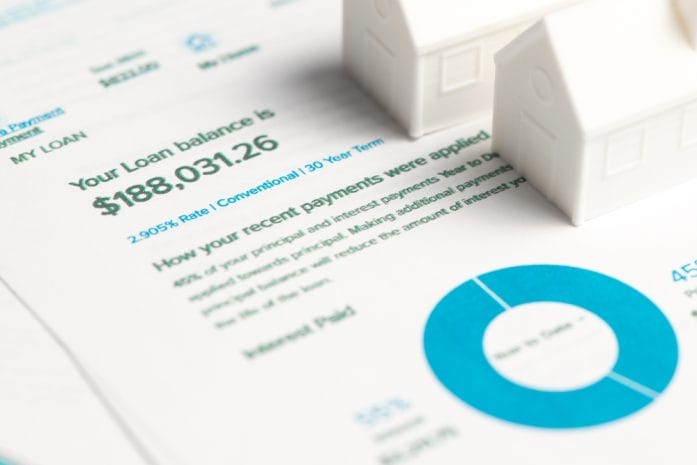
Housing costs often feel stable because they’re predictable month to month. You sign a lease or lock in a mortgage and build your budget around that number. The problem appears when a lease renewal brings a higher rate or property taxes push a mortgage payment upward. Even a modest increase can ripple through the rest of your finances because housing already takes a large slice of income.

Add in rising insurance premiums or unexpected maintenance, and that once-manageable payment suddenly demands sacrifices elsewhere. Housing doesn’t need to double to cause stress; it just needs to inch upward at the wrong time.

2. Car Ownership Costs

A car payment alone can seem perfectly reasonable, especially when the vehicle feels reliable. Then gas prices rise, insurance renews at a higher rate, or repairs start appearing more often. Maintenance costs tend to cluster, which makes a dependable car feel suspiciously expensive all at once.

A longer commute or a job change can quietly increase fuel and wear costs. Registration fees and taxes add another layer that’s easy to forget until they’re due. Cars are manageable until usage or upkeep changes, and then they demand attention fast.

3. Childcare Expenses

Childcare is often budgeted carefully because it’s expected and essential. It works until a schedule change requires more hours or a provider raises rates. As children grow, their needs change, sometimes requiring different care arrangements that cost more.

Summer programs, after-school care, and holiday coverage add layers that weren’t always there. Even small increases add up quickly because childcare is already a major expense. Families often find that one shift in routine can reshape the entire monthly budget.

4. Health Insurance And Medical Costs

Monthly premiums can feel manageable when they’re predictable and benefits are familiar. Trouble starts when a job change alters coverage or deductibles reset for the year. A single unexpected medical issue can turn a quiet line item into a dominant expense. Prescription changes or specialist visits add costs that weren’t part of the original plan. Even routine care can become expensive when coverage rules change. Healthcare costs rarely explode all at once; they grow louder with each adjustment.

5. Utilities And Energy Bills

Utilities often fade into the background because they’re relatively steady. Seasonal shifts, however, can dramatically change heating or cooling costs. Energy rate increases can arrive quietly and stay for good. A larger household, remote work, or aging appliances can push usage higher without much notice.

Weather extremes make those changes impossible to ignore. Utilities are manageable until consumption or pricing changes, and then they demand respect.

6. Groceries And Household Supplies

Food budgets feel flexible because shopping habits feel familiar. Prices rise gradually, making it hard to pinpoint when things got more expensive. Dietary changes, growing families, or hosting more often can nudge spending upward.

Convenience items and prepared foods quietly cost more over time. Even switching stores or brands can impact totals. Groceries rarely shock you in one trip; they wear you down over dozens of receipts.

These Are 9 Expenses That Feel Manageable Until One Changes

Image source: shutterstock.com

7. Subscriptions And Memberships

Subscriptions are famous for feeling harmless. A few dollars here and there don’t seem worth worrying about. Then prices increase, free trials end, or services add tiers you didn’t plan on.

The number of subscriptions can grow while their value stays the same. Annual renewals can hit all at once, creating a sudden cash crunch. Subscriptions are manageable until they multiply or change terms without asking.

8. Student Loan Payments

Student loans often come with structured repayment plans that feel predictable. That sense of control shifts when interest accrues faster or repayment pauses end. Income changes can make once-comfortable payments feel heavy. Consolidation or refinancing can alter timelines and totals in unexpected ways.

Even small interest rate differences matter over long periods. Student loans behave until one variable changes, and then they remind you they’re in it for the long haul.

9. Pet Care And Veterinary Costs

Pets usually fit neatly into a budget with food and routine care. The challenge appears when health issues arise or pets age. Veterinary costs can escalate quickly and aren’t always optional. Specialized food, medications, and emergency visits add layers of expense. Even grooming and boarding costs can increase with changing needs. Pet expenses feel manageable until one unexpected visit rewrites the budget.

When Small Changes Make A Big Difference

Most budgets don’t collapse because of reckless spending. They wobble when familiar expenses quietly change their rules. Recognizing which costs are sensitive to change helps you prepare before stress sets in. Awareness creates flexibility, and flexibility keeps finances feeling human.

If any of these expenses have caught you off guard, your experience could resonate with others reading along. Drop your thoughts or stories in the comments section below and keep the conversation going.

You May Also Like…

Why Do Fixed Expenses Feel Anything But Fixed

The Texas Mortgage Shock: Why Your Monthly Payment Just Jumped $400 Without Warning

Why Does Spending Turn A Dream Vacation Into A Nightmare?

Debt Alert: 6 Ways Holiday Spending Could Trigger a January Credit Score Crisis

Why Do Unexpected Expenses Always Seem to Hit at the Worst Time

Brandon Marcus
Brandon Marcus

Brandon Marcus is a writer who has been sharing the written word since a very young age. His interests include sports, history, pop culture, and so much more. When he isn’t writing, he spends his time jogging, drinking coffee, or attempting to read a long book he may never complete.


Filed Under: Smart Spending Tagged With: buying a card, car ownership, childcare, childcare costs, energy bills, expenses, fixed expenses, groceries, grocery prices, Money, money habits, mortgage, mortgage payments, overspending, Paying Rent, Rent, Smart Spending, spending, utilities, utility bills

Why You Should Never, Ever Skip Paying Your Bills

December 25, 2025 by Brandon Marcus Leave a Comment

Why You Should Never, Ever Skip Paying Your Bills

Image Source: Shutterstock.com

Bills are like the villains in every thrilling story—they lurk in your mailbox, hide in your inbox, and sneak up on you when you least expect it. But unlike fictional villains, ignoring them doesn’t make you a hero; it sets off a chain reaction of chaos that can haunt your financial life for years.

Skipping a payment might feel like a tiny victory, a way to buy yourself some breathing room, but that brief relief comes at a steep price. From skyrocketing late fees to irreparable credit damage, unpaid bills are a ticking time bomb. And once they explode, it’s not just your wallet that suffers—your stress levels, sleep schedule, and personal freedom could all take a hit too.

Late Fees Are Not Your Friend

Skipping a bill doesn’t make it disappear—it just makes it angrier. Late fees are designed to punish procrastinators, and they grow faster than you might expect. A $50 overdue charge can balloon into hundreds if left unchecked, adding unnecessary financial weight. Many utility companies, credit card issuers, and service providers impose compounding penalties that make the original amount feel like a drop in the bucket. The sooner you pay, the sooner you stop the fees from multiplying and taking over your life.

Your Credit Score Hangs In The Balance

Your credit score is more than just a number; it’s the key to better loans, lower interest rates, and even some job opportunities. Missing payments can slash your score in ways that take months, even years, to repair. A single late payment might seem minor, but repeated delinquencies scream “financial risk” to lenders. Poor credit doesn’t just affect borrowing—it can impact insurance premiums, rental applications, and your financial reputation. Protecting your credit score by paying on time is like installing a personal financial force field against future hardships.

Debt Can Spiral Out Of Control

Ignoring bills is like poking a hornet’s nest with a stick—the mess just multiplies. When unpaid balances accumulate, interest and penalties combine to create a snowball effect of debt. That snowball starts small but quickly grows until it’s nearly impossible to control. Credit cards, medical bills, and loans all have different interest rates, but they share one universal truth: the longer you wait, the more you owe. Staying ahead of payments keeps you in control and prevents debt from taking over your financial life.

Stress And Anxiety Will Multiply

Skipping bills doesn’t just harm your bank account—it also wrecks your peace of mind. Every unanswered invoice adds a mental weight, gnawing at your focus and making daily life feel heavier. Stress from financial uncertainty can trigger sleepless nights, irritability, and even health issues. The longer you put off payment, the more it dominates your thoughts, leaving little room for joy or creativity. Paying bills promptly is not just a financial move; it’s a mental health strategy that keeps your head clear and your heart lighter.

Why You Should Never, Ever Skip Paying Your Bills

Image Source: Shutterstock.com

Service Interruptions Are A Nightmare

Failing to pay bills can lead to a sudden, shocking loss of essential services. Electricity, water, internet, or phone access can be shut off with minimal warning, creating immediate disruption. Imagine coming home after a long day only to find the lights out or the water off—it’s stressful, inconvenient, and completely avoidable. Service providers often charge reconnection fees, doubling the cost of your oversight. Staying current with bills ensures your lifestyle continues uninterrupted and keeps surprise chaos at bay.

Legal Consequences Can Be Real

Unpaid bills don’t just vanish; they can escalate into legal headaches you never anticipated. Some creditors have the power to file lawsuits, garnish wages, or place liens on property for delinquent payments. Legal battles are time-consuming, expensive, and emotionally draining, often far outweighing the relief of skipping a payment. Even minor bills can snowball if left unattended, creating scenarios that require lawyers and court appearances. Staying responsible with payments keeps your life legally smooth and avoids unnecessary courtroom drama.

Protect Your Relationships And Reputation

Financial responsibility isn’t just about numbers—it’s about trust. Consistently failing to pay bills can damage your reputation with lenders, landlords, and even family members who might co-sign or rely on you. Friends and business partners notice patterns of unreliability, which can affect opportunities both personal and professional. Conversely, timely payments demonstrate integrity and reliability, reinforcing your credibility in multiple spheres. Paying bills promptly is a way of maintaining trust and ensuring others see you as dependable.

Future Opportunities Depend On It

Skipping bills might feel like a short-term fix, but it can rob you of long-term possibilities. Poor payment history can prevent you from qualifying for mortgages, car loans, or even premium credit cards. It can limit your options when you want to move, expand a business, or invest in new opportunities. Every on-time payment builds a track record of financial responsibility that opens doors rather than closing them. Treating bills as priority investments in your future creates freedom and flexibility for years to come.

Habits Shape Your Financial Life

Consistency matters more than occasional heroics. The habit of paying bills on time creates a rhythm that improves overall financial health. You learn to budget, prioritize, and manage resources more efficiently, avoiding panic or last-minute scrambles. Skipping bills disrupts that rhythm, introducing chaos into a system that thrives on consistency. By establishing strong habits, you set yourself up for sustainable success, reducing stress and creating opportunities for growth.

Avoiding Regret Is Priceless

At the end of the day, the biggest cost of skipped payments is regret. Watching debt pile up, stress mount, or services get cut is far worse than the temporary relief of avoidance. Regret lingers longer than any bill ever could, coloring future decisions and confidence. Paying bills promptly eliminates the “what ifs” and frees you to focus on positive financial moves. The peace of mind that comes from responsibility is priceless—and far more satisfying than any fleeting advantage from delay.

Your Financial Health Is Worth Every Cent

Skipping bills might feel like a clever shortcut, but the consequences are severe, far-reaching, and often irreversible. Paying on time protects your credit, prevents debt spirals, safeguards essential services, and keeps stress levels manageable. It builds trust, strengthens habits, and preserves opportunities for the future. Your financial life deserves attention, care, and consistent action—ignoring bills undermines all three.

Tell us your thoughts or experiences with bill management in the comments section below; we’d love to hear how you’ve navigated these challenges successfully.

You May Also Like…

Here’s When It’s Okay To Let Kids Move Back Home To Pay Off Bills

7 Silent Money Traps in Monthly Bills

8 Shocking Costs of Ignoring Small Medical Bills

6 Charges You’re Paying for… But Getting Nothing in Return

7 Silent Money Traps in Monthly Bills


Brandon Marcus
Brandon Marcus

Brandon Marcus is a writer who has been sharing the written word since a very young age. His interests include sports, history, pop culture, and so much more. When he isn’t writing, he spends his time jogging, drinking coffee, or attempting to read a long book he may never complete.

Filed Under: Lifestyle Tagged With: anxiety, bills, credit repair, credit report, credit score, Debt, foreclosure, household bills, household responsibilities, late fees, money issues, paying bills, paying off debt, Paying Rent, skipping bills, stress, utility bills

9 Outdated Pieces of Financial Advice That Are Now Dangerous

December 4, 2025 by Brandon Marcus Leave a Comment

Here Are Outdated Pieces Of Financial Advice That Are Now Dangerous

Image Source: Shutterstock.com

Financial advice is everywhere—family, friends, blogs, and random people at parties who swear they know the “secret” to wealth. The problem? Some of that advice hasn’t just aged poorly—it’s actually risky in today’s economy. What worked in the 1980s or even the early 2000s can now set you up for stress, missed opportunities, or serious money mistakes.

If you’re still clinging to old rules without questioning them, it’s time to hit the brakes. Let’s go through nine pieces of financial guidance that sound innocent but can be downright dangerous in 2025 and beyond.

1. Always Pay Off Your Credit Cards In Full Every Month

This used to be gospel advice, but it’s not as simple as it sounds. While paying off debt is generally smart, obsessively trying to clear every card balance can sometimes backfire. Some credit cards offer rewards, points, or cash-back bonuses that make strategic borrowing worthwhile—if you know what you’re doing. Ignoring these perks in a rigid attempt to pay off every dollar immediately can cost you potential benefits. Today, financial savvy is about balance: pay down high-interest debt first but don’t fear leveraging low-interest opportunities.

2. Rent Is Throwing Money Away

The old adage “renting is wasting money” has lost credibility in many markets. Real estate is no longer a guaranteed wealth-builder; in fact, home ownership comes with hefty maintenance costs, property taxes, and fluctuating markets. People who buy too soon, purely because they’re told to, often end up financially strained. Renting can offer flexibility, liquidity, and the ability to invest elsewhere. Wealth today isn’t about owning property at all costs—it’s about making smart, personalized choices.

3. Buy A Brand-New Car As Soon As You Can Afford It

New car fever is tempting, but it’s a financial trap most people underestimate. Cars depreciate fast—sometimes losing 20% of their value the moment you drive off the lot. Older, certified pre-owned vehicles often offer reliability with far less financial stress. Following the “buy new as soon as possible” mantra can set you back tens of thousands over a lifetime. Smart drivers today think about total cost of ownership, not just monthly payments.

4. Avoid All Debt Like The Plague

Debt used to be villainized, and for good reason when interest rates were sky-high. But today, certain types of debt are strategic tools, not automatic disasters. Student loans, mortgages with low-interest rates, and small business loans can be leveraged to build long-term wealth. Avoiding all debt can sometimes prevent you from making investments that grow faster than inflation. Modern financial thinking focuses on smart debt, not zero debt.

5. Keep All Your Money In Savings Accounts

The advice to hoard cash in a savings account sounds safe but is increasingly dangerous. Inflation eats away at your purchasing power, meaning the money you “save” loses value over time. While having an emergency fund is crucial, parking excess cash in low-yield accounts can stunt your financial growth. Investments, index funds, and diversified portfolios offer opportunities to stay ahead of inflation. Being “safe” financially doesn’t mean freezing your money—it means making it work smarter.

Here Are Outdated Pieces Of Financial Advice That Are Now Dangerous

Image Source: Shutterstock.com

6. Only Buy Things On Sale

Waiting for discounts may have made sense before, but now it can backfire in subtle ways. Obsessing over sales can make you impulsively buy things you don’t need simply because they’re discounted. Meanwhile, inflation and fluctuating supply chains can make stockpiling impractical or even expensive. The real strategy is thoughtful, planned spending rather than chasing deals blindly. Financial health is about intention, not a bargain-hunting frenzy.

7. Ignore Technology When Managing Finances

The old mindset was “don’t trust computers with money.” Today, ignoring financial technology is a huge missed opportunity. Apps, automated savings, and investment platforms can streamline your finances, reduce mistakes, and provide insights that were impossible decades ago. People who cling to pen-and-paper budgeting often spend more time and make more errors. The best advice now? Embrace tools that help you track, analyze, and grow your money efficiently.

8. Investing Is Too Risky For Regular People

Once upon a time, investing was framed as a game for the wealthy or Wall Street insiders. That’s no longer true. With modern platforms, low-fee index funds, and educational resources, almost anyone can invest wisely. The real risk lies in not investing, because inflation and opportunity costs silently erode your wealth. Avoiding all investments out of fear may actually be the riskiest move of all. Smart investing is about strategy, not luck.

9. You Need To Do Everything Yourself Financially

The myth of the self-sufficient money expert has done serious harm. Managing finances is complex, and pretending you can handle every decision without guidance can cost time, energy, and even money. Today, working with advisors, using apps, or learning from credible sources is a sign of strength, not weakness. Delegating smartly allows you to focus on your career, relationships, and personal growth while staying financially secure. Financial independence is achieved through strategic support, not solitary struggle.

Time To Update Your Money Mindset

Outdated financial advice can feel harmless—or even wise—but in today’s fast-moving economy, it can be dangerous. The key takeaway is that context matters: what worked decades ago might leave you behind today. Modern money management requires flexibility, strategy, and awareness of new tools, markets, and investment opportunities.

Are you still following any advice from decades past? Share your stories, insights, or moments when old rules tripped you up in the comments section below.

You May Also Like…

The Financial Advice That Works—But Almost No One Follows

Could Your Advisor’s Advice Change If They Knew More About Your Personality

8 Budget Fixes That Instantly Turn Finances Around

8 Times “0% Interest” Credit Cards Turn Into Financial Traps

5 Debt Strategies Redditors Recommend When You’re Drowning But Financial Advisors Say Are Stupid


Brandon Marcus
Brandon Marcus

Brandon Marcus is a writer who has been sharing the written word since a very young age. His interests include sports, history, pop culture, and so much more. When he isn’t writing, he spends his time jogging, drinking coffee, or attempting to read a long book he may never complete.

Filed Under: Finance Tagged With: automobiles, buying a car, car, cars, credit card, Credit card debt, Debt, finance, finance advice, finances, financial advice, financial advisor, general finances, outdated advice, outdated financial advice, Paying Rent, Rent, rental properties, savings account

How Much Should You Be Paying for Rent?

April 4, 2022 by Tamila McDonald Leave a Comment

how much should you be paying for rent

Many people have questions about their budget, particularly when it comes to how much they should spend in specific categories. Most people aren’t certain about whether they’re making wise choices. In some cases, they’re merely curious if they’re using the same approach as other households. In either case, you may find yourself asking, “How much should you be paying for rent?” If that’s the case, here’s what you need to know.

Standard Recommendations on How Much You Should Be Paying for Rent

The 30 Percent Rule

One of the classic pieces of personal finance advice when it comes to housing is the 30 percent rule. Essentially, this recommendation states that households shouldn’t dedicate more than 30 percent of their gross, or pre-tax, income to housing expenses.

For example, if you earned $3,000 per month, the 30 percent rule would mean spending no more than $900 per month on rent. If you brought home $5,000 instead, you could commit $1,500 per month on rent. If you worked full-time at federal minimum wage, leading to a monthly salary of about $, you’d theoretically be limited to $390 per month.

Whether the 30 percent rule works for you largely depends on your income and rental rates in your area. If you have a moderate to high income and live in a low-cost community, you’re likely in excellent shape by using this approach. However, if you’re lower-income, live in a high-cost area, or both, you may have little choice but to spend more.

The 50/30/20 Rule

Another option for determining how much you should spend on rent is the 50/30/20 rule. With this strategy, you limit your “needs” spending to 50 percent of your monthly income. Thirty percent can go to “wants,” while 20 percent is dedicated to savings or debt payments beyond the minimums.

Generally, “needs” include housing, utilities, groceries, transportation, insurance, and minimum debt payments. As a result, you may be able to send more than 30 percent of your income toward housing if you don’t need those funds for other expenses in the category.

However, like the 30 percent rule, the 50/30/20 rule won’t necessarily work across the board. For example, if you’re in a lower-income household, you might have to dive into the “wants” or “savings” money to cover all of your needs, even if you’re reasonably frugal.

Figuring Out How Much You Should Spend on Rent

If you’re a moderate-income household, you may find that either the 30 percent rule or the 50/30/20 rule works well for you. However, if you’re in a lower-income or high-income household, those approaches might not make sense. For the former, you may find those strategies don’t let you allocate enough to housing. For the latter, you might feel that the recommending spending amount is far more than feels reasonable.

In any case, it’s best to treat the 30 percent rule and 50/30/20 rule as general guidelines and nothing more. That way, you won’t make choices based on those recommendations alone.

Instead, you need to look at all of the factors in your broader situation. Start by looking up average rent prices in your area, giving you an idea about the cost of living and what you can reasonably find. Then, go over your budget to learn more about your other expenses and review your bank statements to dig into your spending habits.

As you take a deep dive into your financial life, you can start to figure out where your money is going. Then, you can identify areas where you may need to make changes. For example, if you’re overspending on food or entertainment, you can make the decision to scale back. That way, you can create a functional budget that aligns with your needs and priorities.

As you do, you’ll start to get a solid idea of what you can afford. Compare that to rent averages in your area to see if what you can pay aligns with what’s normal in your immediate vicinity. If it is, you can move forward with additional confidence. If it isn’t, you’ll need to find ways to make housing more affordable.

For example, you may want to ask for a raise at work or get a second job. Alternatively, you could reduce other expenses if possible or consider getting a roommate to split housing costs.

If you’re low-income, look into assistance programs in your state, too. In some cases, you may find that you’re eligible for options that can reduce your expenses or help cover the cost of rent, giving you more room in your budget.

Do you think the numbers above are a solid reflection of how much people should spend on rent? Do you have any tips or insights that can help a household pick a number that’s comfortable? Share your thoughts in the comments below.

Read More:

  • How Much Should You Spend on Grocery Each Month?
  • Money-Saving Tricks for Online Shopping
  • Try These 5 Apps If You Need Help With Your Budget


Tamila McDonald
Tamila McDonald

Tamila McDonald is a U.S. Army veteran with 20 years of service, including five years as a military financial advisor. After retiring from the Army, she spent eight years as an AFCPE-certified personal financial advisor for wounded warriors and their families. Now she writes about personal finance and benefits programs for numerous financial websites.

Filed Under: Personal Finance Tagged With: Housing Costs, Paying Rent

FOLLOW US

Search this site:

Recent Posts

  • Can My Savings Account Affect My Financial Aid? by Tamila McDonald
  • 12 Ways Gen X’s Views Clash with Millennials… by Tamila McDonald
  • What Advantages and Disadvantages Are There To… by Jacob Sensiba
  • 10 Tactics for Building an Emergency Fund from Scratch by Vanessa Bermudez
  • Call 911: Go To the Emergency Room Immediately If… by Stephen Kanaval
  • 7 Weird Things You Can Sell Online by Tamila McDonald
  • 10 Scary Facts About DriveTime by Tamila McDonald

Copyright © 2026 · News Pro Theme on Genesis Framework