
• Home
  • About Us
  • Toolkit
  • Getting Finances Done
    • Hiring Advisors
    • Debt Management
    • Spending Plan
  • Insurance
    • Life Insurance
    • Health Insurance
    • Disability Insurance
    • Homeowners/Renters Insurance
  • Contact Us
  • Privacy Policy
  • Risk Tolerance Quiz

The Free Financial Advisor

You are here: Home / Archives for groceries

7 Expenses That Are Rising Faster Than Most People Expected

March 26, 2026 by Brandon Marcus Leave a Comment

7 Expenses That Are Rising Faster Than Most People Expected

Image Source: Pexels.com

The price of everyday life didn’t just creep up—it jumped, sprinted, and in some cases, practically launched into orbit. Some expenses grabbed headlines, sure, but others quietly picked up speed until they started draining wallets faster than expected. This isn’t just about big purchases or luxury splurges either. These increases hit right in the middle of daily routines, where habits meet reality and budgets start to feel tight.

Staying ahead of rising costs takes more than shrugging and hoping things level out. It requires attention, a bit of strategy, and a willingness to rethink what used to feel normal. Some of these price jumps come from global shifts, others from industry changes, and a few from simple supply and demand doing what it does best.

1. Grocery Bills That Refuse to Chill Out

Grocery prices no longer feel like a weekly inconvenience—they now feel like a full-on budgeting event. Fresh produce, dairy, and meat continue to climb in price, and even basic pantry staples no longer offer the same comfort they once did. Supply chain disruptions, higher transportation costs, and climate-related issues have all pushed prices upward in ways that don’t reverse overnight. Walking through a grocery store now requires more decision-making than ever before, especially when familiar items suddenly cost significantly more.

Smart shoppers now treat grocery trips like strategy sessions rather than casual errands. Planning meals ahead of time, comparing unit prices, and leaning into store brands can make a noticeable difference over the course of a month. Bulk buying works well for non-perishable items, but only when done with intention instead of impulse. Seasonal produce often comes with better prices and better quality, making it an easy win. Keeping an eye on flyers and digital coupons adds another layer of savings without much effort.

2. Housing Costs That Keep Climbing Higher

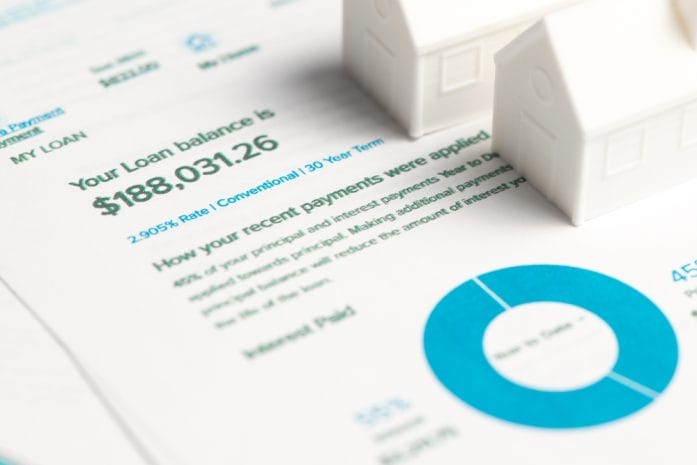
Housing doesn’t just take a chunk out of income—it often takes the biggest slice. Rent continues to rise in many areas, and homeownership comes with its own set of escalating costs, including property taxes, maintenance, and mortgage rates. Even those who locked in lower mortgage rates years ago now face higher insurance premiums and repair costs. The idea of “stable housing costs” feels less realistic than it once did, especially in fast-growing regions.

Adapting to rising housing expenses requires a mix of creativity and long-term thinking. Some households explore downsizing or relocating to more affordable areas, while others focus on maximizing their current space rather than upgrading. Renting out unused space or taking on a roommate can offset costs in a meaningful way. Keeping up with maintenance prevents small issues from turning into expensive problems later. Housing may remain expensive, but smart decisions can soften the impact.

7 Expenses That Are Rising Faster Than Most People Expected

Image Source: Pexels.com

3. Insurance Premiums That Quietly Surge

Insurance rarely grabs attention until renewal time rolls around—and that’s when the surprise hits. Auto insurance, home insurance, and even renters insurance have all seen noticeable increases. Repair costs, natural disasters, and higher claim payouts have forced insurers to adjust pricing across the board. That means even those with clean records and no claims still feel the pinch when premiums go up.

Staying proactive makes a big difference here. Shopping around for quotes every year often uncovers better deals, especially since loyalty doesn’t always lead to lower rates. Bundling policies can unlock discounts, and raising deductibles can reduce monthly premiums when handled carefully. Keeping a strong credit score and maintaining a claims-free history also help keep costs manageable. Insurance may feel like a fixed expense, but it still offers room for strategy.

4. Utility Bills That Spike Without Warning

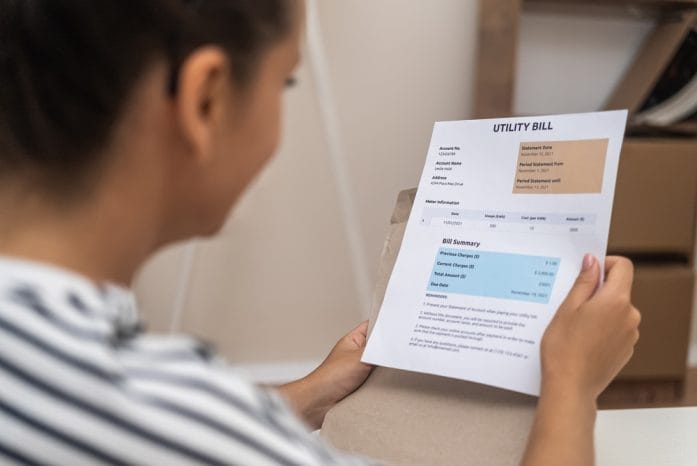
Utility bills used to follow predictable patterns, but recent shifts have made them far less reliable. Electricity, heating, and water costs have all increased due to higher energy prices and infrastructure demands. Seasonal changes now bring sharper spikes, and extreme weather events push usage—and costs—even higher. Opening a bill no longer feels routine when the number at the bottom fluctuates so dramatically.

Reducing utility costs starts with awareness and small changes that add up quickly. Energy-efficient appliances and LED lighting lower consumption without sacrificing comfort. Smart thermostats allow for better control, especially during peak seasons. Sealing drafts and improving insulation keeps heating and cooling costs from spiraling. Even simple habits like unplugging unused electronics or running full loads of laundry can make a noticeable difference over time.

5. Dining Out That Costs More Than Just Convenience

Eating out used to feel like a small treat, but it now carries a much bigger price tag. Restaurants face higher food costs, increased wages, and rising overhead, and those costs show up directly on menus. Portions sometimes shrink while prices increase, creating a double hit for anyone who enjoys dining out regularly. Even quick-service options no longer offer the same affordability they once did.

Cutting back doesn’t mean giving up the experience entirely. Choosing lunch over dinner often brings lower prices for the same quality. Sharing dishes or skipping extras like drinks and desserts keeps bills manageable without sacrificing enjoyment. Takeout can sometimes cost less than dining in, especially when service fees and tips factor in. Cooking at home more often and treating dining out as a planned event rather than a habit can restore balance.

6. Travel Expenses That Stretch Every Budget

Travel has bounced back in a big way, and prices have followed right behind. Flights, hotels, and rental cars have all become more expensive due to high demand and limited availability. Even smaller costs like baggage fees and resort charges add up quickly. The idea of a spontaneous getaway now requires more planning and flexibility than ever before.

Savvy travelers adapt by shifting how and when they book. Traveling during off-peak seasons often brings significant savings, along with fewer crowds. Booking flights midweek instead of weekends can reduce costs, and using fare comparison tools helps track deals. Loyalty programs and credit card rewards offer real value when used strategically. Planning ahead doesn’t just save money—it also opens up better options.

7. Healthcare Costs That Continue to Climb

Healthcare remains one of the most unpredictable and steadily rising expenses. Insurance premiums, prescription medications, and out-of-pocket costs all contribute to the upward trend. Even routine visits can feel expensive without proper coverage, and unexpected medical needs can disrupt even the most carefully planned budget. The complexity of healthcare pricing adds another layer of frustration.

Taking control of healthcare expenses requires a proactive approach. Preventative care often costs less than treatment later, making regular checkups a smart investment. Comparing prescription prices across pharmacies can uncover surprising differences. Health savings accounts provide a tax-advantaged way to prepare for future expenses. Asking questions about billing and exploring payment plans can also ease financial pressure when larger costs arise.

Staying Ahead of the Cost Curve

Rising expenses don’t follow a single pattern, and they rarely slow down all at once. Each category brings its own challenges, and together they create a financial landscape that demands attention and adaptability. Ignoring the changes only makes them harder to manage, while small, consistent adjustments can create a sense of control. Awareness turns frustration into action, and action builds resilience over time.

Which of these rising expenses has hit you the hardest, and what strategies have made the biggest difference in keeping things under control? Share thoughts, ideas, or even creative money-saving wins in the comments.

You May Also Like…

Alaska’s Eye-Popping Healthcare Costs — Planning for Higher Medical Expenses

2.4% Inflation Rate and Its Quiet Impact on Everyday Costs

7 Steps to Run a Financial Autopsy on Your 2025 Spending

9 Expenses That Used to Be Optional but Aren’t Anymore

Savings Fallout: 4 Hidden Expenses That Quietly Drain Retirement Budgets

Brandon Marcus
Brandon Marcus

Brandon Marcus is a writer who has been sharing the written word since a very young age. His interests include sports, history, pop culture, and so much more. When he isn’t writing, he spends his time jogging, drinking coffee, or attempting to read a long book he may never complete.

Filed Under: Smart Spending Tagged With: Budgeting Tips, Cost of living, groceries, healthcare expenses, Housing Costs, Inflation, insurance rates, Personal Finance, Planning, rising expenses, travel costs, utilities

Hawaii Residents Face Some of the Tightest Margins in America — What It Takes to Make It Work in 2026

March 3, 2026 by Brandon Marcus Leave a Comment

Hawaii Residents Face Some of the Tightest Margins in America — What It Takes to Make It Work in 2026

Image Source: Unsplash.com

Hawaii looks like paradise on a postcard, but paradise comes with a price tag that reshapes every financial decision. In 2026, the average single resident faces living costs of about $4,500 per month, or roughly $55,000 per year, which is 84 percent higher than the U.S. average. Housing alone costs about $3,624 per month for a single person, more than double the national average.

After covering rent, groceries, utilities, transportation, and healthcare, many residents are left with only a few hundred dollars per month in true discretionary income. That number varies widely by island, household size, and income level, but the reality is consistent: disposable income in Hawaii is tight, and stretching it requires intention, creativity, and discipline.

The Real Cost of Living in the Aloha State

Hawaii remains the most expensive state in the country in 2026. Housing drives most of the pressure. Limited land, high demand, and geographic isolation keep prices elevated. Groceries follow the same pattern. Shipping costs inflate prices on staples like milk, eggs, and meat. Residents feel the difference every time they shop.

Utilities add another layer. Electricity rates remain among the highest in the nation because Hawaii still relies heavily on imported fuel. Even modest air‑conditioning use can push monthly bills far above mainland norms.

When basic living costs consume more than $50,000 per year for a single person, disposable income becomes a fragile margin rather than a comfortable cushion.

Housing: The Budget Anchor That Shapes Everything

Housing determines whether a Hawaii budget sinks or floats. With average rents far above national norms, many residents spend well over 30 percent of their income on shelter alone. Some move farther from urban centers to find lower rent. Others share housing with roommates or extended family, a common and culturally rooted approach that provides both emotional and financial support.

A slightly cheaper rental can free up thousands of dollars per year. That difference may fund an emergency savings buffer, cover travel between islands, or simply reduce stress in a high‑cost environment.

Food, Fuel, and the Everyday Reality Check

Groceries cost more in Hawaii because most food is imported. Weekly bills climb quickly, especially for families. Residents who stretch their budgets often rely on farmers markets, local produce, and community‑supported agriculture programs, which can offer competitive prices and fresher options.

Transportation adds another challenge. Gas prices typically sit above mainland averages due to shipping and refining costs. Many residents combine errands, carpool, or use public transit to reduce fuel spending.

Turning Limited Disposable Income into Real Progress

Even when discretionary income is slim, intentional planning can turn it into forward momentum. A clear budget gives every dollar a purpose. Emergency savings matter most. With living costs so high, even a small, unexpected expense can destabilize a household. Building a starter emergency fund, then gradually expanding it, protects against setbacks.

Retirement savings also deserve attention. Contributing to a 401(k) or IRA, especially when an employer offers matching funds, helps build long‑term security. Even modest monthly contributions compound over time. Setting aside money for enjoyment—like dining out or exploring other islands—helps maintain balance. A sustainable budget includes room for living, not just surviving.

Lifestyle Choices That Make or Break the Budget

Hawaii offers endless ways to spend money, from oceanfront dining to boutique shopping. Without boundaries, discretionary spending can disappear quickly. Many residents embrace low‑cost or free activities instead. Beaches, hiking trails, and community events offer world‑class experiences without draining the budget. Cooking at home, limiting subscriptions, and reviewing insurance policies also help stretch limited disposable income.

Every recurring expense deserves scrutiny. When someone treats their remaining income as a resource to protect, financial stability becomes more attainable.

Hawaii Residents Face Some of the Tightest Margins in America — What It Takes to Make It Work in 2026

Image Source: Unsplash.com

Building Resilience in a High‑Cost Environment

Living in Hawaii requires flexibility. Tourism shifts, economic changes, and natural events can influence job markets and household budgets. Side income streams are common. Freelance work, seasonal jobs, and small business ventures help residents supplement earnings. Hawaii’s creative and entrepreneurial culture supports everything from handmade crafts to digital services.

Community plays a major role. Shared childcare, bulk buying, bartering, and multigenerational living reduce individual financial pressure. In a state where costs run high, collective resilience matters.

Income, Opportunity, and Perspective

Hawaii’s high median household income does not translate into easy living. Elevated costs erode purchasing power quickly. A paycheck that looks strong on paper may feel thin in practice. Understanding that tension helps residents make informed decisions about careers, housing, and long‑term goals. Some choose to relocate for affordability. Others stay for lifestyle, family, or cultural connection, accepting tighter margins in exchange for the benefits of island life.

Perspective matters. Even limited disposable income can support stability when aligned with values and managed intentionally.

Paradise With a Plan

Hawaii’s beauty attracts dreamers, but thriving in the islands requires strategy. With average living costs exceeding $54,000 per year for a single person, disposable income is precious. Housing choices, grocery habits, transportation decisions, and disciplined saving all shape the outcome.

Residents who succeed financially treat every dollar as part of a larger plan. They balance enjoyment with responsibility, question recurring expenses, and commit to long‑term goals even when temptation surrounds them.

What part of Hawaii’s cost structure do you think deserves the most attention—housing, groceries, utilities, or income trends? Do you think you could be a full-time resident of the state? Let’s talk about it in the comments section below.

You May Also Like…

How Trump’s New Fed Pick Could Change Your Interest Income Forever

How The SALT Deduction Caps Squeezed Many Middle-Income Taxpayers

The IRS Timing Rule That Can Push Income Into a Different Tax Year

9 Everyday Costs Rising Faster Than Seniors’ Income

The Income-Driven Repayment Plans That End July 1, 2028 Under New Law

Brandon Marcus
Brandon Marcus

Brandon Marcus is a writer who has been sharing the written word since a very young age. His interests include sports, history, pop culture, and so much more. When he isn’t writing, he spends his time jogging, drinking coffee, or attempting to read a long book he may never complete.
Filed Under: Finance Tagged With: budgeting, Cost of living, Disposable Income, groceries, Hawaii, Honolulu, Housing Costs, Island Living, Lifestyle, Personal Finance, Planning, saving money, utilities

9 Expenses That Feel Manageable Until One Changes

January 25, 2026 by Brandon Marcus Leave a Comment

These Are 9 Expenses That Feel Manageable Until One Changes

Image source: shutterstock.com

You’re cruising along, bills paid, coffee in hand, feeling like you’ve finally cracked the code of adulthood. The numbers line up, the math works, and nothing feels out of control. Then one small shift happens—a rate bumps up, a habit evolves, or life throws in a new variable—and suddenly that “totally fine” expense demands a second look.

These aren’t dramatic financial disasters; they’re the subtle changes that turn comfort into tension. Let’s talk about the everyday costs that behave nicely until one thing changes and reminds you who’s really in charge.

1. Rent Or Mortgage Payments

Housing costs often feel stable because they’re predictable month to month. You sign a lease or lock in a mortgage and build your budget around that number. The problem appears when a lease renewal brings a higher rate or property taxes push a mortgage payment upward. Even a modest increase can ripple through the rest of your finances because housing already takes a large slice of income.

Add in rising insurance premiums or unexpected maintenance, and that once-manageable payment suddenly demands sacrifices elsewhere. Housing doesn’t need to double to cause stress; it just needs to inch upward at the wrong time.

2. Car Ownership Costs

A car payment alone can seem perfectly reasonable, especially when the vehicle feels reliable. Then gas prices rise, insurance renews at a higher rate, or repairs start appearing more often. Maintenance costs tend to cluster, which makes a dependable car feel suspiciously expensive all at once.

A longer commute or a job change can quietly increase fuel and wear costs. Registration fees and taxes add another layer that’s easy to forget until they’re due. Cars are manageable until usage or upkeep changes, and then they demand attention fast.

3. Childcare Expenses

Childcare is often budgeted carefully because it’s expected and essential. It works until a schedule change requires more hours or a provider raises rates. As children grow, their needs change, sometimes requiring different care arrangements that cost more.

Summer programs, after-school care, and holiday coverage add layers that weren’t always there. Even small increases add up quickly because childcare is already a major expense. Families often find that one shift in routine can reshape the entire monthly budget.

4. Health Insurance And Medical Costs

Monthly premiums can feel manageable when they’re predictable and benefits are familiar. Trouble starts when a job change alters coverage or deductibles reset for the year. A single unexpected medical issue can turn a quiet line item into a dominant expense. Prescription changes or specialist visits add costs that weren’t part of the original plan. Even routine care can become expensive when coverage rules change. Healthcare costs rarely explode all at once; they grow louder with each adjustment.

5. Utilities And Energy Bills

Utilities often fade into the background because they’re relatively steady. Seasonal shifts, however, can dramatically change heating or cooling costs. Energy rate increases can arrive quietly and stay for good. A larger household, remote work, or aging appliances can push usage higher without much notice.

Weather extremes make those changes impossible to ignore. Utilities are manageable until consumption or pricing changes, and then they demand respect.

6. Groceries And Household Supplies

Food budgets feel flexible because shopping habits feel familiar. Prices rise gradually, making it hard to pinpoint when things got more expensive. Dietary changes, growing families, or hosting more often can nudge spending upward.

Convenience items and prepared foods quietly cost more over time. Even switching stores or brands can impact totals. Groceries rarely shock you in one trip; they wear you down over dozens of receipts.

These Are 9 Expenses That Feel Manageable Until One Changes

Image source: shutterstock.com

7. Subscriptions And Memberships

Subscriptions are famous for feeling harmless. A few dollars here and there don’t seem worth worrying about. Then prices increase, free trials end, or services add tiers you didn’t plan on.

The number of subscriptions can grow while their value stays the same. Annual renewals can hit all at once, creating a sudden cash crunch. Subscriptions are manageable until they multiply or change terms without asking.

8. Student Loan Payments

Student loans often come with structured repayment plans that feel predictable. That sense of control shifts when interest accrues faster or repayment pauses end. Income changes can make once-comfortable payments feel heavy. Consolidation or refinancing can alter timelines and totals in unexpected ways.

Even small interest rate differences matter over long periods. Student loans behave until one variable changes, and then they remind you they’re in it for the long haul.

9. Pet Care And Veterinary Costs

Pets usually fit neatly into a budget with food and routine care. The challenge appears when health issues arise or pets age. Veterinary costs can escalate quickly and aren’t always optional. Specialized food, medications, and emergency visits add layers of expense. Even grooming and boarding costs can increase with changing needs. Pet expenses feel manageable until one unexpected visit rewrites the budget.

When Small Changes Make A Big Difference

Most budgets don’t collapse because of reckless spending. They wobble when familiar expenses quietly change their rules. Recognizing which costs are sensitive to change helps you prepare before stress sets in. Awareness creates flexibility, and flexibility keeps finances feeling human.

If any of these expenses have caught you off guard, your experience could resonate with others reading along. Drop your thoughts or stories in the comments section below and keep the conversation going.

You May Also Like…

Why Do Fixed Expenses Feel Anything But Fixed

The Texas Mortgage Shock: Why Your Monthly Payment Just Jumped $400 Without Warning

Why Does Spending Turn A Dream Vacation Into A Nightmare?

Debt Alert: 6 Ways Holiday Spending Could Trigger a January Credit Score Crisis

Why Do Unexpected Expenses Always Seem to Hit at the Worst Time

Brandon Marcus
Brandon Marcus

Brandon Marcus is a writer who has been sharing the written word since a very young age. His interests include sports, history, pop culture, and so much more. When he isn’t writing, he spends his time jogging, drinking coffee, or attempting to read a long book he may never complete.

Filed Under: Smart Spending Tagged With: buying a card, car ownership, childcare, childcare costs, energy bills, expenses, fixed expenses, groceries, grocery prices, Money, money habits, mortgage, mortgage payments, overspending, Paying Rent, Rent, Smart Spending, spending, utilities, utility bills

Why Does Grocery Shopping Create So Much Sticker Shock

January 21, 2026 by Brandon Marcus Leave a Comment

Why Does Grocery Shopping Create So Much Sticker Shock

Image source: shutterstock.com

That moment at the checkout hits like a jump scare. You didn’t buy lobster or fancy olive oil, yet the total looks like you accidentally financed a small appliance. Grocery shopping has turned into a weekly ritual of raised eyebrows, frantic receipt scanning, and quiet math in the parking lot.

It’s not just you, and it’s not just imagination. A mix of economics, logistics, packaging tricks, and human psychology all collide under those fluorescent lights, turning routine errands into budget stress tests.

Inflation Is Not Just A Buzzword

Inflation is the headline act behind grocery sticker shock, and it works in layers rather than a single dramatic leap. Food prices rise when the costs of fuel, labor, fertilizer, and packaging rise, and those increases stack on top of one another. Even a small increase at each step of the supply chain can noticeably raise the final shelf price. Inflation also tends to linger in groceries longer than in some other categories because food production relies on physical inputs that cannot be easily replaced or automated away.

Seasonal factors add another twist, as weather disruptions or poor harvests can tighten supply and raise prices quickly. When inflation cools elsewhere, grocery prices often stay elevated, which makes them feel especially stubborn.

The Long And Expensive Journey From Farm To Cart

Food does not teleport from farms to shelves, even if it sometimes feels like it should. A single item may be harvested, processed, packaged, stored, transported, and stocked by several different companies before you see it. Each handoff involves fuel, wages, equipment, and insurance, all of which have become more expensive in recent years.

Transportation costs matter more than many shoppers realize, especially for refrigerated and frozen items that require constant energy use. Global disruptions, such as shipping delays or geopolitical tensions, can also ripple into local grocery prices. By the time your groceries reach the store, they are carrying the financial weight of a very long trip.

Subtle Package Changes That Fool The Eye

Sticker shock often comes from comparing today’s prices with yesterday’s memories, and packaging plays a quiet role in that confusion. Many products now contain less than they used to, even though the box or bag looks nearly identical. This practice allows companies to raise the effective price without changing the shelf tag as dramatically. Your brain expects the old quantity, so the new price feels unfair even when the math technically checks out. Over time, repeated small reductions add up, leaving shoppers feeling like money disappears faster than groceries. It is not deception in the legal sense, but it absolutely affects how expensive shopping feels.

Why Your Brain Thinks Groceries Cost More Than They Do

Grocery shopping triggers a unique kind of price awareness because purchases are frequent and unavoidable. You might not remember what you paid for a couch five years ago, but you remember last week’s milk price. This constant comparison makes even modest increases feel dramatic. The layout of stores also emphasizes spending, with totals climbing steadily as items pile into the cart. Digital receipts and loyalty apps reinforce this awareness by tracking every penny. Because groceries are necessities, there is little emotional payoff to soften the sting, unlike dining out or travel.

Why Does Grocery Shopping Create So Much Sticker Shock

Image source: shutterstock.com

The Same Cart Feeling Heavier Every Year

Even when prices rise gradually, the emotional impact compounds over time. Wages often lag behind food costs, creating the sense that grocery bills are racing ahead. Shoppers respond by switching brands, skipping treats, or buying in bulk, yet the total still feels high. This creates frustration, because effort does not always equal relief. Over time, grocery shopping becomes less about choice and more about compromise. That emotional weight is a big reason sticker shock feels personal rather than abstract.

Why This Shock Feels So Personal

Grocery sticker shock is the result of many small forces working together, not a single villain hiding in aisle five. Inflation, supply chains, packaging changes, and human psychology all play their parts. Understanding these factors does not lower the total, but it can make the experience feel less mystifying.

Everyone has their own grocery moment that made them stop and stare at the receipt. Tell us your thoughts or favorite stories in the comments section below.

You May Also Like…

How To Regularly Save Money At The Grocery Store

The 6 Best Ways To Save At The Grocery Store In 2026

9 Everyday Items You’re Wildly Overpaying For at the Grocery Store

7 Tactics Grocery Stores Use to Keep You From Thinking About Price

How Your Grocery Store Loyalty Card Could Trigger Higher Prices

Brandon Marcus
Brandon Marcus

Brandon Marcus is a writer who has been sharing the written word since a very young age. His interests include sports, history, pop culture, and so much more. When he isn’t writing, he spends his time jogging, drinking coffee, or attempting to read a long book he may never complete.

Filed Under: Smart Shopping Tagged With: groceries, grocery bill, grocery budget, grocery costs, grocery shopping, grocery store, grocery store prices, grocery stores, Inflation, Shopping, sticker shock

8 Monthly Expenses That Are Harder to Control Than You Think

January 20, 2026 by Brandon Marcus Leave a Comment

These Are 8 Monthly Expenses That Are Harder to Control Than You Think

Image source: shutterstock.com

Ever feel like your paycheck disappears into a black hole before you’ve even finished your first cup of coffee? You’re not imagining it. Some monthly expenses have a sneaky way of stacking up, turning “just one bill” into a financial juggling act.

From bills you barely notice to habits you didn’t realize were costing you, understanding these expenses is the first step toward taking charge. Let’s dive into the eight expenses that are harder to control than most people think—and why they keep catching you off guard.

1. Groceries And Impulse Purchases

Groceries are supposed to be predictable, right? You make a list, check it twice, and head to the store thinking you’re in control. But the moment you walk past the candy aisle or the fancy cheese display, that carefully planned budget can evaporate. Many people underestimate just how much “little” impulse buys add up over a month. Beyond that, rising food prices can make a weekly shop feel like a rollercoaster you didn’t sign up for.

Online grocery delivery adds another layer of temptation with one-click extras, and convenience often comes at a steep price. Meal planning can help, but even the most disciplined shopper can get blindsided by cravings or last-minute additions.

2. Streaming Services And Subscription Overload

It starts innocently enough: one streaming service for your favorite show, another for a family member’s obsession, maybe a gaming or fitness subscription thrown in for good measure. Before you know it, you’ve got a dozen subscriptions, some of which you barely use. These recurring charges can feel invisible because they don’t hit your bank account like a traditional bill. Yet collectively, they can rival your rent or utilities. And the more subscriptions you have, the harder it becomes to track which ones are actually worth keeping. Even a quick cleanup often reveals you’ve been paying for services you forgot existed.

3. Utility Bills That Fluctuate

Water, electricity, gas, heating—these are basic needs, but they rarely stay steady. Seasonal changes can turn a predictable bill into a shocking surprise. Air conditioning in the summer, extra heating in the winter, or even the timing of when your bills are read can all cause fluctuations. Energy rates themselves sometimes rise without much warning, and small leaks or inefficient appliances can quietly drain your wallet. Trying to stick to a fixed budget becomes tricky when these essential costs are out of your hands. Smart meters and energy-saving habits help, but they’re not foolproof shields.

4. Transportation Costs

Gas, maintenance, tolls, rideshares, public transit—it all adds up faster than you’d expect. Even if you drive the same route daily, fluctuating gas prices can turn your commute into a moving budget crisis. Car maintenance costs often hit in unpredictable bursts, like when tires need replacing or your brakes suddenly scream for attention. Parking fees and traffic tickets can also surprise you mid-month. Even those who rely on public transit face fare increases or emergency ride services that slip under the radar. Transportation is essential, but it’s a monthly expense that’s surprisingly difficult to pin down.

These Are 8 Monthly Expenses That Are Harder to Control Than You Think

Image source: shutterstock.com

5. Health And Medical Expenses

Insurance premiums might be predictable, but the actual costs of healthcare are anything but. Prescription copays, over-the-counter treatments, dentist visits, or specialist appointments can pile up without warning. Health emergencies or unexpected diagnoses can throw a wrench into even the tightest budget. Flexible spending accounts help, but not everyone maximizes them, and many expenses aren’t fully covered. Preventive care can save money in the long run, yet it still requires planning and discipline. When you add up co-pays, medications, and wellness necessities, healthcare often becomes a bigger bite out of your paycheck than anticipated.

6. Credit Card Payments And Interest

Debt isn’t always obvious in your monthly spending. Minimum payments on credit cards might feel manageable, but interest compounds quickly, silently increasing your monthly obligations. Late fees, penalty rates, and variable APRs can sneak in if you’re not vigilant. It’s easy to underestimate how much small purchases today can cost you tomorrow. Paying only the minimum can trap you in a cycle that eats away at both your budget and peace of mind. Keeping track of balances, interest rates, and due dates requires attention that most people don’t realize is necessary.

7. Dining Out And Takeout

Even if you plan to cook most meals at home, dining out can become a recurring trap. Lunches at work, quick dinners after long shifts, or celebratory meals can quickly add up. Delivery apps make it effortless to spend without thinking, but that convenience comes with a premium. Hidden fees, tips, and service charges amplify the cost. Social habits often drive these expenses, because declining a group outing isn’t always easy. Even occasional indulgences can make a noticeable dent in your monthly spending if they become regular.

8. Pet Expenses

Pets are adorable, but they’re also surprisingly expensive. Food, grooming, vet visits, preventive care, and emergency treatments all contribute to an unpredictable monthly total. Even routine wellness visits can catch owners off guard if medications or vaccinations are required. Specialty food or accessories, while not strictly necessary, often find their way into the cart. Insurance for pets can help, but it’s another recurring cost that adds up over time. Many pet owners underestimate the financial commitment until it’s staring them in the face mid-month.

Is It Time To Get Your Monthly Spending Together?

Managing monthly expenses is a bit like trying to herd cats—just when you think you’ve got everything under control, one cost jumps out and demands attention. These eight categories are particularly tricky because they combine unpredictability, temptation, and invisible charges. By recognizing where your money tends to slip through the cracks, you can make smarter choices and regain some control.

Tell us about your experiences or strategies for handling these sneaky expenses in the comments below—we’d love to hear your perspective.

You May Also Like…

The Texas Mortgage Shock: Why Your Monthly Payment Just Jumped $400 Without Warning

9 Expenses That Used to Be Optional but Aren’t Anymore

Savings Fallout: 4 Hidden Expenses That Quietly Drain Retirement Budgets

Why Do Unexpected Expenses Always Seem to Hit at the Worst Time

Generate Extra Monthly Cash Flow Starting With These Side Hustle Ideas

Brandon Marcus
Brandon Marcus

Brandon Marcus is a writer who has been sharing the written word since a very young age. His interests include sports, history, pop culture, and so much more. When he isn’t writing, he spends his time jogging, drinking coffee, or attempting to read a long book he may never complete.

Filed Under: Spending Habits Tagged With: credit card payments, credit cards, expenses, groceries, healthcare, impulse purchases, impulse spending, medical bills, medical expenses, Money, money issues, monthly bills, monthly expenses, Smart Spending, spending, Spending Habits, streaming apps, streaming services, subscriptions, transportation costs

9 Monthly Expenses That Will Cost More Starting in January

December 16, 2025 by Brandon Marcus Leave a Comment

Some Monthly Expenses Will Cost More Starting in January

Image Source: Shutterstock.com

January has a funny way of arriving with confetti in one hand and a bill in the other. While everyone else is talking about fresh starts and bold resolutions, your monthly budget is quietly bracing for impact. New calendars don’t just bring new goals; they often come with higher prices baked into everyday essentials.

Some increases are obvious, others sneak in quietly, but together they can turn a manageable budget into a monthly headache. Before your wallet gets blindsided, let’s break down the monthly expenses that are likely to demand more of your money starting in January.

1. Rent And Housing Costs

January is a popular time for landlords and property managers to roll out rent increases, especially for renewed leases. Higher property taxes, maintenance costs, and insurance premiums are often passed directly to tenants. Even homeowners aren’t immune, as HOA fees and condo association dues frequently rise at the start of the year. Housing markets may cool or heat up depending on location, but monthly housing costs have a habit of only moving in one direction. Whether you rent or own, shelter usually becomes a little more expensive once the calendar flips.

2. Health Insurance Premiums

Health insurance changes often kick in right after the New Year, making January an expensive wake-up call. Premiums commonly increase due to rising healthcare costs, new coverage requirements, or plan adjustments. Even if your premium stays the same, deductibles and out-of-pocket maximums often reset, which can feel like a price hike all on its own. Employer-sponsored plans and individual policies alike tend to update pricing annually. The result is that healthcare almost always demands more money at the beginning of the year.

3. Car Insurance Payments

Auto insurance providers love January for rolling out rate adjustments. Changes in accident data, repair costs, and inflation all influence how much drivers pay each month. Even a clean driving record doesn’t guarantee protection from a higher bill. New fees or revised coverage standards can quietly increase your premium without much warning. When the New Year starts, many drivers notice their car insurance costs creeping upward.

4. Utilities And Energy Bills

Winter weather alone can push utility bills higher, but January pricing adjustments add another layer. Energy providers often update rates annually to reflect infrastructure upgrades and fuel costs. Heating, electricity, and natural gas bills can spike even if usage stays relatively steady. Water and trash services may also introduce higher monthly fees at the start of the year. By mid-January, many households are already paying more just to keep the lights on and the house warm.

Some Monthly Expenses Will Cost More Starting in January

Image Source: Shutterstock.com

5. Streaming And Subscription Services

Streaming services have become masters of the quiet January price increase. New content investments and licensing fees often lead to higher monthly subscription costs. Some services raise prices directly, while others eliminate lower-priced tiers or add fees for features that used to be free. Fitness apps, music platforms, and digital tools frequently follow the same pattern. By the end of January, those small monthly subscriptions can add up to a noticeably bigger total.

6. Internet And Mobile Phone Plans

Telecom companies frequently adjust pricing at the start of the year. Promotional rates may expire, pushing customers onto higher standard pricing. Added fees, regulatory charges, or equipment rental costs can sneak into your monthly bill. Even modest increases feel painful when they hit essential services you rely on every day. January is often when your internet and phone bills quietly become more expensive.

7. Childcare And Education Costs

Many childcare providers and educational programs revise tuition and fees annually in January. Higher staffing costs, insurance, and supplies often drive these increases. Even after-school programs and tutoring services may raise monthly rates. Parents can feel these changes immediately, especially if multiple children are involved. The New Year frequently brings a higher price tag for learning and care.

8. Grocery And Household Essentials

Grocery prices don’t reset magically with a new calendar, but January often reflects updated supplier contracts and transportation costs. Staples like bread, dairy, and cleaning supplies may cost more than they did just weeks earlier.

On top of that, manufacturers sometimes introduce smaller packages at the same price, which effectively raises your monthly spending. Seasonal promotions disappear after the holidays, removing temporary discounts. Over a month, these subtle changes can stretch your grocery budget thin.

9. Memberships And Professional Fees

Gym memberships, professional organizations, and club dues commonly increase at the start of the year. January is peak season for fitness centers, making it an ideal time for price adjustments. Professional licensing fees and monthly service retainers may also update annually.

Even if the increase is small, it becomes a permanent part of your monthly expenses. By February, many people realize their memberships are costing more than they planned.

New Year, New Budget Reality

January may symbolize fresh starts, but it also brings financial realities that are hard to ignore. From housing and insurance to groceries and subscriptions, higher monthly expenses can pile up faster than expected. Knowing where these increases are likely to appear gives you a chance to prepare instead of panic. A proactive look at your budget can help you adjust, negotiate, or cut back where possible.

Let us know your thoughts or personal experiences with rising monthly costs in the comments section below.

You May Also Like…

Debt Alert: 6 Ways Holiday Spending Could Trigger a January Credit Score Crisis

Could Your Advisor Be Overlooking The Biggest Risk Hiding In Your Portfolio This Winter?

These 8 Wedding Expenses Look Harmless – Until You See the Final Bill

6 Expenses That Quietly Multiply After Buying a Home

10 Expenses That Quietly Rise When You Move Abroad


Brandon Marcus
Brandon Marcus

Brandon Marcus is a writer who has been sharing the written word since a very young age. His interests include sports, history, pop culture, and so much more. When he isn’t writing, he spends his time jogging, drinking coffee, or attempting to read a long book he may never complete.
Filed Under: Spending Habits Tagged With: car insurance, childcare, energy bills, groceries, health insurance, Holidays, household essentials, housing, Housing Costs, Insurance, Internet, January, monthly essentials, monthly expenses, Rent, spending, spending habit, Spending Habits, streaming apps, utilities, winter

What Happens When Inflation Creeps Into Everyday Purchases

August 30, 2025 by Catherine Reed Leave a Comment

What Happens When Inflation Creeps Into Everyday Purchases

Image source: 123rf.com

Inflation often makes headlines when economists debate interest rates or government policies, but the reality hits hardest in everyday life. When inflation creeps into everyday purchases, it isn’t about abstract percentages—it’s about families feeling the pinch at the grocery store, the gas pump, and even during routine errands. The cost of living quietly rises, and small increases stack up faster than most realize. Understanding the effects helps families prepare, adapt, and make smarter financial decisions in challenging times.

1. Groceries Become a Weekly Shock

The grocery bill is one of the first places families notice inflation. A simple trip to pick up basics like milk, bread, and eggs can suddenly cost more than the week before. When inflation creeps into everyday purchases, even slight increases on essential items add up quickly over a month. Families may find themselves cutting back on healthier or name-brand options to stick to their budget. Over time, the choices around food shift, impacting both finances and lifestyle.

2. Gas Prices Strain the Commute

Commuting costs can quietly balloon when fuel prices rise. A few cents per gallon may not feel like much at first, but over weeks and months, the added expense strains budgets. When inflation creeps into everyday purchases, filling the gas tank turns into a bigger financial burden than expected. Longer commutes or frequent driving amplify the problem. Families may need to rethink transportation habits, from carpooling to using public transit, just to manage costs.

3. Utility Bills Slowly Climb

Electricity, water, and heating are non-negotiable expenses that rarely attract attention until the bill arrives. Inflation affects energy providers too, and the result is higher monthly charges for households. When inflation creeps into everyday purchases like utilities, there is little room to avoid the expense entirely. Families often respond by conserving energy, upgrading to efficient appliances, or adjusting thermostats. Even so, the added strain on the budget is difficult to escape completely.

4. Dining Out Loses Its Appeal

Restaurants are another sector hit hard by rising costs, and customers feel the impact on every menu. When inflation creeps into everyday purchases, dining out becomes noticeably more expensive, making it less of a treat and more of a budget decision. Families may swap a sit-down dinner for fast food, or skip restaurants entirely in favor of cooking at home. The result is less leisure and convenience for the same money. While small in isolation, these changes reshape lifestyle habits over time.

5. Subscriptions and Services Quietly Rise

Streaming platforms, gym memberships, and even online shopping services often increase prices in small increments. Consumers may not notice until they add up several charges across multiple services. When inflation creeps into everyday purchases like these, the monthly budget stretches thinner without warning. Many households reluctantly cut back on subscriptions, realizing that convenience is no longer affordable. The trade-off becomes choosing which luxuries to keep and which to cancel.

6. School and Child-Related Costs Expand

Families with children face rising costs in areas like school lunches, supplies, and extracurricular activities. Inflation doesn’t just touch adult expenses—it filters down to every aspect of raising kids. When inflation creeps into everyday purchases in education, parents feel the pinch in unexpected ways, such as higher sports fees or daycare rates. These increases add stress to already tight family budgets. Planning ahead and seeking discounts or secondhand options becomes essential.

Everyday Inflation Redefines Priorities

When inflation creeps into everyday purchases, it forces families to reevaluate how they spend, save, and plan. The impact may start small, but collectively, it reshapes budgets, routines, and priorities. Families find themselves making tough choices, whether it’s cutting back on dining out, limiting subscriptions, or stretching groceries further. The lesson isn’t just about surviving rising costs but about adapting with awareness and resilience. Ultimately, being proactive makes the difference between feeling overwhelmed and staying in control.

How has inflation changed the way you handle everyday purchases? Share your experiences and strategies in the comments below.

What to Read Next…

Are Retirement Income Calculators Overestimating Inflation Impact?

These Are The Top 10 Mistakes You’re Making With Your Money Right Now

10 Tactics for Building an Emergency Fund from Scratch

Could Too Much Cash in the Bank Actually Hurt Your Financial Future

Ways Adult Kids Quietly Drain Your Finances Without Guilt

Catherine Reed
Catherine Reed

Catherine is a tech-savvy writer who has focused on the personal finance space for more than eight years. She has a Bachelor’s in Information Technology and enjoys showcasing how tech can simplify everyday personal finance tasks like budgeting, spending tracking, and planning for the future. Additionally, she’s explored the ins and outs of the world of side hustles and loves to share what she’s learned along the way. When she’s not working, you can find her relaxing at home in the Pacific Northwest with her two cats or enjoying a cup of coffee at her neighborhood cafe.

Filed Under: Budgeting Tagged With: Cost of living, family budget, gas prices, groceries, household expenses, inflation creeps into everyday purchases, rising costs

FOLLOW US

Search this site:

Recent Posts

  • Can My Savings Account Affect My Financial Aid? by Tamila McDonald
  • 12 Ways Gen X’s Views Clash with Millennials… by Tamila McDonald
  • What Advantages and Disadvantages Are There To… by Jacob Sensiba
  • 10 Tactics for Building an Emergency Fund from Scratch by Vanessa Bermudez
  • Call 911: Go To the Emergency Room Immediately If… by Stephen Kanaval
  • 7 Weird Things You Can Sell Online by Tamila McDonald
  • 10 Scary Facts About DriveTime by Tamila McDonald

Copyright © 2026 · News Pro Theme on Genesis Framework