• Home
  • About Us
  • Toolkit
  • Getting Finances Done
    • Hiring Advisors
    • Debt Management
    • Spending Plan
  • Insurance
    • Life Insurance
    • Health Insurance
    • Disability Insurance
    • Homeowners/Renters Insurance
  • Contact Us
  • Privacy Policy
  • Risk Tolerance Quiz

The Free Financial Advisor

You are here: Home / Archives for Rent

9 Expenses That Feel Manageable Until One Changes

January 25, 2026 by Brandon Marcus Leave a Comment

These Are 9 Expenses That Feel Manageable Until One Changes

Image source: shutterstock.com

You’re cruising along, bills paid, coffee in hand, feeling like you’ve finally cracked the code of adulthood. The numbers line up, the math works, and nothing feels out of control. Then one small shift happens—a rate bumps up, a habit evolves, or life throws in a new variable—and suddenly that “totally fine” expense demands a second look.

These aren’t dramatic financial disasters; they’re the subtle changes that turn comfort into tension. Let’s talk about the everyday costs that behave nicely until one thing changes and reminds you who’s really in charge.

1. Rent Or Mortgage Payments

Housing costs often feel stable because they’re predictable month to month. You sign a lease or lock in a mortgage and build your budget around that number. The problem appears when a lease renewal brings a higher rate or property taxes push a mortgage payment upward. Even a modest increase can ripple through the rest of your finances because housing already takes a large slice of income.

Add in rising insurance premiums or unexpected maintenance, and that once-manageable payment suddenly demands sacrifices elsewhere. Housing doesn’t need to double to cause stress; it just needs to inch upward at the wrong time.

2. Car Ownership Costs

A car payment alone can seem perfectly reasonable, especially when the vehicle feels reliable. Then gas prices rise, insurance renews at a higher rate, or repairs start appearing more often. Maintenance costs tend to cluster, which makes a dependable car feel suspiciously expensive all at once.

A longer commute or a job change can quietly increase fuel and wear costs. Registration fees and taxes add another layer that’s easy to forget until they’re due. Cars are manageable until usage or upkeep changes, and then they demand attention fast.

3. Childcare Expenses

Childcare is often budgeted carefully because it’s expected and essential. It works until a schedule change requires more hours or a provider raises rates. As children grow, their needs change, sometimes requiring different care arrangements that cost more.

Summer programs, after-school care, and holiday coverage add layers that weren’t always there. Even small increases add up quickly because childcare is already a major expense. Families often find that one shift in routine can reshape the entire monthly budget.

4. Health Insurance And Medical Costs

Monthly premiums can feel manageable when they’re predictable and benefits are familiar. Trouble starts when a job change alters coverage or deductibles reset for the year. A single unexpected medical issue can turn a quiet line item into a dominant expense. Prescription changes or specialist visits add costs that weren’t part of the original plan. Even routine care can become expensive when coverage rules change. Healthcare costs rarely explode all at once; they grow louder with each adjustment.

5. Utilities And Energy Bills

Utilities often fade into the background because they’re relatively steady. Seasonal shifts, however, can dramatically change heating or cooling costs. Energy rate increases can arrive quietly and stay for good. A larger household, remote work, or aging appliances can push usage higher without much notice.

Weather extremes make those changes impossible to ignore. Utilities are manageable until consumption or pricing changes, and then they demand respect.

6. Groceries And Household Supplies

Food budgets feel flexible because shopping habits feel familiar. Prices rise gradually, making it hard to pinpoint when things got more expensive. Dietary changes, growing families, or hosting more often can nudge spending upward.

Convenience items and prepared foods quietly cost more over time. Even switching stores or brands can impact totals. Groceries rarely shock you in one trip; they wear you down over dozens of receipts.

These Are 9 Expenses That Feel Manageable Until One Changes

Image source: shutterstock.com

7. Subscriptions And Memberships

Subscriptions are famous for feeling harmless. A few dollars here and there don’t seem worth worrying about. Then prices increase, free trials end, or services add tiers you didn’t plan on.

The number of subscriptions can grow while their value stays the same. Annual renewals can hit all at once, creating a sudden cash crunch. Subscriptions are manageable until they multiply or change terms without asking.

8. Student Loan Payments

Student loans often come with structured repayment plans that feel predictable. That sense of control shifts when interest accrues faster or repayment pauses end. Income changes can make once-comfortable payments feel heavy. Consolidation or refinancing can alter timelines and totals in unexpected ways.

Even small interest rate differences matter over long periods. Student loans behave until one variable changes, and then they remind you they’re in it for the long haul.

9. Pet Care And Veterinary Costs

Pets usually fit neatly into a budget with food and routine care. The challenge appears when health issues arise or pets age. Veterinary costs can escalate quickly and aren’t always optional. Specialized food, medications, and emergency visits add layers of expense. Even grooming and boarding costs can increase with changing needs. Pet expenses feel manageable until one unexpected visit rewrites the budget.

When Small Changes Make A Big Difference

Most budgets don’t collapse because of reckless spending. They wobble when familiar expenses quietly change their rules. Recognizing which costs are sensitive to change helps you prepare before stress sets in. Awareness creates flexibility, and flexibility keeps finances feeling human.

If any of these expenses have caught you off guard, your experience could resonate with others reading along. Drop your thoughts or stories in the comments section below and keep the conversation going.

You May Also Like…

Why Do Fixed Expenses Feel Anything But Fixed

The Texas Mortgage Shock: Why Your Monthly Payment Just Jumped $400 Without Warning

Why Does Spending Turn A Dream Vacation Into A Nightmare?

Debt Alert: 6 Ways Holiday Spending Could Trigger a January Credit Score Crisis

Why Do Unexpected Expenses Always Seem to Hit at the Worst Time

Brandon Marcus
Brandon Marcus

Brandon Marcus is a writer who has been sharing the written word since a very young age. His interests include sports, history, pop culture, and so much more. When he isn’t writing, he spends his time jogging, drinking coffee, or attempting to read a long book he may never complete.


Filed Under: Smart Spending Tagged With: buying a card, car ownership, childcare, childcare costs, energy bills, expenses, fixed expenses, groceries, grocery prices, Money, money habits, mortgage, mortgage payments, overspending, Paying Rent, Rent, Smart Spending, spending, utilities, utility bills

Why Do Fixed Expenses Feel Anything But Fixed

January 21, 2026 by Brandon Marcus Leave a Comment

Why Do Fixed Expenses Feel Anything But Fixed

Image source: shutterstock.com

You open your wallet, confident that you’ve got your monthly budget down to a science. Rent? Check. Utilities? Check. Car payment? Check. And yet somehow, by the end of the month, your “predictable” expenses have transformed into a moving target, teasing you like a magician’s disappearing coin.

How can something that’s supposed to be constant feel like it’s plotting against your financial stability? That’s the mystery we’re tackling today, and trust me—it’s more interesting than it sounds.

The Illusion Of Predictability In Fixed Expenses

Fixed expenses are meant to be stable, right? Rent, mortgage, and loan payments are supposed to arrive like clockwork, a comforting hum in the background of your financial life. Yet, somehow, that sense of predictability evaporates the moment you factor in real life. Property taxes rise, insurance premiums adjust, and sometimes utility bills fluctuate with nothing but the weather as an excuse.

Even subscriptions—those seemingly straightforward streaming or software services—have a habit of changing terms or sneaking in annual increases that don’t quite make it into your mental spreadsheet. The human brain craves stability, and when it doesn’t get it, fixed expenses feel like they’re on a trampoline, bouncing higher and lower without warning.

Hidden Costs Lurking Behind “Fixed” Payments

One of the reasons fixed expenses feel anything but fixed is that most of them are riddled with hidden costs. That mortgage payment you consider your rock-solid monthly commitment? It may include insurance, property taxes, and occasionally, fees you didn’t anticipate. Utilities? Your usage might stay consistent, but seasonal spikes, service fees, and regulatory changes can turn your predictable $100 water bill into a $145 headache overnight.

Even digital subscriptions are guilty of this trickery: add-ons, premium features, and processing fees pile up quietly. Essentially, what you thought was a single number is actually a bundle of moving parts, each capable of making your “fixed” budget dance to its own rhythm.

Inflation And The Slow Creep Of Rising Expenses

Inflation is like that quiet friend who always shows up uninvited to the party and eats all the snacks. Over time, the money you thought would cover your fixed expenses stretches thinner and thinner. Even if your nominal payments stay the same, the cost of living around them doesn’t. Grocery bills, gasoline, or home maintenance costs can make your once-comfortable fixed payments feel like they are consuming more of your income than ever before. This subtle erosion of purchasing power is especially sneaky because it doesn’t hit you in one dramatic wave; it tiptoes in, month by month, until your carefully balanced budget feels like it’s balancing on a tightrope above a pit of unseen costs.

The Psychology Of Perceived Instability

There’s a psychological twist here too. Humans perceive risk and unpredictability far more acutely than stability. A small fluctuation in your electricity bill or a slightly higher interest rate triggers far more emotional stress than the reality of the dollar amount might justify. When bills shift even slightly, our brains interpret it as instability. Fixed expenses feel like they are moving, not because they are wildly unpredictable, but because we are wired to notice and react to any deviation from our expectations. This means that a seemingly minor change can feel like a budget earthquake, even when, mathematically, it’s a ripple.

How Life Changes Impact Fixed Expenses

Life is messy, and fixed expenses are rarely immune to its twists and turns. A new child, a job change, or a relocation can instantly transform “fixed” commitments into flexible nightmares. Even small lifestyle changes—upgrading a phone plan, switching insurance providers, or enrolling in a new subscription service—add layers of complexity to what once felt simple. Each tweak requires recalculating, reassessing, and mentally absorbing the change, making fixed expenses feel fluid and unpredictable. In reality, the world is constantly nudging these expenses, turning our mental map of stability into a constantly evolving puzzle.

Why Do Fixed Expenses Feel Anything But Fixed

Image source: shutterstock.com

Strategies To Regain Control Over Fixed Expenses

The first step to taming your “unfixed” fixed expenses is awareness. Track every bill and subscription, and note seasonal or annual fluctuations. Next, anticipate change: know that insurance, taxes, and utilities will rarely remain static, and plan for buffer amounts in your budget. Automate payments wherever possible to reduce the stress of human error or missed due dates. Consider negotiating rates on recurring bills—sometimes a simple call to your provider can lower a payment that seemed unchangeable. Finally, create a mental distinction between genuinely fixed expenses, like a car loan, and semi-fixed or fluctuating ones, like utilities. Recognizing which bills are likely to move helps reduce the surprise factor, turning unpredictable frustration into manageable planning.

The Unexpected Freedom In Understanding Fixed Expenses

Here’s the twist: embracing the “unfixed” nature of fixed expenses can actually be liberating. Once you understand that stability is more a goal than a guarantee, you can plan with intention and flexibility. You stop beating yourself up for minor fluctuations and start building budgets that adapt instead of constrain. You learn to enjoy the predictability when it exists but aren’t crushed when reality intervenes. Fixed expenses may never feel truly fixed, but with awareness and planning, they can become less like a trap and more like a guide—sometimes strict, sometimes surprising, but always manageable.

Thoughts On Navigating The Fixed Expense Maze

Fixed expenses might be anything but fixed, but that doesn’t mean we’re helpless. By understanding the hidden costs, the effects of inflation, and the psychological quirks that make minor fluctuations feel catastrophic, we can approach budgeting with clarity and calm.

Have you ever had a “fixed expense surprise” that completely threw off your month? Or a strategy that turned unpredictable bills into something manageable? Let’s swap experiences and insights to help make these tricky payments feel just a little less wild.

You May Also Like…

Why Are Fixed Expenses Difficult to Reduce?

7 Costs That Sneak Up on Fixed-Income Households

Income Stability: 6 Retirement Income Moves That Aren’t as Safe as They Seem

Income Threshold: 4 Hidden Taxes That Hit Once You Cross Certain Limits

5 Ways To Easily Boost Your Income In 2026

Brandon Marcus
Brandon Marcus

Brandon Marcus is a writer who has been sharing the written word since a very young age. His interests include sports, history, pop culture, and so much more. When he isn’t writing, he spends his time jogging, drinking coffee, or attempting to read a long book he may never complete.

Filed Under: Spending Habits Tagged With: expenses, financial instability, fixed expenses, fixed income, Life, life changes, Lifestyle, loan payments, mortgage, overspending, Payments, Rent, rent payments, Smart Spending, spending, subscriptions

9 Monthly Expenses That Will Cost More Starting in January

December 16, 2025 by Brandon Marcus Leave a Comment

Some Monthly Expenses Will Cost More Starting in January

Image Source: Shutterstock.com

January has a funny way of arriving with confetti in one hand and a bill in the other. While everyone else is talking about fresh starts and bold resolutions, your monthly budget is quietly bracing for impact. New calendars don’t just bring new goals; they often come with higher prices baked into everyday essentials.

Some increases are obvious, others sneak in quietly, but together they can turn a manageable budget into a monthly headache. Before your wallet gets blindsided, let’s break down the monthly expenses that are likely to demand more of your money starting in January.

1. Rent And Housing Costs

January is a popular time for landlords and property managers to roll out rent increases, especially for renewed leases. Higher property taxes, maintenance costs, and insurance premiums are often passed directly to tenants. Even homeowners aren’t immune, as HOA fees and condo association dues frequently rise at the start of the year. Housing markets may cool or heat up depending on location, but monthly housing costs have a habit of only moving in one direction. Whether you rent or own, shelter usually becomes a little more expensive once the calendar flips.

2. Health Insurance Premiums

Health insurance changes often kick in right after the New Year, making January an expensive wake-up call. Premiums commonly increase due to rising healthcare costs, new coverage requirements, or plan adjustments. Even if your premium stays the same, deductibles and out-of-pocket maximums often reset, which can feel like a price hike all on its own. Employer-sponsored plans and individual policies alike tend to update pricing annually. The result is that healthcare almost always demands more money at the beginning of the year.

3. Car Insurance Payments

Auto insurance providers love January for rolling out rate adjustments. Changes in accident data, repair costs, and inflation all influence how much drivers pay each month. Even a clean driving record doesn’t guarantee protection from a higher bill. New fees or revised coverage standards can quietly increase your premium without much warning. When the New Year starts, many drivers notice their car insurance costs creeping upward.

4. Utilities And Energy Bills

Winter weather alone can push utility bills higher, but January pricing adjustments add another layer. Energy providers often update rates annually to reflect infrastructure upgrades and fuel costs. Heating, electricity, and natural gas bills can spike even if usage stays relatively steady. Water and trash services may also introduce higher monthly fees at the start of the year. By mid-January, many households are already paying more just to keep the lights on and the house warm.

Some Monthly Expenses Will Cost More Starting in January

Image Source: Shutterstock.com

5. Streaming And Subscription Services

Streaming services have become masters of the quiet January price increase. New content investments and licensing fees often lead to higher monthly subscription costs. Some services raise prices directly, while others eliminate lower-priced tiers or add fees for features that used to be free. Fitness apps, music platforms, and digital tools frequently follow the same pattern. By the end of January, those small monthly subscriptions can add up to a noticeably bigger total.

6. Internet And Mobile Phone Plans

Telecom companies frequently adjust pricing at the start of the year. Promotional rates may expire, pushing customers onto higher standard pricing. Added fees, regulatory charges, or equipment rental costs can sneak into your monthly bill. Even modest increases feel painful when they hit essential services you rely on every day. January is often when your internet and phone bills quietly become more expensive.

7. Childcare And Education Costs

Many childcare providers and educational programs revise tuition and fees annually in January. Higher staffing costs, insurance, and supplies often drive these increases. Even after-school programs and tutoring services may raise monthly rates. Parents can feel these changes immediately, especially if multiple children are involved. The New Year frequently brings a higher price tag for learning and care.

8. Grocery And Household Essentials

Grocery prices don’t reset magically with a new calendar, but January often reflects updated supplier contracts and transportation costs. Staples like bread, dairy, and cleaning supplies may cost more than they did just weeks earlier.

On top of that, manufacturers sometimes introduce smaller packages at the same price, which effectively raises your monthly spending. Seasonal promotions disappear after the holidays, removing temporary discounts. Over a month, these subtle changes can stretch your grocery budget thin.

9. Memberships And Professional Fees

Gym memberships, professional organizations, and club dues commonly increase at the start of the year. January is peak season for fitness centers, making it an ideal time for price adjustments. Professional licensing fees and monthly service retainers may also update annually.

Even if the increase is small, it becomes a permanent part of your monthly expenses. By February, many people realize their memberships are costing more than they planned.

New Year, New Budget Reality

January may symbolize fresh starts, but it also brings financial realities that are hard to ignore. From housing and insurance to groceries and subscriptions, higher monthly expenses can pile up faster than expected. Knowing where these increases are likely to appear gives you a chance to prepare instead of panic. A proactive look at your budget can help you adjust, negotiate, or cut back where possible.

Let us know your thoughts or personal experiences with rising monthly costs in the comments section below.

You May Also Like…

Debt Alert: 6 Ways Holiday Spending Could Trigger a January Credit Score Crisis

Could Your Advisor Be Overlooking The Biggest Risk Hiding In Your Portfolio This Winter?

These 8 Wedding Expenses Look Harmless – Until You See the Final Bill

6 Expenses That Quietly Multiply After Buying a Home

10 Expenses That Quietly Rise When You Move Abroad


Brandon Marcus
Brandon Marcus

Brandon Marcus is a writer who has been sharing the written word since a very young age. His interests include sports, history, pop culture, and so much more. When he isn’t writing, he spends his time jogging, drinking coffee, or attempting to read a long book he may never complete.

Filed Under: Spending Habits Tagged With: car insurance, childcare, energy bills, groceries, health insurance, Holidays, household essentials, housing, Housing Costs, Insurance, Internet, January, monthly essentials, monthly expenses, Rent, spending, spending habit, Spending Habits, streaming apps, utilities, winter

9 Outdated Pieces of Financial Advice That Are Now Dangerous

December 4, 2025 by Brandon Marcus Leave a Comment

Here Are Outdated Pieces Of Financial Advice That Are Now Dangerous

Image Source: Shutterstock.com

Financial advice is everywhere—family, friends, blogs, and random people at parties who swear they know the “secret” to wealth. The problem? Some of that advice hasn’t just aged poorly—it’s actually risky in today’s economy. What worked in the 1980s or even the early 2000s can now set you up for stress, missed opportunities, or serious money mistakes.

If you’re still clinging to old rules without questioning them, it’s time to hit the brakes. Let’s go through nine pieces of financial guidance that sound innocent but can be downright dangerous in 2025 and beyond.

1. Always Pay Off Your Credit Cards In Full Every Month

This used to be gospel advice, but it’s not as simple as it sounds. While paying off debt is generally smart, obsessively trying to clear every card balance can sometimes backfire. Some credit cards offer rewards, points, or cash-back bonuses that make strategic borrowing worthwhile—if you know what you’re doing. Ignoring these perks in a rigid attempt to pay off every dollar immediately can cost you potential benefits. Today, financial savvy is about balance: pay down high-interest debt first but don’t fear leveraging low-interest opportunities.

2. Rent Is Throwing Money Away

The old adage “renting is wasting money” has lost credibility in many markets. Real estate is no longer a guaranteed wealth-builder; in fact, home ownership comes with hefty maintenance costs, property taxes, and fluctuating markets. People who buy too soon, purely because they’re told to, often end up financially strained. Renting can offer flexibility, liquidity, and the ability to invest elsewhere. Wealth today isn’t about owning property at all costs—it’s about making smart, personalized choices.

3. Buy A Brand-New Car As Soon As You Can Afford It

New car fever is tempting, but it’s a financial trap most people underestimate. Cars depreciate fast—sometimes losing 20% of their value the moment you drive off the lot. Older, certified pre-owned vehicles often offer reliability with far less financial stress. Following the “buy new as soon as possible” mantra can set you back tens of thousands over a lifetime. Smart drivers today think about total cost of ownership, not just monthly payments.

4. Avoid All Debt Like The Plague

Debt used to be villainized, and for good reason when interest rates were sky-high. But today, certain types of debt are strategic tools, not automatic disasters. Student loans, mortgages with low-interest rates, and small business loans can be leveraged to build long-term wealth. Avoiding all debt can sometimes prevent you from making investments that grow faster than inflation. Modern financial thinking focuses on smart debt, not zero debt.

5. Keep All Your Money In Savings Accounts

The advice to hoard cash in a savings account sounds safe but is increasingly dangerous. Inflation eats away at your purchasing power, meaning the money you “save” loses value over time. While having an emergency fund is crucial, parking excess cash in low-yield accounts can stunt your financial growth. Investments, index funds, and diversified portfolios offer opportunities to stay ahead of inflation. Being “safe” financially doesn’t mean freezing your money—it means making it work smarter.

Here Are Outdated Pieces Of Financial Advice That Are Now Dangerous

Image Source: Shutterstock.com

6. Only Buy Things On Sale

Waiting for discounts may have made sense before, but now it can backfire in subtle ways. Obsessing over sales can make you impulsively buy things you don’t need simply because they’re discounted. Meanwhile, inflation and fluctuating supply chains can make stockpiling impractical or even expensive. The real strategy is thoughtful, planned spending rather than chasing deals blindly. Financial health is about intention, not a bargain-hunting frenzy.

7. Ignore Technology When Managing Finances

The old mindset was “don’t trust computers with money.” Today, ignoring financial technology is a huge missed opportunity. Apps, automated savings, and investment platforms can streamline your finances, reduce mistakes, and provide insights that were impossible decades ago. People who cling to pen-and-paper budgeting often spend more time and make more errors. The best advice now? Embrace tools that help you track, analyze, and grow your money efficiently.

8. Investing Is Too Risky For Regular People

Once upon a time, investing was framed as a game for the wealthy or Wall Street insiders. That’s no longer true. With modern platforms, low-fee index funds, and educational resources, almost anyone can invest wisely. The real risk lies in not investing, because inflation and opportunity costs silently erode your wealth. Avoiding all investments out of fear may actually be the riskiest move of all. Smart investing is about strategy, not luck.

9. You Need To Do Everything Yourself Financially

The myth of the self-sufficient money expert has done serious harm. Managing finances is complex, and pretending you can handle every decision without guidance can cost time, energy, and even money. Today, working with advisors, using apps, or learning from credible sources is a sign of strength, not weakness. Delegating smartly allows you to focus on your career, relationships, and personal growth while staying financially secure. Financial independence is achieved through strategic support, not solitary struggle.

Time To Update Your Money Mindset

Outdated financial advice can feel harmless—or even wise—but in today’s fast-moving economy, it can be dangerous. The key takeaway is that context matters: what worked decades ago might leave you behind today. Modern money management requires flexibility, strategy, and awareness of new tools, markets, and investment opportunities.

Are you still following any advice from decades past? Share your stories, insights, or moments when old rules tripped you up in the comments section below.

You May Also Like…

The Financial Advice That Works—But Almost No One Follows

Could Your Advisor’s Advice Change If They Knew More About Your Personality

8 Budget Fixes That Instantly Turn Finances Around

8 Times “0% Interest” Credit Cards Turn Into Financial Traps

5 Debt Strategies Redditors Recommend When You’re Drowning But Financial Advisors Say Are Stupid


Brandon Marcus
Brandon Marcus

Brandon Marcus is a writer who has been sharing the written word since a very young age. His interests include sports, history, pop culture, and so much more. When he isn’t writing, he spends his time jogging, drinking coffee, or attempting to read a long book he may never complete.

Filed Under: Finance Tagged With: automobiles, buying a car, car, cars, credit card, Credit card debt, Debt, finance, finance advice, finances, financial advice, financial advisor, general finances, outdated advice, outdated financial advice, Paying Rent, Rent, rental properties, savings account

7 Tricks That Can Save You From Eviction Before It’s Too Late

November 24, 2025 by Travis Campbell Leave a Comment

eviction

Image source: shutterstock.com

The eviction process moves quickly. Your financial stability becomes threatened when you fail to make payments or encounter unexpected expenses. The ongoing threat of eviction creates mental obstacles that stop you from concentrating on your work duties, family obligations, and future planning. Renters facing eviction do not know about the available assistance programs that become available during their time of need. The process does not promise absolute protection, but it lets you build better security systems, giving you sufficient time to make essential changes. You can start preventing eviction by taking action before receiving a sheriff’s notice, but you can still take emergency measures even then.

1. Talk to Your Landlord Before the Situation Hardens

Silence makes a landlord assume the worst. Most rental owners prefer steady tenants to the cost and hassle of finding new ones, so early outreach gives them leverage. Explain the exact issue, the specific amount you can pay now, and the timeline for the rest. Keep it short and factual. Avoid excuses, but give context. When your plan sounds concrete, eviction prevention becomes more achievable.

Even if the conversation feels uncomfortable, it resets the tone. A landlord who understands the situation may pause fees, reduce late charges, or create a temporary payment plan. And that single shift can change the entire trajectory.

2. Negotiate a Written Payment Arrangement

Verbal agreements dissolve the moment a dispute arises. A written plan gives structure and reduces misunderstandings. It shows you’re serious and gives your landlord something to point to if questioned by a property manager or co-owner. This structure supports eviction prevention by adding clarity where uncertainty usually grows.

Spell out dates, amounts, and what happens if a payment arrives late. Keep the plan realistic. Overpromising leads straight back to conflict and weakens your position later.

3. Document Every Conversation and Transaction

Eviction cases often turn on evidence. Tenants underestimate how fast events pile up and how easy it is to lose track. Keep every text, email, letter, and receipt. Log phone calls with dates and a summary of what was said. Save screenshots. Precision matters.

When a dispute reaches a courtroom or mediation room, clear documentation cuts through confusion. It shows good faith and exposes inconsistencies if the landlord’s timeline shifts. It also helps you stay grounded when stress peaks.

4. Request Emergency Rental Assistance Immediately

Rental aid programs vary by city and state, but most operate on similar principles: they move slowly, require documentation, and help those who meet specific criteria. Applying early creates a paper trail, which can influence how a landlord proceeds. Some will pause eviction steps once they know funds may arrive.

Even if the program can’t cover the full amount, partial support buys time. Time allows you to stabilize income, reorganize finances, or negotiate better terms. The application itself signals effort, which matters more than people expect.

5. Explore Mediation Before Court Becomes Inevitable

Mediation looks optional, but it’s often the most efficient path to a deal. The setting lowers tension. Both sides can speak without the rigid structure of a courtroom. And the mediator can point out options neither party considered.

Some landlords use mediation to signal firmness but are open to compromise. Others come in ready to resolve. Either way, tenants often leave with agreements that reduce the immediate threat of removal. It’s an underused tactic that strengthens eviction prevention by keeping both sides talking rather than escalating.

6. Challenge Errors in the Eviction Notice

Eviction notices must follow strict rules. Many don’t. Wrong dates, incorrect amounts owed, missing details, or improper service methods all open the door to challenge. Courts don’t overlook technical errors. A flawed notice can delay the entire process or force the landlord to restart.

Delay matters. It gives you time to gather funds, negotiate, or secure assistance. Read every line of the notice. Compare it with local requirements posted on government housing websites. Tiny mistakes carry weight.

7. Prepare a Backup Plan Before Panic Takes Over

When the threat becomes real, planning collapses under fear. But the earlier you build a backup plan, the more control you regain. Identify potential short-term housing options: relatives, trusted friends, or inexpensive extended-stay places. Consider storage options for your belongings. Know what you would take and what you’d leave.

This isn’t surrender. It’s a strategy. A backup plan reduces the emotional pressure that often sabotages decision-making. It keeps you level-headed when negotiating with a landlord or standing in front of a judge. And if the situation resolves, you simply return to normal life without scrambling.

Strengthening Your Position When the Clock Is Ticking

The eviction process moves quickly, but tenants still have multiple options to defend themselves. The process becomes more successful when tenants perform each step to delay the process, build evidence, and create a detailed strategy. Your daily work achievements today will add up to substantial progress in the years to come. Tenants who start eviction prevention measures early will achieve better results, but taking any action later will still produce positive results.

The main objective at this point is to survive rather than reach perfection. The following methods help you extend your time while you regain stability and create a base for recovery.

What particular methods have you learned to stay on track when dealing with housing problems?

What to Read Next…

  • 9 Reasons Boomers Are Now Facing Eviction At Record Levels
  • How Homeowners Associations Are Targeting Retirees With Fines
  • Can An Unpaid Medical Bill Really Lead To Property Seizure?
  • Can You Really Lose Your House Over One Missed HOA Payment?
  • 5 Emergency Repairs That Could Force You Into Debt Overnight
Travis Campbell
Travis Campbell

Travis Campbell is a digital marketer/developer with over 10 years of experience and a writer for over 6 years. He holds a degree in E-commerce and likes to share life advice he’s learned over the years. Travis loves spending time on the golf course or at the gym when he’s not working.

Filed Under: Debt Management Tagged With: eviction, housing, Personal Finance, Rent, tenants

7 Signs You’re Paying Way Too Much Rent

November 22, 2025 by Travis Campbell Leave a Comment

rent

Image source: shutterstock.com

People use their financial resources differently based on rent payments, because rent payments determine their ability to plan for tomorrow and control their available cash. Rising rent costs force people to reduce their savings as they choose between financial options. People prefer to stay in their current homes because moving is too complicated or because they believe their rent is comparable to local market rates. The evidence shows that most tenants are paying excessive amounts for their housing costs. People can identify the warning signs that reveal the future direction.

1. Your Rent Exceeds 30 Percent of Your Income

Housing costs that consume more than 30 percent of income signal that you may be paying too much rent. This threshold isn’t a perfect measure, but it gives a sharp view of imbalance. When rent leaps past it, other pieces of your budget start collapsing. Groceries shrink. Car repairs get pushed. Savings fall off the map.

People often rationalize the strain. A shorter commute. A nicer kitchen. A landlord who leaves them alone. But math cuts through those stories. If rent pushes past that line month after month, the numbers argue louder than any justification.

2. Comparable Units in Your Area Cost Less

Markets shift, and sometimes your lease doesn’t shift with them. If units nearby drop in price or offer concessions, yet your rent trudges upward, that’s a sign you’re paying too much rent. Neighborhood research doesn’t require insider knowledge. A few minutes on rental sites or a quick walk around your block can reveal a gap between your payment and what the market currently demands.

Landlords count on tenants staying unaware. The imbalance continues until someone points out that you’re paying significantly more for the same square footage and the same aging appliances. At that point, the overcharge stops looking like an accident and starts looking like a strategy.

3. Your Unit Hasn’t Been Updated in Years

Old carpeting, original fixtures, peeling paint. A unit that sits untouched for years doesn’t command premium pricing, yet many landlords charge it anyway. Rent tends to rise even when quality doesn’t. When the space no longer reflects the rate, that mismatch matters.

Improvements cost money, but the absence of them shouldn’t be your burden. If your place looks the same as the day you moved in, but the bill climbs, you’re absorbing all the inflation with none of the benefits. That imbalance alone is a sign the rent isn’t fair.

4. Fees Keep Appearing Out of Nowhere

Some properties pile on charges because they can. Convenience fees, processing fees, and maintenance fees for services that never change. One fee seems minor. The pattern reveals something else—a slow upward creep that becomes hard to track.

These add-ons often mask a rent hike without the transparency of labeling it as such. When the total cost of living in your unit rises through nickel-and-dime tactics, you’re effectively paying too much rent even if the base rate looks stable on paper.

5. Your Rent Jumps Far Faster Than Inflation

Inflation affects housing, but some increases stretch far beyond. When your annual raise sits at three percent but your rent spikes ten percent or more, your budget absorbs the blow instantly. Landlords may argue that market shifts justify it. Sometimes they do. But a pattern of oversized hikes points to a rent level set for profit, not fairness.

Look at the trend, not a single year. A sharp and consistent gap between inflation and rent changes signals an inflated price. It also means you’re burning money to stay in the same space while your financial footing weakens.

6. Maintenance Requests Go Ignored

When landlords charge high rent, they owe a basic level of upkeep. If repairs stall, or issues linger for weeks, yet the rent stays high, the imbalance is obvious. A unit in disrepair lowers the value of the space. If the rent doesn’t reflect that drop, the tenant eats the loss.

People often tolerate delayed repairs because conflict feels exhausting. But when you’re paying too much rent, every ignored fix becomes more than an inconvenience. It marks the gap between what you pay and what you get.

7. You Feel Trapped Because Moving Seems Too Expensive

One quiet sign of paying too much rent is psychological. You stay because the move feels daunting. The cost of hiring help, packing, and taking time off work piles up. But that sense of being stuck often signals that your current rate has cornered you financially.

Feeling trapped is its own warning. If rent has grown so heavy that relocation feels impossible, the price is already too high. That pressure points to a long-term imbalance in the cost of your housing.

How to Read What Your Rent Is Telling You

The cost of borrowing money creates financial problems that lead to budget problems and savings depletion. The combination of multiple warning signs indicates that your rent payments exceed the benefits you actually receive from your rental property.

Your budget tracking combined with local market research and price-value assessment will help you understand the extent of your rent problem. Your ability to affect the housing market remains restricted, but understanding these warning indicators enables you to negotiate better terms. The power allows you to negotiate better rental deals, search for locations, and protect your financial situation.

Which particular indicators showed you that your rental costs had reached an unacceptable level?

What to Read Next…

  • 9 Times It’s Smarter to Rent Than Buy Even Long Term
  • 9 Reasons Boomers Are Now Facing Eviction at Record Levels
  • 10 Signs You’re Living Above Your Means Without Realizing
  • 6 Trends That Suggest the Middle Class Is Dying in Suburbia
  • Are These 7 Little Expenses Quietly Costing You Thousands a Year?
Travis Campbell
Travis Campbell

Travis Campbell is a digital marketer/developer with over 10 years of experience and a writer for over 6 years. He holds a degree in E-commerce and likes to share life advice he’s learned over the years. Travis loves spending time on the golf course or at the gym when he’s not working.

Filed Under: Budgeting Tagged With: budgeting, Housing Costs, Personal Finance, Rent, tenants

Roommate Please: 7 Times It Makes Sense To Get A Roommate

October 8, 2025 by Travis Campbell Leave a Comment

roommate

Image source: shutterstock.com

Housing costs eat up a big chunk of most budgets, and it’s only getting harder to find affordable rent. If you’re feeling squeezed by monthly expenses, you’re not alone. The decision to get a roommate can make a real difference in your financial life. For some people, it’s about more than just saving money—it’s about creating flexibility, building community, or managing life changes. No matter your situation, there are times when saying “roommate, please” is the smartest move. Here are seven situations when having a roommate makes solid financial sense.

1. Moving to a New City

Landing in a new city can be both exciting and overwhelming. Rent prices might be higher than you’re used to, and you may not know the neighborhoods yet. Choosing to get a roommate can lower your risk. You’ll split rent and utilities, which lets you try out city living without stretching your budget too thin.

Plus, roommates can help you adjust to your new environment. They might introduce you to local spots, share tips, or even become friends. If you’re unsure about making a long-term commitment, a roommate arrangement can be a helpful transition.

2. Paying Off Debt Faster

If you have student loans, credit card balances, or personal debt, cutting your monthly expenses is key. Choosing to get a roommate can free up a sizable chunk of your income. Instead of watching your paycheck disappear into rent, you can put more money toward your debt snowball.

This approach can help you achieve your financial goals faster. Some people even use the savings from a roommate arrangement to build an emergency fund or start investing. If your main goal is financial freedom, sharing your space is a practical step.

3. Facing a Job Loss or Income Drop

Life can throw curveballs. If you lose your job or your hours get cut, housing costs quickly become a worry. In these times, saying “roommate, please” can be a lifeline. By splitting rent and utilities, you can stay in your home while you get back on your feet.

This setup can also reduce stress during a tough period. With a roommate, you’re not carrying the full burden alone. Some people even find new job leads through their housemates. While it may not be your first choice, it’s a smart backup plan for uncertain times.

4. Saving for a Big Goal

Maybe you’re dreaming of buying a home, traveling, or starting a business. Big goals require big savings. When you get a roommate, you can stash away the difference between your share of rent and what you’d pay solo. Over a year or two, those savings add up.

It’s easier to stay motivated when you see your progress. You might even find a roommate who shares your goal, making it easier to support each other. Whether you’re planning for a wedding or a down payment, sharing your living space can help you get there faster.

5. Living in a High-Cost Area

Some places are just expensive, period. If you want to live in a city with high rent, it might be impossible to afford a place on your own. In these cases, getting a roommate isn’t just helpful—it’s essential. Splitting costs lets you access better neighborhoods, safer buildings, or more amenities.

Many people in cities like San Francisco or New York have embraced the roommate lifestyle as a long-term solution. If your dream location comes with a steep price tag, sharing a place is often the most practical way to go.

6. Transitioning After a Breakup or Divorce

Ending a relationship often means big changes—including where you live. Suddenly covering all the bills on your own can be tough. If you’re in this situation, saying “roommate please” can help you regain stability. You’ll reduce your expenses and buy yourself some time to plan your next move.

Roommates can also provide emotional support during a transition. Whether you team up with a friend or use a roommate-matching service, sharing a home can make a difficult period a little easier. It’s a practical step toward rebuilding your life and finances.

7. Wanting More Flexibility

If you’re not ready to settle down, getting a roommate can keep your options open. Maybe you want to travel, change careers, or try out a new city. With lower monthly expenses, you can save more and take risks without worrying about breaking a lease or losing your home.

For digital nomads and freelancers, roommate living can be the perfect fit. Many people also use this arrangement to test out different lifestyles. If flexibility is your top priority, sharing rent and responsibilities with a roommate makes sense.

Roommate Please: The Smart Move for Your Wallet

There are plenty of times when choosing to get a roommate is the right call. Whether you’re moving to a new city, paying off debt, or just trying to stay afloat, sharing your space can ease your financial load. The primary keyword here is simple: get a roommate. It’s a practical solution that works in a variety of life situations.

Sharing rent, utilities, and even groceries can leave you with more money for your goals. And it’s not just about saving cash—it’s about building flexibility and community.

Have you ever decided to get a roommate to save money or reach a goal? Share your experience in the comments below!

What to Read Next…

  • 9 Times It’s Smarter To Rent Than Buy Even Long Term
  • 6 Monthly Bills You Should Cancel Immediately Even If You Can Afford Them
  • 10 Signs You’re Living Above Your Means Without Realizing
  • 6 Household Services You Can Eliminate Without Losing Quality Of Life
  • 6 Trends That Suggest The Middle Class Is Dying In Suburbia
Travis Campbell
Travis Campbell

Travis Campbell is a digital marketer/developer with over 10 years of experience and a writer for over 6 years. He holds a degree in E-commerce and likes to share life advice he’s learned over the years. Travis loves spending time on the golf course or at the gym when he’s not working.

Filed Under: Frugal Living Tagged With: budgeting, financial goals, housing, Personal Finance, Rent, roommates, saving money

7 Everyday Expenses That Secretly Cost More Than Rent

September 4, 2025 by Travis Campbell Leave a Comment

spending

Image source: pexels.com

For most people, rent is the single largest bill they pay each month. That’s why it’s easy to focus on housing when trimming your budget. But what if some everyday expenses quietly add up to more than your rent each year? These recurring costs often fly under the radar, slowly eating away at your savings and financial goals. Understanding which expenses are the real budget busters can help you make smarter choices about your money. If you’re serious about getting ahead, it’s time to look beyond your lease.

This list breaks down seven everyday expenses that can secretly cost more than rent. Some might surprise you, especially when you add up their yearly totals. By identifying these sneaky expenses, you can start to take control of your budget and keep more cash in your pocket.

1. Groceries and Dining Out

Food is a necessity, but it’s easy to underestimate how much you spend on groceries and eating out. The average American household spends thousands each year on food—often more than their annual rent. When you add up weekly supermarket runs, coffee stops, and takeout dinners, this everyday expense can quietly outpace your biggest monthly bill.

Meal planning and cooking at home can help lower your food spending. Even small changes, like packing lunch or skipping pricey drinks, can make a noticeable difference. If you want to see just how much you’re spending, try tracking every food purchase for a month. The results might be eye-opening.

2. Transportation Costs

Getting from point A to point B is a must, but transportation costs pile up faster than you might think. Between car payments, insurance, gas, maintenance, parking, and public transit fares, this everyday expense can easily top your rent each year—especially if you commute long distances or live in an area without reliable transit.

Car owners also face extra costs like registration, repairs, and the occasional speeding ticket. If you’re relying on rideshare services or taxis, those charges add up even faster. Consider carpooling, using public transportation, or even cycling if possible, to keep this expense in check.

3. Childcare and Education

If you have kids, you already know that childcare and education are major expenses. Daycare, preschool, after-school programs, and summer camps can all cost more than monthly rent—sometimes by a wide margin. For families with multiple children, these everyday expenses can dominate the budget.

Even if your children are in public school, there are still costs for supplies, extracurricular activities, and field trips. Planning ahead and looking for flexible options or local community programs can help manage these costs. Don’t forget to factor in these expenses when comparing them to your rent.

4. Health Insurance and Medical Bills

Healthcare is one of those everyday expenses that’s easy to overlook until you see the annual total. Monthly health insurance premiums alone can rival or exceed rent, especially for families or those buying coverage independently. Add in copays, prescriptions, dental visits, and unexpected medical bills, and the cost can quickly surpass your monthly housing payment.

Staying healthy and choosing the right insurance plan can help manage these expenses. Take advantage of preventative care and compare available plans during open enrollment.

5. Subscriptions and Streaming Services

It starts with a few streaming apps and ends with a mountain of monthly charges. Subscriptions for video, music, news, fitness, and software can seem cheap at first, but they add up fast. Many households pay for services they rarely use, turning this everyday expense into a silent budget killer that may cost more than rent over a year.

Take inventory of your subscriptions every few months. Cancel the ones you don’t use or share plans with family to save money. These small recurring charges can really sneak up on you if you’re not paying attention.

6. Cell Phone and Internet Bills

Staying connected is essential, but phone and internet costs are often overlooked when tallying up major expenses. Between data plans, device payments, home internet, and extra fees, it’s easy for this everyday expense to overtake your rent—especially if you’re paying for multiple lines or premium services.

Shop around for better deals or consider family plans to reduce your monthly bill. If you work from home or stream a lot, make sure you’re only paying for the speed and features you actually need. These steps can help you regain control over this sneaky expense.

7. Credit Card Interest and Fees

If you carry a balance on your credit cards, interest charges and fees can quietly become one of your largest everyday expenses. Over a year, these costs can easily surpass your rent—especially if your interest rates are high or you use multiple cards. Late fees, annual fees, and cash advance charges only make things worse.

Paying off your balance in full each month is the best way to avoid these costs. If that’s not possible, consider consolidating debt or transferring balances to a lower-rate card.

Take Back Control of Your Everyday Expenses

Rent may feel like your biggest financial burden, but these everyday expenses can quietly take an even larger bite out of your income. By identifying and tracking these costs, you’ll be in a much better position to manage your money and prioritize what truly matters. Controlling everyday expenses is one of the most effective ways to improve your finances—sometimes even more than cutting back on rent.

Which everyday expense surprised you the most? Share your thoughts and tips in the comments below!

What to Read Next…

  • Are These 7 Little Expenses Quietly Costing You Thousands A Year?
  • 7 Hidden Fees That Aren’t Labeled As Fees At All
  • 8 Everyday Services That Are Slowly Becoming Subscription Only
  • 6 Monthly Bills You Should Cancel Immediately Even If You Can Afford Them
  • 7 Tactics Grocery Stores Use To Keep You From Thinking About Price
Travis Campbell
Travis Campbell

Travis Campbell is a digital marketer/developer with over 10 years of experience and a writer for over 6 years. He holds a degree in E-commerce and likes to share life advice he’s learned over the years. Travis loves spending time on the golf course or at the gym when he’s not working.

Filed Under: Spending Habits Tagged With: budgeting, Cost of living, expenses, money management, Personal Finance, Rent, saving tips

9 Reasons Boomers Are Now Facing Eviction at Record Levels

July 27, 2025 by Travis Campbell Leave a Comment

piggy bank

Image Source: pexels.com

The eviction crisis is hitting baby boomers hard. More older adults are losing their homes than ever before. This isn’t just a story about numbers—it’s about real people, many of whom worked for decades and now find themselves at risk of losing the roof over their heads. Rising rents, shrinking savings, and a changing job market are all part of the problem. If you’re a boomer, or you care about someone who is, understanding why this is happening matters. It’s not just about money. It’s about security, dignity, and the ability to age with peace of mind.

1. Rising Rents Outpacing Fixed Incomes

Many boomers live on fixed incomes from Social Security or pensions. But rents keep going up. In many cities, rent increases have far outpaced cost-of-living adjustments. This means that each year, a bigger chunk of a boomer’s income goes to housing. When rent takes up too much of the budget, there’s less left for food, medicine, or emergencies. If a landlord raises the rent even a little, it can push someone over the edge. For many, there’s no cushion to fall back on.

2. Shrinking Retirement Savings

A lot of boomers don’t have enough saved for retirement. Some lost savings during the 2008 financial crisis. Others had to dip into their nest eggs to cover medical bills or help family members. The result? Not enough money to cover basic living expenses, let alone rising rents. When savings run out, eviction becomes a real threat. And once you’re evicted, it’s even harder to find a new place to live, especially with limited funds.

3. Medical Debt and Health Costs

Healthcare costs keep climbing. Even with Medicare, out-of-pocket expenses can be high. Many boomers face big medical bills from chronic illnesses or unexpected emergencies. Sometimes, paying for medicine or treatment means skipping rent. Medical debt can also hurt credit scores, making it harder to rent a new place if eviction happens. Health problems can also make it tough to work, which means less income to cover housing.

4. Lack of Affordable Housing

There just aren’t enough affordable apartments for older adults. Waiting lists for subsidized housing can be years long. New construction often focuses on luxury units, not affordable ones. This leaves many boomers stuck in places they can’t afford, with few options to move. When affordable housing is scarce, landlords can raise rents without worrying about losing tenants. This puts even more pressure on those living paycheck to paycheck.

5. Job Loss and Age Discrimination

It’s tough for older adults to find new work if they lose a job. Age discrimination is real. Employers may prefer younger, cheaper workers. If a boomer loses a job, it can take months or even years to find another. Unemployment benefits don’t last forever. Without a steady income, paying rent becomes impossible. Some boomers end up taking part-time or gig jobs that don’t pay enough to cover basic expenses.

6. Family Changes and Divorce

Divorce rates among boomers have risen. When couples split, both may struggle to afford separate homes. Some may have relied on a spouse’s income or health insurance. After a divorce, one or both partners may face eviction if they can’t keep up with rent or mortgage payments. Family changes, like adult children moving out or a spouse passing away, can also leave someone with more housing costs than they can handle.

7. Rising Property Taxes and Utility Costs

Even if a boomer owns their home, rising property taxes and utility bills can be a problem. Local governments often raise taxes to cover budget gaps. Utility companies raise rates, too. For those on fixed incomes, these increases can make it hard to keep up. Some end up selling their homes and moving into rentals, only to find that the rents are too high. Others fall behind on bills and face foreclosure or eviction.

8. Limited Access to Support Services

Many older adults don’t know about or can’t access support services that could help. Programs for rental assistance, legal aid, or financial counseling exist, but they’re often underfunded or hard to navigate. Some boomers may feel embarrassed to ask for help. Others may not have internet access or transportation to reach these services. Without support, it’s easy to fall through the cracks.

9. Pandemic Fallout

The COVID-19 pandemic made things worse. Many boomers lost jobs or had to retire early. Some got sick and faced big medical bills. Eviction moratoriums helped for a while, but most have ended. Now, landlords are catching up on missed rent, and courts are processing a backlog of eviction cases. The pandemic also increased isolation, making it harder for older adults to get help or find new housing.

What Boomers Can Do Now

Facing eviction is scary, but there are steps to take. First, talk to your landlord if you’re struggling. Some may be willing to work out a payment plan. Look for local rental assistance programs—many cities and states offer help, even if funds are limited. Reach out to legal aid organizations if you get an eviction notice. They can explain your rights and may help you stay in your home. Consider downsizing or moving to a more affordable area if possible. And don’t be afraid to ask for help from family, friends, or community groups.

The Road Ahead: Staying Secure in Uncertain Times

Eviction rates among boomers are rising, but understanding the reasons can help you plan and protect yourself. The housing market is tough, but there are ways to get support and stay secure. Staying informed, asking for help, and making tough choices early can make a difference. No one should have to face eviction alone.

Have you or someone you know faced eviction as a boomer? What helped, or what do you wish you’d known sooner? Share your story in the comments.

Read More

Why More Boomers Are Declaring Bankruptcy—And It’s Not Medical Bills

Here’s Why Millennials Are Now Filing More Bankruptcy Cases Than Boomers

Travis Campbell
Travis Campbell

Travis Campbell is a digital marketer/developer with over 10 years of experience and a writer for over 6 years. He holds a degree in E-commerce and likes to share life advice he’s learned over the years. Travis loves spending time on the golf course or at the gym when he’s not working.

Filed Under: Personal Finance Tagged With: affordable housing, aging, Boomers, eviction, housing crisis, Planning, Rent, Retirement, senior living

You Can’t Afford To Stay There: 12 Signs You Can’t Afford Your Rent

May 7, 2024 by Vanessa Bermudez Leave a Comment

expensive rent

123rf

Renting a place that suits your style while accommodating your budget can feel like a tightrope walk over a bustling city intersection. It’s crucial to recognize the red flags that signal your current rent may be straining your finances too much. 

Here’s a list of 12 tell-tale signs that it’s time to reassess your housing costs or risk jeopardizing your financial health.

1. Your Rent Eclipses 30% of Your Income

money and house key

123rf

Financial experts often cite spending no more than 30% of your pre-tax income on rent as a rule of thumb. 

If your rent swallows a bigger portion of your paycheck, you might be setting yourself up for a financial crunch. This figure doesn’t just come out of thin air; it’s designed to ensure you have enough left for other essentials like food, transportation, and savings.

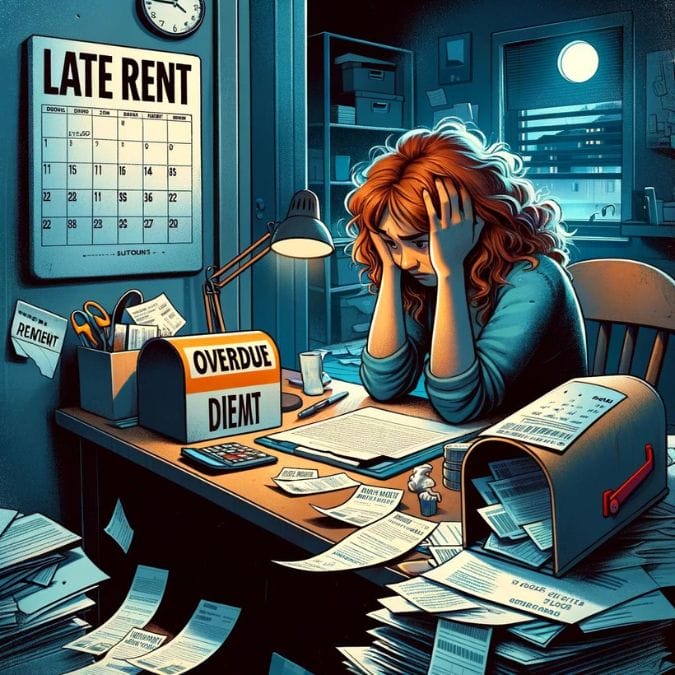
2. You’re Regularly Late on Rent

late rent payment

DALL-E

If you find yourself frequently racing against the due date for your rent or paying late fees, it’s a stark indicator that your rent might be more than you can handle. 

Consistently delayed payments indicate that your budget needs recalibration to better align with your income.

3. Savings? What Savings?

low savings

123rf

The ability to save money while covering expenses is a hallmark of good financial health. If your high rent keeps you from saving money, you may need to consider more affordable living arrangements. 

Remember, unforeseen expenses can arise, and without savings, you’re in a precarious financial position.

4. You Dread the Bill Each Month

a man dreading monthly bills

DALL-E

The psychological effect of unaffordable rent can be as significant as the financial strain. If the thought of your rent bill fills you with dread each month, it might be time to look for a place that feels financially comfortable rather than a monthly nightmare.

5. Your Credit Cards Are Maxing Out

credit card

123rf

Relying on credit cards to get through the month because your rent is too high is a slippery slope into debt. If you notice your credit card balances creeping up and you’re covering more of your daily expenses on credit, your housing costs might be to blame.

6. You Have No Room for Emergency Expenses

emergency money

123rf

An affordable rental allows you to handle unexpected expenses—a car repair, a medical bill, or an urgent trip. 

If paying your rent means you can’t afford to manage emergencies, your financial setup needs tweaking. A healthy budget includes a buffer for the unpredictable.

7. You’re Cutting Back on Essentials

cutting back on essentials

DALL-E

When you start slashing your grocery budget or skimping on health care to afford your rent, it’s a warning that your living situation isn’t sustainable. Sacrificing essentials means your rent is not only unaffordable—it’s threatening your well-being.

8. You Can Barely Cover Utility Bills

money for utility bills

123rf

Utility bills can vary, but if they’re causing stress each month on top of your rent, you might be living beyond your means. When the basics like electricity and water become a burden, it’s clear that something’s got to give.

9. No Cash for Socializing

socializing

123rf

Social interactions are vital for mental health. If you find yourself declining invitations because you’re strapped for cash after paying rent, you’re missing out on more than just fun. 

Over time, this isolation can take a toll on your overall happiness and social relationships.

10. Your Work-Life Balance is Suffering

work life balance

123rf

If you’re working extra hours or taking a second job just to make rent, your work-life balance may be off-kilter. Long-term, this isn’t sustainable. 

Your quality of life shouldn’t suffer for the sake of keeping an expensive roof over your head.

11. You’re Ignoring Debt Repayment

a woman worries about her debts

123rf

If your rent makes it difficult to chip away at your debt, it’s time to rethink your living situation. Ignoring debt to pay rent can lead to higher interest costs and a damaged credit score—issues that could haunt your financial future.

12. Your Financial Stress is Skyrocketing

financial stress

123rf

Lastly, if financial anxiety is your constant companion because of your rent, it’s more than a sign—it’s a red flag waving furiously. 

Financial stress can affect every aspect of your life, from your relationships to your physical health.

Is It Time to Move?

rent

123rf

Recognizing these signs early can save you from financial and emotional distress. Your living situation should be a source of comfort, not constant financial anxiety. 

If too many of these signs ring true, it might be time to start apartment hunting again. Remember, it’s about finding a balance that works for your wallet and well-being.

Read More

If You Can’t Pay Your Rent-Use These 6 Tips to Stop An Eviction

5 Ways to Save Up to Buy a House

Vanessa Bermudez
Vanessa Bermudez
Vanessa Bermudez is a content writer with over eight years of experience crafting compelling content across a diverse range of niches. Throughout her career, she has tackled an array of subjects, from technology and finance to entertainment and lifestyle. In her spare time, she enjoys spending time with her husband and two kids. She’s also a proud fur mom to four gentle giant dogs.

Filed Under: Personal Finance Tagged With: Budget, finance, housing expenses, Rent

FOLLOW US

Search this site:

Recent Posts

  • Can My Savings Account Affect My Financial Aid? by Tamila McDonald
  • 12 Ways Gen X’s Views Clash with Millennials… by Tamila McDonald
  • What Advantages and Disadvantages Are There To… by Jacob Sensiba
  • 10 Tactics for Building an Emergency Fund from Scratch by Vanessa Bermudez
  • Call 911: Go To the Emergency Room Immediately If… by Stephen Kanaval
  • 7 Weird Things You Can Sell Online by Tamila McDonald
  • 10 Scary Facts About DriveTime by Tamila McDonald

Copyright © 2026 · News Pro Theme on Genesis Framework