• Home
  • About Us
  • Toolkit
  • Getting Finances Done
    • Hiring Advisors
    • Debt Management
    • Spending Plan
  • Insurance
    • Life Insurance
    • Health Insurance
    • Disability Insurance
    • Homeowners/Renters Insurance
  • Contact Us
  • Privacy Policy
  • Risk Tolerance Quiz

The Free Financial Advisor

You are here: Home / Archives for overspending

10 Personal Finance Lessons People Learn the Hard Way

January 22, 2026 by Brandon Marcus Leave a Comment

These Are 10 Personal Finance Lessons People Learn the Hard Way

Image source: shutterstock.com

Money lessons rarely arrive politely. They crash into life during overdraft alerts, awkward conversations, or that sinking feeling after opening a credit card statement. Most of us don’t learn personal finance from calm instruction; we learn it from experience, stress, and a few “well, that didn’t work” moments.

The upside is that these lessons stick. They change habits, sharpen judgment, and turn past mistakes into future wisdom. Here are ten personal finance lessons people commonly learn the hard way, usually after their wallet has already taken a hit.

1. Spending More Than You Earn Always Catches Up

Living beyond your income feels manageable at first, especially when credit fills the gaps. Bills get paid, life looks normal, and the problem seems distant. Over time, though, the math becomes unavoidable. Interest compounds, balances grow, and flexibility disappears.

Many people only grasp this lesson after losing sleep over money or juggling due dates. Once learned, it often leads to tracking expenses, setting limits, and respecting the simple truth that income sets the ceiling.

2. An Emergency Fund Is Not Optional

Emergencies are rude, unpredictable, and expensive. Cars break down, jobs vanish, and medical bills appear without warning. Without savings, even small surprises can spiral into debt.

People usually learn this after relying on credit cards for emergencies and struggling to recover. A basic emergency fund provides breathing room and better choices. It turns crises into inconveniences instead of financial disasters.

3. Credit Cards Are Tools, Not Extra Income

Credit cards make spending feel painless, which is exactly the danger. Swiping now and worrying later often leads to balances that linger for years. Interest rates quietly punish unpaid balances month after month.

Many people realize this only after paying far more in interest than the original purchase cost. Used carefully, credit cards can build credit and offer protections. Used carelessly, they become very expensive loans.

4. Lifestyle Inflation Can Sabotage Raises

Earning more money feels like progress, and it is. The trap appears when spending rises just as fast. Bigger paychecks often bring bigger apartments, nicer cars, and more subscriptions.

At some point, people notice they feel just as broke as before, despite earning more. This lesson usually arrives with frustration and confusion. Keeping lifestyle inflation in check allows raises to actually improve financial security.

5. Ignoring Retirement Early Is Costly

Retirement feels far away, especially in your twenties and thirties. It’s easy to delay saving while focusing on current needs. Years later, people realize how powerful time and compound growth could have been. Catching up requires much larger contributions and sacrifices.

This lesson hits hardest when projections reveal uncomfortable gaps. Starting early, even with small amounts, dramatically reduces future stress.

6. Insurance Matters More Than It Seems

Insurance feels boring until the moment it’s desperately needed. Skipping coverage can save money short term, but the risk is enormous. Accidents, illnesses, and disasters can erase years of savings instantly.

Many people learn this lesson after paying out of pocket for something insurance would have covered. Proper coverage protects not just money, but stability and peace of mind. It’s about risk management, not optimism.

7. Not All Debt Is Created Equal

Debt often gets treated as a single category, but its impact varies widely. High-interest consumer debt drains finances quickly, while lower-interest debt can sometimes be strategic.

People often learn this after struggling to escape credit card balances while managing other obligations. Understanding interest rates and repayment terms changes priorities. It encourages attacking the most expensive debt first. This clarity can speed up financial recovery dramatically.

8. Small Purchases Add Up Faster Than Expected

Daily habits quietly shape financial outcomes. Coffee runs, delivery fees, and impulse buys seem harmless in isolation. Over months, they can consume hundreds or thousands of dollars.

Many people only notice after reviewing statements and feeling shocked by the totals. This lesson isn’t about deprivation. It’s about awareness and choosing what truly adds value.

9. Money Stress Affects Relationships

Financial problems rarely stay contained to spreadsheets. They spill into conversations, decisions, and emotional well-being. Couples and families often clash over spending, saving, and priorities.

People usually recognize this lesson after tension builds or trust erodes. Open communication and shared goals reduce conflict. Managing money together requires honesty, compromise, and patience.

These Are 10 Personal Finance Lessons People Learn the Hard Way

Image source: shutterstock.com

10. No One Cares More About Your Money Than You Do

Advice comes from everywhere, but responsibility rests with the individual. Employers, banks, and even well-meaning friends have their own interests.

Many people learn this after blindly following guidance that didn’t fit their situation. Taking ownership means learning basics, asking questions, and paying attention. Confidence grows with knowledge. Ultimately, financial control starts with personal accountability.

Turning Hard Lessons Into Lasting Wins

Personal finance mistakes can sting, but they also teach clarity and resilience. Each hard-earned lesson strengthens future decisions and builds confidence over time. Money management isn’t about perfection; it’s about progress and awareness.

Everyone’s journey includes missteps, and those stories matter. Feel free to give your thoughts or add your own experiences in the comments section below.

You May Also Like…

Risk Proaction: 5 Steps to Stress-Test Your Finances for Worst-Case Scenarios

5 Lessons Young People Should Know About Investing

7 Old-School Life Lessons Only Today’s 50-Somethings Still Remember

5 Valuable Lessons Learned From Market Crashes Historically

7 Personality Clues That Predict Divorce Before It Happens

Brandon Marcus
Brandon Marcus

Brandon Marcus is a writer who has been sharing the written word since a very young age. His interests include sports, history, pop culture, and so much more. When he isn’t writing, he spends his time jogging, drinking coffee, or attempting to read a long book he may never complete.


Filed Under: Finance Tagged With: Debt, debt payoff, eliminating debt, emergency fund, emergency funds, finance, finance lessons, financial goals, financial lessons, lessons, Life, Lifestyle, Lifestyle Inflation, Money, money anxiety, money issues, money plans, money stress, overspending, Personal Finance, purchases, Retirement, retirement accounts, retirement plan, retirement planning, retirement savings, small purchases, Smart Spending, spending

Why Do Fixed Expenses Feel Anything But Fixed

January 21, 2026 by Brandon Marcus Leave a Comment

Why Do Fixed Expenses Feel Anything But Fixed

Image source: shutterstock.com

You open your wallet, confident that you’ve got your monthly budget down to a science. Rent? Check. Utilities? Check. Car payment? Check. And yet somehow, by the end of the month, your “predictable” expenses have transformed into a moving target, teasing you like a magician’s disappearing coin.

How can something that’s supposed to be constant feel like it’s plotting against your financial stability? That’s the mystery we’re tackling today, and trust me—it’s more interesting than it sounds.

The Illusion Of Predictability In Fixed Expenses

Fixed expenses are meant to be stable, right? Rent, mortgage, and loan payments are supposed to arrive like clockwork, a comforting hum in the background of your financial life. Yet, somehow, that sense of predictability evaporates the moment you factor in real life. Property taxes rise, insurance premiums adjust, and sometimes utility bills fluctuate with nothing but the weather as an excuse.

Even subscriptions—those seemingly straightforward streaming or software services—have a habit of changing terms or sneaking in annual increases that don’t quite make it into your mental spreadsheet. The human brain craves stability, and when it doesn’t get it, fixed expenses feel like they’re on a trampoline, bouncing higher and lower without warning.

Hidden Costs Lurking Behind “Fixed” Payments

One of the reasons fixed expenses feel anything but fixed is that most of them are riddled with hidden costs. That mortgage payment you consider your rock-solid monthly commitment? It may include insurance, property taxes, and occasionally, fees you didn’t anticipate. Utilities? Your usage might stay consistent, but seasonal spikes, service fees, and regulatory changes can turn your predictable $100 water bill into a $145 headache overnight.

Even digital subscriptions are guilty of this trickery: add-ons, premium features, and processing fees pile up quietly. Essentially, what you thought was a single number is actually a bundle of moving parts, each capable of making your “fixed” budget dance to its own rhythm.

Inflation And The Slow Creep Of Rising Expenses

Inflation is like that quiet friend who always shows up uninvited to the party and eats all the snacks. Over time, the money you thought would cover your fixed expenses stretches thinner and thinner. Even if your nominal payments stay the same, the cost of living around them doesn’t. Grocery bills, gasoline, or home maintenance costs can make your once-comfortable fixed payments feel like they are consuming more of your income than ever before. This subtle erosion of purchasing power is especially sneaky because it doesn’t hit you in one dramatic wave; it tiptoes in, month by month, until your carefully balanced budget feels like it’s balancing on a tightrope above a pit of unseen costs.

The Psychology Of Perceived Instability

There’s a psychological twist here too. Humans perceive risk and unpredictability far more acutely than stability. A small fluctuation in your electricity bill or a slightly higher interest rate triggers far more emotional stress than the reality of the dollar amount might justify. When bills shift even slightly, our brains interpret it as instability. Fixed expenses feel like they are moving, not because they are wildly unpredictable, but because we are wired to notice and react to any deviation from our expectations. This means that a seemingly minor change can feel like a budget earthquake, even when, mathematically, it’s a ripple.

How Life Changes Impact Fixed Expenses

Life is messy, and fixed expenses are rarely immune to its twists and turns. A new child, a job change, or a relocation can instantly transform “fixed” commitments into flexible nightmares. Even small lifestyle changes—upgrading a phone plan, switching insurance providers, or enrolling in a new subscription service—add layers of complexity to what once felt simple. Each tweak requires recalculating, reassessing, and mentally absorbing the change, making fixed expenses feel fluid and unpredictable. In reality, the world is constantly nudging these expenses, turning our mental map of stability into a constantly evolving puzzle.

Why Do Fixed Expenses Feel Anything But Fixed

Image source: shutterstock.com

Strategies To Regain Control Over Fixed Expenses

The first step to taming your “unfixed” fixed expenses is awareness. Track every bill and subscription, and note seasonal or annual fluctuations. Next, anticipate change: know that insurance, taxes, and utilities will rarely remain static, and plan for buffer amounts in your budget. Automate payments wherever possible to reduce the stress of human error or missed due dates. Consider negotiating rates on recurring bills—sometimes a simple call to your provider can lower a payment that seemed unchangeable. Finally, create a mental distinction between genuinely fixed expenses, like a car loan, and semi-fixed or fluctuating ones, like utilities. Recognizing which bills are likely to move helps reduce the surprise factor, turning unpredictable frustration into manageable planning.

The Unexpected Freedom In Understanding Fixed Expenses

Here’s the twist: embracing the “unfixed” nature of fixed expenses can actually be liberating. Once you understand that stability is more a goal than a guarantee, you can plan with intention and flexibility. You stop beating yourself up for minor fluctuations and start building budgets that adapt instead of constrain. You learn to enjoy the predictability when it exists but aren’t crushed when reality intervenes. Fixed expenses may never feel truly fixed, but with awareness and planning, they can become less like a trap and more like a guide—sometimes strict, sometimes surprising, but always manageable.

Thoughts On Navigating The Fixed Expense Maze

Fixed expenses might be anything but fixed, but that doesn’t mean we’re helpless. By understanding the hidden costs, the effects of inflation, and the psychological quirks that make minor fluctuations feel catastrophic, we can approach budgeting with clarity and calm.

Have you ever had a “fixed expense surprise” that completely threw off your month? Or a strategy that turned unpredictable bills into something manageable? Let’s swap experiences and insights to help make these tricky payments feel just a little less wild.

You May Also Like…

Why Are Fixed Expenses Difficult to Reduce?

7 Costs That Sneak Up on Fixed-Income Households

Income Stability: 6 Retirement Income Moves That Aren’t as Safe as They Seem

Income Threshold: 4 Hidden Taxes That Hit Once You Cross Certain Limits

5 Ways To Easily Boost Your Income In 2026

Brandon Marcus
Brandon Marcus

Brandon Marcus is a writer who has been sharing the written word since a very young age. His interests include sports, history, pop culture, and so much more. When he isn’t writing, he spends his time jogging, drinking coffee, or attempting to read a long book he may never complete.

Filed Under: Spending Habits Tagged With: expenses, financial instability, fixed expenses, fixed income, Life, life changes, Lifestyle, loan payments, mortgage, overspending, Payments, Rent, rent payments, Smart Spending, spending, subscriptions

Why Do Unexpected Costs Feel So Defeating

January 21, 2026 by Brandon Marcus Leave a Comment

Why Do Unexpected Costs Feel So Defeating

Image source: shutterstock.com

The email arrives. The car makes that noise. The dentist frowns and says, “We should talk.” In seconds, your mood drops faster than a phone without a case. Unexpected costs don’t just dent your bank account; they punch straight through your sense of control. One moment you’re cruising along, feeling vaguely responsible, and the next you’re mentally redoing your entire budget while questioning every decision you’ve made since 2014.

The drama feels outsized compared to the dollar amount, and that’s not an accident. Surprise expenses push psychological buttons that are ancient, powerful, and very human, which is why they can feel so defeating even when you technically “can afford it.”

1. Why Surprise Expenses Feel Like A Personal Betrayal

Unexpected costs often feel personal, as if the universe itself just canceled your plans. Psychologically, this reaction comes from a deep expectation that effort should equal reward. When you budget, plan, and behave responsibly, your brain quietly expects safety in return. A surprise bill violates that expectation, triggering frustration that feels emotional rather than logical. This is related to loss aversion, a well-documented principle where losses feel more painful than gains feel pleasurable.

Losing fifty dollars hurts more than finding fifty dollars feels good, even though the math is identical. Add surprise to that loss, and the emotional impact multiplies. It feels unfair, abrupt, and deeply irritating because your brain had already spent that money in its imagination.

2. How Unexpected Costs Hijack Your Sense Of Control

Control is one of the most underrated emotional comforts in adult life. Even when money is tight, having a plan creates a sense of stability and competence. Unexpected expenses rip that feeling away in seconds. The issue is not just the cost itself, but the reminder that you are not fully in charge of what happens next.

Research in psychology consistently shows that perceived lack of control increases stress more than predictable hardship. A planned expense can feel annoying but manageable, while a surprise one feels chaotic and threatening. Your nervous system reacts accordingly, raising stress hormones and sharpening emotional reactions. That’s why a surprise bill can ruin your entire afternoon even after it’s paid.

3. Why Your Brain Treats Surprise Costs Like Emergencies

From a biological standpoint, your brain is wired to overreact to sudden threats. Thousands of years ago, unexpected danger required immediate attention, not calm analysis. Modern financial surprises accidentally activate that same alarm system. A surprise expense signals uncertainty, and uncertainty is something the brain hates with impressive enthusiasm. Your thoughts may spiral toward worst-case scenarios even when the actual risk is small. This is not a personal flaw; it’s a survival mechanism misfiring in a modern context. The emotional response can include anxiety, anger, shame, or all three in rapid succession. Understanding this doesn’t erase the feeling, but it explains why it arrives so loudly and uninvited.

4. Why Surprise Costs Can Trigger Shame And Self-Blame

One of the sneakiest aspects of unexpected expenses is how quickly they turn inward. Instead of just being annoyed, many people feel embarrassed or irresponsible, even when the expense was unavoidable. Society often frames financial stability as a moral achievement, not just a logistical one. When an unexpected cost appears, it can feel like proof that you failed some invisible test.

This reaction is especially strong for people who pride themselves on planning and self-discipline. The emotional sting is less about the money and more about identity. You are not just paying a bill; you are briefly questioning your competence as a grown adult. That internal narrative can hurt more than the charge itself.

Why Do Unexpected Costs Feel So Defeating

Image source: shutterstock.com

5. Why Even Small Surprise Expenses Feel Exhausting

It’s not uncommon for a relatively small, unexpected cost to feel disproportionately draining. This happens because surprise expenses demand mental energy, not just money. You have to rework your budget, rethink upcoming plans, and make quick decisions under stress. Cognitive load theory explains that mental bandwidth is limited, and sudden financial decisions consume a lot of it. Even if the cost is minor, the interruption itself is tiring. That’s why people often describe feeling “defeated” rather than simply inconvenienced. The exhaustion comes from emotional processing, problem-solving, and stress happening all at once. By the end, you’re worn out and annoyed, even if the damage to your bank account was modest.

Making Peace With The Unexpected

Unexpected costs feel defeating because they collide with our need for control, fairness, and stability. They activate ancient survival responses, modern financial pressure, and deeply personal ideas about responsibility all at the same time. Recognizing this doesn’t magically make surprise expenses enjoyable, but it can soften the emotional blow. When that next unexpected bill shows up, remember that your reaction is human, predictable, and widely shared. You’re not overreacting; your brain is doing what it evolved to do.

If you’ve had a moment when an unexpected cost knocked the wind out of you, tell us about it in the comments below and add your perspective to the conversation.

You May Also Like…

Why Do Unexpected Expenses Always Seem to Hit at the Worst Time

Income Stream: 5 Unexpected Income Sources Retirees Are Trying This Winter

Why Are Prescription Costs Catching So Many People Off Guard

Funding Gap: 8 Ways Rising College Costs Are Changing Mid-Life Financial Planning

6 Unexpected Fees That Sneak Into Hospital Bills

Brandon Marcus
Brandon Marcus

Brandon Marcus is a writer who has been sharing the written word since a very young age. His interests include sports, history, pop culture, and so much more. When he isn’t writing, he spends his time jogging, drinking coffee, or attempting to read a long book he may never complete.

Filed Under: Finance Tagged With: blame, Cost of living, costs, expenses, finance, finances, financial problems, general finance, overspending, shame, Smart Spending, spending, surprise costs, surprise expenses, unexpected costs

Why Does Spending Turn A Dream Vacation Into A Nightmare?

January 20, 2026 by Brandon Marcus Leave a Comment

Why Does Spending Turn A Dream Vacation Into A Nightmare?

Image source: shutterstock.com

The moment you step off the plane into a new city, with the sun kissing your skin and the scent of adventure in the air, everything should feel perfect. That sense of freedom, excitement, and endless possibility is why we travel in the first place. But there’s a sneaky villain lurking in the shadows: spending.

One careless swipe of a credit card, one splurge on a luxury dinner, or a spontaneous tour can quietly transform your dream getaway into a wallet-draining nightmare. Suddenly, what should have been a memory-making escape becomes a source of stress, anxiety, and regret. Let’s dive into why spending can sabotage your perfect vacation and how to avoid falling into the trap.

How Impulse Purchases Steal Vacation Joy

Impulse buying is the silent dream killer. When you’re in a new city, everything feels exotic and exciting—street food, souvenirs, guided tours, quirky little shops. It’s easy to convince yourself that “this one thing” is essential, only to discover your purchases pile up faster than your memories. Impulse spending doesn’t just eat into your budget; it creates a mental weight that lingers after the trip ends. You might feel proud at first, holding a quirky hand-carved sculpture or that designer bag you couldn’t resist. But the thrill fades when you check your bank statement and realize you’ve spent more than you intended. Suddenly, your excitement is replaced with stress, guilt, and a nagging sense that you traded financial peace for momentary gratification.

The Illusion Of Luxury And Status

We often equate vacation success with luxury: five-star hotels, gourmet meals, private tours. Social media only amplifies this, showcasing glamorous snapshots that make your own experiences feel inadequate. Spending excessively to chase that illusion can turn your escape into a competitive performance, rather than a relaxing getaway. You might convince yourself that the opulent spa or $200-a-night room is a “once-in-a-lifetime” necessity. In reality, luxury purchases can inflate expectations and pressure you to maintain an unsustainable standard. Instead of enjoying the local culture, you’re constantly calculating, “Is this worth it?” The irony is that the more you chase perceived status, the further you drift from genuine relaxation and connection with your surroundings.

Hidden Costs That Multiply Quickly

Even if you plan carefully, vacations are full of hidden costs that sneak past your budget. Transportation fees, resort taxes, tipping, parking, and small daily purchases can pile up into a serious financial burden. One afternoon of casually grabbing drinks or souvenirs can turn into a night of anxious number-crunching. Hidden costs aren’t just about money—they also add stress. Worrying about overspending can affect your mood, making even scenic walks or casual sightseeing feel tense. Before you know it, the lighthearted trip you envisioned is overshadowed by mental math and financial worry. Recognizing hidden costs beforehand is crucial to keeping your vacation lighthearted and genuinely enjoyable.

Why Does Spending Turn A Dream Vacation Into A Nightmare?

Image source: shutterstock.com

How FOMO Fuels Overspending

Fear of missing out is a powerful motivator, especially when traveling. It drives tourists to overbook experiences, dine at every “must-try” restaurant, and buy every trinket that looks Instagram-worthy. While FOMO can make a vacation feel thrilling in the moment, it often leads to buyer’s remorse later. You may end up rushing from activity to activity, spending money you hadn’t planned on, and forgetting to pause and truly soak in your surroundings. FOMO also creates a mindset where relaxation takes a back seat to “maximizing experiences,” leaving you exhausted and financially strained. Balancing curiosity with mindfulness is the key to enjoying adventures without letting your wallet—or your stress levels—suffer.

Psychological Toll Of Overspending

Overspending isn’t just a financial issue—it has emotional consequences, too. Anxiety about bills waiting at home can shadow your entire vacation. Moments that should be joyful can be tainted by guilt and self-recrimination, turning your sunny beach day into a mental tug-of-war. This stress isn’t limited to the duration of your trip; it can linger long after you’ve returned, making post-vacation life feel heavier. Psychologists note that the mental load of overspending reduces your ability to enjoy experiences fully, no matter how beautiful or rare they are. The paradox is striking: you spend more to make memories, but the weight of financial stress undermines the very joy you were seeking.

Strategies To Enjoy Without Overspending

The antidote to vacation overspending is awareness and planning. Start by setting a clear budget, breaking it down by category: lodging, food, experiences, and souvenirs. Give yourself small allowances for spontaneous purchases, so you don’t feel deprived. Research local options ahead of time; sometimes hidden gems cost far less than flashy attractions. Another strategy is to prioritize experiences over objects—photographs, hikes, and street performances often leave deeper, longer-lasting memories than any purchased item. Keeping a journal or tracking expenses on the go can also prevent that creeping anxiety that comes from losing control of your finances. With these strategies, you can enjoy your dream vacation without it turning into a financial nightmare.

Keep Your Memories Rich, Not Your Stress

Vacations are meant to recharge us, expose us to new perspectives, and create stories we’ll tell for years. Overspending can hijack that experience, replacing joy with anxiety, curiosity with calculation, and relaxation with stress. By understanding the psychological traps, hidden costs, and impulsive urges that come with travel, you can make conscious choices that prioritize enjoyment over expenditure.

Now, we want to hear from you—what are your experiences with vacation spending? Have you ever found yourself regretting a splurge or discovering a money-saving hack that saved your trip?

You May Also Like…

7 Clever Ways Grandparents Save on Family Vacations

9 Lesser-Known Risks of Buying Vacation Homes

6 Ways Travel Is Quietly Transforming for Millennials and Gen Z

7 Travel Safety Tips You’ve Never Heard Before

6 Weird Costs of Owning Vacation Rentals

Brandon Marcus
Brandon Marcus

Brandon Marcus is a writer who has been sharing the written word since a very young age. His interests include sports, history, pop culture, and so much more. When he isn’t writing, he spends his time jogging, drinking coffee, or attempting to read a long book he may never complete.

Filed Under: Travel Tagged With: dream vacation, family spending, FOMO, hidden costs, Holiday, Holidays, impulse purchases, Life, Lifestyle, overspending, Smart Spending, spending, travel, traveling, traveling across country, vacation, world travel

Why Does Budgeting Feel More Emotional Than Logical

January 20, 2026 by Brandon Marcus Leave a Comment

Why Does Budgeting Feel More Emotional Than Logical

Image source: shutterstock.com

Money is supposed to be rational. Numbers don’t lie, calculators don’t cry, and spreadsheets shouldn’t spark anxiety. And yet, ask anyone to create a budget and suddenly it feels like they’re walking through an emotional obstacle course. Guilt, excitement, fear, and even nostalgia can all show up in one sitting as you decide whether to allocate $50 to dining out or sock it away in savings. The clash between our inner desires and our practical goals can make budgeting feel less like a math exercise and more like a therapy session.

But why exactly do these numbers get under our skin? It turns out, the answer is a mix of brain chemistry, learned behavior, and the social pressures that surround money.

Emotional Brain Overrides Logical Brain When Money Is Involved

When we handle money, the prefrontal cortex—the part of the brain responsible for logical thinking—doesn’t always get top billing. Instead, the limbic system, which governs emotions, often takes the lead. That’s why splurging on a fancy coffee or treating yourself to a new gadget can feel deeply satisfying in the moment, even when your budget screams “don’t do it.” Scientists call this emotional hijacking, and it’s rooted in the brain’s reward circuitry.

Every time you spend, your brain releases dopamine, the same chemical that makes chocolate taste heavenly or a compliment feel great. This reward signal can overpower logic, making it incredibly difficult to stick to a plan that requires delayed gratification. Essentially, your brain wants pleasure now, not stability later, which is why budgeting can feel like a tug-of-war between your rational self and your impulsive self.

Childhood Experiences Shape How We React To Money

Your relationship with money didn’t start yesterday; it began in childhood. If you grew up in a household where money was scarce, budgeting might trigger anxiety or even fear. Conversely, if you were raised in a family that prioritized indulgence, you might feel guilt or confusion when trying to spend less. Research shows that early financial experiences strongly influence adult spending and saving habits. This means that the emotional intensity of budgeting isn’t just a quirk—it’s often hardwired from years of observing and internalizing parental attitudes toward money.

Recognizing these patterns can be the first step toward breaking them. Understanding that your emotional reactions are rooted in history helps reframe budgeting from a personal failing into a psychological puzzle worth exploring.

Why Does Budgeting Feel More Emotional Than Logical

Image source: shutterstock.com

Social Pressure Amplifies Emotional Responses To Spending

We live in a world that constantly compares our financial choices, whether through social media, friends, or even family. That latte, those concert tickets, or the trendy new shoes come with unspoken social expectations. Spending—or not spending—becomes a statement about who we are. Social psychologist studies show that people often make purchasing decisions to fit in or signal status, which injects a huge emotional component into budgeting. Even when we logically know we should save, the fear of missing out or being judged can override practical reasoning.

The pressure to “keep up” doesn’t just cost money—it costs emotional energy, guilt, and sometimes sleepless nights. That’s why creating a budget can feel less like a task and more like a performance review, where the audience is yourself and the stakes feel unbearably high.

Mental Accounting Complicates Simple Decisions

Ever wonder why you might splurge on a night out but hesitate to buy a necessary kitchen appliance? That’s mental accounting in action. Humans don’t treat all money equally. We assign emotional weight to different pots of money—fun money, bills, emergency funds—which makes logical budgeting complicated. Mental accounting helps explain why we might blow a “treat yourself” fund but panic over spending from our “essential” budget. Psychologists note that this behavior is normal; it’s our brain’s way of creating psychological boundaries. But it also means that budgeting isn’t purely numerical—it’s inherently emotional. Recognizing these mental accounts can help you plan realistically while also understanding why certain budget decisions feel surprisingly stressful.

Guilt And Reward Are Two Sides Of The Budgeting Coin

Guilt is a surprisingly common companion to budgeting. You might feel it when you spend on something indulgent, or even when you save, imagining you’re depriving yourself. On the flip side, sticking to a budget and meeting financial goals triggers a sense of reward that’s disproportionately satisfying compared to the effort involved. Behavioral economists describe this as a balancing act between pain and pleasure.

The more we understand that budgeting activates these deep emotional circuits, the more we can design systems that work with our feelings rather than against them. Simple tricks—like treating yourself within reason or celebrating milestones—acknowledge the emotional component and make it easier to stay consistent.

Strategies To Make Budgeting Less Emotionally Charged

Understanding why budgeting feels emotional is half the battle; the next step is finding strategies to work with your feelings instead of fighting them. Some people benefit from automating savings and bills, which removes the immediate emotional trigger. Others find it helpful to reframe budgeting as a way to fuel personal goals, like travel, hobbies, or financial freedom, rather than as a list of restrictions. Keeping a spending journal can also illuminate patterns of emotional spending, allowing you to spot triggers and make informed adjustments. The key is not to eliminate emotion entirely but to recognize and channel it constructively. Budgeting isn’t just about numbers; it’s about navigating the human experience with money in a way that aligns with your values and emotions.

Your Turn To Reflect

Budgeting doesn’t have to feel like a battleground between your head and your heart. Recognizing the emotional roots of spending, the influence of childhood experiences, and the pressures of social norms can transform budgeting from a chore into a thoughtful practice. Every person’s financial journey is unique, shaped by psychology as much as arithmetic.

How do you handle the emotional side of budgeting? Do you struggle with guilt, excitement, or even anxiety when planning your finances? Let’s hear about it below.

You May Also Like…

10 Common Budgeting Mistakes That Create Constant Money Stress

Expense Mindset: 5 Budgeting Habits High-Net Individuals Use

5 Budgeting Tools That Trick You Into Higher Spending

Are Budgeting Apps Designed to Push You Into Debt?

Why Does Shopping for Basics Feel Emotionally Draining Now


Brandon Marcus
Brandon Marcus

Brandon Marcus is a writer who has been sharing the written word since a very young age. His interests include sports, history, pop culture, and so much more. When he isn’t writing, he spends his time jogging, drinking coffee, or attempting to read a long book he may never complete.

Filed Under: Budgeting Tagged With: accounting, Budget, budgeting, Budgeting Tips, childhood, Emotional Spending, emotions, impulse spending, logical spending, Money, money choices, money issues, overspending, Smart Spending, social pressure, spending

9 Financial Habits That Look Responsible but Feel Stressful

January 19, 2026 by Brandon Marcus Leave a Comment

9 Financial Habits That Look Responsible but Feel Stressful

Image source: shutterstock.com

Money advice is supposed to make life calmer, steadier, and more secure. Yet so many “responsible” financial habits end up doing the opposite, tightening shoulders, draining joy, and turning everyday decisions into tiny anxiety spirals. These habits often earn praise from blogs, gurus, and well-meaning relatives, but living with them can feel exhausting.

The truth is that financial responsibility isn’t just about math—it’s also about emotional sustainability. Let’s talk about nine money habits that look impressive from the outside while quietly testing your sanity on the inside.

1. Tracking Every Single Expense

Logging every coffee, snack, and parking meter payment looks disciplined and detail-oriented. In reality, it can feel like running a full-time accounting department for your own life. Constant tracking often creates guilt over small, harmless purchases rather than clarity about big financial priorities. Many people abandon this habit not because it doesn’t work, but because it’s mentally exhausting to maintain long-term.

A system that demands daily perfection can easily turn into a source of stress instead of insight. Awareness matters, but so does breathing room.

9 Financial Habits That Look Responsible but Feel Stressful

Image source: shutterstock.com

2. Keeping An Ultra-Tight Monthly Budget

A strict budget feels like a badge of honor, especially when every dollar has an assignment. The problem shows up when real life ignores your spreadsheet entirely. Unexpected invitations, rising prices, or a bad week can make rigid budgets feel like personal failures. Over time, the pressure to “stay on track” can turn normal spending into a constant negotiation with yourself. Budgets work best when they flex, but many people don’t realize that flexibility is still responsible.

3. Obsessively Maximizing Credit Card Rewards

Optimizing points, miles, and cash-back categories looks savvy and strategic. It can also turn every purchase into a mental math problem. Juggling rotating categories, expiration dates, and multiple cards adds cognitive load that rarely gets acknowledged. The financial upside is often smaller than expected, while the mental energy required is very real. When earning rewards starts to feel like a second job, the benefit shrinks fast. Simple systems often outperform complicated ones over time.

4. Saying No To Anything That Isn’t “Necessary”

Avoiding unnecessary spending sounds mature and disciplined, especially in uncertain times. Yet labeling every joy-based expense as “optional” can drain color from daily life. Humans aren’t robots optimized only for survival and retirement accounts.

Constantly denying small pleasures can lead to burnout spending later, when restraint finally snaps. Responsible money habits should support a life you actually enjoy living. Otherwise, the resentment quietly builds.

5. Constantly Checking Account Balances

Frequently checking balances feels proactive and cautious. For many people, it becomes a nervous tic rather than a useful habit. Seeing normal fluctuations can trigger unnecessary worry, even when nothing is actually wrong. This habit often creates a false sense of urgency, as if every dip requires immediate action. Financial awareness is healthy, but hyper-vigilance rarely is. Peace of mind matters just as much as precision.

6. Paying Down Debt At All Costs

Aggressively eliminating debt is widely praised, and for good reasons. The stress creeps in when debt repayment crowds out everything else, including emergency savings or basic enjoyment. Some people push themselves so hard that one unexpected expense sends them right back into borrowing. A balanced approach often leads to better long-term results than extreme sacrifice. Progress doesn’t have to hurt to count.

7. Investing Only In “Safe” Options

Playing it safe with investments sounds prudent and cautious. However, extreme risk avoidance can create constant fear of doing something wrong. Watching inflation quietly erode purchasing power can be just as stressful as market ups and downs.

Many people feel frozen, unsure whether they’re being smart or simply scared. Responsible investing includes understanding risk, not avoiding it entirely. Confidence grows from education, not avoidance.

8. Comparing Your Finances To Everyone Else’s

Benchmarking against peers feels like a way to stay motivated and informed. In practice, it often leads to anxiety, envy, or quiet shame. You rarely see the full financial picture behind someone else’s lifestyle. Comparisons can push people toward goals that don’t actually fit their values or circumstances. Money decisions become emotional rather than intentional. Financial health isn’t a competition, even when it feels like one.

9. Delaying Joy Until “Everything Is Settled”

Waiting to relax until debt is gone, savings are full, and goals are complete sounds logical. The stress comes from the fact that “settled” is a moving target. Life keeps happening, goals evolve, and there’s always another box to check. Delayed joy can quietly turn into permanent postponement. Responsible money habits should support living now and later, not force an endless waiting room. Balance is the real luxury.

Responsibility Should Feel Sustainable

Financial habits aren’t just tools; they shape how daily life feels. When a habit creates constant stress, guilt, or exhaustion, it deserves a second look—even if it looks responsible on paper. The healthiest money systems are the ones you can live with year after year.

If any of these habits sound familiar, you’re far from alone. Feel free to add your own experiences or perspectives in the comments section below.

You May Also Like…

8 Financial Habits That Quietly Drain Your Checking Account

7 Common Money Habits That Increase Stress Instead of Reducing It

Why Do People Feel Guilty Spending Money Even on Necessitiesd

Holiday Debt: 9 Warning Signs Your Spending Is Already Off Track

Debt Alert: 6 Ways Holiday Spending Could Trigger a January Credit Score Crisis

Brandon Marcus
Brandon Marcus

Brandon Marcus is a writer who has been sharing the written word since a very young age. His interests include sports, history, pop culture, and so much more. When he isn’t writing, he spends his time jogging, drinking coffee, or attempting to read a long book he may never complete.

Filed Under: Finance Tagged With: advisor habits, bad financial habits, bad habits, breaking habits, Budget, budgeting, emergency funds, finance, finances, financial habits, overspending, saving money, savings, Smart Spending, spending, Spending Habits, tracking spending

10 Budget Adjustments People Make Without Talking About Them

January 19, 2026 by Brandon Marcus Leave a Comment

These Are 10 Budget Adjustments People Make Without Talking About Them

Image source: shutterstock.com

Money habits rarely arrive with drumrolls or group texts. They slip into daily routines, hide inside receipts, and quietly rewrite priorities while everyone pretends nothing changed. This article dives into the hush-hush tweaks people make when life gets expensive, goals get serious, or reality taps them on the shoulder. Expect honesty, recognition, and more than a few “wow, I do that too” moments.

These adjustments feel deeply personal, yet almost everyone makes them at some point. Let’s pull back the curtain and talk about the budget shifts nobody announces at dinner.

1. Downgrading Grocery Brands Without Saying A Word

People often start by swapping name brands for store labels while acting like nothing changed. They tell themselves the taste stays the same, even when the packaging looks suspiciously plain. This choice saves real money every month, especially on basics like cereal, pasta, and cleaning supplies.

Many shoppers frame it as a one-time experiment, but the habit sticks fast. Over time, carts fill with quiet compromises that add up to serious savings. Nobody brags about generic ketchup, yet it pays rent just the same.

2. Cutting Back On Social Plans With Creative Excuses

Happy hours, brunches, and concert nights drain wallets faster than expected. Instead of admitting budget stress, people suddenly feel “tired,” “busy,” or “trying to reset.” They suggest coffee instead of cocktails or host game nights at home. These choices protect finances while preserving friendships, even if explanations feel a little flimsy. Friends often follow suit, grateful for cheaper plans. Nobody calls it budgeting, but everyone benefits.

3. Letting Subscriptions Quietly Expire

At some point, someone stares at a bank statement and does a double take. Streaming services, apps, and memberships pile up quietly month after month. People cancel one or two without making a speech about it. They tell themselves they can always rejoin later, which almost never happens. This move trims expenses without affecting daily happiness much. Silence accompanies the savings, and nobody mourns the loss.

4. Delaying Big Purchases Longer Than Planned

That couch, phone upgrade, or weekend getaway waits just a bit longer than expected. People stretch timelines and lower urgency without announcing the change. They research more, compare prices harder, and suddenly feel patient. This delay creates breathing room in a tight budget. It also builds discipline that spills into other spending decisions. Nobody celebrates waiting, yet waiting works.

5. Cooking At Home More Than Ever Before

Restaurant visits drop off quietly when grocery bags show up more often. People experiment with recipes, rediscover leftovers, and pack lunches like pros. They might frame it as a health kick or a new hobby. In reality, cooking at home slashes spending fast. Confidence grows with every successful meal. The savings simmer in the background while nobody makes a fuss.

Plus, it is a great way to spend time with family, grow closer, and do something together as a unit. It’s a win-win in many ways.

These Are 10 Budget Adjustments People Make Without Talking About Them

Image source: shutterstock.com

6. Choosing Practical Clothes Over Trendy Ones

Closets start favoring durability over drama. People buy fewer pieces and wear them longer. They skip impulse buys and wait for sales without announcing a style shift.

This change reduces clutter and protects wallets at the same time. Fashion loses some sparkle, but financial calm replaces it. Compliments still happen, even without trends involved.

7. Driving Cars Longer Than They Intended

That car payment-free life looks more attractive every year. People delay upgrades and invest in maintenance instead. They learn to ignore shiny ads and new features. This choice frees up hundreds of dollars each month. Pride grows quietly as mileage climbs. Nobody throws a party for an aging vehicle, yet it earns respect.

8. Reworking Travel Expectations

Vacations shrink, shift, or disappear for a while. People choose road trips, off-season travel, or staycations without fanfare. They focus on rest instead of luxury. These adjustments keep memories alive without crushing budgets. Travel still happens, just differently. Nobody needs postcards to prove it.

9. Saying No To Convenience Spending

Delivery fees, ride shares, and last-minute purchases face more resistance. People plan ahead and tolerate minor inconvenience. They walk, cook, or wait instead of paying extra. This habit saves surprising amounts over time. Discipline strengthens with every small win. Nobody posts about skipping delivery, but the bank account notices.

10. Rethinking Gifts And Celebrations

People set spending limits and get creative with presents. They suggest experiences, handmade items, or shared meals instead of pricey gifts. This shift reduces pressure during holidays and birthdays. Meaning replaces money without much announcement. Gratitude often grows on both sides. Quietly, celebrations feel more human again.

The Quiet Art Of Adjusting

These budget adjustments rarely come with announcements, spreadsheets waved in the air, or dramatic speeches. They happen gradually, guided by instinct, necessity, and self-awareness. Most people make them at different times and for different reasons, yet the patterns look strikingly similar. Talking about money still feels awkward, which explains the silence. Still, these small choices shape financial health more than flashy strategies ever could.

Drop your own experiences or reflections in the comments below and let the conversation continue.

You May Also Like…

Family Homes Done Right: Kid-Friendly Interior Design on a Budget

8 Budget Line Items That Keep Growing Without Notice

10 Common Budgeting Mistakes That Create Constant Money Stress

5 Budgeting Tools That Trick You Into Higher Spending

9 Everyday Expenses People Forget to Include in Their Budget

Brandon Marcus
Brandon Marcus

Brandon Marcus is a writer who has been sharing the written word since a very young age. His interests include sports, history, pop culture, and so much more. When he isn’t writing, he spends his time jogging, drinking coffee, or attempting to read a long book he may never complete.

Filed Under: Budgeting Tagged With: brand names, Budget, budgeting, budgeting adjustments, Budgeting Tips, family issues, family money, family spending, financial choices, financial decisions, grocery stores, Money, money adjustments, money issues, overspending, Smart Spending, spending

Why January 20th Is the ‘Red Line’ for Your 2026 Financial Stability

January 18, 2026 by Brandon Marcus Leave a Comment

Why January 20th Is the 'Red Line' for Your 2026 Financial Stability

Image source: shutterstock.com

If your bank account could talk, it would probably be whispering warnings about January 20th. This isn’t some arbitrary date plucked from the void—it’s a critical turning point for financial decision-making that can either set you up for a smooth year or trap you in a web of preventable setbacks.

Think of it as a checkpoint where procrastination and poor planning can turn into real consequences faster than you can say “credit freeze.” The stakes are higher than most realize, and the clock is ticking. Understanding why this date matters and acting accordingly might just be the smartest move you make all year.

The End Of Post-Holiday Cushioning

By January 20th, most people have exhausted the financial buffer built during the holiday season. Credit card bills from gifts, travel, and festive splurges start landing in mailboxes and inboxes, and many don’t realize how quickly these balances can compound with interest. The post-holiday financial lull can disguise looming trouble, especially for those who used short-term loans or credit cards as temporary relief.

Being proactive before this date means assessing what’s really owed versus what’s manageable, setting a plan to avoid carrying high-interest balances, and resisting the temptation to “catch up” with more debt. If left unchecked, January 20th can feel like stepping off a cliff, except the ground is made of interest rates, fees, and late charges. Preparing now gives you breathing room, instead of a scramble to make ends meet in late January.

Tax Deadlines And The Early-Year Crunch

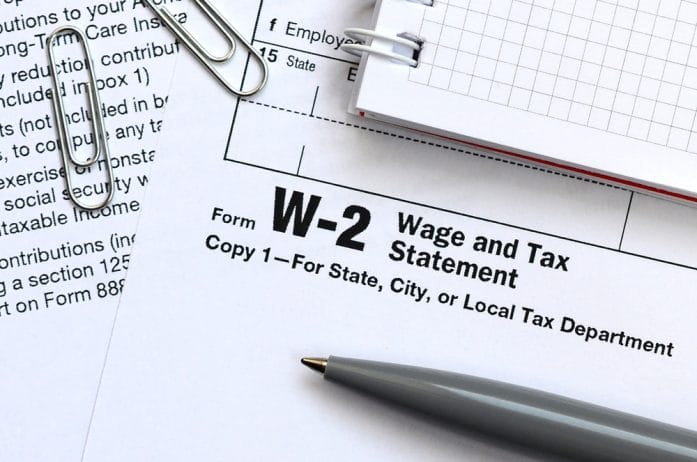
January 20th also falls at a critical point in the tax cycle. Many taxpayers begin seeing forms like W-2s, 1099s, and preliminary interest statements arrive right around this time. Missing the opportunity to organize documents, check deductions, or even estimate tax liabilities can create a domino effect of stress and financial strain. For self-employed individuals, freelancers, or those with variable income, this date signals the moment when financial projections for 2026 become urgent.

Why January 20th Is the 'Red Line' for Your 2026 Financial Stability

Image source: shutterstock.com

The earlier you review your tax situation, the better positioned you are to adjust withholding, make quarterly payments, or capitalize on deductions that can ease the burden later. Ignoring this timing doesn’t make the numbers go away—it only makes January 20th the day you realize you could have avoided an unnecessary headache.

Investment Decisions Need An Early-Year Lens

Financial advisors often stress the importance of early-year planning for investments, and January 20th serves as a key benchmark for decision-making. Markets react to policy announcements, interest rate changes, and corporate earnings projections, all of which can shift rapidly in the first few weeks of the year. By this date, patterns start emerging that inform your investment strategy for the months ahead. Delaying action until February or March could mean missed opportunities or entering positions when market conditions are less favorable. Whether it’s rebalancing a portfolio, adjusting retirement contributions, or reconsidering risk tolerance, January 20th is when the first real course corrections should happen to avoid costly missteps.

Personal Budgets Face Their First Real Test

The start of the year brings optimism, resolutions, and ambitious budgeting plans—but by January 20th, reality often hits. Bills, subscriptions, mortgage payments, and everyday expenses begin to accumulate, revealing whether your budget was aspirational or actually achievable. This is the moment to confront overspending, revisit discretionary categories, and make adjustments before habits become entrenched. Those who procrastinate might find themselves dipping into emergency savings or falling behind on bills, turning a minor inconvenience into a long-term financial challenge.

Approaching January 20th with a clear, realistic view of your cash flow can prevent small missteps from snowballing into full-blown crises.

Debt Management Must Take Priority

If debt management isn’t already a focus, January 20th is a wake-up call. Credit cards, personal loans, and other financial obligations can accumulate silently, with interest quietly chipping away at your available funds. Ignoring this date can result in missed minimum payments, higher interest accrual, and even damage to your credit score. A proactive approach includes reviewing all outstanding debts, prioritizing high-interest accounts, and considering strategies like consolidation or refinancing if necessary. By taking action before the red line of January 20th, you can transform a reactive, stressful financial situation into a structured, controlled plan that sets the stage for a more stable year.

Emergency Funds Should Be Evaluated Now

Finally, January 20th is the perfect checkpoint for your emergency fund. Unexpected expenses—a car repair, medical bill, or home maintenance—can derail financial stability if you’re unprepared. Assessing your savings, ensuring accessibility, and replenishing any shortfalls should be non-negotiable tasks before this date passes. An underfunded emergency cushion can turn minor inconveniences into significant disruptions. Planning for emergencies ahead of the curve isn’t just wise—it’s essential for maintaining momentum in your broader financial goals.

Take Action Before The Red Line

January 20th is more than a date—it’s a marker for proactive financial behavior. It signals the point where post-holiday recovery, tax considerations, budget testing, debt management, and investment strategy all intersect. Ignoring this date can magnify small missteps into larger financial problems. Meanwhile, acting beforehand sets you up for a smoother, more controlled year. Use it as a milestone to assess your overall financial health, make adjustments, and ensure your 2026 goals stay on track.

Have a personal experience or strategy that helped you navigate this crucial day? Leave your thoughts and stories in the comments below, because your insights might help someone else steer clear of pitfalls.

You May Also Like…

10 Financial Wake-Up Calls People Experience After Age 55

Income Stability: 6 Retirement Income Moves That Aren’t as Safe as They Seem

Savings Base: 6 Foundational Moves That Keep Retirement Plans Stable

Why Does Financial Anxiety Show Up Even When Bills Are Paid

8 Budget Fixes That Instantly Turn Finances Around

Brandon Marcus
Brandon Marcus

Brandon Marcus is a writer who has been sharing the written word since a very young age. His interests include sports, history, pop culture, and so much more. When he isn’t writing, he spends his time jogging, drinking coffee, or attempting to read a long book he may never complete.

Filed Under: Finance Tagged With: bank account, banking, Budget, budgeting, Debt, Debt Management, eliminating debt, end of year spending, finance, finances, Financial Stability, general finances, investing choices, investing decisions, investments, January, overspending, Pay Off Debt, personal budget, savings account, Smart Spending, spending, tax deadlines

How To Regularly Save Money At The Grocery Store

January 13, 2026 by Brandon Marcus Leave a Comment

How To Regularly Save Money At The Grocery Store

Image Source: Shutterstock.com

Stepping into a grocery store can feel like entering a labyrinth designed to make your wallet sweat. Bright lights, perfectly arranged produce, and irresistible smells of fresh bread create a sensory experience that tempts even the most disciplined shopper. Yet, amid the chaos of aisles stacked high with endless options, there’s a treasure map for saving money—if you know where to look. The thrill of discovering smart strategies that keep your budget intact can be almost addictive.

It’s like becoming a savvy treasure hunter in your own neighborhood, hunting for deals, maximizing value, and walking out with a cart full of goodies without the post-shopping guilt. Let’s dive into practical, tried-and-true ways to make every grocery trip a victory for both your taste buds and your bank account.

Plan Your Meals With Purpose

The first secret to grocery savings is a game-changing tactic: meal planning. Knowing exactly what you’re going to cook for the week not only saves time but also prevents those impulse purchases that quietly drain your budget. Start by taking stock of what’s already in your pantry and fridge, then build meals around those ingredients. Make a list of recipes that share ingredients to reduce waste and stretch your dollars further. By sticking to a plan, you can strategically purchase only what you need, avoiding the temptation of “bonus” items that often end up in your cart and then forgotten in the back of the fridge.

Meal planning also gives you the power to buy in bulk for items that last, like grains, beans, or frozen veggies, which can save significant amounts over time. It transforms grocery shopping from a chaotic scavenger hunt into a calculated, money-saving mission.

Master The Art Of Coupons And Digital Deals

Coupons aren’t just for Sunday paper inserts—they’re a secret weapon for the modern shopper. From digital apps to store loyalty programs, there are countless ways to snag discounts on your favorite products. The key is to be strategic: stack coupons with in-store sales for maximum savings. Many apps allow you to scan barcodes or link your loyalty card to automatically apply discounts at checkout, which is like having a personal assistant dedicated to stretching your budget. Keep an eye out for manufacturer coupons for items you already buy regularly; these can add up surprisingly fast. Timing your shopping trips around major promotions or double-coupon days is another trick that can make a huge difference over a month. With a little planning, you’ll find that couponing can be as satisfying as finding hidden treasure in the aisles.

Stick To A Shopping List And Avoid Impulse Buys

A shopping list is your armor against the seductive pull of the snack aisle. Write it, check it, and commit to it. Research shows that shoppers who stray from their list spend significantly more money, often on items they don’t need or even want. Keep your list organized by sections of the store to avoid wandering aimlessly, which increases the risk of spontaneous purchases. If you see a tempting item not on your list, pause and ask yourself whether it’s a necessity or just a fleeting craving. Bringing a small notebook or using a phone app to track prices of items over time can also help you identify when a purchase is truly a good deal. Discipline here doesn’t mean joyless shopping—it means making deliberate choices that let you enjoy what you bring home without regret.

Buy Seasonal And Local Produce

Fresh fruits and vegetables often take a big bite out of your grocery budget, but buying seasonal and local produce can dramatically reduce costs. Items that are in season are abundant and often cheaper, and they usually taste better too. Farmers’ markets, local co-ops, or even small roadside stands can be fantastic sources of affordable, high-quality produce. When you know what’s in season, you can plan meals around it, saving money while eating fresher and more flavorful food.

Freezing or preserving seasonal items for later is another excellent strategy—think frozen berries, canned tomatoes, or pickled vegetables. Eating with the seasons isn’t just a healthful choice, it’s a savvy financial move that can keep your grocery bills in check year-round.

How To Regularly Save Money At The Grocery Store

Image Source: Shutterstock.com

Take Advantage Of Store Brands And Bulk Options

Store brands have come a long way from the days of bland, cheap substitutes. Many grocery chains now offer private-label products that match or even exceed the quality of name brands, often at a fraction of the price. Try comparing ingredients and taste to see which items you can swap without compromise. For staples like rice, pasta, and canned goods, buying in bulk can save you a substantial amount over time, especially if you have the storage space. Just make sure you’re buying items you will actually use—bulk purchases only save money if they don’t go bad.

Combining bulk buys with your meal plan can make weekly prep a breeze while keeping costs low. Store brands and bulk buying together create a dynamic duo that stretches every dollar further.

Shop Smart Around Sales And Promotions

Sales and promotions are like hidden bonuses if you approach them strategically. Instead of being drawn in by flashy signs, focus on items you regularly use and check if they are genuinely discounted. Learn to calculate unit prices to compare deals accurately, because bigger packages aren’t always better bargains. End-of-aisle displays often feature promotions, but only buy if it aligns with your planned meals or pantry needs.

Keep a notebook or app handy to track prices over time, which will help you recognize real deals versus marketing tricks. Being a savvy shopper means combining patience, observation, and planning, and it can turn the thrill of a sale into genuine savings that add up fast.

Join The Conversation And Inspire Others

Saving money at the grocery store isn’t about deprivation—it’s about empowerment, creativity, and making intentional choices that benefit both your wallet and your lifestyle. Whether it’s planning meals, using digital deals, sticking to a list, or taking advantage of seasonal produce, every small effort adds up.

Have you tried any of these strategies or discovered your own money-saving hacks? Tell us how you approach grocery shopping and what tips have worked best for you in the comments below.

You May Also Like…

8 Grocery Shopping Habits That Make You Spend More Without Realizing It

Why Do Grocery Prices Feel Higher No Matter Where You Shop Now

The 6 Best Ways To Save At The Grocery Store In 2026

Can Your Grocery Store Loyalty Card Be Used to Track You?

7 Tactics Grocery Stores Use to Keep You From Thinking About Price


Brandon Marcus
Brandon Marcus

Brandon Marcus is a writer who has been sharing the written word since a very young age. His interests include sports, history, pop culture, and so much more. When he isn’t writing, he spends his time jogging, drinking coffee, or attempting to read a long book he may never complete.

Filed Under: Smart Shopping Tagged With: coupons, digital deals, grocery bill, grocery costs, grocery prices, Grocery savings, grocery shopping, grocery store, grocery store prices, impulse spending, meal planning, overspending, Shopping, shopping list, Smart Spending, spending

Why Do People Feel Guilty Spending Money Even on Necessitiesd

January 13, 2026 by Brandon Marcus Leave a Comment

Why Do People Feel Guilty Spending Money Even on Necessitiesd

Image Source: Shutterstock.com

Spending money should feel like a simple transaction: you hand over cash or tap your card, and in return, you get the things you need. Yet, for millions of people, even buying the essentials—groceries, hygiene products, or a warm meal—can trigger a wave of guilt that feels disproportionate and relentless. Why does something as mundane as paying for toothpaste or gas bring on a mix of anxiety, regret, and self-reproach? It turns out, the answer is far more interesting than just “being cheap” or “poor money management.”

Deep down, our brains, our upbringing, and society itself conspire to make spending money feel like a moral test, and sometimes, we fail it even when there’s nothing to fail.

The Psychology Behind Spending Guilt

Humans are wired to attach emotions to almost every decision we make, and money is no exception. Spending guilt is a psychological reaction that stems from a combination of self-perception, societal pressure, and survival instincts. Evolutionarily, our ancestors had to be careful with resources—food, tools, and shelter were precious, so conserving them was crucial for survival. That caution is now hardwired into our brains, and even though we live in a world of abundance, our instincts often still scream, “Don’t waste!”

Modern life may have replaced spears with debit cards, but the emotional circuitry hasn’t caught up. When we spend money—even on necessary items—our brain interprets it as risk, triggering guilt signals that feel like moral feedback.

Childhood Lessons And Family Influences

Much of our guilt over spending stems from early experiences and the money messages we absorbed as kids. If you grew up in a household where every penny was scrutinized or saving was preached as a virtue above all else, you may carry that internalized voice into adulthood. Phrases like “Money doesn’t grow on trees” or “Think before you spend” are simple enough, but over time they cultivate a subconscious sense that spending is inherently bad. Even if you’ve reached financial stability as an adult, those early lessons can make grocery shopping feel like a test of discipline. It’s fascinating how the echoes of childhood still ripple into our wallet habits decades later.

Why Do People Feel Guilty Spending Money Even on Necessitiesd

Image Source: Shutterstock.com

Social Comparison And Modern Pressure

Another culprit behind spending guilt is our tendency to compare ourselves to others. Social media amplifies this endlessly—everyone’s brunch looks perfect, every purchase seems smart, and suddenly your practical necessities feel extravagant. Even necessities can feel luxurious if you perceive them as indulgent compared to what you think “everyone else” spends. This social pressure isn’t just online; it’s in friendships, workplaces, and family dynamics. If a colleague casually mentions budgeting while you buy groceries, your brain can interpret it as judgment. The guilt arises not from the act itself but from imagined social critique, which makes simple spending surprisingly stressful.

The Role Of Personal Values And Identity

People also feel guilty spending money when purchases clash with their personal values or self-image. If you pride yourself on frugality or minimalism, a sudden expense—even a necessary one—can feel like a betrayal of your identity. This guilt is particularly pronounced when spending intersects with moral or ethical concerns, like buying products from companies with questionable practices or paying for conveniences that feel indulgent.

In these moments, your brain doesn’t just see a dollar leaving your account; it sees a small failure of character. Spending guilt, then, becomes less about finances and more about staying true to the image of yourself you’ve cultivated over time.

Coping Strategies And Mindful Spending

The good news is that awareness can reduce the sting of spending guilt. Mindful spending—pausing to acknowledge the necessity and value of each purchase—can transform guilt into confidence. Tracking spending and budgeting are helpful, but so is reframing the narrative: buying groceries isn’t a moral failing, it’s fuel for your body. Some people find it useful to separate money into categories: necessities, savings, and treats. When expenses are labeled clearly, even essential spending feels justified. The key is to recognize that money is a tool, not a measure of your worth. By realigning how you think about transactions, guilt can shrink, leaving you free to actually enjoy what your money buys.

When Guilt Signals Something Bigger

Occasionally, the guilt you feel isn’t just about spending—it’s a signal of deeper anxiety or unresolved financial stress. Chronic financial guilt can be a symptom of underlying issues like compulsive saving, fear of scarcity, or even mental health challenges like anxiety and depression. Recognizing this is important because persistent guilt over necessities isn’t normal or harmless. Talking to a financial therapist, practicing self-compassion, or setting structured budgets can help turn this destructive guilt into constructive awareness. Understanding why you feel guilty is the first step to reclaiming the simple joy of buying what you need without judgment.

Thoughts On Spending Without Regret

Spending money, even on necessities, is complex. It touches on psychology, childhood lessons, social pressures, personal values, and deeper anxieties. The next time you feel that familiar twinge of guilt at the checkout counter, pause and consider where it’s really coming from. Is it instinct, upbringing, social comparison, or something more? Recognizing the roots of your guilt can empower you to approach your finances with clarity, confidence, and even a bit of joy.

What experiences or insights have you had about spending guilt? Leave your thoughts in the comments below—we’d love to hear how you navigate this surprisingly common feeling.

You May Also Like…

Why Does Interest Rate Talk Suddenly Affect Everyday Spending

Holiday Debt: 9 Warning Signs Your Spending Is Already Off Track

Holiday Trap: 6 Gift-Spending Mistakes That Could Wreck Your Budget

Ways Adult Kids Quietly Drain Your Finances Without Guilt

12 Ways to Beat Back the Guilt of Spending on Yourself Finally


Brandon Marcus
Brandon Marcus

Brandon Marcus is a writer who has been sharing the written word since a very young age. His interests include sports, history, pop culture, and so much more. When he isn’t writing, he spends his time jogging, drinking coffee, or attempting to read a long book he may never complete.

Filed Under: Smart Spending Tagged With: emotional guilt, everyday items, families, Family, family influence, guilty, identity, Mindful Spending, necessities, overspending, personal value, pressure, Smart Spending, social comparison, spending, spending guilt, spending money

  • « Previous Page
  • 1
  • 2
  • 3
  • 4
  • …
  • 8
  • Next Page »

FOLLOW US

Search this site:

Recent Posts

  • Can My Savings Account Affect My Financial Aid? by Tamila McDonald
  • 12 Ways Gen X’s Views Clash with Millennials… by Tamila McDonald
  • What Advantages and Disadvantages Are There To… by Jacob Sensiba
  • 10 Tactics for Building an Emergency Fund from Scratch by Vanessa Bermudez
  • Call 911: Go To the Emergency Room Immediately If… by Stephen Kanaval
  • 7 Weird Things You Can Sell Online by Tamila McDonald
  • 10 Scary Facts About DriveTime by Tamila McDonald

Copyright © 2026 · News Pro Theme on Genesis Framework