• Home
  • About Us
  • Toolkit
  • Getting Finances Done
    • Hiring Advisors
    • Debt Management
    • Spending Plan
  • Insurance
    • Life Insurance
    • Health Insurance
    • Disability Insurance
    • Homeowners/Renters Insurance
  • Contact Us
  • Privacy Policy
  • Risk Tolerance Quiz

The Free Financial Advisor

You are here: Home / Archives for investing choices

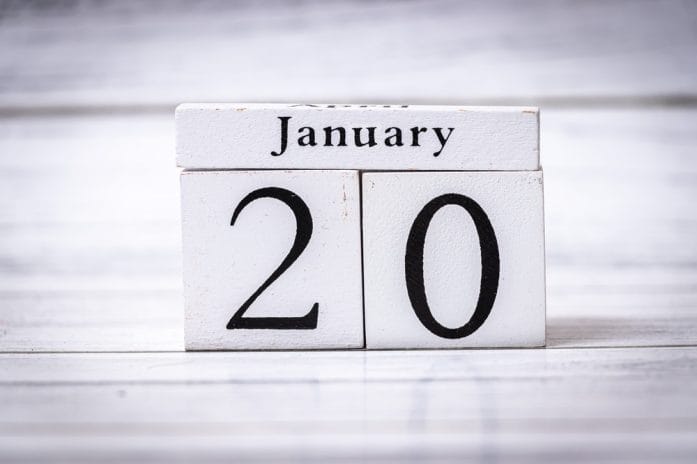
Why January 20th Is the ‘Red Line’ for Your 2026 Financial Stability

January 18, 2026 by Brandon Marcus Leave a Comment

Why January 20th Is the 'Red Line' for Your 2026 Financial Stability

Image source: shutterstock.com

If your bank account could talk, it would probably be whispering warnings about January 20th. This isn’t some arbitrary date plucked from the void—it’s a critical turning point for financial decision-making that can either set you up for a smooth year or trap you in a web of preventable setbacks.

Think of it as a checkpoint where procrastination and poor planning can turn into real consequences faster than you can say “credit freeze.” The stakes are higher than most realize, and the clock is ticking. Understanding why this date matters and acting accordingly might just be the smartest move you make all year.

The End Of Post-Holiday Cushioning

By January 20th, most people have exhausted the financial buffer built during the holiday season. Credit card bills from gifts, travel, and festive splurges start landing in mailboxes and inboxes, and many don’t realize how quickly these balances can compound with interest. The post-holiday financial lull can disguise looming trouble, especially for those who used short-term loans or credit cards as temporary relief.

Being proactive before this date means assessing what’s really owed versus what’s manageable, setting a plan to avoid carrying high-interest balances, and resisting the temptation to “catch up” with more debt. If left unchecked, January 20th can feel like stepping off a cliff, except the ground is made of interest rates, fees, and late charges. Preparing now gives you breathing room, instead of a scramble to make ends meet in late January.

Tax Deadlines And The Early-Year Crunch

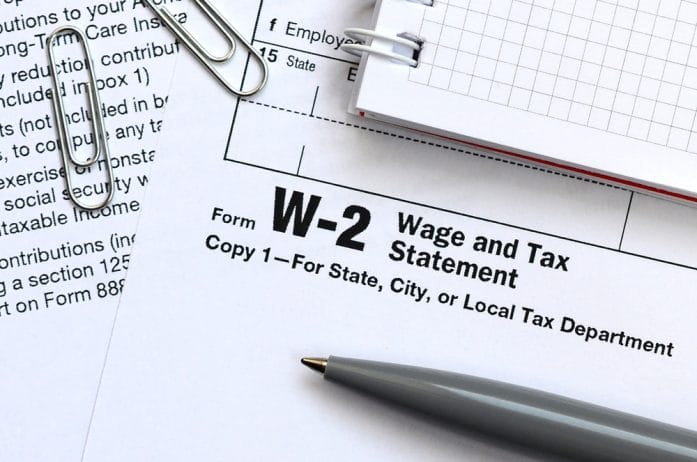
January 20th also falls at a critical point in the tax cycle. Many taxpayers begin seeing forms like W-2s, 1099s, and preliminary interest statements arrive right around this time. Missing the opportunity to organize documents, check deductions, or even estimate tax liabilities can create a domino effect of stress and financial strain. For self-employed individuals, freelancers, or those with variable income, this date signals the moment when financial projections for 2026 become urgent.
Why January 20th Is the 'Red Line' for Your 2026 Financial Stability

Image source: shutterstock.com

The earlier you review your tax situation, the better positioned you are to adjust withholding, make quarterly payments, or capitalize on deductions that can ease the burden later. Ignoring this timing doesn’t make the numbers go away—it only makes January 20th the day you realize you could have avoided an unnecessary headache.

Investment Decisions Need An Early-Year Lens

Financial advisors often stress the importance of early-year planning for investments, and January 20th serves as a key benchmark for decision-making. Markets react to policy announcements, interest rate changes, and corporate earnings projections, all of which can shift rapidly in the first few weeks of the year. By this date, patterns start emerging that inform your investment strategy for the months ahead. Delaying action until February or March could mean missed opportunities or entering positions when market conditions are less favorable. Whether it’s rebalancing a portfolio, adjusting retirement contributions, or reconsidering risk tolerance, January 20th is when the first real course corrections should happen to avoid costly missteps.

Personal Budgets Face Their First Real Test

The start of the year brings optimism, resolutions, and ambitious budgeting plans—but by January 20th, reality often hits. Bills, subscriptions, mortgage payments, and everyday expenses begin to accumulate, revealing whether your budget was aspirational or actually achievable. This is the moment to confront overspending, revisit discretionary categories, and make adjustments before habits become entrenched. Those who procrastinate might find themselves dipping into emergency savings or falling behind on bills, turning a minor inconvenience into a long-term financial challenge.

Approaching January 20th with a clear, realistic view of your cash flow can prevent small missteps from snowballing into full-blown crises.

Debt Management Must Take Priority

If debt management isn’t already a focus, January 20th is a wake-up call. Credit cards, personal loans, and other financial obligations can accumulate silently, with interest quietly chipping away at your available funds. Ignoring this date can result in missed minimum payments, higher interest accrual, and even damage to your credit score. A proactive approach includes reviewing all outstanding debts, prioritizing high-interest accounts, and considering strategies like consolidation or refinancing if necessary. By taking action before the red line of January 20th, you can transform a reactive, stressful financial situation into a structured, controlled plan that sets the stage for a more stable year.

Emergency Funds Should Be Evaluated Now

Finally, January 20th is the perfect checkpoint for your emergency fund. Unexpected expenses—a car repair, medical bill, or home maintenance—can derail financial stability if you’re unprepared. Assessing your savings, ensuring accessibility, and replenishing any shortfalls should be non-negotiable tasks before this date passes. An underfunded emergency cushion can turn minor inconveniences into significant disruptions. Planning for emergencies ahead of the curve isn’t just wise—it’s essential for maintaining momentum in your broader financial goals.

Take Action Before The Red Line

January 20th is more than a date—it’s a marker for proactive financial behavior. It signals the point where post-holiday recovery, tax considerations, budget testing, debt management, and investment strategy all intersect. Ignoring this date can magnify small missteps into larger financial problems. Meanwhile, acting beforehand sets you up for a smoother, more controlled year. Use it as a milestone to assess your overall financial health, make adjustments, and ensure your 2026 goals stay on track.

Have a personal experience or strategy that helped you navigate this crucial day? Leave your thoughts and stories in the comments below, because your insights might help someone else steer clear of pitfalls.

You May Also Like…

10 Financial Wake-Up Calls People Experience After Age 55

Income Stability: 6 Retirement Income Moves That Aren’t as Safe as They Seem

Savings Base: 6 Foundational Moves That Keep Retirement Plans Stable

Why Does Financial Anxiety Show Up Even When Bills Are Paid

8 Budget Fixes That Instantly Turn Finances Around

Brandon Marcus
Brandon Marcus

Brandon Marcus is a writer who has been sharing the written word since a very young age. His interests include sports, history, pop culture, and so much more. When he isn’t writing, he spends his time jogging, drinking coffee, or attempting to read a long book he may never complete.

Filed Under: Finance Tagged With: bank account, banking, Budget, budgeting, Debt, Debt Management, eliminating debt, end of year spending, finance, finances, Financial Stability, general finances, investing choices, investing decisions, investments, January, overspending, Pay Off Debt, personal budget, savings account, Smart Spending, spending, tax deadlines

Are You Missing Opportunities Because You’re Too Focused On Day-To-Day Market Noise?

December 27, 2025 by Brandon Marcus Leave a Comment

Are You Missing Opportunities Because You’re Too Focused On Day-To-Day Market Noise?

Image Source: Shutterstock.com

The market doesn’t whisper—it screams, flashes, buzzes, and vibrates every second of the day. Red candles spark panic, green candles spark greed, and your phone becomes a tiny casino living in your pocket. One tweet, one earnings miss, one analyst downgrade, and suddenly your long-term plan feels like it’s on trial.

That emotional whiplash is exactly what keeps so many smart people stuck reacting instead of building. The real tragedy isn’t missing a perfect trade—it’s missing the bigger opportunities hiding behind the noise.

The Daily Market Circus And Why It Feels So Urgent

Financial news is designed to feel urgent because urgency keeps you watching, clicking, and reacting. Every headline is framed like a crisis or a breakthrough, even when it’s just another normal fluctuation. This constant stimulation tricks your brain into believing every movement matters equally. In reality, most daily market changes are statistical static, not meaningful signals. When you treat background noise like breaking news, long-term clarity quietly slips away.

Short-Term Thinking Versus Long-Term Wealth Creation

Short-term thinking thrives on emotion, while long-term wealth is built on patience and probability. The market rewards those who allow compounding to do its slow, unglamorous work. Focusing on daily swings often leads investors to buy high, sell low, and repeat the cycle with confidence. Long-term strategies, by contrast, benefit from time smoothing out mistakes, downturns, and bad headlines. Wealth usually grows quietly, not loudly.

Why Your Brain Loves Noise More Than Strategy

Your brain evolved to respond to immediate threats, not 30-year investment horizons. Market volatility triggers the same fight-or-flight response as physical danger, even though your survival isn’t actually at risk. News alerts and price charts hijack your attention because novelty feels important. Strategy, however, requires boredom, discipline, and delayed gratification. The market rewards the mind that can sit still while everything else screams for action.

The Hidden Cost Of Constant Reaction

Every impulsive move has a cost, even if it doesn’t show up as a visible loss. Trading fees, taxes, missed rebounds, and emotional exhaustion quietly chip away at performance. Constant reaction also fractures confidence, making every decision feel heavier than the last. Over time, you stop trusting your plan and start chasing reassurance. Ironically, the more you try to stay “on top” of the market, the further behind you often fall.

Are You Missing Opportunities Because You’re Too Focused On Day-To-Day Market Noise?

Image Source: Shutterstock.com

How Zooming Out Reveals Better Opportunities

When you zoom out, patterns replace panic and trends replace turbulence. Big opportunities often appear boring in the moment because they unfold slowly and steadily. Long-term investors benefit from economic growth, innovation, and human progress rather than daily drama. By focusing on fundamentals instead of fluctuations, you give yourself room to think clearly. Zooming out doesn’t mean ignoring risk—it means seeing it in proper proportion.

Reframing Success Beyond Daily Wins And Losses

Success in investing isn’t measured by how often you’re right this week, but by how resilient your strategy is over years. A well-constructed plan absorbs bad days without derailing your goals. When you define success as consistency instead of excitement, stress loses its grip. This mindset shift allows patience to become a competitive advantage. The calmer you stay, the more opportunity you can actually recognize.

Step Back To Move Forward

The market will always be loud, emotional, and unpredictable, but you don’t have to match its energy. Real opportunity often lives just beyond the reach of daily noise, waiting for those willing to slow down and think bigger. By shifting your focus from constant reaction to intentional direction, you give your strategy room to breathe and grow. The goal isn’t to ignore the market, but to stop letting it shout you off course.

If you’ve ever felt torn between staying informed and staying sane, your perspective could help others—drop your thoughts or experiences in the comments below.

You May Also Like…

Should You Switch Advisors Before The New Year Or Wait Until Markets Stabilize?

5 Clues That It’s Time To Pull Your Investment

Why Investing Apps Will Remain Popular in 2026

Market Frame: 4 Visual Techniques Advisors Use to Explain Risk Better

Market Blindspot: 8 Global Shifts Investors Aren’t Watching But Should


Brandon Marcus
Brandon Marcus

Brandon Marcus is a writer who has been sharing the written word since a very young age. His interests include sports, history, pop culture, and so much more. When he isn’t writing, he spends his time jogging, drinking coffee, or attempting to read a long book he may never complete.
Filed Under: Investing Tagged With: beginning investing, invest, investing, investing choices, Investment, investments, market, market choices, stock market

11 Cryptocurrencies Your Advisor Doesn’t Want You Researching Alone

December 5, 2025 by Brandon Marcus Leave a Comment

There Are Certain Cryptocurrencies Your Advisor Doesn't Want You Researching Alone

Image Source: Shutterstock.com

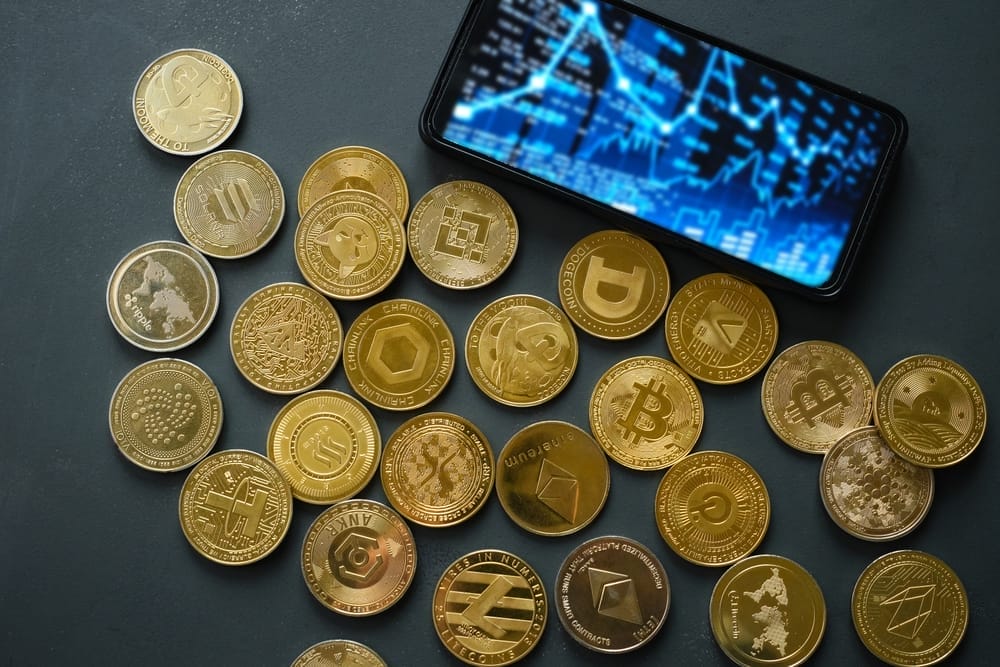
There’s no doubt that it’s thrilling to scroll through the world of cryptocurrencies—like you’ve stumbled into a digital Wild West filled with glittering promises, confusing jargon, and enough volatility to give even the bravest investor heart palpitations. Advisors often prefer you stick to the “safe and simple stuff,” but let’s be honest: the lesser-known corners of crypto are where the real intrigue lives. Some coins come with bold missions, wild communities, or technology that feels like it was smuggled out of the future. Other coins? Well, they’re the financial equivalent of petting a tiger because it “looks friendly.”

Whether you’re exploring out of curiosity or hunting for the next big story to tell at brunch, these are the cryptos you’ll want to handle with both fascination and caution.

1. Bitcoin Cash

Bitcoin Cash often sparks debates that sound more like family drama than finance because it was born from a major ideological split in the original Bitcoin community. Supporters swear it’s the truer version of what Bitcoin was meant to be, thanks to its faster transaction speeds. Critics argue it’s living perpetually in Bitcoin’s shadow, struggling to form its own identity. That tension alone makes it a fascinating coin to dig into, but it also means you need to understand the history behind the split to make sense of it. Advisors know this rabbit hole is deep, emotional, and fiercely opinionated.

There Are Certain Cryptocurrencies Your Advisor Doesn't Want You Researching Alone

Image Source: Shutterstock.com

2. Cardano

Cardano has a loyal fanbase that treats its roadmap like it belongs in a museum display, complete with phases named after famous poets and computer scientists. This coin prides itself on academic rigor, meaning upgrades take time, research, and more peer review than most college dissertations. Investors are drawn to its slow-and-steady vibe, which contrasts sharply with the “move fast and break things” energy of other cryptos. But that careful pace can frustrate newcomers who want flashier action or quicker news cycles. Your advisor probably knows you’ll lose a weekend watching Cardano explainer videos without coming up for air.

3. Solana

Solana is fast—so fast that people joke it’s trying to win a race no one else signed up for. Its ability to process an enormous number of transactions quickly made it a darling in the crypto world almost overnight. But its history also includes a handful of network outages that critics love to bring up at every opportunity. Fans argue that these hiccups are expected when building something this futuristic, while skeptics insist reliability trumps speed. One deep dive into its community arguments, and you’ll understand why your advisor stays neutral.

4. Polkadot

Polkadot isn’t just a cryptocurrency—it’s an entire concept about connecting blockchains into one big harmonious universe. The vision is ambitious enough to make even veteran developers squint with both admiration and caution. Its “parachain” system is complex, brilliant, and occasionally overwhelming to newcomers who simply wanted to know what the logo meant. But learning how Polkadot works is like learning how your favorite gadgets communicate behind the scenes—it’s mesmerizing if you’re patient. Advisors know the complexity can lead curious minds down a vortex of endless reading.

5. Avalanche

Avalanche bursts onto conversations whenever people talk about speed, scalability, or creative blockchain applications. It’s a chain that prides itself on doing everything efficiently, from running decentralized apps to enabling custom blockchains. Some enthusiasts view it as the infrastructure of the future, while others wonder if it’s trying to do too much at once. That blend of innovation and uncertainty attracts the boldest explorers. Your advisor knows it’s tempting to believe Avalanche is the future—and equally easy to get overwhelmed by its possibilities.

6. Chainlink

Chainlink isn’t flashy, but it is essential—it’s the quiet genius enabling blockchains to talk to the outside world through what’s known as oracles. Some people call it the plumbing of the crypto industry, but not in a boring way; it’s the kind of plumbing that makes skyscrapers possible. Because it solves such a specific problem, Chainlink has become a favorite among developers and early adopters. However, its usefulness is hard to grasp until you understand what smart contracts can’t do alone. Advisors know this coin inspires late-night Googling sessions that lead to more questions than answers.

7. VeChain

VeChain’s mission is all about supply chains, authenticity, and getting companies to track items in ways that prevent fraud. Heartwarming? Yes. Simple? Not even a little. The moment you dive into how it partners with businesses, tracks goods, and manages data, you realize it’s a lot bigger than it seems. Its long-term potential is interesting, but its real-world applications make the research surprisingly dense. Advisors know that once you start looking at VeChain use cases, you might start checking the legitimacy of your groceries for fun.

8. Algorand

Algorand’s entire identity revolves around elegant, eco-friendly solutions and fast, reliable transactions. It has a founder with serious academic credibility, which automatically raises the stakes for what the coin promises. The technology is genuinely impressive, and its commitment to efficiency has earned it a reputation as a “next-gen” blockchain. But because it tries to solve so many issues at once, understanding it requires more than casual curiosity. Advisors know that people researching Algorand often emerge more excited—but also mildly overwhelmed.

9. Tezos

Tezos is that coin with a cult following and a brainy spirit, built around the idea of self-upgrading technology. It’s designed to evolve without causing massive disruptions, which is a brilliant concept—but also a complicated one to grasp fully. Its governance model fascinates people who love the idea of community-driven innovation. But diving into its voting systems, upgrades, and proposals can feel like getting a backstage pass to blockchain politics. Advisors know that Tezos research tends to escalate quickly into passionate debates.

10. Stellar

Stellar’s focus on fast, inexpensive global transactions sounds simple on the surface, but the ecosystem is surprisingly layered. It aims to connect financial institutions, individuals, and cross-border partners in ways that feel almost futuristic. Some people see it as the bridge between old-school finance and blockchain tech. Others view it as a competitor to traditional remittance services. Advisors know you might go looking for basic info and end up researching international banking systems at midnight.

11. Filecoin

Filecoin’s mission sounds like science fiction: decentralized data storage where anyone can rent out space on their computer. It challenges the way we think about cloud services and digital information security. Because it’s built on incentives and a massive network, the technology behind it is both thrilling and complex. It’s the kind of crypto that sparks curiosity, especially among tech enthusiasts. Advisors know Filecoin inspires big ideas—but those ideas can turn into deep dives that last far longer than planned.

Research Carefully, Explore Boldly

Each of these cryptocurrencies carries its own mix of innovation, hype, complexity, and potential—but also risks that deserve careful attention. Your advisor may prefer you stick to familiar names, but curiosity is part of what makes crypto fascinating. The key is to explore with a clear head, plenty of patience, and a willingness to learn more than you planned.

If you’ve researched any of these or have stories, thoughts, or warnings from your crypto adventures, drop them in the comments below and share your journey. You never know who your insights might help.

You May Also Like…

Why Do Some Advisors Refuse to Talk About Cryptocurrency

7 Crypto ATM Tactics That Leave Seniors Vulnerable

Is a Crypto Crash Coming in 2025?

What Are the Top Cryptocurrencies in 2024, And Why

9 Money Questions People Are Embarrassed to Ask (But Should)


Brandon Marcus
Brandon Marcus

Brandon Marcus is a writer who has been sharing the written word since a very young age. His interests include sports, history, pop culture, and so much more. When he isn’t writing, he spends his time jogging, drinking coffee, or attempting to read a long book he may never complete.

Filed Under: Investing Tagged With: Algorand, Avalance, bad investments, bitcoin, Cardano, Chainlink, crypto, cryptocurrencies, cryptocurrency, cryptocurrency research, financial advice, financial advisor, investing, investing choices, Polkadot, Solana, Tezos, VeChain

FOLLOW US

Search this site:

Recent Posts

  • Can My Savings Account Affect My Financial Aid? by Tamila McDonald
  • 12 Ways Gen X’s Views Clash with Millennials… by Tamila McDonald
  • What Advantages and Disadvantages Are There To… by Jacob Sensiba
  • Call 911: Go To the Emergency Room Immediately If… by Stephen Kanaval
  • 10 Tactics for Building an Emergency Fund from Scratch by Vanessa Bermudez
  • 7 Weird Things You Can Sell Online by Tamila McDonald
  • 10 Scary Facts About DriveTime by Tamila McDonald

Copyright © 2026 · News Pro Theme on Genesis Framework