• Home
  • About Us
  • Toolkit
  • Getting Finances Done
    • Hiring Advisors
    • Debt Management
    • Spending Plan
  • Insurance
    • Life Insurance
    • Health Insurance
    • Disability Insurance
    • Homeowners/Renters Insurance
  • Contact Us
  • Privacy Policy
  • Risk Tolerance Quiz

The Free Financial Advisor

You are here: Home / Archives for Financial Stability

Louisiana Insurance Crisis: Non-Renewal Rates Jump Since 2018

February 5, 2026 by Brandon Marcus Leave a Comment

Louisiana Insurance Crisis: Non-Renewal Rates Jump Since 2018

Image source: shutterstock.com

Imagine opening a letter that instantly changes your financial reality. Not a storm warning, not a tax notice, but a simple sentence that hits harder than a hurricane: “Your policy will not be renewed.” For thousands of Louisiana homeowners, that sentence has become painfully familiar.

Since 2018, insurance non-renewal rates across the state have reportedly surged, transforming what used to be a background concern into a full-blown household crisis. This isn’t just about insurance paperwork—it’s about mortgages, housing security, community stability, and whether people can realistically afford to stay in the homes they love. And the ripple effects? They’re reshaping Louisiana’s housing and economic future in ways that go far beyond storm season.

Why Louisiana’s Insurance Market Is Under Pressure Like Never Before

Louisiana has always lived with risk, but the scale of today’s insurance disruption is new territory. A growing pattern of stronger hurricanes, heavier rainfall, and more frequent flooding has dramatically increased losses for insurers, making long-term risk models far less predictable than they used to be.

At the same time, reinsurance costs—the insurance that insurance companies buy to protect themselves—have surged, forcing companies to either raise prices, reduce coverage, or exit high-risk markets entirely. When insurers pull back, the result isn’t just higher premiums; it’s fewer available policies and more homeowners left scrambling for coverage.

What a Jump in Non-Renewals Really Means for Homeowners

An increase in non-renewals isn’t just a scary statistic—it’s a daily reality for families trying to protect their biggest investment. Non-renewal means homeowners aren’t being dropped for missing payments or filing fraudulent claims; they’re being told the company simply no longer wants to insure their property or area.

That forces people into a stressful hunt for replacement coverage, often at significantly higher costs and with less protection. In many cases, the only option becomes last-resort insurers, which typically come with higher premiums and more limited coverage.

How This Crisis Is Reshaping Housing, Communities, and Affordability

The insurance crisis doesn’t stay confined to policy documents—it spills directly into the housing market. Rising premiums and shrinking coverage options make homes harder to sell, harder to insure, and harder to finance. Buyers hesitate, lenders get cautious, and entire neighborhoods can see declining demand simply because insurance has become too expensive or too hard to secure.

This creates a quiet but powerful shift in where people choose to live, often pushing families away from high-risk areas even if those places have been home for generations. Communities that rely on stable property values and long-term residents feel the pressure in subtle but serious ways.

What Homeowners Can Do Right Now to Protect Themselves

While the system-level problems are massive, there are practical steps homeowners can take. Shopping policies early—well before renewal deadlines—can expand options and reduce panic-driven decisions. Investing in mitigation measures like fortified roofing, flood-resistant construction features, and updated drainage systems can improve insurability and sometimes reduce premiums.

Working with experienced local insurance agents who understand regional risk patterns can make a huge difference in navigating limited markets. It’s also smart to stay informed about state-level programs, building codes, and resilience initiatives that may create future insurance incentives.

Louisiana Insurance Crisis: Non-Renewal Rates Jump Since 2018

Image source: shutterstock.com

Why This Isn’t Just an Insurance Story

At its core, Louisiana’s insurance crisis is about resilience—financial, environmental, and social. Insurance is the invisible infrastructure that allows people to rebuild after disasters, secure mortgages, and invest in communities with confidence. When that system destabilizes, everything built on top of it starts to wobble.

This isn’t just about hurricanes or premiums; it’s about whether communities can sustainably exist in high-risk areas without pricing out the people who already live there. It’s about how climate risk, financial systems, and housing markets intersect in ways that everyday families feel first and hardest.

What Louisiana’s Insurance Future Really Depends On

The path forward will depend on smarter risk planning, stronger building standards, better disaster mitigation, and insurance systems that reward resilience instead of simply retreating from risk. Long-term solutions won’t come from one policy change or one company’s decision; they’ll come from coordinated efforts between homeowners, insurers, regulators, and communities.

This moment could redefine how the state approaches housing, development, and disaster preparedness for decades to come. The challenge is massive, but so is the opportunity to build something more stable, fair, and sustainable.

What changes do you think Louisiana needs most to stabilize its insurance market—and protect homeowners for the long run? Tell us your thoughts in the comments section below.

You May Also Like…

California’s Insurance Cancellation Crisis: 3.18% of Homeowners Lost Coverage in 2024

The Credit Score That Adds $2,000/Year to Florida Homeowner’s Insurance Premiums

The One Household Appliance That Will Spike Your Insurance Premiums if Discovered During Inspection

The Florida Insurance Trap: Why “Safe” Neighborhoods Are Facing a $500 Monthly Payment Hike This Week

6 Reasons Your Car Insurance Company Can Legally Drop You After One Claim

Brandon Marcus
Brandon Marcus

Brandon Marcus is a writer who has been sharing the written word since a very young age. His interests include sports, history, pop culture, and so much more. When he isn’t writing, he spends his time jogging, drinking coffee, or attempting to read a long book he may never complete.

Filed Under: Insurance Tagged With: climate risk, coastal risk, disaster recovery, Financial Stability, home insurance crisis, housing affordability, hurricanes, insurance market, Louisiana insurance, non-renewal rates, property insurance, reinsurance costs

Why January 20th Is the ‘Red Line’ for Your 2026 Financial Stability

January 18, 2026 by Brandon Marcus Leave a Comment

Why January 20th Is the 'Red Line' for Your 2026 Financial Stability

Image source: shutterstock.com

If your bank account could talk, it would probably be whispering warnings about January 20th. This isn’t some arbitrary date plucked from the void—it’s a critical turning point for financial decision-making that can either set you up for a smooth year or trap you in a web of preventable setbacks.

Think of it as a checkpoint where procrastination and poor planning can turn into real consequences faster than you can say “credit freeze.” The stakes are higher than most realize, and the clock is ticking. Understanding why this date matters and acting accordingly might just be the smartest move you make all year.

The End Of Post-Holiday Cushioning

By January 20th, most people have exhausted the financial buffer built during the holiday season. Credit card bills from gifts, travel, and festive splurges start landing in mailboxes and inboxes, and many don’t realize how quickly these balances can compound with interest. The post-holiday financial lull can disguise looming trouble, especially for those who used short-term loans or credit cards as temporary relief.

Being proactive before this date means assessing what’s really owed versus what’s manageable, setting a plan to avoid carrying high-interest balances, and resisting the temptation to “catch up” with more debt. If left unchecked, January 20th can feel like stepping off a cliff, except the ground is made of interest rates, fees, and late charges. Preparing now gives you breathing room, instead of a scramble to make ends meet in late January.

Tax Deadlines And The Early-Year Crunch

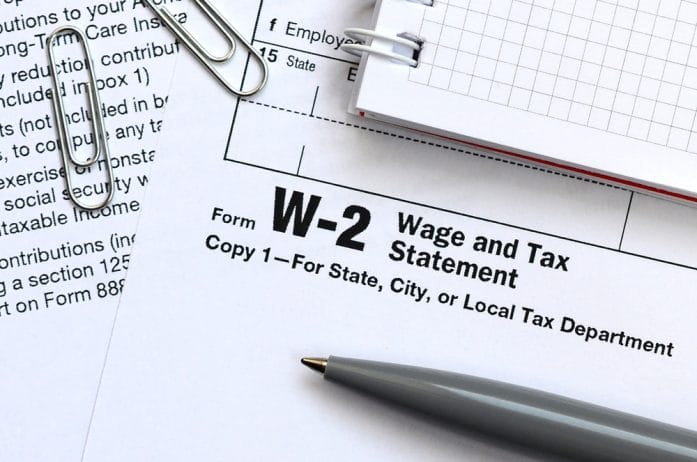
January 20th also falls at a critical point in the tax cycle. Many taxpayers begin seeing forms like W-2s, 1099s, and preliminary interest statements arrive right around this time. Missing the opportunity to organize documents, check deductions, or even estimate tax liabilities can create a domino effect of stress and financial strain. For self-employed individuals, freelancers, or those with variable income, this date signals the moment when financial projections for 2026 become urgent.

Why January 20th Is the 'Red Line' for Your 2026 Financial Stability

Image source: shutterstock.com

The earlier you review your tax situation, the better positioned you are to adjust withholding, make quarterly payments, or capitalize on deductions that can ease the burden later. Ignoring this timing doesn’t make the numbers go away—it only makes January 20th the day you realize you could have avoided an unnecessary headache.

Investment Decisions Need An Early-Year Lens

Financial advisors often stress the importance of early-year planning for investments, and January 20th serves as a key benchmark for decision-making. Markets react to policy announcements, interest rate changes, and corporate earnings projections, all of which can shift rapidly in the first few weeks of the year. By this date, patterns start emerging that inform your investment strategy for the months ahead. Delaying action until February or March could mean missed opportunities or entering positions when market conditions are less favorable. Whether it’s rebalancing a portfolio, adjusting retirement contributions, or reconsidering risk tolerance, January 20th is when the first real course corrections should happen to avoid costly missteps.

Personal Budgets Face Their First Real Test

The start of the year brings optimism, resolutions, and ambitious budgeting plans—but by January 20th, reality often hits. Bills, subscriptions, mortgage payments, and everyday expenses begin to accumulate, revealing whether your budget was aspirational or actually achievable. This is the moment to confront overspending, revisit discretionary categories, and make adjustments before habits become entrenched. Those who procrastinate might find themselves dipping into emergency savings or falling behind on bills, turning a minor inconvenience into a long-term financial challenge.

Approaching January 20th with a clear, realistic view of your cash flow can prevent small missteps from snowballing into full-blown crises.

Debt Management Must Take Priority

If debt management isn’t already a focus, January 20th is a wake-up call. Credit cards, personal loans, and other financial obligations can accumulate silently, with interest quietly chipping away at your available funds. Ignoring this date can result in missed minimum payments, higher interest accrual, and even damage to your credit score. A proactive approach includes reviewing all outstanding debts, prioritizing high-interest accounts, and considering strategies like consolidation or refinancing if necessary. By taking action before the red line of January 20th, you can transform a reactive, stressful financial situation into a structured, controlled plan that sets the stage for a more stable year.

Emergency Funds Should Be Evaluated Now

Finally, January 20th is the perfect checkpoint for your emergency fund. Unexpected expenses—a car repair, medical bill, or home maintenance—can derail financial stability if you’re unprepared. Assessing your savings, ensuring accessibility, and replenishing any shortfalls should be non-negotiable tasks before this date passes. An underfunded emergency cushion can turn minor inconveniences into significant disruptions. Planning for emergencies ahead of the curve isn’t just wise—it’s essential for maintaining momentum in your broader financial goals.

Take Action Before The Red Line

January 20th is more than a date—it’s a marker for proactive financial behavior. It signals the point where post-holiday recovery, tax considerations, budget testing, debt management, and investment strategy all intersect. Ignoring this date can magnify small missteps into larger financial problems. Meanwhile, acting beforehand sets you up for a smoother, more controlled year. Use it as a milestone to assess your overall financial health, make adjustments, and ensure your 2026 goals stay on track.

Have a personal experience or strategy that helped you navigate this crucial day? Leave your thoughts and stories in the comments below, because your insights might help someone else steer clear of pitfalls.

You May Also Like…

10 Financial Wake-Up Calls People Experience After Age 55

Income Stability: 6 Retirement Income Moves That Aren’t as Safe as They Seem

Savings Base: 6 Foundational Moves That Keep Retirement Plans Stable

Why Does Financial Anxiety Show Up Even When Bills Are Paid

8 Budget Fixes That Instantly Turn Finances Around

Brandon Marcus
Brandon Marcus

Brandon Marcus is a writer who has been sharing the written word since a very young age. His interests include sports, history, pop culture, and so much more. When he isn’t writing, he spends his time jogging, drinking coffee, or attempting to read a long book he may never complete.

Filed Under: Finance Tagged With: bank account, banking, Budget, budgeting, Debt, Debt Management, eliminating debt, end of year spending, finance, finances, Financial Stability, general finances, investing choices, investing decisions, investments, January, overspending, Pay Off Debt, personal budget, savings account, Smart Spending, spending, tax deadlines

9 Money Assumptions That No Longer Work in Today’s Economy

January 9, 2026 by Brandon Marcus Leave a Comment

Here Are 9 Money Assumptions That No Longer Work in Today’s Economy

Image Source: Shutterstock.com

Forget everything you thought you knew about money. The rules of the game have changed, and if you’re still relying on old assumptions, your wallet might be quietly screaming at you.

From investments to everyday spending, the financial landscape today is more unpredictable than ever, and sticking to outdated beliefs can cost you big time.

Today, we’re diving into nine common money assumptions that people cling to, breaking down why they no longer hold water, and showing how to rethink your approach for the economy we actually live in. Spoiler alert: some of these will make you nod in frustration, some will make you rethink your life choices, and all of them will leave you ready to take smarter action.

1. Saving Will Automatically Make You Rich

We’ve all been told since childhood that saving money is the golden ticket to wealth. While saving is important, the reality today is that simply stashing cash in a bank account won’t get you far. Interest rates on savings accounts barely cover inflation, meaning your money isn’t growing—it’s slowly losing value. In today’s economy, you have to be strategic with your savings, looking at high-yield accounts, investments, or side hustles that actually generate returns.

Relying solely on the idea that “saving = security” is like expecting a plant to grow without sunlight—it just won’t happen. Instead, think of saving as a foundation, not a finish line, for building real financial strength.

2. A Steady Job Guarantees Financial Stability

Gone are the days when a single paycheck from a traditional job guaranteed comfort and security. Layoffs, automation, and global market shifts have turned even long-term employment into a risk.

People once believed climbing the corporate ladder was a foolproof strategy, but now many workers find themselves needing multiple income streams to feel secure. Freelancing, passive income, and investing are no longer optional extras—they’re essential tools in today’s financial toolkit. Financial stability now requires flexibility, adaptability, and a willingness to rethink career paths on the fly.

3. Debt Is Always Bad

Many of us grew up hearing that all debt is evil and should be avoided at all costs. But in today’s economy, debt can actually be a powerful tool when managed wisely. Strategic debt, like a mortgage on a growing property or a low-interest business loan, can help you leverage opportunities you otherwise couldn’t access. The key is knowing the difference between high-interest, toxic debt and calculated, productive debt. Ignoring this nuance can hold you back, while understanding it can open doors to growth and investment that simple saving never could.

4. Retirement Planning Can Wait

Thinking retirement is decades away and that you’ll figure it out later is a dangerous assumption in today’s economy. Life expectancy is increasing, healthcare costs are rising, and Social Security may not cover what it once did. Delaying retirement planning can leave you scrambling in your 50s or 60s, trying to make up for lost time. The earlier you start, even with small contributions, the more compounding and growth can work in your favor. In this era, retirement isn’t just a distant goal—it’s a financial strategy that starts yesterday.

5. Owning A Home Is Always A Smart Investment

Homeownership has long been considered a cornerstone of wealth, but that assumption doesn’t hold true universally anymore. Housing markets can be volatile, maintenance costs add up, and in some regions, renting can actually be more financially sound than buying. Real estate is no longer a guaranteed path to prosperity; it’s a complex investment that requires careful research, timing, and financial readiness. Blindly assuming a house equals security is risky, and understanding the modern housing market is essential before making this life-changing decision.

Here Are 9 Money Assumptions That No Longer Work in Today’s Economy

Image Source: Shutterstock.com

6. Credit Cards Are Dangerous And Should Be Avoided

Credit cards have a notorious reputation, but when used responsibly, they are far from the enemy. Smart use of credit can build your credit score, provide rewards, and even protect against unexpected expenses. The assumption that credit cards are purely a trap is outdated; today’s financial savvy individuals leverage them to their advantage. The trick is to avoid interest-bearing balances and pay off your card every month. Understanding how to use credit strategically turns a tool often feared into a financial ally.

7. You Need A Lot Of Money To Invest

Many people assume that investing is only for the wealthy, but the reality is far more accessible today. Fractional shares, micro-investing apps, and low-fee index funds have made it possible to start investing with very little. Waiting until you’re “rich enough” to invest is a trap—starting small can teach you the habits and strategies that compound into significant growth over time. The key is consistency and knowledge, not the size of your initial investment.

8. Your Financial Advisor Will Always Know Best

Financial advisors can provide valuable guidance, but assuming they have all the answers is risky in today’s dynamic economy. Markets shift rapidly, and what worked last year may not work tomorrow. Relying blindly on someone else’s advice without understanding the strategy yourself can leave you unprepared for sudden changes. Educating yourself about finances, understanding your own goals, and actively participating in decisions is crucial. Think of your advisor as a guide, not a magic solution.

9. More Money Equals More Happiness

This one hurts, because we’ve all felt it. Society often equates money with happiness, but studies consistently show that after a certain point, more money doesn’t translate to greater life satisfaction. Stress, lifestyle inflation, and poor financial choices can offset income gains, leaving people feeling frustrated instead of fulfilled. The smarter approach is to focus on financial freedom, not just wealth accumulation. Money is a tool for security, experiences, and growth—not a direct ticket to joy.

Rethinking Money In Modern Times

It’s clear that today’s economy requires a new mindset around money. Outdated assumptions can limit your growth, create unnecessary stress, and leave you unprepared for real-world challenges. By questioning these nine myths, you can develop a more strategic, flexible, and informed approach to your finances. Whether it’s embracing smart debt, investing early, or understanding the limitations of income alone, the modern financial landscape rewards those willing to think differently.

We’d love to hear your thoughts or stories about how you’ve had to adjust your financial assumptions in today’s world. What lessons have you learned? What strategies worked for you? Drop them in the comments below and join the conversation.

You May Also Like…

Could Your Social Security Plans Collapse If The Economy Shifts Again This Winter?

5 Silent Money Traps in the Gig Economy

Tax Foresight: 6 Planning Moves That Could Save You Money Soon

Behavior Habit: 5 Daily Money Moves That Build Long-Term Wealth

8 Signs Your Portfolio Strategy May Be Outdated in This Economy


Brandon Marcus
Brandon Marcus

Brandon Marcus is a writer who has been sharing the written word since a very young age. His interests include sports, history, pop culture, and so much more. When he isn’t writing, he spends his time jogging, drinking coffee, or attempting to read a long book he may never complete.

Filed Under: Lifestyle Tagged With: American economy, bad graph assumptions, behavioral economics, career, Debt, economic challenges, economic changes, Economic Development, economy, financial choices, Financial Stability, job, job hunt, job search, jobs, Life, Lifestyle, Money, money assumptions, money issues, money myths, reitrement planning, saving money, savings, today’s economy

10 Questions That Expose Whether a Household Is Financially Secure

September 3, 2025 by Catherine Reed Leave a Comment

10 Questions That Expose Whether a Household Is Financially Secure

Image source: 123rf.com

Financial well-being goes beyond simply having money in the bank. True stability requires planning, protection, and confidence that your household can withstand unexpected challenges. Many families believe they are on solid ground until a sudden expense or job change reveals cracks in their foundation. Asking the right questions is one of the most effective ways to test where you stand. Here are ten questions designed to reveal whether your household is financially secure.

1. Do You Have a Fully Funded Emergency Fund?

An emergency fund is a cornerstone of being financially secure. Experts often recommend three to six months of living expenses set aside in a liquid account. Without this cushion, households are vulnerable to credit card debt or loans when emergencies strike. A medical bill, car repair, or job loss can quickly spiral into financial chaos. If your savings can cover months of expenses, you’re already in a strong position.

2. Are You Living Below Your Means?

Spending less than you earn is a direct sign of financial discipline. If your household consistently relies on credit cards to fill gaps, that’s a red flag. Living below your means allows you to save, invest, and prepare for the future without constant stress. It also provides flexibility when unexpected costs arise. The ability to comfortably meet obligations with room to spare shows that you’re financially secure.

3. Do You Have High-Interest Debt Under Control?

Debt is not always a sign of trouble, but high-interest debt is one of the biggest threats to being financially secure. Credit card balances with steep interest rates drain resources that could otherwise go toward savings and growth. If you’ve eliminated or significantly reduced this type of debt, you’ve improved your stability. A manageable mortgage or car loan is far different from maxed-out revolving credit. The key is whether your debt helps you build wealth or keeps you trapped.

4. Are You Consistently Saving for Retirement?

Retirement planning is a long-term indicator of financial health. Households that regularly contribute to 401(k)s, IRAs, or pensions show foresight and security. Even small contributions add up when done consistently over decades. If you’re not saving for retirement, you’re borrowing from your future comfort to pay for today. Prioritizing this habit signals that your household is financially secure for the long haul.

5. Could You Handle a Major Medical Expense?

Unexpected medical costs are one of the most common reasons families face financial hardship. A financially secure household has either savings, solid insurance, or both to handle these situations. Without these safeguards, one illness or injury can derail progress. Review your coverage and consider supplemental policies if necessary. True stability means your health and finances won’t collapse at the same time.

6. Do You Track Your Spending Regularly?

Households that don’t know where their money goes are less likely to be financially secure. Budgeting or tracking expenses helps identify waste, redirect funds, and keep goals in sight. Many families are surprised to learn how much they spend on dining out, subscriptions, or impulse buys. Awareness is the first step toward control. If you have a system to track your money, you’re in far better shape than most.

7. Is Your Income Diverse or Stable?

Relying on a single income source can be risky. A financially secure household either has a very stable job situation or multiple streams of income. Side hustles, investments, or a partner’s job can all provide protection. If one source dries up, the others keep the family afloat. Having this safety net demonstrates both resilience and foresight.

8. Do You Have Adequate Insurance Coverage?

Insurance is often overlooked, yet it’s a critical factor in staying financially secure. Home, auto, health, and life insurance all serve different but important purposes. Without coverage, households’ risk catastrophic losses that savings alone can’t absorb. Review your policies to ensure they reflect your current needs. Proper protection is a sign of true financial maturity.

9. Are You Planning for Major Life Goals?

Financially secure families don’t just handle today—they plan for tomorrow. Whether it’s saving for a child’s education, buying a home, or starting a business, setting aside money for future goals matters. Without intentional planning, big dreams can become major financial burdens. Allocating resources ahead of time ensures smooth transitions. A strong financial plan balances both short-term needs and long-term aspirations.

10. Could You Retire Comfortably if Needed?

Retirement may feel far off, but asking if you could stop working sooner than planned reveals a lot. A financially secure household has built assets, reduced debt, and established a lifestyle that doesn’t depend on every paycheck. Even if you don’t plan to retire early, the ability to do so reflects true stability. Families that could scale back without panic are positioned far ahead of the curve. Comfort in retirement planning is one of the strongest signs of security.

Financial Security Is About Preparation, Not Perfection

The ability to answer these questions honestly and with confidence shows how financially secure your household truly is. Security isn’t about being rich—it’s about resilience, planning, and living within your means. Households that prepare for emergencies, protect against risks, and build toward long-term goals enjoy peace of mind. Financial strength grows over time through consistent, thoughtful habits. The goal isn’t perfection but steady progress toward a stable future.

Which of these questions do you find most challenging for your household to answer honestly? Share your experiences in the comments!

What to Read Next…

7 Times Living Paycheck to Paycheck Comes With Hidden Costs

6 Financial Questions People Are Afraid to Ask But Should

8 Silent Wealth Killers That Hide in Everyday Expenses

6 Money Shortcuts That Almost Always Backfire

7 Things That Quietly Bankrupt the Middle Class

Catherine Reed
Catherine Reed

Catherine is a tech-savvy writer who has focused on the personal finance space for more than eight years. She has a Bachelor’s in Information Technology and enjoys showcasing how tech can simplify everyday personal finance tasks like budgeting, spending tracking, and planning for the future. Additionally, she’s explored the ins and outs of the world of side hustles and loves to share what she’s learned along the way. When she’s not working, you can find her relaxing at home in the Pacific Northwest with her two cats or enjoying a cup of coffee at her neighborhood cafe.

Filed Under: Personal Finance Tagged With: budgeting, Debt Management, family savings, Financial Stability, financially secure, household finances, money habits, retirement planning

7 Times Living Paycheck to Paycheck Comes With Hidden Costs

August 31, 2025 by Catherine Reed Leave a Comment

7 Times Living Paycheck to Paycheck Comes With Hidden Costs

Image source: 123rf.com

For many households, living paycheck to paycheck feels like a never-ending cycle of survival. On the surface, it means covering bills with little left for savings or emergencies. But the hidden costs run deeper than just a lack of extra cash. From paying higher fees to missing out on financial opportunities, the long-term consequences can quietly drain wealth and stability. Understanding the hidden costs of living paycheck to paycheck can help families spot the traps and start building toward financial freedom.

1. Late Fees and Overdraft Charges

One of the most common hidden costs of living paycheck to paycheck is the steady drain of late fees. When every dollar is allocated to bills, even a slight delay can lead to penalties. Overdraft charges from banks add to the pain, with some charging $35 or more per occurrence. These small amounts may not seem devastating individually but quickly pile up into hundreds each year. Families stuck in this cycle end up paying more simply because money runs out before the next payday.

2. Higher Credit Card Interest Payments

Another hidden cost of living paycheck to paycheck is the reliance on credit cards to bridge gaps. Carrying balances leads to steep interest charges that eat away at future income. Instead of paying for necessities once, households pay multiple times as interest compounds. This makes escaping debt even harder, locking families into long-term repayment cycles. Credit card interest becomes one of the most expensive consequences of a paycheck-to-paycheck lifestyle.

3. Missed Discounts and Savings Opportunities

When money is tight, people often can’t afford to buy in bulk or take advantage of sales. This is another hidden cost of living paycheck to paycheck that most people don’t see immediately. Paying full price for smaller quantities ends up costing more over time compared to buying ahead. Without an emergency cushion, even car repairs or seasonal sales become missed opportunities to save. The inability to plan ahead makes everything more expensive in the long run.

4. Medical Costs Get Worse Without Planning

Skipping doctor visits or prescriptions is a frequent choice for those living paycheck to paycheck. Unfortunately, untreated medical issues often lead to higher costs later. A small health problem that could have been managed with affordable care may turn into an expensive emergency. Preventive care is harder to prioritize when there’s no room in the budget. These escalating medical expenses are a dangerous hidden cost that quietly undermines financial and physical health.

5. Limited Ability to Invest or Build Wealth

One of the biggest long-term hidden costs of living paycheck to paycheck is missing out on compound growth. Without extra income to invest, families lose years of potential returns. Retirement accounts, stock investments, or even simple interest savings all pass by unrealized. Over decades, this lost opportunity can mean hundreds of thousands of dollars in missed wealth. Living for today without planning for tomorrow carries a steep invisible price tag.

6. Strain on Mental Health and Productivity

Stress is another hidden cost of living paycheck to paycheck that often gets overlooked. Constantly worrying about whether bills can be paid leads to anxiety and burnout. This stress affects productivity at work and relationships at home, sometimes even leading to reduced income opportunities. Over time, the mental toll can push families further behind financially. The connection between money stress and overall well-being is stronger than many people realize.

7. Paying More for Emergencies

Without savings, emergencies almost always cost more. A car breakdown may force someone to take out a high-interest loan or rely on credit cards. A broken appliance might be replaced with a more expensive financing plan rather than a cash purchase. This cycle ensures that unexpected expenses are not only disruptive but also financially punishing. Emergency costs are one of the clearest examples of how living paycheck to paycheck magnifies expenses.

Breaking Free From Hidden Costs

The hidden costs of living paycheck to paycheck show that it’s more expensive to stay stuck than to find a way out. By creating even a small emergency fund, cutting reliance on high-interest credit, and planning for future opportunities, families can begin to shift their financial footing. The journey may be slow, but every step builds resilience and reduces the penalties that come from having no buffer. Financial security isn’t just about having more—it’s about avoiding the traps that drain money and stability over time. Breaking the cycle creates not only freedom but also peace of mind.

Have you experienced the hidden costs of living paycheck to paycheck firsthand? Share your story and strategies in the comments below!

What to Read Next…

5 Strange Money Beliefs That Advisors Say Are Almost Impossible to Break

6 Financial Questions People Are Afraid to Ask But Should

5 Dangerous “Money Shortcuts” That End in Financial Ruin

Are These 8 Money-Saving Tricks Actually Keeping You Broke?

10 Ways You’re Wasting Money Just Trying to “Keep Up Appearances”

Catherine Reed
Catherine Reed

Catherine is a tech-savvy writer who has focused on the personal finance space for more than eight years. She has a Bachelor’s in Information Technology and enjoys showcasing how tech can simplify everyday personal finance tasks like budgeting, spending tracking, and planning for the future. Additionally, she’s explored the ins and outs of the world of side hustles and loves to share what she’s learned along the way. When she’s not working, you can find her relaxing at home in the Pacific Northwest with her two cats or enjoying a cup of coffee at her neighborhood cafe.

Filed Under: Personal Finance Tagged With: debt cycle, Financial Stability, hidden costs, living paycheck to paycheck, money management, Personal Finance

6 Ways Financial Advisors Can Calm Panic Without Market Crashes

August 24, 2025 by Catherine Reed Leave a Comment

6 Ways Financial Advisors Can Calm Panic Without Market Crashes

Image source: 123rf.com

Uncertainty in the financial world doesn’t only happen during a market crash. Even in relatively stable times, clients can feel anxious about headlines, rising costs, or personal financial struggles. In these moments, financial advisors play a crucial role in calming panic before it spirals into poor decisions. When advisors provide reassurance and perspective, they help families stay steady and focused on long-term goals. The best financial advisors know that peace of mind is as valuable as portfolio growth.

1. Offering Clear and Honest Communication

One of the most effective tools financial advisors use to ease client panic is simple, transparent communication. Clients want to know what’s really happening, not vague reassurances. By breaking down financial news into straightforward terms, advisors help people understand what matters and what doesn’t. Clarity replaces fear with knowledge, making clients feel more in control. Open conversations build trust while preventing panic-driven decisions.

2. Providing Context Beyond the Headlines

Headlines often exaggerate financial risks, creating unnecessary worry for families. Financial advisors can calm panic by showing how temporary events fit into a bigger picture. They remind clients that markets, costs, and financial trends move in cycles. By giving perspective, advisors help clients separate noise from genuine concerns. This habit allows clients to focus on long-term strategies instead of short-term anxiety.

3. Reinforcing Personalized Plans

Clients often panic when they forget that their financial plan was built for stability, not just profit. Financial advisors can ease nerves by revisiting the personalized strategies they designed together. Reviewing the reasons behind certain investments or savings goals reassures clients that their plan accounts for uncertainty. This reminder creates confidence that the strategy is built to weather ups and downs. When clients see their plan still works, their fears begin to fade.

4. Encouraging Healthy Financial Habits

Advisors can also calm panic by redirecting focus toward positive habits. Encouraging consistent saving, budgeting, and debt management shows clients they have control over their daily financial choices. Financial advisors remind families that good habits matter just as much as market shifts. By focusing on what clients can do rather than what they can’t control, advisors empower them to feel capable and steady. This practical approach keeps panic from turning into impulsive action.

5. Checking In Regularly, Not Just in Crisis

Waiting until clients are panicking to reach out often makes fears worse. Financial advisors who schedule regular check-ins create an ongoing sense of reassurance. Even a short conversation or update email can remind clients that someone is watching out for their financial well-being. These touchpoints reduce the likelihood of panic taking root in the first place. Proactive outreach shows clients they are valued, not forgotten.

6. Modeling Calm and Confidence

Clients often mirror the tone of their advisor, which is why calm confidence is essential. Financial advisors who remain composed during uncertain times send a powerful message. When advisors speak with steady assurance, clients feel more at ease. Demonstrating patience and long-term vision encourages families to adopt the same mindset. Advisors who model calmness help prevent fear-driven mistakes before they begin.

Trust Is the Antidote to Fear

At the end of the day, financial advisors do more than manage numbers—they manage emotions. By offering clarity, context, reassurance, and steady guidance, they protect clients from making choices fueled by panic. Trust is the foundation that allows families to stay committed to their goals even when outside pressures feel overwhelming. When advisors guide with confidence and empathy, clients gain more than financial security—they gain peace of mind. This balance is what sets great financial advisors apart.

What qualities do you value most in financial advisors when uncertainty strikes? Share your thoughts in the comments!

Read More:

Why Some Brokers Are Quietly Exiting the Annuity Market in 2025

Are Mortgage Rates Really Going To Stay Under 7%? Here’s What You Should Know

Catherine Reed
Catherine Reed

Catherine is a tech-savvy writer who has focused on the personal finance space for more than eight years. She has a Bachelor’s in Information Technology and enjoys showcasing how tech can simplify everyday personal finance tasks like budgeting, spending tracking, and planning for the future. Additionally, she’s explored the ins and outs of the world of side hustles and loves to share what she’s learned along the way. When she’s not working, you can find her relaxing at home in the Pacific Northwest with her two cats or enjoying a cup of coffee at her neighborhood cafe.

Filed Under: Financial Advisor Tagged With: client trust, family finances, financial advisors, Financial Stability, money management, Planning

7 Traits Successful Women Look for (And Why You Might Not Make the Cut)

March 3, 2025 by Latrice Perez Leave a Comment

Successful Women

Image Source: 123rf.com

There’s a reason why successful women don’t settle for just anyone. Whether they’re thriving in their careers, managing their finances with precision, or confidently navigating life, these women know their worth—and they expect the same level of drive and ambition from a partner. If you’ve ever wondered why high-achieving women seem to have impossibly high standards, it’s because they’re looking for more than just charm or good looks. They want qualities that align with their goals, values, and future. If you’re not bringing these traits to the table, you might not make the cut.

Emotional Intelligence That Matches Their Own

A successful woman isn’t just looking for someone who listens—she’s looking for someone who understands. Emotional intelligence goes beyond hearing her problems; it’s about showing empathy, reading between the lines, and responding with genuine support. If you struggle to recognize emotions, shut down during conflicts, or dismiss her feelings as overreactions, you’ll quickly find yourself left behind. She needs a partner who can handle deep conversations, communicate effectively, and offer emotional stability in the chaos of life.

An Ambition That Goes Beyond Talk

Drive is attractive, but only when it’s backed by action. Successful women don’t have time for empty promises, pipe dreams, or a “someday” mentality. They are building careers, launching businesses, and setting financial goals, and they expect a partner who is equally motivated. If you’re content with mediocrity, lack clear goals, or constantly talk about plans you never follow through on, she’ll see right through it. Ambition isn’t just about dreaming big—it’s about making things happen, even in small ways, every single day.

Financial Stability Without the Excuses

Money isn’t everything, but financial recklessness is a red flag. A successful woman has worked hard to build security for herself, and she won’t risk her future on someone who can’t manage their own finances. She doesn’t need a millionaire, but she does need someone who understands budgeting, saving, and planning for the future. If you’re constantly living paycheck to paycheck by choice, racking up debt with no plan to pay it off, or refusing to take financial responsibility, you might not make the cut. She wants a partner, not a financial burden.

Confidence Without Arrogance

Confident Man

Image Source: 123rf.com

There’s a fine line between confidence and entitlement, and successful women can spot the difference immediately. She’s not looking for someone who constantly brags, demands attention, or treats others with condescension. True confidence comes from self-assurance, not the need for validation. She wants someone who knows his worth, pursues his goals fearlessly, and carries himself with quiet strength. If insecurity drives you to seek external approval or you crumble in the face of challenge, she’ll recognize it as a weakness—not an endearing trait.

A Growth Mindset That Matches Hers

A stagnant mindset is a dealbreaker for a woman who is constantly evolving. She seeks out challenges, learns from failure, and pushes herself to be better. If you resist change, refuse to take accountability, or believe that personal growth is unnecessary, you won’t be able to keep up with her. A successful woman doesn’t want to drag someone along—she wants a partner who is already on a journey of self-improvement. Whether it’s reading, learning new skills, or challenging outdated beliefs, she’s drawn to those who embrace growth rather than fear it.

Respect That Goes Beyond Words

Respect isn’t just about saying the right things—it’s about consistent action. A successful woman won’t tolerate being belittled, controlled, or treated as anything less than an equal. She expects her voice to be heard, her achievements to be acknowledged, and her boundaries to be respected. If you find yourself dismissing her opinions, underestimating her capabilities, or feeling threatened by her independence, she’ll recognize it immediately. Real respect means celebrating her successes, supporting her ambitions, and valuing her as a partner, not a possession.

Independence That Complements, Not Competes

A woman who has built success on her own doesn’t need someone to complete her—she wants someone who adds value to her life. She’s looking for a partner who has his own passions, interests, and identity outside of the relationship. If you rely on her for happiness, constantly seek validation, or expect her to slow down for you, she’ll lose interest. Independence isn’t about pushing each other away; it’s about building a relationship where two strong individuals thrive together without losing themselves in the process.

At the end of the day, successful women don’t expect perfection, but they do expect effort. They know that the right partner will challenge them, inspire them, and walk beside them—not hold them back. If you’re missing these traits, it’s not about changing who you are for someone else, but about asking yourself if you’re truly ready for a woman who refuses to settle.

Have you realized you didn’t meet the expectations of a successful woman that you were pursuing? Did you make any changes? Let me know in the comments.

Read More:

The Secrets of Self-Made Millionaire Women: 6 Tips You Can Steal

Women Over 30: These 10 Types of Men Make for the Worst Husbands

Latrice Perez

Latrice is a dedicated professional with a rich background in social work, complemented by an Associate Degree in the field. Her journey has been uniquely shaped by the rewarding experience of being a stay-at-home mom to her two children, aged 13 and 5. This role has not only been a testament to her commitment to family but has also provided her with invaluable life lessons and insights.

As a mother, Latrice has embraced the opportunity to educate her children on essential life skills, with a special focus on financial literacy, the nuances of life, and the importance of inner peace.

Filed Under: Relationships & Money Tagged With: ambition, confidence, Dating Advice, emotional intelligence, Financial Stability, personal growth, relationship standards, successful women

6 Financial Landmines That Even Bankruptcy Can’t Fix

February 14, 2025 by Latrice Perez Leave a Comment

Bankruptcy

Image Source: 123rf.com

Some consumers believe that bankruptcy can fix any financial trouble that they find themselves in. Due to this myth, many people carelessly get into debt thinking that a quick trip to a bankruptcy attorney will make all of their problems go away. While it can provide relief from some financial obligations, it’s not a universal solution.

There are several financial issues that bankruptcy cannot address, leaving you stuck in a cycle of financial instability. Understanding these financial landmines will help you avoid costly mistakes and make smarter choices before you ever consider bankruptcy. Here are six financial challenges that bankruptcy can’t fix—and how to navigate them.

1. Mortgage Debt on a Property You Can’t Afford

While bankruptcy may discharge many types of debt, mortgage debt is generally not one of them. If you’re underwater on your home loan, meaning the value of your property is less than the mortgage balance, and you’re unable to make your monthly payments, bankruptcy won’t necessarily fix the problem. You could end up losing the home through foreclosure, and bankruptcy may only delay the inevitable.

To address mortgage debt, it’s essential to explore alternatives such as loan modifications, refinancing, or negotiating directly with your lender. Sometimes, bankruptcy can help prevent foreclosure temporarily, but without a viable plan to handle the mortgage in the long term, your home may still be at risk.

2. Student Loan Debt

Student loan debt is one of the most persistent financial burdens. While bankruptcy can discharge many debts, it doesn’t typically apply to student loans unless you can prove “undue hardship,” which is a difficult standard to meet. The result? Many people continue to pay off student loans for decades after graduation, long after bankruptcy might have resolved other financial issues.

To address student loan debt, explore repayment options like income-driven plans, loan consolidation, or forgiveness programs. It’s essential to stay proactive and consider refinancing to reduce the interest rates or seek other solutions that can make your debt more manageable.

3. Credit Card Debt from Impulse Spending

Credit card debt is one of the most common forms of debt in the U.S., and it’s easy to accumulate, especially when impulse spending gets out of hand. It’s simple to swipe your card for things you don’t necessarily need, and over time, the balance builds up with high-interest rates. If you’re carrying a significant amount of credit card debt, bankruptcy can offer relief, but it won’t stop the behavior that led to the debt in the first place.

If you struggle with impulse spending, it’s important to take control of your habits. Create a budget, reduce reliance on credit cards, and focus on paying down the balance each month to prevent accumulating interest.

4. Ongoing Tax Liabilities

Tax Liability

Image Source:123rf.com

Back taxes or unpaid taxes are a serious issue that bankruptcy can’t solve. In most cases, bankruptcy doesn’t discharge tax liabilities, especially if they are recent or the result of neglect. The IRS and state tax agencies will still require you to pay what you owe, and failing to do so can lead to wage garnishments, liens, or even legal action.

Addressing tax liabilities means staying current on your filings and payments. If you owe back taxes, consider working with a tax professional to create a repayment plan or explore options like an Offer in Compromise to settle for less than what you owe.

5. Child Support and Alimony Payments

When it comes to child support or alimony, bankruptcy offers no relief. These are considered priority debts, which means they are not discharged in bankruptcy proceedings. Not paying child support or alimony can result in severe legal consequences, including wage garnishments and even jail time.

It’s crucial to stay up to date on any family court obligations. If you’re having trouble making payments, consult with a legal professional to explore options for modifying your support payments based on your current financial situation.

6. Poor Financial Habits

Bankruptcy might resolve your current debts, but it won’t address the underlying financial habits that got you into trouble in the first place. If you continually overspend, fail to save, or ignore budgeting, you’ll end up right back where you started. Bankruptcy doesn’t fix poor financial habits; it just offers a reset. Without a change in behavior, you may find yourself accumulating new debt almost immediately.

To avoid falling back into financial hardship, commit to better habits. Start by creating a realistic budget, setting financial goals, and automating savings. Tracking your spending and adjusting habits is key to building lasting financial stability after bankruptcy.

Avoiding Financial Landmines

Bankruptcy can provide much-needed relief in certain situations, but it’s not a cure-all. To avoid the financial landmines that even bankruptcy can’t fix, take a proactive approach to your financial health. Avoid lifestyle inflation, address student loan debt early, manage credit card spending, stay on top of taxes and family obligations, and, most importantly, change the habits that led to your financial difficulties. By doing so, you can build a solid foundation for a secure and prosperous future.

Have you ever filed for bankruptcy? If so, what did you do differently to stay out of debt for a better financial future? Let us know in the comments below.

Read More:

Bankruptcy Blues: 14 Financial Mistakes We Can’t Believe People Still Make

Don’t File Bankruptcy Due to Medical Debt-Do This Instead!

Latrice Perez

Latrice is a dedicated professional with a rich background in social work, complemented by an Associate Degree in the field. Her journey has been uniquely shaped by the rewarding experience of being a stay-at-home mom to her two children, aged 13 and 5. This role has not only been a testament to her commitment to family but has also provided her with invaluable life lessons and insights.

As a mother, Latrice has embraced the opportunity to educate her children on essential life skills, with a special focus on financial literacy, the nuances of life, and the importance of inner peace.

Filed Under: Personal Finance Tagged With: bankruptcy, child support, Credit card debt, Debt Management, financial habits, Financial Stability, Personal Finance, Planning, student loans, tax liabilities

10 Signs Your Relationship Is Based On Financial Gain and Not Love

February 5, 2025 by Latrice Perez Leave a Comment

Relationship for Financial Gain

Image Source: 123rf.com

When you’re in a relationship, it’s natural to want to feel loved, valued, and supported. However, sometimes, it’s easy to overlook certain signs that your partner’s motives might not be as pure as you think. While genuine love is about emotional connection, trust, and shared goals, some relationships are built on financial gain instead. If you’re questioning whether your partner truly loves you, or if money is their primary motivation, watch out for these 10 signs that your relationship could be more about your bank account than your heart.

1. They Frequently Bring Up Financial Issues

If your partner seems to always focus on money—whether it’s constantly discussing your salary, how much you owe, or your spending habits—this can be a sign that financial gain is at the center of the relationship. While it’s important to have open discussions about money in a healthy relationship, a partner who consistently brings up financial concerns, especially without considering the emotional aspects of the relationship, might be more interested in your financial situation than your well-being. Pay attention if the conversations always steer toward how you manage money or if they rarely talk about other important topics like your emotional connection or shared dreams.

2. They Encourage You to Spend Beyond Your Means

A partner who genuinely cares about you will want what’s best for you—not just financially, but emotionally and mentally as well. If your partner frequently encourages you to spend money on lavish gifts, expensive dinners, or unnecessary items, it could be a sign they’re more interested in benefiting from your wealth than nurturing the relationship. While it’s fine to treat each other from time to time, if they’re pushing you to spend beyond your limits or using guilt tactics to make you indulge, that’s a major red flag. They might be trying to exploit your financial resources for their own gain.

3. They Only Want to Spend Time When It’s Convenient for Them

Genuine love involves compromise, understanding, and mutual respect. However, if your partner only seems interested in spending time with you when it benefits them financially, it’s a sign that their intentions are not purely affectionate. For instance, they may only want to see you when you’re treating them to something or when they can gain access to something valuable, like a vacation, a fancy event, or a night out that you fund. If you notice that their interest in you is strongly linked to when you’re offering something in return, it could be about money, not love.

4. They Pressure You to Share Your Assets

A partner who truly loves you will respect your financial boundaries and privacy. If they are pressuring you to share personal details about your assets, such as bank accounts, property, or investments, without a good reason, it could signal that they’re more interested in what you have than who you are. A healthy relationship is based on mutual trust and support, not on financial transparency for the sake of gaining access to your wealth. Be wary if they are constantly asking to be added to your accounts or are overly concerned with your financial status early on in the relationship.

5. They Never Contribute Financially

While it’s normal for one partner to contribute more financially at different times, a relationship where one partner never contributes at all could be a sign of financial manipulation. If your partner consistently expects you to foot the bill for everything—whether it’s rent, utilities, or outings—but never seems to offer to chip in or contribute to shared expenses, it may suggest they’re relying on you financially without adding much value emotionally. This imbalance could be a subtle way for them to take advantage of your resources without truly investing in the relationship. Healthy relationships involve shared responsibilities, both financially and emotionally.

6. They Have a History of Moving From One Relationship to Another

If your partner has a history of hopping from one relationship to another quickly—particularly when there’s a noticeable pattern of getting involved with people who have more financial stability—it’s a red flag. They may be using relationships as a means to secure their financial future, jumping from one person to the next once they’ve maximized their gain. People who use relationships for financial gain often lack the long-term commitment and emotional depth necessary for a healthy partnership. If this pattern appears in your partner’s past, you may be just another stepping stone in their search for financial stability.

7. They Have No Interest in Your Goals or Well-being

Goals

Image Source: 123rf.com

In a loving relationship, both partners care deeply about each other’s goals, dreams, and well-being. If your partner shows little to no interest in your ambitions, health, or personal growth, and instead focuses solely on your finances or material wealth, this is a sign that the relationship may be driven by financial interests. A genuine partner wants to see you succeed in all areas of life—not just financially. If their attention is only on what they can gain from you, it could be time to reassess your relationship.

8. They’re Always Making Financial Demands

If your partner regularly makes financial demands or insists on expensive gifts, cash, or other material items, it’s important to take a step back and consider their intentions. Love should never feel like a transaction, where you’re constantly expected to “pay” for affection or commitment. If your partner is always asking for money or other financial resources—whether it’s directly or indirectly—it may suggest that they are more invested in what you can provide financially than in building an emotional connection. Healthy relationships aren’t about meeting one person’s material needs; they are about mutual care and support.

9. They Become Distant When You Experience Financial Hardship

When a couple is truly in it for the long haul, they support each other through both good times and bad. However, if your partner pulls away or becomes distant when you’re going through a financial hardship, it could mean they’re only in the relationship for the perks. Love should be unconditional, with both partners standing by each other through thick and thin, including financial difficulties. If your partner shows signs of frustration or disinterest when you’re struggling, it’s possible they don’t have your best interests at heart.

10. They Aren’t Interested in Your Family and Friends

A relationship built solely on financial gain often lacks the depth and connection that true love provides. If your partner is uninterested in your family or friends, or only shows interest when they can benefit from knowing people with financial power, it’s another clue that they might be focused on gaining access to your wealth. Love means accepting and integrating into each other’s lives—social circles included—not just enjoying the perks that come with them. If your partner is indifferent or dismissive of your support network, it’s worth considering whether they care about you or your financial status.

Trust Your Instincts

If you’ve noticed several of these signs in your relationship, it’s crucial to trust your instincts and evaluate whether your partner’s intentions are truly aligned with your best interests. A healthy, loving relationship should be based on mutual respect, emotional connection, and support—not financial gain. If your partner seems more interested in your wealth than in you as a person, it’s time to set boundaries and have an honest conversation about your concerns. Protect your heart and your financial well-being by recognizing the difference between love and financial exploitation.

Have you ever found yourself in a relationship where financial gain instead of love was the objective? How did you handle the situation? Let us know in the comments below.

Read More:

Here Are 5 Books That Everyone Should Read to Improve Their Financial Literacy

11 Key Changes to Your Social Security Benefits After Losing a Spouse

Latrice Perez

Latrice is a dedicated professional with a rich background in social work, complemented by an Associate Degree in the field. Her journey has been uniquely shaped by the rewarding experience of being a stay-at-home mom to her two children, aged 13 and 5. This role has not only been a testament to her commitment to family but has also provided her with invaluable life lessons and insights.

As a mother, Latrice has embraced the opportunity to educate her children on essential life skills, with a special focus on financial literacy, the nuances of life, and the importance of inner peace.

Filed Under: relationships Tagged With: emotional connection, financial exploitation, financial manipulation, Financial Red Flags, Financial Stability, healthy relationships, love vs. money, Personal Finance, Relationship Advice, relationship warning signs

Financial Stability and Marriage

March 18, 2020 by Jacob Sensiba Leave a Comment


Marriage and finances. Why do these so often go together like oil and water? Why is money such a contentious topic in most households?

It’s because people go through life differently. Depending on how you were raised, what you learned, and what you personally experienced, your money philosophy will be different from that of your spouse.

Before we talk about that, however, I’d like to touch on financial stability and why the growing trend is being financially stable before committing to someone.

Financial Stability

It makes sense from a psychological perspective. Having financial stability makes you appear more mature and that you have your priorities straight. People who see that, probably see someone that’s ready for a commitment.

Additionally, getting married, and marriage in general, can be an expensive endeavor.

Obviously, it depends on the wedding you want, but the average price tag on a wedding nowadays is around $25,000 (source). Add onto that a honeymoon that could take you to another state, if not another country, and you’re spending a lot of money within the first month of being married.

What, historically, follows is a house and kids. Both, though worth every penny and minute, are expensive.

Because everyone has a different experience, and there are so many of them out there, I can’t go into detail about every one of them. Instead, I’ll speak generally about what they are trying to do.

Debt

People are trying to get out of or get a firm grasp on their debt. Whether it’s student loans, credit card debt, or medical bills, nobody wants to go into a committed relationship, let alone marriage, with a significant amount of debt.

Not only does debt hinder you from putting it towards future wants and needs, but when you get married, your debt becomes your spouse’s debt as well. You don’t want to burden them with that.

People want to be financially stable going into a marriage so they can afford the wants that often come with marriage, and they don’t want to be sacked with debt that brings down the family balance sheet.

Credit

Another piece of the financial puzzle that people try improving is their credit score. Your credit score plays a factor in almost every important life event. Where you live, where you work, and what you drive, your score could play a role.

Your financial philosophy is how you view money and how you use it.

Philosophy

Are you a saver or a spender? Do you view credit cards as a tool or a money sucker? When you do spend, do you prefer to buy stuff or experiences? Would you rather invest with the chance to earn more or put those dollars in a savings account for safekeeping?

As I mentioned before, your upbringing, what you’ve learned, and your personal experiences shaped the answers to these questions.

When you commit to a relationship, you’re going to have different answers. The key with any part of marriage, and money is no exception, are compromise and communication. You have to find some middle ground so each individual is getting their needs met, to an extent.

What you have to do is sit down with your significant other, dive deep into each other’s life experiences with regard to money, and what’s important to you, both now and in the future.

Once you have a good understanding of where you’re both coming from and what you want, you can work together to develop a plan, and once you have that plan, you can start executing

Related Reading:

5 Steps Before Tying the Knot

The Psychology of Money

How My Relationship with Money Changed

What Affects Your Credit Score?

Jacob Sensiba
Jacob Sensiba

Jacob Sensible is a financial advisor with decades of experience in the financial planning industry.  His journey into finance began out of necessity, stepping up to support his grandfather during a health crisis. This period not only grounded him in the essentials of stock analysis, investment strategies, and the critical roles of insurance and trusts in asset preservation but also instilled a comprehensive understanding of financial markets and wealth management.  Jacob can be reached at: jake.sensiba@mygfpartner.com.

mygfpartner.com/jacob-sensiba-wisconsin-financial-advisor/

Filed Under: credit score, Debt Management, Investing, money management, Personal Finance, Planning Tagged With: Financial Stability, Marriage

FOLLOW US

Search this site:

Recent Posts

  • Can My Savings Account Affect My Financial Aid? by Tamila McDonald
  • 12 Ways Gen X’s Views Clash with Millennials… by Tamila McDonald
  • What Advantages and Disadvantages Are There To… by Jacob Sensiba
  • 10 Tactics for Building an Emergency Fund from Scratch by Vanessa Bermudez
  • Call 911: Go To the Emergency Room Immediately If… by Stephen Kanaval
  • 7 Weird Things You Can Sell Online by Tamila McDonald
  • 10 Scary Facts About DriveTime by Tamila McDonald

Copyright © 2026 · News Pro Theme on Genesis Framework