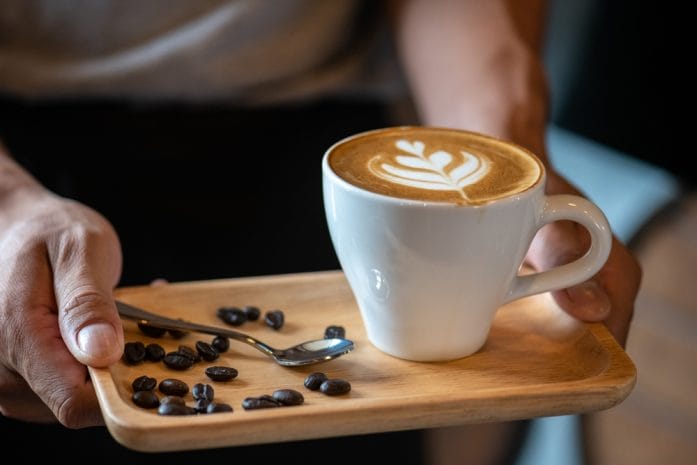
A strange battle plays out every morning across the country: a human being stands at a café counter, stares at a menu, and suddenly feels a wave of guilt over a cup of coffee. Seven dollars for a latte? Outrageous. Financially irresponsible. A tiny foam-topped symbol of everything wrong with modern spending habits.
Except the story rarely ends there. That same coffee often delivers a short but powerful moment of calm in a packed schedule, a quick reset before meetings pile up, and sometimes the only peaceful pause in a chaotic day. Life demands energy, attention, and patience from morning to night. Tiny rituals help refill those tanks.
The truth rarely fits inside dramatic headlines about avocado toast and financial ruin. A daily coffee can exist inside a healthy financial life, and in many cases, that small purchase supports something just as valuable as a bank balance: mental stability, routine, and a little spark of joy.
The $7 Coffee Panic Has Taken Over the Internet
Personal finance conversations exploded online during the past decade, and many influencers turned small purchases into villains. Viral posts love to point fingers at daily coffee habits and frame them as the root of financial struggle. The logic sounds simple: skip the latte, save the money, become wealthy. That argument travels fast because it sounds practical and responsible.
Financial experts, however, often point toward a different reality. Large expenses usually create the biggest financial pressure in most households. Housing costs, car payments, healthcare bills, and student loans dominate budgets in ways a latte never could. A $7 drink might feel dramatic in isolation, yet financial strain rarely comes from one small purchase. Consistent overspending across many areas creates the real issue. A balanced financial plan leaves room for reasonable pleasures because sustainable habits beat extreme restriction every single time. People who eliminate every enjoyable purchase often abandon budgets altogether after a few months of frustration.
Financial psychology research supports that idea as well. Behavioral economists often explain that humans stick to systems that feel rewarding. A budget that punishes every small joy eventually collapses because motivation disappears. Small indulgences keep discipline alive by creating balance.
Small Rituals Carry Real Mental Health Benefits
Daily routines shape mood, energy, and productivity far more than most people realize. A consistent morning ritual signals the brain that the day has begun and helps transition from groggy survival mode into focused action. That ritual can take many forms: a walk, journaling, meditation, or yes, a carefully crafted cup of coffee.
Psychologists frequently emphasize the power of “micro-pleasures,” which describe small positive experiences that break up stress during busy days. These moments might last only five minutes, yet they create measurable improvements in mood and resilience. A café visit delivers a combination of sensory rewards that activate those benefits: warmth from the cup, aroma from fresh coffee, background conversation, and a short change of environment.
Coffee itself also carries well-documented cognitive benefits when consumed in moderation. Caffeine stimulates the central nervous system and increases alertness, attention, and reaction time. Research published in journals focused on nutrition and neuroscience continues to examine how caffeine supports concentration and mental performance during demanding tasks.
That boost explains why coffee culture exploded across offices, campuses, and creative spaces. People gravitate toward tools that help them think clearly and maintain energy through long workdays. A familiar café stop can create a small anchor in an unpredictable schedule. Baristas often recognize regular customers, favorite drinks develop personalities of their own, and that brief pause turns into a daily reset button.
Budgeting Without Joy Almost Never Works
Strict budgeting advice often treats every non-essential purchase like a threat. That mindset ignores basic human behavior. People crave enjoyment, novelty, and comfort, especially during stressful periods. A financial plan that ignores those needs quickly turns into a punishment system rather than a practical guide.
Financial planners often recommend something called “fun money” for exactly that reason. This strategy assigns a small portion of income to guilt-free spending. That category might include coffee, lunch with friends, a streaming subscription, or any purchase that brings genuine happiness.
Someone who spends $7 on coffee every weekday spends roughly $35 per week, or about $140 per month. That number deserves attention inside a larger budget, yet it rarely becomes catastrophic when income and expenses stay balanced. The real power comes from conscious choice rather than automatic spending.
The Social Side of Coffee Matters Too
Coffee shops serve a role far beyond caffeine delivery. These spaces function as informal community hubs where people work, study, meet friends, or simply sit among others. Sociologists often highlight “third places,” a term that describes locations outside home and work where people gather and interact casually.
A brief café visit can reduce isolation during long workdays, especially for remote workers who spend hours at home offices. Background chatter, music, and shared space can boost creativity and motivation. Many freelancers and entrepreneurs rely on cafés precisely because the atmosphere helps ideas flow.
Meeting a colleague over coffee often sparks collaboration. Catching up with a friend over lattes strengthens relationships. Even a quick exchange with a barista can brighten a morning. Humans thrive on small social interactions, and coffee culture provides a steady stream of them.

Maybe the Latte Isn’t the Problem After All
The obsession with tiny daily expenses distracts from a much bigger truth about modern life: people face enormous pressure from work demands, rising costs, and constant digital noise. Under those conditions, small pockets of enjoyment matter more than ever. A latte cannot fix systemic financial challenges, but it also does not deserve blame for them. Healthy financial habits focus on awareness, planning, and realistic expectations. A thoughtful budget accounts for bills, savings, investments, and yes, personal enjoyment. Removing every small pleasure often turns life into a joyless grind, and that approach rarely lasts long.
Instead of attacking the coffee habit, a smarter strategy asks a few simple questions. Does the purchase fit within a balanced budget? Does it deliver real enjoyment or energy?
So what about that daily coffee habit? Does it bring a little spark to the day, or does it feel like money slipping away too fast? Drop thoughts, strategies, or favorite small daily rituals in the comments and share what actually helps keep life balanced.
You May Also Like…
Boomer Parents and Wills: How to Bring Up the Inheritance Without the Drama
7 Steps to Run a Financial Autopsy on Your 2025 Spending
Is Your “Little Treat” Habit Costing You $2,500 a Year? The Real Spending Math
Why Monthly Bills Are Rising Even for Households That Haven’t Changed Spending
Why Do People Feel Guilty Spending Money Even on Necessitiesd

Brandon Marcus is a writer who has been sharing the written word since a very young age. His interests include sports, history, pop culture, and so much more. When he isn’t writing, he spends his time jogging, drinking coffee, or attempting to read a long book he may never complete.