• Home
  • About Us
  • Getting Finances Done
    • Hiring Advisors
    • Debt Management
    • Spending Plan
  • Insurance
    • Life Insurance
    • Health Insurance
    • Disability Insurance
    • Homeowners/Renters Insurance
  • Contact Us
  • Our Editorial Commitment

The Free Financial Advisor

You are here: Home / Archives for credit card payments

What Happens If You Accidentally Pay Your Credit Card Twice?

September 27, 2026 by Brandon Marcus Leave a Comment

What Happens If You Accidentally Pay Your Credit Card Twice?
A duplicate credit card payment can create a negative balance, which means the issuer owes the cardholder money rather than the cardholder owing the issuer – Shutterstock

Paying a credit card twice can turn a routine bill into a brief financial mystery. The account may show a zero balance, then suddenly display a negative number, even though nothing went wrong with the card itself.

That negative number usually means the card issuer owes you money. An accidental second payment does not normally become a penalty, disappear, or damage your credit. Instead, the extra payment generally becomes a credit on the account that can cover future purchases or, in many cases, come back to you as a refund.

The Extra Payment Usually Becomes a Credit

Suppose a card balance sits at $600 and a $600 payment clears. The balance reaches zero. Then another $600 payment posts because an automatic payment and a manual payment both went through.

The account can then show a negative $600 balance. That sounds ominous, but it actually means the opposite of owing money. The card company now holds $600 that belongs to the cardholder. The CFPB describes this as a credit balance, meaning the issuer owes the consumer that amount.

That credit can usually sit on the account and offset future purchases. A $50 grocery charge, for example, would reduce a negative $600 balance to negative $550. The extra payment does not vanish just because the cardholder leaves it there.

The confusion often comes from the minus sign. A negative credit card balance does not mean the account has fallen behind. It means the payment total exceeded the amount owed.

A Second Payment Does Not Usually Raise the Credit Limit

An overpayment can make the available-credit number look unusually large, but it does not permanently increase the card’s credit limit.

For example, a card with a $5,000 credit limit does not suddenly become a $5,600 credit line because the account carries a $600 credit balance. The underlying limit remains $5,000. The negative balance simply gives the cardholder an additional account credit that can absorb future charges.

That distinction matters because intentionally overpaying a card is not a reliable way to create a larger credit line. Issuers can also have their own policies around overpayments.

An accidental double payment, however, usually creates a much simpler situation. The account ledger records the payment, applies it against the balance, and leaves the excess as a credit.

The Money Can Usually Stay There

There is no general need to panic and call the card issuer the moment a negative balance appears. Leaving the credit on the account can make sense if regular purchases will use it soon.

Imagine a household accidentally pays $300 twice before a month filled with ordinary card expenses. Rather than requesting the money back immediately, the household could keep using the card and let those purchases consume the credit.

The CFPB says consumers can leave a credit balance on the account to cover future charges. Consumers can also ask the card company to send the credit back, and federal rules address the treatment of credit balances that remain outstanding. Issuer procedures differ, so the account’s terms still matter. Capital One, for example, says customers can spend down a negative balance or request a refund, while its automatic refund process follows its own timing rules.

Getting the Extra Money Back Works Differently by Issuer

A cardholder who needs the money back can contact the issuer and ask about a credit-balance refund. The issuer may have a particular process for requesting it, and the refund method can vary.

Federal rules generally require a card issuer to refund a credit balance above $1 when the consumer requests it, subject to the regulation’s requirements. The rules also require the issuer to make a good-faith effort to refund certain credit balances that remain for more than six months.

That does not mean every issuer follows the same schedule or sends the money through the same method. Capital One, for instance, says it generally mails a check after a refund request, while its automatic refund process follows its own billing-cycle timeline.

A quick call or secure message can therefore answer the practical question: Is the money staying on the card, or is the issuer sending it back?

The Bigger Risk Comes From Making Another Payment

The most awkward part of a double payment can happen after the mistake. Someone notices the negative balance and assumes the card payment did not work. They make another payment. Now the account carries an even larger credit, while the checking account has taken another hit.

Automatic payments deserve extra attention here. Chase notes that an automatic payment set to cover the full balance generally should not create an overpayment if a manual payment has already reduced the balance to zero, because the system should recognize that no balance remains.

Still, payment systems have timing rules, pending transactions, and issuer-specific procedures. Anyone who sees duplicate payments should check the payment history before sending anything else.

The checking account matters too. A second payment can temporarily remove money that the household intended for rent, groceries, utilities, or other bills. The credit card may look perfectly fine while the bank account takes the immediate hit.

Check the Account Before Calling It a Mistake

A negative balance does not always come from paying twice. A merchant refund can create one if the original card balance already reached zero. A rewards redemption or other statement credit can do the same. A reversed disputed charge can also push an account below zero.

That makes the transaction history worth checking before assuming the second payment caused everything.

Look for two posted payments, not merely two payment attempts. Then check whether a refund, statement credit, or reversed transaction also appears. Pending payments can make the account look different for a short period before everything settles.

If the payment itself does not appear correctly on the statement, that becomes a different issue. The CFPB recommends contacting the card company and following the billing-error process when a payment fails to appear as it should.

A Double Payment Is Usually Annoying, Not Disastrous

An accidental second credit card payment usually creates an accounting problem rather than a financial disaster. The extra money generally becomes a credit balance, and the cardholder can often use it for future purchases or request a refund.

The smartest response starts with restraint. Check the payment history, confirm both payments actually posted, look at the current balance, and avoid sending another payment until the account makes sense.

Has a duplicate credit card payment ever caught you off guard, and did your card issuer automatically return the money or leave it as a credit?

You May Also Like…

The Fed Just Changed Rates, But Your Credit Card APR May Not Move Right Away

Credit Card Rates Are Near 24%—Is That $2,000 Purchase Still Worth Financing?

Your Credit Score Went Up—And That’s Exactly When Lenders Get You to Borrow Badly

Your Credit Score Is 720. How Much Money Could Getting to 760 Actually Save You?

What Happens to an Unused Credit Card If You Never Close It?

Brandon Marcus
Brandon Marcus

Brandon Marcus is a writer who has been sharing the written word since a very young age. His interests include sports, history, pop culture, and so much more. When he isn’t writing, he spends his time jogging, drinking coffee, or attempting to read a long book he may never complete.

Filed Under: credit cards Tagged With: banking, consumer finance, credit card balance, credit card payments, credit cards, money mistakes, Personal Finance

What Happens When You Pay Your Credit Card Bill Every Week Instead of Once a Month

September 3, 2026 by Brandon Marcus Leave a Comment

What Happens When You Pay Your Credit Card Bill Every Week Instead of Once a Month
Weekly credit card payments can help keep balances under control, potentially reduce interest when you carry debt, and sometimes lower the balance reported to credit bureaus – Shutterstock

Paying a credit card bill once a month feels like the default setting because, well, that is how the statement arrives. But sending a payment every week can change the way money moves through the account, especially for someone who tends to spend throughout the month and then gets a little too friendly with a growing balance. Weekly payments can make the balance easier to control, reduce the amount of interest charged in some situations, and potentially keep credit utilization lower.

There is one important catch: weekly payments do not replace the monthly payment obligation. The card still has a billing cycle, a statement balance, and a due date, and the issuer still expects at least the required minimum payment by that date. So what actually happens when a credit card payment shows up every seven days instead of once every few weeks?

Your Balance Can Stay Much Smaller

The most obvious change involves the balance sitting on the card. Imagine someone charges groceries, gas, subscriptions and a few online purchases during the week, then sends a payment every Friday that covers those new charges. Instead of allowing the balance to pile up for several weeks, that person repeatedly knocks it back down. The card can still handle the purchases, but the balance gets less opportunity to become a financial snowball. That simple rhythm can make spending feel much more deliberate because each week’s purchases face a small financial reckoning.

Weekly payments can also help someone who struggles with a large monthly bill. A $600 statement may feel intimidating when the entire amount arrives at once, while paying roughly $150 at a time throughout the month can fit more naturally into a regular budget. The strategy does not reduce the amount owed by itself, but it can make the money available for that debt easier to manage. And that matters because paying more than the minimum generally reduces interest costs and helps eliminate the balance faster.

Interest May Get Less Expensive

For someone who carries a balance from month to month, weekly payments can have an even more practical benefit. Many credit card companies calculate interest daily using the average daily balance, so reducing the balance earlier can reduce the amount of debt that accumulates interest. Paying $200 today instead of waiting several weeks can therefore matter more than simply paying the same $200 later.

The math works differently for someone who pays the entire statement balance every month and keeps the card’s grace period. Many cards allow customers to avoid interest on purchases when they pay the full statement balance by the due date, although card terms vary. In that situation, weekly payments may not produce a dramatic interest savings because the cardholder already avoids purchase interest by paying in full. The bigger advantage may come from keeping the balance manageable throughout the month rather than squeezing the entire payment into one deadline.

Your Credit Utilization Could Look Better

Weekly payments can also affect the balance that appears on a credit report, which makes this strategy particularly interesting for someone preparing to apply for credit. Credit card issuers commonly report account balances around the end of a billing cycle, although reporting schedules vary by issuer. If a large purchase pushes a card balance high and a payment arrives before the reporting date, the reported balance may end up lower than it would have otherwise.

That does not mean weekly payments guarantee a higher credit score. Credit scoring models consider several factors, and payment history, amounts owed, credit history, and other information all matter. Still, lowering a reported card balance can reduce credit utilization, which can help because utilization compares the balance reported on a revolving account with its credit limit. The trick involves timing, since paying every Friday does not necessarily mean Friday happens before the issuer reports the balance.

The Monthly Due Date Still Matters

Here comes the part that can trip people up: paying every week does not erase the card’s official due date. The statement still lists the minimum payment and the date by which the issuer must receive that payment to count it as on time. A person could make several small payments and still create a problem if those payments do not satisfy the required amount by the deadline.

That makes automation especially useful. Someone who prefers weekly payments can schedule recurring transfers while also checking the monthly statement to confirm that the required payment has cleared. The safest routine combines frequent payments with attention to the statement balance, due date, and account activity rather than assuming the weekly habit handles everything. In other words, weekly payments can become a helpful system, but the credit card company still gets the final vote on what the account requires.

Weekly Payments Work Best With a Plan

The strategy makes the most sense when it matches the way money enters and leaves the household budget. Someone who receives income weekly may find it easier to make a smaller credit card payment after each paycheck rather than reserve a large amount for one monthly payment. Someone who already pays the entire statement balance without difficulty may gain more from the budgeting and balance-control benefits than from interest savings.

There is also a psychological advantage worth considering: frequent payments make the credit card feel less like an endless spending bucket. A weekly payment can force a quick reality check before another round of purchases lands on the account. That habit can prove especially useful for people who want to use a credit card for rewards or convenience without allowing the balance to drift upward. The best system remains the one that consistently keeps spending within the budget, pays the required amount on time and, when possible, clears the statement balance in full.

The Weekly Habit Can Be Surprisingly Powerful

Paying a credit card every week does not unlock a secret loophole, and it does not make debt disappear faster unless the payments actually reduce the balance. What it can do is shorten the time money sits on the card, potentially reduce interest when a balance carries over, and sometimes lower the balance that an issuer reports to the credit bureaus. For many people, the biggest win comes from turning one intimidating monthly task into a series of smaller, easier decisions.

A sensible approach starts with the card’s terms, then adds a payment schedule that fits the household budget. Keep the monthly due date on the radar, make sure the required payment arrives on time, and use the statement to check whether the strategy actually produces the desired result. Weekly payments work best as a money-management habit, not as a gimmick. When the habit helps keep spending controlled and balances low, the calendar starts working with the cardholder instead of against them.

Would you consider paying your credit card every week, or does one monthly payment fit your budget better?

You May Also Like…

Should You Pay Off a 0% Credit Card Before the Promotional Rate Ends?

6 Purchases Financial Experts Say You Shouldn’t Put on a Credit Card

Credit Card Disputes Are Getting Harder to Win — What Issuers Are Changing

Why Credit Card Balance Growth Slowed in 2026

The Credit Card Still Thrives: Baby Boomers Aren’t Walking Away From Plastic

Brandon Marcus
Brandon Marcus

Brandon Marcus is a writer who has been sharing the written word since a very young age. His interests include sports, history, pop culture, and so much more. When he isn’t writing, he spends his time jogging, drinking coffee, or attempting to read a long book he may never complete.

Filed Under: credit cards Tagged With: credit card payments, credit cards, credit score, credit utilization, debt payoff, money management, Personal Finance

8 Monthly Expenses That Are Harder to Control Than You Think

January 20, 2026 by Brandon Marcus Leave a Comment

These Are 8 Monthly Expenses That Are Harder to Control Than You Think
Image source: shutterstock.com

Ever feel like your paycheck disappears into a black hole before you’ve even finished your first cup of coffee? You’re not imagining it. Some monthly expenses have a sneaky way of stacking up, turning “just one bill” into a financial juggling act.

From bills you barely notice to habits you didn’t realize were costing you, understanding these expenses is the first step toward taking charge. Let’s dive into the eight expenses that are harder to control than most people think—and why they keep catching you off guard.

1. Groceries And Impulse Purchases

Groceries are supposed to be predictable, right? You make a list, check it twice, and head to the store thinking you’re in control. But the moment you walk past the candy aisle or the fancy cheese display, that carefully planned budget can evaporate. Many people underestimate just how much “little” impulse buys add up over a month. Beyond that, rising food prices can make a weekly shop feel like a rollercoaster you didn’t sign up for.

Online grocery delivery adds another layer of temptation with one-click extras, and convenience often comes at a steep price. Meal planning can help, but even the most disciplined shopper can get blindsided by cravings or last-minute additions.

2. Streaming Services And Subscription Overload

It starts innocently enough: one streaming service for your favorite show, another for a family member’s obsession, maybe a gaming or fitness subscription thrown in for good measure. Before you know it, you’ve got a dozen subscriptions, some of which you barely use. These recurring charges can feel invisible because they don’t hit your bank account like a traditional bill. Yet collectively, they can rival your rent or utilities. And the more subscriptions you have, the harder it becomes to track which ones are actually worth keeping. Even a quick cleanup often reveals you’ve been paying for services you forgot existed.

3. Utility Bills That Fluctuate

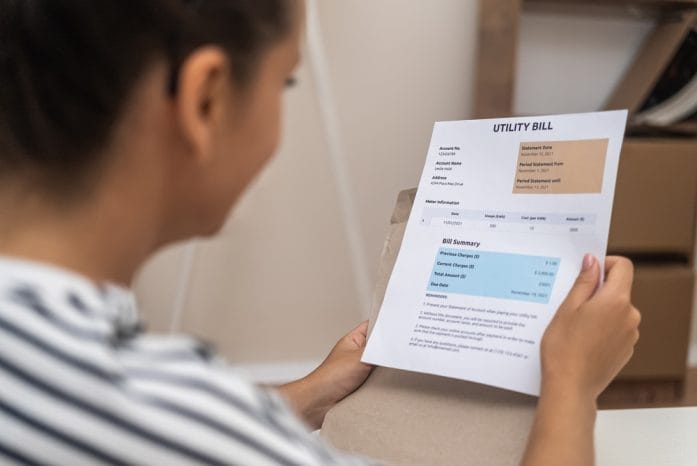
Water, electricity, gas, heating—these are basic needs, but they rarely stay steady. Seasonal changes can turn a predictable bill into a shocking surprise. Air conditioning in the summer, extra heating in the winter, or even the timing of when your bills are read can all cause fluctuations. Energy rates themselves sometimes rise without much warning, and small leaks or inefficient appliances can quietly drain your wallet. Trying to stick to a fixed budget becomes tricky when these essential costs are out of your hands. Smart meters and energy-saving habits help, but they’re not foolproof shields.

4. Transportation Costs

Gas, maintenance, tolls, rideshares, public transit—it all adds up faster than you’d expect. Even if you drive the same route daily, fluctuating gas prices can turn your commute into a moving budget crisis. Car maintenance costs often hit in unpredictable bursts, like when tires need replacing or your brakes suddenly scream for attention. Parking fees and traffic tickets can also surprise you mid-month. Even those who rely on public transit face fare increases or emergency ride services that slip under the radar. Transportation is essential, but it’s a monthly expense that’s surprisingly difficult to pin down.

These Are 8 Monthly Expenses That Are Harder to Control Than You Think
Image source: shutterstock.com

5. Health And Medical Expenses

Insurance premiums might be predictable, but the actual costs of healthcare are anything but. Prescription copays, over-the-counter treatments, dentist visits, or specialist appointments can pile up without warning. Health emergencies or unexpected diagnoses can throw a wrench into even the tightest budget. Flexible spending accounts help, but not everyone maximizes them, and many expenses aren’t fully covered. Preventive care can save money in the long run, yet it still requires planning and discipline. When you add up co-pays, medications, and wellness necessities, healthcare often becomes a bigger bite out of your paycheck than anticipated.

6. Credit Card Payments And Interest

Debt isn’t always obvious in your monthly spending. Minimum payments on credit cards might feel manageable, but interest compounds quickly, silently increasing your monthly obligations. Late fees, penalty rates, and variable APRs can sneak in if you’re not vigilant. It’s easy to underestimate how much small purchases today can cost you tomorrow. Paying only the minimum can trap you in a cycle that eats away at both your budget and peace of mind. Keeping track of balances, interest rates, and due dates requires attention that most people don’t realize is necessary.

7. Dining Out And Takeout

Even if you plan to cook most meals at home, dining out can become a recurring trap. Lunches at work, quick dinners after long shifts, or celebratory meals can quickly add up. Delivery apps make it effortless to spend without thinking, but that convenience comes with a premium. Hidden fees, tips, and service charges amplify the cost. Social habits often drive these expenses, because declining a group outing isn’t always easy. Even occasional indulgences can make a noticeable dent in your monthly spending if they become regular.

8. Pet Expenses

Pets are adorable, but they’re also surprisingly expensive. Food, grooming, vet visits, preventive care, and emergency treatments all contribute to an unpredictable monthly total. Even routine wellness visits can catch owners off guard if medications or vaccinations are required. Specialty food or accessories, while not strictly necessary, often find their way into the cart. Insurance for pets can help, but it’s another recurring cost that adds up over time. Many pet owners underestimate the financial commitment until it’s staring them in the face mid-month.

Is It Time To Get Your Monthly Spending Together?

Managing monthly expenses is a bit like trying to herd cats—just when you think you’ve got everything under control, one cost jumps out and demands attention. These eight categories are particularly tricky because they combine unpredictability, temptation, and invisible charges. By recognizing where your money tends to slip through the cracks, you can make smarter choices and regain some control.

Tell us about your experiences or strategies for handling these sneaky expenses in the comments below—we’d love to hear your perspective.

You May Also Like…

The Texas Mortgage Shock: Why Your Monthly Payment Just Jumped $400 Without Warning

9 Expenses That Used to Be Optional but Aren’t Anymore

Savings Fallout: 4 Hidden Expenses That Quietly Drain Retirement Budgets

Why Do Unexpected Expenses Always Seem to Hit at the Worst Time

Generate Extra Monthly Cash Flow Starting With These Side Hustle Ideas

Brandon Marcus
Brandon Marcus

Brandon Marcus is a writer who has been sharing the written word since a very young age. His interests include sports, history, pop culture, and so much more. When he isn’t writing, he spends his time jogging, drinking coffee, or attempting to read a long book he may never complete.

Filed Under: Spending Habits Tagged With: credit card payments, credit cards, expenses, groceries, healthcare, impulse purchases, impulse spending, medical bills, medical expenses, Money, money issues, monthly bills, monthly expenses, Smart Spending, spending, Spending Habits, streaming apps, streaming services, subscriptions, transportation costs

Follow Us

Search this site:

Recent Posts

  • Can My Savings Account Affect My Financial Aid? by Tamila McDonald
  • 12 Ways Gen X’s Views Clash with Millennials… by Tamila McDonald
  • What Advantages and Disadvantages Are There To… by Jacob Sensiba
  • 10 Tactics for Building an Emergency Fund from Scratch by Vanessa Bermudez
  • Call 911: Go To the Emergency Room Immediately If… by Stephen Kanaval
  • 7 Weird Things You Can Sell Online by Tamila McDonald
  • 10 Scary Facts About DriveTime by Tamila McDonald

Copyright © 2026 · News Pro Theme on Genesis Framework