• Home
  • About Us
  • Toolkit
  • Getting Finances Done
    • Hiring Advisors
    • Debt Management
    • Spending Plan
  • Insurance
    • Life Insurance
    • Health Insurance
    • Disability Insurance
    • Homeowners/Renters Insurance
  • Contact Us
  • Privacy Policy
  • Risk Tolerance Quiz

The Free Financial Advisor

You are here: Home / Archives for economic problems

Why Does Spending Feel Riskier Than It Used To

January 24, 2026 by Brandon Marcus Leave a Comment

Why Does Spending Feel Riskier Than It Used To

Image source: shutterstock.com

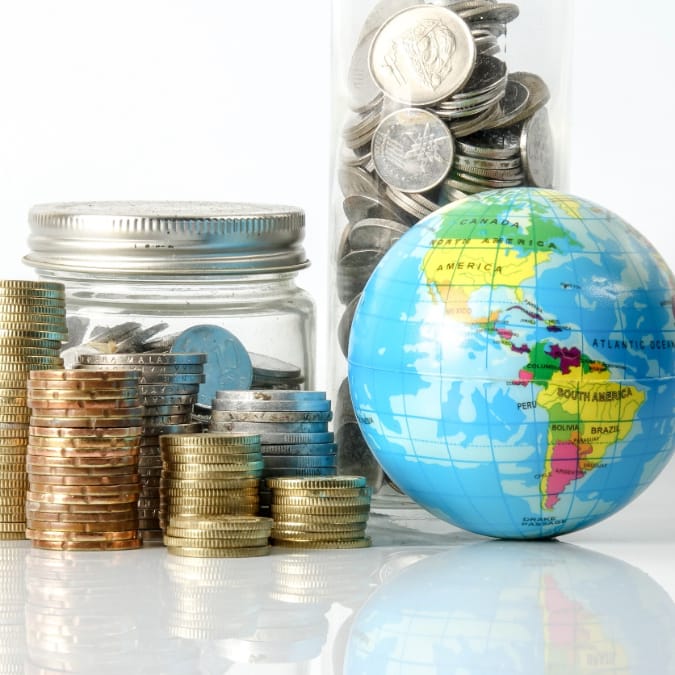
Remember the last time you bought something without a second thought? That impulsive click on an online cart or grabbing a snack on your way home now comes with a twinge of hesitation. Suddenly, every purchase feels like a decision worthy of an intense boardroom meeting. It’s not your imagination—spending really does feel riskier than it used to. The reasons are part psychological, part economic, and entirely fascinating.

From rising costs to the influence of digital shopping, the landscape of spending has shifted in ways that make even the simplest purchase feel loaded with uncertainty. But what exactly is behind this newfound financial anxiety?

Inflation And Economic Shifts Have Changed Our Perspective

One of the biggest culprits behind this feeling is inflation. Prices creep up, sometimes subtly, other times glaringly, and our brains notice more than we realize. A cup of coffee that cost $2 five years ago now rings in at $4, and suddenly the act of paying feels like a gamble. It’s not just about dollars and cents; it’s about the psychology of value. When our money buys less, every decision carries more weight. Even small purchases start to feel like they could tip the balance of a weekly budget.

Economic uncertainty compounds the effect. Job markets fluctuate, investments rise and fall, and global events impact local costs in unpredictable ways. Our brains are wired to seek stability, and when our financial environment feels shaky, even routine spending can trigger a heightened sense of risk.

Digital Spending And Instant Awareness Amplify Anxiety

Online shopping has transformed how we interact with money, but not always in comforting ways. When your bank balance is just a tap away on your phone, each purchase feels immediate and irreversible. This constant visibility can make spending feel riskier because you’re reminded of the cost before, during, and after the transaction.

Even contactless payments amplify this effect. Swipe, tap, or scan, and the transaction is instant—but so is the mental accounting. Without the tangible sensation of handing over cash, our brains struggle to register spending in a satisfying, completed way.

Why Does Spending Feel Riskier Than It Used To

Image source: shutterstock.com

Psychological Factors Heighten Our Sense Of Risk

Spending anxiety isn’t just about dollars—it’s about human psychology. Loss aversion, the idea that losing feels worse than gaining feels good, plays a huge role. When you spend money, you’re essentially giving up something tangible for something intangible, and our brains register that as a mini-loss. Combine this with uncertainty about future expenses, and suddenly, every decision feels like high-stakes poker.

FOMO, or fear of missing out, can also backfire. We want the latest gadget or trendy product, but in an environment of rising prices and unpredictable finances, the thrill of ownership is often overshadowed by a lingering dread of overspending.

Reflect On Your Spending Experiences

Feeling cautious about spending is completely normal in today’s financial landscape. The combination of inflation, digital payment habits, and deep-seated psychological biases has made each purchase feel more loaded than ever before. Understanding why spending feels risky can help you approach purchases with awareness rather than guilt or anxiety. Take note of the moments when you hesitate and consider what’s driving the feeling—is it a real financial concern or just a psychological quirk?

We’d love to hear your thoughts or experiences with spending in today’s world—what makes you pause before reaching for your wallet?

You May Also Like…

Why Does Spending Turn A Dream Vacation Into A Nightmare?

Why Do People Feel Guilty Spending Money Even on Necessities

8 Grocery Shopping Habits That Make You Spend More Without Realizing It

Why Does Interest Rate Talk Suddenly Affect Everyday Spending

Holiday Trap: 6 Gift-Spending Mistakes That Could Wreck Your Budget

Brandon Marcus
Brandon Marcus

Brandon Marcus is a writer who has been sharing the written word since a very young age. His interests include sports, history, pop culture, and so much more. When he isn’t writing, he spends his time jogging, drinking coffee, or attempting to read a long book he may never complete.

Filed Under: Spending Habits Tagged With: digital spending, economic challenges, economic problems, Inflation, Money, money habits, money issues, overspending, risky spending, Smart Spending, spend, spending, Spending Habits

Could Your Social Security Plans Collapse If The Economy Shifts Again This Winter?

December 22, 2025 by Brandon Marcus Leave a Comment

Could Your Social Security Plans Collapse If The Economy Shifts Again This Winter?

Image Source: Shutterstock.com

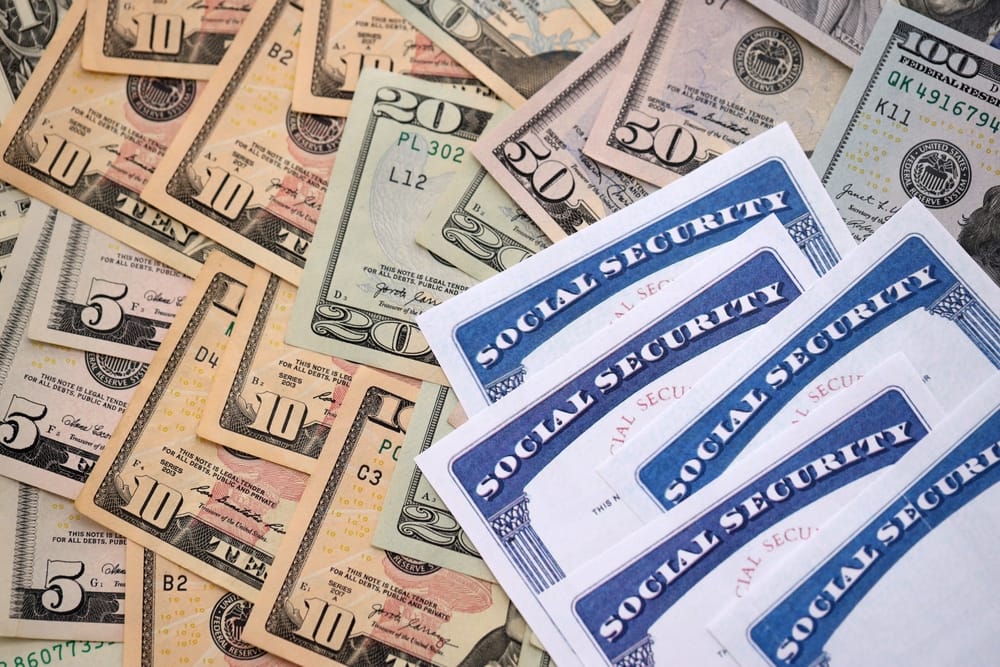
The winter season is here, and with it comes a chill that could reach far beyond icy sidewalks and frostbitten noses. Imagine a scenario where the stock market dips, inflation spikes, and suddenly, the financial safety net you’ve been counting on—Social Security—feels shakier than a snowman in a January thaw.

While it may sound dramatic, the truth is that economic fluctuations have real consequences for retirement planning. Each downturn, each unexpected market shift, puts the spotlight on a system millions of Americans rely on without second thought. The question isn’t just “Will the economy shift?” but rather, “How prepared are you if it does?”

How Social Security Works And Why It Matters

Social Security isn’t just a line on your paycheck; it’s a lifeline for retirees, disabled workers, and survivors. Funded through payroll taxes, the money you and your employer contribute today is supposed to support current beneficiaries. However, the system’s solvency depends on a delicate balance of contributors versus recipients. As the population ages and the number of workers per retiree shrinks, pressure builds on the fund. Understanding how this mechanism works is critical to knowing your personal risk if the economy dips unexpectedly.

Economic Shifts That Could Trigger Trouble

Even minor economic turbulence can ripple through retirement systems in surprising ways. Rising inflation, for example, reduces the real value of Social Security payments, making your benefits buy less than expected. Meanwhile, stock market volatility can affect federal revenues indirectly, limiting the government’s flexibility. Job losses or wage stagnation reduce payroll tax contributions, putting more strain on the Social Security trust fund. Every economic shift has a domino effect, and your retirement security might be closer to the edge than you realize.

The Winter Factor: Seasonal Risks And Market Volatility

Winter isn’t just a metaphor—it often coincides with periods of financial stress. Historically, colder months see higher energy bills, increased consumer spending for holidays, and occasional market slowdowns. These factors, combined with broader economic uncertainty, can amplify stress on social safety nets. Even small shifts in interest rates or government policy during this time can create disproportionate effects. Being aware of these seasonal vulnerabilities allows retirees and near-retirees to anticipate challenges rather than react in panic.

Signs That Your Social Security Plans Might Be At Risk

There are subtle warning signs that your benefits could be affected by economic fluctuations. Delays in cost-of-living adjustments, increased borrowing from the Social Security trust fund, or talks of reform signal potential instability. Likewise, policy changes regarding retirement age or benefit formulas could impact your personal calculations. It’s also crucial to watch broader economic indicators such as GDP growth, unemployment rates, and inflation trends. Recognizing these signals early gives you the chance to adjust your strategy before it’s too late.

Strategies To Protect Yourself From Potential Shifts

The good news is that there are proactive steps you can take to safeguard your retirement. Diversifying your income sources—through pensions, IRAs, 401(k)s, or part-time work—reduces reliance on a single system. Building an emergency fund cushions against sudden shocks and unexpected expenses. Staying informed about legislative changes ensures you can adapt quickly to policy shifts. Finally, working with a financial advisor to model different economic scenarios helps you anticipate risks rather than react blindly. Taking these steps creates resilience, even when the economy feels unpredictable.

Could Your Social Security Plans Collapse If The Economy Shifts Again This Winter?

Image Source: Shutterstock.com

Why Long-Term Planning Matters More Than Ever

Short-term economic shifts grab headlines, but long-term planning determines real outcomes. Social Security is designed to be stable over decades, but no system is immune to prolonged financial stress. Planning decades in advance—rather than at the last minute—provides a buffer against unexpected economic swings. Incorporating flexible strategies ensures you can weather both market downturns and periods of rapid inflation. The more deliberate your planning now, the more likely your retirement remains secure regardless of winter’s surprises.

When To Seek Professional Guidance

Even the savviest individuals can benefit from expert guidance during uncertain economic periods. Financial advisors can help interpret complex Social Security rules and optimize claiming strategies. They can also suggest investment adjustments based on current market conditions and projected risks. Consulting a professional allows you to make informed decisions rather than relying on assumptions or outdated advice. In a shifting economy, knowledge isn’t just power—it’s peace of mind.

Your Move This Winter

As the economy prepares to test its resilience this winter, your Social Security plans deserve a close look. By understanding the system, recognizing economic risks, and taking proactive steps, you can protect your retirement from unexpected turbulence. Don’t wait for a market dip to act—preparation today avoids stress tomorrow.

How have you approached planning for Social Security in uncertain times? Post your thoughts and experiences in the comments section below; your perspective could help others navigate the same challenges.

You May Also Like…

Did You Know Social Security Has a Hidden Bonus for Widowers?

11 Social Security Surprises That Hit You After Losing a Spouse

Is There Any Way to Get More Social Security Than You Qualify For?

The Social Security Timing Trick That Could Add $250 a Month to Your Check

Here’s What Social Security Could Look Like by 2030


Brandon Marcus
Brandon Marcus

Brandon Marcus is a writer who has been sharing the written word since a very young age. His interests include sports, history, pop culture, and so much more. When he isn’t writing, he spends his time jogging, drinking coffee, or attempting to read a long book he may never complete.
Filed Under: social security Tagged With: America, economic problems, economy, politics, Social Security, Social Security benefits, social security changes, social security plans, United States, US economy

18 Weird Ways Countries Are Tackling Economic Challenges

April 10, 2024 by Teri Monroe Leave a Comment

solving global economic problems

In a world where economic crises are a recurring theme, countries are often pushed to think outside the box to address their financial woes. From implementing quirky policies to embracing innovative solutions, nations around the globe are constantly exploring new avenues to navigate through economic turbulence. Here are 18 weird and wonderful ways countries are tackling their economic challenges.

1. Iceland’s Pirate Party and Direct Democracy

weird ways countries are solving economic problems

One example of countries tackling economic challenges in creative ways is Iceland’s Pirate Party. Iceland’s Pirate Party proposed using crowdsourcing to draft a new constitution, harnessing the power of direct democracy to involve citizens in shaping economic policies.

The party was created to combat perceived corruption within the country after the country faced a banking industry collapse in 2008.

2. Kenya’s Mobile Money Revolution

Kenya M-Pesa Program

Kenya’s adoption of mobile money platforms like M-Pesa has transformed its economy, providing millions with access to financial services and boosting economic activity in rural areas.

Too often, people in impoverished areas don’t live near banks and, therefore, can’t establish bank accounts. Now, 72% of Kenyans use mobile money accounts. When Kenya’s mobile money platform succeeded, it lifted nearly a million people out of poverty.

3. Bhutan’s Gross National Happiness Index

Bhutan National Happiness Index

Bhutan famously prioritizes Gross National Happiness over Gross Domestic Product (GDP), focusing on holistic well-being rather than purely economic metrics. From 2015 to 2022, Bhutan’s GNH grew 3.3% despite the effects of the pandemic.

4. Germany’s Dual Education System

Germany's Dual Education System

Germany’s dual education system combines traditional schooling with apprenticeships, ensuring a skilled workforce tailored to the needs of the economy.

Usually, learners will spend 70% of their time in the workforce and 30% of their time at college. Apprenticeships almost always lead to secure employment at their conclusion.

5. Singapore’s Smart Nation Initiative

Singapore Smart Nation

Singapore’s Smart Nation initiative leverages technology and data to drive economic growth and improve the quality of life for its citizens. Today, 99% of government services are digital.

6. Barcelona’s Time Bank

Barcelona Time Bank

Barcelona introduced a time bank system where residents exchange services instead of money, fostering community cohesion and addressing economic inequalities.

7. Uruguay’s Legalized Marijuana Market

legalized marijuana

Uruguay became the first country to legalize the production and sale of marijuana, creating a new industry that contributes to economic growth and tax revenue.

Pharmacies in Uruguay have sold 10,693,210 grams of marijuana between July 19, 2017 and July 19, 2023, according to the IRCCA, the agency responsible for monitoring both medical and adult-use marijuana in the South American country.

8. Rwanda’s Gender Quota in Politics

Gender quota in politics

Rwanda implemented a gender quota requiring women to hold at least 30% of parliamentary seats, promoting gender equality and enhancing economic decision-making.

9. Japan’s Robot Revolution

Japan's Robot Revolution

Japan is embracing robotics to offset labor shortages and drive productivity, with robots increasingly employed in industries ranging from healthcare to manufacturing.

10. Finland’s Universal Basic Income Experiment

Finland

Finland conducted a trial of universal basic income, which provides citizens with a fixed income regardless of employment status. The aim is to alleviate poverty and stimulate entrepreneurship.

Over the two-year study, the basic income in Finland led to a slight increase in employment, significantly boosted the recipients’ well-being, and reinforced positive individual and societal feedback loops.

11. New Zealand’s Well-being Budget

New Zealand Well-Being Budget

New Zealand’s government introduced a well-being budget that prioritizes social and environmental outcomes alongside economic goals, reflecting a holistic approach to governance.

12. Sweden’s Cashless Society

Sweden cashless economy

Sweden is rapidly moving towards a cashless society. Digital payments are replacing cash transactions, offering convenience and efficiency while posing challenges for traditional banking systems.

13. India’s Aadhaar Identification System

India

India’s Aadhaar system assigns each citizen a unique identification number, streamlining access to government services and reducing bureaucracy, thereby stimulating economic activity.

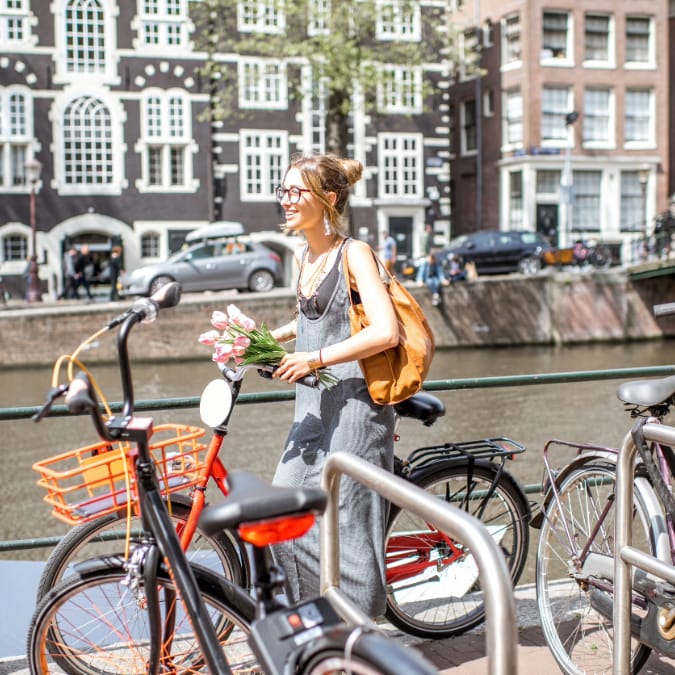
14. Netherlands’ Bicycle Economy

Netherland Bicycle

The Netherlands promotes cycling as a sustainable mode of transportation, reducing congestion, pollution, and healthcare costs while fostering economic vitality in urban areas.

Cycling increases the life expectancy of Dutch people by half a year. These health benefits correspond to more than 3% of the Dutch gross domestic product.

15. Brazil’s Bolsa Família Program

Brazil

Brazil’s Bolsa Família program provides cash transfers to low-income families, reducing poverty and stimulating local economies by increasing purchasing power.

16. South Korea’s Hallyu Wave

South Korea

South Korea is tackling its economic challenges by capitalizing on its global popularity. The country’s cultural exports, including K-pop music and Korean dramas, have become a significant economic driver, attracting tourists and boosting international trade.

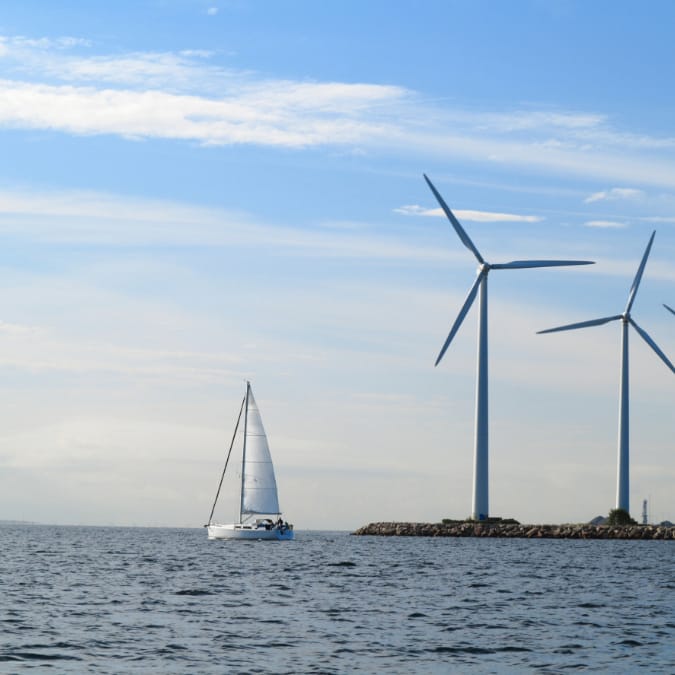
17. Denmark’s Energy Efficiency

Denmark Energy Efficiency

Denmark prioritizes energy efficiency measures, reducing reliance on fossil fuels, lowering carbon emissions, and positioning itself as a leader in renewable energy technologies.

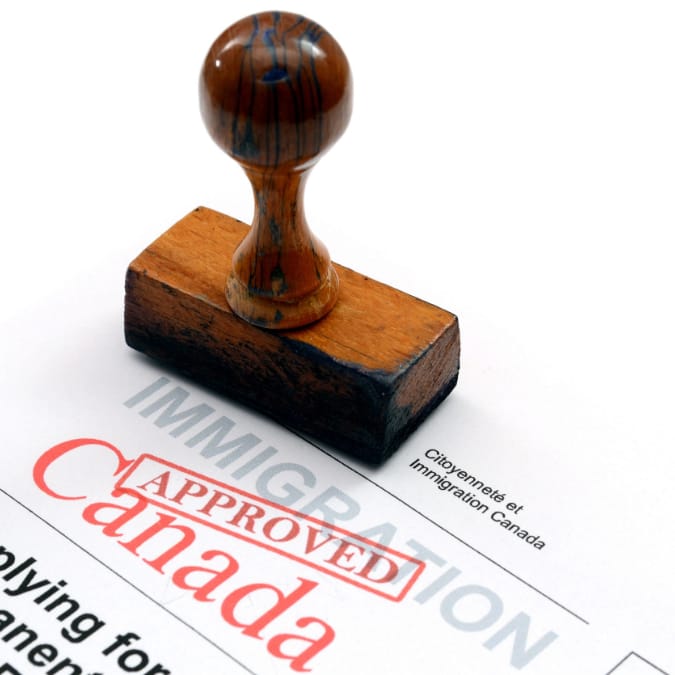
18. Canada’s Immigration Strategy

Canada Immigration

Canada’s immigration policies focus on attracting skilled workers and entrepreneurs, replenishing the labor force, driving innovation, and contributing to economic growth and diversity.

Economic Lessons We All Can Learn

weird ways countries are solving economic problems

These examples demonstrate the diversity of approaches countries are taking to address economic challenges. Whether through embracing technology, rethinking traditional policies, or prioritizing well-being, nations are finding creative solutions to navigate an ever-changing economic landscape.

By learning from each other’s successes and failures, countries can continue to innovate and adapt in the face of economic uncertainty.

Read More

15 English Tongue-Twisters: Words That Will Test Your Speaking Skills

When are Manufactured Homes a Good Investment?

Photograph of Teri Monroe
Teri Monroe
Teri Monroe started her career in communications working for local government and nonprofits. Today, she is a freelance finance and lifestyle writer and small business owner. Teri holds a B.A. From Elon University.  In her spare time, she loves golfing with her husband, taking her dog Milo on long walks, and playing pickleball with friends.

Filed Under: International News, Personal Finance Tagged With: creative solutions, economic crisis, economic problems, economy, global economy

FOLLOW US

Search this site:

Recent Posts

  • Can My Savings Account Affect My Financial Aid? by Tamila McDonald
  • 12 Ways Gen X’s Views Clash with Millennials… by Tamila McDonald
  • What Advantages and Disadvantages Are There To… by Jacob Sensiba
  • 10 Tactics for Building an Emergency Fund from Scratch by Vanessa Bermudez
  • Call 911: Go To the Emergency Room Immediately If… by Stephen Kanaval
  • 7 Weird Things You Can Sell Online by Tamila McDonald
  • 10 Scary Facts About DriveTime by Tamila McDonald

Copyright © 2026 · News Pro Theme on Genesis Framework