• Home
  • About Us
  • Getting Finances Done
    • Hiring Advisors
    • Debt Management
    • Spending Plan
  • Insurance
    • Life Insurance
    • Health Insurance
    • Disability Insurance
    • Homeowners/Renters Insurance
  • Contact Us
  • Our Editorial Commitment

The Free Financial Advisor

You are here: Home / Archives for Brandon Marcus

9 Financial Habits That Look Responsible but Feel Stressful

January 19, 2026 by Brandon Marcus Leave a Comment

9 Financial Habits That Look Responsible but Feel Stressful
Image source: shutterstock.com

Money advice is supposed to make life calmer, steadier, and more secure. Yet so many “responsible” financial habits end up doing the opposite, tightening shoulders, draining joy, and turning everyday decisions into tiny anxiety spirals. These habits often earn praise from blogs, gurus, and well-meaning relatives, but living with them can feel exhausting.

The truth is that financial responsibility isn’t just about math—it’s also about emotional sustainability. Let’s talk about nine money habits that look impressive from the outside while quietly testing your sanity on the inside.

1. Tracking Every Single Expense

Logging every coffee, snack, and parking meter payment looks disciplined and detail-oriented. In reality, it can feel like running a full-time accounting department for your own life. Constant tracking often creates guilt over small, harmless purchases rather than clarity about big financial priorities. Many people abandon this habit not because it doesn’t work, but because it’s mentally exhausting to maintain long-term.

A system that demands daily perfection can easily turn into a source of stress instead of insight. Awareness matters, but so does breathing room.

9 Financial Habits That Look Responsible but Feel Stressful
Image source: shutterstock.com

2. Keeping An Ultra-Tight Monthly Budget

A strict budget feels like a badge of honor, especially when every dollar has an assignment. The problem shows up when real life ignores your spreadsheet entirely. Unexpected invitations, rising prices, or a bad week can make rigid budgets feel like personal failures. Over time, the pressure to “stay on track” can turn normal spending into a constant negotiation with yourself. Budgets work best when they flex, but many people don’t realize that flexibility is still responsible.

3. Obsessively Maximizing Credit Card Rewards

Optimizing points, miles, and cash-back categories looks savvy and strategic. It can also turn every purchase into a mental math problem. Juggling rotating categories, expiration dates, and multiple cards adds cognitive load that rarely gets acknowledged. The financial upside is often smaller than expected, while the mental energy required is very real. When earning rewards starts to feel like a second job, the benefit shrinks fast. Simple systems often outperform complicated ones over time.

4. Saying No To Anything That Isn’t “Necessary”

Avoiding unnecessary spending sounds mature and disciplined, especially in uncertain times. Yet labeling every joy-based expense as “optional” can drain color from daily life. Humans aren’t robots optimized only for survival and retirement accounts.

Constantly denying small pleasures can lead to burnout spending later, when restraint finally snaps. Responsible money habits should support a life you actually enjoy living. Otherwise, the resentment quietly builds.

5. Constantly Checking Account Balances

Frequently checking balances feels proactive and cautious. For many people, it becomes a nervous tic rather than a useful habit. Seeing normal fluctuations can trigger unnecessary worry, even when nothing is actually wrong. This habit often creates a false sense of urgency, as if every dip requires immediate action. Financial awareness is healthy, but hyper-vigilance rarely is. Peace of mind matters just as much as precision.

6. Paying Down Debt At All Costs

Aggressively eliminating debt is widely praised, and for good reasons. The stress creeps in when debt repayment crowds out everything else, including emergency savings or basic enjoyment. Some people push themselves so hard that one unexpected expense sends them right back into borrowing. A balanced approach often leads to better long-term results than extreme sacrifice. Progress doesn’t have to hurt to count.

7. Investing Only In “Safe” Options

Playing it safe with investments sounds prudent and cautious. However, extreme risk avoidance can create constant fear of doing something wrong. Watching inflation quietly erode purchasing power can be just as stressful as market ups and downs.

Many people feel frozen, unsure whether they’re being smart or simply scared. Responsible investing includes understanding risk, not avoiding it entirely. Confidence grows from education, not avoidance.

8. Comparing Your Finances To Everyone Else’s

Benchmarking against peers feels like a way to stay motivated and informed. In practice, it often leads to anxiety, envy, or quiet shame. You rarely see the full financial picture behind someone else’s lifestyle. Comparisons can push people toward goals that don’t actually fit their values or circumstances. Money decisions become emotional rather than intentional. Financial health isn’t a competition, even when it feels like one.

9. Delaying Joy Until “Everything Is Settled”

Waiting to relax until debt is gone, savings are full, and goals are complete sounds logical. The stress comes from the fact that “settled” is a moving target. Life keeps happening, goals evolve, and there’s always another box to check. Delayed joy can quietly turn into permanent postponement. Responsible money habits should support living now and later, not force an endless waiting room. Balance is the real luxury.

Responsibility Should Feel Sustainable

Financial habits aren’t just tools; they shape how daily life feels. When a habit creates constant stress, guilt, or exhaustion, it deserves a second look—even if it looks responsible on paper. The healthiest money systems are the ones you can live with year after year.

If any of these habits sound familiar, you’re far from alone. Feel free to add your own experiences or perspectives in the comments section below.

You May Also Like…

8 Financial Habits That Quietly Drain Your Checking Account

7 Common Money Habits That Increase Stress Instead of Reducing It

Why Do People Feel Guilty Spending Money Even on Necessitiesd

Holiday Debt: 9 Warning Signs Your Spending Is Already Off Track

Debt Alert: 6 Ways Holiday Spending Could Trigger a January Credit Score Crisis

Brandon Marcus
Brandon Marcus

Brandon Marcus is a writer who has been sharing the written word since a very young age. His interests include sports, history, pop culture, and so much more. When he isn’t writing, he spends his time jogging, drinking coffee, or attempting to read a long book he may never complete.


Filed Under: Finance Tagged With: advisor habits, bad financial habits, bad habits, breaking habits, Budget, budgeting, emergency funds, finance, finances, financial habits, overspending, saving money, savings, Smart Spending, spending, Spending Habits, tracking spending

10 Budget Adjustments People Make Without Talking About Them

January 19, 2026 by Brandon Marcus Leave a Comment

These Are 10 Budget Adjustments People Make Without Talking About Them
Image source: shutterstock.com

Money habits rarely arrive with drumrolls or group texts. They slip into daily routines, hide inside receipts, and quietly rewrite priorities while everyone pretends nothing changed. This article dives into the hush-hush tweaks people make when life gets expensive, goals get serious, or reality taps them on the shoulder. Expect honesty, recognition, and more than a few “wow, I do that too” moments.

These adjustments feel deeply personal, yet almost everyone makes them at some point. Let’s pull back the curtain and talk about the budget shifts nobody announces at dinner.

1. Downgrading Grocery Brands Without Saying A Word

People often start by swapping name brands for store labels while acting like nothing changed. They tell themselves the taste stays the same, even when the packaging looks suspiciously plain. This choice saves real money every month, especially on basics like cereal, pasta, and cleaning supplies.

Many shoppers frame it as a one-time experiment, but the habit sticks fast. Over time, carts fill with quiet compromises that add up to serious savings. Nobody brags about generic ketchup, yet it pays rent just the same.

2. Cutting Back On Social Plans With Creative Excuses

Happy hours, brunches, and concert nights drain wallets faster than expected. Instead of admitting budget stress, people suddenly feel “tired,” “busy,” or “trying to reset.” They suggest coffee instead of cocktails or host game nights at home. These choices protect finances while preserving friendships, even if explanations feel a little flimsy. Friends often follow suit, grateful for cheaper plans. Nobody calls it budgeting, but everyone benefits.

3. Letting Subscriptions Quietly Expire

At some point, someone stares at a bank statement and does a double take. Streaming services, apps, and memberships pile up quietly month after month. People cancel one or two without making a speech about it. They tell themselves they can always rejoin later, which almost never happens. This move trims expenses without affecting daily happiness much. Silence accompanies the savings, and nobody mourns the loss.

4. Delaying Big Purchases Longer Than Planned

That couch, phone upgrade, or weekend getaway waits just a bit longer than expected. People stretch timelines and lower urgency without announcing the change. They research more, compare prices harder, and suddenly feel patient. This delay creates breathing room in a tight budget. It also builds discipline that spills into other spending decisions. Nobody celebrates waiting, yet waiting works.

5. Cooking At Home More Than Ever Before

Restaurant visits drop off quietly when grocery bags show up more often. People experiment with recipes, rediscover leftovers, and pack lunches like pros. They might frame it as a health kick or a new hobby. In reality, cooking at home slashes spending fast. Confidence grows with every successful meal. The savings simmer in the background while nobody makes a fuss.

Plus, it is a great way to spend time with family, grow closer, and do something together as a unit. It’s a win-win in many ways.

These Are 10 Budget Adjustments People Make Without Talking About Them
Image source: shutterstock.com

6. Choosing Practical Clothes Over Trendy Ones

Closets start favoring durability over drama. People buy fewer pieces and wear them longer. They skip impulse buys and wait for sales without announcing a style shift.

This change reduces clutter and protects wallets at the same time. Fashion loses some sparkle, but financial calm replaces it. Compliments still happen, even without trends involved.

7. Driving Cars Longer Than They Intended

That car payment-free life looks more attractive every year. People delay upgrades and invest in maintenance instead. They learn to ignore shiny ads and new features. This choice frees up hundreds of dollars each month. Pride grows quietly as mileage climbs. Nobody throws a party for an aging vehicle, yet it earns respect.

8. Reworking Travel Expectations

Vacations shrink, shift, or disappear for a while. People choose road trips, off-season travel, or staycations without fanfare. They focus on rest instead of luxury. These adjustments keep memories alive without crushing budgets. Travel still happens, just differently. Nobody needs postcards to prove it.

9. Saying No To Convenience Spending

Delivery fees, ride shares, and last-minute purchases face more resistance. People plan ahead and tolerate minor inconvenience. They walk, cook, or wait instead of paying extra. This habit saves surprising amounts over time. Discipline strengthens with every small win. Nobody posts about skipping delivery, but the bank account notices.

10. Rethinking Gifts And Celebrations

People set spending limits and get creative with presents. They suggest experiences, handmade items, or shared meals instead of pricey gifts. This shift reduces pressure during holidays and birthdays. Meaning replaces money without much announcement. Gratitude often grows on both sides. Quietly, celebrations feel more human again.

The Quiet Art Of Adjusting

These budget adjustments rarely come with announcements, spreadsheets waved in the air, or dramatic speeches. They happen gradually, guided by instinct, necessity, and self-awareness. Most people make them at different times and for different reasons, yet the patterns look strikingly similar. Talking about money still feels awkward, which explains the silence. Still, these small choices shape financial health more than flashy strategies ever could.

Drop your own experiences or reflections in the comments below and let the conversation continue.

You May Also Like…

Family Homes Done Right: Kid-Friendly Interior Design on a Budget

8 Budget Line Items That Keep Growing Without Notice

10 Common Budgeting Mistakes That Create Constant Money Stress

5 Budgeting Tools That Trick You Into Higher Spending

9 Everyday Expenses People Forget to Include in Their Budget

Brandon Marcus
Brandon Marcus

Brandon Marcus is a writer who has been sharing the written word since a very young age. His interests include sports, history, pop culture, and so much more. When he isn’t writing, he spends his time jogging, drinking coffee, or attempting to read a long book he may never complete.

Filed Under: Budgeting Tagged With: brand names, Budget, budgeting, budgeting adjustments, Budgeting Tips, family issues, family money, family spending, financial choices, financial decisions, grocery stores, Money, money adjustments, money issues, overspending, Smart Spending, spending

The Sunshine State Squeeze: Why Florida Retirees are Seeing Smaller Social Security Checks This Week

January 18, 2026 by Brandon Marcus Leave a Comment

The Sunshine State Squeeze: Why Florida Retirees are Seeing Smaller Social Security Checks This Week
Image source: shutterstock.com

Sunshine, sandy beaches, and palm trees—Florida has always been the poster child for retirement dreams. But this week, a less sunny reality is hitting some retirees in the wallet.

Social Security checks, a vital lifeline for many seniors, are coming in smaller than expected, leaving a wave of concern and confusion. While a few dollars might not seem like much to some, for many retirees, every penny counts. The reason behind the reduction isn’t a mystery, but it’s a combination of economic forces, policy rules, and timing quirks that even seasoned retirees might not have anticipated.

Understanding why your check is smaller can help you plan better, avoid stress, and maybe even find a few clever ways to soften the impact.

Understanding The Mechanics Of Social Security Payments

Social Security payments are calculated based on lifetime earnings, age at retirement, and adjustments for inflation known as the Cost-of-Living Adjustment (COLA). Each year, the Social Security Administration evaluates inflation rates and other economic factors to determine how much your monthly benefit will rise. But here’s the twist: the system also has rules that can temporarily reduce payments. For example, if you are working while receiving benefits, or if certain deductions apply, your check can shrink unexpectedly.

Florida retirees might notice the effect this week due to how taxes, healthcare premiums, and other contributions are factored in. Even minor fluctuations in Medicare premiums, which are automatically deducted from Social Security, can create a noticeable dent in a check. The result? A smaller payment that feels like a sting when bills are due.

How Economic Factors Are Affecting Retirees Right Now

Inflation and interest rate changes play a surprisingly big role in Social Security payments. Even with the annual COLA designed to keep pace with inflation, retirees can feel squeezed when prices for groceries, utilities, and gas rise faster than expected. Recent spikes in energy costs, combined with a slow adjustment in the COLA, are creating a mismatch that hits retirees in Florida especially hard.

Florida’s large retiree population means many seniors are relying on fixed incomes, making any reduction in cash flow noticeable. Bank statements, once predictable, can suddenly show a drop that triggers immediate concern. Experts note that even small percentage changes in inflation calculations or Medicare premiums can reduce checks by dozens of dollars per month. That’s enough to disrupt a carefully planned budget for groceries, prescriptions, or leisure activities.

The Sunshine State Squeeze: Why Florida Retirees are Seeing Smaller Social Security Checks This Week
Image source: shutterstock.com

Timing And Administrative Factors That Lead To Check Reductions

Sometimes, the timing of payments and deductions can make it seem like your Social Security check is shrinking when, in reality, it’s just a temporary quirk. The SSA coordinates with Medicare, supplemental insurance providers, and even tax authorities to ensure deductions are applied correctly. When these agencies adjust their figures—especially after the holidays or the start of the new year—checks can fluctuate. Florida retirees who are used to receiving a consistent amount may see the change this week simply because of how the administrative calendar aligns with their payment schedule. Additionally, if a retiree recently updated direct deposit information, switched Medicare plans, or had late reporting of income, the system can adjust payments retroactively. That means your check could bounce back to normal—or even increase—next month.

Strategies Florida Retirees Can Use To Mitigate The Impact

Even if your Social Security check is temporarily smaller, there are strategies to keep finances manageable. First, reviewing Medicare premiums and supplemental insurance options can sometimes reduce deductions. Secondly, careful budgeting around the timing of bills and expenses can help bridge the gap. Retirees can also take advantage of state-specific programs that offer utility or property tax relief for seniors. Staying informed about COLA announcements, healthcare premium adjustments, and federal policy updates is another proactive step.

Many retirees are turning to local senior centers or online communities to exchange practical tips and experiences, which can be invaluable for understanding how others are handling similar situations. Finally, consulting a certified financial planner can provide personalized guidance tailored to your income, expenses, and retirement goals.

The Human Side Of Smaller Social Security Checks

It’s easy to look at numbers and see a few dollars, but the real impact is on people’s daily lives. Retirees in Florida rely on Social Security for essentials: groceries, medication, transportation, and maintaining independence. Even a small reduction can cause stress, forcing tough choices between necessities and leisure activities that keep life enjoyable. There’s also an emotional side: these payments represent decades of work, security, and planning.

When a check comes in smaller than expected, it can feel like a personal setback, even if the system is following the rules. Understanding why it happened, keeping perspective, and planning ahead can help retirees navigate these fluctuations without panic. Communities and family support networks often play a key role in buffering the impact, proving that while money matters, connection and guidance matter too.

Looking Ahead: What Retirees Can Expect

While this week’s reduction is jarring, it’s not necessarily a permanent trend. Social Security payments are dynamic, responding to economic conditions, policy changes, and personal circumstances. Retirees can expect occasional variations, but over time, COLA adjustments usually help offset inflation and rising costs. Staying informed, checking statements regularly, and asking questions when discrepancies arise is the best way to avoid surprises.

For Florida retirees, the key is preparation: budgeting for small fluctuations, exploring cost-saving measures, and understanding the system’s mechanics. A smaller check today doesn’t mean long-term financial trouble, but it does highlight the importance of vigilance and flexibility in retirement planning.

Your Thoughts And Experiences As A Retiree

Smaller Social Security checks are more than a number—they’re a moment to reassess, plan, and connect with others navigating the same journey.

If you’ve noticed a dip in your payment or have tips on managing fluctuations, we’d love to hear your perspective in the comments section.

You May Also Like…

The Florida Insurance Trap: Why “Safe” Neighborhoods Are Facing a $500 Monthly Payment Hike This Week

Why South Carolina is Beating Florida in Retirement Relocation

Setting Realistic Expectations: What Will Building a Home in Florida Cost You?

8 Cities Millennials Are Flocking To — And Why

Could Your Social Security Plans Collapse If The Economy Shifts Again This Winter?

Brandon Marcus
Brandon Marcus

Brandon Marcus is a writer who has been sharing the written word since a very young age. His interests include sports, history, pop culture, and so much more. When he isn’t writing, he spends his time jogging, drinking coffee, or attempting to read a long book he may never complete.

Filed Under: Retirement Tagged With: Florida, retire, retiree, retirees, Retirement, retirement accounts, retirement planning, senior citizens, seniors, Social Security, Social Security Administration, social security checks, social security payments

The 15-Minute Will Update That Prevents the State From Taking 40% of Your Home

January 18, 2026 by Brandon Marcus Leave a Comment

The 15-Minute Will Update That Prevents the State From Taking 40% of Your Home
Image source: shutterstock.com

Imagine sitting on your porch, sipping a cold drink, and realizing that without a tiny tweak to your will, the state could claim nearly half of your hard-earned home. It’s a startling thought, and one that most homeowners overlook until it’s too late. But here’s the exciting part: you don’t need weeks of paperwork, a team of lawyers, or a labyrinth of legal jargon to safeguard your property.

In just 15 minutes, you can make a critical update that changes everything. This isn’t legal fluff—this is real, actionable, and surprisingly simple advice that could save your family a fortune.

Understanding Why The State Can Take A Portion Of Your Home

Most people assume that their home automatically passes to their loved ones when they pass away. The reality is far more complicated. If your will is outdated or incomplete, the state may step in to manage your estate under probate laws. This process can be lengthy, costly, and often results in a percentage of your home’s value being absorbed by taxes, legal fees, and administrative costs.

The scary part? Even if you think everything is in order, small technicalities can trigger this outcome. Understanding how the system works is crucial. Probate isn’t a punishment—it’s a legal mechanism—but it can be a very expensive one. A quick review of your will can prevent these unnecessary losses and ensure that your home stays exactly where you want it.

The 15-Minute Update That Makes A Big Difference

Here’s the game-changer: the 15-minute update. It sounds almost too simple, but that’s the beauty of it. By updating key clauses in your will and confirming beneficiary designations, you can immediately protect your home from a massive financial hit. The process includes verifying that your assets are clearly defined, ensuring that your heirs are explicitly named, and checking that your will reflects your current circumstances. Life changes—marriage, divorce, children, property purchases—and your will should keep up. This short, targeted session with your will can prevent the state from stepping in unnecessarily. And it doesn’t take legal expertise to implement. Just a careful review and a few clear updates can be enough to save tens of thousands of dollars.

Common Mistakes That Lead To Costly Probate

Many homeowners unintentionally make mistakes that leave their estates vulnerable. One of the biggest errors is failing to update your will after major life events. Another is assuming that joint ownership or beneficiary designations automatically override an outdated will. These missteps can result in the state having a legal claim to your property, forcing a lengthy probate process. In addition, vague language or missing signatures can invalidate critical parts of your will.

Each of these small oversights compounds the risk of losing a substantial portion of your home’s value. The silver lining? These mistakes are almost always preventable. A focused 15-minute session with your will can plug the gaps before they become expensive problems.

Why Reviewing Your Will Is A Financial Power Move

Updating your will isn’t just a legal precaution—it’s a smart financial strategy. By protecting your home, you’re safeguarding one of your largest investments and ensuring that your loved ones benefit directly from your hard work. Avoiding unnecessary probate fees and taxes means more money stays in your family’s hands. It also reduces stress during a difficult time, giving your heirs a clear path forward without disputes or delays. Think of it as a simple investment in peace of mind. In essence, the small time commitment now translates to long-term financial security. That’s a payoff you can’t ignore.

How To Make Sure Your Update Sticks

After you’ve completed your 15-minute update, the next step is ensuring it’s legally recognized. This often involves signing your updated will in front of witnesses or a notary, depending on your state’s requirements. Store the updated document securely, and let your family or executor know where to find it. Periodically review your will—ideally every few years or after major life changes—to confirm it remains accurate and effective. Keeping it current means that the protections you put in place will continue to hold up over time. With these steps, your home and other assets are shielded from unexpected claims or excessive state fees.

Planning Ahead For Additional Protection

While the 15-minute update is crucial, there are additional measures to consider for robust estate planning. Trusts, for example, can offer enhanced protection and avoid probate entirely. Life insurance policies can also play a role in covering potential taxes or fees. Consulting a qualified estate planning professional can help you coordinate these tools effectively. Even if you only implement the quick will update, you’re already significantly reducing risk. Combining it with other strategies can create a comprehensive safety net for your property and your family’s financial future.

The 15-Minute Will Update That Prevents the State From Taking 40% of Your Home
Image source: shutterstock.com

Keep Your Home In Your Family

Updating your will may seem like a small step, but it can be one of the most impactful decisions you make as a homeowner. A brief 15-minute review today can prevent the state from claiming a hefty portion of your property tomorrow. The simplicity of this action is part of its power—it doesn’t require legal wizardry, just attention to detail and a clear plan.

If you’ve recently updated your will, have had a close call, or learned something important along the way, leave your thoughts and experiences in the comments section.

You May Also Like…

Estate Awakening: 6 Questions That Determine Whether Your Will Is Really Enough

Why Young People Don’t Think About Estate Planning

Am I the Only One Who Thinks Estate Planning Is Deeply Terrifying?

Legacy Risk: 6 Estate Myths That Put Families in Financial Danger

Legacy Insider: 4 Estate Secrets Wealthy Families Use

Brandon Marcus
Brandon Marcus

Brandon Marcus is a writer who has been sharing the written word since a very young age. His interests include sports, history, pop culture, and so much more. When he isn’t writing, he spends his time jogging, drinking coffee, or attempting to read a long book he may never complete.

Filed Under: Estate Planning Tagged With: end-of-life planning, Estate plan, Estate planning, families, Family, family issues, financial decisions, financial moves, homeowner, homeownership, probate, Property, Real estate, senior citizens, seniors, updating your will, Will, will and testament

The $140,000 Oversight: The Missing Texas Tax Paperwork That Is Costing Homeowners Thousands This Week

January 18, 2026 by Brandon Marcus Leave a Comment

The $140,000 Oversight: The Missing Texas Tax Paperwork That Is Costing Homeowners Thousands This Week
Image source: shutterstock.com

Texas homeowners are learning the hard way that a missing piece of tax paperwork can cost a small fortune. This week, thousands of residents across the Lone Star State are seeing their property tax bills spike—some by as much as $140,000—thanks to a tangled web of legislation, voter-approved amendments, and administrative oversights.

For homeowners who thought they were on top of their taxes, the situation is a reminder that even in a state famous for its independence, the government is keeping a very close eye on the fine print.

How Senate Bill 4 Triggered A $140,000 Surge

Senate Bill 4, passed by the Texas Legislature, authorized a massive $140,000 hike under very specific conditions. The bill, designed to address gaps in property tax collections, gave local appraisal districts the legal authority to adjust values dramatically—but only if certain paperwork was completed. The problem? Many homeowners and even some appraisal offices failed to file or verify these critical documents on time. When SB 4 kicks in without that paperwork, the law allows for retroactive reassessments that hit taxpayers like a Texas summer heatwave. For some, this spike is not just a line item on a bill—it’s a life-changing financial event.

The legislation itself is complex but precise. It was written to close loopholes where certain high-value properties were being underreported, ensuring that municipal budgets stay intact. However, the law’s enforcement relies heavily on compliance with Texas Property Tax Code Section 11.43.

Without this step, local authorities have the green light to impose substantial back taxes. Essentially, SB 4 isn’t arbitrary—it’s a reminder of how important following the tax code down to the last form can be.

Texas Property Tax Code Section 11.43: The Audit And Re-Verify Requirement

Section 11.43 of the Texas Property Tax Code is at the heart of this week’s crisis. This provision requires an “audit and re-verify” process for high-value properties or those that have not been properly documented in previous assessments. The audit ensures that homeowners aren’t underpaying, but it also acts as a trigger for retroactive tax adjustments if the paperwork is missing or incomplete.

For homeowners, the process can feel like navigating a maze. Appraisal districts must verify every line of data and cross-check with previously submitted documents. When a piece is missing, the system interprets it as non-compliance, which can unleash substantial penalties and retroactive tax bills. The key takeaway? Even small administrative oversights can escalate quickly under Section 11.43. This is why many taxpayers who believed they were fully compliant are suddenly facing bills they never anticipated.

Voter-Approved Amendments Proposition 11 And 13: How They Play Into The Puzzle

Adding another layer of complexity are Texas Proposition 11 and Proposition 13, both constitutional amendments approved by voters. Proposition 11 deals with local taxation transparency and sets rules for how appraisal districts calculate and report values. Proposition 13 limits the rate at which property taxes can increase year over year but only under certain circumstances.

The interaction between these propositions and SB 4 is tricky. On paper, Proposition 13 should protect homeowners from drastic yearly increases. In reality, the protections only kick in when the audit and re-verify process is completed correctly. Missing paperwork effectively nullifies the ceiling provided by Proposition 13, leaving homeowners vulnerable to sudden spikes.

Proposition 11 also complicates matters because it requires additional reporting and compliance that many taxpayers overlook. The combination of these laws and amendments means that even well-intentioned homeowners can be blindsided by massive tax bills.

Why Homeowners Are Feeling The Crunch Right Now

The timing of this crisis is particularly brutal. As local appraisal offices catch up on missed filings and incomplete audits, thousands of homeowners are receiving notices this week that reflect the $140,000 adjustments. Many residents were unaware of the interplay between SB 4, Section 11.43, and the voter-approved propositions until the notice arrived in the mailbox.

Financially, the impact is staggering. Some homeowners are forced to take out emergency loans or restructure mortgages to cover unexpected taxes. Others are scrambling to provide missing documentation in the hopes of reducing their bills. The uncertainty is causing stress, confusion, and widespread frustration across Texas, highlighting how critical understanding the nuances of local tax law can be.

The $140,000 Oversight: The Missing Texas Tax Paperwork That Is Costing Homeowners Thousands This Week
Image source: shutterstock.com

How To Protect Yourself From Future Oversights

While this week’s events are shocking, they also serve as a cautionary tale. Homeowners can take proactive steps to avoid similar situations in the future. First, keeping meticulous records of all tax-related paperwork is essential. Second, staying informed about legislation like SB 4 and understanding the requirements of Section 11.43 can prevent unpleasant surprises. Finally, consulting with a tax professional who is familiar with local appraisal processes and voter-approved amendments is invaluable.

Knowledge is power, especially when it comes to property taxes. Homeowners who understand the connections between legislation, audit requirements, and constitutional amendments are far better equipped to avoid sudden spikes. It’s a complicated system, but staying organized and proactive is the best defense against unexpected bills.

Any Homeowners Out There? Tell Us What You Think

Texas homeowners are facing one of the most startling tax surprises in recent memory, and this week’s $140,000 oversight is a wake-up call for everyone.

If you’ve experienced this firsthand, or if you’ve navigated tricky tax paperwork successfully, we want to hear from you. How did your property tax situation change, and what strategies did you use to handle the challenge?

You May Also Like…

Texas Property Alert: The New 2026 Law That Allows Police to Remove Squatters in 24 Hours

Power to Choose: Exploring Wind Energy Options in Texas Electricity Market

Exploring VA Construction Loans: Transforming Homeownership Dreams in Texas

Power to Choose: Exploring Wind Energy Options in Texas Electricity Market

6 Financial Surprises That Appear After Moving States

Brandon Marcus
Brandon Marcus

Brandon Marcus is a writer who has been sharing the written word since a very young age. His interests include sports, history, pop culture, and so much more. When he isn’t writing, he spends his time jogging, drinking coffee, or attempting to read a long book he may never complete.

Filed Under: Lifestyle Tagged With: America, buying a home, buying a house, Home, homeowner advice, homeowners, homeownership, Life, Lifestyle, local laws, paperwork, Texas, Texas taxes, United States

Why January 20th Is the ‘Red Line’ for Your 2026 Financial Stability

January 18, 2026 by Brandon Marcus Leave a Comment

Why January 20th Is the 'Red Line' for Your 2026 Financial Stability
Image source: shutterstock.com

If your bank account could talk, it would probably be whispering warnings about January 20th. This isn’t some arbitrary date plucked from the void—it’s a critical turning point for financial decision-making that can either set you up for a smooth year or trap you in a web of preventable setbacks.

Think of it as a checkpoint where procrastination and poor planning can turn into real consequences faster than you can say “credit freeze.” The stakes are higher than most realize, and the clock is ticking. Understanding why this date matters and acting accordingly might just be the smartest move you make all year.

The End Of Post-Holiday Cushioning

By January 20th, most people have exhausted the financial buffer built during the holiday season. Credit card bills from gifts, travel, and festive splurges start landing in mailboxes and inboxes, and many don’t realize how quickly these balances can compound with interest. The post-holiday financial lull can disguise looming trouble, especially for those who used short-term loans or credit cards as temporary relief.

Being proactive before this date means assessing what’s really owed versus what’s manageable, setting a plan to avoid carrying high-interest balances, and resisting the temptation to “catch up” with more debt. If left unchecked, January 20th can feel like stepping off a cliff, except the ground is made of interest rates, fees, and late charges. Preparing now gives you breathing room, instead of a scramble to make ends meet in late January.

Tax Deadlines And The Early-Year Crunch

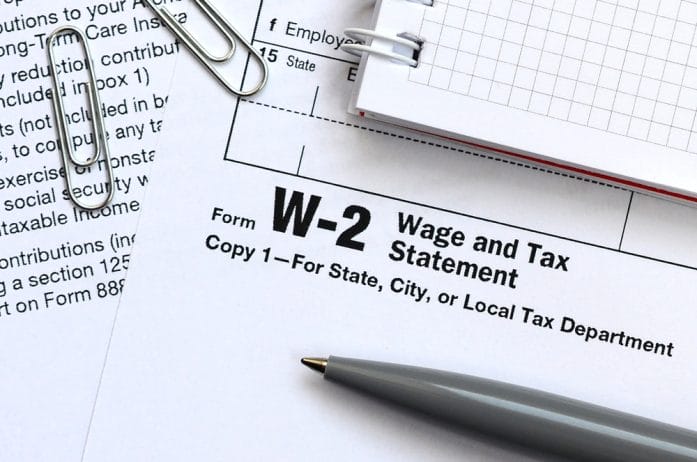
January 20th also falls at a critical point in the tax cycle. Many taxpayers begin seeing forms like W-2s, 1099s, and preliminary interest statements arrive right around this time. Missing the opportunity to organize documents, check deductions, or even estimate tax liabilities can create a domino effect of stress and financial strain. For self-employed individuals, freelancers, or those with variable income, this date signals the moment when financial projections for 2026 become urgent.

Why January 20th Is the 'Red Line' for Your 2026 Financial Stability
Image source: shutterstock.com

The earlier you review your tax situation, the better positioned you are to adjust withholding, make quarterly payments, or capitalize on deductions that can ease the burden later. Ignoring this timing doesn’t make the numbers go away—it only makes January 20th the day you realize you could have avoided an unnecessary headache.

Investment Decisions Need An Early-Year Lens

Financial advisors often stress the importance of early-year planning for investments, and January 20th serves as a key benchmark for decision-making. Markets react to policy announcements, interest rate changes, and corporate earnings projections, all of which can shift rapidly in the first few weeks of the year. By this date, patterns start emerging that inform your investment strategy for the months ahead. Delaying action until February or March could mean missed opportunities or entering positions when market conditions are less favorable. Whether it’s rebalancing a portfolio, adjusting retirement contributions, or reconsidering risk tolerance, January 20th is when the first real course corrections should happen to avoid costly missteps.

Personal Budgets Face Their First Real Test

The start of the year brings optimism, resolutions, and ambitious budgeting plans—but by January 20th, reality often hits. Bills, subscriptions, mortgage payments, and everyday expenses begin to accumulate, revealing whether your budget was aspirational or actually achievable. This is the moment to confront overspending, revisit discretionary categories, and make adjustments before habits become entrenched. Those who procrastinate might find themselves dipping into emergency savings or falling behind on bills, turning a minor inconvenience into a long-term financial challenge.

Approaching January 20th with a clear, realistic view of your cash flow can prevent small missteps from snowballing into full-blown crises.

Debt Management Must Take Priority

If debt management isn’t already a focus, January 20th is a wake-up call. Credit cards, personal loans, and other financial obligations can accumulate silently, with interest quietly chipping away at your available funds. Ignoring this date can result in missed minimum payments, higher interest accrual, and even damage to your credit score. A proactive approach includes reviewing all outstanding debts, prioritizing high-interest accounts, and considering strategies like consolidation or refinancing if necessary. By taking action before the red line of January 20th, you can transform a reactive, stressful financial situation into a structured, controlled plan that sets the stage for a more stable year.

Emergency Funds Should Be Evaluated Now

Finally, January 20th is the perfect checkpoint for your emergency fund. Unexpected expenses—a car repair, medical bill, or home maintenance—can derail financial stability if you’re unprepared. Assessing your savings, ensuring accessibility, and replenishing any shortfalls should be non-negotiable tasks before this date passes. An underfunded emergency cushion can turn minor inconveniences into significant disruptions. Planning for emergencies ahead of the curve isn’t just wise—it’s essential for maintaining momentum in your broader financial goals.

Take Action Before The Red Line

January 20th is more than a date—it’s a marker for proactive financial behavior. It signals the point where post-holiday recovery, tax considerations, budget testing, debt management, and investment strategy all intersect. Ignoring this date can magnify small missteps into larger financial problems. Meanwhile, acting beforehand sets you up for a smoother, more controlled year. Use it as a milestone to assess your overall financial health, make adjustments, and ensure your 2026 goals stay on track.

Have a personal experience or strategy that helped you navigate this crucial day? Leave your thoughts and stories in the comments below, because your insights might help someone else steer clear of pitfalls.

You May Also Like…

10 Financial Wake-Up Calls People Experience After Age 55

Income Stability: 6 Retirement Income Moves That Aren’t as Safe as They Seem

Savings Base: 6 Foundational Moves That Keep Retirement Plans Stable

Why Does Financial Anxiety Show Up Even When Bills Are Paid

8 Budget Fixes That Instantly Turn Finances Around

Brandon Marcus
Brandon Marcus

Brandon Marcus is a writer who has been sharing the written word since a very young age. His interests include sports, history, pop culture, and so much more. When he isn’t writing, he spends his time jogging, drinking coffee, or attempting to read a long book he may never complete.

Filed Under: Finance Tagged With: bank account, banking, Budget, budgeting, Debt, Debt Management, eliminating debt, end of year spending, finance, finances, Financial Stability, general finances, investing choices, investing decisions, investments, January, overspending, Pay Off Debt, personal budget, savings account, Smart Spending, spending, tax deadlines

The One Household Appliance That Will Spike Your Insurance Premiums if Discovered During Inspection

January 18, 2026 by Brandon Marcus Leave a Comment

This Is The One Household Appliance That Will Spike Your Insurance Premiums if Discovered During Inspection
Image source: shutterstock.com

Your home is your sanctuary, but what if one seemingly innocent appliance could turn your cozy haven into a red flag for insurance companies? Most people think about home insurance in terms of fire, flood, or burglary, but there’s one specific appliance that can send premiums soaring faster than a popcorn kernel in a hot pan.

It’s not a flashy new gadget, and it doesn’t beep or flash in neon lights—but insurers treat it like a ticking time bomb. Understanding why this appliance is so problematic can save you a lot of money and, more importantly, a lot of stress.

Why Insurance Companies Fear This Appliance

Insurance companies operate on risk assessment, plain and simple. They look at the likelihood that something in your home could cause a claim, and some appliances immediately raise red flags. The one appliance that consistently triggers higher premiums is the indoor wood-burning stove or fireplace insert. These devices, while cozy and charming, have a track record for fire hazards and smoke damage. Insurers worry because even a small ember that escapes or a buildup of creosote in a chimney can lead to catastrophic damage. In other words, a single moment of negligence or poor maintenance could turn a dream of a warm, crackling fire into a costly nightmare.

Beyond fire, these appliances can impact air quality, create unseen smoke damage in walls, and even void certain parts of a home insurance policy if installed incorrectly. Insurance adjusters are trained to spot these stoves, and if one is found during an inspection, they often consider it high-risk. That can translate to immediate premium hikes, expensive add-ons, or even outright refusal to cover your home until modifications are made.

Common Mistakes Homeowners Make With High-Risk Appliances

Many homeowners don’t realize just how many small errors can turn an indoor stove from a cozy feature into an insurance headache. One of the biggest mistakes is improper installation. Some homeowners try DIY projects, failing to comply with local building codes or manufacturer instructions. This alone can lead to denied claims if a fire occurs. Another common error is neglecting regular cleaning and chimney inspections. Creosote buildup is extremely flammable, and insurers see it as a ticking time bomb. Even using the wrong type of wood or overloading the stove can make your policy more expensive or even invalidate it.

Some people also install stoves in spaces that are too confined or lack proper ventilation. While it may look stylish, insurers know that confined stoves dramatically increase fire risk. Even accessories like hearth pads or protective barriers must meet code. Skipping these details is tempting for a homeowner who wants a seamless look, but insurers notice—and they react with higher premiums.

How To Legally Protect Your Premiums

If you absolutely love the ambiance of a wood-burning stove or fireplace, there are steps you can take to minimize insurance complications. First and foremost, hire a certified professional for installation. Insurers trust professionally installed units, and proper permits and inspections can make a huge difference. Regular maintenance is crucial, too. Have your chimney swept and inspected annually, and follow the manufacturer’s guidelines for wood and fuel usage. These steps don’t just protect your home—they protect your wallet.

It’s also smart to inform your insurer upfront if you plan to install one of these appliances. Transparency allows the company to properly adjust your coverage and may prevent future disputes if a claim arises. Some insurers offer discounts for certain safety measures, like carbon monoxide detectors, spark guards, or high-efficiency stoves that produce less creosote. By following code and implementing safety measures, you show your insurer that you’re mitigating the very risks that could otherwise spike your premium.

Alternative Options That Won’t Break Your Budget

If the potential premium increase feels too steep, there are creative alternatives that still give you warmth and ambiance without triggering insurance headaches. Electric or gas fireplace inserts mimic the visual appeal of a traditional stove but are far safer in the eyes of insurers. These options have a lower fire risk, don’t produce creosote, and often come with built-in safety features. Portable heaters and bioethanol fireplaces are other alternatives that provide warmth and style without major insurance implications.

Many homeowners overlook the fact that decorative stoves or fake fireplace setups can deliver the same cozy vibe for a fraction of the risk. While they won’t produce the same crackling fire experience, they provide atmosphere without jeopardizing your coverage. Insurance companies love it when risk is minimized, and these alternatives are often treated just like any other standard appliance.

This Is The One Household Appliance That Will Spike Your Insurance Premiums if Discovered During Inspection
Image source: shutterstock.com

The Bottom Line On Household Appliances And Insurance

The key takeaway is simple: not all appliances are created equal in the eyes of insurers. While a wood-burning stove can transform your living room into a scene from a rustic magazine, it can also transform your insurance bill into something much less cozy.

Being proactive, following code, and prioritizing maintenance can protect both your home and your wallet. For many homeowners, understanding the potential financial implications before installation is the smartest move. After all, a warm home isn’t worth much if it comes with a sky-high insurance premium or denied claims in the event of an accident.

Have you ever had to adjust your home insurance because of an appliance, or do you have tips for staying cozy without raising premiums? Tell us about your experiences and thoughts in the comments below. Learning from each other’s real-life stories is a great way to navigate the tricky intersection of home comfort and insurance.

You May Also Like…

These 6 Appliances Are Now Banned in Certain States—Do You Own One?

6 Dangerous Home Appliances That You’re Using Every Day

7 Costs That Sneak Up on Fixed-Income Households

7 Fine-Print Exclusions in Your Homeowner’s Policy That Could Cost You Everything

5 Reasons Boomers Are Staying Home Instead of Retiring Away

Brandon Marcus
Brandon Marcus

Brandon Marcus is a writer who has been sharing the written word since a very young age. His interests include sports, history, pop culture, and so much more. When he isn’t writing, he spends his time jogging, drinking coffee, or attempting to read a long book he may never complete.

Filed Under: Lifestyle Tagged With: appliances, Home, home and garden, home appliances, Home insurance, homeowners, homeownership, household essentials, household expenses, household finances, household items, Insurance, insurance companies, Life, Lifestyle, stove, wood-burning stove

Financial Advisor Confession: 7 Things I’m Now Required by Law to Tell My Clients (That I Couldn’t Say in 2025).

January 17, 2026 by Brandon Marcus Leave a Comment

Financial Advisor Confession: 7 Things I’m Now Required by Law to Tell My Clients (That I Couldn’t Say in 2025).
Image source: shutterstock.com

If you’ve ever wondered what financial advisors really think but could never say out loud, the landscape just changed—and it’s shaking things up in ways you won’t want to ignore. In 2026, new laws have forced advisors to be more transparent than ever before. That means clients are finally hearing the kind of behind-the-scenes details that used to be locked behind contracts, vague disclaimers, or polite smiles.

Some of it might surprise you, some of it might make you rethink your own financial habits, and some of it might even make you laugh—if you like your finance with a dash of human honesty.

1. Not Every Advisor Works In Your Best Interest

Let’s get this out of the way: not all advisors are fiduciaries. That’s a fancy word for “legally obligated to act in your best interest.” Before 2026, some advisors could give advice that benefits them more than you, and it was entirely legal. Now, they’re required to disclose whether they’re a fiduciary in every interaction, which is both a relief and a little terrifying. Clients need to know whether the recommendations are truly about their goals or about the fees and commissions someone else might pocket. It’s a rule that forces honesty, and it changes how clients can compare advisors.

Transparency like this can prevent nasty surprises down the road, like realizing your so-called “low-risk” investment had a hidden cost buried deep in the fine print. It’s empowering to finally put clients on an even playing field.

2. Fees Are Not Always What They Appear

If there’s one topic that makes both advisors and clients squirm, it’s fees. You may think you know exactly what you’re paying, but up until 2025, some costs could be obscured or bundled in ways that made them hard to track. Now, advisors have to clearly explain every single fee, including obscure management charges, trading costs, and anything labeled “administrative.” This isn’t just about being transparent; it’s about giving clients the ability to make informed choices.

Knowing the full scope of fees can be shocking, but it also empowers people to negotiate, plan, and avoid unnecessary losses. Suddenly, clients can see exactly what their money is doing behind the scenes. It’s almost like a financial x-ray, revealing everything that was invisible before.

3. Conflicts Of Interest Are Now Front And Center

Before the law changed, conflicts of interest could exist without your knowledge. Advisors could have relationships with fund managers, insurance companies, or other third parties that might subtly influence recommendations. Now, they must disclose these conflicts clearly, every time they apply. This is huge because it forces clients to consider whether a suggestion is genuinely the best choice for them or a convenient opportunity for someone else.

Transparency about conflicts creates trust, but it also sparks conversation, which is exactly what clients deserve. Being upfront allows people to make decisions with full context, not just sales pitches dressed up as advice.

4. Investment Risks Are More Transparent Than Ever

In the past, advisors and their clients could discuss risks in broad strokes: “This fund has some risk,” or “This stock is volatile.” Today, they are required to go deeper and give clients a detailed picture of potential downsides, including worst-case scenarios and historical volatility. That means you can no longer rely on vague assurances like “long-term growth” without knowing what the journey might actually look like.

The truth is, money markets are unpredictable, and acknowledging that upfront makes everyone smarter. Clients now have tools to weigh risk against reward in a way that’s more realistic than ever before. It’s a rare opportunity to have a full conversation about the bumps along the road before you get on it.

Financial Advisor Confession: 7 Things I’m Now Required by Law to Tell My Clients (That I Couldn’t Say in 2025).
Image source: shutterstock.com

5. Past Performance Isn’t Predictive

We’ve all seen those glossy brochures: “Fund X returned 12% last year!” But let’s be real: past performance doesn’t guarantee future results. They are now legally required to emphasize that to clients, in clear, unambiguous language.

No fine print, no sugarcoating. That means even if a fund or stock looks amazing historically, you should make decisions based on strategy, risk tolerance, and long-term goals—not just the headlines. This rule is about protecting clients from making decisions based on hype rather than analysis. Understanding this changes how clients evaluate investments and can prevent panic decisions during market swings. It’s not pessimistic; it’s practical.

6. Everyone Makes Mistakes, Including Advisors

Advisors are human. They analyze, plan, and advise, but they can misjudge markets, misread client needs, or even miscalculate. Starting in 2026, they must acknowledge this explicitly. It doesn’t make advice worthless; it makes it more honest. Clients benefit when we admit there’s no perfect formula for investing. This rule encourages dialogue, flexibility, and adjustments when things don’t go as planned. It’s a reminder that finance is dynamic, and sometimes resilience beats prediction.

7. Client Goals Shape Everything

Perhaps the most powerful change is this: advisors must clearly link advice to your personal goals. Before, advice could sometimes be generic, optimized for returns on paper, rather than aligned with what you actually wanted—buying a house, retiring comfortably, or funding a child’s education. Now, every recommendation must connect to your unique objectives. This is more than legal compliance; it’s a mindset shift. It forces advisors to listen, understand, and tailor strategies to real lives, not just market models. Clients can now demand context, purpose, and reasoning behind every decision, making financial planning a genuinely collaborative process.

New Year, New Financial Rules

The 2026 rules have changed the advisor-client relationship in ways that feel both radical and overdue. Transparency, honesty, and client-centered planning are no longer optional—they’re required. If you’ve experienced financial advice under the old system, you may find these new disclosures enlightening, confusing, or even a little shocking. We’d love to hear what you think about these changes.

Have you noticed the difference in conversations with your advisor? Do these disclosures make you feel more empowered, skeptical, or somewhere in between? Let’s talk about them below.

You May Also Like…

Here’s What Your Financial Advisor Isn’t Telling You About Investing in 2026

Regulation Corner: 6 Hurdles Advisors Expect Clients to Face Next Year

Regulation Impact: 6 Rules That Could Change How You Pay for Financial Advice

8 Cringeworthy Promotions That Foreshadow Fraudulent Financial Advice

The Financial Advice That Works—But Almost No One Follows

Brandon Marcus
Brandon Marcus

Brandon Marcus is a writer who has been sharing the written word since a very young age. His interests include sports, history, pop culture, and so much more. When he isn’t writing, he spends his time jogging, drinking coffee, or attempting to read a long book he may never complete.

Filed Under: Financial Advisor Tagged With: finance, finances, financial advisor, financial advisor clients, financial advisor fees, financial advisor laws, financial advisors, general finance, investment risk, investment risks, investments, Money, money issues

The ‘Retirement Town’ Myth: Why These 5 Dream Locations Are Currently Seeing a Mass Exodus

January 17, 2026 by Brandon Marcus Leave a Comment

The 'Retirement Town' Myth: Why These 5 Dream Locations Are Currently Seeing a Mass Exodus
Image source: shutterstock.com

It sounds like a paradox straight out of a headline: towns once hailed as paradise for retirees are now experiencing an exodus. You’d expect sunshine, golf courses, and easy living to keep people put, but these places are cracking under pressures most residents didn’t see coming.

It isn’t laziness or lifestyle fatigue—it’s something far more real and urgent: the crushing weight of rising costs, especially mortgages. As property taxes, insurance, and escrow payments climb, the dream of a carefree retirement is turning into a financial juggling act. And while everyone assumed “retirement towns” were immune, numbers tell a different story.

1. The Illusion Of Affordable Coastal Living

Coastal towns have always drawn retirees with the promise of ocean breezes, seafood dinners, and sunsets that feel like movie posters. But the reality is that living near the water is getting shockingly expensive. Rising property taxes, hurricane insurance, and upkeep costs are turning what was once a dream into a monthly balancing act. Many homeowners who bought decades ago at reasonable prices are now watching their escrow payments balloon, sometimes doubling over a few years.

Retirement budgets that seemed adequate now feel squeezed, forcing residents to reconsider. Add to this the influx of remote workers willing to pay top dollar for beachfront views, and suddenly, locals find themselves outbid or financially strained. It’s a classic case of paradise costing more than anyone planned.

The 'Retirement Town' Myth: Why These 5 Dream Locations Are Currently Seeing a Mass Exodus
Image source: shutterstock.com

2. Mountain Towns Are Not Immune To Rising Costs

Retreating to the mountains for fresh air and peace of mind seemed foolproof, but the reality is striking a similar chord. Property values in mountain towns have soared as city dwellers search for tranquility, leaving retirees scrambling to keep up. Escrow burden isn’t just a minor inconvenience—it’s a game-changer. Rising insurance premiums for wildfire and flood risk, combined with higher property taxes, have transformed manageable mortgages into financial pressure cookers.

Retirees who moved here for budget-friendly serenity now find themselves juggling healthcare, living expenses, and mortgage hikes all at once. What was once a calm refuge is now a battleground of numbers and spreadsheets, leaving some no choice but to relocate.

3. Southern Suburbs Face Unexpected Exodus

Southern suburbs in states like Texas and Florida were long considered safe bets for retirees: warm weather, community amenities, and relatively low cost of living. But the “low cost” label is starting to fray at the edges. Rising property taxes and escalating homeowners’ insurance are now a real concern.

Monthly payments that once felt comfortable now require careful recalculation and sacrifices elsewhere in the budget. Retirement, the dream of a stress-free financial horizon, is suddenly complicated. Even longtime residents who’ve built roots for decades are rethinking their options, heading to quieter, more financially manageable towns.

4. Desert Communities Are Feeling The Pinch

Desert locales with endless sun and low humidity might sound perfect, but they come with hidden costs that often catch retirees off guard. Water scarcity, rising utility bills, and insurance for extreme weather events are inflating the cost of living. Many residents are discovering that their mortgages, which seemed reasonable when calculated years ago, have grown heavier as escrow accounts inflate to cover property taxes and insurance.

The dream of a leisurely retirement amid cacti and golf courses clashes with reality, leading some to trade sun-soaked mornings for more affordable regions. The mass exodus from these communities highlights a hard truth: paradise doesn’t come cheap, and no sunny landscape can erase financial pressure.

5. Lakeside Towns Are Experiencing Surprising Departures

Lakeside towns often market themselves as ideal spots for fishing, boating, and scenic relaxation. Yet many retirees are realizing that waterfront living comes with a premium. Property taxes, home insurance, and mortgage costs are climbing faster than the serene waves ever could. Escrow burdens can turn what seemed like a stable retirement into a constant source of stress and calculation.

As monthly payments rise, residents find themselves making tough choices between lifestyle and financial stability. Longstanding communities are witnessing a trickle-turning-flood of departures, revealing that even a lakefront view doesn’t shield against fiscal reality.

What Does This Mean For Retirees?

The exodus from these “dream” retirement towns is more than just a passing trend—it’s a wake-up call for anyone planning their golden years. Rising mortgage payments, especially those tied to heavy escrow burdens, are reshaping where retirees can afford to live without compromising their lifestyle or peace of mind. If you’ve experienced this firsthand or are navigating similar challenges, the financial and emotional balancing act can feel overwhelming.

Your experiences, advice, and personal insights can help others understand the realities behind these once-idyllic towns. Add your thoughts or stories in the comments below and join the conversation about how retirement dreams are evolving in today’s economic climate.

You May Also Like…

10 Costs That Make Retirement Budgets Feel Unstable

8 Home Upgrades Seniors Are Choosing Over Moving Into Facilities

The Surprising Way Virtual Reality Is Bringing New Connections to Seniors in Their 60s

Income Boost: 6 Ways Retirees Are Increasing Cash Flow

Savings Repair: 4 Moves to Catch Up if You’re Within 10 Years of Retirement

Brandon Marcus
Brandon Marcus

Brandon Marcus is a writer who has been sharing the written word since a very young age. His interests include sports, history, pop culture, and so much more. When he isn’t writing, he spends his time jogging, drinking coffee, or attempting to read a long book he may never complete.
Filed Under: Retirement Tagged With: accelerated retirement, coastal living, delayed retirement, dream locations, moving, relocation, retire, Retirement, retirement planning, retirement plans, retirement towns, rising housing costs

Why Landlords Are Now Using ‘AI Scoring’ to Reject Tenants Over Age 55

January 17, 2026 by Brandon Marcus Leave a Comment

Why Landlords Are Now Using 'AI Scoring' to Reject Tenants Over Age 55
Image source: shutterstock.com

The rental market is evolving faster than anyone could have imagined, and not always in ways renters would like. Suddenly, older tenants are finding themselves on the wrong side of algorithms they didn’t even know existed. Artificial intelligence isn’t just predicting the weather or curating your playlist anymore—it’s quietly infiltrating apartment applications.

Landlords across the country are now using AI scoring systems to vet potential tenants, and for people over 55, the results can be unexpectedly harsh. At the same time, mortgage payments are climbing to dizzying heights, leaving landlords with tighter margins and more reason to rely on data-driven decision-making. The combination is creating a storm of tension in the rental market, and older renters are often caught in the eye.

Understanding AI Scoring In Rentals

AI scoring in the rental market works similarly to credit scoring, but it’s far more complex and opaque. These systems analyze a variety of factors—payment histories, employment stability, sometimes even the digital footprint of potential tenants—to assign a numerical value to an applicant. The higher the score, the more likely the tenant is deemed “low risk.” Unfortunately, older renters often fall into lower tiers, not because they are unreliable, but because their financial history or credit mix doesn’t fit the algorithm’s preferred patterns.

Landlords, who are increasingly stretched by rising mortgage costs and property taxes, are leaning on these automated scores as a shortcut to minimize risk. For tenants over 55, a lifetime of responsible renting doesn’t always translate into a favorable AI rating, making it much harder to secure housing.

The Mystery Of Rising Mortgage Payments

One of the driving forces behind this shift is the mounting pressure on landlords to cover skyrocketing mortgage payments. Across the United States, interest rates have climbed. This leaves monthly payments far higher than they were just a few years ago. In Texas, for example, 44% of mortgages are now considered “escrow burdened,” meaning the combination of taxes, insurance, and principal payments strains homeowners’ finances.

Unfortunately, this has unintended consequences for older renters who may have fixed incomes or less conventional financial histories. What seems like a simple background check is, in reality, part of a complex financial calculus landlords are forced to make to stay afloat.

Why Age Becomes A Factor

Age is not explicitly coded into most AI scoring systems, but it can appear indirectly through other variables. Retirement status, income sources, or even gaps in employment history can all signal to the algorithm that an applicant is “older” or potentially higher risk. While age discrimination is illegal, the opaque nature of AI makes it difficult for tenants to contest these decisions. Older renters may notice their applications being denied without a clear explanation, leaving them frustrated and confused.

Meanwhile, landlords see it as an efficiency tool, a way to pre-screen tenants without poring over hundreds of applications. This creates an uneven playing field where responsible older renters can be penalized simply because their financial profile doesn’t align with the AI’s preferred model.

The Human Impact Of AI Decisions

The effects of AI scoring extend beyond numbers and spreadsheets. Rejected tenants often face stress, uncertainty, and even the need to move farther from work, family, or support networks. Some landlords argue that AI scoring is simply a reflection of economic reality, a safeguard against missed rent payments in a market strained by rising costs. But for older renters, it can feel impersonal and unfair, stripping away the human judgment that used to accompany renting. Stories are emerging of seniors being denied apartments despite impeccable rental histories, leaving them feeling sidelined in a system that’s supposed to protect fairness and reliability. The tension is real: on one hand, landlords need to manage financial risk; on the other, older renters are confronting technology that seems to misunderstand their stability and reliability.

How Renters Can Respond

While AI scoring feels like an insurmountable barrier, older renters aren’t entirely powerless. Gathering a robust application portfolio, including references, a detailed rental history, and proof of income stability, can help counteract algorithmic assumptions. Some tenants are turning to co-signers or rental insurance policies to strengthen their applications. Advocacy groups are also beginning to examine AI practices in housing. They are pushing for transparency and regulation to ensure these systems don’t inadvertently discriminate.

The goal is not to eliminate AI but to create safeguards that balance landlord risk with fairness for renters of all ages. Knowledge, preparation, and persistence are key. Understanding the system and presenting yourself as a strong candidate can make a real difference in what feels like a biased environment.

Why Landlords Are Now Using 'AI Scoring' to Reject Tenants Over Age 55
Image source: shutterstock.com

Looking Ahead: AI And The Rental Market

The use of AI in renting is likely to grow. Landlords may rely even more heavily on automated scoring to navigate financial pressure, making transparency and regulation increasingly critical. For renters over 55, awareness is the first step toward mitigating potential disadvantages. Technology may be reshaping the rental market, but human ingenuity and persistence can still level the playing field. As both renters and landlords adapt, it’s becoming clear that AI is not just a tool—it’s a game-changer, one that requires vigilance, preparation, and a little strategic savvy from anyone looking to secure a home in a challenging market.

Let’s Have A Conversation About Renting

AI scoring in renting raises questions that touch all corners of the housing market, especially for older tenants navigating rising mortgage pressures and opaque algorithms. We want to hear your experiences:

Have you noticed AI affecting your rental applications? How are you adapting to the new landscape? Tell your story in the comments section below. Your insights could help others understand, navigate, and maybe even challenge these emerging trends.

You May Also Like…

13 Intriguing Ideas for Generating Passive Rental Income Streams

7 Outrageous Costs Hidden in Apartment Leases

No Backyard? No Problem! 10 Ideal Pets for Tiny Homes and Apartments

Which Sneaky Bills Have The Biggest Chance To Rise In 2026?

6 Sneaky Ways Landlords Profit From Tenants


Brandon Marcus
Brandon Marcus

Brandon Marcus is a writer who has been sharing the written word since a very young age. His interests include sports, history, pop culture, and so much more. When he isn’t writing, he spends his time jogging, drinking coffee, or attempting to read a long book he may never complete.

Filed Under: Lifestyle Tagged With: AI, AI scoring, apartment hunting, apartment leases, artificial intelligence, Landlord, landlords, Life, Lifestyle, mortgage payments, rental properties, rental property, renting an apartment, senior citizens, seniors, tenant rights, tenants

  • « Previous Page
  • 1
  • …
  • 132
  • 133
  • 134
  • 135
  • 136
  • …
  • 157
  • Next Page »

Follow Us

Search this site:

Recent Posts

  • Can My Savings Account Affect My Financial Aid? by Tamila McDonald
  • 12 Ways Gen X’s Views Clash with Millennials… by Tamila McDonald
  • What Advantages and Disadvantages Are There To… by Jacob Sensiba
  • Call 911: Go To the Emergency Room Immediately If… by Stephen Kanaval
  • 7 Weird Things You Can Sell Online by Tamila McDonald
  • 10 Scary Facts About DriveTime by Tamila McDonald
  • How to Avoid NJ Exit Tax by Jacob Sensiba

Copyright © 2026 · News Pro Theme on Genesis Framework