• Home
  • About Us
  • Toolkit
  • Getting Finances Done
    • Hiring Advisors
    • Debt Management
    • Spending Plan
  • Insurance
    • Life Insurance
    • Health Insurance
    • Disability Insurance
    • Homeowners/Renters Insurance
  • Contact Us
  • Risk Tolerance Quiz
  • Our Editorial Commitment

The Free Financial Advisor

You are here: Home / Archives for social security payments

Why Some Retirees Are Getting Stuck in Social Security Payment Limbo

May 16, 2026 by Brandon Marcus Leave a Comment

Why Some Retirees Are Getting Stuck in Social Security Payment Limbo
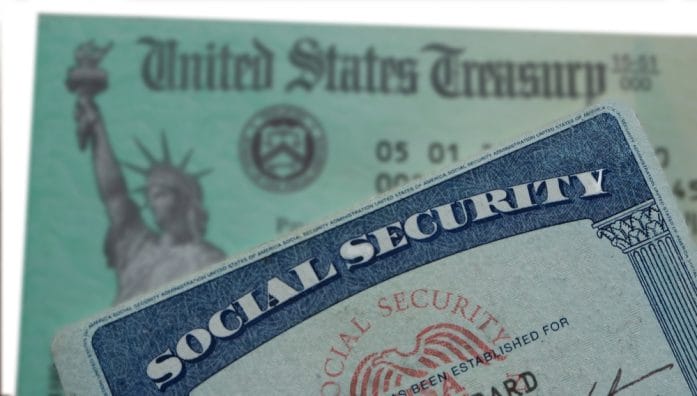
A social security card and check behind it – Shutterstock

Retirement should bring financial stability, not confusion at the mailbox or bank account. Yet across the United States, some retirees face unexpected delays, missing deposits, or frozen Social Security payments that throw carefully planned budgets into chaos. These disruptions do not just cause inconvenience—they can trigger missed rent payments, delayed prescriptions, and rising stress for people on fixed incomes. The Social Security Administration processes millions of payments each month, but even small errors in data or timing can create ripple effects. Understanding what causes these delays helps retirees protect their income and reduce financial risk.

Many of these issues come from system updates, identity verification checks, or banking mismatches that quietly stall payments. A retiree may assume everything looks fine on their end while a backend issue blocks the transfer. In some cases, retirees only discover the problem after their expected deposit fails to arrive.

Banking Errors and Direct Deposit Mismatches Can Freeze Payments

Banking issues rank among the most common reasons Social Security payments get delayed or suspended. A single incorrect account number or routing change can stop a monthly deposit without warning. Financial institutions also merge, rebrand, or update systems, which can cause old account details to become invalid. When that happens, the Social Security Administration may flag the payment and hold it until verification completes.

Even small mistakes create big delays. A retiree who switches banks without updating records may wait weeks for funds to reroute correctly. The SSA requires accurate and verified banking details before releasing funds again, which slows the process even further. Some retirees only notice the issue after their bills start stacking up, forcing urgent calls to both the bank and federal offices. This chain reaction shows how one administrative detail can disrupt an entire financial plan.

Identity Verification Holds Are Increasing for Security Reasons

Security checks now play a bigger role in Social Security payment delays than ever before. The Social Security Administration uses automated systems to confirm identity changes, address updates, or suspicious account activity. These safeguards protect against fraud, but they also create unexpected pauses for legitimate retirees. A simple mismatch between records and updated personal information can trigger a temporary hold.

Retirees often experience delays after moving, changing phone numbers, or updating legal documents. The system may flag the account until it confirms consistency across all databases. That verification process can take days or even weeks depending on the complexity of the case. During that time, payments remain suspended even if no actual fraud exists. This growing reliance on automated checks highlights the tension between security and convenience in federal benefit systems.

Processing Backlogs and Staffing Strains Slow Down Resolutions

Administrative delays inside the Social Security system also contribute to payment limbo. Offices handle high volumes of claims, updates, and corrections every month, and staffing shortages stretch processing times even further. When errors occur, workers must manually review cases, which adds additional waiting time. That backlog creates a domino effect across thousands of pending payments.

Retirees often feel the impact during peak periods, such as the beginning of the year or after major policy updates. During those times, even simple fixes take longer to resolve. A corrected file may sit in a queue for weeks before approval. This delay does not reflect a loss of benefits, but it still interrupts financial stability. The system prioritizes accuracy, but that accuracy sometimes comes at the cost of speed.

Technical Glitches and System Updates Disrupt Monthly Deposits

Technology plays a major role in Social Security payment distribution, and that creates its own risks. System upgrades, database migrations, and software patches occasionally introduce temporary errors. When those updates occur, payment files may not process correctly, leading to missing or delayed deposits. Even brief outages can affect thousands of retirees at once.

Some retirees also experience issues when automated systems fail to sync updated records across platforms. That disconnect can cause duplicate flags, incorrect holds, or rejected transfers. Although engineers usually fix these issues quickly, retirees still feel the financial strain during the downtime. These technical hiccups highlight how dependent modern retirement income has become on complex digital systems. Even a short disruption can create real-world consequences for people relying on every dollar.

How Retirees Can Protect Themselves From Payment Delays

Retirees can take proactive steps to reduce the risk of Social Security payment disruptions. Keeping banking details current with the Social Security Administration helps prevent unnecessary holds. Regularly reviewing account information also ensures that no outdated data lingers in the system. Simple updates often prevent weeks of frustration later.

Monitoring payment schedules also helps retirees catch problems early. A missed deposit should trigger immediate action through both the bank and the SSA. Keeping copies of recent benefit statements, personal identification documents, and contact records can speed up resolution times. Many retirees also benefit from setting up alerts through their banks to track incoming deposits in real time. These small habits create a stronger safety net around monthly income.

Why Some Retirees Are Getting Stuck in Social Security Payment Limbo
A senior couple about to receive a Social Security check – Shutterstock

What Retirees Should Remember About Social Security Payment Delays

Social Security payment limbo rarely happens without a reason, even if that reason stays hidden behind layers of bureaucracy or technology. Banking mismatches, identity checks, staffing delays, and system glitches all play a role in disrupting payments. Each issue carries its own fix, but resolution often takes time and patience. Retirees who stay alert to changes and maintain accurate records reduce their chances of getting caught in these delays.

What steps do you think would make Social Security payments more reliable for retirees?

You May Also Like…

Social Security Checks Are Getting Smaller for Some Retirees—And It’s Not a Benefit Cut

The Next Medicare Premium Shock Could Hit Retirees Harder Than Expected

8 Ways Seniors Could Lose Social Security Benefits Without Realizing It

Why More Seniors Are Getting Surprise Social Security Overpayment Notices

10 Financial Mistakes: What to Avoid After Receiving a Social Security Overpayment Notice

Brandon Marcus
Brandon Marcus

Brandon Marcus is a writer who has been sharing the written word since a very young age. His interests include sports, history, pop culture, and so much more. When he isn’t writing, he spends his time jogging, drinking coffee, or attempting to read a long book he may never complete.

Filed Under: social security Tagged With: benefit checks, direct deposit issues, Financial Security, government benefits, retirees, retirement benefits, retirement income, retirement planning, Social Security, social security payments, SSA delays, SSA errors

Why Social Security Is Updating Payment Information for Older Beneficiaries This Year

May 1, 2026 by Brandon Marcus Leave a Comment

Why Social Security Is Updating Payment Information for Older Beneficiaries This Year
Image Source: Shutterstock.com

Social Security rarely makes headlines unless something big is brewing—and right now, something important is happening behind the scenes. The agency continues modernizing its systems and reviewing individual cases when discrepancies surface, and while that may sound like routine maintenance, the ripple effects can still matter for older beneficiaries.

These updates aren’t part of a sweeping new program, but they do reflect ongoing efforts to keep records accurate as technology improves. For retirees who rely on Social Security as a primary income source, even a small correction can feel significant. Staying informed helps avoid confusion and ensures that benefits reflect the most accurate information available.

Why Social Security Is Reviewing and Correcting Some Records Now

The Social Security Administration periodically updates records when new information becomes available or when its systems flag inconsistencies. Older files, especially those created decades ago, may contain gaps or manual-entry errors that only come to light when beneficiaries report changes, request reviews, or when automated systems detect something unusual. As SSA continues shifting from older paper-based processes to more modern digital tools, it becomes easier to identify mismatches in earnings histories, marital status updates, or benefit calculations.

These updates are not driven by a new law or a special initiative, but by the agency’s ongoing responsibility to maintain accurate records. When beneficiaries report life changes—such as a marriage, divorce, or updated work history—SSA may revisit earlier calculations to ensure benefits remain correct. In some cases, the agency also conducts routine quality reviews that can uncover discrepancies. These efforts reflect a broader push toward modernization and accuracy rather than a targeted overhaul of older beneficiaries’ payments.

Who Is Most Likely to See Their Records Updated

Beneficiaries with long or complex work histories are the most likely to see updates. People who worked multiple jobs, had periods of self-employment, or earned income that was not properly reported at the time may see adjustments when SSA reconciles those records. Widows, widowers, and divorced spouses may also experience updates because their benefits depend on another person’s earnings record, which can change if new information is added or corrected.

Individuals who delayed retirement past full retirement age sometimes discover that their delayed retirement credits were not fully reflected in earlier calculations. When SSA identifies these gaps, it can adjust the benefit amount accordingly. These updates are not tied to age alone; they occur when new information surfaces or when the agency identifies a discrepancy that needs correction.

What These Updates Could Mean for Monthly Benefits

For some beneficiaries, updates may result in a modest increase in monthly payments. If SSA determines that someone was underpaid due to an outdated record or missing earnings information, the agency can issue retroactive payments to make up the difference. These adjustments can improve financial stability for retirees living on fixed incomes, even if the increase is small.

A smaller number of beneficiaries may see reductions if SSA finds that they were overpaid in the past. While this possibility can feel unsettling, the agency typically works with individuals to create manageable repayment plans and avoids sudden, steep cuts. Beneficiaries receive official notices explaining any changes, along with information about appeal rights. The goal is accuracy, not disruption, and SSA generally prioritizes minimizing hardship for older Americans.

Why Social Security Is Updating Payment Information for Older Beneficiaries This Year
Image Source: Shutterstock.com

How Beneficiaries Can Stay Prepared and Informed

Beneficiaries can make this process smoother by reviewing their Social Security statements regularly and ensuring that their personal information is up to date. Checking earnings records, marital status, and benefit details can help identify issues early. Keeping documents such as tax records, W‑2s, marriage certificates, or divorce decrees in an accessible place can also be helpful if questions arise.

Staying alert to official communication from SSA is equally important. Scammers often take advantage of confusion around benefit updates, so verifying the source of any message is essential. Legitimate notices will come through official channels and will not demand immediate payment or sensitive information. Beneficiaries who feel uncertain can contact SSA directly or consult a trusted benefits counselor for clarity. A little awareness goes a long way in preventing misunderstandings.

Behind These Ongoing Adjustments

These updates reflect how Social Security continues adapting to a changing population and a more digital world. Americans live longer, work in more varied ways, and often have more complex financial histories than previous generations. That reality requires a system capable of correcting itself when new information becomes available. By updating records as needed, SSA strengthens the long-term reliability of the program and helps ensure that benefits remain accurate.

Modernization also plays a central role. As SSA improves its technology, it becomes easier to identify discrepancies that once went unnoticed. While no system is perfect, these updates demonstrate an ongoing effort to improve accuracy and maintain trust. For beneficiaries, that means a more dependable source of income and fewer long-term errors that could affect retirement security.

What This Means for Retirement Confidence Going Forward

These updates serve as a reminder that retirement income benefits are not static—they evolve as records are corrected and information is updated. Beneficiaries who stay engaged with their Social Security information tend to catch issues earlier and feel more confident about their long-term financial outlook. Awareness helps retirees ask questions, understand changes, and ensure that their benefits reflect what they have earned.

Looking ahead, continued modernization may lead to more consistent reviews, though not necessarily large-scale recalculations. A system that regularly checks its own data reduces the risk of long-term inaccuracies and strengthens trust for future retirees. These quiet adjustments may not make headlines, but they play an important role in maintaining the integrity of a program millions depend on.

A Quiet Process With Real Financial Impact

Social Security’s ongoing record updates may not come with major announcements, but they still carry real consequences for everyday finances. Whether the outcome brings a small increase, a correction, or simply reassurance, the process highlights the importance of accuracy in retirement income. Paying attention now can prevent surprises later and ensure that benefits align with what beneficiaries have earned. For millions of retirees, that stability matters just as much as the monthly check itself.

What do you think about these Social Security updates—helpful correction or unnecessary hassle? Give us your thoughts below in our comments section.

You May Also Like…

The Overlooked Spousal Benefit Guideline That Quietly Cuts Monthly Social Security Payments

The 4 Social Security Rules Experts Say Everyone Should Know Before Age 62

Social Security COLA Gains Are Being Offset by Rising Medicare Costs

Social Security Is Under Pressure — The Worker-to-Retiree Ratio Is Falling

Florida’s Insurance Spike: Why Retirees Are Seeing “Rebuild Fees” on May Statements

Brandon Marcus
Brandon Marcus

Brandon Marcus is a writer who has been sharing the written word since a very young age. His interests include sports, history, pop culture, and so much more. When he isn’t writing, he spends his time jogging, drinking coffee, or attempting to read a long book he may never complete.

Filed Under: social security Tagged With: aging population, benefits update, COLA, cost-of-living adjustment, Financial Security, government benefits, retirement income, retirement planning, seniors, Social Security, social security payments, SSA changes

The Sunshine State Squeeze: Why Florida Retirees are Seeing Smaller Social Security Checks This Week

January 18, 2026 by Brandon Marcus Leave a Comment

The Sunshine State Squeeze: Why Florida Retirees are Seeing Smaller Social Security Checks This Week
Image source: shutterstock.com

Sunshine, sandy beaches, and palm trees—Florida has always been the poster child for retirement dreams. But this week, a less sunny reality is hitting some retirees in the wallet.

Social Security checks, a vital lifeline for many seniors, are coming in smaller than expected, leaving a wave of concern and confusion. While a few dollars might not seem like much to some, for many retirees, every penny counts. The reason behind the reduction isn’t a mystery, but it’s a combination of economic forces, policy rules, and timing quirks that even seasoned retirees might not have anticipated.

Understanding why your check is smaller can help you plan better, avoid stress, and maybe even find a few clever ways to soften the impact.

Understanding The Mechanics Of Social Security Payments

Social Security payments are calculated based on lifetime earnings, age at retirement, and adjustments for inflation known as the Cost-of-Living Adjustment (COLA). Each year, the Social Security Administration evaluates inflation rates and other economic factors to determine how much your monthly benefit will rise. But here’s the twist: the system also has rules that can temporarily reduce payments. For example, if you are working while receiving benefits, or if certain deductions apply, your check can shrink unexpectedly.

Florida retirees might notice the effect this week due to how taxes, healthcare premiums, and other contributions are factored in. Even minor fluctuations in Medicare premiums, which are automatically deducted from Social Security, can create a noticeable dent in a check. The result? A smaller payment that feels like a sting when bills are due.

How Economic Factors Are Affecting Retirees Right Now

Inflation and interest rate changes play a surprisingly big role in Social Security payments. Even with the annual COLA designed to keep pace with inflation, retirees can feel squeezed when prices for groceries, utilities, and gas rise faster than expected. Recent spikes in energy costs, combined with a slow adjustment in the COLA, are creating a mismatch that hits retirees in Florida especially hard.

Florida’s large retiree population means many seniors are relying on fixed incomes, making any reduction in cash flow noticeable. Bank statements, once predictable, can suddenly show a drop that triggers immediate concern. Experts note that even small percentage changes in inflation calculations or Medicare premiums can reduce checks by dozens of dollars per month. That’s enough to disrupt a carefully planned budget for groceries, prescriptions, or leisure activities.

The Sunshine State Squeeze: Why Florida Retirees are Seeing Smaller Social Security Checks This Week
Image source: shutterstock.com

Timing And Administrative Factors That Lead To Check Reductions

Sometimes, the timing of payments and deductions can make it seem like your Social Security check is shrinking when, in reality, it’s just a temporary quirk. The SSA coordinates with Medicare, supplemental insurance providers, and even tax authorities to ensure deductions are applied correctly. When these agencies adjust their figures—especially after the holidays or the start of the new year—checks can fluctuate. Florida retirees who are used to receiving a consistent amount may see the change this week simply because of how the administrative calendar aligns with their payment schedule. Additionally, if a retiree recently updated direct deposit information, switched Medicare plans, or had late reporting of income, the system can adjust payments retroactively. That means your check could bounce back to normal—or even increase—next month.

Strategies Florida Retirees Can Use To Mitigate The Impact

Even if your Social Security check is temporarily smaller, there are strategies to keep finances manageable. First, reviewing Medicare premiums and supplemental insurance options can sometimes reduce deductions. Secondly, careful budgeting around the timing of bills and expenses can help bridge the gap. Retirees can also take advantage of state-specific programs that offer utility or property tax relief for seniors. Staying informed about COLA announcements, healthcare premium adjustments, and federal policy updates is another proactive step.

Many retirees are turning to local senior centers or online communities to exchange practical tips and experiences, which can be invaluable for understanding how others are handling similar situations. Finally, consulting a certified financial planner can provide personalized guidance tailored to your income, expenses, and retirement goals.

The Human Side Of Smaller Social Security Checks

It’s easy to look at numbers and see a few dollars, but the real impact is on people’s daily lives. Retirees in Florida rely on Social Security for essentials: groceries, medication, transportation, and maintaining independence. Even a small reduction can cause stress, forcing tough choices between necessities and leisure activities that keep life enjoyable. There’s also an emotional side: these payments represent decades of work, security, and planning.

When a check comes in smaller than expected, it can feel like a personal setback, even if the system is following the rules. Understanding why it happened, keeping perspective, and planning ahead can help retirees navigate these fluctuations without panic. Communities and family support networks often play a key role in buffering the impact, proving that while money matters, connection and guidance matter too.

Looking Ahead: What Retirees Can Expect

While this week’s reduction is jarring, it’s not necessarily a permanent trend. Social Security payments are dynamic, responding to economic conditions, policy changes, and personal circumstances. Retirees can expect occasional variations, but over time, COLA adjustments usually help offset inflation and rising costs. Staying informed, checking statements regularly, and asking questions when discrepancies arise is the best way to avoid surprises.

For Florida retirees, the key is preparation: budgeting for small fluctuations, exploring cost-saving measures, and understanding the system’s mechanics. A smaller check today doesn’t mean long-term financial trouble, but it does highlight the importance of vigilance and flexibility in retirement planning.

Your Thoughts And Experiences As A Retiree

Smaller Social Security checks are more than a number—they’re a moment to reassess, plan, and connect with others navigating the same journey.

If you’ve noticed a dip in your payment or have tips on managing fluctuations, we’d love to hear your perspective in the comments section.

You May Also Like…

The Florida Insurance Trap: Why “Safe” Neighborhoods Are Facing a $500 Monthly Payment Hike This Week

Why South Carolina is Beating Florida in Retirement Relocation

Setting Realistic Expectations: What Will Building a Home in Florida Cost You?

8 Cities Millennials Are Flocking To — And Why

Could Your Social Security Plans Collapse If The Economy Shifts Again This Winter?

Brandon Marcus
Brandon Marcus

Brandon Marcus is a writer who has been sharing the written word since a very young age. His interests include sports, history, pop culture, and so much more. When he isn’t writing, he spends his time jogging, drinking coffee, or attempting to read a long book he may never complete.

Filed Under: Retirement Tagged With: Florida, retire, retiree, retirees, Retirement, retirement accounts, retirement planning, senior citizens, seniors, Social Security, Social Security Administration, social security checks, social security payments

FOLLOW US

Search this site:

Recent Posts

  • Can My Savings Account Affect My Financial Aid? by Tamila McDonald
  • 12 Ways Gen X’s Views Clash with Millennials… by Tamila McDonald
  • What Advantages and Disadvantages Are There To… by Jacob Sensiba
  • 10 Tactics for Building an Emergency Fund from Scratch by Vanessa Bermudez
  • Call 911: Go To the Emergency Room Immediately If… by Stephen Kanaval
  • 7 Weird Things You Can Sell Online by Tamila McDonald
  • 10 Scary Facts About DriveTime by Tamila McDonald

Copyright © 2026 · News Pro Theme on Genesis Framework