• Home
  • About Us
  • Toolkit
  • Getting Finances Done
    • Hiring Advisors
    • Debt Management
    • Spending Plan
  • Insurance
    • Life Insurance
    • Health Insurance
    • Disability Insurance
    • Homeowners/Renters Insurance
  • Contact Us
  • Privacy Policy
  • Risk Tolerance Quiz

The Free Financial Advisor

You are here: Home / Archives for behavioral economics

How To Make Plans During Such Economic Uncertainty

January 22, 2026 by Brandon Marcus Leave a Comment

How To Make Plans During Such Economic Uncertainty

Image source: shutterstock.com

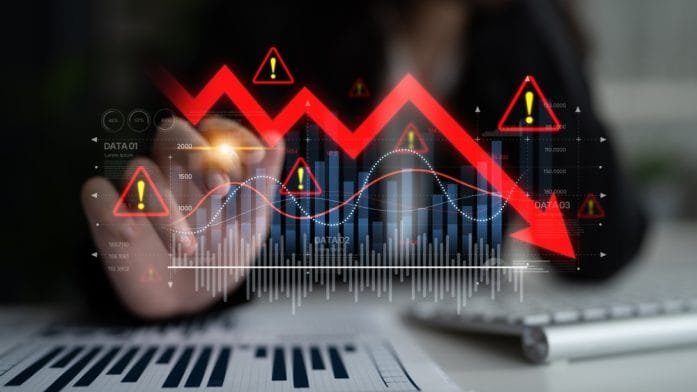
The world feels a little wobbly right now, and it’s not just your imagination. Prices jump, headlines shout, and even the calmest planners find themselves double-checking every decision. Yet uncertainty doesn’t have to freeze you in place. In fact, moments like these are where creativity, flexibility, and level-headed planning shine brightest.

Making plans during economic uncertainty isn’t about predicting the future perfectly; it’s about learning how to move forward without losing sleep, joy, or your sense of humor.

Understand What Uncertainty Really Means

Economic uncertainty sounds ominous, but it’s often misunderstood. It doesn’t mean everything is falling apart or that every plan is doomed to fail. It simply means conditions are changing in ways that are harder to predict than usual. Markets fluctuate, policies shift, and consumer behavior adjusts, sometimes quickly.

Recognizing this helps you avoid panic-driven decisions and focus on what you can actually control. When you accept uncertainty as a normal phase rather than a personal threat, planning becomes less emotional and more strategic. That mindset alone can dramatically improve the quality of your choices.

Focus On What You Can Control

When uncertainty rises, attention tends to drift toward worst-case scenarios. Instead, redirect your energy toward factors within your influence. Your spending habits, savings rate, skills, and time management are powerful levers.

Tightening a budget, even slightly, can create breathing room and confidence. Investing in learning new skills or improving existing ones increases flexibility if job conditions change. Control doesn’t mean perfection; it means clarity. By anchoring plans in areas you can manage, you build stability even when the broader picture feels shaky.

Build Flexible Goals Instead Of Rigid Ones

Rigid plans crack under pressure, but flexible goals bend and adapt. Rather than committing to one narrow outcome, define goals with room to adjust. For example, aim to grow income through multiple paths instead of relying on a single promotion or opportunity. Create timelines with buffers rather than exact deadlines carved in stone.

Flexibility allows you to respond thoughtfully instead of reacting impulsively. It also reduces stress, because adjustments feel like part of the plan rather than a failure. In uncertain times, adaptability is a form of intelligence.

How To Make Plans During Such Economic Uncertainty

Image source: shutterstock.com

Keep Short-Term And Long-Term Plans Separate

One common mistake is letting short-term anxiety hijack long-term vision. While it’s wise to be cautious right now, abandoning future goals entirely can be counterproductive. Separate your planning into near-term actions and long-term aspirations.

Short-term plans might focus on cash flow, emergency savings, or reducing unnecessary expenses. Long-term plans can still include career growth, home ownership, or personal projects, just with flexible pacing. This separation keeps fear from shrinking your dreams while still respecting present realities. Balance is the real win here.

Use Information Without Letting It Overwhelm You

Information is helpful until it becomes noise. During economic uncertainty, updates arrive constantly, and not all of them deserve equal attention. Choose a few reliable sources and limit how often you check them.

Overconsumption of news can distort perception and fuel anxiety-driven decisions. Instead, look for patterns rather than daily fluctuations. Ask how trends affect your specific situation rather than reacting to every headline. Thoughtful planning thrives on clarity, not constant alerts buzzing in your pocket.

Leave Room For Enjoyment And Humanity

Planning during uncertain times doesn’t mean stripping life down to bare essentials only. Joy, rest, and connection are not luxuries; they’re stabilizers. Allow space in your plans for small pleasures and meaningful experiences. This might mean choosing cost-conscious enjoyment rather than eliminating it altogether.

When life feels balanced, decision-making improves and burnout becomes less likely. Humans plan better when they feel grounded and hopeful. A plan that ignores emotional well-being is rarely sustainable, no matter how logical it looks on paper.

Revisit And Revise Plans Regularly

Plans are living things, not contracts etched into marble. Schedule regular check-ins with yourself to see what’s working and what isn’t. Economic conditions evolve, and your plans should evolve with them.

Revising a plan isn’t a sign of weakness or indecision; it’s evidence of engagement and awareness. These moments of reflection also build confidence, because you’re actively steering instead of drifting. Over time, this habit turns uncertainty into something manageable rather than intimidating.

Planning With Confidence, Not Fear

Economic uncertainty challenges everyone, but it also reveals resilience, creativity, and perspective. Making plans during these times is less about predicting outcomes and more about building systems that support you no matter what happens. With flexibility, clarity, and a bit of patience, planning becomes empowering rather than stressful.

Everyone has their own experiences navigating uncertain moments, and those stories matter. Drop your thoughts or personal experiences in the comments section below and keep the conversation going.

You May Also Like…

9 Money Assumptions That No Longer Work in Today’s Economy

Could Your Social Security Plans Collapse If The Economy Shifts Again This Winter?

8 Surprising Financial Traps in the Gig Economy

5 Silent Money Traps in the Gig Economy

8 Signs Your Portfolio Strategy May Be Outdated in This Economy

Brandon Marcus
Brandon Marcus

Brandon Marcus is a writer who has been sharing the written word since a very young age. His interests include sports, history, pop culture, and so much more. When he isn’t writing, he spends his time jogging, drinking coffee, or attempting to read a long book he may never complete.


Filed Under: Lifestyle Tagged With: American economy, behavioral economics, economic challenges, economic changes, economic crisis, financial goals, Life, Lifestyle, market uncertainty, Planning, political uncertainty

9 Money Assumptions That No Longer Work in Today’s Economy

January 9, 2026 by Brandon Marcus Leave a Comment

Here Are 9 Money Assumptions That No Longer Work in Today’s Economy

Image Source: Shutterstock.com

Forget everything you thought you knew about money. The rules of the game have changed, and if you’re still relying on old assumptions, your wallet might be quietly screaming at you.

From investments to everyday spending, the financial landscape today is more unpredictable than ever, and sticking to outdated beliefs can cost you big time.

Today, we’re diving into nine common money assumptions that people cling to, breaking down why they no longer hold water, and showing how to rethink your approach for the economy we actually live in. Spoiler alert: some of these will make you nod in frustration, some will make you rethink your life choices, and all of them will leave you ready to take smarter action.

1. Saving Will Automatically Make You Rich

We’ve all been told since childhood that saving money is the golden ticket to wealth. While saving is important, the reality today is that simply stashing cash in a bank account won’t get you far. Interest rates on savings accounts barely cover inflation, meaning your money isn’t growing—it’s slowly losing value. In today’s economy, you have to be strategic with your savings, looking at high-yield accounts, investments, or side hustles that actually generate returns.

Relying solely on the idea that “saving = security” is like expecting a plant to grow without sunlight—it just won’t happen. Instead, think of saving as a foundation, not a finish line, for building real financial strength.

2. A Steady Job Guarantees Financial Stability

Gone are the days when a single paycheck from a traditional job guaranteed comfort and security. Layoffs, automation, and global market shifts have turned even long-term employment into a risk.

People once believed climbing the corporate ladder was a foolproof strategy, but now many workers find themselves needing multiple income streams to feel secure. Freelancing, passive income, and investing are no longer optional extras—they’re essential tools in today’s financial toolkit. Financial stability now requires flexibility, adaptability, and a willingness to rethink career paths on the fly.

3. Debt Is Always Bad

Many of us grew up hearing that all debt is evil and should be avoided at all costs. But in today’s economy, debt can actually be a powerful tool when managed wisely. Strategic debt, like a mortgage on a growing property or a low-interest business loan, can help you leverage opportunities you otherwise couldn’t access. The key is knowing the difference between high-interest, toxic debt and calculated, productive debt. Ignoring this nuance can hold you back, while understanding it can open doors to growth and investment that simple saving never could.

4. Retirement Planning Can Wait

Thinking retirement is decades away and that you’ll figure it out later is a dangerous assumption in today’s economy. Life expectancy is increasing, healthcare costs are rising, and Social Security may not cover what it once did. Delaying retirement planning can leave you scrambling in your 50s or 60s, trying to make up for lost time. The earlier you start, even with small contributions, the more compounding and growth can work in your favor. In this era, retirement isn’t just a distant goal—it’s a financial strategy that starts yesterday.

5. Owning A Home Is Always A Smart Investment

Homeownership has long been considered a cornerstone of wealth, but that assumption doesn’t hold true universally anymore. Housing markets can be volatile, maintenance costs add up, and in some regions, renting can actually be more financially sound than buying. Real estate is no longer a guaranteed path to prosperity; it’s a complex investment that requires careful research, timing, and financial readiness. Blindly assuming a house equals security is risky, and understanding the modern housing market is essential before making this life-changing decision.

Here Are 9 Money Assumptions That No Longer Work in Today’s Economy

Image Source: Shutterstock.com

6. Credit Cards Are Dangerous And Should Be Avoided

Credit cards have a notorious reputation, but when used responsibly, they are far from the enemy. Smart use of credit can build your credit score, provide rewards, and even protect against unexpected expenses. The assumption that credit cards are purely a trap is outdated; today’s financial savvy individuals leverage them to their advantage. The trick is to avoid interest-bearing balances and pay off your card every month. Understanding how to use credit strategically turns a tool often feared into a financial ally.

7. You Need A Lot Of Money To Invest

Many people assume that investing is only for the wealthy, but the reality is far more accessible today. Fractional shares, micro-investing apps, and low-fee index funds have made it possible to start investing with very little. Waiting until you’re “rich enough” to invest is a trap—starting small can teach you the habits and strategies that compound into significant growth over time. The key is consistency and knowledge, not the size of your initial investment.

8. Your Financial Advisor Will Always Know Best

Financial advisors can provide valuable guidance, but assuming they have all the answers is risky in today’s dynamic economy. Markets shift rapidly, and what worked last year may not work tomorrow. Relying blindly on someone else’s advice without understanding the strategy yourself can leave you unprepared for sudden changes. Educating yourself about finances, understanding your own goals, and actively participating in decisions is crucial. Think of your advisor as a guide, not a magic solution.

9. More Money Equals More Happiness

This one hurts, because we’ve all felt it. Society often equates money with happiness, but studies consistently show that after a certain point, more money doesn’t translate to greater life satisfaction. Stress, lifestyle inflation, and poor financial choices can offset income gains, leaving people feeling frustrated instead of fulfilled. The smarter approach is to focus on financial freedom, not just wealth accumulation. Money is a tool for security, experiences, and growth—not a direct ticket to joy.

Rethinking Money In Modern Times

It’s clear that today’s economy requires a new mindset around money. Outdated assumptions can limit your growth, create unnecessary stress, and leave you unprepared for real-world challenges. By questioning these nine myths, you can develop a more strategic, flexible, and informed approach to your finances. Whether it’s embracing smart debt, investing early, or understanding the limitations of income alone, the modern financial landscape rewards those willing to think differently.

We’d love to hear your thoughts or stories about how you’ve had to adjust your financial assumptions in today’s world. What lessons have you learned? What strategies worked for you? Drop them in the comments below and join the conversation.

You May Also Like…

Could Your Social Security Plans Collapse If The Economy Shifts Again This Winter?

5 Silent Money Traps in the Gig Economy

Tax Foresight: 6 Planning Moves That Could Save You Money Soon

Behavior Habit: 5 Daily Money Moves That Build Long-Term Wealth

8 Signs Your Portfolio Strategy May Be Outdated in This Economy


Brandon Marcus
Brandon Marcus

Brandon Marcus is a writer who has been sharing the written word since a very young age. His interests include sports, history, pop culture, and so much more. When he isn’t writing, he spends his time jogging, drinking coffee, or attempting to read a long book he may never complete.

Filed Under: Lifestyle Tagged With: American economy, bad graph assumptions, behavioral economics, career, Debt, economic challenges, economic changes, Economic Development, economy, financial choices, Financial Stability, job, job hunt, job search, jobs, Life, Lifestyle, Money, money assumptions, money issues, money myths, reitrement planning, saving money, savings, today’s economy

8 Psychological Traps That Make Saving Feel Impossible

June 8, 2025 by Travis Campbell Leave a Comment

saving money

Image Source: pexels.com

Saving money sounds simple in theory, but in reality, it can feel like an uphill battle. If you’ve ever wondered why your savings account never seems to grow, you’re not alone. Many people struggle with saving, not because they lack willpower, but because of hidden psychological traps that sabotage their efforts. These mental pitfalls can make even the best intentions go awry, leaving you frustrated and stuck in a cycle of spending. Understanding these traps is the first step toward breaking free and finally making progress with your savings goals. Let’s dive into the eight most common psychological traps that make saving feel impossible—and how you can outsmart them.

1. Present Bias

Present bias is the tendency to prioritize immediate rewards over long-term benefits. When you’re faced with the choice between buying that new gadget now or putting the money into your savings account, your brain often leans toward instant gratification. This bias can make it incredibly hard to save, even when you know it’s the smarter move. To combat present bias, try automating your savings. Set up automatic transfers to your savings account right after payday, so you never have to make the decision in the moment. This way, you’re paying your future self first, before temptation strikes.

2. Lifestyle Creep

As your income increases, it’s natural to want to upgrade your lifestyle. Maybe you start dining out more often or splurge on nicer clothes. This phenomenon, known as lifestyle creep, can quietly eat away at your ability to save. The problem is, these small upgrades add up over time, making it feel like you’re always living paycheck to paycheck, no matter how much you earn. To avoid this trap, commit to saving a percentage of every raise or bonus you receive. By keeping your expenses in check as your income grows, you’ll make real progress toward your savings goals.

3. Loss Aversion

Loss aversion is the fear of losing what you already have, and it can make saving money feel like a sacrifice. When you put money into savings, it might feel like you’re losing out on fun experiences or things you want right now. This mindset can be tough to shake, but reframing your thinking can help. Instead of focusing on what you’re giving up, think about what you’re gaining—security, peace of mind, and the ability to handle emergencies without stress. Research shows that people are more motivated by avoiding losses than by achieving gains, so use this to your advantage by visualizing the risks of not saving, such as unexpected expenses or missed opportunities.

4. Anchoring

Anchoring happens when you rely too heavily on the first piece of information you receive. For example, if you see a $200 pair of shoes marked down to $100, you might feel like you’re getting a great deal—even if $100 is still more than you should spend. This mental shortcut can lead to overspending and make saving harder. To avoid anchoring, set clear spending limits before you shop and compare prices from multiple sources. Remind yourself that a discount doesn’t always mean it’s a good buy.

5. Social Comparison

It’s easy to fall into the trap of comparing your spending habits to those of friends, family, or even strangers on social media. When you see others taking lavish vacations or buying new cars, you might feel pressure to keep up, even if it means dipping into your savings. This social comparison can be a major roadblock to financial health. Instead, focus on your own goals and values. Remember, what you see online is often a highlight reel, not the full picture. Building a strong savings habit is more important than impressing others.

6. Overconfidence

Many people overestimate their ability to save in the future, thinking they’ll make up for today’s spending later on. This overconfidence can lead to procrastination and missed opportunities to grow your savings. The reality is, life is unpredictable, and waiting for the “perfect” time to start saving rarely works out. Start small, even if it’s just a few dollars a week. Consistency is key, and small amounts add up over time. If you wait for the ideal moment, you might find that it never comes.

7. Mental Accounting

Mental accounting is when you treat money differently depending on where it comes from or how you plan to use it. For example, you might splurge with a tax refund but be frugal with your paycheck. This can lead to inconsistent saving habits and missed opportunities to build wealth. To overcome mental accounting, treat all income the same and stick to your savings plan regardless of the source. Consider using separate accounts for different goals to keep your finances organized and on track.

8. The Sunk Cost Fallacy

The sunk cost fallacy is the tendency to continue investing in something because you’ve already put time or money into it, even when it no longer makes sense. This can show up in your finances when you keep paying for unused subscriptions or memberships because you don’t want to “waste” what you’ve already spent. Recognize that past expenses are gone, and focus on making the best decisions for your future. Cancel unused services and redirect that money into your savings account instead.

Break Free and Make Saving Second Nature

Recognizing these psychological traps is the first step toward making saving money feel less like a struggle and more like a habit. By understanding how your mind works, you can set up systems and strategies that make saving automatic and painless. Remember, everyone faces these challenges at some point, but with a little self-awareness and some practical tweaks, you can outsmart your brain and watch your savings grow.

What psychological traps have you noticed in your own saving habits? Share your stories and tips in the comments below!

Read More

Vacation Without Breaking the Bank

Stop Reading About Last Year’s Top Ten Mutual Funds

Travis Campbell
Travis Campbell

Travis Campbell is a digital marketer/developer with over 10 years of experience and a writer for over 6 years. He holds a degree in E-commerce and likes to share life advice he’s learned over the years. Travis loves spending time on the golf course or at the gym when he’s not working.

Filed Under: Personal Finance Tagged With: behavioral economics, financial habits, money management, Personal Finance, Planning, psychology, saving money

FOLLOW US

Search this site:

Recent Posts

  • Can My Savings Account Affect My Financial Aid? by Tamila McDonald
  • 12 Ways Gen X’s Views Clash with Millennials… by Tamila McDonald
  • What Advantages and Disadvantages Are There To… by Jacob Sensiba
  • Call 911: Go To the Emergency Room Immediately If… by Stephen Kanaval
  • 10 Tactics for Building an Emergency Fund from Scratch by Vanessa Bermudez
  • 7 Weird Things You Can Sell Online by Tamila McDonald
  • 10 Scary Facts About DriveTime by Tamila McDonald

Copyright © 2026 · News Pro Theme on Genesis Framework