• Home
  • About Us
  • Toolkit
  • Getting Finances Done
    • Hiring Advisors
    • Debt Management
    • Spending Plan
  • Insurance
    • Life Insurance
    • Health Insurance
    • Disability Insurance
    • Homeowners/Renters Insurance
  • Contact Us
  • Privacy Policy
  • Risk Tolerance Quiz

The Free Financial Advisor

You are here: Home / Archives for economic crisis

How To Make Plans During Such Economic Uncertainty

January 22, 2026 by Brandon Marcus Leave a Comment

How To Make Plans During Such Economic Uncertainty

Image source: shutterstock.com

The world feels a little wobbly right now, and it’s not just your imagination. Prices jump, headlines shout, and even the calmest planners find themselves double-checking every decision. Yet uncertainty doesn’t have to freeze you in place. In fact, moments like these are where creativity, flexibility, and level-headed planning shine brightest.

Making plans during economic uncertainty isn’t about predicting the future perfectly; it’s about learning how to move forward without losing sleep, joy, or your sense of humor.

Understand What Uncertainty Really Means

Economic uncertainty sounds ominous, but it’s often misunderstood. It doesn’t mean everything is falling apart or that every plan is doomed to fail. It simply means conditions are changing in ways that are harder to predict than usual. Markets fluctuate, policies shift, and consumer behavior adjusts, sometimes quickly.

Recognizing this helps you avoid panic-driven decisions and focus on what you can actually control. When you accept uncertainty as a normal phase rather than a personal threat, planning becomes less emotional and more strategic. That mindset alone can dramatically improve the quality of your choices.

Focus On What You Can Control

When uncertainty rises, attention tends to drift toward worst-case scenarios. Instead, redirect your energy toward factors within your influence. Your spending habits, savings rate, skills, and time management are powerful levers.

Tightening a budget, even slightly, can create breathing room and confidence. Investing in learning new skills or improving existing ones increases flexibility if job conditions change. Control doesn’t mean perfection; it means clarity. By anchoring plans in areas you can manage, you build stability even when the broader picture feels shaky.

Build Flexible Goals Instead Of Rigid Ones

Rigid plans crack under pressure, but flexible goals bend and adapt. Rather than committing to one narrow outcome, define goals with room to adjust. For example, aim to grow income through multiple paths instead of relying on a single promotion or opportunity. Create timelines with buffers rather than exact deadlines carved in stone.

Flexibility allows you to respond thoughtfully instead of reacting impulsively. It also reduces stress, because adjustments feel like part of the plan rather than a failure. In uncertain times, adaptability is a form of intelligence.

How To Make Plans During Such Economic Uncertainty

Image source: shutterstock.com

Keep Short-Term And Long-Term Plans Separate

One common mistake is letting short-term anxiety hijack long-term vision. While it’s wise to be cautious right now, abandoning future goals entirely can be counterproductive. Separate your planning into near-term actions and long-term aspirations.

Short-term plans might focus on cash flow, emergency savings, or reducing unnecessary expenses. Long-term plans can still include career growth, home ownership, or personal projects, just with flexible pacing. This separation keeps fear from shrinking your dreams while still respecting present realities. Balance is the real win here.

Use Information Without Letting It Overwhelm You

Information is helpful until it becomes noise. During economic uncertainty, updates arrive constantly, and not all of them deserve equal attention. Choose a few reliable sources and limit how often you check them.

Overconsumption of news can distort perception and fuel anxiety-driven decisions. Instead, look for patterns rather than daily fluctuations. Ask how trends affect your specific situation rather than reacting to every headline. Thoughtful planning thrives on clarity, not constant alerts buzzing in your pocket.

Leave Room For Enjoyment And Humanity

Planning during uncertain times doesn’t mean stripping life down to bare essentials only. Joy, rest, and connection are not luxuries; they’re stabilizers. Allow space in your plans for small pleasures and meaningful experiences. This might mean choosing cost-conscious enjoyment rather than eliminating it altogether.

When life feels balanced, decision-making improves and burnout becomes less likely. Humans plan better when they feel grounded and hopeful. A plan that ignores emotional well-being is rarely sustainable, no matter how logical it looks on paper.

Revisit And Revise Plans Regularly

Plans are living things, not contracts etched into marble. Schedule regular check-ins with yourself to see what’s working and what isn’t. Economic conditions evolve, and your plans should evolve with them.

Revising a plan isn’t a sign of weakness or indecision; it’s evidence of engagement and awareness. These moments of reflection also build confidence, because you’re actively steering instead of drifting. Over time, this habit turns uncertainty into something manageable rather than intimidating.

Planning With Confidence, Not Fear

Economic uncertainty challenges everyone, but it also reveals resilience, creativity, and perspective. Making plans during these times is less about predicting outcomes and more about building systems that support you no matter what happens. With flexibility, clarity, and a bit of patience, planning becomes empowering rather than stressful.

Everyone has their own experiences navigating uncertain moments, and those stories matter. Drop your thoughts or personal experiences in the comments section below and keep the conversation going.

You May Also Like…

9 Money Assumptions That No Longer Work in Today’s Economy

Could Your Social Security Plans Collapse If The Economy Shifts Again This Winter?

8 Surprising Financial Traps in the Gig Economy

5 Silent Money Traps in the Gig Economy

8 Signs Your Portfolio Strategy May Be Outdated in This Economy

Brandon Marcus
Brandon Marcus

Brandon Marcus is a writer who has been sharing the written word since a very young age. His interests include sports, history, pop culture, and so much more. When he isn’t writing, he spends his time jogging, drinking coffee, or attempting to read a long book he may never complete.
Filed Under: Lifestyle Tagged With: American economy, behavioral economics, economic challenges, economic changes, economic crisis, financial goals, Life, Lifestyle, market uncertainty, Planning, political uncertainty

8 Necessary Steps to Prepare for a Potential Hyperinflation Event

October 26, 2025 by Catherine Reed Leave a Comment

8 Necessary Steps to Prepare for a Potential Hyperinflation Event

Image source: shutterstock.com

The thought of prices skyrocketing overnight and money losing value is enough to make anyone uneasy. While hyperinflation is rare in stable economies, economic shocks, debt crises, or political instability can make it a genuine concern. The best defense isn’t panic—it’s preparation. By taking a few proactive measures, you can safeguard your finances, maintain purchasing power, and protect your family’s stability if inflation ever spins out of control. Here are eight practical steps to help you prepare for a potential hyperinflation event before it’s too late.

1. Build a Reserve of Essential Goods

When you prepare for a potential hyperinflation event, one of the smartest first steps is to stock up on everyday necessities. During hyperinflation, the cost of food, toiletries, and medicine can rise so rapidly that supplies become unaffordable or unavailable. Focus on non-perishable items like canned foods, dry grains, and hygiene products that can be stored for months or years. Having a steady inventory at home reduces dependence on unpredictable market prices. It also gives you peace of mind knowing your basic needs are covered even if currency value drops.

2. Diversify Your Income Streams

Relying on a single paycheck can be risky if the economy takes a sharp turn. To better prepare for a potential hyperinflation event, create multiple sources of income—whether through freelancing, side hustles, or small business ventures. Having several revenue streams can help offset wage devaluation if inflation erodes the real value of your earnings. Consider learning new skills or starting an online service that generates income in various currencies or asset types. The more flexible your earning potential, the better you can adapt to economic instability.

3. Invest in Tangible Assets

When paper money loses value, physical assets often hold steady or even appreciate. To prepare for a potential hyperinflation event, consider allocating part of your portfolio to tangible items like gold, silver, or real estate. Precious metals historically retain purchasing power during periods of monetary crisis. Similarly, land or property can provide long-term stability and potential rental income. Owning tangible assets ensures you have something of lasting value regardless of currency fluctuations.

4. Reduce and Eliminate Debt

Debt becomes dangerous when inflation gets out of hand. Interest rates may climb quickly, and adjustable-rate loans can become unmanageable. If you want to prepare for a potential hyperinflation event, pay off variable-rate debts as soon as possible and avoid taking on new liabilities. Focus on clearing credit card balances, personal loans, and any high-interest accounts that could spiral if rates rise. Being debt-free during economic turbulence gives you more control and fewer financial obligations to juggle.

5. Keep Emergency Cash and Bartering Items

It might sound counterintuitive, but having cash on hand can still be useful at the onset of hyperinflation. When you prepare for a potential hyperinflation event, set aside small denominations that can help during temporary disruptions in banking systems. However, once inflation accelerates, traditional currency may lose purchasing power quickly. That’s where bartering items—like canned food, batteries, and toiletries—can serve as alternative forms of trade. These goods often become valuable in local exchanges when paper money fails.

6. Strengthen Your Community Connections

No one can navigate a major economic disruption alone. One of the most overlooked ways to prepare for a potential hyperinflation event is to build relationships with neighbors, local farmers, and small business owners. Strong community networks can provide mutual support, access to local resources, and opportunities for bartering or skill-sharing. People who work together can pool resources and help stabilize each other’s needs. Investing in community trust today can be as valuable as financial preparation.

7. Learn Self-Sufficiency Skills

When inflation spirals, even basic services can become prohibitively expensive. That’s why learning self-sufficiency skills is a key way to prepare for a potential hyperinflation event. Start by learning practical abilities like gardening, home repair, or basic cooking from scratch. These skills reduce reliance on expensive goods and services while helping you stretch your resources further. Knowing how to fix, grow, or make what you need not only saves money—it empowers you to thrive under pressure.

8. Protect and Diversify Your Savings

Your bank account may not be as safe as it feels during economic instability. To prepare for a potential hyperinflation event, spread your savings across different forms of value. Keep a portion in traditional accounts for accessibility, but also consider alternatives like precious metals, stable foreign currencies, or inflation-protected bonds. Diversification prevents your entire nest egg from being tied to a single failing system. It’s about striking a balance between liquidity and long-term preservation.

Turning Preparation Into Peace of Mind

Preparing for a potential hyperinflation event doesn’t have to feel extreme—it’s simply a responsible step toward financial resilience. By taking practical measures today, you protect yourself from panic later. Focus on small, consistent actions that strengthen your financial position and reduce dependency on fragile systems. Whether or not hyperinflation occurs, these habits will leave you more stable and self-reliant. True financial confidence comes not from predicting the future, but from being ready for it.

What steps have you taken to safeguard your finances from inflation or other economic shocks? Share your strategies in the comments below!

What to Read Next…

  • 8 Genius Hacks to Beat Inflation While Maintaining Security
  • Could Ignoring Inflation Erase Decades of Savings
  • 8 Brutal Ways Inflation Punishes Retirees More Than Anyone Else
  • 10 Times Inflation Changed What Families Could Afford Overnight
  • Could the Cost of Raising Pets Outpace Inflation Itself
Catherine Reed
Catherine Reed

Catherine is a tech-savvy writer who has focused on the personal finance space for more than eight years. She has a Bachelor’s in Information Technology and enjoys showcasing how tech can simplify everyday personal finance tasks like budgeting, spending tracking, and planning for the future. Additionally, she’s explored the ins and outs of the world of side hustles and loves to share what she’s learned along the way. When she’s not working, you can find her relaxing at home in the Pacific Northwest with her two cats or enjoying a cup of coffee at her neighborhood cafe.

Filed Under: Personal Finance Tagged With: economic crisis, emergency planning, financial preparedness, hyperinflation, inflation protection, Personal Finance, wealth preservation

18 Weird Ways Countries Are Tackling Economic Challenges

April 10, 2024 by Teri Monroe Leave a Comment

solving global economic problems

In a world where economic crises are a recurring theme, countries are often pushed to think outside the box to address their financial woes. From implementing quirky policies to embracing innovative solutions, nations around the globe are constantly exploring new avenues to navigate through economic turbulence. Here are 18 weird and wonderful ways countries are tackling their economic challenges.

1. Iceland’s Pirate Party and Direct Democracy

weird ways countries are solving economic problems

One example of countries tackling economic challenges in creative ways is Iceland’s Pirate Party. Iceland’s Pirate Party proposed using crowdsourcing to draft a new constitution, harnessing the power of direct democracy to involve citizens in shaping economic policies.

The party was created to combat perceived corruption within the country after the country faced a banking industry collapse in 2008.

2. Kenya’s Mobile Money Revolution

Kenya M-Pesa Program

Kenya’s adoption of mobile money platforms like M-Pesa has transformed its economy, providing millions with access to financial services and boosting economic activity in rural areas.

Too often, people in impoverished areas don’t live near banks and, therefore, can’t establish bank accounts. Now, 72% of Kenyans use mobile money accounts. When Kenya’s mobile money platform succeeded, it lifted nearly a million people out of poverty.

3. Bhutan’s Gross National Happiness Index

Bhutan National Happiness Index

Bhutan famously prioritizes Gross National Happiness over Gross Domestic Product (GDP), focusing on holistic well-being rather than purely economic metrics. From 2015 to 2022, Bhutan’s GNH grew 3.3% despite the effects of the pandemic.

4. Germany’s Dual Education System

Germany's Dual Education System

Germany’s dual education system combines traditional schooling with apprenticeships, ensuring a skilled workforce tailored to the needs of the economy.

Usually, learners will spend 70% of their time in the workforce and 30% of their time at college. Apprenticeships almost always lead to secure employment at their conclusion.

5. Singapore’s Smart Nation Initiative

Singapore Smart Nation

Singapore’s Smart Nation initiative leverages technology and data to drive economic growth and improve the quality of life for its citizens. Today, 99% of government services are digital.

6. Barcelona’s Time Bank

Barcelona Time Bank

Barcelona introduced a time bank system where residents exchange services instead of money, fostering community cohesion and addressing economic inequalities.

7. Uruguay’s Legalized Marijuana Market

legalized marijuana

Uruguay became the first country to legalize the production and sale of marijuana, creating a new industry that contributes to economic growth and tax revenue.

Pharmacies in Uruguay have sold 10,693,210 grams of marijuana between July 19, 2017 and July 19, 2023, according to the IRCCA, the agency responsible for monitoring both medical and adult-use marijuana in the South American country.

8. Rwanda’s Gender Quota in Politics

Gender quota in politics

Rwanda implemented a gender quota requiring women to hold at least 30% of parliamentary seats, promoting gender equality and enhancing economic decision-making.

9. Japan’s Robot Revolution

Japan's Robot Revolution

Japan is embracing robotics to offset labor shortages and drive productivity, with robots increasingly employed in industries ranging from healthcare to manufacturing.

10. Finland’s Universal Basic Income Experiment

Finland

Finland conducted a trial of universal basic income, which provides citizens with a fixed income regardless of employment status. The aim is to alleviate poverty and stimulate entrepreneurship.

Over the two-year study, the basic income in Finland led to a slight increase in employment, significantly boosted the recipients’ well-being, and reinforced positive individual and societal feedback loops.

11. New Zealand’s Well-being Budget

New Zealand Well-Being Budget

New Zealand’s government introduced a well-being budget that prioritizes social and environmental outcomes alongside economic goals, reflecting a holistic approach to governance.

12. Sweden’s Cashless Society

Sweden cashless economy

Sweden is rapidly moving towards a cashless society. Digital payments are replacing cash transactions, offering convenience and efficiency while posing challenges for traditional banking systems.

13. India’s Aadhaar Identification System

India

India’s Aadhaar system assigns each citizen a unique identification number, streamlining access to government services and reducing bureaucracy, thereby stimulating economic activity.

14. Netherlands’ Bicycle Economy

Netherland Bicycle

The Netherlands promotes cycling as a sustainable mode of transportation, reducing congestion, pollution, and healthcare costs while fostering economic vitality in urban areas.

Cycling increases the life expectancy of Dutch people by half a year. These health benefits correspond to more than 3% of the Dutch gross domestic product.

15. Brazil’s Bolsa Família Program

Brazil

Brazil’s Bolsa Família program provides cash transfers to low-income families, reducing poverty and stimulating local economies by increasing purchasing power.

16. South Korea’s Hallyu Wave

South Korea

South Korea is tackling its economic challenges by capitalizing on its global popularity. The country’s cultural exports, including K-pop music and Korean dramas, have become a significant economic driver, attracting tourists and boosting international trade.

17. Denmark’s Energy Efficiency

Denmark Energy Efficiency

Denmark prioritizes energy efficiency measures, reducing reliance on fossil fuels, lowering carbon emissions, and positioning itself as a leader in renewable energy technologies.

18. Canada’s Immigration Strategy

Canada Immigration

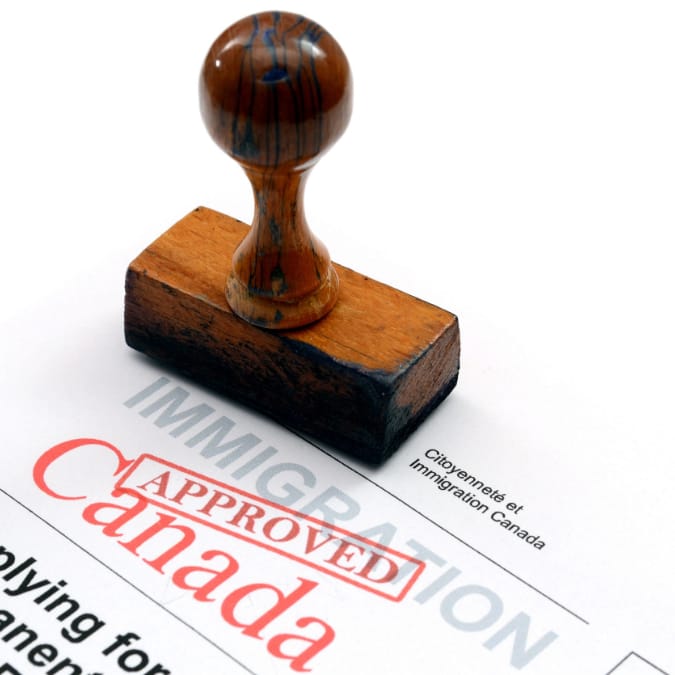
Canada’s immigration policies focus on attracting skilled workers and entrepreneurs, replenishing the labor force, driving innovation, and contributing to economic growth and diversity.

Economic Lessons We All Can Learn

weird ways countries are solving economic problems

These examples demonstrate the diversity of approaches countries are taking to address economic challenges. Whether through embracing technology, rethinking traditional policies, or prioritizing well-being, nations are finding creative solutions to navigate an ever-changing economic landscape.

By learning from each other’s successes and failures, countries can continue to innovate and adapt in the face of economic uncertainty.

Read More

15 English Tongue-Twisters: Words That Will Test Your Speaking Skills

When are Manufactured Homes a Good Investment?

Photograph of Teri Monroe
Teri Monroe
Teri Monroe started her career in communications working for local government and nonprofits. Today, she is a freelance finance and lifestyle writer and small business owner. Teri holds a B.A. From Elon University.  In her spare time, she loves golfing with her husband, taking her dog Milo on long walks, and playing pickleball with friends.

Filed Under: International News, Personal Finance Tagged With: creative solutions, economic crisis, economic problems, economy, global economy

FOLLOW US

Search this site:

Recent Posts

  • Can My Savings Account Affect My Financial Aid? by Tamila McDonald
  • 12 Ways Gen X’s Views Clash with Millennials… by Tamila McDonald
  • What Advantages and Disadvantages Are There To… by Jacob Sensiba
  • 10 Tactics for Building an Emergency Fund from Scratch by Vanessa Bermudez
  • Call 911: Go To the Emergency Room Immediately If… by Stephen Kanaval
  • 7 Weird Things You Can Sell Online by Tamila McDonald
  • 10 Scary Facts About DriveTime by Tamila McDonald

Copyright © 2026 · News Pro Theme on Genesis Framework