• Home
  • About Us
  • Toolkit
  • Getting Finances Done
    • Hiring Advisors
    • Debt Management
    • Spending Plan
  • Insurance
    • Life Insurance
    • Health Insurance
    • Disability Insurance
    • Homeowners/Renters Insurance
  • Contact Us
  • Privacy Policy
  • Risk Tolerance Quiz

The Free Financial Advisor

You are here: Home / Archives for social security changes

The COLA Theft: Why Half of Your Social Security Raise Just Vanished into Medicare This Morning

January 14, 2026 by Brandon Marcus 2 Comments

The COLA Theft: Why Half of Your Social Security Raise Just Vanished into Medicare This Morning

Image Source: Shutterstock.com

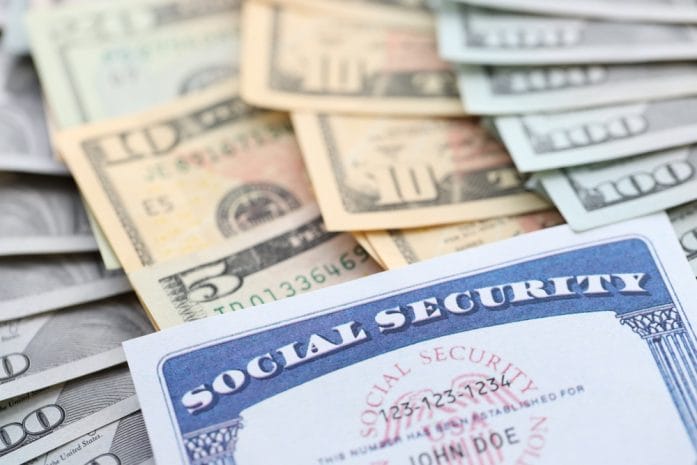
Your morning coffee hits differently when you check your Social Security statement and realize half of your cost-of-living adjustment (COLA) has evaporated into thin air. That number you were dreaming about for extra groceries, a mini-vacation, or that shiny new gadget? Gone. Vanished. Not because of a bank error or mysterious financial conspiracy, but because Medicare decided to gatecrash your raise.

This is a financial reality served with a twist, and it’s time we unpack why half of your new money just disappeared into the healthcare black hole you didn’t ask for.

How Social Security COLA Actually Works

Social Security COLA is supposed to be a beacon of relief for retirees. It’s calculated every year based on inflation, specifically the Consumer Price Index for Urban Wage Earners and Clerical Workers (CPI-W). When prices rise, Social Security steps in to adjust your benefits so you don’t feel like your wallet is shrinking while your bills balloon. Sounds great, right? Well, the twist comes with Medicare premiums.

The COLA is calculated first, but before you even get to dream about splurging, the Centers for Medicare & Medicaid Services (CMS) takes its cut. That means a chunk of your raise is immediately swallowed by Medicare Part B premiums, leaving you with significantly less than you expected. Many retirees are blindsided because the headline COLA number feels like money you can actually spend, but the reality is more like a “gross income” versus “net income” scenario.

Why Medicare Premiums Keep Rising

Medicare Part B premiums aren’t static. They rise every year, often in step with healthcare costs, which historically climb faster than inflation. Think of it like a rent increase, but for your health insurance. For 2026, premiums rose enough that nearly half of the average Social Security COLA was absorbed before recipients even saw their checks. That’s right—those months of careful budgeting and mental math to account for your COLA bump? The spreadsheet just got a rude awakening. Why do premiums go up? It’s a combination of increasing costs of medical services, more expensive drugs, and an aging population that requires more care. And unfortunately, Social Security beneficiaries foot the bill through deductions that feel automatic, invisible, and sometimes unfair. It’s one of those realities of modern retirement that feels like an adult version of trick-or-treating—except you’re left holding the empty bag.

The Psychological Sting Of The COLA Theft

There’s a real psychological effect when you see your raise disappear instantly. It’s a mix of betrayal and disbelief, like finding a surprise pop quiz in your mailbox. Retirees count on COLA to help keep up with the rising cost of groceries, utilities, and other essentials. When half of it vanishes, it’s not just numbers on paper—it’s the snack you wanted to buy at the store, the coffee you hoped to enjoy, or the little indulgence you were planning. Experts call this “benefit erosion,” and it’s real, measurable, and emotionally impactful. It feels personal, even though it’s purely systemic. That sting of disappointment can make financial planning seem more like a guessing game, leading many retirees to rethink budgets and lifestyle choices mid-year.

How To Calculate What You Actually Receive

Understanding exactly what hits your bank account requires a little math, but it’s not complicated. Start with your announced COLA percentage and multiply it by your current benefit. That gives you your expected increase. Then, subtract your new Medicare Part B premium increase. The result is your “real” raise—the amount you can actually spend or save. For example, if your COLA is 3% on a $2,000 monthly benefit, that’s $60. But if Medicare premiums rise $30 for the month, suddenly your effective gain is only $30. That’s not small potatoes for retirees living on fixed incomes. Being proactive about this calculation helps avoid surprise disappointment and makes budgeting a little less painful. Awareness is power, even if the system sometimes feels like it’s rigged against you.

Strategies To Make The Most Of Your COLA

While you can’t stop Medicare from taking its slice, you can still be strategic about how you use your COLA. Some retirees focus on paying down debt first—credit cards, car loans, or other high-interest obligations—before spending any extra. Others treat the real COLA as a “bonus” and redirect it to small indulgences or emergency funds. Timing purchases and being intentional about monthly budgets can prevent that half-gain from feeling like a loss.

Some retirees even explore income-driven strategies, like adjusting tax withholding or reviewing supplemental insurance options, to ensure they’re maximizing the dollars that remain. In short, while you can’t avoid the COLA theft entirely, you can make your remaining money work smarter.

The COLA Theft: Why Half of Your Social Security Raise Just Vanished into Medicare This Morning

Image Source: Shutterstock.com

Why Understanding This Matters

Being aware of the interaction between COLA and Medicare premiums is crucial for realistic retirement planning. It prevents nasty surprises and gives retirees the tools to adapt their financial strategies. More importantly, understanding these mechanics fosters financial literacy and empowers individuals to make choices about healthcare, savings, and lifestyle. Social Security is not a perfect system, and Medicare premiums can feel like a stealthy deduction, but awareness allows retirees to plan ahead instead of reacting. Knowledge doesn’t just save money—it saves stress, and for many, that’s priceless.

Let’s Talk About Your Experience

The COLA theft is more than a numbers game—it’s a shared experience for millions of retirees. If you’ve felt that sting of watching your hard-earned raise disappear, you’re not alone. We want to hear about your reactions, adjustments, and strategies.

How did you handle the surprise? Did it change your monthly planning? Post your thoughts and stories in the comments section below, and let’s get a conversation started.

Retirement planning is complex enough, but discussing real experiences can make it feel a little less lonely—and a lot more empowering.

You May Also Like…

Pension Shock: 9 Myths About Social Security That Could Derail Your Retirement

Could Your Social Security Plans Collapse If The Economy Shifts Again This Winter?

11 Social Security Surprises That Hit You After Losing a Spouse

Is There Any Way to Get More Social Security Than You Qualify For?

Why Do People Underestimate the True Cost of Living Longer


Brandon Marcus
Brandon Marcus

Brandon Marcus is a writer who has been sharing the written word since a very young age. His interests include sports, history, pop culture, and so much more. When he isn’t writing, he spends his time jogging, drinking coffee, or attempting to read a long book he may never complete.


Filed Under: social security Tagged With: America, COLA, Cost of living, government policy, Medicare, Medicare premiums, senior citizens, seniors, Social Security, Social Security benefits, social security changes, Social Security COLA, social security plans, social security reform, United States

Payment Delay Alert: Why Your January Social Security Deposit May Not Hit Your Account Today

January 14, 2026 by Brandon Marcus 8 Comments

Here's Why Your January Social Security Deposit May Not Hit Your Account Today

Image Source: Shutterstock.com

The morning coffee is poured, the phone is unlocked, and there it is—the banking app—staring back with a balance that hasn’t budged. For millions of Social Security recipients, that moment can spark a mix of confusion, concern, and a dozen rapid-fire questions. January is supposed to feel like a clean slate, yet nothing rattles the calm quite like a missing deposit.

Before panic sets in or customer service numbers get dialed at lightning speed, it helps to understand what’s really going on behind the scenes. This isn’t a mystery novel twist or a financial cliffhanger—it’s a story with rules, timing quirks, and a few very human explanations.

How Social Security Payment Timing Really Works

Social Security payments don’t all land on the same day, and that alone explains a huge chunk of January confusion. The Social Security Administration uses a staggered schedule that depends on your birthday and the type of benefit you receive. Retirement and disability benefits typically arrive on a Wednesday, and which Wednesday depends on whether your birthday falls early, mid, or late in the month. Supplemental Security Income usually follows a different rhythm entirely, often arriving on the first of the month unless that date collides with a weekend or holiday.

January magnifies these differences because it opens with a federal holiday and a brand-new calendar. When expectations don’t match the actual schedule, it can feel like a delay even when everything is technically right on time.

January’s Calendar Quirks Can Shift Deposit Dates

January loves to play calendar tricks, and your Social Security payment sometimes feels the impact. New Year’s Day is a federal holiday, and banks close their doors, even if digital banking stays open. When a scheduled payment date lands on a weekend or holiday, the deposit doesn’t vanish—it simply moves. Sometimes it arrives earlier, sometimes the next business day, depending on the benefit type and banking processes.

That shift can make it seem like today was supposed to be the day, even when the official payment date quietly changed. Understanding that January’s layout isn’t business-as-usual can ease a lot of unnecessary worry.

Here's Why Your January Social Security Deposit May Not Hit Your Account Today

Image Source: Shutterstock.com

Banks And Processing Times Add Another Layer

Even when Social Security releases payments exactly as scheduled, banks still have a role to play. Financial institutions process deposits on their own timelines, and those timelines aren’t always identical. One bank might post funds the moment they’re received, while another may take several hours or even an extra business day. High-volume periods, such as the start of a new year, can slow things slightly as systems update and reconcile accounts. Online banking apps don’t always refresh instantly, which can add to the illusion of a missing payment. In many cases, patience of a single day is all it takes for the deposit to finally appear.

Cost-Of-Living Adjustments Can Cause Brief Confusion

January is also when cost-of-living adjustments take effect, and that change can add a layer of complexity. Updated benefit amounts require system-wide updates, recalculations, and verification checks. While these adjustments are designed to help recipients keep up with rising expenses, they can temporarily slow the flow of information between agencies and banks. Some people notice a different deposit amount and assume something went wrong, while others expect the increase and think a delay has occurred. The reality is that recalibration takes time, and January is when all of it happens at once. The payment is still coming, even if it arrives with a few extra steps behind the curtain.

When A Delay Is Normal And When It’s Not

Most January payment concerns fall squarely into the “normal” category, even if they don’t feel that way in the moment. A deposit that’s one business day late is rarely a sign of trouble, especially around holidays. However, a delay stretching beyond several days deserves attention. Incorrect banking information, a recently changed account, or a flagged issue can hold things up longer than expected. Keeping personal details up to date with Social Security is one of the simplest ways to avoid extended delays. Knowing the difference between a routine timing issue and a genuine problem helps you respond calmly and effectively.

Smart Steps To Take If Your Payment Hasn’t Arrived

The first and most powerful step is checking your official payment schedule to confirm the expected date. Next, take a look at your bank’s processing policies, especially around holidays and weekends. It’s also wise to monitor your account for pending deposits that may not be fully posted yet. If a few business days pass with no sign of your payment, reaching out to Social Security or your bank can provide clarity. Keeping notes of conversations and confirmation numbers can save time if follow-up is needed. Acting methodically beats reacting emotionally every time.

Stay Informed And Stay Calm

January payment delays can feel unsettling, but they’re often the result of timing, calendars, and behind-the-scenes processes rather than true problems. Understanding how Social Security schedules payments and how banks handle deposits puts the power back in your hands. If you’ve experienced a January delay before, or if today’s missing deposit sparked a few nerves, your perspective could help others feel less alone.

Drop your thoughts or personal experiences in the comments section below and join the conversation. Sometimes reassurance is just one story away.

You May Also Like…

Pension Shock: 9 Myths About Social Security That Could Derail Your Retirement

Could Your Social Security Plans Collapse If The Economy Shifts Again This Winter?

Did You Know Social Security Has a Hidden Bonus for Widowers?

11 Social Security Surprises That Hit You After Losing a Spouse

Is There Any Way to Get More Social Security Than You Qualify For?


Brandon Marcus
Brandon Marcus

Brandon Marcus is a writer who has been sharing the written word since a very young age. His interests include sports, history, pop culture, and so much more. When he isn’t writing, he spends his time jogging, drinking coffee, or attempting to read a long book he may never complete.
Filed Under: social security Tagged With: America, bank account, bank processing, banking, Banks, elderly, government policy, January, Money, money issues, senior citizen, seniors, Social Security, social security changes, Social Security deposit, social security payment, United States

Could Your Social Security Plans Collapse If The Economy Shifts Again This Winter?

December 22, 2025 by Brandon Marcus Leave a Comment

Could Your Social Security Plans Collapse If The Economy Shifts Again This Winter?

Image Source: Shutterstock.com

The winter season is here, and with it comes a chill that could reach far beyond icy sidewalks and frostbitten noses. Imagine a scenario where the stock market dips, inflation spikes, and suddenly, the financial safety net you’ve been counting on—Social Security—feels shakier than a snowman in a January thaw.

While it may sound dramatic, the truth is that economic fluctuations have real consequences for retirement planning. Each downturn, each unexpected market shift, puts the spotlight on a system millions of Americans rely on without second thought. The question isn’t just “Will the economy shift?” but rather, “How prepared are you if it does?”

How Social Security Works And Why It Matters

Social Security isn’t just a line on your paycheck; it’s a lifeline for retirees, disabled workers, and survivors. Funded through payroll taxes, the money you and your employer contribute today is supposed to support current beneficiaries. However, the system’s solvency depends on a delicate balance of contributors versus recipients. As the population ages and the number of workers per retiree shrinks, pressure builds on the fund. Understanding how this mechanism works is critical to knowing your personal risk if the economy dips unexpectedly.

Economic Shifts That Could Trigger Trouble

Even minor economic turbulence can ripple through retirement systems in surprising ways. Rising inflation, for example, reduces the real value of Social Security payments, making your benefits buy less than expected. Meanwhile, stock market volatility can affect federal revenues indirectly, limiting the government’s flexibility. Job losses or wage stagnation reduce payroll tax contributions, putting more strain on the Social Security trust fund. Every economic shift has a domino effect, and your retirement security might be closer to the edge than you realize.

The Winter Factor: Seasonal Risks And Market Volatility

Winter isn’t just a metaphor—it often coincides with periods of financial stress. Historically, colder months see higher energy bills, increased consumer spending for holidays, and occasional market slowdowns. These factors, combined with broader economic uncertainty, can amplify stress on social safety nets. Even small shifts in interest rates or government policy during this time can create disproportionate effects. Being aware of these seasonal vulnerabilities allows retirees and near-retirees to anticipate challenges rather than react in panic.

Signs That Your Social Security Plans Might Be At Risk

There are subtle warning signs that your benefits could be affected by economic fluctuations. Delays in cost-of-living adjustments, increased borrowing from the Social Security trust fund, or talks of reform signal potential instability. Likewise, policy changes regarding retirement age or benefit formulas could impact your personal calculations. It’s also crucial to watch broader economic indicators such as GDP growth, unemployment rates, and inflation trends. Recognizing these signals early gives you the chance to adjust your strategy before it’s too late.

Strategies To Protect Yourself From Potential Shifts

The good news is that there are proactive steps you can take to safeguard your retirement. Diversifying your income sources—through pensions, IRAs, 401(k)s, or part-time work—reduces reliance on a single system. Building an emergency fund cushions against sudden shocks and unexpected expenses. Staying informed about legislative changes ensures you can adapt quickly to policy shifts. Finally, working with a financial advisor to model different economic scenarios helps you anticipate risks rather than react blindly. Taking these steps creates resilience, even when the economy feels unpredictable.

Could Your Social Security Plans Collapse If The Economy Shifts Again This Winter?

Image Source: Shutterstock.com

Why Long-Term Planning Matters More Than Ever

Short-term economic shifts grab headlines, but long-term planning determines real outcomes. Social Security is designed to be stable over decades, but no system is immune to prolonged financial stress. Planning decades in advance—rather than at the last minute—provides a buffer against unexpected economic swings. Incorporating flexible strategies ensures you can weather both market downturns and periods of rapid inflation. The more deliberate your planning now, the more likely your retirement remains secure regardless of winter’s surprises.

When To Seek Professional Guidance

Even the savviest individuals can benefit from expert guidance during uncertain economic periods. Financial advisors can help interpret complex Social Security rules and optimize claiming strategies. They can also suggest investment adjustments based on current market conditions and projected risks. Consulting a professional allows you to make informed decisions rather than relying on assumptions or outdated advice. In a shifting economy, knowledge isn’t just power—it’s peace of mind.

Your Move This Winter

As the economy prepares to test its resilience this winter, your Social Security plans deserve a close look. By understanding the system, recognizing economic risks, and taking proactive steps, you can protect your retirement from unexpected turbulence. Don’t wait for a market dip to act—preparation today avoids stress tomorrow.

How have you approached planning for Social Security in uncertain times? Post your thoughts and experiences in the comments section below; your perspective could help others navigate the same challenges.

You May Also Like…

Did You Know Social Security Has a Hidden Bonus for Widowers?

11 Social Security Surprises That Hit You After Losing a Spouse

Is There Any Way to Get More Social Security Than You Qualify For?

The Social Security Timing Trick That Could Add $250 a Month to Your Check

Here’s What Social Security Could Look Like by 2030


Brandon Marcus
Brandon Marcus

Brandon Marcus is a writer who has been sharing the written word since a very young age. His interests include sports, history, pop culture, and so much more. When he isn’t writing, he spends his time jogging, drinking coffee, or attempting to read a long book he may never complete.

Filed Under: social security Tagged With: America, economic problems, economy, politics, Social Security, Social Security benefits, social security changes, social security plans, United States, US economy

5 Quiet Changes to Social Security That Reduce Spousal Benefits

August 3, 2025 by Travis Campbell Leave a Comment

social security

Image source: unsplash.com

If you’re married or have ever been married, Social Security spousal benefits might seem like a safety net. Many people count on these payments to help cover bills in retirement. But what if the rules quietly changed, and you didn’t notice until it was too late? That’s what’s happening right now. Over the past decade, several small changes have chipped away at social security spousal benefits. These changes don’t make headlines, but they can shrink your monthly check. If you want to protect your retirement income, you need to know what’s different and what you can do about it.

1. The End of File-and-Suspend

For years, couples used a strategy called “file-and-suspend” to boost their social security spousal benefits. One spouse would file for benefits at full retirement age, then immediately suspend them. This allowed the other spouse to claim spousal benefits while the first spouse’s own benefit continued to grow. It was a smart way to get more money out of the system. But in 2016, the government closed this loophole. Now, if you suspend your benefits, your spouse can’t collect spousal benefits during the suspension. This change hit couples who planned to maximize their social security spousal benefits. If you were counting on this strategy, it’s gone. You’ll need to look for other ways to make the most of your benefits.

2. Restricted Application Rules Tightened

The “restricted application” was another way to get more from social security spousal benefits. If you were born before January 2, 1954, you could file a restricted application at full retirement age. This lets you claim only your spousal benefit while your own benefit keeps growing. You could switch to your own higher benefit later. But for anyone born after that date, this option is gone. Now, when you file for benefits, you’re “deemed” to be filing for both your own and your spousal benefit. You get the higher of the two, not both. This change means younger retirees have fewer options to boost their social security spousal benefits. If you’re planning for retirement, you need to know which rules apply to you.

3. Delayed Retirement Credits Don’t Apply to Spousal Benefits

Many people know that waiting to claim social security increases their own benefit. For every year you delay past full retirement age, your benefit grows by about 8% until age 70. But here’s the catch: delayed retirement credits do not increase social security spousal benefits. If your spouse waits until 70 to claim, their own benefit goes up, but your spousal benefit does not. The spousal benefit is always based on your partner’s full retirement age amount, not the higher delayed amount. This surprises a lot of couples. If you were hoping to get a bigger spousal benefit by waiting, it won’t work. You need to plan with this rule in mind.

4. The Government Pension Offset (GPO) Reduces Spousal Benefits

If you worked in a job that didn’t pay into social security—like some teachers, police officers, or government workers—your social security spousal benefits could be cut. The Government Pension Offset (GPO) reduces your spousal benefit by two-thirds of your government pension. For example, if you get a $900 monthly pension from a non-covered job, your spousal benefit could be reduced by $600. In some cases, this wipes out the spousal benefit entirely. Many people don’t realize this until they apply. If you have a government pension, check how the GPO affects your social security spousal benefits.

5. Higher Full Retirement Age Means Lower Spousal Benefits

The full retirement age (FRA) for Social Security has been rising. For people born in 1960 or later, FRA is now 67. This matters for spousal benefits because if you claim before your FRA, your benefit is reduced. The higher the FRA, the longer you have to wait to get the full spousal benefit. If you claim at 62, your spousal benefit could be as little as 32.5% of your spouse’s full benefit, instead of the maximum 50%. As the FRA rises, more people end up with smaller checks because they can’t or don’t want to wait. If you’re planning when to claim, know your FRA and how it affects your social security spousal benefits.

Protecting Your Retirement: What You Can Do Now

Social security spousal benefits are not as generous as they once were. Quiet changes have made it harder to get the most out of the system. But you still have options. Start by learning the rules that apply to you and your spouse. Check your full retirement age. Review your work history to see if the GPO applies to you. Don’t assume you’ll get the same benefits as your parents or neighbors. Social security spousal benefits are complicated, and the rules keep changing. If you’re not sure what to do, talk to a financial advisor who understands the latest rules. Planning ahead can help you avoid surprises and get the most from your benefits.

Have you or someone you know been affected by changes to social security spousal benefits? Share your story or questions in the comments.

Read More

What Happens to Your Social Security If the Government Shuts Down Again?

Can You Really Lose Your Pension Over a Social Media Post?

Travis Campbell
Travis Campbell

Travis Campbell is a digital marketer/developer with over 10 years of experience and a writer for over 6 years. He holds a degree in E-commerce and likes to share life advice he’s learned over the years. Travis loves spending time on the golf course or at the gym when he’s not working.

Filed Under: Retirement Tagged With: financial advice, Personal Finance, retirement planning, Social Security, social security changes, spousal benefits

FOLLOW US

Search this site:

Recent Posts

  • Can My Savings Account Affect My Financial Aid? by Tamila McDonald
  • 12 Ways Gen X’s Views Clash with Millennials… by Tamila McDonald
  • What Advantages and Disadvantages Are There To… by Jacob Sensiba
  • 10 Tactics for Building an Emergency Fund from Scratch by Vanessa Bermudez
  • Call 911: Go To the Emergency Room Immediately If… by Stephen Kanaval
  • 7 Weird Things You Can Sell Online by Tamila McDonald
  • 10 Scary Facts About DriveTime by Tamila McDonald

Copyright © 2026 · News Pro Theme on Genesis Framework