• Home
  • About Us
  • Toolkit
  • Getting Finances Done
    • Hiring Advisors
    • Debt Management
    • Spending Plan
  • Insurance
    • Life Insurance
    • Health Insurance
    • Disability Insurance
    • Homeowners/Renters Insurance
  • Contact Us
  • Privacy Policy
  • Risk Tolerance Quiz

The Free Financial Advisor

You are here: Home / Archives for senior citizen

Payment Delay Alert: Why Your January Social Security Deposit May Not Hit Your Account Today

January 14, 2026 by Brandon Marcus 8 Comments

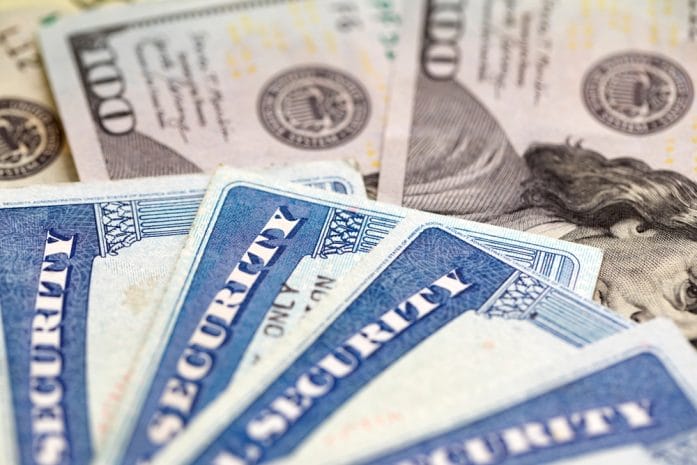
Here's Why Your January Social Security Deposit May Not Hit Your Account Today

Image Source: Shutterstock.com

The morning coffee is poured, the phone is unlocked, and there it is—the banking app—staring back with a balance that hasn’t budged. For millions of Social Security recipients, that moment can spark a mix of confusion, concern, and a dozen rapid-fire questions. January is supposed to feel like a clean slate, yet nothing rattles the calm quite like a missing deposit.

Before panic sets in or customer service numbers get dialed at lightning speed, it helps to understand what’s really going on behind the scenes. This isn’t a mystery novel twist or a financial cliffhanger—it’s a story with rules, timing quirks, and a few very human explanations.

How Social Security Payment Timing Really Works

Social Security payments don’t all land on the same day, and that alone explains a huge chunk of January confusion. The Social Security Administration uses a staggered schedule that depends on your birthday and the type of benefit you receive. Retirement and disability benefits typically arrive on a Wednesday, and which Wednesday depends on whether your birthday falls early, mid, or late in the month. Supplemental Security Income usually follows a different rhythm entirely, often arriving on the first of the month unless that date collides with a weekend or holiday.

January magnifies these differences because it opens with a federal holiday and a brand-new calendar. When expectations don’t match the actual schedule, it can feel like a delay even when everything is technically right on time.

January’s Calendar Quirks Can Shift Deposit Dates

January loves to play calendar tricks, and your Social Security payment sometimes feels the impact. New Year’s Day is a federal holiday, and banks close their doors, even if digital banking stays open. When a scheduled payment date lands on a weekend or holiday, the deposit doesn’t vanish—it simply moves. Sometimes it arrives earlier, sometimes the next business day, depending on the benefit type and banking processes.

That shift can make it seem like today was supposed to be the day, even when the official payment date quietly changed. Understanding that January’s layout isn’t business-as-usual can ease a lot of unnecessary worry.

Here's Why Your January Social Security Deposit May Not Hit Your Account Today

Image Source: Shutterstock.com

Banks And Processing Times Add Another Layer

Even when Social Security releases payments exactly as scheduled, banks still have a role to play. Financial institutions process deposits on their own timelines, and those timelines aren’t always identical. One bank might post funds the moment they’re received, while another may take several hours or even an extra business day. High-volume periods, such as the start of a new year, can slow things slightly as systems update and reconcile accounts. Online banking apps don’t always refresh instantly, which can add to the illusion of a missing payment. In many cases, patience of a single day is all it takes for the deposit to finally appear.

Cost-Of-Living Adjustments Can Cause Brief Confusion

January is also when cost-of-living adjustments take effect, and that change can add a layer of complexity. Updated benefit amounts require system-wide updates, recalculations, and verification checks. While these adjustments are designed to help recipients keep up with rising expenses, they can temporarily slow the flow of information between agencies and banks. Some people notice a different deposit amount and assume something went wrong, while others expect the increase and think a delay has occurred. The reality is that recalibration takes time, and January is when all of it happens at once. The payment is still coming, even if it arrives with a few extra steps behind the curtain.

When A Delay Is Normal And When It’s Not

Most January payment concerns fall squarely into the “normal” category, even if they don’t feel that way in the moment. A deposit that’s one business day late is rarely a sign of trouble, especially around holidays. However, a delay stretching beyond several days deserves attention. Incorrect banking information, a recently changed account, or a flagged issue can hold things up longer than expected. Keeping personal details up to date with Social Security is one of the simplest ways to avoid extended delays. Knowing the difference between a routine timing issue and a genuine problem helps you respond calmly and effectively.

Smart Steps To Take If Your Payment Hasn’t Arrived

The first and most powerful step is checking your official payment schedule to confirm the expected date. Next, take a look at your bank’s processing policies, especially around holidays and weekends. It’s also wise to monitor your account for pending deposits that may not be fully posted yet. If a few business days pass with no sign of your payment, reaching out to Social Security or your bank can provide clarity. Keeping notes of conversations and confirmation numbers can save time if follow-up is needed. Acting methodically beats reacting emotionally every time.

Stay Informed And Stay Calm

January payment delays can feel unsettling, but they’re often the result of timing, calendars, and behind-the-scenes processes rather than true problems. Understanding how Social Security schedules payments and how banks handle deposits puts the power back in your hands. If you’ve experienced a January delay before, or if today’s missing deposit sparked a few nerves, your perspective could help others feel less alone.

Drop your thoughts or personal experiences in the comments section below and join the conversation. Sometimes reassurance is just one story away.

You May Also Like…

Pension Shock: 9 Myths About Social Security That Could Derail Your Retirement

Could Your Social Security Plans Collapse If The Economy Shifts Again This Winter?

Did You Know Social Security Has a Hidden Bonus for Widowers?

11 Social Security Surprises That Hit You After Losing a Spouse

Is There Any Way to Get More Social Security Than You Qualify For?


Brandon Marcus
Brandon Marcus

Brandon Marcus is a writer who has been sharing the written word since a very young age. His interests include sports, history, pop culture, and so much more. When he isn’t writing, he spends his time jogging, drinking coffee, or attempting to read a long book he may never complete.


Filed Under: social security Tagged With: America, bank account, bank processing, banking, Banks, elderly, government policy, January, Money, money issues, senior citizen, seniors, Social Security, social security changes, Social Security deposit, social security payment, United States

Expense Spike: 8 Healthcare Costs That Hit Harder in Later Life

December 21, 2025 by Brandon Marcus Leave a Comment

Expense Spike: 8 Healthcare Costs That Hit Harder in Later Life

Image Source: Shutterstock.com

Growing older doesn’t have to feel like stepping onto a rollercoaster without a seatbelt, but your wallet might disagree. Suddenly, routine checkups can feel like financial sprints, and medications start stacking up faster than your streaming subscriptions.

From unexpected surgeries to pricey preventive treatments, healthcare expenses can sneak up like ninjas in your bank account. The numbers might make you gasp, but knowing what’s coming can help you prepare without losing sleep—or sanity.

Today, we’re diving into the eight healthcare costs that tend to hit the hardest as we age, with a mix of facts, fun, and maybe a little financial therapy.

1. Prescription Medications That Add Up Fast

As the body ages, prescriptions often multiply. What was once a simple daily vitamin can turn into a cocktail of pills for blood pressure, cholesterol, joint health, and sleep. Each bottle might not feel like much, but over time, they stack into hundreds—even thousands—of dollars a year. Brand-name drugs tend to be the sneakiest wallet stealers, while generic alternatives can help trim the damage. Staying proactive, asking doctors for cost-effective options, and checking discount programs can make a huge difference.

2. Routine Checkups And Specialist Visits

Annual checkups can feel like a breeze when you’re young, but as age climbs, so does the frequency of medical visits. Cardiologists, dermatologists, ophthalmologists, and more start demanding their attention—and their bills. Each specialist adds a new line to your budget, often with copays and deductibles that aren’t exactly pocket change. Preventive visits might seem pricey, but catching issues early can save tens of thousands down the line. Strategically scheduling appointments and consolidating visits can help ease the financial burden.

3. Hospital Stays And Emergency Care

No one likes to think about it, but hospital stays are a major financial curveball. Accidents, surgeries, and sudden illnesses can turn a normal week into a costly ordeal. Even with insurance, copays, deductibles, and out-of-network charges can make bills soar. Long-term recovery or specialized care can keep you in the hospital—or the rehab center—longer than expected. Being prepared with a solid emergency fund and understanding insurance coverage can reduce stress when the unexpected hits.

4. Long-Term Care And Assisted Living

Eventually, many people need a helping hand at home or in a care facility. Assisted living, nursing homes, or in-home caregivers are expensive—and insurance rarely covers everything. The costs vary widely depending on location and level of care, but even modest options can run into thousands per month. Planning ahead with long-term care insurance or savings is key to avoiding financial strain. Knowing your options early allows you to make smarter, less stressful choices.

5. Dental Work That’s Not Just Cosmetic

Your teeth don’t come with a lifetime warranty, and dental costs often spike with age. Procedures like crowns, implants, or periodontal treatments can be shockingly expensive. Preventive care helps, but insurance coverage often has limits and caps. Missing regular dental checkups can lead to more invasive—and pricier—treatments later. A little attention now can prevent a huge financial bite down the road.

Expense Spike: 8 Healthcare Costs That Hit Harder in Later Life

Image Source: Shutterstock.com

6. Vision And Hearing Expenses

Glasses, contacts, hearing aids—these aren’t optional for many seniors. Vision exams, corrective lenses, and hearing devices add up quickly, especially since insurance often treats them separately from standard medical coverage. Hearing aids, in particular, can run into the thousands per ear. Keeping up with eye and ear health is essential, but it’s wise to budget for these ongoing costs. Smart shopping, insurance add-ons, and preventive care can minimize the financial sting.

7. Physical Therapy And Rehabilitation

After injuries, surgeries, or chronic conditions, physical therapy can become a regular necessity. Sessions are rarely cheap, and insurance coverage can be limited to a set number of visits. Ongoing therapy might require multiple appointments per week, multiplying the expense. While it can feel like a grind, consistent therapy is often crucial for maintaining mobility and independence. Investing in therapy now can prevent more expensive complications later.

8. Mental Health And Cognitive Care

Mental well-being is just as important as physical health, and therapy, counseling, and cognitive care can be surprisingly costly. As we age, anxiety, depression, and cognitive changes sometimes require professional support. Coverage varies, and out-of-pocket expenses can add up, especially for long-term therapy or specialized programs. Prioritizing mental health is essential for quality of life and overall wellness. Planning ahead for these costs ensures emotional resilience without financial panic.

Preparing For The Healthcare Rollercoaster

Aging doesn’t have to mean financial freefall when it comes to health. Awareness is your secret weapon—knowing the likely expenses allows you to budget, plan, and make informed decisions. Whether it’s prescription drugs, hospital stays, dental work, or therapy, being proactive can save money and stress in the long run. Some surprises are unavoidable, but preparation can turn fear into empowerment.

Leave your thoughts or experiences in the comments section below—how have you or your loved ones handled these healthcare spikes?

You May Also Like…

What Happens When Retirement Plans Ignore Healthcare Costs

7 Health Myths You’ve Been Believing Since Childhood — Busted by Science

8 Home Upgrades Seniors Are Choosing Over Moving Into Facilities

The Surprising Way Virtual Reality Is Bringing New Connections to Seniors in Their 60s

Retirees Face $172,500 in Healthcare Costs—And Many Haven’t Saved for It


Brandon Marcus
Brandon Marcus

Brandon Marcus is a writer who has been sharing the written word since a very young age. His interests include sports, history, pop culture, and so much more. When he isn’t writing, he spends his time jogging, drinking coffee, or attempting to read a long book he may never complete.

Filed Under: Health & Wellness Tagged With: doctor, doctors, elderly care, emergency care, ER, health, health and wellness, health issues, healthcare, healthcare costs, hospital stays, medical costs, medical expenses, medication, medicine, prescription costs, prescription medicine, routine checkups, senior citizen, seniors

FOLLOW US

Search this site:

Recent Posts

  • Can My Savings Account Affect My Financial Aid? by Tamila McDonald
  • 12 Ways Gen X’s Views Clash with Millennials… by Tamila McDonald
  • What Advantages and Disadvantages Are There To… by Jacob Sensiba
  • 10 Tactics for Building an Emergency Fund from Scratch by Vanessa Bermudez
  • Call 911: Go To the Emergency Room Immediately If… by Stephen Kanaval
  • 7 Weird Things You Can Sell Online by Tamila McDonald
  • 10 Scary Facts About DriveTime by Tamila McDonald

Copyright © 2026 · News Pro Theme on Genesis Framework