• Home
  • About Us
  • Toolkit
  • Getting Finances Done
    • Hiring Advisors
    • Debt Management
    • Spending Plan
  • Insurance
    • Life Insurance
    • Health Insurance
    • Disability Insurance
    • Homeowners/Renters Insurance
  • Contact Us
  • Privacy Policy
  • Risk Tolerance Quiz

The Free Financial Advisor

You are here: Home / Archives for banking fees

Before You Opt In: 5 Things Many Customers Miss About Overdraft Protection

February 18, 2026 by Brandon Marcus Leave a Comment

Before You Opt In: 5 Things Many Customers Miss About Overdraft Protection

Image source: shutterstock.com

You don’t fix a money problem by borrowing from your bank at $35 a pop. That’s the hard truth about overdraft protection. Banks market it as a safety net, a convenience, a way to avoid embarrassment at the checkout line. It sounds responsible. It feels proactive. But before you check that little box or tap “I agree,” you need to understand exactly what you’re signing up for and how it can affect your balance, your habits, and your long-term financial health.

Overdraft protection can serve a purpose in certain situations, and I won’t pretend it never helps anyone. But too many people treat it like free insurance, when in reality it works more like a very expensive, very short-term loan.

1. It’s Not Free Coverage—It’s a Fee Machine

Overdraft protection usually comes with a fee, and that fee often hovers around $30 to $35 per transaction at many major U.S. banks. When your account lacks enough money to cover a purchase and the bank approves it anyway, the bank charges you for that courtesy. If you swipe your debit card three times while your balance sits in the red, you might rack up three separate fees.

Those charges add up fast. The Consumer Financial Protection Bureau has reported that banks collect billions of dollars in overdraft and non-sufficient funds fees each year. One small coffee, one streaming subscription, and one forgotten automatic payment can spiral into over $100 in fees within a day.

2. Opting In Changes How Debit and ATM Transactions Work

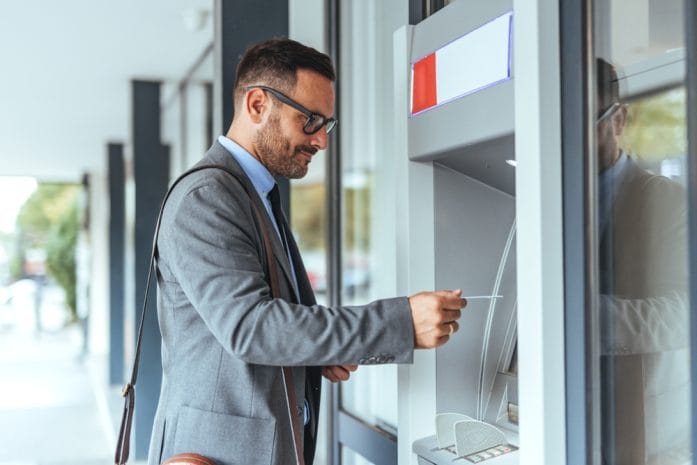
Federal rules require banks to get your consent before they charge overdraft fees on everyday debit card purchases and ATM withdrawals. That rule came from changes implemented after the financial crisis, and it gives you a real choice. If you don’t opt in, your bank cannot charge you an overdraft fee for those specific transactions; it must decline them instead.

However, that protection does not automatically extend to checks or automatic bill payments. Banks can still charge overdraft fees on those transactions even if you never opted in for debit card coverage. That distinction confuses a lot of people. You might assume that declining overdraft protection means you will never see an overdraft fee again, but that assumption misses the fine print.

Before You Opt In: 5 Things Many Customers Miss About Overdraft Protection

Image source: shutterstock.com

3. Small Purchases Can Trigger Big Consequences

Here’s where things get frustrating. A $5 purchase can generate a $35 fee. That math never feels good. In fact, it creates a situation where the cost of the penalty dwarfs the original transaction.

Banks often process transactions in a specific order, and although many institutions no longer reorder transactions from largest to smallest, the timing of when transactions post can still affect your balance. A pending transaction might not show immediately, and an automatic payment might clear overnight. If you rely only on the “available balance” without tracking upcoming charges, you risk misjudging how much money actually sits in your account.

4. There Are Alternatives That Cost Less

Overdraft protection does not come in just one form. Many banks offer different setups, and some cost far less than the standard per-transaction fee. For example, you can often link your checking account to a savings account. If you overspend, the bank transfers money from savings to checking and charges a smaller transfer fee, or sometimes no fee at all.

Some banks also provide overdraft lines of credit. With that option, the bank covers the shortfall and charges interest on the borrowed amount, similar to a small loan. Interest still costs money, but it often costs less than multiple $35 fees. You should compare the annual percentage rate and any transfer charges before you enroll, because not all lines of credit offer the same terms.

5. Habit and Psychology Matter More Than You Think

Overdraft protection doesn’t just affect your wallet; it affects your behavior. When you know your bank will cover a shortfall, you might feel less urgency to track every dollar. That subtle mental shift can encourage riskier spending, especially during tight months.

On the other hand, declining transactions can create a sharp wake-up call. It forces you to confront your balance in real time. That discomfort can motivate stronger budgeting habits, more frequent account monitoring, and better planning for recurring expenses.

You should ask yourself an honest question: do you want a system that cushions overspending, or one that prevents it? Neither choice makes you irresponsible or irresponsible; it simply reflects your financial habits and your tolerance for fees. If you struggle with tracking expenses, you might benefit more from budgeting apps, calendar reminders for bills, and automatic transfers into savings than from a high-fee safety net.

Control or Convenience?

Overdraft protection promises convenience, but convenience rarely comes free. Every opt-in decision shapes how your bank treats your money and how you treat your own spending. When you understand that overdraft coverage often functions as a costly, short-term loan rather than a harmless courtesy, you gain the power to decide intentionally instead of impulsively.

Overdraft protection can serve a purpose in emergencies, but it should never replace awareness and planning. When you treat it as a last resort instead of a routine backup, you protect both your balance and your peace of mind.

What choice have you made about overdraft protection, and has it worked out the way you expected? Talk about it in our comments section below.

You May Also Like…

5 Outrageous Fees Hidden in Everyday Banking Services

How Can Small Banking Errors Snowball Into Huge Losses

6 Data-Scraping Features in Online Banking

5 Unnecessary Fees Your Bank Is Charging You Without Your Permission (Read The Fine Print)

Banks Are Still Charging Daily Overdraft Fees After Accounts Go Negative

Brandon Marcus
Brandon Marcus

Brandon Marcus is a writer who has been sharing the written word since a very young age. His interests include sports, history, pop culture, and so much more. When he isn’t writing, he spends his time jogging, drinking coffee, or attempting to read a long book he may never complete.

Filed Under: Banking Tagged With: ATM withdrawals, bank policies, banking fees, Budgeting Tips, checking accounts, consumer finance, debit cards, financial literacy, money management, opt-in rules, overdraft protection, Personal Finance

5 Unnecessary Fees Your Bank Is Charging You Without Your Permission (Read The Fine Print)

February 17, 2026 by Brandon Marcus Leave a Comment

Here Are 5 Unnecessary Fees Your Bank Is Charging You Without Your Permission (Read The Fine Print)

Image source: shutterstock.com

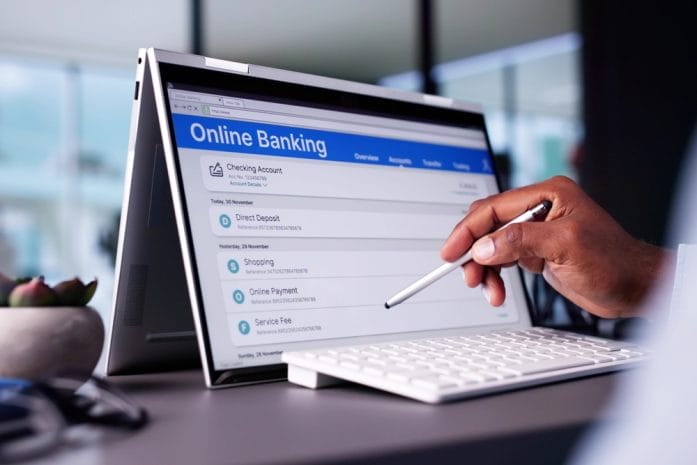
Your bank does not need your money. It already has plenty. Yet every year, major financial institutions collect billions of dollars in fees from everyday account holders, often from people who assume their accounts cost nothing to maintain.

Those small deductions add up quickly, and most of them hide in plain sight inside dense account agreements that few people read. If you want to keep control of your money, you need to understand exactly how these charges work and how to stop them.

1. The Monthly Maintenance Fee That Punishes You for Having an Account

Many checking accounts advertise “free banking,” yet they quietly attach a monthly maintenance fee unless you meet specific requirements. Banks typically charge anywhere from $5 to $15 per month if your balance falls below a certain threshold or if you fail to set up direct deposit. That means you can lose $60 to $180 a year just for keeping your own money in the account.

Banks justify these charges as service costs, but you can avoid them with a little attention. Review your account’s fee schedule and confirm the minimum balance requirement. If that balance feels unrealistic for your budget, search for a truly no-fee checking account, which many online banks and credit unions offer without minimum deposit rules. You can also ask your current bank to move you into a different account tier; many institutions provide fee-free options that they rarely advertise unless you ask directly.

2. Overdraft Fees That Snowball Fast

Overdraft fees remain one of the most expensive penalties in consumer banking. When you spend more than your available balance, your bank may cover the transaction and charge you a fee that often ranges from $30 to $35 per item. A single weekend of miscalculated spending can trigger multiple charges, and those charges stack quickly.

Federal rules require banks to get your consent before they enroll you in overdraft coverage for debit card purchases and ATM withdrawals. If you opted in years ago and forgot about it, your bank can still charge you each time your account dips below zero. You can opt out at any time and force transactions to decline instead of generating a fee. While a declined purchase feels inconvenient, it costs far less than a $35 penalty.

Some banks now offer overdraft grace periods or lower-cost alternatives, but you must review the fine print carefully. Consider linking your checking account to a savings account for automatic transfers, which typically cost far less than a standard overdraft fee.

3. ATM Fees That Double-Dip

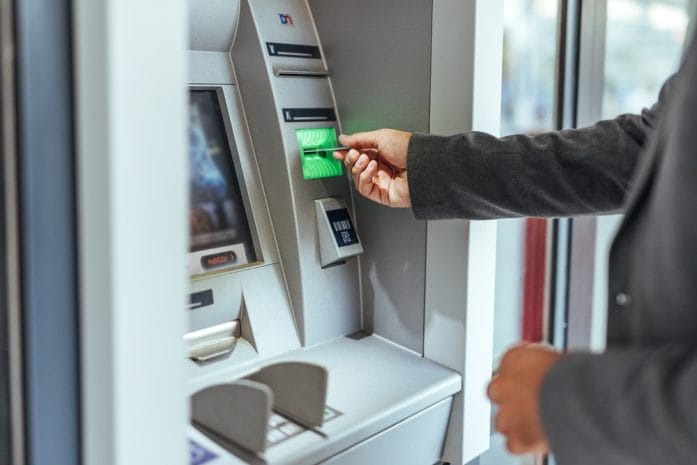
ATM fees irritate people because they often arrive in pairs. When you withdraw cash from an out-of-network machine, the ATM operator may charge a fee, and your own bank may add another out-of-network fee on top of it. One quick $40 withdrawal can cost you $4 to $6 in total fees, which translates into a painful percentage of the cash you actually receive.

Banks publish ATM policies clearly in their account disclosures, yet many customers ignore those details until they see the charge. You can avoid this fee entirely by sticking to your bank’s ATM network. Most banks offer mobile apps that help you locate in-network machines nearby. If you travel frequently, consider switching to a bank that reimburses ATM fees nationwide, which several online banks now do.

Here Are 5 Unnecessary Fees Your Bank Is Charging You Without Your Permission (Read The Fine Print)

Image source: shutterstock.com

4. Minimum Balance Fees That Quietly Drain Your Savings

Savings accounts often come with minimum balance requirements that seem modest at first glance. Some banks require you to maintain $300, $500, or even $1,000 to avoid a monthly fee. If your balance drops below that number for even a single statement cycle, the bank can deduct a maintenance fee from your savings.

That practice creates a frustrating cycle. You save money, face an emergency expense, withdraw funds, and then the bank penalizes you for dipping into your own savings. The fee reduces your balance further, which makes rebuilding harder.

If your bank imposes a minimum that no longer fits your financial reality, compare options. You should never pay a bank to hold your emergency fund when fee-free alternatives exist.

5. Paper Statement and “Service” Fees That Add No Real Value

Banks increasingly charge fees for paper statements, mailed checks, and certain in-branch services. While these fees often appear small, typically $2 to $5 per month for paper statements, they add up over time and rarely provide additional value.

Financial institutions encourage digital statements because they reduce printing and mailing costs. If you still receive paper copies, you likely pay for that choice. You can log into your account settings and switch to electronic delivery within minutes. Digital statements remain secure and accessible, and you can download and store them for your records.

Take Back Control Before the Fees Add Up

Banks operate as businesses, and they design fee structures to increase revenue. That reality does not mean you must accept every charge. You can review your monthly statements line by line, study your account’s fee disclosure, and ask direct questions about any unfamiliar deduction. If your bank refuses to offer a fair alternative, you can move your money elsewhere. Competition in the banking industry gives you leverage, especially with the rise of online institutions that cut fees aggressively to attract customers.

Money management requires attention, but it does not require perfection. You simply need awareness and a willingness to challenge charges that do not serve you. Your bank should work for you, not the other way around.

What fees have you spotted on your bank statement that made you stop and look twice? If you have some advice for fellow bank customers, make sure you share it in our comments.

You May Also Like…

5 Outrageous Fees Hidden in Everyday Banking Services

How Can Small Banking Errors Snowball Into Huge Losses

6 Data-Scraping Features in Online Banking

Banks Are Still Charging Daily Overdraft Fees After Accounts Go Negative

Hidden 401(k) Fees Are Still Shrinking Retirement Balances

Brandon Marcus
Brandon Marcus

Brandon Marcus is a writer who has been sharing the written word since a very young age. His interests include sports, history, pop culture, and so much more. When he isn’t writing, he spends his time jogging, drinking coffee, or attempting to read a long book he may never complete.

Filed Under: Banking Tagged With: ATM charges, banking fees, Budgeting Tips, Consumer Protection, credit cards, financial literacy, minimum balance fees, money management, monthly maintenance fees, overdraft fees, Personal Finance, savings accounts

Why Free Online Checking Continues to Beat Traditional Banks

February 15, 2026 by Brandon Marcus Leave a Comment

Why Free Online Checking Continues to Beat Traditional Banks

Image source: shutterstock.com

The era of standing in line to access your own money should have ended decades ago. Yet traditional banks still cling to a model built around branches, paper forms, and fee schedules that feel like relics from another century.

Meanwhile, free online checking accounts have quietly reshaped the financial landscape, offering fewer fees, better interest rates, and sleek digital tools that put control back where it belongs: in your hands. The gap between the two models has grown so wide that choosing a traditional bank now often feels like paying extra for inconvenience.

The Fee Factor: Why Paying to Access Your Own Money Makes No Sense

Traditional banks often attach monthly maintenance fees to checking accounts unless you meet certain requirements, such as maintaining a minimum balance or setting up direct deposit. Many large banks still charge monthly fees that can exceed $10 unless you qualify for a waiver. Those charges may look small at first glance, but over time, they quietly chip away at your balance. Add overdraft fees, which can hover around $30 or more per transaction at some institutions, and the cost of staying loyal to a brick-and-mortar bank rises quickly.

Free online checking accounts flip that script. Many digital banks and financial technology companies eliminate monthly maintenance fees entirely. They often reduce or eliminate overdraft fees, and some even offer features that decline transactions instead of charging a penalty. When you remove recurring account fees, you create a simpler, more predictable financial life. That clarity matters, especially for anyone building savings or working toward specific goals.

You should always read the fine print, of course, because no financial product offers perfection. But when you compare fee schedules side by side, online checking accounts frequently offer a more consumer-friendly structure. In a world where every dollar counts, keeping more of your own money feels like a basic expectation, not a luxury.

Higher Yields Without the Marble Floors

Walk into a traditional bank branch, and you might see polished counters and plush seating. Those amenities cost money, and banks fund them through interest margins and customer fees. Online banks skip the expensive real estate and redirect those savings elsewhere. That shift often shows up in the form of higher annual percentage yields on associated savings accounts.

Institutions like Ally Bank and Capital One have built strong digital platforms and consistently offer savings rates that outpace many traditional banks. While checking accounts themselves typically pay little interest, many online banks pair free checking with competitive high-yield savings options. When you keep your money within the same digital ecosystem, you can move funds instantly and capture better returns without juggling multiple institutions.

Interest rates fluctuate based on Federal Reserve policy and broader economic conditions, so no bank guarantees a specific yield forever. Still, online institutions often respond quickly to rate changes because they operate with leaner cost structures. If you want your emergency fund to grow instead of stagnate, online banking offers a compelling advantage.

Technology That Actually Works for You

Traditional banks have invested heavily in mobile apps, and some do offer solid digital experiences. However, online-only banks build their entire identity around technology. They design tools for budgeting, transaction tracking, real-time alerts, and seamless transfers because their survival depends on digital satisfaction.

Consider how quickly you can deposit a check through a mobile app or freeze a debit card with a tap. Many online checking platforms send instant notifications for purchases, which helps you track spending and detect fraud faster. Some integrate with popular budgeting apps, allowing you to categorize transactions and monitor trends without extra effort.

That level of visibility encourages better financial habits. When you see exactly where your money flows each week, you can adjust your behavior in real time. You can set savings goals, automate transfers, and create guardrails that protect you from overspending. Instead of reacting to monthly statements, you stay proactive. That sense of control turns banking from a chore into a strategic tool.

Accessibility Without Geography

Traditional banks still rely heavily on branch networks. If you move to a new state or travel frequently, you might find yourself hunting for in-network ATMs or dealing with out-of-area limitations. Online checking accounts remove that geographic friction.

Many digital banks reimburse ATM fees or provide access to extensive ATM networks across the country. You can manage your account from anywhere with a secure internet connection. That flexibility matters for remote workers, digital nomads, military families, and anyone who refuses to anchor their finances to a single zip code.

Customer support also continues to evolve. Online banks typically offer 24/7 chat, email, or phone support. While some people still value face-to-face conversations, many prefer quick digital assistance that fits into busy schedules. You can resolve an issue during a lunch break or late at night without planning a branch visit. In a world that runs around the clock, banking should keep up.

Security in a Digital-First World

Skeptics sometimes question the safety of online banks, but digital institutions operate under the same regulatory framework as traditional banks when they hold deposits directly. Many online banks carry FDIC insurance up to the standard limit of $250,000 per depositor, per insured bank, for each account ownership category. That protection mirrors what you receive at a traditional bank.

Online banks also invest heavily in encryption, multi-factor authentication, and fraud monitoring systems. Because they operate digitally, they often update security features quickly in response to emerging threats. Traditional banks maintain robust security as well, but the idea that online equals unsafe no longer holds up under scrutiny.

Of course, personal responsibility still plays a role. You should use strong passwords, enable two-factor authentication, and monitor account activity regularly. When you combine smart personal habits with institutional safeguards, online checking offers security that rivals or exceeds traditional setups.

Why Free Online Checking Continues to Beat Traditional Banks

Image source: shutterstock.com

The Real Advantage Of Free Online Checking

Free online checking does more than eliminate fees or boost interest rates. It shifts power. You gain immediate access to your financial data, flexible tools that adapt to your lifestyle, and fewer arbitrary barriers between you and your own money. Traditional banks still serve important roles, especially for complex services like certain business accounts or specialized lending. Yet for everyday checking, online options often deliver a smarter fit.

If you value efficiency, transparency, and tangible financial benefits, online checking deserves serious consideration. Banking should support your goals rather than complicate them. When you remove unnecessary costs and friction, you create space to focus on what truly matters: building stability, funding dreams, and living with financial confidence.

So here’s the real question: if you could stop paying fees and start earning more with just a few clicks, what would keep you from making the switch? Make sure you share your thoughts in the comments with us below.

You May Also Like…

5 Outrageous Fees Hidden in Everyday Banking Services

5 Bank Fees That Are Secretly Draining Hundreds From Your Account Annually

8 Sneaky Bank Fees You’re Probably Paying (And How to Dodge Them)

8 Ways Hidden Bank Fees Keep Growing Without Notice

6 Major Banks Just Raised “Maintenance Fees”—Here is the List of Who to Ditch

Brandon Marcus
Brandon Marcus

Brandon Marcus is a writer who has been sharing the written word since a very young age. His interests include sports, history, pop culture, and so much more. When he isn’t writing, he spends his time jogging, drinking coffee, or attempting to read a long book he may never complete.

Filed Under: Banking Tagged With: banking fees, budgeting tools, consumer banking, digital banking, financial literacy, fintech, free checking, high-yield accounts, money management, Online banking, Personal Finance, traditional banks

Why Credit Unions Are Still Generating Massive Overdraft Fee Revenue

February 13, 2026 by Brandon Marcus Leave a Comment

Why Credit Unions Are Still Generating Massive Overdraft Fee Revenue

Image source: shutterstock.com

The idea that credit unions are automatically kinder, gentler, and more consumer-friendly than big banks has become financial folklore, repeated so often it feels like a universal truth. But behind the friendly branding and community-focused language, there’s a less cozy reality: overdraft fees are still pulling in enormous amounts of revenue for many credit unions across the country.

The tension between mission and money is one of the most fascinating contradictions in modern consumer finance, and it reveals a lot about how the system actually works when values collide with financial pressure. Overdraft fees don’t survive because of accident or confusion — they survive because they work.

The “Not-for-Profit” Label Doesn’t Mean “Not-for-Revenue”

Credit unions love the phrase “not-for-profit,” and technically, it’s true. They don’t have shareholders demanding quarterly profits, and they’re structured as member-owned institutions. But “not-for-profit” doesn’t mean “not-for-income,” and that distinction matters more than most people realize. Credit unions still have operating costs, technology budgets, staffing needs, regulatory compliance expenses, and growth targets that require steady cash flow.

Overdraft fees happen to be one of the easiest revenue streams to maintain because they don’t require selling new products, expanding branches, or launching complex services. The system already exists, the infrastructure is built, and the revenue comes from routine account activity. It’s quiet money, predictable money, and extremely efficient money. From a business perspective, it’s almost frictionless income, which makes it hard for any financial institution to walk away from it voluntarily.

Behavioral Finance Is Doing More Work Than Marketing Ever Could

One of the least discussed drivers of overdraft revenue is human behavior itself. Most overdraft fees don’t come from chronic overspenders; they come from everyday people misjudging timing, balances, or transaction sequencing. Automatic payments, pending charges, delayed deposits, and transaction reordering all create conditions where perfectly normal financial behavior triggers fees.

Credit unions benefit from the same psychological patterns banks do: people underestimate risk, overestimate available balances, and assume small transactions won’t matter.

Consumers don’t change behavior dramatically after one or two fees. They absorb them as annoyances instead of structural problems, which allows the cycle to continue without mass account closures or reputational damage.

Regulation Is Shifting, But Slowly and Unevenly

Regulatory pressure has absolutely started reshaping overdraft practices, especially among large national banks that face intense scrutiny. Many major institutions have reduced fees, eliminated certain charges, or introduced grace periods. But credit unions often operate under different regulatory and public visibility dynamics, which creates uneven reform.

Smaller institutions aren’t under the same media spotlight, and changes that generate headlines for big banks happen quietly or not at all in smaller systems. There’s also less public pressure because credit unions benefit from strong reputational trust. People assume ethical alignment, which reduces demand for reform.

Why Credit Unions Are Still Generating Massive Overdraft Fee Revenue

Image source: shutterstock.com

Member Loyalty Creates a Revenue Safety Net

One of the biggest reasons overdraft revenue remains stable is loyalty. Credit union members tend to stay longer, switch less frequently, and trust the institution more deeply than traditional bank customers. That loyalty creates financial stability, but it also reduces economic pressure to change fee structures quickly.

People who trust an institution are more forgiving of fees. They interpret them as mistakes, policies, or unavoidable systems instead of predatory practices. That psychological buffer matters more than most financial models account for.

The Revenue Model Nobody Talks About

Overdraft fees function like a silent tax on liquidity misalignment rather than income level. They’re not based on wealth; they’re based on timing. That makes them uniquely powerful because they don’t feel like traditional fees tied to services or privileges. They feel accidental, which makes them harder to organize against socially and politically.

For credit unions, overdraft revenue fills budget gaps that would otherwise require structural changes to products, rates, or services. It supports everything from branch operations to digital banking tools to loan programs. In that sense, overdraft fees become embedded in the institution’s financial ecosystem, not just a side feature.

Change Starts With Financial Awareness

The future of overdraft fees won’t be decided only by regulators or institutions. It will be shaped by consumer behavior, awareness, and demand. Tools like low-balance alerts, real-time transaction tracking, automatic savings buffers, and smarter account management can reduce fee exposure without waiting for system-wide reform.

There’s also power in asking better questions when choosing financial institutions. Fee structures matter. Grace periods matter. Transaction processing policies matter. These details shape real financial outcomes far more than slogans or branding language.

Where Values, Money, and Systems Collide

Credit unions live in a complicated space between mission and mechanism, between community ideals and financial reality. Overdraft fees exist in that tension, not because institutions are malicious, but because systems reward stability more than transformation. The real story isn’t that credit unions generate overdraft revenue — it’s why the system makes that outcome logical, sustainable, and quietly profitable. Understanding that reality creates power, clarity, and better financial decisions for anyone navigating the modern banking world.

What do you think should change first: the systems, the policies, or the way people interact with their money? How do you avoid overdraft fees so they don’t bog down your budget? Talk about it in the comments below.

You May Also Like…

The Truth About “0% APR” Balance Transfer Cards and Their Hidden Fees

Why More Americans Are Being Charged Fees They Never Explicitly Agreed To

Big Banks Are Still Collecting Billions in Overdraft and NSF Fees

6 Major Banks Just Raised “Maintenance Fees”—Here is the List of Who to Ditch

Regulation Watch: 8 Compliance Changes That May Affect Advisory Fees


Brandon Marcus
Brandon Marcus

Brandon Marcus is a writer who has been sharing the written word since a very young age. His interests include sports, history, pop culture, and so much more. When he isn’t writing, he spends his time jogging, drinking coffee, or attempting to read a long book he may never complete.
Filed Under: Banking Tagged With: banking fees, banking industry, checking accounts, consumer finance, credit unions, financial literacy, financial reform, money management, nonprofit banking, overdraft fees, Personal Finance

6 Major Banks Just Raised ‘Maintenance Fees’—Here is the List of Who to Ditch

January 16, 2026 by Brandon Marcus Leave a Comment

These 6 Major Banks Just Raised 'Maintenance Fees'

Image source: shutterstock.com

That quiet little line item on your bank statement just got louder. Monthly maintenance fees, once easy to dodge, are creeping higher or becoming harder to avoid at several major banks. Customers are opening their apps and realizing that simply keeping money in the bank is costing more than it used to.

If that makes your eyebrow twitch, you’re not alone. Let’s get into who’s charging, why it matters, and which banks might be pushing customers straight toward the exit.

1. Chase Bank

Chase remains one of the biggest names in American banking, and its size gives it plenty of confidence when adjusting fees. Recent account updates have made monthly maintenance charges feel heavier, especially for customers who don’t meet direct deposit or balance requirements. Many popular checking accounts now carry monthly fees that can reach the low double digits if you miss the waiver criteria. Those criteria themselves have become stricter over time, quietly turning “free checking” into a conditional promise.

Customers with fluctuating income or irregular deposits are often hit the hardest. Chase does offer strong digital tools, but for many people, those perks no longer offset the recurring cost. When you’re paying monthly just to park your paycheck, loyalty starts to wobble.

2. Bank Of America

Bank of America’s maintenance fees have long been a sore spot, and recent changes haven’t eased the tension. Some checking accounts now require higher balances or specific deposit thresholds to avoid monthly charges. Miss the mark, and a fee appears with impressive consistency. While the bank promotes its rewards tiers, not everyone qualifies, and many everyday customers remain outside those benefits. For students and seniors, exemptions exist, but they often expire or come with fine print. The frustration comes from how easy it is to fall out of compliance without realizing it. When a banking relationship feels like a monthly test, customers understandably start looking elsewhere.

3. Wells Fargo

Wells Fargo has worked hard to rebuild trust in recent years, yet its maintenance fees continue to irritate customers. Several checking accounts still carry monthly charges unless certain conditions are met. Those conditions can include minimum balances or qualifying deposits that don’t fit every household budget. The bank has adjusted some requirements, but many customers still report higher effective costs.

For people living paycheck to paycheck, one missed deposit cycle can trigger a fee. Wells Fargo’s physical branch network is extensive, but convenience only goes so far when fees eat into your balance. Many customers are questioning whether the relationship still makes financial sense.

These 6 Major Banks Just Raised 'Maintenance Fees'

Image source: shutterstock.com

4. Citibank

Citibank’s checking accounts have seen fee structures that feel increasingly unforgiving. Monthly maintenance fees can apply quickly if balances dip below required levels. Some accounts also impose penalties when activity thresholds aren’t met, compounding the frustration. Citi positions itself as a global bank with premium features, but those features don’t always matter to domestic customers. What does matter is watching money disappear for administrative reasons. Customers who don’t maintain steady balances often feel penalized rather than supported. As fee-free alternatives expand, Citi’s approach feels more old-school than necessary.

5. PNC Bank

PNC’s popular Virtual Wallet accounts have attracted attention for their budgeting tools, but fees are now a sticking point. Maintenance charges can apply if balance or deposit requirements aren’t satisfied. While the fee amount may seem modest at first glance, it adds up over a year. Many customers sign up expecting flexibility and transparency, only to find conditions that are easy to overlook.

PNC has adjusted account terms over time, which has left some longtime customers paying more than before. The tools are useful, but plenty of digital banks now offer similar features without monthly charges. That comparison is hard to ignore.

6. U.S. Bank

U.S. Bank rounds out the list with maintenance fees that have become harder to avoid. Several checking accounts require consistent deposits or minimum balances to stay fee-free. Customers who don’t meet those benchmarks can face monthly charges that feel out of step with modern banking trends.

While U.S. Bank offers solid customer service and a strong regional presence, fees remain a frequent complaint. Many customers say the requirements aren’t clearly communicated upfront. Over time, that erodes trust and satisfaction. When banking feels like a subscription you didn’t sign up for, frustration builds fast.

Is It Time To Rethink Your Bank?

Maintenance fees may seem small, but they quietly drain hundreds of dollars over time. With so many banks still charging for basic access to your own money, it’s fair to ask whether the relationship is still worth it. Plenty of newer and smaller institutions now offer genuinely fee-free checking with fewer hoops.

If you’ve been hit by a surprise charge or recently switched banks, your experience could help others navigate the same decision. Drop your thoughts or personal stories in the comments section below and keep the conversation going.

You May Also Like…

5 Outrageous Fees Hidden in Everyday Banking Services

How Can Small Banking Errors Snowball Into Huge Losses

5 Bank Fees That Are Secretly Draining Hundreds From Your Account Annually

8 Retirement Home Upgrades with Hidden Fees

The Credit Score Hack Financial Advisors Use That Banks Hope You Never Learn

Brandon Marcus
Brandon Marcus

Brandon Marcus is a writer who has been sharing the written word since a very young age. His interests include sports, history, pop culture, and so much more. When he isn’t writing, he spends his time jogging, drinking coffee, or attempting to read a long book he may never complete.

Filed Under: Banking Tagged With: bank, bank account, Bank of America, banking, banking fees, Chase Bank, checking account, Citibank, Hidden Fees, maintenance fees, major banks, PNC Bank, savings account, US Bank, Wells Fargo

Do Poor People Actually Pay More for Everything?

April 14, 2025 by Travis Campbell Leave a Comment

man holding a dollar

Image Source: unsplash.com

Have you ever noticed how being short on cash seems to make everything more expensive? This financial paradox affects millions of Americans living paycheck to paycheck. Understanding the “poverty premium” can help you identify these hidden costs and find ways to overcome them. Let’s explore the surprising ways that having less money often means paying more for basic necessities and services.

1. The Banking Penalty

Banking services often come with hidden costs that disproportionately affect those with lower incomes. Minimum balance requirements force many to choose between keeping extra money locked in accounts or paying monthly fees that eat into limited resources. Overdraft fees can cascade quickly, turning a single $35 charge into hundreds of dollars in penalties for those living on tight margins. Check-cashing services become the only option for the unbanked, charging steep percentages that wouldn’t apply to those with traditional accounts. Mobile banking alternatives often come with per-transaction fees that add up quickly for those making multiple small purchases. The cumulative effect creates a system where those with the least money pay the most to access their own funds.

2. The Transportation Trap

Transportation costs create a significant financial burden for lower-income households in ways that aren’t immediately obvious. Affordable housing is typically located farther from employment centers, forcing longer, more expensive commutes that wealthier individuals can avoid. Older, less expensive vehicles often require more frequent repairs and consume more fuel, creating unpredictable budget disruptions. While cheaper than car ownership, public transportation often involves time penalties with longer commutes that reduce earning potential or family time. Car insurance companies frequently charge higher premiums in lower-income zip codes, creating another financial penalty based solely on address. The inability to make bulk transportation investments (like annual transit passes) means paying higher per-trip rates that add up substantially over time.

3. The Food Price Paradox

Food costs reveal some of the most striking examples of how poverty becomes expensive. Grocery stores in lower-income neighborhoods typically offer fewer options at higher prices than their suburban counterparts, creating a “food desert” premium. Bulk purchasing power, which significantly reduces per-unit costs, remains inaccessible to those without storage space or upfront capital. Fresh produce and healthier options command premium prices compared to processed foods, making nutritious eating more expensive in the short term. Transportation limitations often force reliance on convenience stores, where prices for identical items can be 40-60% higher than supermarkets. The time poverty that accompanies financial hardship limits meal preparation options, making more expensive ready-made or fast food the only practical choice for many working families.

4. The Housing Cost Burden

Housing represents the largest expense for most households, but hidden costs affect lower-income renters disproportionately. Security deposits and first/last month’s rent requirements create significant barriers to accessing affordable housing options. Rental application fees can quickly accumulate when applying to multiple properties in competitive markets. Credit check requirements penalize those with limited credit histories with higher deposits or outright rejections. Utility costs in older, poorly insulated rental units can be substantially higher than in newer, more efficient housing typically available to higher-income households. The inability to qualify for mortgages keeps many trapped in rental markets where monthly payments often exceed what a mortgage would cost for the same property.

5. The Credit Accessibility Gap

Access to affordable credit creates perhaps the most significant long-term wealth gap between income levels. Subprime interest rates can more than double the cost of major purchases like vehicles or appliances for those with lower credit scores. Payday loans and high-interest credit cards become the only emergency funding options, with annual percentage rates sometimes exceeding 400%. Rent-to-own arrangements for furniture and appliances can ultimately cost three to four times the retail price of items. Security deposits for utilities and services replace the credit-based systems available to those with stronger financial profiles. The resulting debt cycle becomes increasingly difficult to escape as interest compounds and consumes a growing portion of monthly income.

Breaking the Cycle: Finding Financial Fairness

The poverty premium isn’t inevitable, but overcoming it requires awareness and strategic action. Financial education programs can help identify hidden costs and develop strategies to minimize their impact on tight budgets. Community-based alternatives like credit unions often provide more accessible banking services with fewer penalties for lower balances. Policy reforms targeting predatory lending practices have successfully reduced the most extreme examples of the poverty premium. Even in small amounts, building savings creates crucial financial buffers that prevent cascading fee structures. Recognizing these systemic challenges is the first step toward creating more equitable financial systems that don’t penalize people for having less.

Have you experienced paying more for services or products because of your financial situation? Share your experiences and strategies for overcoming these challenges in the comments below.

Read More

The Silent Killer of Your Budget: 10 Pointless Expenses That Are Keeping You Poor

The Spending Freeze Challenge: Could You Survive a Month Without Shopping?

Travis Campbell
Travis Campbell

Travis Campbell is a digital marketer/developer with over 10 years of experience and a writer for over 6 years. He holds a degree in E-commerce and likes to share life advice he’s learned over the years. Travis loves spending time on the golf course or at the gym when he’s not working.

Filed Under: Finance Tagged With: affordable housing, banking fees, credit access, economic justice, financial inequality, financial literacy, poverty premium

The ‘Silent Killer’ of Your Budget: 10 Pointless Expenses That Are Keeping You Poor

February 25, 2025 by Latrice Perez Leave a Comment

Leaky Budget

Image Source: 123rf.com

You may think you have a solid budget, but small, unnoticed expenses can quietly drain your finances. These silent budget killers don’t always stand out like a big shopping spree or a luxury vacation, but over time, they chip away at your financial goals. The worst part? You probably don’t even realize they’re happening. By identifying these hidden costs, you can take control of your money and start saving more without changing your lifestyle drastically. Here are ten sneaky expenses that could be draining your budget.

Subscription Overload

Streaming services, cloud storage, fitness apps, and subscription boxes may seem inexpensive individually, but they add up fast. Many people forget to cancel trials or keep multiple subscriptions they rarely use. Even that $9.99 monthly fee can total over $100 annually per service. Take inventory of your subscriptions and cancel anything you don’t actively use. Consider rotating between services instead of keeping them all year-round.

Bank Fees You Don’t Notice

Overdraft charges, ATM fees, and account maintenance fees can silently eat away at your money. Some banks charge for paper statements, minimum balance violations, or even inactivity. These costs may seem small, but they add up over time. Review your bank’s fee structure and switch to a fee-free account if possible. Online banks often have fewer charges and better interest rates.

Unused Gym Memberships

Signing up for a gym membership feels like an investment in your health, but if you rarely go, it’s just wasted money. Many gyms make cancellation difficult, hoping you’ll keep paying even if you stop going. Instead of wasting money, consider a pay-per-visit gym or free workout options like home fitness apps and outdoor activities. If you truly value the gym, commit to going regularly to get your money’s worth.

Convenience Fees and Delivery Costs

Food delivery services, convenience store markups, and ride-sharing fees add unnecessary costs to your daily spending. It’s easy to justify a $5 delivery charge here and there, but over time, these costs skyrocket. Cooking at home, planning grocery trips, and using public transport can save you hundreds of dollars per year. Be mindful of when convenience is worth the extra price.

Extended Warranties and Insurance Overload

Retailers often push extended warranties, but most products rarely break within the covered period. Similarly, paying for unnecessary insurance—like excessive rental car coverage—can drain your budget. Before agreeing to extra protection, check if you’re already covered by a manufacturer’s warranty, credit card benefits, or existing insurance policies.

Energy Vampires at Home

Energy Vampires

123rf.com

Everyone has some energy vampires at home. Leaving electronics plugged in, running outdated appliances, or cranking up the heat or air conditioning unnecessarily can spike your utility bills. Even small habits like leaving lights on or overusing space heaters add up. Invest in energy-efficient appliances, unplug unused devices, and use smart thermostats to control costs.

Impulse Shopping and Retail Tricks

Retailers use psychological pricing, limited-time offers, and strategic store layouts to encourage impulse purchases. Ever grabbed something extra at the checkout line? Those small purchases accumulate over time. Shopping with a list, setting a budget, and avoiding emotional spending can help you cut back. Try a “48-hour rule” where you wait before making non-essential purchases.

Coffee and Snacks on the Go

A daily coffee habit or frequent vending machine trips may seem like minor indulgences, but they drain your wallet over time. A $5 coffee each weekday adds up to over $1,200 a year. Making coffee at home, bringing snacks from home, or setting a budget for treats can keep these costs in check.

Unused Gift Cards and Loyalty Points

Billions of dollars in unused gift cards and loyalty points go to waste each year. It’s easy to forget about that $25 gift card in your wallet or the airline miles that could cover a flight. Check your balance regularly and use your rewards before they expire. Selling or trading unwanted gift cards is another way to recoup value.

Late Fees and Interest Charges

Missing payment due dates results in unnecessary fees and higher interest rates on credit cards. Even a single late payment can hurt your credit score. Automate bill payments or set reminders to avoid penalties. Paying off credit card balances in full each month prevents costly interest charges.

Stop the Silent Budget Leaks

A leaky budget can feel like a mystery, but once you spot these hidden costs, you can take back control. By cutting unnecessary expenses, canceling unused subscriptions, and being mindful of everyday spending, you’ll free up more money for the things that truly matter. The key is awareness—once you recognize these financial leaks, you can start plugging them for good.

Do any of these budget leaks resonate with you? Which one has been the biggest budget buster for you? Let’s talk about it below.

Read More:

7 Signs Your Budget Is Running Your Life—and How to Take Back Control

10 Cheap Home Decor items on amazon to Transform Your Space on a Budget

Latrice Perez

Latrice is a dedicated professional with a rich background in social work, complemented by an Associate Degree in the field. Her journey has been uniquely shaped by the rewarding experience of being a stay-at-home mom to her two children, aged 13 and 5. This role has not only been a testament to her commitment to family but has also provided her with invaluable life lessons and insights.

As a mother, Latrice has embraced the opportunity to educate her children on essential life skills, with a special focus on financial literacy, the nuances of life, and the importance of inner peace.

Filed Under: budget tips Tagged With: banking fees, budgeting, financial mistakes, hidden expenses, money tips, Personal Finance, saving money, Smart Spending, subscriptions

FOLLOW US

Search this site:

Recent Posts

  • Can My Savings Account Affect My Financial Aid? by Tamila McDonald
  • 12 Ways Gen X’s Views Clash with Millennials… by Tamila McDonald
  • What Advantages and Disadvantages Are There To… by Jacob Sensiba
  • Call 911: Go To the Emergency Room Immediately If… by Stephen Kanaval
  • 10 Tactics for Building an Emergency Fund from Scratch by Vanessa Bermudez
  • 7 Weird Things You Can Sell Online by Tamila McDonald
  • 10 Scary Facts About DriveTime by Tamila McDonald

Copyright © 2026 · News Pro Theme on Genesis Framework