• Home
  • About Us
  • Toolkit
  • Getting Finances Done
    • Hiring Advisors
    • Debt Management
    • Spending Plan
  • Insurance
    • Life Insurance
    • Health Insurance
    • Disability Insurance
    • Homeowners/Renters Insurance
  • Contact Us
  • Privacy Policy
  • Risk Tolerance Quiz

The Free Financial Advisor

You are here: Home / Archives for checking accounts

Bank Alert: 7 Reasons “Courtesy Credits” Get Taken Back Without Warning

February 24, 2026 by Brandon Marcus Leave a Comment

Bank Alert: 7 Reasons “Courtesy Credits” Get Taken Back Without Warning

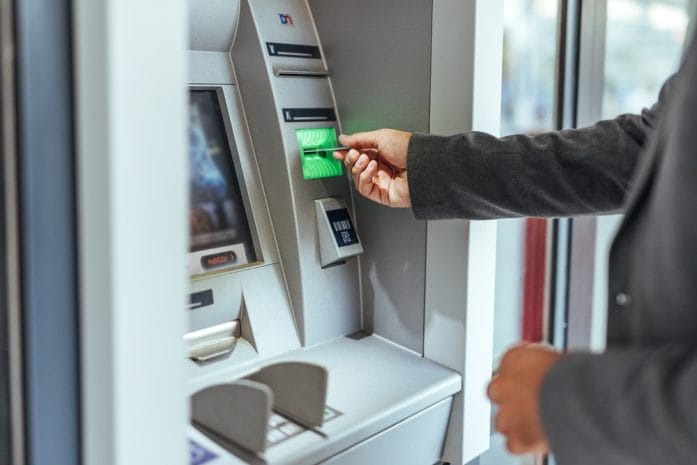
Image Source: Unsplash.com

You see a credit pop up in your account and feel a quick rush of relief. The bank refunded a fee. A disputed charge disappeared. Someone fixed a mistake. Then, days or weeks later, that same amount vanishes. No fireworks. No dramatic alert. Just a quiet reversal that leaves your balance lower than you expected.

Courtesy credits sound generous, and sometimes they are. But banks issue them with conditions, and they do not hesitate to take them back when those conditions change. If you rely on that money as if it’s permanent, you can end up scrambling. Let’s talk about why this happens and what you can actually do about it.

1. When a Dispute Doesn’t Go Your Way

Banks often issue a temporary credit when you dispute a debit card charge. Federal rules under Regulation E require banks to investigate errors, and they typically give you provisional credit within 10 business days if they need more time. That credit helps you avoid financial strain while the bank investigates.

But that credit does not mean you won the dispute. If the investigation finds that the charge was valid, the bank will reverse the provisional amount. The merchant might provide proof of authorization, delivery confirmation, or a signed receipt. Once the bank decides the charge stands, it removes the credit.

You can protect yourself here by following through on the dispute process. Provide documents quickly. Respond to bank emails. Keep screenshots and receipts. If you ignore requests for information, you increase the odds that the bank rules against you and pulls that courtesy credit back out of your account.

2. The Deposit That Didn’t Really Clear

Banks sometimes give you access to funds before a check fully clears. You might see a “courtesy” or “provisional” credit that lets you spend part or all of a deposit right away. That early access feels convenient, especially when you need the money urgently.

However, if the check bounces, the bank reverses the credit. The Federal Reserve’s funds availability rules allow banks to make funds available before final settlement, but that availability does not guarantee that the check is good. If the paying bank rejects it for insufficient funds, a closed account, or fraud, your bank removes the money from your balance.

You should treat any recent check deposit as conditional until you confirm it cleared. Avoid spending the full amount immediately, especially if you don’t know the check writer well. If someone pressures you to deposit a check and send money back quickly, that situation almost always signals a scam.

3. Fee Refunds With Strings Attached

Sometimes a bank waives an overdraft fee or monthly maintenance fee as a one-time courtesy. You call, explain the situation, and a representative credits your account. That goodwill gesture often depends on your account staying in good standing.

If you rack up more overdrafts right away or fail to bring your balance positive within a required time frame, the bank can reverse the courtesy refund. Many banks disclose in their account agreements that fee reversals fall under discretionary policies. They reserve the right to adjust your account if new activity changes the picture.

You can avoid this headache by reading your account terms and asking direct questions when you request a refund. Ask whether the credit depends on future behavior. Then adjust your habits. Set up low-balance alerts. Link a savings account for overdraft protection. Take the second chance seriously.

4. Fraud Claims That Change Midstream

When you report suspected fraud, banks move quickly to limit damage. They often issue a provisional credit while they investigate unauthorized transactions. That action protects you from losing access to your own money during the review.

But banks also analyze patterns, device information, transaction history, and merchant data. If they determine that you authorized the transaction or shared your credentials, they can deny the claim and reverse the credit. Some cases fall into gray areas, such as recurring subscription charges you forgot about or transactions made by someone you allowed to use your card.

You strengthen your position by reporting fraud immediately and changing your passwords right away. Avoid sharing debit card details, even with friends or family. Monitor your account frequently so you catch suspicious activity within the required reporting window. Timing matters in fraud claims, and delays can cost you that provisional credit.

Bank Alert: 7 Reasons “Courtesy Credits” Get Taken Back Without Warning

Image Source: Pexels.com

5. Merchant Chargebacks and Double Credits

Sometimes the confusion starts with the merchant, not the bank. You might receive a refund from a retailer and also see a temporary credit from your bank after filing a dispute. If both credits hit your account, you might assume you came out ahead.

Banks reconcile these situations carefully. If the merchant processes a refund and your bank already credited you for the same transaction, the bank will reverse its courtesy credit. You only get one refund for one transaction. The system corrects duplicates once the investigation closes.

Keep track of communications with both the merchant and the bank. If a merchant promises a refund, you may not need to file a dispute at all. Filing too quickly can complicate the process. Patience sometimes saves you from seeing that credit disappear later.

6. Account Reviews and Policy Violations

Banks conduct routine account reviews. They look for patterns that suggest misuse, policy violations, or high risk. If they spot frequent disputes, repeated overdrafts, or suspicious deposit activity, they can reassess prior credits.

In some cases, a bank might determine that a courtesy credit violated internal policy or resulted from incomplete information. When that happens, they adjust the account. The reversal might not come with much explanation beyond a standard notice in your transaction history.

You can lower your risk by keeping your account activity clean and consistent. Avoid frequent returned deposits. Limit disputes to legitimate errors. Maintain clear records. If you notice a reversal that seems wrong, contact the bank promptly and ask for a detailed explanation in writing.

7. Time Limits Expire Quietly

Provisional credits do not sit in limbo forever. Regulation E allows banks up to 45 days to complete most investigations, and even longer in certain cases. During that period, the credit remains temporary.

If the bank reaches a decision near the end of that window, it can reverse the credit with little fanfare. You might not receive a phone call. Instead, you’ll see a transaction labeled “reversal” or “chargeback adjustment.” That timing can feel abrupt, especially if you assumed weeks of silence meant approval.

Mark important dates when you file a dispute. Count forward 10 business days and then 45 calendar days. If you approach those deadlines without hearing back, call the bank and ask about the status. Staying proactive keeps you from getting blindsided.

The Fine Print Always Wins

Account agreements stretch for pages, and most people scroll past them. Those documents spell out the rules around provisional credits, fee reversals, and error investigations. Banks rely on those disclosures when they reverse a courtesy credit.

You do not need to memorize every clause, but you should understand key sections about funds availability, disputes, overdrafts, and fraud claims. Many banks publish simplified summaries online. Spending 20 minutes reviewing those policies can save you from confusion later.

If something feels unclear, ask for clarification. Document the date and the representative’s name. Clear communication builds a paper trail, and that paper trail helps you if you ever escalate a complaint to a regulator or file a formal dispute.

Don’t Treat Temporary Money Like It’s Permanent

Courtesy credits serve a purpose. They cushion mistakes, buy time during investigations, and show goodwill. But they do not equal guaranteed funds until the bank finalizes the underlying issue.

The smartest move involves caution. Leave disputed amounts untouched until the case closes. Build a small emergency cushion so a sudden reversal does not wreck your budget. Turn on transaction alerts and review your account weekly. These habits create breathing room.

Have you ever had a courtesy credit reversed, and did the bank explain it clearly or leave you piecing it together on your own? We want to hear about it in our comments.

You May Also Like…

Banks Are Still Charging Daily Overdraft Fees After Accounts Go Negative

Why Free Online Checking Continues to Beat Traditional Banks

Major Banks Continue Generating Billions From Overdraft Fees

Big Banks Are Still Collecting Billions in Overdraft and NSF Fees

5 Outrageous Fees Hidden in Everyday Banking Services

Brandon Marcus
Brandon Marcus

Brandon Marcus is a writer who has been sharing the written word since a very young age. His interests include sports, history, pop culture, and so much more. When he isn’t writing, he spends his time jogging, drinking coffee, or attempting to read a long book he may never complete.

Filed Under: Banking Tagged With: bank fees, banking, chargebacks, checking accounts, consumer advice, courtesy credit, deposits, financial literacy, fraud prevention, money management, overdraft, Personal Finance

Before You Opt In: 5 Things Many Customers Miss About Overdraft Protection

February 18, 2026 by Brandon Marcus Leave a Comment

Before You Opt In: 5 Things Many Customers Miss About Overdraft Protection

Image source: shutterstock.com

You don’t fix a money problem by borrowing from your bank at $35 a pop. That’s the hard truth about overdraft protection. Banks market it as a safety net, a convenience, a way to avoid embarrassment at the checkout line. It sounds responsible. It feels proactive. But before you check that little box or tap “I agree,” you need to understand exactly what you’re signing up for and how it can affect your balance, your habits, and your long-term financial health.

Overdraft protection can serve a purpose in certain situations, and I won’t pretend it never helps anyone. But too many people treat it like free insurance, when in reality it works more like a very expensive, very short-term loan.

1. It’s Not Free Coverage—It’s a Fee Machine

Overdraft protection usually comes with a fee, and that fee often hovers around $30 to $35 per transaction at many major U.S. banks. When your account lacks enough money to cover a purchase and the bank approves it anyway, the bank charges you for that courtesy. If you swipe your debit card three times while your balance sits in the red, you might rack up three separate fees.

Those charges add up fast. The Consumer Financial Protection Bureau has reported that banks collect billions of dollars in overdraft and non-sufficient funds fees each year. One small coffee, one streaming subscription, and one forgotten automatic payment can spiral into over $100 in fees within a day.

2. Opting In Changes How Debit and ATM Transactions Work

Federal rules require banks to get your consent before they charge overdraft fees on everyday debit card purchases and ATM withdrawals. That rule came from changes implemented after the financial crisis, and it gives you a real choice. If you don’t opt in, your bank cannot charge you an overdraft fee for those specific transactions; it must decline them instead.

However, that protection does not automatically extend to checks or automatic bill payments. Banks can still charge overdraft fees on those transactions even if you never opted in for debit card coverage. That distinction confuses a lot of people. You might assume that declining overdraft protection means you will never see an overdraft fee again, but that assumption misses the fine print.

Before You Opt In: 5 Things Many Customers Miss About Overdraft Protection

Image source: shutterstock.com

3. Small Purchases Can Trigger Big Consequences

Here’s where things get frustrating. A $5 purchase can generate a $35 fee. That math never feels good. In fact, it creates a situation where the cost of the penalty dwarfs the original transaction.

Banks often process transactions in a specific order, and although many institutions no longer reorder transactions from largest to smallest, the timing of when transactions post can still affect your balance. A pending transaction might not show immediately, and an automatic payment might clear overnight. If you rely only on the “available balance” without tracking upcoming charges, you risk misjudging how much money actually sits in your account.

4. There Are Alternatives That Cost Less

Overdraft protection does not come in just one form. Many banks offer different setups, and some cost far less than the standard per-transaction fee. For example, you can often link your checking account to a savings account. If you overspend, the bank transfers money from savings to checking and charges a smaller transfer fee, or sometimes no fee at all.

Some banks also provide overdraft lines of credit. With that option, the bank covers the shortfall and charges interest on the borrowed amount, similar to a small loan. Interest still costs money, but it often costs less than multiple $35 fees. You should compare the annual percentage rate and any transfer charges before you enroll, because not all lines of credit offer the same terms.

5. Habit and Psychology Matter More Than You Think

Overdraft protection doesn’t just affect your wallet; it affects your behavior. When you know your bank will cover a shortfall, you might feel less urgency to track every dollar. That subtle mental shift can encourage riskier spending, especially during tight months.

On the other hand, declining transactions can create a sharp wake-up call. It forces you to confront your balance in real time. That discomfort can motivate stronger budgeting habits, more frequent account monitoring, and better planning for recurring expenses.

You should ask yourself an honest question: do you want a system that cushions overspending, or one that prevents it? Neither choice makes you irresponsible or irresponsible; it simply reflects your financial habits and your tolerance for fees. If you struggle with tracking expenses, you might benefit more from budgeting apps, calendar reminders for bills, and automatic transfers into savings than from a high-fee safety net.

Control or Convenience?

Overdraft protection promises convenience, but convenience rarely comes free. Every opt-in decision shapes how your bank treats your money and how you treat your own spending. When you understand that overdraft coverage often functions as a costly, short-term loan rather than a harmless courtesy, you gain the power to decide intentionally instead of impulsively.

Overdraft protection can serve a purpose in emergencies, but it should never replace awareness and planning. When you treat it as a last resort instead of a routine backup, you protect both your balance and your peace of mind.

What choice have you made about overdraft protection, and has it worked out the way you expected? Talk about it in our comments section below.

You May Also Like…

5 Outrageous Fees Hidden in Everyday Banking Services

How Can Small Banking Errors Snowball Into Huge Losses

6 Data-Scraping Features in Online Banking

5 Unnecessary Fees Your Bank Is Charging You Without Your Permission (Read The Fine Print)

Banks Are Still Charging Daily Overdraft Fees After Accounts Go Negative

Brandon Marcus
Brandon Marcus

Brandon Marcus is a writer who has been sharing the written word since a very young age. His interests include sports, history, pop culture, and so much more. When he isn’t writing, he spends his time jogging, drinking coffee, or attempting to read a long book he may never complete.

Filed Under: Banking Tagged With: ATM withdrawals, bank policies, banking fees, Budgeting Tips, checking accounts, consumer finance, debit cards, financial literacy, money management, opt-in rules, overdraft protection, Personal Finance

Why Overdraft Fee “Reforms” Haven’t Reduced Bank Profits

February 16, 2026 by Brandon Marcus Leave a Comment

Why Overdraft Fee “Reforms” Haven’t Reduced Bank Profits

Image source: shutterstock.com

Banks did not lose sleep when regulators targeted overdraft fees. Headlines promised a reckoning. Politicians demanded reform. Advocacy groups celebrated change. Yet major banks continue to post billions in profits, and overdraft revenue still contributes a meaningful slice of noninterest income. If reforms aimed to dent bank earnings, the numbers tell a different story.

Let’s unpack why.

The Great Overdraft Crackdown That Wasn’t

Overdraft fees drew intense scrutiny after years of criticism. Consumer advocates argued that flat fees—often around $35 per transaction—punished people who could least afford them. In response, regulators stepped in. The Consumer Financial Protection Bureau increased oversight, encouraged transparency, and pushed banks to adjust their practices. Lawmakers introduced proposals to cap fees or limit how banks process transactions.

Several large banks responded. Some reduced overdraft fees from $35 to $10. Others eliminated non-sufficient funds fees. And certain banks expanded grace periods and offered low-cost alternatives. These changes looked dramatic on paper.

But reforms did not wipe out overdraft programs. Banks reshaped them. They introduced “early direct deposit,” extended cutoff times, and encouraged customers to link savings accounts or credit lines. Instead of scrapping the revenue model, banks adjusted pricing structures and product design to soften criticism while preserving income streams. That strategy kept profits sturdy.

Overdraft Revenue Fell—But Profits Stayed Mighty

Overall bank profits did not collapse. Why? Because overdraft fees represent only one piece of a much larger machine. Big banks generate revenue from interest on loans, credit cards, mortgages, investment banking, wealth management, and trading operations. When the Federal Reserve raised interest rates, banks earned more on loans and other interest-bearing assets. Higher net interest margins offset declines in fee income.

In other words, banks lost some fee revenue but gained interest income. They also reduced expenses, automated operations, and leaned into digital banking, which lowers overhead. The result: profits remained strong even as overdraft fees drew criticism and reform.

The Fine Print: How Programs Evolved

Banks rarely abandon profitable ideas outright. They refine them. After public backlash intensified, many institutions shifted from charging multiple fees per day to imposing caps. Some eliminated non-sufficient funds fees but retained overdraft fees for certain transactions. Others promoted overdraft “protection” linked to credit lines, which generate interest income instead of flat fees.

These adjustments changed optics without eliminating revenue opportunities. A lower fee still produces income if enough customers incur it. A linked credit line produces interest payments. Early direct deposit reduces overdraft frequency but strengthens customer loyalty, which supports long-term profitability.

Regulation Moves Slowly, Markets Move Fast

Regulatory reform often unfolds at a deliberate pace. Agencies must propose rules, gather public comments, revise drafts, and defend decisions in court if necessary. Banks, meanwhile, adapt quickly. They anticipate rule changes and adjust business models before mandates take effect.

Markets reward agility. Investors care about earnings consistency. When banks signal that they can replace declining fee revenue with other sources, markets respond positively. That dynamic reduces pressure on stock prices and keeps executives focused on growth rather than retreat.

Public Pressure Changes Behavior—Up to a Point

Public outrage matters. It pushed banks to reduce some fees voluntarily. It forced executives to explain policies on earnings calls. It inspired lawmakers to introduce reform bills. But outrage alone rarely dismantles entrenched revenue models.

Banks calculate trade-offs. They weigh reputational risk against financial return. When reputational damage threatens customer growth or political backlash, banks adjust. When changes satisfy critics without crushing earnings, banks stop there. That balance explains why reforms softened overdraft practices without erasing them.

Consumer behavior also plays a role. Many customers choose convenience and brand familiarity over switching institutions. Community banks and credit unions often advertise low or no overdraft fees, yet large banks retain vast customer bases. That loyalty gives big banks room to experiment with partial reforms instead of radical overhauls.

Why Overdraft Fee “Reforms” Haven’t Reduced Bank Profits

Image source: shutterstock.com

What This Means for Your Wallet

Policy debates can feel abstract, but overdraft fees hit real budgets. Even with reforms, overdraft programs still exist. If you want to avoid fees, you need a strategy.

Start by reviewing your bank’s overdraft policy carefully. Look at fee amounts, daily caps, and grace periods. Consider opting out of overdraft coverage for debit card transactions if your bank allows it, which can prevent point-of-sale fees. Link a savings account if you maintain a cushion there, but confirm whether transfer fees apply.

Explore alternatives. Some online banks and credit unions advertise low-fee or no-fee checking accounts. Compare terms, not just marketing slogans. Look at minimum balance requirements, ATM access, and customer service track records. A small difference in policy can save hundreds of dollars over time.

Build a buffer or emergency fund if you can. Even a few hundred dollars in emergency savings reduces the risk of overdrafts dramatically. Automate transfers after each paycheck. Use budgeting apps to track pending transactions so you don’t rely solely on available balance numbers, which can lag.

The Profit Machine Rolls On

Overdraft fee reforms changed headlines, but they did not dismantle the profit engine of modern banking. Large banks operate diversified businesses that generate revenue from multiple channels. When one stream shrinks, another often expands. Interest rate cycles, digital innovation, and cost controls shape profitability as much as fee policy does.

That reality does not mean reform failed entirely. Many customers now face lower fees and clearer disclosures than they did a decade ago. Transparency improved. Some banks eliminated the most aggressive practices. Yet the broader financial system adapts quickly, and profits continue to flow.

Have overdraft changes made a difference in your banking experience, or do you think the industry still has more work to do? Let’s talk about it in the comments below.

You May Also Like…

Major Banks Continue Generating Billions From Overdraft Fees

Why “Lower” Overdraft Fees Still Hurt Most Customers

Big Banks Are Still Collecting Billions in Overdraft and NSF Fees

10 Personal Finance Lessons People Learn the Hard Way

5 Outrageous Fees Hidden in Everyday Banking Services

Brandon Marcus
Brandon Marcus

Brandon Marcus is a writer who has been sharing the written word since a very young age. His interests include sports, history, pop culture, and so much more. When he isn’t writing, he spends his time jogging, drinking coffee, or attempting to read a long book he may never complete.

Filed Under: Banking Tagged With: bank profits, banking industry, banking reform, CFPB, checking accounts, consumer finance, debit cards, fee income, financial regulation, money management, overdraft fees, personal finance tips

Banks Are Still Charging Daily Overdraft Fees After Accounts Go Negative

February 15, 2026 by Brandon Marcus Leave a Comment

Banks Are Still Charging Daily Overdraft Fees After Accounts Go Negative

Image source: shutterstock.com

Your bank account hits zero, and the meter starts running. Not metaphorically. Not emotionally. Literally. At some financial institutions, the moment your balance dips below zero, a daily overdraft fee can begin stacking up day after day until you bring the account positive again. That structure turns one mistake or one tight week into a cascade of charges that feel wildly out of proportion to the original shortfall. While many large banks have eliminated this practice in recent years, a number of institutions still use it, and if you do not know the rules attached to your account, you could pay far more than you expect.

The Daily Fee Model: How It Actually Works

Most people understand the traditional overdraft fee: your bank covers a transaction that exceeds your balance and charges a flat fee, often around $30 to $35, for that single item. The daily overdraft fee model works differently and, in many cases, more aggressively.

Under a daily structure, a bank charges you an additional fee for every day your account remains overdrawn, sometimes starting the very next business day. The fee often ranges from $5 to $10 per day and can continue for several days in a row. Some banks cap the total daily fees, while others combine them with a standard overdraft charge for each transaction that pushed your account negative.

Consumer advocacy groups have criticized this structure for years because it amplifies the financial damage of a single shortfall. The Consumer Financial Protection Bureau has examined and ruled on overdraft practices across the industry and has highlighted how repeated fees disproportionately impact customers who carry lower balances. Large banks such as JPMorgan Chase have moved away from daily overdraft fees and reduced or eliminated many overdraft charges altogether. However, smaller banks and certain regional institutions still rely on daily fees as a revenue source.

The Banks That Still Use Daily Overdraft Fees

Several regional and community banks continue to charge daily overdraft or “extended overdraft” fees when an account remains negative for multiple days. Because banks update fee schedules periodically, you should always check the most recent fee disclosure for your specific institution. Many banks bury overdraft language inside lengthy account agreements under terms such as “continuous overdraft fee” or “sustained negative balance fee.” If you see language stating that the bank will assess an additional charge after your account remains negative for a set number of days, you likely face a daily or recurring penalty.

Credit unions tend to charge fewer daily overdraft fees than banks, but some still apply sustained negative balance charges if you do not resolve the overdraft quickly. You cannot assume that a credit union automatically protects you from this structure. Always verify the fee schedule.

Daily overdraft fees have not disappeared from the banking landscape, even though some high-profile institutions eliminated them.

Why Banks Keep the Daily Fee Structure

Banks that continue charging daily overdraft fees argue that the structure encourages customers to restore their accounts to a positive balance quickly. They position the fee as a nudge, a financial incentive that pushes account holders to address the overdraft rather than leave it unresolved.

Critics counter that daily fees generate significant revenue from customers who struggle to bring accounts positive immediately. A $7 daily fee for five days adds $35 to an already negative balance, and that amount can trigger additional overdrafts if new transactions hit the account during that period. The cycle can compound quickly, especially for someone who lives paycheck to paycheck.

Banks maintain the practice because it remains legal under current federal regulations, provided they disclose the terms clearly and obtain customer opt-in for certain overdraft services on debit card transactions. Transparency does not erase the financial strain, but it does satisfy regulatory requirements.

Banks Are Still Charging Daily Overdraft Fees After Accounts Go Negative

Image source: shutterstock.com

How to Find Out If Your Bank Charges Daily Overdraft Fees

You do not need a law degree to decode your account terms, but you do need patience. Start with your bank’s official fee schedule, which you can find on its website or request at a branch. Look specifically for phrases such as “extended overdraft fee,” “continuous overdraft fee,” or “daily negative balance fee.”

If the language feels unclear, call customer service and ask a direct question: Do you charge a fee for every day my account remains negative, and if so, how much and for how long? Ask whether the bank caps the total number of daily fees per overdraft event. Take notes.

Many banks now offer low-balance alerts through mobile apps. Turn them on. Set a threshold that gives you breathing room, not just a warning at $0. If you receive an alert at $50, you can move money or adjust spending before a transaction pushes you negative.

Practical Ways to Avoid Getting Trapped

You can take concrete steps to reduce the risk of daily overdraft fees without overhauling your entire financial life.

First, link a savings account or set up an overdraft line of credit if your bank offers those options at a lower cost than standard overdraft fees. A small transfer fee from savings often costs far less than multiple daily penalties. Just make sure you understand any transfer limits or fees attached to the savings account itself.

Also, consider switching to a bank that has eliminated overdraft fees entirely. Several large institutions now offer no-overdraft-fee accounts, and some online banks reject transactions that exceed your balance without charging a penalty. Compare fee schedules side by side instead of assuming your current bank matches industry trends.

The Real Cost of Ignoring the Fine Print

Daily overdraft fees do not grab headlines the way massive fraud scandals do, but they quietly drain millions of dollars from consumer accounts every year. When you ignore the fine print, you hand over control of your cash flow to a fee schedule that may not align with your financial reality.

Money already carries enough stress without surprise daily penalties piling on top. Take the time to understand your bank’s policies, set up alerts, and create a small buffer that keeps you out of the red.

Have you checked your bank’s overdraft policy recently, and do you think daily fees still belong in modern banking? If you have advice for fellow readers, make sure to share it in our comments below.

You May Also Like…

5 Outrageous Fees Hidden in Everyday Banking Services

How Life Disruptions and Medical Costs Push Americans Toward Bankruptcy

Big Banks Are Still Collecting Billions in Overdraft and NSF Fees

Credit Card Annual Fees Jumped in 2025 — Some Up to $200

12 Practical Tips for Minimizing Brokerage Account Fees Effectively

Brandon Marcus
Brandon Marcus

Brandon Marcus is a writer who has been sharing the written word since a very young age. His interests include sports, history, pop culture, and so much more. When he isn’t writing, he spends his time jogging, drinking coffee, or attempting to read a long book he may never complete.

Filed Under: Banking Tagged With: account protection, bank fees, banking regulations, CFPB, checking accounts, consumer finance, credit unions, daily overdraft charges, financial literacy, money management, overdraft fees, personal finance tips

Major Banks Continue Generating Billions From Overdraft Fees

February 15, 2026 by Brandon Marcus Leave a Comment

Major Banks Continue Generating Billions From Overdraft Fees

Image source: shutterstock.com

The overdraft fee refuses to die.

In an era of sleek banking apps, real-time alerts, and promises of financial empowerment, major banks still collect billions of dollars each year from customers who spend more than they have in their accounts. That number has fallen from its peak a decade ago, but it remains enormous, and it continues to raise serious questions about how the banking system treats everyday account holders.

If you assume overdraft fees faded into obscurity after years of public pressure and regulatory scrutiny, the numbers tell a very different story.

Millions In Fees

Overdraft fees once ranked among the most reliable revenue streams for large banks, and even after reforms and public backlash, they still deliver substantial income.

Institutions such as JPMorgan Chase, Bank of America, Wells Fargo, and Citibank still report hundreds of millions of dollars in overdraft-related revenue each year. Some have scaled back the practice by eliminating certain fees or reducing the number of times they charge customers per day. Others have introduced grace periods or low-balance alerts, which signal progress but do not erase the underlying business model.

Banks argue that overdraft services provide value. They frame the service as short-term liquidity that prevents declined payments, embarrassment at checkout counters, and late fees from merchants. That argument resonates with some customers, yet critics counter that the structure of overdraft fees often hits those with the least financial cushion the hardest. The tension between convenience and cost defines the debate, and it explains why the revenue persists even as public scrutiny intensifies.

Who Pays the Price

Overdraft fees do not spread evenly across all account holders. Research shows that a small percentage of customers account for a large share of overdraft revenue. Many of those customers carry lower account balances and experience volatile cash flow, which means they face a higher risk of dipping below zero.

Banks typically charge a flat fee, often around $30 to $35, for each overdraft transaction. When multiple transactions clear on the same day, those fees can stack quickly. Some banks once reordered transactions from largest to smallest, which increased the number of overdraft charges, but regulatory pressure and lawsuits pushed many institutions to abandon that practice.

Even with changes, the basic math still stings. A $15 purchase that triggers a $35 fee creates an effective short-term borrowing cost that dwarfs most credit card interest rates. Customers who incur repeated overdrafts can rack up hundreds of dollars in fees in a matter of weeks. That dynamic fuels criticism from consumer advocates who argue that overdraft programs function less like a safety net and more like a high-cost credit product attached to a checking account.

Major Banks Continue Generating Billions From Overdraft Fees

Image source: shutterstock.com

Regulatory Pressure and Public Backlash

Over the past several years, regulators have stepped up their focus on overdraft practices. The Consumer Financial Protection Bureau has scrutinized what it calls “junk fees” in banking, and it has urged institutions to rein in aggressive overdraft policies. Some lawmakers have proposed caps on overdraft fees or limits on how often banks can charge them.

Some recent changes by banks trimmed overall fee revenue across the industry, yet they did not eliminate overdraft programs. Banks still rely on them, and they still defend them as optional services that customers must opt into for debit card and ATM transactions. Federal rules require banks to obtain consent before enrolling customers in certain types of overdraft coverage, which means you can decline the service. Many people never revisit that decision after opening an account, even though it can shape their financial life in a very real way.

The Psychology Behind the Swipe

Overdraft fees persist not only because banks design them into account agreements, but also because human behavior makes them profitable. Most people do not track their checking account balance down to the dollar in real time. Life moves quickly, bills arrive unpredictably, and subscriptions renew quietly in the background.

Debit cards create a sense of immediacy without the visible friction of handing over cash. When a transaction goes through despite insufficient funds, the immediate relief can overshadow the fee that arrives later. Banks often notify customers after the fact, which means the decision has already occurred.

You can take back some control with a few deliberate steps. Set up low-balance alerts through your banking app and choose a threshold that reflects your real spending patterns, not a random number. Link your checking account to a savings account for overdraft protection if your bank offers it at low or no cost. Keep a small buffer in your checking account, even if it feels inefficient, because that cushion can save you from multiple $35 hits that wipe out any interest you might earn elsewhere.

A Business Model Under the Microscope

Critics argue that overdraft fees reveal a deeper issue within the banking system. Large banks market checking accounts as foundational financial tools, yet they attach fee structures that disproportionately affect customers with unstable incomes. When a relatively small group of account holders generates a large share of overdraft revenue, the optics raise uncomfortable questions about fairness.

Banks counter that customers choose these services and that fee income supports the cost of maintaining branch networks, digital infrastructure, and fraud protection. They point to competition from online banks and credit unions, many of which have reduced or eliminated overdraft fees altogether. The market, they argue, gives consumers options.

Both sides hold pieces of the truth. Consumers do have choices, but switching banks requires time, effort, and trust. Not everyone feels comfortable moving their direct deposit, automatic bill payments, and savings into a new institution. That inertia helps preserve the status quo, even when better alternatives exist.

The Real Cost of Convenience

Overdraft services promise convenience, and in certain moments, they deliver it. They can prevent a declined rent payment or a utility shutoff, which carries consequences that extend beyond a single fee. At the same time, convenience rarely comes free, and overdraft fees illustrate that tradeoff in stark numbers.

When major banks continue generating billions from overdraft fees, they signal that demand for short-term liquidity remains strong and that many households operate with thin margins. That reality reflects broader economic pressures, including rising living costs and income volatility.

If major banks still earn billions from overdraft fees each year, what steps will you take to make sure none of that money comes from your account? Tell us about it in the comments below.

You May Also Like…

Big Banks Are Still Collecting Billions in Overdraft and NSF Fees

How Can Small Banking Errors Snowball Into Huge Losses

6 Data-Scraping Features in Online Banking

10 Warning Signs Your Banking App Was Compromised

Credit Card Annual Fees Jumped in 2025 — Some Up to $200

Brandon Marcus
Brandon Marcus

Brandon Marcus is a writer who has been sharing the written word since a very young age. His interests include sports, history, pop culture, and so much more. When he isn’t writing, he spends his time jogging, drinking coffee, or attempting to read a long book he may never complete.

Filed Under: Banking Tagged With: Bank of America, bank regulations, banking industry, big banks, CFPB, checking accounts, Citibank, consumer finance, financial literacy, JPMorgan Chase, overdraft fees, personal finance tips, Wells Fargo

Why “Lower” Overdraft Fees Still Hurt Most Customers

February 14, 2026 by Brandon Marcus Leave a Comment

Why “Lower” Overdraft Fees Still Hurt Most Customers

Image source: shutterstock.com

Picture this: a tiny “mistake” in your bank balance turns into a fee that feels like a punch to the gut. You’ve probably heard that some banks have lowered overdraft fees — and on the surface that sounds like relief.

But here’s the thing: in most cases, those lower fees still sting way more than you realize. It’s time to unpack why a “discounted” hit to your bank account is still a blow, and how this whole system really works.

The Illusion of a Lower Fee: Why It Still Stings

Lowering overdraft fees might seem like a win for everyday people, but this is where we need to talk about the bigger picture. Sure, cutting a fee from $35 to $20 sounds like a sweet deal — but what’s the real impact? For many folks living paycheck to paycheck, it’s not just about the number on the fee. It’s about the cascade of financial stress that comes after seeing your balance suddenly worse than you expected.

A fee is supposed to be a discouragement — a reminder to stay on top of your balance — but when your hard-earned dollars get siphoned off for what feels like a bookkeeping technicality, it doesn’t feel like discipline. It feels like a penalty that hits disproportionately hard for people without a cushion. Those “lower” fees still come directly out of your spending money, and because they’re often repeated, they add up fast.

So, How Do Overdraft Fees Work Anyway?

Overdraft fees are basically the bank saying: “You spent more than you had, and we’re going to charge you for the privilege of covering the difference.” Some banks let a transaction go through even when there’s not enough money in your account, and boom — you get hit with a fee.

The key point most people miss is that overdraft isn’t automatic. Many banks offer standard overdraft programs that you’re opted into unless you specifically decline. That means if you don’t know what you’re signed up for, you could be paying fees without even realizing you agreed to them. Some banks charge you not just one fee but multiple fees in a single day if more than one transaction posts when you don’t have enough funds.

Lowering the per‑fee cost doesn’t change the fact that a series of small overdrafts can still drain a checking account quickly.

Why Lower Fees Still Don’t Help the Most Vulnerable

People who struggle most with overdraft fees are the ones who can least afford them. A $20 fee might be easier to swallow than $35, but for someone with a $25 balance, it’s still almost a full paycheck’s worth of spending money gone. The fee doesn’t help them catch up; it keeps them stuck.

Lower fees also don’t change the unpredictable nature of everyday finances. Bills, rent, groceries, travel — life doesn’t pause for budgeting missteps. Imagine you’re a parent juggling expenses: an unexpected overdraft fee, even a reduced one, can be the difference between paying for essentials or not.

The Real Alternatives Banks Offer (and Why They Still Miss the Mark)

In response to criticism, some banks have introduced alternatives: alerts for low balances, grace periods, or even overdraft lines of credit. These sound like improvements, and in some cases, they are slightly better than the old model.

Alerts, for example, can help you avoid overdrafts before they happen — if you actually see them in time. But if you’re juggling work, family, and life, you might miss a text or email notification — and still get hit with a fee.

Grace periods seem reasonable, until you realize there might be limits or conditions tied to it. And overdraft lines of credit? That’s essentially a mini loan with interest — helpful for some, but because it adds debt into the mix, it’s not inherently a kinder alternative.

Real Strategies to Dodge Overdraft Fees

We’ve established that “lower” doesn’t mean “friendly.” What can you actually do to protect yourself? The first step is awareness: know your bank’s overdraft policy inside and out.

Turning on balance alerts is a simple move. But pair it with a routine check‑in on your account, like a quick glance every morning. It’s amazing how a daily habit can prevent a weekly problem.

Finally, consider switching to banks or credit unions that offer “no‑fee” accounts or waive overdraft fees under certain conditions. Online banks and credit unions often have more member‑friendly policies — and making the switch could end up saving you real money over time.

Why “Lower” Overdraft Fees Still Hurt Most Customers

Image source: shutterstock.com

Why the Fee Debate Matters Now More Than Ever

We’re living in a time when the cost of banking — things like fees and minimum balances — is getting more attention. Regulatory scrutiny and consumer advocacy are pushing banks to rethink their practices. Lower overdraft fees are a step, but we’re learning they’re only a step, not the solution.

For many people, the goal isn’t just to pay a smaller fee — it’s to avoid being penalized for financial ebbs and flows that are normal parts of life. A banking system that charges for ordinary mistakes isn’t just outdated; it’s a tax on uncertainty and a barrier to stability.

Taking Control of Your Money

Lower overdraft fees may feel like a nod toward fairness, but they rarely solve the core issue. For most people, they’re still a setback that drains funds, stresses budgets, and creates cycles that are hard to escape.

A smarter approach is less about letting banks lower fees and more about empowering yourself with the knowledge and tools to keep fees from happening at all. That means understanding your accounts, setting up protections that work for your life, and being proactive about where your money goes.

What’s one move you’ve made (or want to make) to avoid overdraft fees and keep more money in your wallet? Talk about it with others in our comments section.

You May Also Like…

Big Banks Are Still Collecting Billions in Overdraft and NSF Fees

Credit Card Annual Fees Jumped in 2025 — Some Up to $200

Why More Americans Are Being Charged Fees They Never Explicitly Agreed To

6 Major Banks Just Raised “Maintenance Fees”—Here is the List of Who to Ditch

12 Practical Tips for Minimizing Brokerage Account Fees Effectively

Brandon Marcus
Brandon Marcus

Brandon Marcus is a writer who has been sharing the written word since a very young age. His interests include sports, history, pop culture, and so much more. When he isn’t writing, he spends his time jogging, drinking coffee, or attempting to read a long book he may never complete.

Filed Under: Banking Tagged With: bank fees, banking costs, checking accounts, consumer tips, finance education, Financial Wellness, money mistakes, overdraft fees, Personal Finance, saving money

Why Credit Unions Are Still Generating Massive Overdraft Fee Revenue

February 13, 2026 by Brandon Marcus Leave a Comment

Why Credit Unions Are Still Generating Massive Overdraft Fee Revenue

Image source: shutterstock.com

The idea that credit unions are automatically kinder, gentler, and more consumer-friendly than big banks has become financial folklore, repeated so often it feels like a universal truth. But behind the friendly branding and community-focused language, there’s a less cozy reality: overdraft fees are still pulling in enormous amounts of revenue for many credit unions across the country.

The tension between mission and money is one of the most fascinating contradictions in modern consumer finance, and it reveals a lot about how the system actually works when values collide with financial pressure. Overdraft fees don’t survive because of accident or confusion — they survive because they work.

The “Not-for-Profit” Label Doesn’t Mean “Not-for-Revenue”

Credit unions love the phrase “not-for-profit,” and technically, it’s true. They don’t have shareholders demanding quarterly profits, and they’re structured as member-owned institutions. But “not-for-profit” doesn’t mean “not-for-income,” and that distinction matters more than most people realize. Credit unions still have operating costs, technology budgets, staffing needs, regulatory compliance expenses, and growth targets that require steady cash flow.

Overdraft fees happen to be one of the easiest revenue streams to maintain because they don’t require selling new products, expanding branches, or launching complex services. The system already exists, the infrastructure is built, and the revenue comes from routine account activity. It’s quiet money, predictable money, and extremely efficient money. From a business perspective, it’s almost frictionless income, which makes it hard for any financial institution to walk away from it voluntarily.

Behavioral Finance Is Doing More Work Than Marketing Ever Could

One of the least discussed drivers of overdraft revenue is human behavior itself. Most overdraft fees don’t come from chronic overspenders; they come from everyday people misjudging timing, balances, or transaction sequencing. Automatic payments, pending charges, delayed deposits, and transaction reordering all create conditions where perfectly normal financial behavior triggers fees.

Credit unions benefit from the same psychological patterns banks do: people underestimate risk, overestimate available balances, and assume small transactions won’t matter.

Consumers don’t change behavior dramatically after one or two fees. They absorb them as annoyances instead of structural problems, which allows the cycle to continue without mass account closures or reputational damage.

Regulation Is Shifting, But Slowly and Unevenly

Regulatory pressure has absolutely started reshaping overdraft practices, especially among large national banks that face intense scrutiny. Many major institutions have reduced fees, eliminated certain charges, or introduced grace periods. But credit unions often operate under different regulatory and public visibility dynamics, which creates uneven reform.

Smaller institutions aren’t under the same media spotlight, and changes that generate headlines for big banks happen quietly or not at all in smaller systems. There’s also less public pressure because credit unions benefit from strong reputational trust. People assume ethical alignment, which reduces demand for reform.

Why Credit Unions Are Still Generating Massive Overdraft Fee Revenue

Image source: shutterstock.com

Member Loyalty Creates a Revenue Safety Net

One of the biggest reasons overdraft revenue remains stable is loyalty. Credit union members tend to stay longer, switch less frequently, and trust the institution more deeply than traditional bank customers. That loyalty creates financial stability, but it also reduces economic pressure to change fee structures quickly.

People who trust an institution are more forgiving of fees. They interpret them as mistakes, policies, or unavoidable systems instead of predatory practices. That psychological buffer matters more than most financial models account for.

The Revenue Model Nobody Talks About

Overdraft fees function like a silent tax on liquidity misalignment rather than income level. They’re not based on wealth; they’re based on timing. That makes them uniquely powerful because they don’t feel like traditional fees tied to services or privileges. They feel accidental, which makes them harder to organize against socially and politically.

For credit unions, overdraft revenue fills budget gaps that would otherwise require structural changes to products, rates, or services. It supports everything from branch operations to digital banking tools to loan programs. In that sense, overdraft fees become embedded in the institution’s financial ecosystem, not just a side feature.

Change Starts With Financial Awareness

The future of overdraft fees won’t be decided only by regulators or institutions. It will be shaped by consumer behavior, awareness, and demand. Tools like low-balance alerts, real-time transaction tracking, automatic savings buffers, and smarter account management can reduce fee exposure without waiting for system-wide reform.

There’s also power in asking better questions when choosing financial institutions. Fee structures matter. Grace periods matter. Transaction processing policies matter. These details shape real financial outcomes far more than slogans or branding language.

Where Values, Money, and Systems Collide

Credit unions live in a complicated space between mission and mechanism, between community ideals and financial reality. Overdraft fees exist in that tension, not because institutions are malicious, but because systems reward stability more than transformation. The real story isn’t that credit unions generate overdraft revenue — it’s why the system makes that outcome logical, sustainable, and quietly profitable. Understanding that reality creates power, clarity, and better financial decisions for anyone navigating the modern banking world.

What do you think should change first: the systems, the policies, or the way people interact with their money? How do you avoid overdraft fees so they don’t bog down your budget? Talk about it in the comments below.

You May Also Like…

The Truth About “0% APR” Balance Transfer Cards and Their Hidden Fees

Why More Americans Are Being Charged Fees They Never Explicitly Agreed To

Big Banks Are Still Collecting Billions in Overdraft and NSF Fees

6 Major Banks Just Raised “Maintenance Fees”—Here is the List of Who to Ditch

Regulation Watch: 8 Compliance Changes That May Affect Advisory Fees


Brandon Marcus
Brandon Marcus

Brandon Marcus is a writer who has been sharing the written word since a very young age. His interests include sports, history, pop culture, and so much more. When he isn’t writing, he spends his time jogging, drinking coffee, or attempting to read a long book he may never complete.

Filed Under: Banking Tagged With: banking fees, banking industry, checking accounts, consumer finance, credit unions, financial literacy, financial reform, money management, nonprofit banking, overdraft fees, Personal Finance

8 Financial Habits That Quietly Drain Your Checking Account

January 8, 2026 by Brandon Marcus Leave a Comment

Here Are 8 Financial Habits That Quietly Drain Your Checking Account

Image Source: Shutterstock.com

Ever feel like your paycheck disappears faster than a magician’s rabbit? One minute you’re celebrating payday, the next you’re staring at your bank balance wondering where all the money went. It’s not always obvious. Sometimes, the real culprits aren’t massive purchases or lavish vacations—they’re tiny habits that chip away at your finances without setting off alarms.

From sneaky fees to daily indulgences, these habits can quietly transform your checking account into a ghost town. Here are eight financial traps that might be draining your account without you even noticing, and how you can fight back while keeping your sanity intact.

1. Ignoring Bank Fees And Charges

Fees are the silent assassins of your balance. Monthly maintenance fees, overdraft penalties, and ATM charges may seem small individually, but they stack up quickly. Many banks assume you won’t notice $5 here, $10 there, and some accounts quietly drain money just for being “inactive” or “below minimum balance.”

Even when you think you’re careful, using the wrong ATM or overdrawing by a single dollar can cost you more than a night out on the town. The key is to read your statements like they’re gripping novels—every line tells a story about your money. Switching to a fee-free account or setting up alerts for low balances can save hundreds over a year.

2. Falling For Subscription Overload

Subscriptions are great when you actually use them—but do you really need five streaming services, a meditation app, a premium news site, and a music plan all at once? Many of us sign up on impulse, forget to cancel, or underestimate how much they cost collectively. It’s easy to lose track because these payments quietly slip out of your checking account each month. Conduct a subscription audit: check every debit and question whether it’s worth it. Cutting down to essentials not only protects your balance but also declutters your digital life. Remember, every little recurring fee is like a tiny leak in your wallet—patch it before it floods.

3. Paying Bills Late

Late fees are the sneaky tax you pay for procrastination. Forgetting a due date or miscalculating auto-pay schedules can trigger penalties that range from $20 to $50 or more. If it becomes habitual, late fees can spiral into hundreds of dollars lost annually. The psychological effect is worse: stress over missed payments can make your money decisions even more chaotic. Setting up reminders or automating payments can prevent these costly slip-ups. Think of timely payments as a simple hack that protects both your credit and your checking account simultaneously.

Here Are 8 Financial Habits That Quietly Drain Your Checking Account

Image Source: Shutterstock.com

4. Impulse Purchases

Impulse buying is the thrill that quickly turns into regret. That fancy coffee, the weekend sale splurge, or the “just because” online purchase can seem harmless in isolation. But when combined, they quietly drain hundreds of dollars before the month is over. Retailers have mastered the art of triggering instant gratification, and our brains are designed to reward it. Combat this habit by enforcing a 24-hour rule: if you still want it after a day, it’s probably worth it. Tracking spending weekly also helps reveal patterns you might not even realize you have.

5. Overdrafting Without Awareness

Overdraft fees are notorious for annihilating balances. It’s tempting to think, “I’ll cover it next paycheck,” but every overdraft can cost $30 to $35—and multiple occurrences multiply the damage fast. Some people even accidentally trigger multiple overdrafts in a single day due to pending transactions. Enabling overdraft alerts or linking a backup savings account can prevent this financial heart attack. Awareness is your secret weapon: understanding your actual available balance, not just your account total, keeps you in control.

6. Ignoring Interest And Penalties

Interest isn’t just for credit cards—it affects loans, lines of credit, and even some banking products. Missing even one payment or only paying the minimum can cause interest to compound in ways that shock your future self. Penalties for late or partial payments often get overlooked until you see them reflected in your checking account. Taking a proactive approach, like setting up reminders or paying a bit extra when possible, saves money in the long run. Being strategic with debt isn’t boring—it’s like leveling up your personal finance game.

7. Frequent Small Cash Withdrawals

Small withdrawals feel harmless, but they have a surprisingly big impact. Every $5 or $10 from the ATM might not seem like much—but when multiplied over weeks, the total is staggering. Coupled with ATM fees, it’s like throwing cash into a bonfire. Using cashless payments for essentials and withdrawing larger sums less frequently can save money and time. Track your withdrawals to see how quickly they add up. You might be shocked to discover that your “tiny” withdrawals are actually major balance busters.

8. Not Monitoring Your Account Regularly

Avoiding your bank account might feel less stressful, but it’s a financial trap. Without monitoring, you can’t catch errors, unauthorized charges, or creeping habits that drain funds. Checking your account weekly or using alerts for unusual activity keeps you ahead of problems. It’s not just about preventing loss—it’s about gaining a sense of control and confidence over your finances. Think of your account like a garden: occasional attention ensures it thrives rather than wilts under neglect.

Take Charge Of Your Checking Account

Your checking account is like a personal financial dashboard—it reflects your habits, decisions, and priorities. By recognizing and adjusting these eight habits, you can reclaim lost money and feel empowered instead of stressed. Money management doesn’t have to be a chore; it can be dynamic, rewarding, and even a little fun.

If you’ve battled any of these money drains or discovered clever hacks to protect your balance, drop your thoughts and experiences in the comments below. Your insights might just inspire someone else to take control of their finances.

You May Also Like…

Expense Alert: 9 Holiday Habits That Inflate Budgets Quietly

6 Bad Money Habits Families Show During The Holidays

Risk Proaction: 5 Steps to Stress-Test Your Finances for Worst-Case Scenarios

Behavior Habit: 5 Daily Money Moves That Build Long-Term Wealth

8 “Harmless” Daily Habits That Are Secretly Wrecking Your Credit Score


Brandon Marcus
Brandon Marcus

Brandon Marcus is a writer who has been sharing the written word since a very young age. His interests include sports, history, pop culture, and so much more. When he isn’t writing, he spends his time jogging, drinking coffee, or attempting to read a long book he may never complete.

Filed Under: Finance Tagged With: advisor habits, bad financial habits, bank, bank account, bank fees, banking, bill, checking accounts, emotional purchases, finance, finances, financial habits, general finance, impulse shopping, missed payments, Money, money issues, overdraft fee, overdraft protection, paying bills, saving money, subscriptions

5 Bank Fees That Are Secretly Draining Hundreds From Your Account Annually

October 11, 2025 by Catherine Reed 2 Comments

5 Bank Fees That Are Secretly Draining Hundreds From Your Account Annually

Image source: shutterstock.com

You might think your money is safe sitting in a checking or savings account, but the truth is, many banks quietly chip away at your balance through small, recurring charges. These sneaky costs can add up to hundreds of dollars every year without you even noticing. From overdraft charges to maintenance fees, many customers pay more in unnecessary bank fees than they realize. The good news? Once you know where these hidden costs lurk, you can take steps to stop the drain and keep more of your hard-earned money.

1. Monthly Maintenance Fees Add Up Faster Than You Think

One of the most common and costly bank fees comes in the form of monthly maintenance charges. Many traditional banks charge $5 to $25 per month simply for holding your account—unless you meet specific conditions like maintaining a minimum balance or setting up direct deposit. While these amounts may seem small, they can cost you $60 to $300 per year for something that online banks often provide for free. Banks rely on customers overlooking these deductions because they blend in with normal activity. To avoid them, switch to a no-fee account or negotiate directly with your bank for a fee waiver.

2. Overdraft Fees Punish Simple Mistakes

Overdraft fees are some of the most frustrating bank fees, often triggered by small timing errors or forgetfulness. If your account dips below zero—even for a few hours—banks can charge you $30 or more per transaction. That means if multiple payments hit at once, you could face several fees in a single day. Some banks also charge “extended overdraft” penalties if you don’t bring your balance positive within a few days. Avoid this financial pitfall by linking your checking to a savings account for automatic transfers or signing up for overdraft protection alerts.

3. Out-of-Network ATM Fees Chip Away at Savings

When you’re on the go, using an ATM that isn’t part of your bank’s network might seem harmless—but those transactions can get expensive quickly. Most banks charge around $2.50 to $3.50 per withdrawal, while the ATM owner may tack on an additional $3 to $5. That means a single cash withdrawal could cost you up to $8. Over a year, even one or two out-of-network withdrawals per month can easily total $100 or more. The simplest fix is to plan ahead, withdraw cash from your bank’s ATMs, or use a bank that reimburses these fees.

4. Paper Statement Fees Penalize the Old-Fashioned

If you still receive printed bank statements by mail, there’s a good chance you’re paying for them. Many institutions now charge $2 to $5 per month to cover “printing and delivery costs.” While that might sound small, it can total up to $60 a year for a service that’s entirely avoidable. Banks push paper statement fees to encourage digital banking, but some customers simply haven’t realized they can opt out. Switching to e-statements is not only free but also more secure and environmentally friendly.

5. Account Inactivity Fees Hit When You Least Expect It

Account inactivity fees are among the sneakiest bank fees because they target customers who use their accounts infrequently. If your account sits dormant for six to twelve months, some banks charge $10 to $20 per month until activity resumes—or they close the account altogether. This can happen with old savings accounts, unused debit cards, or secondary checking accounts you forget about. Over time, inactivity charges can eat through your balance completely. Avoid them by setting up automatic transfers or small recurring deposits to keep your account active.

Hidden Fees Don’t Stop at the Obvious Ones

Beyond these major categories, banks have a long list of smaller fees that can quietly erode your finances. Foreign transaction charges, early account closure fees, wire transfer costs, and balance inquiry charges can all add up, especially for frequent travelers or small business owners. Even mobile deposit limits can lead to extra charges if you exceed them. The key to minimizing these losses is awareness—read your bank’s fee schedule carefully and check statements regularly for anything unexpected. If something looks off, contact your bank immediately to dispute or clarify the charge.

How to Protect Yourself from Costly Bank Fees

Staying vigilant is your best defense against unnecessary bank fees. Start by reviewing your account’s terms and switching to fee-free or online-only banks that offer better transparency. Setting up alerts for low balances or large withdrawals helps you stay in control and avoid penalties. You can also link accounts strategically to cover shortfalls or maintain required balances. Taking a few minutes each month to review your transactions can save you hundreds by year’s end.

Knowledge Is Your Best Financial Shield

Banks count on customer inattention to keep their fee revenue flowing. But once you understand how these hidden costs work, you can make smarter choices that keep your money where it belongs—earning interest, not paying penalties. By choosing low-fee institutions, automating smart alerts, and monitoring your statements, you can stop the slow leak of bank fees once and for all. A little awareness can go a long way toward building financial peace of mind—and that’s worth far more than any convenience a fee-based account might offer.

Have you ever caught your bank charging hidden fees? How did you handle it? Share your experience and advice in the comments below!

What to Read Next…

  • How Can Small Banking Errors Snowball Into Huge Losses
  • 6 Banking Terms That Invalidate Joint Ownership Intentions
  • What Are the Hidden Dangers of Digital-Only Banking?
  • Privacy Settings You Should Never Ignore on Banking Apps
  • Could Social Media Habits Be Hurting Bank Accounts
Catherine Reed
Catherine Reed

Catherine is a tech-savvy writer who has focused on the personal finance space for more than eight years. She has a Bachelor’s in Information Technology and enjoys showcasing how tech can simplify everyday personal finance tasks like budgeting, spending tracking, and planning for the future. Additionally, she’s explored the ins and outs of the world of side hustles and loves to share what she’s learned along the way. When she’s not working, you can find her relaxing at home in the Pacific Northwest with her two cats or enjoying a cup of coffee at her neighborhood cafe.

Filed Under: Banking Tagged With: bank fees, budgeting, checking accounts, financial advice, Hidden Fees, money management, Personal Finance, savings tips

6 Financial Dangers of Keeping Too Much Cash in Checking

September 28, 2025 by Travis Campbell Leave a Comment

check cashing

Image source: pexels.com

Many people see a large bank balance as a sign of financial stability. It’s reassuring to know you have money set aside for bills and emergencies. But keeping too much cash in checking can quietly undermine your financial health. You may not realize it, but this habit can result in lost growth, missed opportunities, and even increased risk. Understanding the financial risks of keeping too much cash in a checking account is the first step to making smarter financial choices.

Let’s look at why this matters. Checking accounts are designed for easy access, not for building wealth. With inflation and low interest rates, your extra cash could actually lose value over time. Plus, banks have their own limits and risks. If you want to make your money work harder, it’s important to learn about the pitfalls of parking too much in checking.

1. Missed Investment Opportunities

The most significant financial danger of keeping too much cash in checking is missing out on investment growth. Money that sits idle in your checking account isn’t working for you. While it’s important to have enough for bills and emergencies, anything above that could be earning a return elsewhere. Stocks, bonds, or even high-yield savings accounts offer better potential for growth.

Over time, the difference adds up. If you leave $10,000 in checking instead of investing it, you could miss out on thousands in compound interest. The opportunity cost grows every year you delay. By moving excess funds into investment accounts, you give your money a chance to grow and help secure your financial future.

2. Low or No Interest Earnings

Most checking accounts pay little to no interest. Even the best ones offer rates that barely keep up with inflation. This means your money’s real value goes down over time, even if the number stays the same. The financial dangers of keeping too much cash in checking are clear here: you’re losing purchasing power every month.

Compare that to a high-yield savings account, which pays noticeably more. Moving extra cash into higher-yield options is a simple way to earn more without much effort. Don’t let your hard-earned money stagnate in a low-interest checking account.

3. Increased Risk of Overspending

Large balances in your checking account can make it tempting to spend more. When you see extra cash, it’s easy to justify splurges or unnecessary purchases. This is one of the sneakiest financial dangers of keeping too much cash in checking—your spending habits can slowly creep up without you noticing.

Setting a reasonable limit for your checking balance helps you stay disciplined. Move extra funds out automatically, and you’ll be less likely to fall into the trap of lifestyle inflation. Good habits start with knowing exactly how much you need for regular expenses and keeping only that amount handy.

4. Greater Exposure to Fraud or Theft

Checking accounts are more vulnerable to fraud than you might think. Debit cards, checks, and online transactions all create opportunities for theft. If someone gains access to your account, a large balance means more money at risk. The financial dangers of keeping too much cash in checking extend to your personal security.

While banks do offer fraud protection, recovering lost funds can be stressful and time-consuming. By keeping only what you need in your checking account, you limit potential losses and give yourself more peace of mind.

5. Exceeding FDIC Insurance Limits

The Federal Deposit Insurance Corporation (FDIC) insures checking accounts up to $250,000 per depositor, per bank. If your balance goes above this limit, any extra cash isn’t protected if the bank fails. For most people, this isn’t a daily worry, but it’s still one of the financial dangers of keeping too much cash in checking—especially after a major windfall or business sale.

If you routinely keep high balances, consider spreading your funds across multiple banks or account types. This simple step ensures all your money stays fully insured and protected.

6. Neglecting Your Financial Goals

When you let money pile up in a checking account, you may lose sight of your bigger financial goals. Whether it’s saving for a home, investing for retirement, or building an emergency fund, your cash should have a job. The financial dangers of keeping too much cash in checking include missing the chance to align your money with your priorities.

By moving excess funds into dedicated accounts or investments, you create a plan for every dollar. This keeps you motivated and helps you reach your goals faster. Don’t let inertia hold you back from making progress.

How to Make Your Checking Account Work for You

Being aware of the financial dangers of keeping too much cash in checking is a smart first step. The key is to balance convenience with growth. Keep enough in checking to cover your monthly bills and a small buffer for unexpected expenses. Move the rest into savings, investments, or other targeted accounts.

Automating transfers can help you stay on track with this plan. If you’re unsure how much to save, start by tracking your expenses for a few months. Then, set up regular moves to higher-yield accounts.

How do you decide how much cash to keep in your checking account? Share your strategies and questions in the comments below!

What to Read Next…

  • 5 Invisible Service Charges Eating Into Your Bank Balance
  • Could a Bank Freeze Your Account Without Telling You?
  • 6 Times Banks Quietly Close Your Account Without Warning
  • What Are Banks Really Doing With Your Personal Spending Data?
  • 7 Bank Terms That Let Institutions Freeze Funds Without Warning
Travis Campbell
Travis Campbell

Travis Campbell is a digital marketer/developer with over 10 years of experience and a writer for over 6 years. He holds a degree in E-commerce and likes to share life advice he’s learned over the years. Travis loves spending time on the golf course or at the gym when he’s not working.

Filed Under: Finance Tagged With: banking risks, cash management, checking accounts, investing, money habits, Personal Finance

  • 1
  • 2
  • Next Page »

FOLLOW US

Search this site:

Recent Posts

  • Can My Savings Account Affect My Financial Aid? by Tamila McDonald
  • 12 Ways Gen X’s Views Clash with Millennials… by Tamila McDonald
  • What Advantages and Disadvantages Are There To… by Jacob Sensiba
  • Call 911: Go To the Emergency Room Immediately If… by Stephen Kanaval
  • 10 Tactics for Building an Emergency Fund from Scratch by Vanessa Bermudez
  • 7 Weird Things You Can Sell Online by Tamila McDonald
  • 10 Scary Facts About DriveTime by Tamila McDonald

Copyright © 2026 · News Pro Theme on Genesis Framework