• Home
  • About Us
  • Toolkit
  • Getting Finances Done
    • Hiring Advisors
    • Debt Management
    • Spending Plan
  • Insurance
    • Life Insurance
    • Health Insurance
    • Disability Insurance
    • Homeowners/Renters Insurance
  • Contact Us
  • Risk Tolerance Quiz
  • Our Editorial Commitment

The Free Financial Advisor

You are here: Home / Archives for overdraft protection

Before You Opt In: 5 Things Many Customers Miss About Overdraft Protection

February 18, 2026 by Brandon Marcus Leave a Comment

Before You Opt In: 5 Things Many Customers Miss About Overdraft Protection
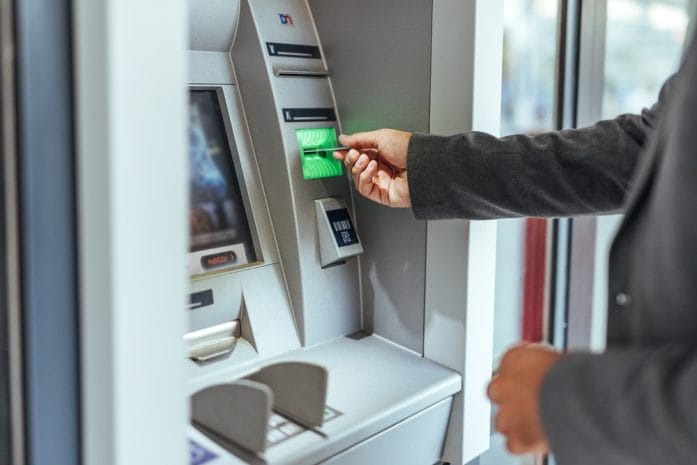
Image source: shutterstock.com

You don’t fix a money problem by borrowing from your bank at $35 a pop. That’s the hard truth about overdraft protection. Banks market it as a safety net, a convenience, a way to avoid embarrassment at the checkout line. It sounds responsible. It feels proactive. But before you check that little box or tap “I agree,” you need to understand exactly what you’re signing up for and how it can affect your balance, your habits, and your long-term financial health.

Overdraft protection can serve a purpose in certain situations, and I won’t pretend it never helps anyone. But too many people treat it like free insurance, when in reality it works more like a very expensive, very short-term loan.

1. It’s Not Free Coverage—It’s a Fee Machine

Overdraft protection usually comes with a fee, and that fee often hovers around $30 to $35 per transaction at many major U.S. banks. When your account lacks enough money to cover a purchase and the bank approves it anyway, the bank charges you for that courtesy. If you swipe your debit card three times while your balance sits in the red, you might rack up three separate fees.

Those charges add up fast. The Consumer Financial Protection Bureau has reported that banks collect billions of dollars in overdraft and non-sufficient funds fees each year. One small coffee, one streaming subscription, and one forgotten automatic payment can spiral into over $100 in fees within a day.

2. Opting In Changes How Debit and ATM Transactions Work

Federal rules require banks to get your consent before they charge overdraft fees on everyday debit card purchases and ATM withdrawals. That rule came from changes implemented after the financial crisis, and it gives you a real choice. If you don’t opt in, your bank cannot charge you an overdraft fee for those specific transactions; it must decline them instead.

However, that protection does not automatically extend to checks or automatic bill payments. Banks can still charge overdraft fees on those transactions even if you never opted in for debit card coverage. That distinction confuses a lot of people. You might assume that declining overdraft protection means you will never see an overdraft fee again, but that assumption misses the fine print.

Before You Opt In: 5 Things Many Customers Miss About Overdraft Protection
Image source: shutterstock.com

3. Small Purchases Can Trigger Big Consequences

Here’s where things get frustrating. A $5 purchase can generate a $35 fee. That math never feels good. In fact, it creates a situation where the cost of the penalty dwarfs the original transaction.

Banks often process transactions in a specific order, and although many institutions no longer reorder transactions from largest to smallest, the timing of when transactions post can still affect your balance. A pending transaction might not show immediately, and an automatic payment might clear overnight. If you rely only on the “available balance” without tracking upcoming charges, you risk misjudging how much money actually sits in your account.

4. There Are Alternatives That Cost Less

Overdraft protection does not come in just one form. Many banks offer different setups, and some cost far less than the standard per-transaction fee. For example, you can often link your checking account to a savings account. If you overspend, the bank transfers money from savings to checking and charges a smaller transfer fee, or sometimes no fee at all.

Some banks also provide overdraft lines of credit. With that option, the bank covers the shortfall and charges interest on the borrowed amount, similar to a small loan. Interest still costs money, but it often costs less than multiple $35 fees. You should compare the annual percentage rate and any transfer charges before you enroll, because not all lines of credit offer the same terms.

5. Habit and Psychology Matter More Than You Think

Overdraft protection doesn’t just affect your wallet; it affects your behavior. When you know your bank will cover a shortfall, you might feel less urgency to track every dollar. That subtle mental shift can encourage riskier spending, especially during tight months.

On the other hand, declining transactions can create a sharp wake-up call. It forces you to confront your balance in real time. That discomfort can motivate stronger budgeting habits, more frequent account monitoring, and better planning for recurring expenses.

You should ask yourself an honest question: do you want a system that cushions overspending, or one that prevents it? Neither choice makes you irresponsible or irresponsible; it simply reflects your financial habits and your tolerance for fees. If you struggle with tracking expenses, you might benefit more from budgeting apps, calendar reminders for bills, and automatic transfers into savings than from a high-fee safety net.

Control or Convenience?

Overdraft protection promises convenience, but convenience rarely comes free. Every opt-in decision shapes how your bank treats your money and how you treat your own spending. When you understand that overdraft coverage often functions as a costly, short-term loan rather than a harmless courtesy, you gain the power to decide intentionally instead of impulsively.

Overdraft protection can serve a purpose in emergencies, but it should never replace awareness and planning. When you treat it as a last resort instead of a routine backup, you protect both your balance and your peace of mind.

What choice have you made about overdraft protection, and has it worked out the way you expected? Talk about it in our comments section below.

You May Also Like…

5 Outrageous Fees Hidden in Everyday Banking Services

How Can Small Banking Errors Snowball Into Huge Losses

6 Data-Scraping Features in Online Banking

5 Unnecessary Fees Your Bank Is Charging You Without Your Permission (Read The Fine Print)

Banks Are Still Charging Daily Overdraft Fees After Accounts Go Negative

Brandon Marcus
Brandon Marcus

Brandon Marcus is a writer who has been sharing the written word since a very young age. His interests include sports, history, pop culture, and so much more. When he isn’t writing, he spends his time jogging, drinking coffee, or attempting to read a long book he may never complete.

Filed Under: Banking Tagged With: ATM withdrawals, bank policies, banking fees, Budgeting Tips, checking accounts, consumer finance, debit cards, financial literacy, money management, opt-in rules, overdraft protection, Personal Finance

8 Financial Habits That Quietly Drain Your Checking Account

January 8, 2026 by Brandon Marcus Leave a Comment

Here Are 8 Financial Habits That Quietly Drain Your Checking Account
Image Source: Shutterstock.com

Ever feel like your paycheck disappears faster than a magician’s rabbit? One minute you’re celebrating payday, the next you’re staring at your bank balance wondering where all the money went. It’s not always obvious. Sometimes, the real culprits aren’t massive purchases or lavish vacations—they’re tiny habits that chip away at your finances without setting off alarms.

From sneaky fees to daily indulgences, these habits can quietly transform your checking account into a ghost town. Here are eight financial traps that might be draining your account without you even noticing, and how you can fight back while keeping your sanity intact.

1. Ignoring Bank Fees And Charges

Fees are the silent assassins of your balance. Monthly maintenance fees, overdraft penalties, and ATM charges may seem small individually, but they stack up quickly. Many banks assume you won’t notice $5 here, $10 there, and some accounts quietly drain money just for being “inactive” or “below minimum balance.”

Even when you think you’re careful, using the wrong ATM or overdrawing by a single dollar can cost you more than a night out on the town. The key is to read your statements like they’re gripping novels—every line tells a story about your money. Switching to a fee-free account or setting up alerts for low balances can save hundreds over a year.

2. Falling For Subscription Overload

Subscriptions are great when you actually use them—but do you really need five streaming services, a meditation app, a premium news site, and a music plan all at once? Many of us sign up on impulse, forget to cancel, or underestimate how much they cost collectively. It’s easy to lose track because these payments quietly slip out of your checking account each month. Conduct a subscription audit: check every debit and question whether it’s worth it. Cutting down to essentials not only protects your balance but also declutters your digital life. Remember, every little recurring fee is like a tiny leak in your wallet—patch it before it floods.

3. Paying Bills Late

Late fees are the sneaky tax you pay for procrastination. Forgetting a due date or miscalculating auto-pay schedules can trigger penalties that range from $20 to $50 or more. If it becomes habitual, late fees can spiral into hundreds of dollars lost annually. The psychological effect is worse: stress over missed payments can make your money decisions even more chaotic. Setting up reminders or automating payments can prevent these costly slip-ups. Think of timely payments as a simple hack that protects both your credit and your checking account simultaneously.

Here Are 8 Financial Habits That Quietly Drain Your Checking Account
Image Source: Shutterstock.com

4. Impulse Purchases

Impulse buying is the thrill that quickly turns into regret. That fancy coffee, the weekend sale splurge, or the “just because” online purchase can seem harmless in isolation. But when combined, they quietly drain hundreds of dollars before the month is over. Retailers have mastered the art of triggering instant gratification, and our brains are designed to reward it. Combat this habit by enforcing a 24-hour rule: if you still want it after a day, it’s probably worth it. Tracking spending weekly also helps reveal patterns you might not even realize you have.

5. Overdrafting Without Awareness

Overdraft fees are notorious for annihilating balances. It’s tempting to think, “I’ll cover it next paycheck,” but every overdraft can cost $30 to $35—and multiple occurrences multiply the damage fast. Some people even accidentally trigger multiple overdrafts in a single day due to pending transactions. Enabling overdraft alerts or linking a backup savings account can prevent this financial heart attack. Awareness is your secret weapon: understanding your actual available balance, not just your account total, keeps you in control.

6. Ignoring Interest And Penalties

Interest isn’t just for credit cards—it affects loans, lines of credit, and even some banking products. Missing even one payment or only paying the minimum can cause interest to compound in ways that shock your future self. Penalties for late or partial payments often get overlooked until you see them reflected in your checking account. Taking a proactive approach, like setting up reminders or paying a bit extra when possible, saves money in the long run. Being strategic with debt isn’t boring—it’s like leveling up your personal finance game.

7. Frequent Small Cash Withdrawals

Small withdrawals feel harmless, but they have a surprisingly big impact. Every $5 or $10 from the ATM might not seem like much—but when multiplied over weeks, the total is staggering. Coupled with ATM fees, it’s like throwing cash into a bonfire. Using cashless payments for essentials and withdrawing larger sums less frequently can save money and time. Track your withdrawals to see how quickly they add up. You might be shocked to discover that your “tiny” withdrawals are actually major balance busters.

8. Not Monitoring Your Account Regularly

Avoiding your bank account might feel less stressful, but it’s a financial trap. Without monitoring, you can’t catch errors, unauthorized charges, or creeping habits that drain funds. Checking your account weekly or using alerts for unusual activity keeps you ahead of problems. It’s not just about preventing loss—it’s about gaining a sense of control and confidence over your finances. Think of your account like a garden: occasional attention ensures it thrives rather than wilts under neglect.

Take Charge Of Your Checking Account

Your checking account is like a personal financial dashboard—it reflects your habits, decisions, and priorities. By recognizing and adjusting these eight habits, you can reclaim lost money and feel empowered instead of stressed. Money management doesn’t have to be a chore; it can be dynamic, rewarding, and even a little fun.

If you’ve battled any of these money drains or discovered clever hacks to protect your balance, drop your thoughts and experiences in the comments below. Your insights might just inspire someone else to take control of their finances.

You May Also Like…

Expense Alert: 9 Holiday Habits That Inflate Budgets Quietly

6 Bad Money Habits Families Show During The Holidays

Risk Proaction: 5 Steps to Stress-Test Your Finances for Worst-Case Scenarios

Behavior Habit: 5 Daily Money Moves That Build Long-Term Wealth

8 “Harmless” Daily Habits That Are Secretly Wrecking Your Credit Score


Brandon Marcus
Brandon Marcus

Brandon Marcus is a writer who has been sharing the written word since a very young age. His interests include sports, history, pop culture, and so much more. When he isn’t writing, he spends his time jogging, drinking coffee, or attempting to read a long book he may never complete.

Filed Under: Finance Tagged With: advisor habits, bad financial habits, bank, bank account, bank fees, banking, bill, checking accounts, emotional purchases, finance, finances, financial habits, general finance, impulse shopping, missed payments, Money, money issues, overdraft fee, overdraft protection, paying bills, saving money, subscriptions

8 Ways Hidden Bank Fees Keep Growing Without Notice

September 1, 2025 by Catherine Reed Leave a Comment

8 Ways Hidden Bank Fees Keep Growing Without Notice
Image source: 123rf.com

Most people expect to pay some fees when using financial services, but few realize just how many hidden charges banks slip into everyday transactions. From small “maintenance” costs to penalties that feel unfair, these fees often fly under the radar until they add up to hundreds of dollars a year. For households already watching their budgets closely, hidden bank fees quietly erode savings and make it harder to get ahead. The tricky part is that many of these charges don’t show up until after the fact. Learning the ways hidden bank fees keep growing without notice helps you spot them early and protect your money.

1. Monthly Maintenance Fees

One of the most common hidden bank fees is the so-called “maintenance” charge. These are monthly costs for simply having an account open. Banks sometimes waive them if you keep a certain balance or set up direct deposit, but not everyone qualifies. Over time, these small fees can drain your account, especially if you’re unaware of the requirements to avoid them. What looks like a few dollars here and there can add up to more than $100 annually.

2. Overdraft Protection Isn’t Free

Many banks advertise overdraft protection as a safeguard, but it comes at a cost. Hidden bank fees often appear when you spend more than your balance, triggering an automatic transfer or loan to cover the shortfall. The bank then charges for the “protection” itself, sometimes multiple times in a single day. This means you’re paying for spending money you didn’t have, plus interest if linked to a credit line. What feels like a safety net quickly turns into a costly trap.

3. ATM Usage Outside Your Network

Another way hidden bank fees keep growing without notice is through ATM usage. Banks charge when you use machines outside their network, and the ATM owner often charges as well. The average ATM fee is $4.77 for a single withdrawal. Frequent travelers or people in areas without convenient branch access get hit hardest. Before long, you might spend more on fees than the cash you’re withdrawing.

4. Paper Statement Fees

In today’s digital age, some banks actually charge you for receiving paper statements. While the cost per month seems minor, it’s one more example of hidden bank fees adding up over time. Many customers don’t even realize they’re being charged simply for wanting a physical record of their transactions. By the end of the year, that “convenience” can cost $12 to $30 or more unnecessarily. Going paperless is often the only way to avoid this subtle charge.

5. Inactivity Penalties

Believe it or not, banks sometimes penalize you for not using your account. If your balance sits untouched for too long, you may face inactivity fees. This is another way hidden bank fees punish customers without them noticing until later. Accounts intended for savings or emergencies often get hit hardest. It’s frustrating to lose money simply for leaving funds where you thought they were safe.

6. Foreign Transaction Costs

When traveling abroad or making online purchases from international retailers, hidden bank fees often strike in the form of foreign transaction charges. Typically, around 1% to 3% of the purchase, these fees add up quickly during vacations or holiday shopping. Many people don’t notice until they see their statements. Even if your card offers perks like airline miles, these charges can offset the value. Choosing a no-foreign-fee card is key to avoiding this unnecessary expense.

7. Excessive Withdrawal Charges on Savings Accounts

Savings accounts are designed to encourage saving, but some banks penalize you for accessing your money too often. Hidden bank fees show up when you exceed a set number of monthly withdrawals, leading to extra charges. Customers often don’t realize these restrictions exist until they’re surprised by the fee. This discourages flexibility and makes emergency access more costly. Knowing your account’s withdrawal limits is critical to avoiding this pitfall.

8. Closing an Account Too Soon

Finally, one of the sneakier hidden bank fees comes when you try to close an account. Some banks charge if the account hasn’t been open long enough, often within 90 or 180 days. This penalizes customers who change their mind or switch banks too quickly. It’s especially frustrating because it feels like you’re being charged for moving your money elsewhere. Reading the fine print before opening an account can save you from this last surprise.

Taking Back Control from Hidden Fees

The reality is that hidden bank fees grow because they’re small, subtle, and often unnoticed until too late. By keeping a close eye on statements, understanding account requirements, and asking questions upfront, you can avoid most of these unnecessary costs. Banks rely on customer inattention to profit from these charges. Staying informed gives you the power to protect your hard-earned money. The more you know, the less you’ll pay for convenience that should be free.

Have you ever been caught off guard by hidden bank fees? Which ones frustrate you the most? Share your experiences in the comments below!

What to Read Next…

Could Too Much Cash in the Bank Actually Hurt Your Financial Future

10 Surprise Transfers in Your Account You Didn’t Authorize

6 Times You Might Unknowingly Sign Away Financial Control

7 ATM Withdrawal Behaviors That Raise Government Surveillance Flags

10 Shocking Fees That Advisors Say Clients Never Notice

Catherine Reed
Catherine Reed

Catherine is a tech-savvy writer who has focused on the personal finance space for more than eight years. She has a Bachelor’s in Information Technology and enjoys showcasing how tech can simplify everyday personal finance tasks like budgeting, spending tracking, and planning for the future. Additionally, she’s explored the ins and outs of the world of side hustles and loves to share what she’s learned along the way. When she’s not working, you can find her relaxing at home in the Pacific Northwest with her two cats or enjoying a cup of coffee at her neighborhood cafe.

Filed Under: Banking Tagged With: banking costs, financial awareness, hidden bank fees, money management, overdraft protection, Personal Finance

FOLLOW US

Search this site:

Recent Posts

  • Can My Savings Account Affect My Financial Aid? by Tamila McDonald
  • 12 Ways Gen X’s Views Clash with Millennials… by Tamila McDonald
  • What Advantages and Disadvantages Are There To… by Jacob Sensiba
  • 10 Tactics for Building an Emergency Fund from Scratch by Vanessa Bermudez
  • Call 911: Go To the Emergency Room Immediately If… by Stephen Kanaval
  • 7 Weird Things You Can Sell Online by Tamila McDonald
  • 10 Scary Facts About DriveTime by Tamila McDonald

Copyright © 2026 · News Pro Theme on Genesis Framework