• Home
  • About Us
  • Toolkit
  • Getting Finances Done
    • Hiring Advisors
    • Debt Management
    • Spending Plan
  • Insurance
    • Life Insurance
    • Health Insurance
    • Disability Insurance
    • Homeowners/Renters Insurance
  • Contact Us
  • Privacy Policy
  • Risk Tolerance Quiz

The Free Financial Advisor

You are here: Home / Archives for utility bills

The Real Reason Your Utility Bill Is Skyrocketing and What You Can Do

April 7, 2026 by Brandon Marcus Leave a Comment

The Real Reason Your Utility Bill Is Skyrocketing and What You Can Do

Image Source: Shutterstock.com

Electric bills aren’t just creeping up anymore—they’re charging forward like they’ve got something to prove. Numbers that once felt manageable now look like a monthly shock, and the explanation rarely feels clear. Blaming “higher costs” sounds vague, and vague doesn’t help when the total jumps again. The truth hides behind a mix of global shifts, local infrastructure, and everyday habits that quietly stack up over time. Understanding what actually drives those numbers gives far more power than simply bracing for the next bill.

Big energy changes don’t stay behind the scenes anymore; they show up in homes, apartments, and bank accounts. Rising costs don’t come from one single cause, and that’s exactly why they feel so frustrating. A mix of supply issues, aging systems, extreme weather, and lifestyle patterns pushes prices higher from multiple directions at once. That layered reality means quick fixes won’t cut it, but smart adjustments absolutely can. Once the real drivers come into focus, cutting costs stops feeling like guesswork and starts feeling like strategy.

The Hidden Forces Driving Your Bill Higher

Energy prices don’t just rise randomly; global supply and demand shifts push them up in ways that ripple into everyday life. When fuel costs increase, electricity providers pass those increases along almost immediately, and that impact hits every household regardless of usage habits. Infrastructure also plays a massive role, because many power grids rely on aging systems that require expensive maintenance and upgrades. Those upgrades cost money, and utility companies recover those expenses through higher rates. Weather adds another layer of pressure, especially during extreme heat or cold when demand spikes dramatically. Increased demand forces utilities to generate more power quickly, which often costs more and drives rates upward. Even water bills feel the pressure, as drought conditions and water treatment expenses raise costs in many regions.

Government policies and environmental regulations also influence utility pricing, often with long-term goals that carry short-term cost increases. Cleaner energy initiatives, for example, require investment in renewable systems, and that transition doesn’t come cheap. While those changes aim to reduce environmental impact, they often increase bills during the transition period. Population growth in certain areas strains local resources, forcing utilities to expand capacity and infrastructure faster than planned. That expansion again feeds into higher costs for consumers. On top of that, energy markets fluctuate constantly, and those fluctuations create unpredictable pricing patterns. When all these forces combine, bills rise steadily rather than dramatically, which makes the increases feel relentless instead of sudden.

The Everyday Habits That Quietly Add Up

Daily routines shape utility bills far more than most people expect, and small patterns often create surprisingly large impacts over time. Leaving lights on in multiple rooms, running appliances during peak hours, and keeping devices plugged in all day steadily increase electricity usage. Even modern homes packed with energy-efficient devices still waste power through standby consumption, sometimes called “phantom energy.” That constant drain may seem minor, but it adds up every single day. Heating and cooling habits also make a massive difference, especially when thermostats stay fixed instead of adjusting with the weather or time of day. A few degrees higher or lower can shift energy use significantly across an entire month. Laundry habits, water heater settings, and even cooking methods all contribute to the total.

Water usage creates another major piece of the puzzle, especially in homes with older fixtures or unnoticed leaks. A dripping faucet or running toilet may not seem urgent, but those small issues waste gallons of water daily and quietly inflate bills. Long showers, frequent laundry cycles, and inefficient dishwashing routines also push usage higher than necessary. Seasonal changes amplify these habits, especially during summer when air conditioning and water use both increase. Many households don’t adjust routines to match those seasonal shifts, which leads to spikes that feel unexpected. Awareness alone can start to shift those patterns in a meaningful way. Once habits come into focus, simple changes begin to lower costs without sacrificing comfort.

Smart Moves That Actually Lower Costs

Cutting utility bills doesn’t require drastic lifestyle changes; it starts with targeted, practical adjustments that deliver real results. Switching to energy-efficient lighting, such as LED bulbs, immediately reduces electricity use without affecting brightness or comfort. Smart thermostats offer another powerful tool by automatically adjusting temperatures based on daily routines. That kind of automation eliminates wasted energy without constant manual changes. Running appliances like dishwashers and washing machines during off-peak hours can also reduce costs in areas with time-based pricing. Sealing windows and doors prevents air leaks, which keeps heating and cooling systems from working overtime. Even unplugging unused devices helps eliminate phantom energy loss.

Water-saving upgrades also make a noticeable difference, especially when paired with smarter usage habits. Low-flow showerheads and faucets reduce water consumption without sacrificing pressure, which keeps comfort intact while lowering costs. Fixing leaks quickly prevents long-term waste and avoids unnecessary charges that build over time.

Adjusting water heater temperatures slightly downward reduces energy use while still providing plenty of hot water. Outdoor water use deserves attention too, especially for homes with gardens or lawns. Watering during early morning or evening hours minimizes evaporation and improves efficiency. These changes don’t require major investments, yet they consistently deliver measurable savings.

The Real Reason Your Utility Bill Is Skyrocketing and What You Can Do

Image Source: Shutterstock.com

Why Timing Matters More Than You Think

Utility costs often fluctuate throughout the day, and timing plays a bigger role than many people realize. Peak hours typically occur when demand hits its highest point, often in the late afternoon and early evening. During those times, electricity costs more because utilities must generate additional power quickly. Running high-energy appliances during those peak periods drives bills higher even if overall usage stays the same. Shifting those activities to off-peak hours reduces costs without reducing comfort or convenience. Many utility providers now offer time-of-use plans that reward this kind of behavior with lower rates.

Seasonal timing also affects energy costs in a big way, especially during extreme weather months. Summer heat drives air conditioning use, while winter cold increases heating demand, and both scenarios push energy consumption upward. Preparing for those seasonal shifts ahead of time helps control costs before they spike. Simple steps like servicing HVAC systems, improving insulation, and adjusting thermostat schedules can make a noticeable difference.

Even cooking habits matter, since using ovens during hot months adds extra heat that forces cooling systems to work harder. Paying attention to timing transforms energy use from reactive to strategic. That shift alone often leads to lower bills without major sacrifices.

You DO Have Control

Rising utility bills don’t come from a single cause, and that complexity makes them feel overwhelming at first glance. Once the real drivers come into focus—global energy shifts, infrastructure costs, everyday habits, and timing—those numbers start to make more sense. More importantly, they start to feel manageable instead of mysterious. Small, consistent changes create real impact, especially when they target the biggest areas of energy and water use. Smart habits, efficient upgrades, and better timing combine into a strategy that works month after month. No dramatic overhaul required, just smarter decisions stacked together.

If you’re in Texas, the deregulated energy market means you can compare and switch providers like Energy Texas to potentially lower your monthly bill.

Which change feels easiest to try first, and what strategies have already made a difference? Drop your thoughts, ideas, or personal wins in the comments and keep the conversation going.

You May Also Like…

Seniors Receiving ‘Utility Shutoff’ Calls With Exact Account Numbers — Here’s How Criminals Are Stealing Them

Utility Companies Are Ending Paper Billing — How It Will Change Your Monthly Payments

Utility Billing Cycle Changes Causing Double Charges

Adult Kids Beware: Some States Can Sue You for Your Parents’ Medical Bills

From Medicare to Medicaid: Why Billing Glitches Are Causing Unexpected Medical Bills Nationwide

Brandon Marcus
Brandon Marcus

Brandon Marcus is a writer who has been sharing the written word since a very young age. His interests include sports, history, pop culture, and so much more. When he isn’t writing, he spends his time jogging, drinking coffee, or attempting to read a long book he may never complete.

Filed Under: Lifestyle Tagged With: budgeting, Cost of living, electricity prices, energy costs, Energy Efficiency, home tips, Inflation, saving money, smart home, sustainability, utility bills, water bills

Utility Companies Are Ending Paper Billing — How It Will Change Your Monthly Payments

April 1, 2026 by Brandon Marcus Leave a Comment

Utility Companies Are Ending Paper Billing — How It Will Change Your Monthly Payments

Image Source: Shutterstock.com

The mailbox just lost one of its most reliable tenants. Utility bills, those predictable envelopes that showed up month after month, now face extinction as companies push hard toward digital-only billing. This shift doesn’t just clean up clutter or save paper; it reshapes how households track spending, avoid late fees, and even think about money. The familiar ritual of tearing open an envelope and scanning a printed total starts to feel like something from another era, and that change comes with both convenience and a few surprising challenges.

The move away from paper billing signals a bigger transformation in how everyday finances operate. Utility companies want faster payments, fewer administrative costs, and tighter integration with apps and automated systems, and digital billing delivers all of that. At the same time, households must adjust quickly or risk missed due dates, confusion over fluctuating charges, and less visibility into monthly expenses. This transition doesn’t ask for permission; it already moves forward at full speed.

The Quiet Disappearance of Paper Bills

Utility companies didn’t flip a switch overnight, but the direction feels unmistakable. Many providers now charge extra fees for paper statements, while others require customers to opt in just to keep receiving them. This shift reduces printing and mailing costs for companies, but it also nudges households toward digital habits whether they feel ready or not. Environmental messaging often supports the change, and it resonates with many people who want to cut down on waste. Still, the financial motivation behind the scenes plays an equally strong role, as digital billing trims operational expenses significantly.

That disappearance changes more than the format of a bill; it alters the way people engage with their finances. A physical bill demands attention in a way that an email notification sometimes does not, especially when inboxes overflow with promotions and updates. Without that tangible reminder sitting on a kitchen counter, some households find it easier to forget or delay payments. Others embrace the change and enjoy instant access to statements, searchable records, and fewer piles of paperwork. The key difference lies in how intentional someone becomes about checking and managing those digital alerts.

The shift also affects households that rely on traditional systems, including those who prefer in-person payments or lack consistent internet access. Utility companies often provide alternatives, but those options sometimes come with extra steps or limitations. This transition doesn’t treat everyone equally, and it places more responsibility on individuals to adapt quickly. Keeping track of account logins, passwords, and billing cycles becomes part of the new routine, whether anyone asked for it or not.

Autopay Takes Center Stage — For Better or Worse

Digital billing almost always pairs with a strong push toward automatic payments. Utility companies highlight autopay as the easiest, most reliable option, and they often sweeten the deal with small discounts or incentives. That setup ensures bills get paid on time, which helps avoid late fees and service interruptions. For many households, autopay removes a layer of stress and keeps everything running smoothly in the background. It turns bill-paying into something that happens quietly rather than something that demands attention every month.

That convenience, however, comes with trade-offs that deserve attention. Automatic withdrawals can catch people off guard when utility costs spike due to seasonal changes or unexpected usage. A higher-than-usual bill might slip through without immediate notice, especially if no one checks the account regularly. This situation can strain budgets quickly, particularly when multiple bills withdraw at different times. Staying aware of account balances and reviewing statements becomes essential, even when autopay handles the actual transaction.

Setting up alerts offers a simple but powerful way to stay in control. Many utility providers allow users to receive notifications when bills exceed a certain amount or when payments process. Taking advantage of these tools helps bridge the gap between convenience and awareness. Reviewing statements at least once a month ensures that errors or unusual charges don’t go unnoticed. Autopay works best when it operates alongside active oversight rather than replacing it entirely.

Utility Companies Are Ending Paper Billing — How It Will Change Your Monthly Payments

Image Source: Shutterstock.com

Budgeting Feels Different Without That Paper Trail

Paper bills used to create a natural rhythm for budgeting. Each envelope served as a physical checkpoint, prompting a quick review of charges and a mental note of how much money needed to go out. Digital billing changes that rhythm completely, and it requires a more proactive approach to tracking expenses. Without a stack of statements to flip through, everything lives inside apps and online accounts, which can feel less immediate and sometimes less memorable.

This shift pushes households toward digital budgeting tools, which can actually improve financial awareness when used consistently. Apps that categorize expenses, track trends, and send reminders offer a level of insight that paper bills never could. Still, these tools demand setup and regular engagement, and they don’t work automatically without some effort. Those who ignore them risk losing sight of how much utilities actually cost month to month, especially when payments happen quietly in the background.

Creating a simple routine helps keep everything on track. Setting a specific day each month to review all utility accounts builds a new habit that replaces the old paper-based system. Downloading or saving digital statements also creates a record that remains easy to access later. Even something as straightforward as jotting down monthly totals in a notebook can restore a sense of control. The format may change, but the goal stays the same: understanding where money goes and why.

Security, Scams, and the Digital Learning Curve

Moving bills online introduces a new set of concerns that didn’t exist with paper statements. Email notifications and online portals create opportunities for phishing scams and fraudulent messages that mimic legitimate utility companies. These scams often look convincing, and they can trick people into sharing sensitive information or making payments through fake websites. Staying cautious becomes essential, especially when dealing with unexpected emails or urgent payment requests.

Learning how to spot red flags makes a huge difference in avoiding these traps. Checking the sender’s email address, avoiding suspicious links, and logging in directly through official websites rather than email prompts all help reduce risk. Utility companies often provide guidance on recognizing scams, and taking a few minutes to review that information can prevent costly mistakes. Digital billing offers convenience, but it also requires a sharper awareness of online security.

Password management plays a bigger role than ever in this new system. Each utility account needs a strong, unique password, and reusing the same credentials across multiple sites increases vulnerability. Using a password manager simplifies this process and keeps everything organized. Enabling two-factor authentication adds another layer of protection, making it harder for unauthorized users to access accounts. These steps may feel like extra work at first, but they quickly become part of a safer, more confident digital routine.

What This Shift Means for the Future of Payments

The move away from paper billing doesn’t stand alone; it connects to a broader evolution in how financial systems operate. Utility companies continue to integrate with mobile apps, smart home devices, and real-time usage tracking tools. This integration allows households to monitor energy or water consumption more closely and adjust habits in response. Payments may soon feel less like monthly events and more like ongoing, dynamic interactions with services.

This future brings both opportunities and challenges. Real-time data can help reduce waste and lower costs, but it also requires consistent attention and engagement. Subscription-style billing models may become more common, smoothing out seasonal spikes but changing how expenses appear month to month. Staying flexible and open to new tools will help households adapt as these changes unfold. The key lies in understanding how each new feature affects both convenience and control.

Adapting early often makes the transition smoother. Exploring available apps, setting up notifications, and reviewing account settings all help build confidence in the new system. Asking questions and seeking support from utility providers can also clear up confusion and prevent mistakes. This shift doesn’t need to feel overwhelming; it simply requires a willingness to adjust habits and embrace new ways of managing everyday finances.

The Bill Isn’t Gone — It Just Changed Shape

Paper bills may disappear, but the responsibility behind them stays exactly the same. Digital billing offers speed, convenience, and powerful tools, yet it also demands more awareness and intentional habits. Ignoring that shift can lead to missed payments, surprise charges, or security risks, while embracing it can create a smoother, more efficient system for handling monthly expenses. The difference comes down to how actively someone engages with the process.

What changes feel most exciting or frustrating about this shift to digital billing, and what strategies have worked best for staying on top of monthly payments? Share your thoughts, ideas, or personal approaches in the comments and keep the conversation going.

You May Also Like…

From Medicare to Medicaid: Why Billing Glitches Are Causing Unexpected Medical Bills Nationwide

6 Ways to Lower Your Tax Bill Under 2026 OBBBA Updates

Ground Ambulance Bills Still Fall Outside Federal Surprise Billing Protections

Why Do Utility Bills Keep Rising Even When Usage Stays the Same

Here’s When It’s Okay To Let Kids Move Back Home To Pay Off Bills

Brandon Marcus
Brandon Marcus

Brandon Marcus is a writer who has been sharing the written word since a very young age. His interests include sports, history, pop culture, and so much more. When he isn’t writing, he spends his time jogging, drinking coffee, or attempting to read a long book he may never complete.

Filed Under: Lifestyle Tagged With: Autopay, bill pay apps, Budgeting Tips, digital payments, energy bills, finance trends, household expenses, money management, online billing, paper billing, Personal Finance, utility bills

Homeowners Are Getting Hit With $3,000+ “Surprise Costs” — And They’re Not From the Mortgage

March 27, 2026 by Brandon Marcus Leave a Comment

Homeowners Are Getting Hit With $3,000+ “Surprise Costs” — And They’re Not From the Mortgage

Image Source: Pexels.com

Homeownership looks glamorous on Pinterest boards: cozy mornings, freshly painted walls, and backyard barbecues. Reality, however, has a way of crashing the party with bills that can make anyone’s eyes pop. While monthly mortgage payments get all the attention, homeowners are increasingly encountering jaw-dropping costs that seem to appear out of thin air. These aren’t small, forgettable fees — we’re talking $3,000 and up, landing like an unwelcome surprise on bank statements. This isn’t about forgetting to budget; it’s about understanding the true cost of owning a home and staying one step ahead of financial headaches.

It isn’t just about paying for a roof over your head anymore. Homes carry hidden weight in the form of repairs, insurance adjustments, maintenance, and even government-required assessments. Many homeowners are discovering that what they thought was a fixed, predictable budget is actually a constantly shifting landscape of expenses.

The Silent Wallet Eaters Lurking in Your Home

Unexpected expenses have a way of sneaking up even on the most careful planners. One major culprit? Home maintenance that doesn’t wait for convenience. HVAC systems, plumbing, and roofing aren’t cheap to repair or replace. An aging furnace can demand a $2,500 to $5,000 replacement almost overnight, and homeowners rarely see that coming in a standard budget. Electrical rewiring or water line replacements can easily add another $3,000, leaving little room for error.

Beyond infrastructure, there’s the everyday wear-and-tear that accumulates quietly. Flooring, windows, and paint don’t scream for attention until the problem reaches a breaking point, at which stage the price tag inflates rapidly. Seasonal demands also pack a punch: winter storms, summer heatwaves, and even humidity can accelerate the breakdown of materials, leading to sudden costs for repairs or replacements. Proactively scheduling inspections and preventative maintenance isn’t just smart—it’s essential for dodging these shockers.

Insurance Isn’t Just Paperwork — It’s a Pricey Reality Check

Homeowners insurance sounds simple until a claim or rate hike lands like a slap to the face. Premiums can jump for a variety of reasons, including neighborhood crime statistics, natural disaster risk, or even minor claims on the property. Some homeowners find themselves shelling out thousands more when their insurance company recalculates coverage based on new valuations or local events. It’s a subtle, often overlooked financial strain that can catch anyone unprepared.

Adding to the challenge, insurance doesn’t always cover everything. Deductibles, exclusions, and gaps in coverage can leave homeowners footing massive bills themselves. Imagine a plumbing disaster or a tree crash during a storm and realizing that your policy only covers part of it. That’s why reviewing policies annually and comparing alternatives is crucial. It’s also wise to consider umbrella policies or extra coverage for high-value items to avoid unpleasant surprises.

Taxes, Fees, and Government Mandates — The Unseen Thieves

Property taxes alone have driven many homeowners into shock. While rates vary by location, they rarely stay stagnant. Home value reassessments, municipal fees, and special assessments can easily push yearly costs into the thousands. Some localities have added infrastructure or environmental levies, meaning homeowners suddenly face bills that feel completely unrelated to the house itself.

Homeowners should budget proactively for these governmental hits. Establishing a separate emergency fund for property taxes and mandatory fees can prevent scrambling when bills arrive. Staying engaged with local planning boards and tax offices also pays dividends, giving a heads-up on upcoming rate changes or special assessments. This knowledge is not just power—it’s peace of mind for homeowners trying to manage a sprawling set of financial responsibilities.

Renovations and Upgrades: Fun Now, Costly Later

Everyone loves a chic kitchen remodel or a backyard upgrade, but those projects can spiral out of control faster than anyone expects. While the initial estimate might seem reasonable, hidden issues like outdated wiring, water damage, or structural flaws often emerge mid-project, sending costs soaring. A $10,000 renovation can quickly become $15,000, or more, before the final touch of paint.

Even small projects carry hidden financial weight. Adding energy-efficient appliances, smart-home systems, or luxury finishes can quickly bump the price of an upgrade. It’s crucial for homeowners to plan for a contingency budget—often 20% to 30% above the expected cost. Working with trusted contractors and obtaining multiple estimates helps avoid the classic pitfall of overspending and ensures surprises stay minimal rather than monumental.

Utility Bills: The Sneaky Daily Drainers

Homeowners might not expect everyday bills to be part of the “surprise” category, but energy and water costs fluctuate far more than many realize. Heating during extreme winters or running air conditioning in sweltering summers can inflate utility bills by hundreds of dollars a month. Water usage spikes when irrigation systems, leaks, or new appliances come into play, and these can quietly rack up thousands over a year.

Utility companies also introduce unexpected fees or rate hikes, sometimes without much fanfare. Smart homeowners monitor usage closely, invest in energy-efficient systems, and use devices to track leaks or unusual consumption patterns. Seasonal planning—like insulating pipes for winter or scheduling energy-intensive chores during off-peak hours—helps maintain control over what can quickly become a financial surprise storm.

Homeowners Are Getting Hit With $3,000+ “Surprise Costs” — And They’re Not From the Mortgage

Image Source: Pexels.com

Navigating the Homeownership Minefield With Confidence

While $3,000+ surprise costs sound terrifying, they don’t have to feel like a trap. Forethought, budgeting, and proactive management can turn these potential shocks into manageable line items on a homeowner’s financial plan. Regular maintenance, insurance reviews, tax awareness, and careful renovation planning act as a buffer against the most brutal hits. Emergency funds and contingency budgets aren’t just safety nets—they’re survival tools in a world where houses aren’t just homes, they’re ongoing financial adventures.

How do you handle these unexpected expenses? Have a strategy, a hack, or a story about a surprise home cost that went way over budget? Share your insights and tips in the comments.

You May Also Like…

Your House Is Holding You Back: Why So Many People Are Re‑Thinking Homeownership

The “Homeowner Lie”: Why Your House is Actually a Liability, Not an Investment in 2026

7 Reasons Your Home Insurance Premium Just Went Up Again

Top 10 Reasons Boomers Were Right About Homeownership: Is It Too Late for Millennials?

Escrow Shortages Are Adding $100–$300 to Monthly Mortgage Payments

Brandon Marcus
Brandon Marcus

Brandon Marcus is a writer who has been sharing the written word since a very young age. His interests include sports, history, pop culture, and so much more. When he isn’t writing, he spends his time jogging, drinking coffee, or attempting to read a long book he may never complete.

Filed Under: Finance Tagged With: home budget, Home insurance, homeowners, homeownership, maintenance tips, Planning, property costs, Real estate, renovations, unexpected expenses, utility bills

Utility Billing Cycle Changes Causing Double Charges

February 23, 2026 by Brandon Marcus Leave a Comment

Utility Billing Cycle Changes Causing Double Charges

Image Source: Unsplash.com

A single date change can rattle an entire household budget. When a utility company shifts its billing cycle, many households open a statement that looks inflated, confusing, and sometimes downright alarming.

The total often appears far higher than usual, and panic sets in before anyone even scans the fine print. Utility billing cycle changes can cause what looks like double charges, but the real story often sits in the details, and those details deserve close attention.

Why Billing Cycles Change in the First Place

Utility companies do not change billing cycles on a whim. Providers sometimes adjust billing schedules to streamline operations, align meter-reading routes, or upgrade internal systems. When a company rolls out new billing software or reorganizes service territories, it often shifts customer billing dates to match those new structures.

These changes can also occur after a customer moves service to a new address, switches rate plans, or enrolls in budget billing programs. In some cases, regulators approve adjustments that affect billing cycles, especially when utilities update rate structures or modernize their metering infrastructure. None of this automatically means a mistake occurred, but it does mean the next bill might cover more days than usual.

That extended billing period often triggers the appearance of a double charge. Instead of billing for 30 days, the utility might bill for 45 or even 60 days to transition from the old cycle to the new one. The total rises because the billing period grew longer, not because the company charged twice for the same electricity or water. Still, without clear communication, that spike can feel like a punch to the budget.

When One Bill Covers Two Time Periods

A billing cycle change often results in what industry professionals call a “prorated” bill. That term simply means the company calculated charges based on the actual number of days in the billing period. If the cycle shifts forward by two weeks, the next statement might include six weeks of usage instead of four.

That longer window can easily look like a duplicate charge. The total doubles compared to a typical month, and the brain jumps to the worst-case scenario. In reality, the bill likely reflects real usage over a longer stretch of time. Electricity, gas, and water meters continue to record consumption every day, so a longer billing period naturally generates a higher total.

Utilities typically show the start and end dates for the billing period on the statement. Those dates tell the real story. If the previous bill covered January 1 through January 30 and the new bill covers January 31 through March 15, the math adds up. That statement reflects 44 days of service, not two separate charges for the same month. Scrutinizing those dates clears up confusion faster than any call to customer service.

Red Flags That Signal a Real Problem

Not every high bill stems from a harmless billing cycle change. Errors can occur, and customers should never ignore a number that feels wildly off. A true double charge usually appears as two identical line items for the same service period or two withdrawals from a bank account for the same invoice.

Online account portals make this easier to track. Many utilities allow customers to view payment history, pending charges, and past statements in one place. If the system shows two payments processed for the same bill number, that signals a potential issue. Bank and credit card statements can also confirm whether a duplicate payment cleared.

Another warning sign involves mismatched meter readings. Each bill typically lists the previous and current meter reading. If those numbers jump far beyond normal usage without explanation, something may have gone wrong with the reading or data entry. In that situation, contacting the utility promptly can prevent late fees and additional stress.

Utility Billing Cycle Changes Causing Double Charges

Image Source: Unsplash.com

How to Respond Without Losing Your Cool

The worst move involves ignoring the bill out of frustration. Late fees, service interruptions, and credit reporting consequences can follow quickly if payment deadlines pass. Instead, take a methodical approach.

First, review the billing period dates and compare them to the previous statement. Calculate the number of days covered in each bill. If the latest statement includes significantly more days, the higher total likely reflects a transition period rather than a duplicate charge.

Second, check whether the utility sent prior notice about a billing cycle change. Many companies send emails, letters, or bill inserts explaining upcoming adjustments. Those notices often outline what to expect and warn about a potentially larger transitional bill.

Third, contact customer service if confusion persists. Utility companies typically offer payment plans for unusually large bills, especially when a billing cycle shift creates a temporary spike. Many providers also allow customers to spread the cost over several months through installment arrangements or budget billing programs.

Keeping detailed records strengthens any dispute. Save copies of statements, screenshots of account histories, and confirmation numbers from phone calls or online chats. Organized documentation can speed up resolution if the situation escalates.

Protecting Your Budget From Future Surprises

A billing cycle change highlights a bigger truth about household finances: flexibility matters. Setting aside a small monthly cushion in a dedicated utilities fund can soften the blow of an unexpectedly large bill. Even a modest buffer can prevent panic when a statement jumps higher than usual.

Enrolling in budget billing programs offers another layer of stability. Many utilities calculate an average monthly payment based on past usage and spread costs evenly throughout the year. While the total annual cost remains the same, the predictable payment can simplify planning.

Monitoring usage through smart meters and online dashboards also helps. Many utilities now provide near real-time data, allowing households to track daily or weekly consumption. That visibility makes it easier to spot unusual spikes and adjust habits before the next statement arrives.

Finally, always read notices from utility providers, even when they look routine. Billing inserts and email updates often contain critical information about rate changes, cycle adjustments, or new fees. Staying informed prevents confusion and strengthens confidence when a bill looks unfamiliar.

Information Beats Panic Every Time

A billing cycle change can inflate a single statement and create the impression of double charges, but the explanation usually lies in the dates and the number of days billed. Utilities adjust schedules for operational reasons, and those transitions often produce one larger-than-normal bill rather than an actual duplicate charge. Careful review of billing periods, meter readings, and payment history separates harmless timing shifts from true errors.

Taking a calm, organized approach protects both finances and peace of mind. Reviewing statements closely, keeping records, and reaching out to customer service when necessary ensures that no one pays more than required. A larger bill may feel alarming at first glance, but clear information often replaces that anxiety with understanding.

Has a recent utility bill caught attention in a way that felt confusing or overwhelming, and what steps helped clarify the situation? We want you to share with everyone below.

You May Also Like…

Why Monthly Bills Are Rising Even for Households That Haven’t Changed Spending

Why Are Utility Bills Becoming a Bigger Budget Problem

Could Your Retirement Be at Risk From Rising Utility Costs

9 Everyday Costs Rising Faster Than Seniors’ Income

Why Do So Many People Believe Budgeting Apps Solve Everything

Brandon Marcus
Brandon Marcus

Brandon Marcus is a writer who has been sharing the written word since a very young age. His interests include sports, history, pop culture, and so much more. When he isn’t writing, he spends his time jogging, drinking coffee, or attempting to read a long book he may never complete.

Filed Under: Lifestyle Tagged With: billing cycle change, billing errors, Consumer Protection, customer service, double charges, electricity rates, energy bills, household budgeting, payment due dates, Personal Finance, utility bills, water bills

9 Expenses That Feel Manageable Until One Changes

January 25, 2026 by Brandon Marcus Leave a Comment

These Are 9 Expenses That Feel Manageable Until One Changes

Image source: shutterstock.com

You’re cruising along, bills paid, coffee in hand, feeling like you’ve finally cracked the code of adulthood. The numbers line up, the math works, and nothing feels out of control. Then one small shift happens—a rate bumps up, a habit evolves, or life throws in a new variable—and suddenly that “totally fine” expense demands a second look.

These aren’t dramatic financial disasters; they’re the subtle changes that turn comfort into tension. Let’s talk about the everyday costs that behave nicely until one thing changes and reminds you who’s really in charge.

1. Rent Or Mortgage Payments

Housing costs often feel stable because they’re predictable month to month. You sign a lease or lock in a mortgage and build your budget around that number. The problem appears when a lease renewal brings a higher rate or property taxes push a mortgage payment upward. Even a modest increase can ripple through the rest of your finances because housing already takes a large slice of income.

Add in rising insurance premiums or unexpected maintenance, and that once-manageable payment suddenly demands sacrifices elsewhere. Housing doesn’t need to double to cause stress; it just needs to inch upward at the wrong time.

2. Car Ownership Costs

A car payment alone can seem perfectly reasonable, especially when the vehicle feels reliable. Then gas prices rise, insurance renews at a higher rate, or repairs start appearing more often. Maintenance costs tend to cluster, which makes a dependable car feel suspiciously expensive all at once.

A longer commute or a job change can quietly increase fuel and wear costs. Registration fees and taxes add another layer that’s easy to forget until they’re due. Cars are manageable until usage or upkeep changes, and then they demand attention fast.

3. Childcare Expenses

Childcare is often budgeted carefully because it’s expected and essential. It works until a schedule change requires more hours or a provider raises rates. As children grow, their needs change, sometimes requiring different care arrangements that cost more.

Summer programs, after-school care, and holiday coverage add layers that weren’t always there. Even small increases add up quickly because childcare is already a major expense. Families often find that one shift in routine can reshape the entire monthly budget.

4. Health Insurance And Medical Costs

Monthly premiums can feel manageable when they’re predictable and benefits are familiar. Trouble starts when a job change alters coverage or deductibles reset for the year. A single unexpected medical issue can turn a quiet line item into a dominant expense. Prescription changes or specialist visits add costs that weren’t part of the original plan. Even routine care can become expensive when coverage rules change. Healthcare costs rarely explode all at once; they grow louder with each adjustment.

5. Utilities And Energy Bills

Utilities often fade into the background because they’re relatively steady. Seasonal shifts, however, can dramatically change heating or cooling costs. Energy rate increases can arrive quietly and stay for good. A larger household, remote work, or aging appliances can push usage higher without much notice.

Weather extremes make those changes impossible to ignore. Utilities are manageable until consumption or pricing changes, and then they demand respect.

6. Groceries And Household Supplies

Food budgets feel flexible because shopping habits feel familiar. Prices rise gradually, making it hard to pinpoint when things got more expensive. Dietary changes, growing families, or hosting more often can nudge spending upward.

Convenience items and prepared foods quietly cost more over time. Even switching stores or brands can impact totals. Groceries rarely shock you in one trip; they wear you down over dozens of receipts.

These Are 9 Expenses That Feel Manageable Until One Changes

Image source: shutterstock.com

7. Subscriptions And Memberships

Subscriptions are famous for feeling harmless. A few dollars here and there don’t seem worth worrying about. Then prices increase, free trials end, or services add tiers you didn’t plan on.

The number of subscriptions can grow while their value stays the same. Annual renewals can hit all at once, creating a sudden cash crunch. Subscriptions are manageable until they multiply or change terms without asking.

8. Student Loan Payments

Student loans often come with structured repayment plans that feel predictable. That sense of control shifts when interest accrues faster or repayment pauses end. Income changes can make once-comfortable payments feel heavy. Consolidation or refinancing can alter timelines and totals in unexpected ways.

Even small interest rate differences matter over long periods. Student loans behave until one variable changes, and then they remind you they’re in it for the long haul.

9. Pet Care And Veterinary Costs

Pets usually fit neatly into a budget with food and routine care. The challenge appears when health issues arise or pets age. Veterinary costs can escalate quickly and aren’t always optional. Specialized food, medications, and emergency visits add layers of expense. Even grooming and boarding costs can increase with changing needs. Pet expenses feel manageable until one unexpected visit rewrites the budget.

When Small Changes Make A Big Difference

Most budgets don’t collapse because of reckless spending. They wobble when familiar expenses quietly change their rules. Recognizing which costs are sensitive to change helps you prepare before stress sets in. Awareness creates flexibility, and flexibility keeps finances feeling human.

If any of these expenses have caught you off guard, your experience could resonate with others reading along. Drop your thoughts or stories in the comments section below and keep the conversation going.

You May Also Like…

Why Do Fixed Expenses Feel Anything But Fixed

The Texas Mortgage Shock: Why Your Monthly Payment Just Jumped $400 Without Warning

Why Does Spending Turn A Dream Vacation Into A Nightmare?

Debt Alert: 6 Ways Holiday Spending Could Trigger a January Credit Score Crisis

Why Do Unexpected Expenses Always Seem to Hit at the Worst Time

Brandon Marcus
Brandon Marcus

Brandon Marcus is a writer who has been sharing the written word since a very young age. His interests include sports, history, pop culture, and so much more. When he isn’t writing, he spends his time jogging, drinking coffee, or attempting to read a long book he may never complete.

Filed Under: Smart Spending Tagged With: buying a card, car ownership, childcare, childcare costs, energy bills, expenses, fixed expenses, groceries, grocery prices, Money, money habits, mortgage, mortgage payments, overspending, Paying Rent, Rent, Smart Spending, spending, utilities, utility bills

Why Does Paying Bills Feel More Mentally Exhausting

January 23, 2026 by Brandon Marcus Leave a Comment

Why Does Paying Bills Feel More Mentally Exhausting

Image source: shutterstock.com

Your heart rate spikes, your jaw tightens, and suddenly the room feels louder—all because you opened a bill. It’s not even a shocking amount, yet your energy dips as if you just finished a long meeting that should have been an email. Paying bills somehow manages to feel heavier than tasks that are objectively harder, like cooking dinner or finishing a workout.

That odd sense of mental fatigue is real, common, and surprisingly well-studied. Bills aren’t just numbers; they poke at our sense of security, time, and control. Once you understand why your brain reacts this way, the exhaustion starts to make a lot more sense.

The Brain Hates Open-Ended Decisions

Paying bills rarely involves a single, clean action, and that’s where the trouble begins. Each bill demands a mini decision tree: Is this correct, is it due now, should I pay the full amount, and how will this affect the rest of the month?

The brain burns energy every time it evaluates options, even when the choice feels obvious. Psychologists call this decision fatigue, and it builds quickly when multiple bills pile up.

Unlike tasks with a clear finish line, bills feel ongoing, returning every month with slightly different variables. That lack of closure keeps the mind alert longer than it wants to be, draining mental resources. By the time the last payment is made, your brain feels like it ran a marathon made entirely of spreadsheets.

Money Triggers Emotional Stress Signals

Money isn’t neutral to the brain, no matter how much we wish it were. Bills activate emotional centers tied to safety, survival, and self-worth, which explains why even routine payments can feel tense. Research consistently shows that financial stress increases cognitive load, making it harder to concentrate and process information.

When a bill arrives, the brain often jumps ahead to worst-case scenarios, even if they’re unlikely. That stress response releases cortisol, which is useful in emergencies but exhausting when triggered repeatedly. Over time, just seeing a payment reminder can prompt fatigue before any action is taken. It’s not weakness—it’s biology responding to perceived risk.

Bills Demand Invisible Mental Labor

Unlike physical chores, the work of paying bills is mostly invisible, which makes it feel oddly heavier. You’re tracking dates, remembering passwords, monitoring balances, and mentally projecting future expenses all at once. This kind of background thinking is known as cognitive load, and it adds up fast.

Even when bills are on autopay, the brain often double-checks them “just in case,” refusing to fully let go. That constant low-level vigilance keeps mental tabs open that never quite close. Because the effort isn’t visible, it’s easy to underestimate how much energy it consumes. The exhaustion sneaks in quietly, then hits all at once.

Loss Feels Worse Than Effort Feels Good

Psychologists have long known that humans feel losses more intensely than gains, a principle called loss aversion. Paying bills is framed as money leaving, not value being gained, even when the bill covers something essential.

Your brain reacts more strongly to the subtraction than it would to earning the same amount. That emotional imbalance makes the act of paying feel disproportionately draining.

Even necessary expenses can feel like a personal setback when viewed through this lens. Add recurring payments to the mix, and the sense of loss repeats again and again. The brain gets tired of bracing itself for something it interprets as negative.

Time Pressure Makes Everything Worse

Bills come with deadlines, and deadlines are kryptonite for mental calm. Even when the due date is days away, the presence of a ticking clock creates background tension. The brain treats unresolved deadlines as unfinished business, which keeps them mentally active.

This phenomenon, sometimes called the Zeigarnik effect, explains why unpaid bills linger in your thoughts. Each reminder nudges the brain to stay alert, preventing full relaxation. When several bills overlap, that pressure multiplies. The result is a constant hum of low-grade stress that wears you down faster than expected.

Why Does Paying Bills Feel More Mentally Exhausting

Image source: shutterstock.com

Why It Feels Harder Than It Used To

Modern billing systems were supposed to make life easier, yet many people feel more drained than ever. Digital platforms increase convenience but also increase the number of accounts, passwords, and notifications to manage. The brain now juggles more financial touchpoints than in the past, each demanding attention.

Inflation, variable pricing, and subscription models add layers of uncertainty that didn’t always exist. With more complexity comes more mental bookkeeping. That extra effort doesn’t always register consciously, but your fatigue knows it’s there.

Your Brain Isn’t Broken, It’s Responding

Paying bills feels mentally exhausting because it stacks decisions, emotions, deadlines, and invisible labor into one deceptively simple task. Your brain reacts to perceived risk, loss, and uncertainty exactly as it was designed to do.

Understanding this doesn’t magically make bills enjoyable, but it does make the fatigue easier to respect. The next time you feel wiped out after handling payments, remember that real cognitive work just happened.

If you’ve noticed your own patterns, coping tricks, or surprising reactions around bill-paying, let us know in the comments below. Your story could help someone else on a similar journey.

You May Also Like…

Why Are Utility Bills Becoming a Bigger Budget Problem

Why Does Financial Anxiety Show Up Even When Bills Are Paid

Behavior Insight: 6 Mental Models That Keep Investors Grounded

7 Financial Tradeoffs People Make to Stay Comfortable

8 Monthly Expenses That Are Harder to Control Than You Think

Brandon Marcus
Brandon Marcus

Brandon Marcus is a writer who has been sharing the written word since a very young age. His interests include sports, history, pop culture, and so much more. When he isn’t writing, he spends his time jogging, drinking coffee, or attempting to read a long book he may never complete.
Filed Under: Lifestyle Tagged With: bills, financial anxiety, financial stress, Life, Lifestyle, mental exhaustion, mental labor, money triggers, monthly bills, Smart Spending, spending, utilities, utility bills

Why Are Utility Bills Becoming a Bigger Budget Problem

January 20, 2026 by Brandon Marcus Leave a Comment

Why Are Utility Bills Becoming a Bigger Budget Problem

Image source: shutterstock.com

If your latest electricity or water bill made you do a double-take, you’re not alone. Across the country, households are feeling the pinch as essential services start demanding more from our wallets. It’s not just about leaving lights on or taking long showers anymore—there’s a tangle of factors at play that’s driving costs higher, and it’s changing the way people think about their monthly spending.

Suddenly, what once seemed like a predictable expense is now a moving target, and everyone from renters to homeowners is scrambling to make sense of the numbers.

Rising Energy Costs Are Hitting Harder Than Ever

Energy prices have been on an upward trajectory for years, but recent shifts in global supply and demand have accelerated the climb. Natural gas, oil, and coal markets fluctuate due to international tensions, weather extremes, and policy changes, and those shifts don’t just stay on paper—they show up in your home heating and electricity bills. Renewable energy adoption is growing, which is excellent for the planet, but transitioning infrastructure can be expensive, and some of those costs are trickling down to consumers.

Add in inflation, and suddenly the energy bill that once felt manageable can turn into a monthly stressor. People are now paying closer attention to the rates they’re charged, the efficiency of their appliances, and even the timing of when they use energy, trying to avoid peak pricing that can double the cost of a single evening of laundry and cooking.

Water Bills Are Increasing In Many Cities

Water isn’t just wet—it’s getting pricey. Municipalities are raising water rates to cover aging infrastructure, ensure safe drinking water, and manage limited water supplies amid droughts and growing populations. In some areas, you might notice a jump in sewer or wastewater fees that come alongside your regular water charges, adding another layer to your monthly utility obligations. The reality is that maintaining pipes, treatment plants, and water quality isn’t cheap, and utilities are passing some of those costs to residents.

Households that used to see water as a trivial part of their budget are discovering it can actually rival entertainment, groceries, or even transportation expenses if usage isn’t monitored carefully. Suddenly, conserving water isn’t just an environmental choice—it’s a practical way to protect your bank account.

Weather And Climate Change Are Making Bills Less Predictable

Seasons used to follow a predictable rhythm, but climate shifts are creating more extremes, and that directly affects utility bills. Scorching summers and bitter winters mean heating and cooling systems are running longer, driving up energy consumption. Storms and floods can damage power lines and water infrastructure, leading to temporary rate hikes or emergency repairs funded by customers.

Even the timing of seasonal weather impacts how much electricity is used, and the variability means households can no longer budget with the same level of certainty as in the past. People are beginning to notice that what once felt like a simple routine bill is now a wild card in their monthly financial planning.

Why Are Utility Bills Becoming a Bigger Budget Problem

Image source: shutterstock.com

Technology And Modern Lifestyles Are Increasing Consumption

We all love our gadgets, smart devices, and streaming services, but every plugged-in convenience adds to the energy load. Homes are packed with electronics that run 24/7, sometimes in “standby” mode, quietly consuming electricity. Even energy-efficient appliances don’t fully offset the sheer number of devices modern families use. Heating, cooling, and refrigeration demand rises as living spaces expand and people spend more time indoors. Lifestyle changes, like working from home or homeschooling, further increase electricity usage. What may have been a small, predictable bill a decade ago now reflects a more connected, tech-heavy lifestyle—and it can be a shock to see the sum of it all at the end of the month.

Inflation And Policy Decisions Shape How Much We Pay

Utility bills are not immune to the broader economic environment. Inflation affects the cost of fuel, chemicals, maintenance, and labor, which translates to higher monthly bills for customers. Additionally, government regulations and policies can introduce new fees or rate adjustments to encourage conservation, fund renewable projects, or address environmental concerns. Sometimes these measures make sense for the long term but create short-term strain on household budgets. Consumers are learning that utility bills are not just about consumption—they reflect a complex web of policy, economics, and infrastructure investment. Navigating this landscape means paying attention, asking questions, and sometimes making lifestyle adjustments to stay ahead of rising costs.

Simple Steps Can Make A Big Difference

While the numbers can be intimidating, small changes often add up to meaningful savings. Adjusting thermostats by a few degrees, fixing leaks, and monitoring daily water and energy use can help households regain some control. Energy-efficient appliances, low-flow showerheads, and LED lighting may require an initial investment but can significantly reduce monthly bills over time. Even behavioral changes, like turning off lights when leaving a room or scheduling laundry during off-peak hours, matter.

The key is understanding patterns and costs, not just hoping bills will remain the same month after month. Knowledge, awareness, and proactive planning can turn what feels like an uncontrollable financial burden into a manageable, even empowering, routine.

What’s Your Utility Story?

Utility bills are becoming more than just a line item—they’re shaping how households budget, plan, and even think about daily routines. Rising costs, unpredictable weather, modern lifestyles, and policy shifts all contribute to bills that are increasingly hard to ignore. Everyone experiences these changes differently, and the strategies to cope can be as unique as your home.

Have you noticed your bills creeping up? Tried a clever trick to save on energy or water? Jump into the conversation below. Your story might help someone else see a new way to tackle the challenge.

You May Also Like…

Why Do Utility Bills Keep Rising Even When Usage Stays the Same

Why Do People Feel Less Financially Secure Than Before

Expense Overflow: 4 Retirement Bills That Catch People Off Guard

Why Does Financial Anxiety Show Up Even When Bills Are Paid

Why Are Emergency Funds Harder to Rebuild Than People Expect

Brandon Marcus
Brandon Marcus

Brandon Marcus is a writer who has been sharing the written word since a very young age. His interests include sports, history, pop culture, and so much more. When he isn’t writing, he spends his time jogging, drinking coffee, or attempting to read a long book he may never complete.

Filed Under: Budgeting Tagged With: Budget, budget problems, budgeting, budgeting problems, climate change, energy costs, home spending, household bills, household budgets, household costs, household duties, Inflation, monthly bills, Planning, Smart Spending, spending, subscriptions, utilities, utility bills, water bills, weather

8 Budget Line Items That Keep Growing Without Notice

January 13, 2026 by Brandon Marcus Leave a Comment

Here Are 8 Budget Line Items That Keep Growing Without Notice

Image Source: Shutterstock.com

Money has a sneaky way of slipping through your fingers. One month, your budget looks manageable, and the next, you’re staring at numbers that make your jaw drop. Some expenses aren’t obvious—they don’t scream “I’m draining your bank account!” but quietly expand in ways that would make a magician jealous.

If you’ve ever wondered why your paycheck disappears faster than coffee on a Monday morning, you might be surprised at which line items are silently multiplying.

1. Subscription Services That Multiply Like Rabbits

Subscriptions start innocently—a streaming service here, a monthly app there—and suddenly, your bank account reads like a subscription buffet. Each one might seem harmless alone, but add them up, and they can devour hundreds of dollars a month. Many people forget about old trials that auto-renew or secondary services they barely use. What’s worse, some subscriptions increase prices yearly, quietly inflating without any alert.

Reviewing them regularly isn’t just smart; it’s practically a survival tactic for your finances. Take a close look at your statements and cancel the ones you genuinely don’t need—you might be shocked at how much you reclaim.

2. Utilities That Inch Up Silently

Electricity, water, gas—these bills rarely feel dramatic until they aren’t what you expect. Seasonal changes, rate hikes, and inefficient appliances can quietly push costs higher. Leaving lights on, overusing heating or cooling, or even letting phantom electronics draw power overnight can add to the stealthy climb. Tracking your usage and switching to energy-efficient solutions may feel tedious, but it saves more than just money; it saves stress.

Watching your utility bills like a hawk reveals patterns you can control instead of letting them control you. Small tweaks now prevent a shocking total later.

3. Grocery Costs That Spiral Out Of Control

Groceries are the classic example of creeping inflation that slips under the radar. Price increases, new food trends, and impulse buys can turn a reasonable shopping trip into a wallet workout. Shopping without a list, buying on convenience, or ignoring bulk opportunities leads to more than you planned. Even small daily snacks or specialty coffees can accumulate into a shocking sum over a month. Meal planning, comparing prices, and sticking to essentials can curb the rise. Once you see the numbers in black and white, it’s amazing how much control you regain.

4. Dining Out That Feels Small But Isn’t

Dinner out with friends or takeout after a long day often feels like a treat, not a threat. Yet these expenses stack faster than most realize. Ordering consistently, adding drinks, or tipping generously can turn “just once in a while” into a recurring drain. The allure of convenience masks the cumulative effect on your budget. Tracking dining expenses for a month often reveals jaw-dropping totals. Cooking at home even a few times per week can dramatically reduce your monthly outflow without cramping your lifestyle. And hey, experimenting in your own kitchen can be a delicious adventure.

Here Are 8 Budget Line Items That Keep Growing Without Notice

Image Source: Shutterstock.com

5. Transportation Costs That Balloon

Car payments, fuel, insurance, maintenance, and parking—transportation isn’t just a one-line expense. Fuel prices fluctuate, insurance premiums rise, and unexpected repairs sneak up at the worst times. Even public transportation costs add up, especially when factoring in occasional rideshare trips or taxis. Neglecting to maintain vehicles can lead to expensive emergencies, silently adding hundreds to your monthly tab. Comparing insurance, planning routes, and maintaining your vehicle are underrated strategies for stopping this creeping growth. Awareness is the first step toward taming these travel-related giants.

6. Impulse Purchases That Add Up Slowly

It’s not always the big buys that hurt—it’s the tiny impulse purchases that slowly nibble away at your finances. A gadget here, a trendy accessory there, a spontaneous online purchase at midnight—these “small” purchases can snowball. When added over weeks, they often total more than planned. People often underestimate the emotional triggers behind these splurges, which makes them harder to control. Setting limits, pausing before purchases, or even tracking all spending can curb this invisible inflation. Watching these micro-expenses gives you a sense of power over your wallet that’s surprisingly satisfying.

7. Healthcare Expenses That Aren’t Obvious

Insurance premiums, co-pays, prescriptions, and unexpected medical visits can quietly inflate your budget. Preventative care, routine check-ups, and regular prescriptions often feel minor, but the cumulative cost can be substantial. Lifestyle factors, aging, or changing coverage plans contribute to rising expenses. People rarely anticipate the “hidden” costs like over-the-counter medications or specialty treatments. Planning ahead with a health savings account or budgeting for medical needs reduces anxiety and keeps surprises in check. Staying proactive turns these creeping costs from budget-breaking to manageable.

8. Home Maintenance That Sneaks Up

Owning a home is a joy, but it comes with ongoing, often unexpected maintenance costs. Roof repairs, plumbing issues, painting, seasonal upkeep—all can surprise you when least expected. Ignoring minor problems often escalates them into expensive emergencies. Even simple upgrades like new appliances or energy-efficient renovations can temporarily spike expenses. Regular maintenance schedules and setting aside a home emergency fund keeps your home running smoothly without shocking your budget. Consider it the investment that protects both your house and your sanity.

Keep An Eye On Your Budget Growth

Budgets are living things—they change, evolve, and sometimes quietly expand without warning. By paying attention to subscriptions, utilities, groceries, dining, transportation, impulse purchases, healthcare, and home maintenance, you regain control over where your money goes. Catching these creeping expenses early transforms your financial life from reactive to proactive.

Which of these line items has caught you by surprise lately? Let us know your stories or strategies in the comments section below—we’d love to hear how you keep your budget in check.

You May Also Like…

10 Costs That Make Retirement Budgets Feel Unstable

9 Budget Categories That Blow Up After One Emergency

Why Do So Many People Believe Budgeting Apps Solve Everything

9 Everyday Expenses People Forget to Include in Their Budget

Are Budgeting Apps Designed to Push You Into Debt?

Brandon Marcus
Brandon Marcus

Brandon Marcus is a writer who has been sharing the written word since a very young age. His interests include sports, history, pop culture, and so much more. When he isn’t writing, he spends his time jogging, drinking coffee, or attempting to read a long book he may never complete.

Filed Under: Budgeting Tagged With: Budget, budget items, budget tips, budgeting, Budgeting Tips, Emotional Spending, grocery budget, grocery costs, grocery prices, grocery store, impulsing spending, subscriptions, transportation costs, utilities, utility bills

Why Does Financial Anxiety Show Up Even When Bills Are Paid

January 12, 2026 by Brandon Marcus Leave a Comment

Why Does Financial Anxiety Show Up Even When Bills Are Paid

Image Source: Shutterstock.com

Your rent is covered, the lights are on, the credit card balance is behaving, and yet your chest still tightens when you open your banking app. Your stomach does a tiny flip when someone mentions inflation. You catch yourself running numbers in your head while brushing your teeth, even though the math already works. This isn’t a personal failure or a secret sign that you’re “bad with money.” It’s a deeply human reaction rooted in psychology, memory, culture, and the way our brains interpret safety.

Financial anxiety can feel ridiculous when everything looks fine on paper, which somehow makes it even louder. Let’s pull back the curtain and talk about why this stress shows up anyway, and why it makes perfect sense.

Your Brain Is Wired To Fear Uncertainty

The human brain loves predictability and absolutely panics at open-ended questions. Money, even when stable today, represents tomorrow, next month, and ten years from now, which is more than enough to set off mental alarms. Paying bills handles the present, but anxiety lives in the future, where outcomes feel blurry and uncontrollable. Evolution didn’t design our minds for long-term spreadsheets; it designed them to spot potential threats and react fast.

A single news headline, offhand comment, or unexpected expense can activate that threat system instantly. Once it’s on, logic struggles to compete with emotion, even if your checking account is calm. That’s why reassurance from numbers alone often feels thin when your brain is asking bigger, scarier questions about stability and survival.

Past Money Experiences Leave Emotional Residue

Financial anxiety doesn’t reset just because your circumstances improved. If you’ve lived through job loss, debt, family stress, or periods of scarcity, your nervous system remembers that instability vividly. Those memories sit quietly until something reminds them it could happen again. You might not consciously think about those moments, yet your body reacts as if it’s preparing for a repeat performance. Even people who grew up watching adults argue about money can internalize tension without realizing it. Paying bills now doesn’t erase the emotional imprint of earlier experiences. Instead, anxiety becomes a protective reflex, trying to prevent a return to those uncomfortable chapters.

Control Feels Different From Safety

Having enough money and feeling secure are not the same experience. Control is about knowing what’s happening right now, while safety is about trusting that you can handle whatever comes next. Many people manage their finances responsibly yet still feel unsafe because their sense of control feels fragile. One surprise expense can make everything seem wobbly, even if the savings account exists for that exact reason.

Anxiety often shows up when people believe one wrong move could unravel everything. This belief doesn’t mean it’s true; it means the margin for emotional comfort feels narrow. When safety hasn’t been fully internalized, control becomes exhausting to maintain.

Social Comparison Fuels Invisible Pressure

Money anxiety loves a comparison trap, especially in a world where financial success is constantly displayed. Social media highlights vacations, renovations, side hustles, and milestone purchases without context. Even if you’re doing well, someone else always appears to be doing better, faster, or with less effort. This creates a subtle feeling of falling behind, even when your own goals are being met.

Cultural messages about success, productivity, and wealth quietly raise the bar higher than necessary. Anxiety grows in the gap between what you have and what you think you should have by now. The result is stress that feels personal but is actually socially engineered.

Why Calm Does Not Automatically Arrive

Many people expect financial peace to arrive the moment bills are paid consistently, but calm doesn’t work like a light switch. Emotional regulation takes practice, not just progress. Your nervous system needs repeated evidence that stability lasts, not just a single month of success. Anxiety lingers because it’s trying to protect you, even if it’s overdoing the job.

Learning to trust your own resilience is often harder than learning to budget. Without that trust, peace keeps getting postponed to some imaginary future milestone. Calm arrives slowly, built through experience, reassurance, and self-compassion rather than perfect numbers.

Why Does Financial Anxiety Show Up Even When Bills Are Paid

Image Source: Shutterstock.com

Making Peace With Money Feelings

Financial anxiety isn’t a contradiction; it’s a signal asking for understanding rather than judgment. Paying bills proves responsibility, but emotional security asks for patience and gentleness with yourself. When anxiety shows up, it doesn’t mean something is wrong; it means your brain is trying to keep you safe using outdated information. Awareness is the first step toward changing that relationship. Over time, recognizing patterns and reframing fear can soften its grip.

If any part of this felt familiar, the comments section below is a great place to add your voice and reflect on what money stress has looked like in your own life.

You May Also Like…

11 Anxiety Triggers Caused By Living Paycheck-to-Paycheck Still

7 Reasons You’re More Prone to Anxiety in Your 40s (And How to Fix It)

10 Common Budgeting Mistakes That Create Constant Money Stress

Risk Exposure: 9 Stress Tests Every Soon-to-Retire Investor Should Run

10 Things That Instantly Reduce Anxiety and Overthinking


Brandon Marcus
Brandon Marcus

Brandon Marcus is a writer who has been sharing the written word since a very young age. His interests include sports, history, pop culture, and so much more. When he isn’t writing, he spends his time jogging, drinking coffee, or attempting to read a long book he may never complete.

Filed Under: Finance Tagged With: anxiety, bills, comparison, finance, finances, financial anxiety, financial chocies, financial stress, general finance, Money, money issues, paying bills, prepaying bills, social anxiety, spending, stress, utility bills

Which Sneaky Bills Have The Biggest Chance To Rise In 2026?

January 11, 2026 by Brandon Marcus Leave a Comment

Which Sneaky Bills Have The Biggest Chance To Rise In 2026?

Image Source: Shutterstock.com

If you think 2026 is just another year on the calendar, think again. Your wallet might disagree. From energy costs to subscription services you barely remember signing up for, some bills are poised to climb faster than a roller coaster in a hurricane. Economists, analysts, and even everyday consumers are bracing for shifts that could make budgeting feel like playing a game with invisible rules.

But not all bills are created equal. Some have obvious reasons for rising, while others are lurking quietly in the background, ready to surprise even the savviest spenders. Let’s break down which bills could hit your finances hardest and why you should pay attention before it’s too late.

1. Energy Bills And Utility Costs

Electricity, natural gas, and heating oil are likely to see significant increases in 2026. Global energy markets are still recovering from past disruptions, and inflationary pressures in production and transportation are lingering. Utility companies may pass these rising costs straight to consumers, meaning higher monthly bills for homes and apartments alike. Renewable energy incentives might help offset some costs, but they’re often limited and region-specific.

Weather patterns also play a big role—longer, hotter summers or colder winters could push energy demand—and prices—even higher. For households with older infrastructure, energy efficiency upgrades could become more of a necessity than a choice.

2. Rent And Housing Expenses

Housing costs have been on an upward trajectory for years, and 2026 is expected to continue that trend. Rental demand remains high in urban areas while the supply of affordable units lags behind. Mortgage rates, which fluctuate based on economic conditions, can also indirectly affect rental markets by keeping more people renting rather than buying. Landlords may raise rents to keep pace with property taxes, maintenance costs, and inflation.

This isn’t just a city problem—suburban and rural markets are seeing modest increases as well. Budget-conscious renters may need to plan for incremental increases that, over the course of a year, add up to a significant chunk of their income.

3. Healthcare Premiums And Out-Of-Pocket Costs

Medical expenses are a financial headache most of us can’t avoid, and 2026 could see them climb again. Health insurance premiums have historically risen faster than general inflation, and experts anticipate this trend will continue. Prescription drugs, specialist visits, and medical procedures all contribute to growing out-of-pocket costs. Even small copay increases can add up, especially for families or those managing chronic conditions.

Public health policy changes, the ongoing evolution of telehealth, and shifts in employer coverage can also play a role. Keeping track of plan details and exploring cost-saving alternatives will be critical for anyone looking to avoid sticker shock.

4. Internet And Streaming Service Fees

If you thought your monthly subscription bundle was safe, think again. Internet service providers have been adjusting plans frequently, and new infrastructure costs may be passed on to consumers. Streaming platforms, too, continue experimenting with pricing models, premium tiers, and ad-supported plans. The average household is juggling multiple subscriptions, from video to music to gaming, meaning even modest increases add up quickly. Bundles that once seemed like savings could end up costing more in 2026. Staying informed and periodically auditing subscriptions could help prevent surprises at the end of the month. For tech-savvy households, comparison shopping and promotional deals could become essential strategies.

5. Grocery And Food Prices

Groceries may feel unavoidable, but in 2026, your shopping list might cost more than expected. Agricultural challenges, global supply chain issues, and fuel price fluctuations all influence grocery costs. Organic and specialty items often see steeper price hikes than staples, but even common products like bread, dairy, and meat are susceptible. Food inflation doesn’t just hit the shelves—it trickles into restaurants and takeout options, making dining out pricier too.

Seasonal variations and extreme weather events can spike produce costs unexpectedly. Savvy shoppers who monitor sales, stock up strategically, and explore alternatives could protect their wallets, but many households may still notice the pinch.

Which Sneaky Bills Have The Biggest Chance To Rise In 2026?

Image Source: Shutterstock.com

6. Transportation And Fuel Expenses

Getting from point A to point B isn’t going to get cheaper in 2026. Gasoline, diesel, and public transportation fares are all sensitive to international markets and domestic policy shifts. Electric vehicle adoption is increasing, but charging infrastructure and electricity costs may partially offset savings from fuel. Car insurance premiums, maintenance, and even ride-sharing fares are influenced by inflation and demand. Urban commuters, rural drivers, and anyone relying on public transit may need to rethink their travel budgets. Planning ahead, using cost-saving apps, and considering hybrid or electric options could help, but a jump in transportation expenses is likely unavoidable for most people.

How Will You Navigate Rising Bills?

2026 promises to be a year of financial juggling, with multiple bills likely rising in ways that feel unpredictable. Being aware of the potential culprits—from utilities to housing, healthcare, subscriptions, groceries, and transportation—gives you a head start on planning and strategizing.

How are you preparing for these changes? Have you noticed trends in your own bills that suggest an increase is on the horizon? Let us know your experiences, insights, or tips in the comments below, because there’s no better place for practical advice and shared wisdom than a community that’s navigating the same challenges.

You May Also Like…

Tax Surge: 4 Income Types That Trigger Hidden Tax Bills

Expense Overflow: 4 Retirement Bills That Catch People Off Guard

6 Surprising Costs That Hit Families After Natural Disasters

Your Medical Bills Might Be Shared Online Without Your Knowledge

How Paying Some Bills In Advance Can Help In A Financial Emergency


Brandon Marcus
Brandon Marcus

Brandon Marcus is a writer who has been sharing the written word since a very young age. His interests include sports, history, pop culture, and so much more. When he isn’t writing, he spends his time jogging, drinking coffee, or attempting to read a long book he may never complete.
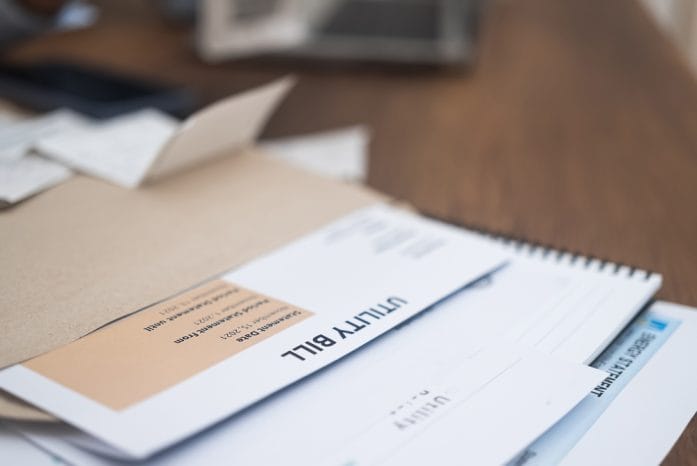
Filed Under: Lifestyle Tagged With: bills, energy bills, family spending, food prices, fuel expenses, grocery costs, healthcare costs, healthcare premiums, housing expenses, Life, Lifestyle, overspending, Smart Spending, spending, transportation, utility bills, utility costs

  • 1
  • 2
  • Next Page »

FOLLOW US

Search this site:

Recent Posts

  • Can My Savings Account Affect My Financial Aid? by Tamila McDonald
  • 12 Ways Gen X’s Views Clash with Millennials… by Tamila McDonald
  • What Advantages and Disadvantages Are There To… by Jacob Sensiba
  • Call 911: Go To the Emergency Room Immediately If… by Stephen Kanaval
  • 10 Tactics for Building an Emergency Fund from Scratch by Vanessa Bermudez
  • 7 Weird Things You Can Sell Online by Tamila McDonald
  • 10 Scary Facts About DriveTime by Tamila McDonald

Copyright © 2026 · News Pro Theme on Genesis Framework