• Home
  • About Us
  • Toolkit
  • Getting Finances Done
    • Hiring Advisors
    • Debt Management
    • Spending Plan
  • Insurance
    • Life Insurance
    • Health Insurance
    • Disability Insurance
    • Homeowners/Renters Insurance
  • Contact Us
  • Privacy Policy
  • Risk Tolerance Quiz

The Free Financial Advisor

You are here: Home / Archives for sustainability

The Real Reason Your Utility Bill Is Skyrocketing and What You Can Do

April 7, 2026 by Brandon Marcus Leave a Comment

The Real Reason Your Utility Bill Is Skyrocketing and What You Can Do

Image Source: Shutterstock.com

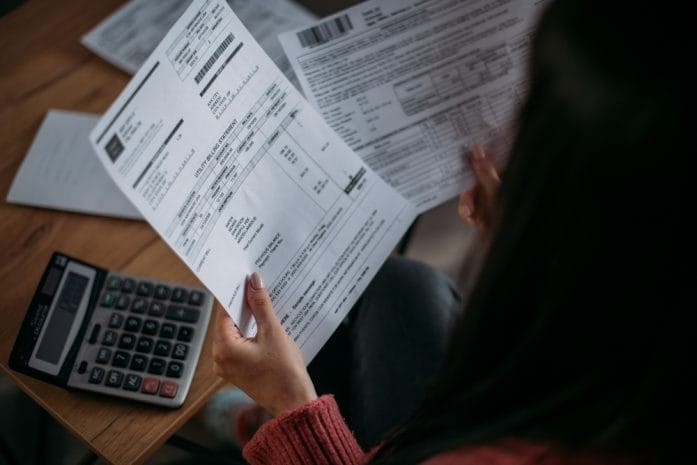
Electric bills aren’t just creeping up anymore—they’re charging forward like they’ve got something to prove. Numbers that once felt manageable now look like a monthly shock, and the explanation rarely feels clear. Blaming “higher costs” sounds vague, and vague doesn’t help when the total jumps again. The truth hides behind a mix of global shifts, local infrastructure, and everyday habits that quietly stack up over time. Understanding what actually drives those numbers gives far more power than simply bracing for the next bill.

Big energy changes don’t stay behind the scenes anymore; they show up in homes, apartments, and bank accounts. Rising costs don’t come from one single cause, and that’s exactly why they feel so frustrating. A mix of supply issues, aging systems, extreme weather, and lifestyle patterns pushes prices higher from multiple directions at once. That layered reality means quick fixes won’t cut it, but smart adjustments absolutely can. Once the real drivers come into focus, cutting costs stops feeling like guesswork and starts feeling like strategy.

The Hidden Forces Driving Your Bill Higher

Energy prices don’t just rise randomly; global supply and demand shifts push them up in ways that ripple into everyday life. When fuel costs increase, electricity providers pass those increases along almost immediately, and that impact hits every household regardless of usage habits. Infrastructure also plays a massive role, because many power grids rely on aging systems that require expensive maintenance and upgrades. Those upgrades cost money, and utility companies recover those expenses through higher rates. Weather adds another layer of pressure, especially during extreme heat or cold when demand spikes dramatically. Increased demand forces utilities to generate more power quickly, which often costs more and drives rates upward. Even water bills feel the pressure, as drought conditions and water treatment expenses raise costs in many regions.

Government policies and environmental regulations also influence utility pricing, often with long-term goals that carry short-term cost increases. Cleaner energy initiatives, for example, require investment in renewable systems, and that transition doesn’t come cheap. While those changes aim to reduce environmental impact, they often increase bills during the transition period. Population growth in certain areas strains local resources, forcing utilities to expand capacity and infrastructure faster than planned. That expansion again feeds into higher costs for consumers. On top of that, energy markets fluctuate constantly, and those fluctuations create unpredictable pricing patterns. When all these forces combine, bills rise steadily rather than dramatically, which makes the increases feel relentless instead of sudden.

The Everyday Habits That Quietly Add Up

Daily routines shape utility bills far more than most people expect, and small patterns often create surprisingly large impacts over time. Leaving lights on in multiple rooms, running appliances during peak hours, and keeping devices plugged in all day steadily increase electricity usage. Even modern homes packed with energy-efficient devices still waste power through standby consumption, sometimes called “phantom energy.” That constant drain may seem minor, but it adds up every single day. Heating and cooling habits also make a massive difference, especially when thermostats stay fixed instead of adjusting with the weather or time of day. A few degrees higher or lower can shift energy use significantly across an entire month. Laundry habits, water heater settings, and even cooking methods all contribute to the total.

Water usage creates another major piece of the puzzle, especially in homes with older fixtures or unnoticed leaks. A dripping faucet or running toilet may not seem urgent, but those small issues waste gallons of water daily and quietly inflate bills. Long showers, frequent laundry cycles, and inefficient dishwashing routines also push usage higher than necessary. Seasonal changes amplify these habits, especially during summer when air conditioning and water use both increase. Many households don’t adjust routines to match those seasonal shifts, which leads to spikes that feel unexpected. Awareness alone can start to shift those patterns in a meaningful way. Once habits come into focus, simple changes begin to lower costs without sacrificing comfort.

Smart Moves That Actually Lower Costs

Cutting utility bills doesn’t require drastic lifestyle changes; it starts with targeted, practical adjustments that deliver real results. Switching to energy-efficient lighting, such as LED bulbs, immediately reduces electricity use without affecting brightness or comfort. Smart thermostats offer another powerful tool by automatically adjusting temperatures based on daily routines. That kind of automation eliminates wasted energy without constant manual changes. Running appliances like dishwashers and washing machines during off-peak hours can also reduce costs in areas with time-based pricing. Sealing windows and doors prevents air leaks, which keeps heating and cooling systems from working overtime. Even unplugging unused devices helps eliminate phantom energy loss.

Water-saving upgrades also make a noticeable difference, especially when paired with smarter usage habits. Low-flow showerheads and faucets reduce water consumption without sacrificing pressure, which keeps comfort intact while lowering costs. Fixing leaks quickly prevents long-term waste and avoids unnecessary charges that build over time.

Adjusting water heater temperatures slightly downward reduces energy use while still providing plenty of hot water. Outdoor water use deserves attention too, especially for homes with gardens or lawns. Watering during early morning or evening hours minimizes evaporation and improves efficiency. These changes don’t require major investments, yet they consistently deliver measurable savings.

The Real Reason Your Utility Bill Is Skyrocketing and What You Can Do

Image Source: Shutterstock.com

Why Timing Matters More Than You Think

Utility costs often fluctuate throughout the day, and timing plays a bigger role than many people realize. Peak hours typically occur when demand hits its highest point, often in the late afternoon and early evening. During those times, electricity costs more because utilities must generate additional power quickly. Running high-energy appliances during those peak periods drives bills higher even if overall usage stays the same. Shifting those activities to off-peak hours reduces costs without reducing comfort or convenience. Many utility providers now offer time-of-use plans that reward this kind of behavior with lower rates.

Seasonal timing also affects energy costs in a big way, especially during extreme weather months. Summer heat drives air conditioning use, while winter cold increases heating demand, and both scenarios push energy consumption upward. Preparing for those seasonal shifts ahead of time helps control costs before they spike. Simple steps like servicing HVAC systems, improving insulation, and adjusting thermostat schedules can make a noticeable difference.

Even cooking habits matter, since using ovens during hot months adds extra heat that forces cooling systems to work harder. Paying attention to timing transforms energy use from reactive to strategic. That shift alone often leads to lower bills without major sacrifices.

You DO Have Control

Rising utility bills don’t come from a single cause, and that complexity makes them feel overwhelming at first glance. Once the real drivers come into focus—global energy shifts, infrastructure costs, everyday habits, and timing—those numbers start to make more sense. More importantly, they start to feel manageable instead of mysterious. Small, consistent changes create real impact, especially when they target the biggest areas of energy and water use. Smart habits, efficient upgrades, and better timing combine into a strategy that works month after month. No dramatic overhaul required, just smarter decisions stacked together.

If you’re in Texas, the deregulated energy market means you can compare and switch providers like Energy Texas to potentially lower your monthly bill.

Which change feels easiest to try first, and what strategies have already made a difference? Drop your thoughts, ideas, or personal wins in the comments and keep the conversation going.

You May Also Like…

Seniors Receiving ‘Utility Shutoff’ Calls With Exact Account Numbers — Here’s How Criminals Are Stealing Them

Utility Companies Are Ending Paper Billing — How It Will Change Your Monthly Payments

Utility Billing Cycle Changes Causing Double Charges

Adult Kids Beware: Some States Can Sue You for Your Parents’ Medical Bills

From Medicare to Medicaid: Why Billing Glitches Are Causing Unexpected Medical Bills Nationwide

Brandon Marcus
Brandon Marcus

Brandon Marcus is a writer who has been sharing the written word since a very young age. His interests include sports, history, pop culture, and so much more. When he isn’t writing, he spends his time jogging, drinking coffee, or attempting to read a long book he may never complete.
Filed Under: Lifestyle Tagged With: budgeting, Cost of living, electricity prices, energy costs, Energy Efficiency, home tips, Inflation, saving money, smart home, sustainability, utility bills, water bills

8 Everyday Items Made From Recycled Materials You’d Never Expect

November 26, 2025 by Travis Campbell Leave a Comment

Recyclable

Image source: shutterstock.com

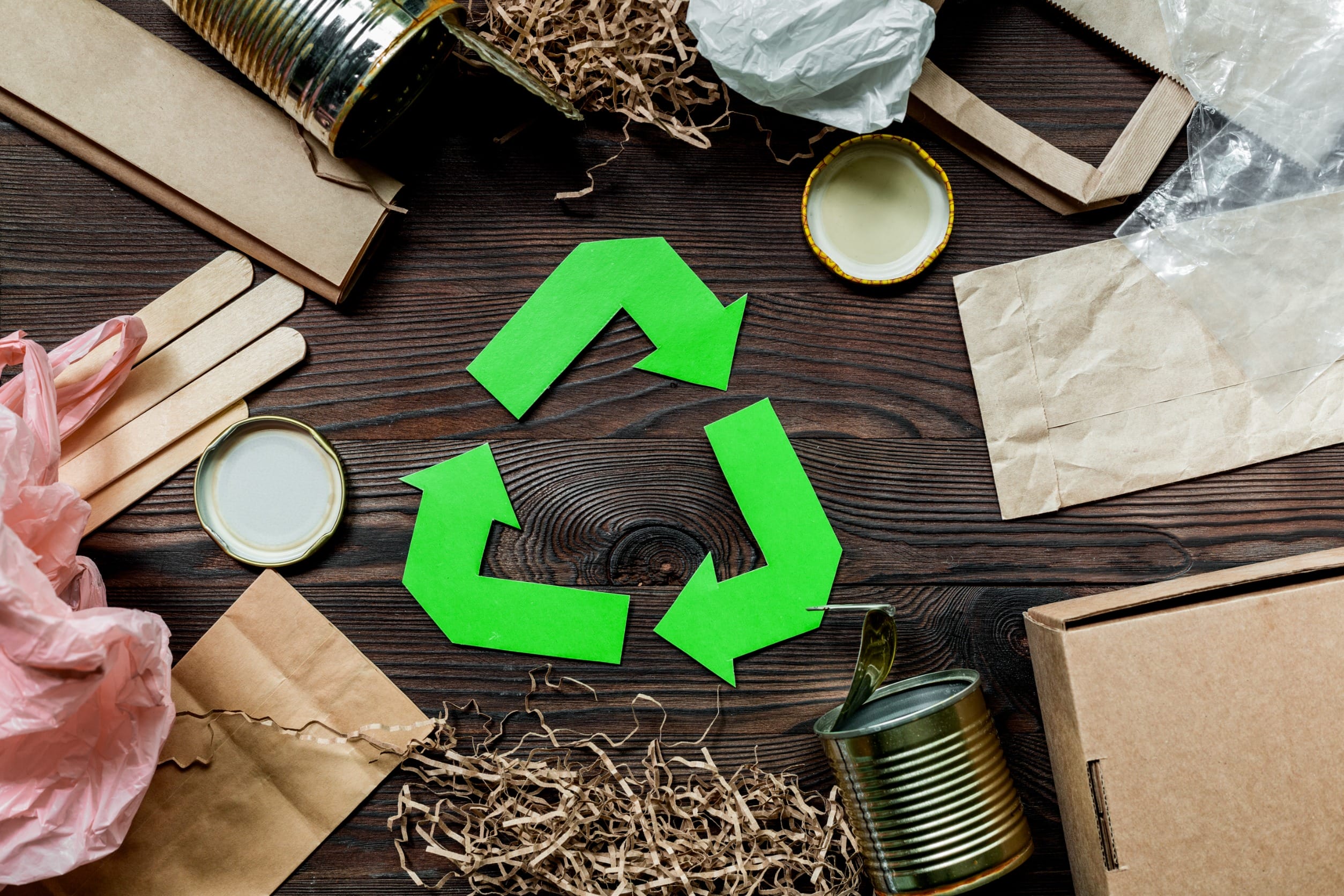
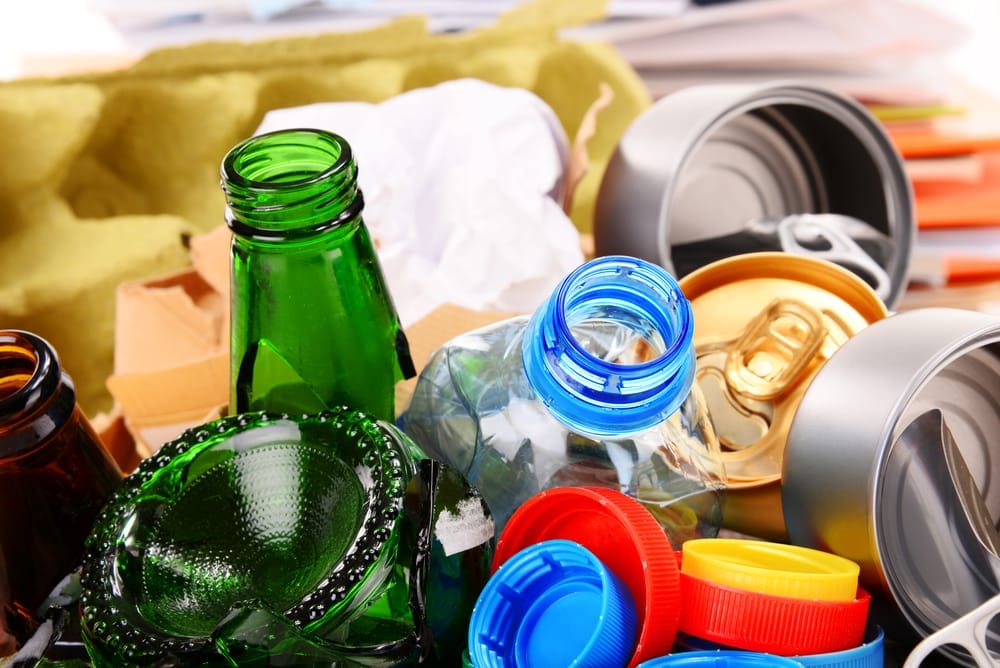
People in the public domain remain unaware of the origins of the products they use daily. The production process converts recycled materials into new products that bear no resemblance to their original form. The transformation process serves three purposes: it minimizes waste output, reduces manufacturing expenses, and extends the service life of materials, which would otherwise become landfill waste. People who buy products do not understand this manufacturing process, which supports their daily shopping activities. The knowledge of everyday objects will transform after you understand their transformation process.

1. Shoes Made From Plastic Bottles

Footwear companies now spin recycled materials into lightweight threads for the uppers of shoes. Clear plastic bottles become fibers, then yarn, then breathable mesh that’s both strong and flexible. The idea sounds rough, but the result feels nothing like the source.

The process trims waste from two directions. Fewer bottles end up buried or burned, and fewer new materials need to be manufactured. That balance reshapes an industry once dependent on petroleum-heavy synthetics.

2. Kitchen Countertops Forged From Old Glass

Shattered bottles and broken windows find a second life as polished kitchen surfaces. Manufacturers crush the glass, bind it with resin, and form dense slabs. The flecks of color aren’t paint. They’re remnants of the recycled materials embedded throughout.

These countertops handle heat and impact without the maintenance demands of natural stone. They show how discarded fragments can turn into something built to last.

3. Notebooks Pressed From Recycled Cotton Scraps

Fashion production leaves behind mountains of cotton trimmings. Instead of dumping them, some mills grind the scraps into fibers and press them into thick, durable paper. The sheets hold ink well and resist tearing, despite being made from material once considered waste.

The shift brings the textile and stationery worlds closer. It also reduces pressure on forests by limiting the need for wood pulp.

4. Park Benches Molded From Used Milk Jugs

Public spaces are full of quiet examples of recycled materials in action. Park benches made from high-density polyethylene come from the same jugs that hold household milk. After cleaning and shredding, the plastic becomes molded lumber that resists rot and insects.

Unlike wood, these benches don’t splinter or warp. They survive heat, cold, and rain, providing sturdy seating born from something meant for a single use.

5. Carpet Tiles Built From Old Fishing Nets

Ghost nets drift through oceans for years, damaging wildlife and ecosystems. Collecting them costs time and effort, but the payoff is real. The nylon inside these nets can be recycled into fibers used for carpet tiles. Once cleaned and processed, the material looks nothing like its past form.

These tiles lock together and can be replaced one square at a time. The durable fibers cut down future waste and keep harmful debris out of waterways.

6. Asphalt Enhanced With Recycled Rubber

Road surfaces often include ground-up tires. Rubber crumbs help create asphalt that absorbs impact and reduces road noise. It’s one of the most widespread uses of recycled materials, yet people rarely notice it under their wheels.

Tires are difficult to dispose of safely. Reusing the rubber gives them a second job, one that keeps millions of pounds of waste from accumulating in open lots or illegal dumps.

7. Insulation Made From Recycled Denim

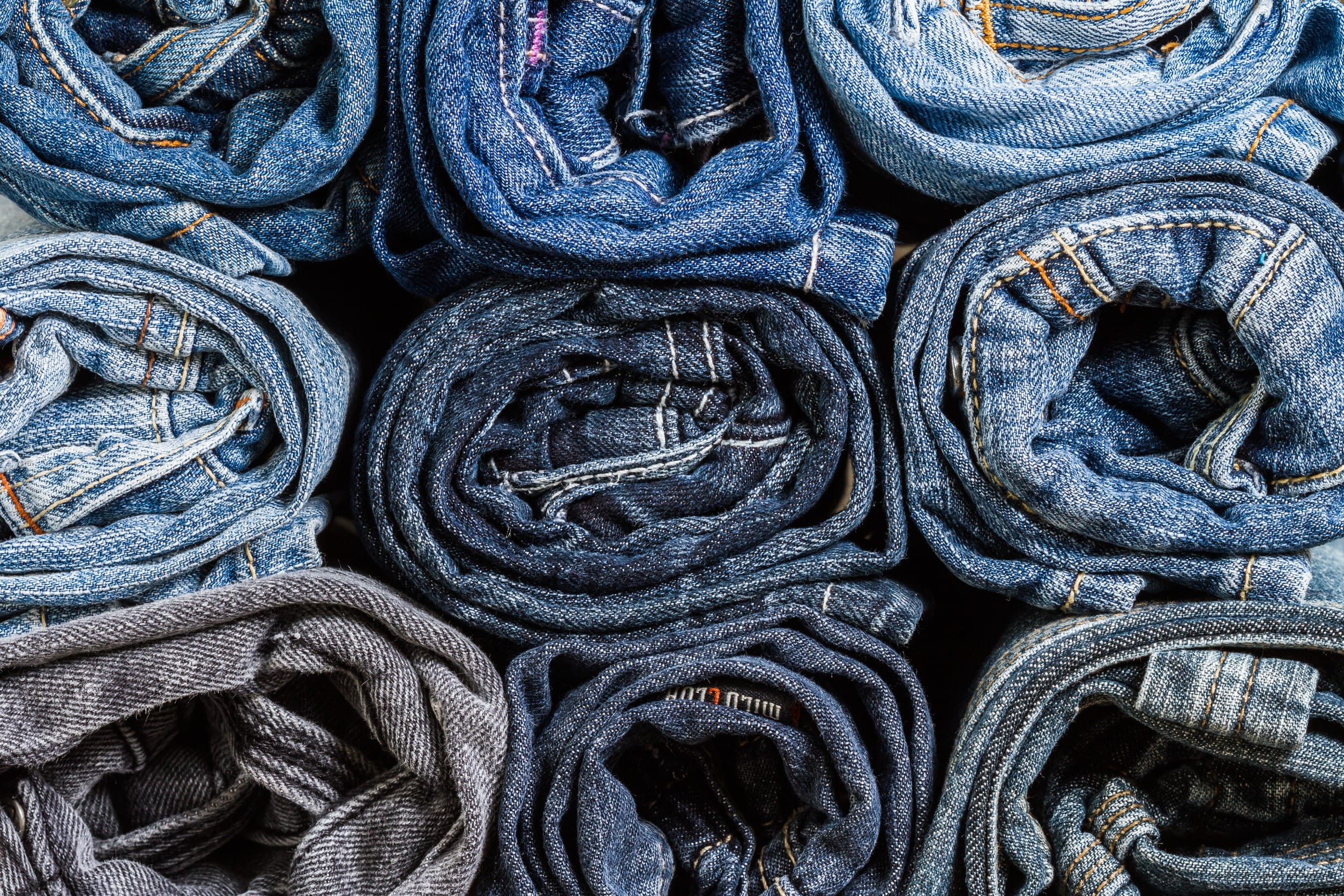
Old jeans, shredded and treated, make effective home insulation. The fibers retain heat, block sound, and help prevent the itch associated with traditional fiberglass. Builders can cut and install the material without special suits or masks.

This approach repurposes clothing that can’t be resold or donated. It also trims the environmental footprint of new construction by replacing more energy-intensive materials.

8. Office Chairs Containing Reprocessed Metal

Hidden inside many office chairs is a network of steel or aluminum components created from recycled materials. Reprocessed metal delivers the same strength as new metal but requires far less energy to produce. The structural core stays sturdy even after years of use.

This change often goes unnoticed because nothing about the chair broadcasts its origins. Yet recycled content plays a central role in reducing manufacturing costs and environmental impact.

The Patterns Hiding in Plain Sight

People fail to recognize that recycled materials are used in their daily activities more often than they realize. The recycling process transforms materials into new products, creating economic changes that, in turn, affect our everyday activities and the environment.

The system produces major results through its basic modification capabilities. The discovery of recycled materials in everyday objects shows that they are present in regular consumer products.

Which recycled material product in your daily life has impressed you the most?

What to Read Next…

  • 7 Tactics Grocery Stores Use to Keep You From Thinking About Price
  • 8 Everyday Services That Are Slowly Becoming Subscription Only
  • 7 Popular Cleaning Products That Can Destroy Your Plumbing
  • 9 Common Products That May Be Illegal to Resell Online
  • 8 Things You’re Doing That Make Criminals Think You’re an Easy Target
Travis Campbell
Travis Campbell

Travis Campbell is a digital marketer/developer with over 10 years of experience and a writer for over 6 years. He holds a degree in E-commerce and likes to share life advice he’s learned over the years. Travis loves spending time on the golf course or at the gym when he’s not working.

Filed Under: Frugal Living Tagged With: household items, Personal Finance, recycling, sustainability, waste reduction

7 Wild Facts About Electric Cars That’ll Shock You

November 11, 2025 by Travis Campbell Leave a Comment

electric car

Image source: shutterstock.com

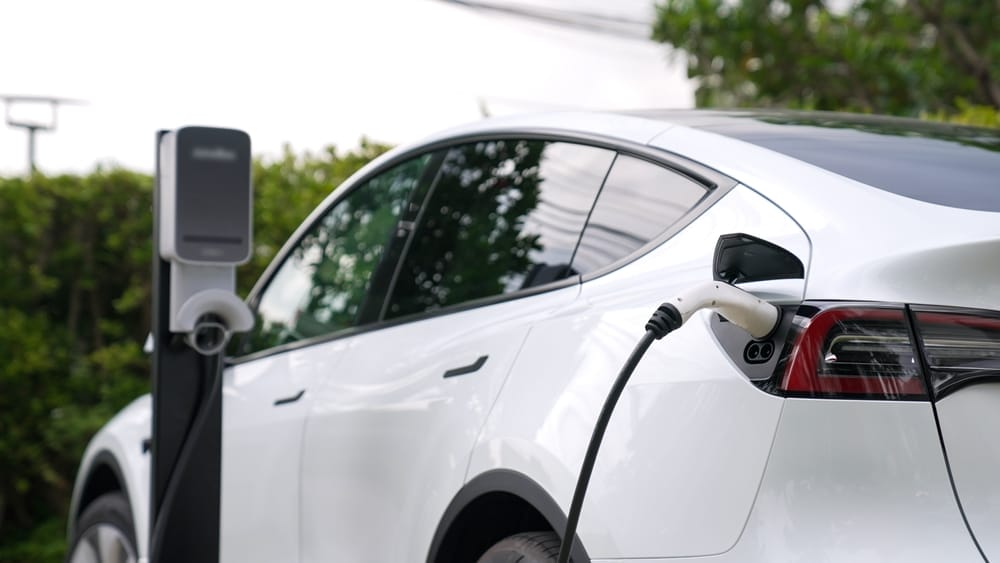
Electric cars are no longer a futuristic fantasy—they’re here, humming quietly beside you in traffic. As more drivers trade gas pumps for charging cables, the world of electric cars becomes increasingly interesting. From their surprising performance to the unexpected ways they affect the power grid, these vehicles are changing transportation faster than many realize. Understanding how electric cars work and what makes them unique helps drivers and investors see the bigger picture of where mobility is heading. Let’s plug in and explore seven wild facts about electric cars that might just change how you think about driving.

1. Electric Cars Can Outrun Sports Cars

Many people still picture electric cars as slow or dull, but that’s far from true. Electric motors deliver instant torque, meaning power is transmitted directly to the wheels without delay. Some electric cars can go from zero to sixty miles per hour in under three seconds, rivaling or beating high-end gasoline sports cars. The lack of gears also means smoother acceleration and fewer moving parts to wear out over time. For anyone who loves speed but hates gas bills, electric cars offer the best of both worlds.

2. The Batteries Are More Complex Than You Think

At the heart of every electric car is a massive battery pack, typically composed of thousands of individual lithium-ion cells wired in series. These batteries are engineered to balance energy density, safety, and lifespan. They include sophisticated cooling systems to prevent overheating and maximize performance in all weather conditions. The chemistry behind these batteries continues to evolve as manufacturers seek cheaper, lighter, and more sustainable materials. The race to improve battery technology is one reason electric cars keep getting better each year.

3. Electric Cars Can Power Your Home

One of the lesser-known capabilities of electric cars is bidirectional charging. Some models allow owners to use the car’s battery as a backup power source for their home. During a blackout, the car can feed electricity back into the house, keeping lights and appliances running. This feature, known as vehicle-to-home or V2H, turns electric cars into mobile energy storage units. As energy grids modernize, more utilities are exploring how electric cars could help stabilize power demand during peak hours. It’s a small step toward a smarter, more resilient energy system.

4. The Environmental Impact Isn’t Always Simple

Many drivers choose electric cars to reduce their carbon footprint, and in most cases, they do. But the environmental story is more complicated than just tailpipe emissions. Producing the batteries requires mining and processing materials like lithium, cobalt, and nickel, which can have significant environmental costs. However, as recycling technologies improve and renewable energy becomes more common, the lifetime emissions of electric cars continue to drop. For those curious about the math, EPA data on electric vehicle emissions shows that even when powered by a mixed energy grid, electric cars typically produce fewer total emissions than gasoline vehicles.

5. Charging Networks Are Growing Faster Than You Think

Just a few years ago, finding a public charger could be a challenge. Now, thousands of new charging stations are being installed every month across the world. Governments, automakers, and private companies are racing to expand infrastructure. In the United States, the Department of Energy’s charging station locator tracks a rapidly growing network that makes long-distance travel more practical than ever. With faster chargers capable of adding hundreds of miles in under 30 minutes, electric cars are shedding one of their biggest early drawbacks—range anxiety.

6. Maintenance Costs Are Surprisingly Low

Electric cars have fewer moving parts than traditional vehicles. There are no oil changes, timing belts, or exhaust systems to maintain. Regenerative braking also reduces wear on brake pads, meaning longer intervals between replacements. Over time, this simplicity adds up to significant savings. While battery replacement can be expensive, most batteries are built to last over 100,000 miles and often come with long warranties. For budget-conscious drivers, the lower maintenance costs make electric cars not just cleaner but cheaper to live with.

7. Some Electric Cars Make Artificial Engine Sounds

Because electric cars run almost silently, they can pose a risk to pedestrians who rely on sound cues to detect approaching traffic. To address this, regulators in many countries require electric cars to emit artificial sounds at low speeds. Automakers have responded creatively—some use futuristic hums, while others mimic the sound of traditional engines. It’s a strange twist: cars designed to be quiet now need to make noise for safety. This blend of technology and psychology shows how electric cars are reshaping not just transportation, but also how we experience it.

The Future Is Plugged In

Electric cars are more than a passing trend—they represent a turning point in how people think about energy, technology, and mobility. As battery innovation accelerates and infrastructure expands, the barriers that once held electric cars back are disappearing. The next decade will likely bring models with greater range, faster charging, and even lower costs. For anyone watching the automotive industry, the shift to electric cars is one of the most fascinating transformations in modern history.

What’s the most surprising thing you’ve learned about electric cars? Share your thoughts in the comments below.

What to Read Next…

  • What That New Car Smell Might Be Hiding Legally
  • 9 Cities Where Car Theft Is Becoming a Daily Occurrence
  • 7 Tactics Grocery Stores Use to Keep You From Thinking About Price
  • The Danger of Using Debit Cards While Traveling Abroad
  • What Are Banks Really Doing With Your Personal Spending Data?
Travis Campbell
Travis Campbell

Travis Campbell is a digital marketer/developer with over 10 years of experience and a writer for over 6 years. He holds a degree in E-commerce and likes to share life advice he’s learned over the years. Travis loves spending time on the golf course or at the gym when he’s not working.

Filed Under: Auto & Tech Tagged With: automotive, electric cars, EV technology, green energy, sustainability, transportation

15 Products That Are Surprisingly Made from Recycled Materials

May 22, 2024 by Vanessa Bermudez Leave a Comment

recycled products

123rf

In an era where sustainability is more than just a buzzword, the innovation behind recycled products is booming. From high-fashion statements to everyday essentials, the range of items made from repurposed materials is expanding, challenging our perceptions of what recycling can achieve. Here’s a look at 15 unexpected products that are giving old materials new life.

1. Sneakers from Ocean Plastics

shoes and water bottler

123rf

Leading sportswear brands are sprinting towards sustainability by crafting sneakers from plastics harvested from the oceans. These stylish kicks not only help reduce ocean waste but also promote awareness of marine conservation. They’re durable, waterproof, and incredibly trendy, proving that eco-friendly choices can also be chic.

2. Furniture from Discarded Fishing Nets

chair and fishing net

DALL-E

Innovative designers are turning problematic waste, such as discarded fishing nets, into sleek, modern furniture. These nets, often found polluting oceans, are transformed into chairs and tables that are both functional and fashionable. This initiative not only cleans up our seas but also offers a stylish approach to sustainable living.

3. Insulation from Denim

denims

123rf

Old jeans find new purpose as building insulation, providing an eco-friendly alternative to traditional materials. This denim insulation offers excellent thermal performance and soundproofing, plus it’s safer to handle compared to fiberglass options, making it a favorite in green building projects.

4. Backpacks from Recycled PET Bottles

backpack

123rf

Imagine carrying a backpack that was once a plastic bottle. Companies are now weaving recycled polyethylene terephthalate (PET) into durable fabric used for backpacks. This process not only reuses plastic waste but also significantly reduces the production of new plastics.

5. Jewelry from E-Waste

e-waste jewelry

DALL-E

Electronic waste is not just a growing problem but also a source of precious metals. Artisans are crafting stunning pieces of jewelry from metals and components reclaimed from old electronics. These pieces are not just beautiful but also tell a compelling story of sustainability.

6. Yoga Mats from Recycled Wetsuits

yoga mat

123rf

Old wetsuits are getting a second life as yoga mats. The neoprene rubber is cleaned, shredded, and transformed into comfortable, grippy mats ideal for your next downward dog. This upcycling effort helps keep non-biodegradable materials out of landfills.

7. Wall Art from Skateboard Decks

skateboard wall deck

DALL-E

Broken skateboards are no longer destined for the dump. Artists are repurposing these colorful decks into vibrant wall art. Each piece is unique, displaying the scratches and scars of its previous life, adding character and a pop of color to any room.

8. Playground Equipment from Recycled Plastic

playground slide

123rf

Playgrounds across the globe are becoming greener with equipment made from recycled plastics. These fun and safe installations are helping keep plastic waste out of landfills and proving that sustainable practices can bring joy to communities.

9. Notebooks from Coffee Cups

coffee and notebook

123rf

Millions of used coffee cups are recycled into paper used for notebooks. This innovative recycling process turns your morning coffee waste into your next great place for sketches, notes, and ideas, blending functionality with sustainability.

10. Glasses Frames from Fishing Nets

sunglasses and fishing net

DALL-E

Eyewear companies are looking through a sustainable lens by crafting frames from recycled fishing nets. These frames are not only stylish but also help reduce plastic waste in the oceans, offering a clear vision for a cleaner world.

11. T-Shirts from Recycled Cotton

tshirts

123rf

Old, discarded cotton garments are being reborn as fresh t-shirts. This process reduces waste and the demand for new raw materials, significantly lowering water usage and carbon emissions associated with traditional cotton production.

12. Blankets from Plastic Bottles

blankets

DALL-E

Cozy, soft blankets are now being woven from fibers made from recycled plastic bottles. This transformation from plastic to plush not only offers comfort but also tackles the issue of plastic waste.

13. Flooring from Used Tires

floor mats

123rf

Used car tires are being converted into durable flooring for gyms, playgrounds, and even outdoor patios. The rubber provides excellent shock absorption and is an inventive solution to tire disposal issues.

14. Dog Toys from Old T-shirts

dog toy

123rf

Unwanted t-shirts are finding a playful new purpose as braided dog toys. This DIY recycling trick is simple yet effective, providing pets with hours of entertainment and a greener option for pet owners.

15. Bike Racks from Scrap Metal

bike racks

123rf

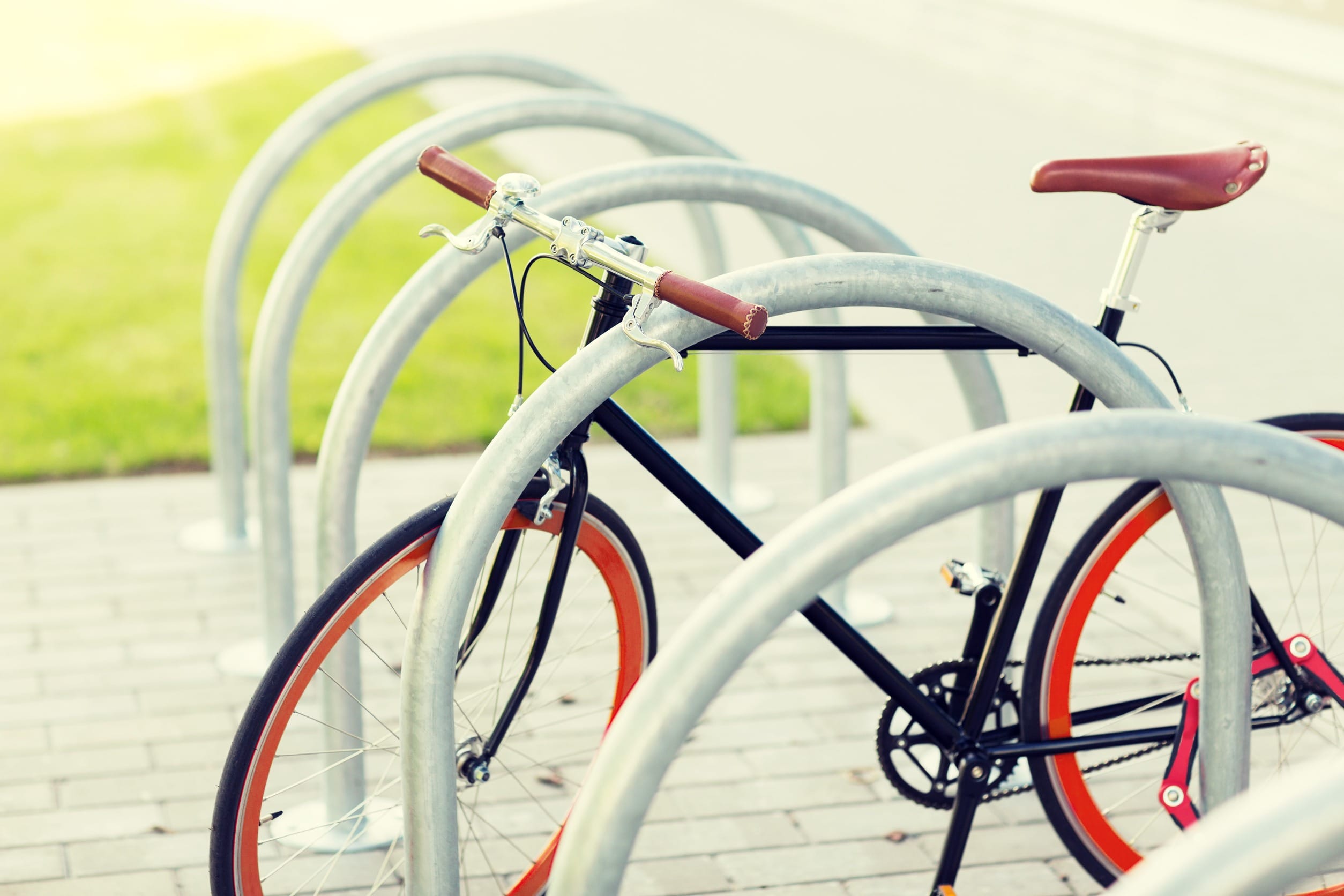
Even metal scraps are not wasted. They are welded into creative and sturdy bike racks, often seen in urban areas. This initiative supports cycling infrastructure and demonstrates that even small pieces of scrap can be transformed into useful products.

The Art of Recycling

girls holding a recycle sign

123rf

These fifteen products exemplify the creativity and potential of recycling. They highlight how innovative thinking can turn waste into something wonderful, pushing the boundaries of what we typically consider recyclable. Each item not only serves a practical purpose but also carries a message of responsibility and hope for a more sustainable world.

Vanessa Bermudez
Vanessa Bermudez
Vanessa Bermudez is a content writer with over eight years of experience crafting compelling content across a diverse range of niches. Throughout her career, she has tackled an array of subjects, from technology and finance to entertainment and lifestyle. In her spare time, she enjoys spending time with her husband and two kids. She’s also a proud fur mom to four gentle giant dogs.

Filed Under: Lifestyle Tagged With: eco-friendly, green innovation, recycled products, recycling ideas, sustainability, sustainable living, upcycled goods

FOLLOW US

Search this site:

Recent Posts

  • Can My Savings Account Affect My Financial Aid? by Tamila McDonald
  • 12 Ways Gen X’s Views Clash with Millennials… by Tamila McDonald
  • What Advantages and Disadvantages Are There To… by Jacob Sensiba
  • Call 911: Go To the Emergency Room Immediately If… by Stephen Kanaval
  • 10 Tactics for Building an Emergency Fund from Scratch by Vanessa Bermudez
  • 7 Weird Things You Can Sell Online by Tamila McDonald
  • 10 Scary Facts About DriveTime by Tamila McDonald

Copyright © 2026 · News Pro Theme on Genesis Framework