
• Home
  • About Us
  • Toolkit
  • Getting Finances Done
    • Hiring Advisors
    • Debt Management
    • Spending Plan
  • Insurance
    • Life Insurance
    • Health Insurance
    • Disability Insurance
    • Homeowners/Renters Insurance
  • Contact Us
  • Privacy Policy
  • Risk Tolerance Quiz

The Free Financial Advisor

You are here: Home / Archives for household costs

Why Are Utility Bills Becoming a Bigger Budget Problem

January 20, 2026 by Brandon Marcus Leave a Comment

Why Are Utility Bills Becoming a Bigger Budget Problem

Image source: shutterstock.com

If your latest electricity or water bill made you do a double-take, you’re not alone. Across the country, households are feeling the pinch as essential services start demanding more from our wallets. It’s not just about leaving lights on or taking long showers anymore—there’s a tangle of factors at play that’s driving costs higher, and it’s changing the way people think about their monthly spending.

Suddenly, what once seemed like a predictable expense is now a moving target, and everyone from renters to homeowners is scrambling to make sense of the numbers.

Rising Energy Costs Are Hitting Harder Than Ever

Energy prices have been on an upward trajectory for years, but recent shifts in global supply and demand have accelerated the climb. Natural gas, oil, and coal markets fluctuate due to international tensions, weather extremes, and policy changes, and those shifts don’t just stay on paper—they show up in your home heating and electricity bills. Renewable energy adoption is growing, which is excellent for the planet, but transitioning infrastructure can be expensive, and some of those costs are trickling down to consumers.

Add in inflation, and suddenly the energy bill that once felt manageable can turn into a monthly stressor. People are now paying closer attention to the rates they’re charged, the efficiency of their appliances, and even the timing of when they use energy, trying to avoid peak pricing that can double the cost of a single evening of laundry and cooking.

Water Bills Are Increasing In Many Cities

Water isn’t just wet—it’s getting pricey. Municipalities are raising water rates to cover aging infrastructure, ensure safe drinking water, and manage limited water supplies amid droughts and growing populations. In some areas, you might notice a jump in sewer or wastewater fees that come alongside your regular water charges, adding another layer to your monthly utility obligations. The reality is that maintaining pipes, treatment plants, and water quality isn’t cheap, and utilities are passing some of those costs to residents.

Households that used to see water as a trivial part of their budget are discovering it can actually rival entertainment, groceries, or even transportation expenses if usage isn’t monitored carefully. Suddenly, conserving water isn’t just an environmental choice—it’s a practical way to protect your bank account.

Weather And Climate Change Are Making Bills Less Predictable

Seasons used to follow a predictable rhythm, but climate shifts are creating more extremes, and that directly affects utility bills. Scorching summers and bitter winters mean heating and cooling systems are running longer, driving up energy consumption. Storms and floods can damage power lines and water infrastructure, leading to temporary rate hikes or emergency repairs funded by customers.

Even the timing of seasonal weather impacts how much electricity is used, and the variability means households can no longer budget with the same level of certainty as in the past. People are beginning to notice that what once felt like a simple routine bill is now a wild card in their monthly financial planning.

Why Are Utility Bills Becoming a Bigger Budget Problem

Image source: shutterstock.com

Technology And Modern Lifestyles Are Increasing Consumption

We all love our gadgets, smart devices, and streaming services, but every plugged-in convenience adds to the energy load. Homes are packed with electronics that run 24/7, sometimes in “standby” mode, quietly consuming electricity. Even energy-efficient appliances don’t fully offset the sheer number of devices modern families use. Heating, cooling, and refrigeration demand rises as living spaces expand and people spend more time indoors. Lifestyle changes, like working from home or homeschooling, further increase electricity usage. What may have been a small, predictable bill a decade ago now reflects a more connected, tech-heavy lifestyle—and it can be a shock to see the sum of it all at the end of the month.

Inflation And Policy Decisions Shape How Much We Pay

Utility bills are not immune to the broader economic environment. Inflation affects the cost of fuel, chemicals, maintenance, and labor, which translates to higher monthly bills for customers. Additionally, government regulations and policies can introduce new fees or rate adjustments to encourage conservation, fund renewable projects, or address environmental concerns. Sometimes these measures make sense for the long term but create short-term strain on household budgets. Consumers are learning that utility bills are not just about consumption—they reflect a complex web of policy, economics, and infrastructure investment. Navigating this landscape means paying attention, asking questions, and sometimes making lifestyle adjustments to stay ahead of rising costs.

Simple Steps Can Make A Big Difference

While the numbers can be intimidating, small changes often add up to meaningful savings. Adjusting thermostats by a few degrees, fixing leaks, and monitoring daily water and energy use can help households regain some control. Energy-efficient appliances, low-flow showerheads, and LED lighting may require an initial investment but can significantly reduce monthly bills over time. Even behavioral changes, like turning off lights when leaving a room or scheduling laundry during off-peak hours, matter.

The key is understanding patterns and costs, not just hoping bills will remain the same month after month. Knowledge, awareness, and proactive planning can turn what feels like an uncontrollable financial burden into a manageable, even empowering, routine.

What’s Your Utility Story?

Utility bills are becoming more than just a line item—they’re shaping how households budget, plan, and even think about daily routines. Rising costs, unpredictable weather, modern lifestyles, and policy shifts all contribute to bills that are increasingly hard to ignore. Everyone experiences these changes differently, and the strategies to cope can be as unique as your home.

Have you noticed your bills creeping up? Tried a clever trick to save on energy or water? Jump into the conversation below. Your story might help someone else see a new way to tackle the challenge.

You May Also Like…

Why Do Utility Bills Keep Rising Even When Usage Stays the Same

Why Do People Feel Less Financially Secure Than Before

Expense Overflow: 4 Retirement Bills That Catch People Off Guard

Why Does Financial Anxiety Show Up Even When Bills Are Paid

Why Are Emergency Funds Harder to Rebuild Than People Expect

Brandon Marcus
Brandon Marcus

Brandon Marcus is a writer who has been sharing the written word since a very young age. His interests include sports, history, pop culture, and so much more. When he isn’t writing, he spends his time jogging, drinking coffee, or attempting to read a long book he may never complete.
Filed Under: Budgeting Tagged With: Budget, budget problems, budgeting, budgeting problems, climate change, energy costs, home spending, household bills, household budgets, household costs, household duties, Inflation, monthly bills, Planning, Smart Spending, spending, subscriptions, utilities, utility bills, water bills, weather

Did You Know Turning Off Your Wi-Fi Router at Night Can Save You Money?

November 30, 2025 by Travis Campbell Leave a Comment

router

Image source: shutterstock.com

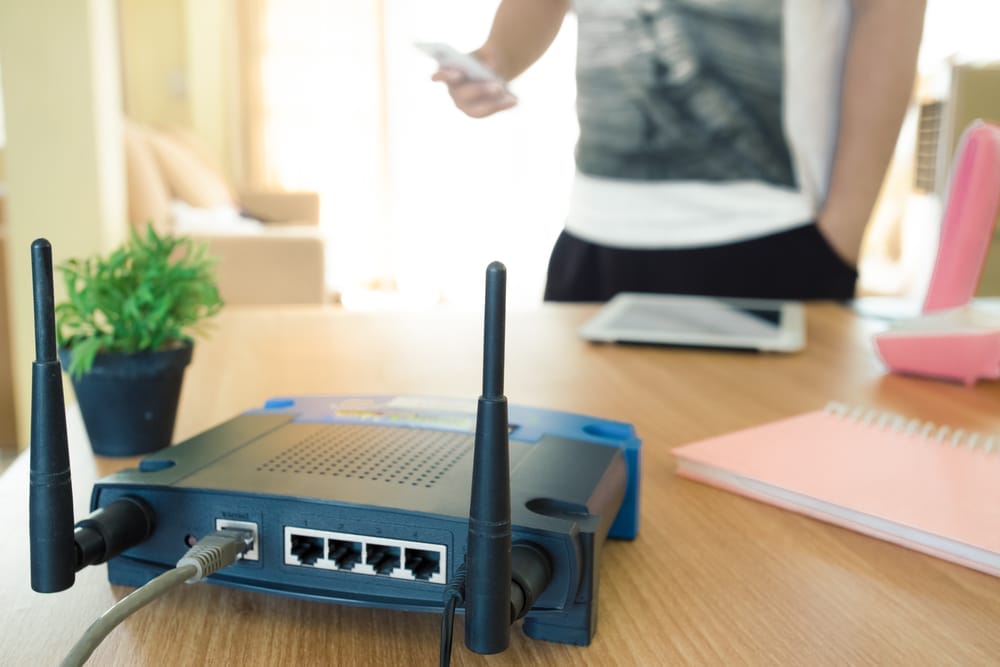
The nightly process of turning off our Wi-Fi router demonstrates how small changes to our daily routines create significant effects. People can observe their energy usage through their daily activities. The router operates continuously during sleeping hours to provide service, even though no one uses it at that time, resulting in energy costs. The standard device operates without purpose when powered, leading people to seek budget-friendly solutions that maintain their comfort level. The basic process of shutting down your Wi-Fi router helps you save money while minimizing energy waste and improving your management of unyielding utility bills.

1. The Hidden Cost of an Always-On Device

Routers draw power quietly. They’re built for continuous operation, but most households don’t need them running 24 hours a day. Turning off your Wi-Fi router can trim energy use that would otherwise go unnoticed. Even modest reductions matter when repeated every night, week after week.

Some routers draw more power than expected because extra features remain active in the background. Lights, processors, and network functions run even when no devices are connected. That creates a steady energy drain. Shutting the router off during the hours you sleep interrupts that drain and returns control to the user.

2. Reducing Standby Waste

Standby power is a known expense in most homes. Devices inactive on the surface often remain busy underneath. A router is one of the most consistent contributors to that waste. Turning off your Wi-Fi router cuts this unnecessary consumption at the source.

Some homes accumulate several connected devices: smart speakers, cameras, and appliances that never fully power down. When the router is disabled at night, these devices lose their connection and enter a low-use state. That creates a multiplier effect. One action delivers several quiet reductions at once.

3. Easing Network Strain

Many households load their network with dozens of devices. These connections strain routers designed for lighter use. Shutting the system down at night resets internal processes, clears memory, and reinstates stable performance. Turning off your Wi-Fi router works like a nightly reset button.

Routers that run continuously tend to slow down over time. Heat buildup, minor glitches, and software hiccups accumulate. A nightly break interrupts that cycle. It can extend the life of the device and reduce the need for replacement hardware.

4. Enhanced Digital Boundaries

Constant connectivity encourages late-night scrolling and fragmented sleep patterns. A powered-down router becomes a boundary. It sets a natural stopping point at the end of the day, reinforcing habits that many people intend to build but struggle to maintain.

A router switched off at night also limits unauthorized access. Fewer active hours reduce exposure to attempted logins from outside networks. The device rests. The network rests. And the household gains a layer of security through absence rather than complexity.

5. Lowering Heat and Extending Equipment Life

Routers generate heat whether you notice it or not. Continuous operation raises internal temperatures for many hours, and heat wears down components. Turning off your Wi-Fi router helps cool the device during its longest periods of inactivity, slowing the wear that comes from constant operation.

Short nightly breaks can extend the router’s usable life. Electronic components that cycle between activity and rest typically last longer than those pushed at full throttle without pause. Each shutoff becomes an investment in future reliability.

6. Small Changes Add Up on the Utility Bill

Most homes see a pattern: small energy drains add up until the monthly bill becomes larger than expected. A router may not be the biggest contributor, but its constant draw makes it one of the most persistent. Turning off your Wi-Fi router shifts that pattern.

Electricity savings accumulate slowly but steadily. The act requires no subscription, no new equipment, and no renovation. Just a switch or a timer. The simplicity of it creates its own appeal. It’s an uncomplicated way to scale back on a bill that often feels fixed.

A Habit That Builds Awareness

The practice of turning off a router provides advantages that extend beyond financial cost savings. People become more aware of the number of devices that continue operating beyond their required time. The practice of shutting down your Wi-Fi router helps you detect hidden expenses that affect your daily life.

The transition to this new way of thinking results in additional minor changes in behavior. People start to use their energy resources with purposeful thinking. People gain a better understanding of their evening priorities. The system achieves its best performance when all system components execute their designated tasks. How do you handle your router at night?

What to Read Next…

  • How Your Wi-Fi Router Placement Might Be Sharing Personal Info
  • Is Your Internet Provider Charging You for Services You Don’t Use?
  • Are These 8 Money Saving Tricks Actually Keeping You Broke?
  • 6 Monthly Bills You Should Cancel Immediately Even If You Can Afford Them
  • 8 Everyday Services That Are Slowly Becoming Subscription Only
Travis Campbell
Travis Campbell

Travis Campbell is a digital marketer/developer with over 10 years of experience and a writer for over 6 years. He holds a degree in E-commerce and likes to share life advice he’s learned over the years. Travis loves spending time on the golf course or at the gym when he’s not working.

Filed Under: saving money Tagged With: budgeting, energy savings, home utilities, household costs, Wi-Fi

Tiny Kitchen Items That Add Hundreds to Your Electric Bill

July 11, 2025 by Travis Campbell Leave a Comment

kitchen

Image Source: pexels.com

Small kitchen gadgets make life easier. But some of these tiny helpers can quietly drive up your electric bill. You might not notice the impact at first. Over time, though, the costs add up. Many people focus on big appliances like fridges or ovens. But it’s the little things—used every day—that can really hurt your wallet. Here’s why you should pay attention to the small stuff in your kitchen.

1. Toaster Ovens

Toaster ovens seem harmless. They’re small, quick, and easy to use. But they use a lot of electricity for their size. Running a toaster oven for 15 minutes a day can add up to over 100 kilowatt-hours a year. That’s about $15 to $20, depending on your rates. If you use it more often, the cost climbs. Many people leave them plugged in all the time, which means they draw “phantom” power even when off. Unplugging when not in use helps. If you’re reheating leftovers, try the microwave instead. It’s usually more efficient for small portions.

2. Coffee Makers

Coffee makers are a morning staple. But they use more power than you think. Single-serve machines, in particular, heat water quickly and keep it hot. That means they’re always drawing power, even when you’re not brewing. Traditional drip machines with hot plates also use energy to keep coffee warm. If you leave the machine on for hours, you’re wasting electricity. Consider brewing only what you need. Turn off the hot plate or warming feature. If you want to save even more, use a French press or pour-over method. These don’t use any electricity at all.

3. Electric Kettles

Electric kettles are fast and convenient. But they can be energy hogs, especially if you boil more water than you need. Heating water takes a lot of power. If you fill the kettle to the top every time, you’re wasting energy. Only boil what you plan to use. Some kettles have a “keep warm” feature. This keeps water hot for hours, using even more electricity. Turn off this feature and unplug the kettle when you’re done. Over a year, these small changes can save you real money.

4. Plug-In Slow Cookers

Slow cookers are known for saving time and effort. But they use steady power for hours at a time. A typical slow cooker uses about 200 watts per hour. If you run it for eight hours, that’s 1.6 kilowatt-hours per meal. Do that a few times a week, and the cost adds up. Some people leave slow cookers plugged in all the time, which can draw standby power. Unplug when not in use. If you’re cooking small meals, consider using a pressure cooker or stovetop instead. These can be more efficient for quick cooking.

5. Countertop Ice Makers

Countertop ice makers are a luxury for some, a necessity for others. But they use a surprising amount of electricity. These machines run almost constantly to keep ice frozen and ready. Over a year, a countertop ice maker can use up to 350 kilowatt-hours. That’s about $50 or more, depending on your rates. If you don’t need ice all the time, turn the machine off when not in use. Use ice trays in your freezer for occasional needs.

6. Mini Fridges

Mini fridges are common in dorms, offices, and even kitchens. They seem efficient because they’re small. But many models are less efficient than full-size fridges. Older or cheaper mini fridges can use as much energy as a regular refrigerator. If you have more than one fridge running, your electric bill will reflect it. Consider whether you really need a mini fridge. If you do, look for an Energy Star model. Clean the coils and keep them full for best efficiency.

7. Electric Griddles

Electric griddles are great for pancakes and grilled cheese. But they use a lot of power, up to 1,500 watts when running. If you use one several times a week, the cost adds up. Many people leave them plugged in, which can draw standby power. Unplug after use. For small meals, use a stovetop pan instead. It’s often more efficient, especially if you have a gas stove.

8. Standby Chargers and Power Strips

Many kitchen gadgets use chargers or plug into power strips. Even when not in use, these can draw “phantom” or standby power. This is called “vampire energy.” Over a year, it can add up to $100 or more to your bill, depending on how many devices you have plugged in. Use smart power strips that cut off power when devices aren’t in use. Unplug chargers when you’re done.

9. Blenders and Food Processors

Blenders and food processors don’t run for long, but they use a lot of power when they do. High-powered models can draw up to 1,200 watts. If you use them daily, the energy use adds up. Clean and maintain your appliances so they run efficiently. Only blend what you need. If you’re making a smoothie, try using a smaller, personal blender.

10. Rice Cookers

Rice cookers are handy, but many have a “keep warm” feature that runs for hours. This uses more electricity than you might expect. If you leave rice warming all day, you’re paying for it. Turn off the cooker when your rice is done. Unplug it to avoid standby power use. For small portions, consider cooking rice on the stove.

Small Changes, Big Savings

Tiny kitchen items can have a big impact on your electric bill. It’s easy to overlook them, but the costs add up over time. Unplug devices when not in use. Use only what you need. Look for energy-efficient models when buying new gadgets. These small steps can save you hundreds each year. Paying attention to the little things in your kitchen can make a real difference in your budget.

What small kitchen gadgets have surprised you with their energy use? Share your stories or tips in the comments.

Read More

Stop Reading About Last Year’s Top Ten Mutual Funds

5 Biggest Refinance Concerns

Travis Campbell
Travis Campbell

Travis Campbell is a digital marketer/developer with over 10 years of experience and a writer for over 6 years. He holds a degree in E-commerce and likes to share life advice he’s learned over the years. Travis loves spending time on the golf course or at the gym when he’s not working.

Filed Under: Home Improvement Tagged With: electric bill, energy savings, home efficiency, household costs, kitchen appliances, kitchen tips, money-saving

FOLLOW US

Search this site:

Recent Posts

  • Can My Savings Account Affect My Financial Aid? by Tamila McDonald
  • 12 Ways Gen X’s Views Clash with Millennials… by Tamila McDonald
  • What Advantages and Disadvantages Are There To… by Jacob Sensiba
  • Call 911: Go To the Emergency Room Immediately If… by Stephen Kanaval
  • 10 Tactics for Building an Emergency Fund from Scratch by Vanessa Bermudez
  • 7 Weird Things You Can Sell Online by Tamila McDonald
  • 10 Scary Facts About DriveTime by Tamila McDonald

Copyright © 2026 · News Pro Theme on Genesis Framework