• Home
  • About Us
  • Toolkit
  • Getting Finances Done
    • Hiring Advisors
    • Debt Management
    • Spending Plan
  • Insurance
    • Life Insurance
    • Health Insurance
    • Disability Insurance
    • Homeowners/Renters Insurance
  • Contact Us
  • Risk Tolerance Quiz
  • Our Editorial Commitment

The Free Financial Advisor

You are here: Home / Archives for climate change

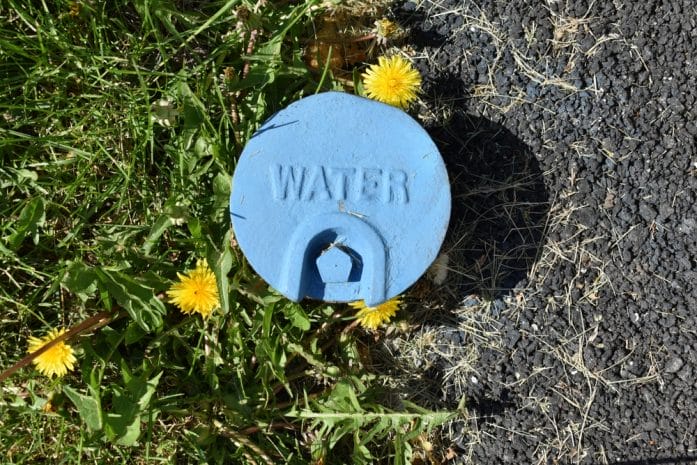
The Water Surcharge: Why Arizona and Nevada Homeowners Are Seeing New Fees

April 30, 2026 by Brandon Marcus Leave a Comment

The Water Surcharge: Why Arizona and Nevada Homeowners Are Seeing New Fees
Image Source: Shutterstock.com

Life in the Southwest has always come with trade-offs, and now the bill has arrived in a very literal way. Arizona and Nevada homeowners now face new water surcharges that quietly slip onto monthly statements and spark serious frustration. These charges don’t show up as random penalties; utilities carefully design them to reflect deeper issues tied to supply and demand. Water providers now push these fees as a way to stabilize infrastructure and stretch limited resources. Homeowners who once treated water bills as predictable expenses now scramble to adjust budgets.

The shift didn’t happen overnight, and it didn’t come without warning. Years of drought conditions across the Colorado River Basin forced officials to rethink how cities handle water consumption. Lake Mead and Lake Powell levels dropped to historic lows, and policymakers responded with aggressive conservation strategies. Utilities now pass those costs directly to consumers through structured surcharges.

What Exactly Is a Water Surcharge Anyway?

Water surcharges don’t follow the same rules as standard usage fees, and that difference often confuses homeowners. Utilities add these charges to cover specific costs like drought mitigation, infrastructure upgrades, or emergency water sourcing. Instead of simply charging per gallon, providers layer these fees on top of base rates to ensure consistent revenue. That structure helps cities maintain systems even when residents cut back on usage. The result often feels like a no-win situation for households trying to conserve.

Some surcharges target peak usage, while others apply across the board regardless of consumption. For example, a homeowner who reduces lawn watering might still see a higher bill because fixed surcharges don’t disappear. Utilities justify this approach by pointing to long-term system stability and investment needs. Aging pipelines, treatment facilities, and reservoir management all require steady funding. That funding now comes directly from ratepayers rather than unpredictable consumption levels.

Why Arizona and Nevada Feel the Pressure More Than Most

Arizona and Nevada sit at the center of one of the most water-stressed regions in North America, and that geographic reality drives everything. Both states rely heavily on the Colorado River, which supplies millions of residents and fuels agriculture. As water levels decline, competition intensifies between cities, farmers, and neighboring states. Officials must make tough decisions, and higher costs often land on homeowners first. Those decisions aim to stretch every drop while avoiding catastrophic shortages.

Rapid population growth adds another layer of pressure that many people overlook. Cities like Phoenix and Las Vegas continue to expand, bringing more demand into an already strained system. New developments require water infrastructure, and those costs don’t stay hidden for long. Utilities spread expenses across customers, which leads to noticeable increases in monthly bills. Homeowners now pay not just for their own use but also for the region’s ongoing expansion.

How These Fees Show Up on Monthly Bills

Water bills used to feel straightforward, but today’s statements read more like itemized invoices packed with unfamiliar terms. Homeowners now see line items labeled “drought surcharge,” “infrastructure recovery fee,” or “conservation adjustment.” Each charge reflects a specific policy decision rather than simple usage. That complexity makes it harder to track exactly where money goes. Many residents only notice the total rising without fully grasping the breakdown.

The unpredictability frustrates even the most budget-conscious households. Seasonal adjustments can cause bills to spike during summer months when demand peaks. Some utilities also adjust surcharges quarterly based on reservoir levels or regional water allocations. That variability makes it difficult to plan long-term expenses. Homeowners often feel blindsided when bills jump despite efforts to conserve.

The Water Surcharge: Why Arizona and Nevada Homeowners Are Seeing New Fees
Image Source: Shutterstock.com

What Homeowners Can Actually Do About It

Homeowners don’t have to accept rising costs without taking action, even though surcharges feel unavoidable. Smart water use still plays a role in controlling overall expenses, especially when tiered pricing structures reward conservation. Installing low-flow fixtures, upgrading irrigation systems, and switching to drought-resistant landscaping can reduce baseline usage. Those changes won’t eliminate surcharges, but they can soften the financial impact. Every gallon saved still counts in a system designed to reward efficiency.

Advocacy also matters more than many people realize. Local water boards and city councils often hold public meetings where residents can voice concerns about rate structures. Staying informed about proposed changes gives homeowners a chance to push for fairer pricing models. Some communities even offer rebates for conservation upgrades, which help offset upfront costs. Taking advantage of those programs can turn frustration into practical savings.

Behind Rising Water Costs

Water surcharges don’t exist in isolation; they reflect a broader shift in how cities manage essential resources. Climate patterns continue to change, and long-term drought conditions force governments to rethink traditional systems. Infrastructure built decades ago now struggles to meet modern demands. Upgrades require massive investment, and utilities rely on ratepayers to fund those improvements. That reality ensures water bills will remain a hot topic for years to come.

Economic factors also play a role in shaping these policies. Inflation affects everything from construction materials to labor costs, which drives up the price of maintaining water systems. Utilities must balance affordability with financial stability, and that balancing act rarely satisfies everyone. Homeowners often feel caught in the middle of competing priorities. The result looks like a steady stream of new fees that reflect deeper structural challenges.

Where This Trend Heads Next for Southwest Living

The future of water pricing in Arizona and Nevada points toward even more dynamic and responsive systems. Utilities will likely continue refining surcharge models to reflect real-time conditions like reservoir levels and seasonal demand. Technology could play a bigger role, with smart meters providing detailed usage data that influences billing. That shift could bring more transparency but also more variability in monthly costs. Homeowners will need to stay alert and adaptable as these systems evolve.

Policy changes at the state and federal levels could also reshape how water costs get distributed. Ongoing negotiations over Colorado River allocations will influence pricing structures for years ahead. Investments in alternative water sources, such as desalination or recycling, could introduce new costs and opportunities. Those developments won’t happen overnight, but they will gradually change how utilities approach billing. Homeowners who stay informed will navigate these changes with far more confidence.

The Cost of Water Isn’t Just the Bill

Water surcharges tell a bigger story than a simple line item on a utility statement. They reveal how environmental pressure, population growth, and infrastructure needs collide in real time. Homeowners now face a new reality where water costs fluctuate alongside natural conditions and policy decisions. That shift demands attention, planning, and a willingness to adapt. Ignoring the trend won’t make it disappear, but smart choices can make it manageable.

How are rising water costs affecting your monthly budget, and have you made any changes to keep your bills under control? We want to hear your stories and experiences in the comments below.

You May Also Like…

Why May Bills Include “Grid Modernization” Charges

Illinois Counties Are Issuing More Property Liens for Unpaid Utility Balances

Why Do Renters Pay More Than Homeowners for the Same Utilities

Arizona Homeowners Are Affected by Local Water System and Infrastructure Issues

Staying Healthy and Hydrated: How Often Should I Wash My Water Bottle

Brandon Marcus
Brandon Marcus

Brandon Marcus is a writer who has been sharing the written word since a very young age. His interests include sports, history, pop culture, and so much more. When he isn’t writing, he spends his time jogging, drinking coffee, or attempting to read a long book he may never complete.


Filed Under: Lifestyle Tagged With: Arizona water fees, climate change, Cost of living, desert living, drought impact, homeowner expenses, Nevada water surcharge, rising utility costs, Southwest housing, utility bills, water conservation, water pricing

California Insurance Crisis: 13% of Home Sales Failed Due to No Coverage Available

February 9, 2026 by Brandon Marcus Leave a Comment

California Insurance Crisis: 13% of Home Sales Failed Due to No Coverage Available
Image source: shutterstock.com

California’s housing market has always been dramatic, but the newest twist isn’t coming from bidding wars, interest rates, or inventory shortages. It’s coming from something far more fundamental: the ability to insure a home at all.

In a state where wildfire seasons have grown longer and more destructive, and where insurers are reassessing risk at a scale never seen before, the simple act of securing homeowners insurance has become a make‑or‑break moment in the homebuying process. According to the California Association of Realtors, 13 percent of real estate agents reported a sale falling out of escrow because the buyer could not obtain insurance. That number is staggering, not only because it represents more than one in eight transactions, but because it signals a shift in how fragile the path to homeownership has become.

When Insurance Becomes the Dealbreaker

For decades, homeowners’ insurance was a predictable, almost routine part of buying a home. You found a carrier, got a quote, and checked the box. But in today’s California, that box has turned into a flashing warning sign. The 13 percent failure rate reported by the California Association of Realtors reflects a growing reality: buyers are discovering that insurers are declining applications outright, especially in areas with elevated wildfire risk.

This isn’t about high premiums or tough underwriting; it’s about the complete absence of available coverage from major carriers. When a buyer can’t secure insurance, lenders won’t finalize the mortgage, and the deal collapses, no matter how perfect the home may be. The fallout is immediate and costly, leaving buyers devastated, sellers scrambling, and agents navigating a landscape where insurance is now one of the biggest wildcards in a transaction.

Why Insurers Are Pulling Back So Dramatically

The roots of California’s insurance crisis run deep, shaped by a combination of climate‑driven disasters, financial pressures, and regulatory constraints. Wildfires have grown more destructive, fueled by hotter temperatures, drier landscapes, and longer fire seasons. Insurers have absorbed billions in losses, and many have concluded that the risk in certain regions is simply too high to sustain.

At the same time, California’s regulatory framework limits how quickly insurers can raise premiums, making it difficult for companies to adjust rates in line with rising risk and soaring reinsurance costs. Reinsurance—the insurance that insurance companies buy to protect themselves—has become significantly more expensive worldwide.

When insurers can’t price policies to match the risk or the cost of protecting themselves, they retreat. That retreat has taken the form of paused applications, reduced coverage areas, and non‑renewals that leave homeowners scrambling for alternatives.

The Ripple Effects Hitting Buyers, Sellers, and Entire Communities

A failed home sale is more than a disappointing phone call; it’s a disruption that reverberates through the entire housing ecosystem. Buyers who lose a deal due to insurance often face emotional and financial setbacks, especially if they’ve already invested in inspections, appraisals, or moving plans. Sellers may see their property return to the market with a stigma attached, as future buyers wonder whether they’ll face the same insurance roadblock.

In high‑risk areas, the pool of eligible buyers shrinks, potentially softening home values and slowing local market activity. Communities feel the strain as well. When insurance becomes scarce, it discourages new residents, complicates development, and creates a divide between areas that insurers still consider viable and those they no longer will touch.

California Insurance Crisis: 13% of Home Sales Failed Due to No Coverage Available
Image source: shutterstock.com

How Homebuyers Can Protect Themselves in This New Reality

In a market where insurance availability can make or break a deal, buyers need to approach the process with a new level of strategy. One of the smartest moves is to involve an independent insurance broker early—ideally before making an offer. Brokers have access to multiple carriers and can quickly assess whether a property is insurable and at what cost.

Buyers should also research a home’s wildfire risk score, defensible space requirements, and local mitigation efforts. Properties with fire‑resistant roofs, cleared vegetation, and hardened structures may be more appealing to insurers. For those already insured, maintaining a strong relationship with your current carrier is essential. Avoid lapses in coverage, keep your home well‑maintained, and document any mitigation work you complete.

A Market Redefined by Risk and Resilience

California’s insurance crisis is more than a temporary disruption; it’s a sign of how climate risk is reshaping the financial foundations of homeownership. The 13 percent failure rate reported by the California Association of Realtors is not an isolated statistic—it’s a warning about the fragility of a system that depends on insurability to function.

Addressing this challenge will require coordinated efforts from homeowners, insurers, regulators, and communities. Hardening homes, improving local infrastructure, modernizing risk models, and updating regulatory frameworks are all part of the long‑term solution. For now, buyers and homeowners must navigate a landscape where insurance is no longer a formality but a central factor in every real estate decision.

What challenges have you faced when trying to secure homeowners’ insurance in today’s market? Are you a California homeowner with stories to share? Make sure to do so in the comments below.

You May Also Like…

13% of California Realtors Report Sales Falling Through Due to Insurance Issues

Buddhism in California: 10 Interesting Facts About The City of Ten Thousand Buddhas

California’s Insurance Cancellation Crisis: 3.18% of Homeowners Lost Coverage in 2024

Florida Homeowners Are Seeing Insurance Rates Decreasing In 2026

The $2,000 Average National Homeowner Premium — Highest Share of Mortgage Payment Ever

Brandon Marcus
Brandon Marcus

Brandon Marcus is a writer who has been sharing the written word since a very young age. His interests include sports, history, pop culture, and so much more. When he isn’t writing, he spends his time jogging, drinking coffee, or attempting to read a long book he may never complete.

Filed Under: Insurance Tagged With: California Association of Realtors, California housing market, climate change, FAIR Plan, home buying, homeowners insurance, insurance crisis, market analysis, property insurance, real estate trends, wildfire risk

Why Are Utility Bills Becoming a Bigger Budget Problem

January 20, 2026 by Brandon Marcus Leave a Comment

Why Are Utility Bills Becoming a Bigger Budget Problem
Image source: shutterstock.com

If your latest electricity or water bill made you do a double-take, you’re not alone. Across the country, households are feeling the pinch as essential services start demanding more from our wallets. It’s not just about leaving lights on or taking long showers anymore—there’s a tangle of factors at play that’s driving costs higher, and it’s changing the way people think about their monthly spending.

Suddenly, what once seemed like a predictable expense is now a moving target, and everyone from renters to homeowners is scrambling to make sense of the numbers.

Rising Energy Costs Are Hitting Harder Than Ever

Energy prices have been on an upward trajectory for years, but recent shifts in global supply and demand have accelerated the climb. Natural gas, oil, and coal markets fluctuate due to international tensions, weather extremes, and policy changes, and those shifts don’t just stay on paper—they show up in your home heating and electricity bills. Renewable energy adoption is growing, which is excellent for the planet, but transitioning infrastructure can be expensive, and some of those costs are trickling down to consumers.

Add in inflation, and suddenly the energy bill that once felt manageable can turn into a monthly stressor. People are now paying closer attention to the rates they’re charged, the efficiency of their appliances, and even the timing of when they use energy, trying to avoid peak pricing that can double the cost of a single evening of laundry and cooking.

Water Bills Are Increasing In Many Cities

Water isn’t just wet—it’s getting pricey. Municipalities are raising water rates to cover aging infrastructure, ensure safe drinking water, and manage limited water supplies amid droughts and growing populations. In some areas, you might notice a jump in sewer or wastewater fees that come alongside your regular water charges, adding another layer to your monthly utility obligations. The reality is that maintaining pipes, treatment plants, and water quality isn’t cheap, and utilities are passing some of those costs to residents.

Households that used to see water as a trivial part of their budget are discovering it can actually rival entertainment, groceries, or even transportation expenses if usage isn’t monitored carefully. Suddenly, conserving water isn’t just an environmental choice—it’s a practical way to protect your bank account.

Weather And Climate Change Are Making Bills Less Predictable

Seasons used to follow a predictable rhythm, but climate shifts are creating more extremes, and that directly affects utility bills. Scorching summers and bitter winters mean heating and cooling systems are running longer, driving up energy consumption. Storms and floods can damage power lines and water infrastructure, leading to temporary rate hikes or emergency repairs funded by customers.

Even the timing of seasonal weather impacts how much electricity is used, and the variability means households can no longer budget with the same level of certainty as in the past. People are beginning to notice that what once felt like a simple routine bill is now a wild card in their monthly financial planning.

Why Are Utility Bills Becoming a Bigger Budget Problem
Image source: shutterstock.com

Technology And Modern Lifestyles Are Increasing Consumption

We all love our gadgets, smart devices, and streaming services, but every plugged-in convenience adds to the energy load. Homes are packed with electronics that run 24/7, sometimes in “standby” mode, quietly consuming electricity. Even energy-efficient appliances don’t fully offset the sheer number of devices modern families use. Heating, cooling, and refrigeration demand rises as living spaces expand and people spend more time indoors. Lifestyle changes, like working from home or homeschooling, further increase electricity usage. What may have been a small, predictable bill a decade ago now reflects a more connected, tech-heavy lifestyle—and it can be a shock to see the sum of it all at the end of the month.

Inflation And Policy Decisions Shape How Much We Pay

Utility bills are not immune to the broader economic environment. Inflation affects the cost of fuel, chemicals, maintenance, and labor, which translates to higher monthly bills for customers. Additionally, government regulations and policies can introduce new fees or rate adjustments to encourage conservation, fund renewable projects, or address environmental concerns. Sometimes these measures make sense for the long term but create short-term strain on household budgets. Consumers are learning that utility bills are not just about consumption—they reflect a complex web of policy, economics, and infrastructure investment. Navigating this landscape means paying attention, asking questions, and sometimes making lifestyle adjustments to stay ahead of rising costs.

Simple Steps Can Make A Big Difference

While the numbers can be intimidating, small changes often add up to meaningful savings. Adjusting thermostats by a few degrees, fixing leaks, and monitoring daily water and energy use can help households regain some control. Energy-efficient appliances, low-flow showerheads, and LED lighting may require an initial investment but can significantly reduce monthly bills over time. Even behavioral changes, like turning off lights when leaving a room or scheduling laundry during off-peak hours, matter.

The key is understanding patterns and costs, not just hoping bills will remain the same month after month. Knowledge, awareness, and proactive planning can turn what feels like an uncontrollable financial burden into a manageable, even empowering, routine.

What’s Your Utility Story?

Utility bills are becoming more than just a line item—they’re shaping how households budget, plan, and even think about daily routines. Rising costs, unpredictable weather, modern lifestyles, and policy shifts all contribute to bills that are increasingly hard to ignore. Everyone experiences these changes differently, and the strategies to cope can be as unique as your home.

Have you noticed your bills creeping up? Tried a clever trick to save on energy or water? Jump into the conversation below. Your story might help someone else see a new way to tackle the challenge.

You May Also Like…

Why Do Utility Bills Keep Rising Even When Usage Stays the Same

Why Do People Feel Less Financially Secure Than Before

Expense Overflow: 4 Retirement Bills That Catch People Off Guard

Why Does Financial Anxiety Show Up Even When Bills Are Paid

Why Are Emergency Funds Harder to Rebuild Than People Expect

Brandon Marcus
Brandon Marcus

Brandon Marcus is a writer who has been sharing the written word since a very young age. His interests include sports, history, pop culture, and so much more. When he isn’t writing, he spends his time jogging, drinking coffee, or attempting to read a long book he may never complete.

Filed Under: Budgeting Tagged With: Budget, budget problems, budgeting, budgeting problems, climate change, energy costs, home spending, household bills, household budgets, household costs, household duties, Inflation, monthly bills, Planning, Smart Spending, spending, subscriptions, utilities, utility bills, water bills, weather

Rain, Snow, Fire: Bad Weather Is Changing the Insurance Industry

March 28, 2025 by Latrice Perez Leave a Comment

Bad Weather
Image Source: 123rf.com

The year 2025 has witnessed an unprecedented surge in severe weather events, fundamentally altering the landscape of the insurance industry. This article explores how extreme weather conditions are driving up premiums, causing record losses, and reshaping market dynamics. It examines the adjustments insurers are making to adapt to an era marked by uncertainty and environmental challenges. Read on to understand the profound impact of climate change on insurance practices.

Escalating Insurance Premiums

The increasing frequency and severity of natural disasters have forced insurers to raise property and casualty premiums, particularly in high-risk areas. Homeowners in states like Tennessee have seen significant premium hikes due to recent storms and tornadoes. These adjustments are a direct response to the escalating costs associated with higher claim volumes. Insurers are recalibrating risk models to better reflect the current climate realities. Consumers must now navigate a market where insurance is becoming an increasingly expensive necessity.

Record-Breaking Wildfire Losses

The raging flame of fire burn in the fields, forests and black thick acrid smoke. Big spring wildfire close-up.
Image Source: 123rf.com

Recent wildfires, particularly in Southern California, have led to record-breaking insured losses that exceed previous historical benchmarks. The devastation from these fires has strained insurers and forced a reevaluation of risk models. With losses projected to surpass $20 billion, the financial impact on the industry is immense. These events underscore the vulnerability of regions prone to wildfires and the need for improved preventive measures. The situation has sparked urgent discussions about better disaster management and policy structuring.

Increased Reinsurance Costs

Global reinsurers are now facing mounting losses as a result of climate change-induced disasters, driving up reinsurance costs. These increased costs are often passed down to consumers in the form of higher premiums. For example, the recent Los Angeles wildfires have had a noticeable impact on reinsurance rates. This ripple effect makes insurance less affordable for many policyholders. As a result, the overall landscape of insurance pricing is undergoing significant transformation.

Emergence of Insurance Deserts

In regions frequently affected by extreme weather, insurers are reassessing their willingness to provide coverage, leading to the emergence of so-called ‘insurance deserts.’ Homeowners in these high-risk areas may find it increasingly difficult to secure affordable coverage. This trend raises concerns about the accessibility of essential insurance for those most in need. The lack of available options can exacerbate the financial vulnerability of affected communities. Addressing this challenge requires coordinated efforts between regulators and insurers.

Regulatory Responses and Market Stabilization Efforts

In response to the volatile insurance landscape, lawmakers in various states are proposing measures to stabilize the market. Initiatives such as state-backed funds and regulatory reforms aim to keep insurance accessible and affordable. These efforts are designed to address the dual challenges of rising premiums and increasing claim volumes. Collaborative measures between the public and private sectors are essential for long-term market stability. Consumers and insurers alike are closely watching these regulatory developments for signs of relief.

The Weather Has Reshaped The Insurance Industry

The severe weather events of 2025 have reshaped the insurance industry in profound ways, from escalating premiums to the emergence of insurance deserts. As climate change continues to influence weather patterns, both insurers and consumers must adapt to a new financial reality. Proactive measures, improved risk assessments, and regulatory interventions are vital for navigating these changes. The evolving landscape calls for a reassessment of traditional insurance models.

How have recent weather challenges affected your insurance experience? Share your insights in the comments below!

Read More:

False Sense of Security: Why Relying Solely on a Fence Could Leave You Vulnerable

Think You’re Safe Without Flood Insurance? 7 Dangerous Lies Insurance Companies Tell

Latrice Perez

Latrice is a dedicated professional with a rich background in social work, complemented by an Associate Degree in the field. Her journey has been uniquely shaped by the rewarding experience of being a stay-at-home mom to her two children, aged 13 and 5. This role has not only been a testament to her commitment to family but has also provided her with invaluable life lessons and insights.

As a mother, Latrice has embraced the opportunity to educate her children on essential life skills, with a special focus on financial literacy, the nuances of life, and the importance of inner peace.

Filed Under: Insurance Industry Tagged With: climate change, Insurance, market trends, premium increases, risk assessment, severe weather

FOLLOW US

Search this site:

Recent Posts

  • Can My Savings Account Affect My Financial Aid? by Tamila McDonald
  • 12 Ways Gen X’s Views Clash with Millennials… by Tamila McDonald
  • What Advantages and Disadvantages Are There To… by Jacob Sensiba
  • 10 Tactics for Building an Emergency Fund from Scratch by Vanessa Bermudez
  • Call 911: Go To the Emergency Room Immediately If… by Stephen Kanaval
  • 7 Weird Things You Can Sell Online by Tamila McDonald
  • 10 Scary Facts About DriveTime by Tamila McDonald

Copyright © 2026 · News Pro Theme on Genesis Framework