• Home
  • About Us
  • Toolkit
  • Getting Finances Done
    • Hiring Advisors
    • Debt Management
    • Spending Plan
  • Insurance
    • Life Insurance
    • Health Insurance
    • Disability Insurance
    • Homeowners/Renters Insurance
  • Contact Us
  • Privacy Policy
  • Risk Tolerance Quiz

The Free Financial Advisor

You are here: Home / Archives for Energy Efficiency

The Real Reason Your Utility Bill Is Skyrocketing and What You Can Do

April 7, 2026 by Brandon Marcus Leave a Comment

The Real Reason Your Utility Bill Is Skyrocketing and What You Can Do

Image Source: Shutterstock.com

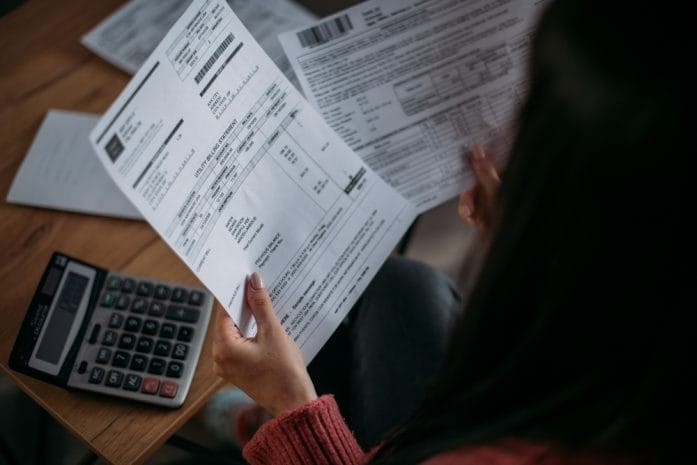
Electric bills aren’t just creeping up anymore—they’re charging forward like they’ve got something to prove. Numbers that once felt manageable now look like a monthly shock, and the explanation rarely feels clear. Blaming “higher costs” sounds vague, and vague doesn’t help when the total jumps again. The truth hides behind a mix of global shifts, local infrastructure, and everyday habits that quietly stack up over time. Understanding what actually drives those numbers gives far more power than simply bracing for the next bill.

Big energy changes don’t stay behind the scenes anymore; they show up in homes, apartments, and bank accounts. Rising costs don’t come from one single cause, and that’s exactly why they feel so frustrating. A mix of supply issues, aging systems, extreme weather, and lifestyle patterns pushes prices higher from multiple directions at once. That layered reality means quick fixes won’t cut it, but smart adjustments absolutely can. Once the real drivers come into focus, cutting costs stops feeling like guesswork and starts feeling like strategy.

The Hidden Forces Driving Your Bill Higher

Energy prices don’t just rise randomly; global supply and demand shifts push them up in ways that ripple into everyday life. When fuel costs increase, electricity providers pass those increases along almost immediately, and that impact hits every household regardless of usage habits. Infrastructure also plays a massive role, because many power grids rely on aging systems that require expensive maintenance and upgrades. Those upgrades cost money, and utility companies recover those expenses through higher rates. Weather adds another layer of pressure, especially during extreme heat or cold when demand spikes dramatically. Increased demand forces utilities to generate more power quickly, which often costs more and drives rates upward. Even water bills feel the pressure, as drought conditions and water treatment expenses raise costs in many regions.

Government policies and environmental regulations also influence utility pricing, often with long-term goals that carry short-term cost increases. Cleaner energy initiatives, for example, require investment in renewable systems, and that transition doesn’t come cheap. While those changes aim to reduce environmental impact, they often increase bills during the transition period. Population growth in certain areas strains local resources, forcing utilities to expand capacity and infrastructure faster than planned. That expansion again feeds into higher costs for consumers. On top of that, energy markets fluctuate constantly, and those fluctuations create unpredictable pricing patterns. When all these forces combine, bills rise steadily rather than dramatically, which makes the increases feel relentless instead of sudden.

The Everyday Habits That Quietly Add Up

Daily routines shape utility bills far more than most people expect, and small patterns often create surprisingly large impacts over time. Leaving lights on in multiple rooms, running appliances during peak hours, and keeping devices plugged in all day steadily increase electricity usage. Even modern homes packed with energy-efficient devices still waste power through standby consumption, sometimes called “phantom energy.” That constant drain may seem minor, but it adds up every single day. Heating and cooling habits also make a massive difference, especially when thermostats stay fixed instead of adjusting with the weather or time of day. A few degrees higher or lower can shift energy use significantly across an entire month. Laundry habits, water heater settings, and even cooking methods all contribute to the total.

Water usage creates another major piece of the puzzle, especially in homes with older fixtures or unnoticed leaks. A dripping faucet or running toilet may not seem urgent, but those small issues waste gallons of water daily and quietly inflate bills. Long showers, frequent laundry cycles, and inefficient dishwashing routines also push usage higher than necessary. Seasonal changes amplify these habits, especially during summer when air conditioning and water use both increase. Many households don’t adjust routines to match those seasonal shifts, which leads to spikes that feel unexpected. Awareness alone can start to shift those patterns in a meaningful way. Once habits come into focus, simple changes begin to lower costs without sacrificing comfort.

Smart Moves That Actually Lower Costs

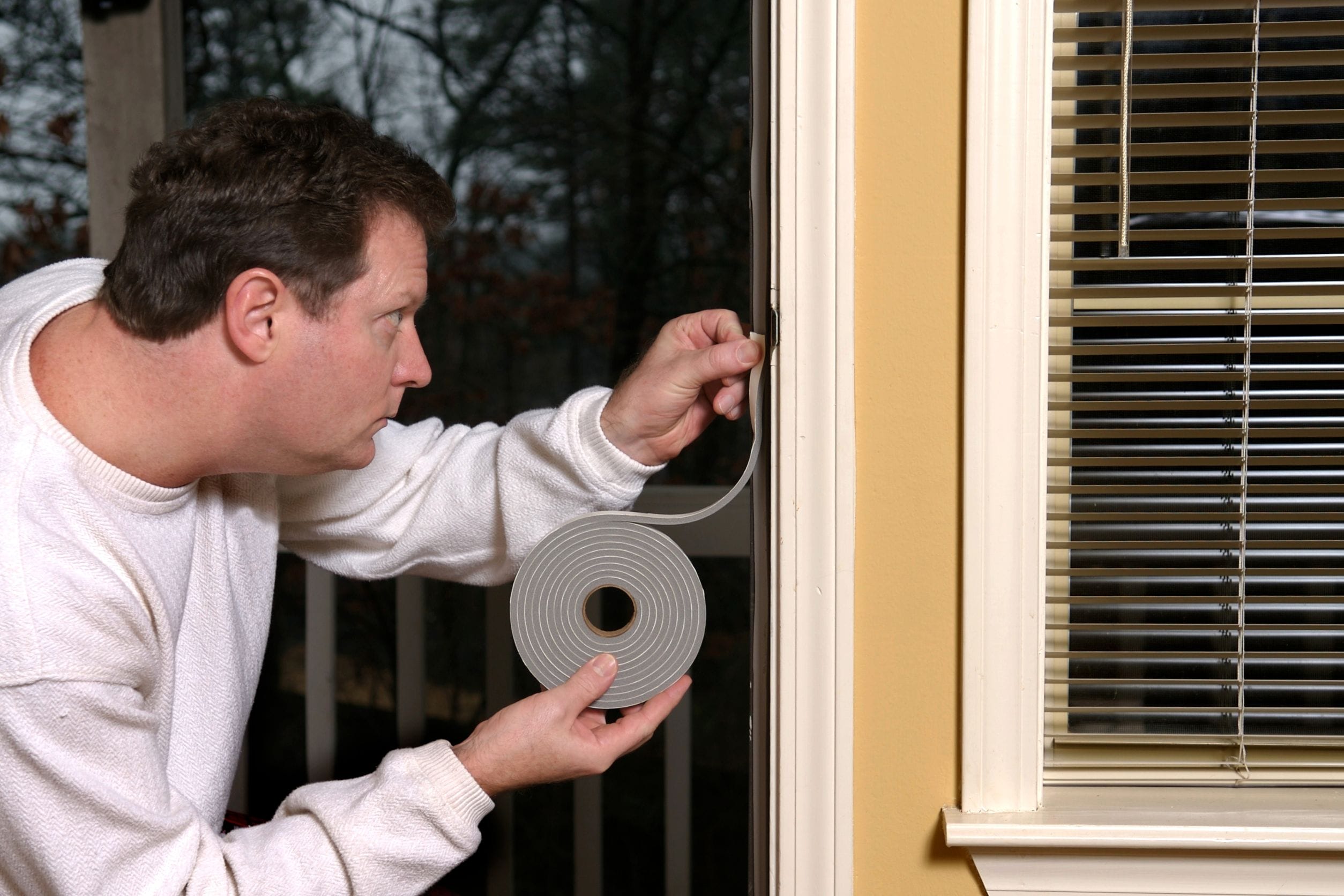
Cutting utility bills doesn’t require drastic lifestyle changes; it starts with targeted, practical adjustments that deliver real results. Switching to energy-efficient lighting, such as LED bulbs, immediately reduces electricity use without affecting brightness or comfort. Smart thermostats offer another powerful tool by automatically adjusting temperatures based on daily routines. That kind of automation eliminates wasted energy without constant manual changes. Running appliances like dishwashers and washing machines during off-peak hours can also reduce costs in areas with time-based pricing. Sealing windows and doors prevents air leaks, which keeps heating and cooling systems from working overtime. Even unplugging unused devices helps eliminate phantom energy loss.

Water-saving upgrades also make a noticeable difference, especially when paired with smarter usage habits. Low-flow showerheads and faucets reduce water consumption without sacrificing pressure, which keeps comfort intact while lowering costs. Fixing leaks quickly prevents long-term waste and avoids unnecessary charges that build over time.

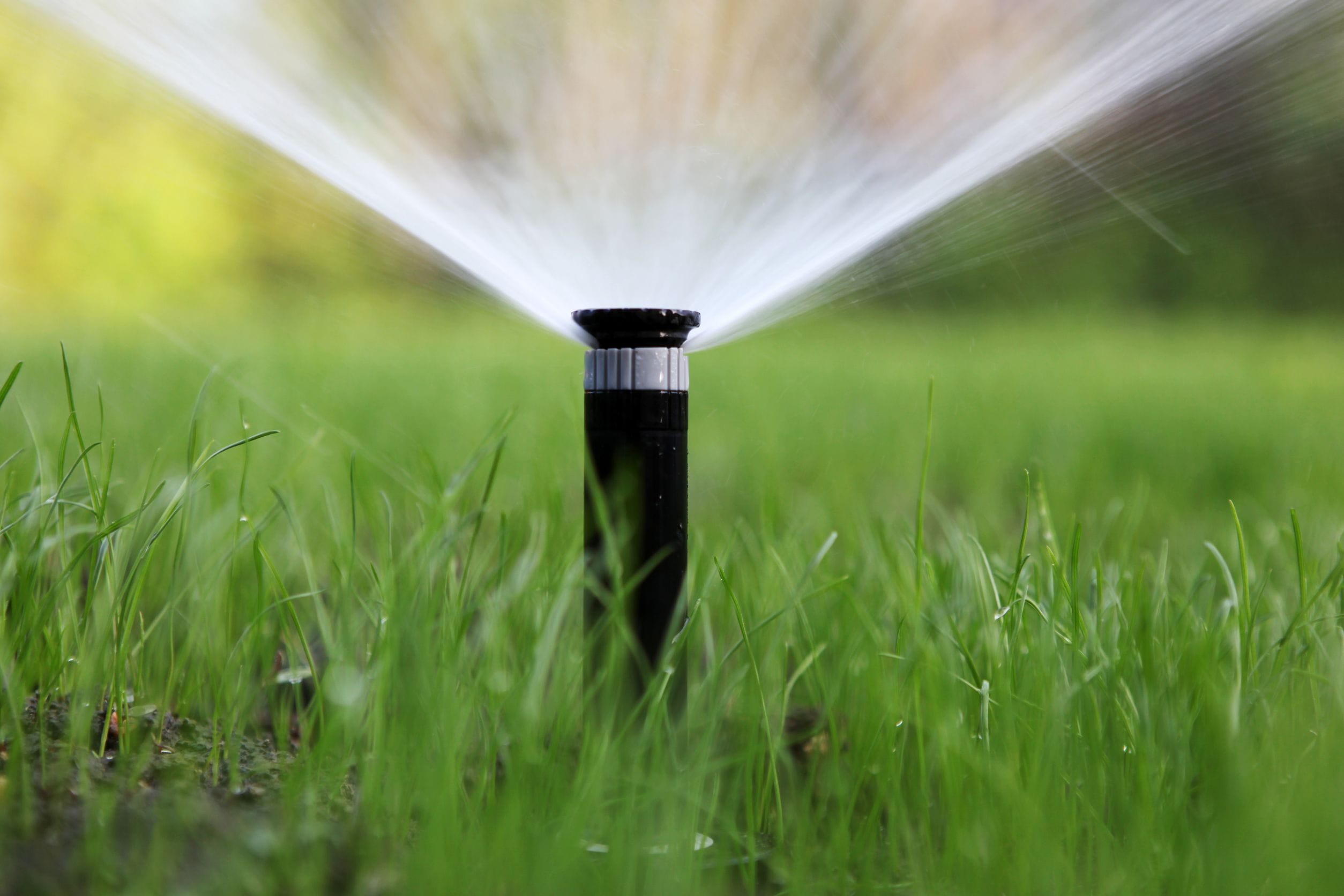
Adjusting water heater temperatures slightly downward reduces energy use while still providing plenty of hot water. Outdoor water use deserves attention too, especially for homes with gardens or lawns. Watering during early morning or evening hours minimizes evaporation and improves efficiency. These changes don’t require major investments, yet they consistently deliver measurable savings.

The Real Reason Your Utility Bill Is Skyrocketing and What You Can Do

Image Source: Shutterstock.com

Why Timing Matters More Than You Think

Utility costs often fluctuate throughout the day, and timing plays a bigger role than many people realize. Peak hours typically occur when demand hits its highest point, often in the late afternoon and early evening. During those times, electricity costs more because utilities must generate additional power quickly. Running high-energy appliances during those peak periods drives bills higher even if overall usage stays the same. Shifting those activities to off-peak hours reduces costs without reducing comfort or convenience. Many utility providers now offer time-of-use plans that reward this kind of behavior with lower rates.

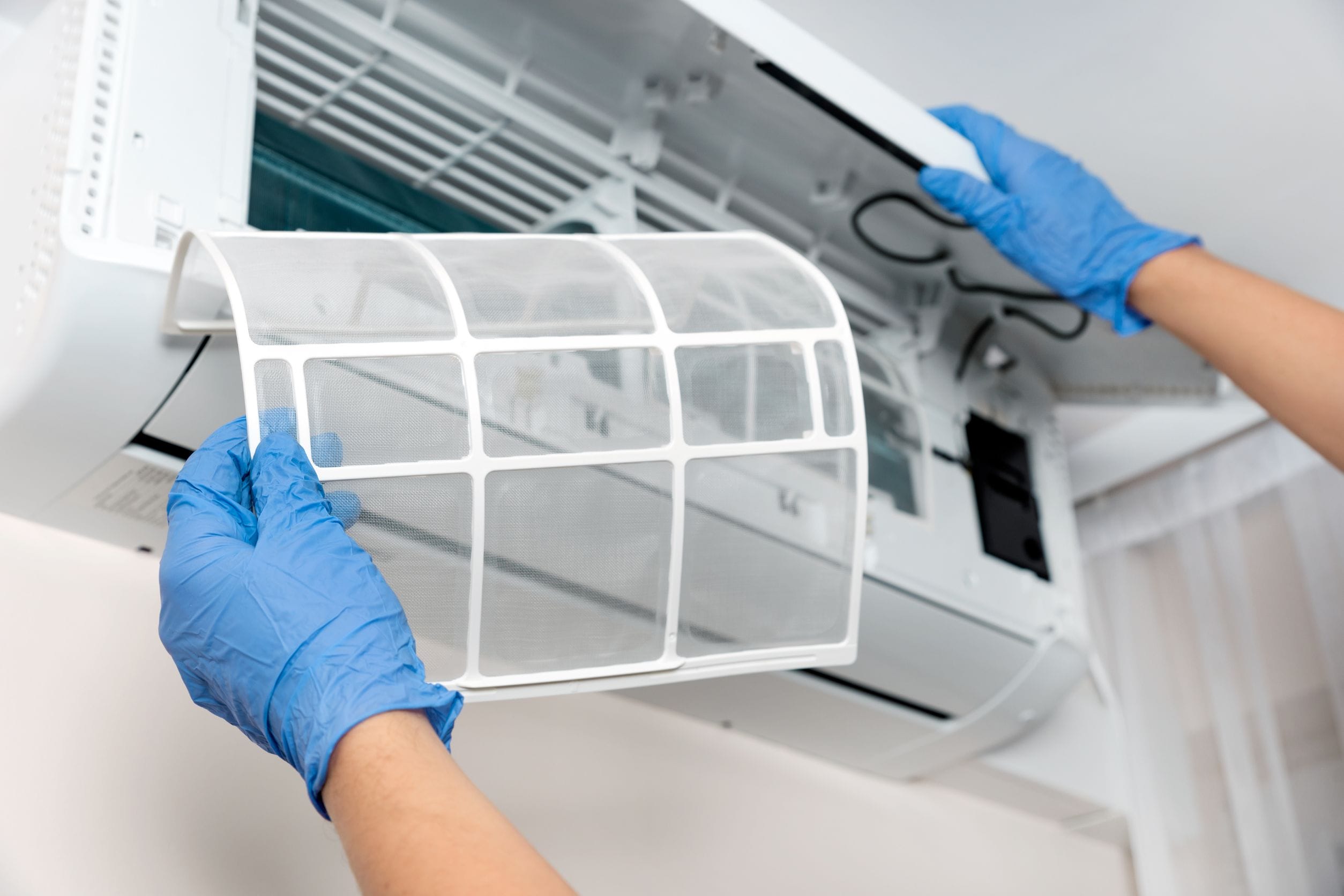
Seasonal timing also affects energy costs in a big way, especially during extreme weather months. Summer heat drives air conditioning use, while winter cold increases heating demand, and both scenarios push energy consumption upward. Preparing for those seasonal shifts ahead of time helps control costs before they spike. Simple steps like servicing HVAC systems, improving insulation, and adjusting thermostat schedules can make a noticeable difference.

Even cooking habits matter, since using ovens during hot months adds extra heat that forces cooling systems to work harder. Paying attention to timing transforms energy use from reactive to strategic. That shift alone often leads to lower bills without major sacrifices.

You DO Have Control

Rising utility bills don’t come from a single cause, and that complexity makes them feel overwhelming at first glance. Once the real drivers come into focus—global energy shifts, infrastructure costs, everyday habits, and timing—those numbers start to make more sense. More importantly, they start to feel manageable instead of mysterious. Small, consistent changes create real impact, especially when they target the biggest areas of energy and water use. Smart habits, efficient upgrades, and better timing combine into a strategy that works month after month. No dramatic overhaul required, just smarter decisions stacked together.

If you’re in Texas, the deregulated energy market means you can compare and switch providers like Energy Texas to potentially lower your monthly bill.

Which change feels easiest to try first, and what strategies have already made a difference? Drop your thoughts, ideas, or personal wins in the comments and keep the conversation going.

You May Also Like…

Seniors Receiving ‘Utility Shutoff’ Calls With Exact Account Numbers — Here’s How Criminals Are Stealing Them

Utility Companies Are Ending Paper Billing — How It Will Change Your Monthly Payments

Utility Billing Cycle Changes Causing Double Charges

Adult Kids Beware: Some States Can Sue You for Your Parents’ Medical Bills

From Medicare to Medicaid: Why Billing Glitches Are Causing Unexpected Medical Bills Nationwide

Brandon Marcus
Brandon Marcus

Brandon Marcus is a writer who has been sharing the written word since a very young age. His interests include sports, history, pop culture, and so much more. When he isn’t writing, he spends his time jogging, drinking coffee, or attempting to read a long book he may never complete.

Filed Under: Lifestyle Tagged With: budgeting, Cost of living, electricity prices, energy costs, Energy Efficiency, home tips, Inflation, saving money, smart home, sustainability, utility bills, water bills

8 Hidden Money Leaks Around the House You Can Fix Today

November 15, 2025 by Travis Campbell Leave a Comment

money burning

Image source: shutterstock.com

Every house contains multiple small routines and unnoticeable elements that slowly consume your financial resources. Unnoticed money leaks will eventually result in significant financial losses. Your monthly expenses will be affected by the cumulative impact of unmonitored water leaks, subscription fees, and underperforming household appliances. The solution to most financial issues becomes apparent after you determine their initial source. Your financial savings will increase through leak detection without requiring major changes to your daily routine. The article identifies common financial loss areas and shows readers how to prevent their money from disappearing.

1. Leaky Faucets and Running Toilets

Water leaks are among the most common household money leaks. A dripping faucet might not seem serious, but over time, it wastes gallons of water and raises your utility bill. Toilets that run after flushing have the same effect, only worse. A simple fix—replacing a worn washer or flapper—can save you both money and frustration. Check each faucet and toilet regularly, especially in guest bathrooms that receive little use.

2. Phantom Power from Electronics

Many electronics continue drawing electricity even when turned off. Game consoles, coffee makers, chargers, and smart TVs all sip energy 24/7. This “phantom power” can quietly increase your electricity costs. Unplug devices you rarely use or plug them into power strips so you can switch everything off at once. Smart plugs make it even easier to manage. Reducing this type of waste is one of the simplest ways to prevent hidden money leaks before they escalate.

3. Inefficient Heating and Cooling

Heating and cooling systems are big energy users, and inefficiency here becomes a major money leak. Dirty filters, old thermostats, and leaky ducts all force your system to work harder. Replace filters every few months and seal any visible gaps. If your thermostat is outdated, consider upgrading to a programmable or smart model that automatically adjusts when you’re away. You’ll stay comfortable while cutting your energy bills.

4. Subscriptions You Forgot About

Streaming services, apps, and memberships are easy to start and even easier to forget. These are among the sneakiest hidden money leaks because they seem small on their own. Review your bank or credit card statements for recurring charges. Cancel anything you haven’t used in the last month or two. You can use an app like Truebill to track and manage your subscriptions automatically. It’s surprising how much you can save by trimming this digital clutter.

5. Poor Insulation and Drafty Windows

Even a small draft can be costly. Poor insulation forces your heating and cooling system to run longer to maintain the desired temperature. Check windows, doors, and attic spaces for leaks. Weatherstripping and caulking are inexpensive fixes that make a real difference. Adding insulation to attics or crawl spaces pays off quickly, especially in older homes. This is another area where hidden money leaks quietly drain your wallet month after month.

6. Inefficient Lighting

Outdated light bulbs use far more power than necessary. Incandescent bulbs waste most of their energy as heat. Switching to LED bulbs can cut lighting costs by up to 80 percent. They also last longer, which means fewer replacements are needed. If you want to take it a step further, consider using dimmers or motion sensors in rooms that aren’t always occupied. Small lighting changes can significantly reduce your electricity bill without compromising brightness or comfort.

7. Neglected Maintenance on Appliances

Appliances that aren’t maintained lose efficiency and break down sooner. Dusty refrigerator coils, clogged dryer vents, and grimy dishwasher filters all contribute to increased energy use. Cleaning them takes minutes and can prevent costly repairs later. Keep a simple maintenance checklist and set reminders. A little attention now keeps these money leaks from turning into major expenses later on. You’ll also extend the life of your appliances, saving even more over time.

8. Overpaying for Insurance or Services

Many people stay with the same insurance or internet provider for years, assuming rates are fair. But companies often raise prices quietly. Compare rates every year or two to make sure you’re still getting a good deal. Even a small monthly difference adds up over twelve months. Reviewing your recurring bills is a powerful step toward plugging hidden money leaks that don’t show up on your utility meter.

Small Fixes, Big Payoff

The search for hidden money leaks will reveal them throughout your entire home. The money leaks occur due to habits and maintenance requirements, as well as outdated business practices. Small investments, combined with regular attention, will help you resolve these issues. Your household budget will become more efficient when you eliminate these leaks, which will release funds for your preferred expenses.

What secret money drains have you discovered throughout your home during the past few weeks?

What to Read Next…

  • 7 Popular Cleaning Products That Can Destroy Your Plumbing
  • 6 Monthly Bills You Should Cancel Immediately Even If You Can Afford Them
  • 5 Invisible Service Charges Eating Into Your Bank Balance
  • Are These 7 Little Expenses Quietly Costing You Thousands a Year?
  • 8 Everyday Services That Are Slowly Becoming Subscription Only
Travis Campbell
Travis Campbell

Travis Campbell is a digital marketer/developer with over 10 years of experience and a writer for over 6 years. He holds a degree in E-commerce and likes to share life advice he’s learned over the years. Travis loves spending time on the golf course or at the gym when he’s not working.

Filed Under: saving money Tagged With: budgeting, Energy Efficiency, Home Savings, household tips, Personal Finance

Why Do Renters Pay More Than Homeowners for the Same Utilities

September 9, 2025 by Travis Campbell Leave a Comment

renting

Image source: pexels.com

It’s a common frustration: renters routinely pay higher bills for things like electricity, water, and gas than homeowners do—even when they live in similar spaces. This issue matters because utility costs can significantly impact a renter’s monthly budget. For those trying to save money or get ahead financially, understanding why this happens is key. The gap between what renters and homeowners pay for the same utilities isn’t just about luck or coincidence. It’s rooted in how properties are managed, billed, and maintained. Let’s break down the main reasons why renters pay more for the same utilities and what you can do about it.

1. Lack of Control Over Efficiency Upgrades

One major reason renters pay more for the same utilities is that they usually can’t make energy-saving improvements. Homeowners can install smart thermostats, upgrade to energy-efficient appliances, or add insulation—changes that lower monthly utility bills. Renters, on the other hand, are often stuck with whatever the landlord has provided. If the apartment has old windows, outdated heating systems, or inefficient lighting, the renter pays the price every month. Even small upgrades, like LED bulbs or low-flow showerheads, might not be allowed in a rental, making it harder for tenants to cut their utility costs.

2. Less Incentive for Landlords to Invest

Landlords typically aren’t the ones paying the utility bills, so they have little motivation to invest in energy-saving features. When property owners don’t see a direct benefit, upgrades like double-pane windows or high-efficiency furnaces rarely make the to-do list. This “split incentive” problem means renters are left with higher bills because the property remains inefficient. If the landlord pays for utilities and rolls the cost into the rent, they may not care about upgrades either—costs are averaged out, and savings don’t go directly to the renter.

3. Utility Billing Methods

The way utilities are billed can make a big difference. Many renters pay for utilities through “ratio utility billing systems” (RUBS) or flat fees set by the landlord, which may not reflect actual usage. With RUBS, landlords divide the total building’s utility bill among tenants, often based on unit size or number of occupants—not how much water or electricity each unit actually uses. This means careful renters can end up subsidizing neighbors who use more. Homeowners, by contrast, are billed only for what they use, giving them more control over costs. This billing issue is a core reason why renters pay more for the same utilities even if their personal usage is low.

4. Fewer Options for Utility Providers

Homeowners can often choose their utility providers, especially for electricity or internet in deregulated markets. This choice lets them shop around for better rates or switch to a lower-cost provider. Renters, however, are usually locked into whatever service the building uses. Some landlords even have exclusive deals with certain companies, which can drive up prices. Without competition, rates stay high, and renters pay more for the same utilities than homeowners do.

5. Old or Poorly Maintained Infrastructure

Rental properties are more likely to have outdated plumbing, wiring, or appliances. Old water heaters, leaky pipes, and drafty windows all waste energy and water. Renters can’t always ask for upgrades, and maintenance requests may go unanswered or take a long time. Meanwhile, homeowners are more likely to address these issues quickly, knowing that improvements will pay off in the form of lower bills and higher property value. These maintenance gaps leave renters shouldering higher costs.

6. Apartment Living vs. Single-Family Homes

While apartments can sometimes be more efficient due to shared walls, that’s not always the case. In older buildings, insulation can be poor, and heating or cooling systems may be centralized and inefficient. Renters may not have control over the thermostat or the ability to close off unused rooms. In contrast, homeowners can tailor their energy use to their needs. This difference in control and building quality often leads to a situation where renters pay more for the same utilities than homeowners, even if their living space is smaller.

7. Lack of Awareness and Education

Many renters aren’t fully aware of how their utility bills are calculated or what they can do to lower them. Landlords and property managers may not provide details or tips for saving energy. Homeowners, motivated by the direct impact on their finances, are more likely to seek out information and take action. Resources like Energy Saver from the U.S. Department of Energy offer practical advice, but renters may not know these options exist or be able to use them fully.

Making Utility Costs Fairer for Renters

The reality that renters pay more for the same utilities than homeowners isn’t going away overnight, but there are steps renters and landlords can take. Renters can start by carefully reviewing their lease and asking questions about how utilities are billed. Simple actions like reporting maintenance issues quickly, using draft stoppers, and opting for plug-in energy monitors can help cut costs. Advocating for better building standards and efficiency upgrades can also make a difference in the long run. Some cities and states offer programs or incentives for landlords to improve efficiency—check out these resources for energy incentives to see what might be available in your area.

Utility costs are a big part of the renting experience. Being proactive and informed can help level the playing field, but systemic changes are needed to ensure renters don’t keep paying more for the same utilities. What strategies have you used to keep your utility bills in check as a renter? Share your experiences and tips in the comments below!

What to Read Next…

  • 9 Times It’s Smarter To Rent Than Buy Even Long Term
  • How Homeowners Associations Are Targeting Retirees With Fines
  • 6 Monthly Bills You Should Cancel Immediately Even If You Can Afford Them
  • 7 Tactics Grocery Stores Use To Keep You From Thinking About Price
  • Is Your Internet Provider Charging You For Services You Don’t Use?
Travis Campbell
Travis Campbell

Travis Campbell is a digital marketer/developer with over 10 years of experience and a writer for over 6 years. He holds a degree in E-commerce and likes to share life advice he’s learned over the years. Travis loves spending time on the golf course or at the gym when he’s not working.

Filed Under: Real Estate Tagged With: bills, Energy Efficiency, housing, landlords, Personal Finance, renters, utilities

Why “Green” Homes Might Be More Expensive to Maintain

July 23, 2025 by Travis Campbell Leave a Comment

solar panels

Image Source: pexels.com

Building or buying a “green” home sounds like a smart move. You want to save energy, help the planet, and maybe even lower your bills. But there’s a side to green homes that doesn’t get much attention: the cost of keeping them running. Many people expect green homes to be cheaper to maintain, but that’s not always true. Sometimes, the price tag for repairs, replacements, and upkeep can surprise you. If you’re thinking about going green, it’s important to know what you’re getting into. Here’s why “green” homes might be more expensive to maintain than you think.

1. Specialized Materials Cost More

Green homes often use special materials. These might be recycled, non-toxic, or designed to save energy. While that’s good for the environment, it can be tough on your wallet. If you need to replace a part of your bamboo floor or a unique insulation panel, you might have trouble finding a match. Even if you do, it usually costs more than standard materials. And if you need a contractor who knows how to work with these products, expect to pay extra for their expertise. The supply chain for green building materials is still growing, so prices stay high.

2. High-Tech Systems Need Expert Care

Many green homes rely on advanced technology. Think solar panels, geothermal heating, or smart home systems that control everything from lights to water use. These systems can save energy, but they’re not always simple to fix. If something breaks, you might need a specialist. Regular HVAC technicians may not be familiar with repairing a geothermal pump or troubleshooting a solar inverter. And specialists charge more for their time. Plus, some parts may need to be ordered from far away, which adds to the cost and wait time.

3. Maintenance Schedules Are Stricter

Green homes often have strict maintenance needs. For example, high-efficiency air filters need to be changed more often. Solar panels need to be cleaned and checked for damage. Rainwater collection systems must be inspected to prevent leaks or contamination. If you skip these tasks, your systems might not work as well—or could even break down. That means you’ll spend more time and money on regular upkeep. And if you hire someone to do it, the bill adds up fast.

4. Replacement Parts Can Be Hard to Find

When something breaks in a green home, finding the right replacement part isn’t always easy. Many green products are newer to the market. Some brands go out of business or stop making certain items. If your eco-friendly water heater needs a new part, you might have too special-order it. That can mean higher prices and longer waits. In some cases, you might have to replace the whole system instead of just one part. This can turn a small repair into a big expense.

5. Warranties May Be Limited

Some green products come with limited warranties. If a part fails after a few years, you might be on the hook for the full cost of replacement. And because green technology is always changing, companies sometimes stop supporting older models. This leaves homeowners with expensive repairs and no help from the manufacturer. Before you buy, check the warranty details. Make sure you know what’s covered and for how long. Energy.gov offers tips on what to look for in green home warranties.

6. Skilled Labor Is in Short Supply

Not every contractor knows how to work with green building systems. If you need repairs, you might have to search for someone with the right skills. And when demand is high but supply is low, prices go up. Skilled green home contractors can charge a premium for their services. If you live in a smaller town, you might even have to pay for travel costs. This shortage of skilled labor makes maintaining a green home more expensive than a traditional one.

7. Upgrades and Retrofits Add Up

Green technology changes fast. What’s cutting-edge today might be outdated in a few years. If you want to keep your home as efficient as possible, you may need to upgrade systems or add new features. For example, you might want to swap out old solar panels for newer, more efficient ones. Or you might need to retrofit your home to meet new energy standards. These upgrades can be costly, and they’re not always optional if you want to keep your home’s green certification.

8. Insurance Can Be Higher

Some insurance companies charge more to cover green homes. This is because repairs can be more expensive, and replacement parts are harder to find. If your home uses rare materials or advanced systems, your insurer might see it as a higher risk. You may need to shop around for a policy that covers all your green features. And even then, you might pay more than you would for a standard home.

9. Not All Savings Are Guaranteed

Many people expect green homes to save them money. But energy savings can vary. If you live in a cloudy area, your solar panels might not produce enough power. If your high-efficiency systems break down, you could end up paying more for repairs than you save on bills. It’s important to do the math before you buy. Look at your local climate, the age of the systems, and the cost of maintenance. Sometimes, the savings just don’t add up.

Think Before You Go Green

Green homes offer real benefits, but they come with hidden costs. Specialized materials, high-tech systems, and strict maintenance can make them more expensive to maintain. Before you commit, weigh the long-term costs against the benefits. Ask questions, read the fine print, and plan for extra expenses. A green home can be a smart choice, but only if you know what to expect.

Have you owned a green home or considered buying one? What maintenance surprises did you face? Share your story in the comments.

Read More

Why So Many Boomer Homes Are Sitting Unsold in Today’s Market

7 Reasons Your Parents Want You To Put Their Homes and Cars In Your Name

Travis Campbell
Travis Campbell

Travis Campbell is a digital marketer/developer with over 10 years of experience and a writer for over 6 years. He holds a degree in E-commerce and likes to share life advice he’s learned over the years. Travis loves spending time on the golf course or at the gym when he’s not working.

Filed Under: Smart Spending Tagged With: Energy Efficiency, green homes, home maintenance, home repairs, homeownership, Real estate, sustainable living

These 6 Appliances Are Now Banned in Certain States—Do You Own One?

July 19, 2025 by Travis Campbell Leave a Comment

gas stove

Image Source: pexels.com

Some appliances you use every day might soon be illegal in your state. New rules are changing what you can buy, install, or even keep in your home. These bans are not just about saving energy—they’re about health, safety, and the environment. If you own one of these appliances, you could face fines or be forced to replace it. Knowing which appliances are banned can help you avoid trouble and plan for the future. Here’s what you need to know about these six banned appliances and what you can do if you own one.

1. Gas-Powered Stoves

Gas stoves have been a kitchen staple for decades. But some states and cities are now banning them in new homes and buildings. The main reason is indoor air quality. Gas stoves release nitrogen dioxide and other pollutants that can harm your lungs, especially in small or poorly ventilated spaces. Children and people with asthma are at higher risk. California and New York have already passed laws restricting the installation of gas stoves in new construction. If you’re planning a remodel or buying a new home, check your local rules. If you already have a gas stove, you don’t have to rip it out, but you might want to consider switching to electric or induction for better air quality.

2. Incandescent Light Bulbs

Incandescent bulbs are cheap and familiar, but they waste a lot of energy. That’s why several states have banned their sale. The federal government has also set new efficiency standards that make it almost impossible to find these bulbs in stores. States like California and Vermont have gone even further, banning most incandescent bulbs outright. If you still have some at home, you can use them until they burn out, but you’ll need to switch to LEDs or CFLs when you replace them. LEDs use less energy and last much longer, so you’ll save money in the long run. If you’re worried about the light quality, modern LEDs come in many shades and brightness levels.

3. High-Flow Showerheads

A hot, powerful shower feels great, but high-flow showerheads use a lot of water. Some states, especially those facing drought, have banned showerheads that use more than 2 gallons per minute. California, Colorado, and New York have strict rules about water use in homes. If you’re buying a new showerhead, look for the WaterSense label. These models use less water but still give you a good shower. If you have an old high-flow showerhead, you don’t have to replace it right away, but you might want to. You’ll save water and money on your utility bills. Plus, you’ll be ready if your state tightens the rules.

4. Freon-Based Air Conditioners

Older air conditioners often use a refrigerant called Freon (R-22). It’s being phased out because it damages the ozone layer. The EPA banned the production and import of Freon in 2020, and many states are enforcing this ban. If your AC unit was made before 2010, it probably uses Freon. You can still use your old unit, but if it breaks, you might not be able to get it fixed. Newer air conditioners use safer refrigerants that don’t harm the environment. If you’re thinking about replacing your AC, make sure the new one uses an approved refrigerant.

5. Non-Energy Star Washing Machines

Washing machines that don’t meet Energy Star standards are being banned in some states. These older models use more water and electricity. States like California and Washington have set strict efficiency rules for new appliances. If you’re shopping for a new washer, look for the Energy Star label. It means the machine uses less water and energy, which saves you money. If you have an older washer, you can keep using it, but you might pay more on your utility bills. Upgrading can also help the environment by reducing water and power use.

6. Wood-Burning Stoves (Non-EPA Certified)

Wood stoves can make a home feel cozy, but older models release a lot of smoke and pollution. Many states now ban wood stoves that aren’t certified by the EPA. These bans are common in areas with air quality problems, like parts of California, Oregon, and Washington. If you have an old wood stove, you might be required to remove it if you sell your home. Newer, EPA-certified stoves burn cleaner and are much more efficient. If you rely on wood heat, upgrading to a certified stove is a smart move. It’s better for your health and the air you breathe.

What This Means for Your Home and Wallet

Bans on these appliances are changing what you can buy, use, and keep in your home. If you own one of these banned appliances, you don’t have to panic. Most bans only apply to new sales or installations, not to what you already have. But it’s smart to plan ahead. Upgrading to newer, more efficient appliances can save you money and help the environment. It can also make your home safer and healthier. Check your state and local rules before making any big purchases or renovations. Staying informed helps you avoid fines and unexpected costs.

Have you had to replace any of these banned appliances? Share your story or tips in the comments below.

Read More

6 Dangerous Home Appliances That You’re Using Every Day

Tiny Home Features That Quietly Lower Your Resale Value

Travis Campbell
Travis Campbell

Travis Campbell is a digital marketer/developer with over 10 years of experience and a writer for over 6 years. He holds a degree in E-commerce and likes to share life advice he’s learned over the years. Travis loves spending time on the golf course or at the gym when he’s not working.

Filed Under: Law Tagged With: appliance bans, consumer tips, Energy Efficiency, environmental policy, home appliances, Home Improvement, state regulations

Skyrocketing Electric Bill: 8 Reasons Your Costs Keep Rising (And It’s Not Your Fault)

February 17, 2025 by Latrice Perez 2 Comments

Electric Bill

Image Source: 123rf.com

Electric bills have become a painful reminder of just how expensive energy can be, but what’s worse is that the reasons behind those rising costs are not always within your control. While many homeowners and renters are quick to blame themselves for high bills, the truth is, external factors often play a far bigger role than you think. From outdated infrastructure to fluctuating energy markets, here are 8 reasons why your electric bill might be skyrocketing—and why it’s not your fault.

1. Increased Energy Demand

The demand for energy is increasing rapidly as more people rely on electricity for heating, cooling, and running appliances, particularly during extreme weather months. While you may feel like you’re doing everything right by switching to energy-efficient products, the overall demand on the grid still increases. With higher demand, electricity prices go up as the supply becomes strained, which directly affects your monthly bill.

2. Aging Power Grid Infrastructure

Most of the U.S. still operates on an aging power grid infrastructure, which means the system that distributes electricity is inefficient and prone to problems. Old transmission lines, equipment, and facilities are not as energy-efficient as modern alternatives, and they require costly repairs and maintenance to keep functioning. These costs are often passed down to consumers in the form of higher electricity prices.

3. Global Energy Prices

Electricity is increasingly tied to the global energy market, meaning that fluctuations in the price of oil, natural gas, and coal can have a significant impact on your bill. Even if your energy provider relies primarily on renewable sources, they may still purchase backup power from fossil fuel plants when demand is high or renewable output is low. If global energy prices rise, so do your electricity costs.

4. Increased Utility Fees and Charges

In many regions, utilities have been increasing their rates and fees, citing reasons such as infrastructure maintenance and environmental initiatives. These added charges, such as demand fees or transmission fees, aren’t always directly linked to how much power you consume, but they can still make up a significant portion of your bill. Unfortunately, these charges are outside your control and typically aren’t affected by your energy usage.

5. Seasonal Weather Changes

Seasonal Weather Changes

Image Source: 123rf.com

Unpredictable weather patterns, such as hotter summers and colder winters, are causing more people to run their air conditioners or heaters for longer periods. When these devices are running full-blast, your bill rises as a result of the increased energy consumption. While you may take measures to conserve energy, prolonged extreme temperatures can make it almost impossible to keep your bill low.

6. Energy Supply Chain Disruptions

The global supply chain has seen significant disruptions in recent years, affecting nearly every industry, including energy. Shortages in the production and transportation of fuel have caused utility companies to raise their prices to cover costs. Whether it’s the cost of natural gas or issues in coal production, these disruptions trickle down to you as a consumer, driving up the cost of your electricity.

7. Inefficient Appliances and Electronics

While you may think you’re saving money by using energy-efficient appliances, some older models or devices still use far more electricity than you might realize. Things like refrigerators, air conditioning units, and water heaters tend to consume large amounts of energy. Even with the best intentions, if your appliances are outdated or malfunctioning, you may end up spending far more than you need to on electricity.

8. Utility Deregulation

In some states, deregulation has allowed multiple energy suppliers to enter the market, creating competition but also confusion. While you might have the option to switch to a different supplier, it doesn’t always guarantee you’re getting the best deal. In fact, these changes can lead to higher rates if you’re not savvy about your options. Utility deregulation often means that you’re at the mercy of fluctuating prices from multiple companies, which can drive your electric bill up unexpectedly.

Understanding The Root Cause

As you can see, your skyrocketing electric bill may not be entirely your fault. With increasing demand, aging infrastructure, and unpredictable energy markets, there are plenty of factors that can push your costs up. While you can certainly make efforts to conserve energy at home, it’s important to recognize that much of what drives your bill higher is out of your hands. Understanding the root causes behind rising electricity prices will help you stay informed—and possibly help you find ways to mitigate these factors in the future.

Are you in disbelief of how quickly your electric bill is rising? Let us know in the comments below.

Read More:

Autopay Secrets: 11 Ways To Successfully Use Autopay To Simplify Your Bills

Cold Hard Facts: 12 Unexpected Complications of Electric Scooters

Latrice Perez

Latrice is a dedicated professional with a rich background in social work, complemented by an Associate Degree in the field. Her journey has been uniquely shaped by the rewarding experience of being a stay-at-home mom to her two children, aged 13 and 5. This role has not only been a testament to her commitment to family but has also provided her with invaluable life lessons and insights.

As a mother, Latrice has embraced the opportunity to educate her children on essential life skills, with a special focus on financial literacy, the nuances of life, and the importance of inner peace.

Filed Under: Personal Finance Tagged With: electricity prices, electricity supply, energy costs, Energy Efficiency, global energy markets, power grid, rising electric bills, seasonal energy costs, utility bills

10 Money Leaks in Your Home You Can Fix Today

June 10, 2024 by Vanessa Bermudez Leave a Comment

money and house

123rf

So, you’ve been checking your monthly expenses and can’t shake the feeling that your money is somehow slipping through the cracks? Well, you might not be wrong. Your home could be full of little money leaks that are silently padding your bills. The good news? Many of these can be plugged with simple fixes that don’t require a call to a professional. Let’s dive into 10 common household money leaks and how you can fix them today for a tighter, more budget-friendly home.

1. Leaky Faucets

Leaky Faucets

Canva

That drip-drip-drip isn’t just a nuisance; it’s a drain on your wallet. A single leaky faucet can waste gallons of water a day, adding unnecessary costs to your water bill. The fix is usually as simple as replacing a worn washer or tightening a few screws. You can find tutorials online that will guide you step-by-step, or you can pick up a DIY repair kit from your local hardware store. Patching up these leaks is a quick win in the battle against wasteful spending.

2. Old Weather Stripping

Old Weather Stripping

Canva

Weather stripping around doors and windows keeps the outside air where it belongs, outside. If it’s worn out, though, it’s likely letting air sneak in, making your heating and cooling system work harder and costing you more. Check for drafts by holding a candle near window frames and doors on a windy day; if the flame flickers, you’ve got a leak. Replacing weather stripping is cheap and easy, and it can make a big difference in your energy bills.

3. Inefficient Light Bulbs

Inefficient Light Bulbs

Canva

Still, lighting up your home like it’s the early 2000s? It’s time to switch to LED bulbs. LEDs use a fraction of the electricity of traditional incandescent bulbs and last way longer. Although they’re a bit pricier upfront, the savings on your energy bills will more than makeup for the initial cost. Plus, they come in various hues to enhance the ambiance of your home. Efficiency can indeed be beautiful!

4. Uninsulated Pipes

Uninsulated Pipes

Canva

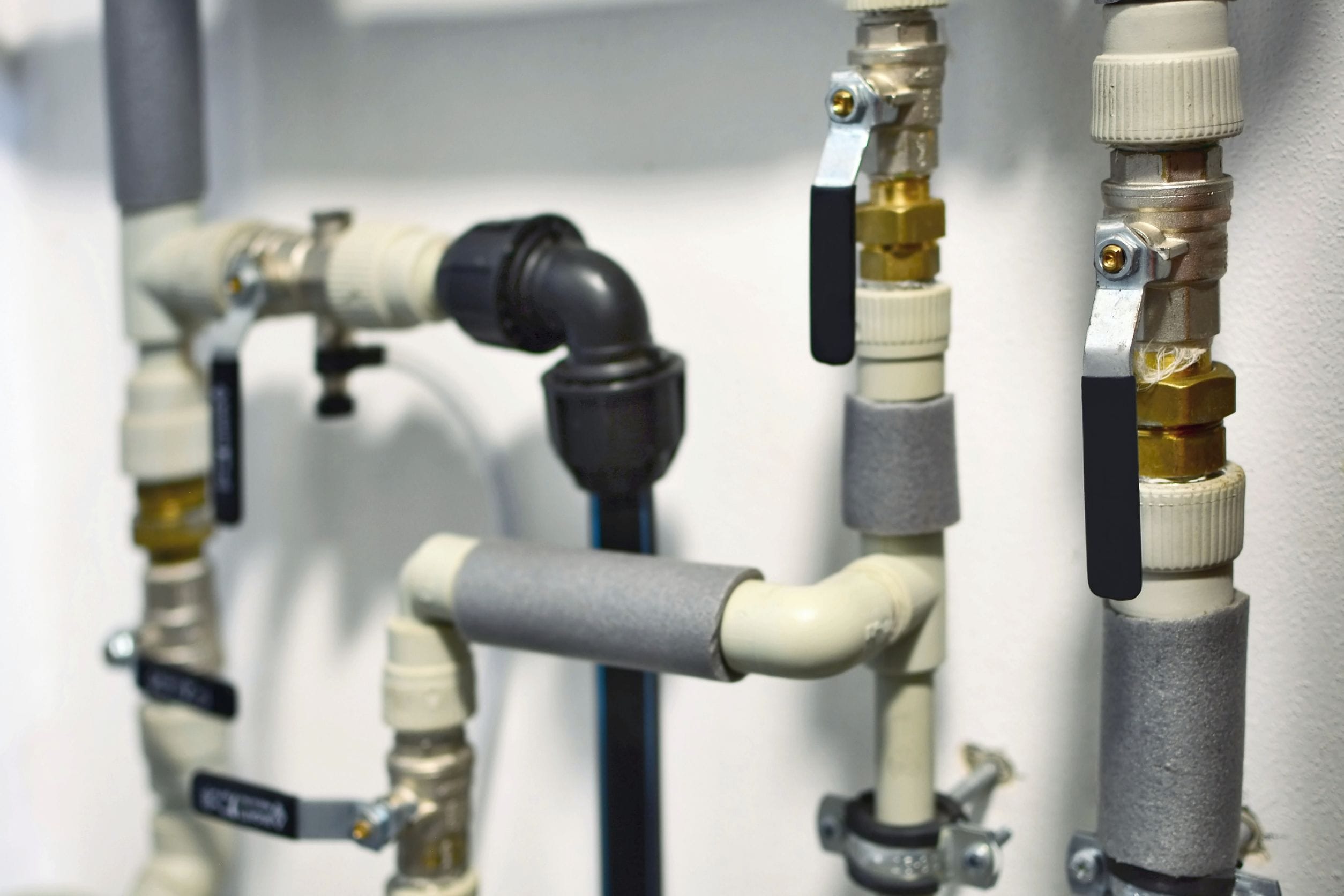
Heating water can be a major power hog, especially if your pipes aren’t insulated. This causes your water heater to work overtime to keep hot water hot while it travels through your home. Foam pipe insulation is cheap, easy to install, and can save you a bundle by reducing heat loss. Just wrap it around your pipes, and you’ll keep the heat where it needs to be. Say goodbye to lukewarm showers and high energy bills!

5. Unused Chargers and Appliances

Unused Chargers and Appliances

Canva

Did you know that chargers plugged in without being attached to their devices still draw power? This “phantom load” can be a sneaky addition to your electric bill. The same goes for appliances that are turned off but plugged in. Unplug these energy vampires when they’re not in use, or invest in a smart power strip that cuts power when devices are fully charged or not in use. A small change with potentially big savings!

6. Dusty Fridge Coils

Dusty Fridge Coils

Canva

When was the last time you cleaned the coils on your refrigerator? Dirty coils make your fridge work harder to keep cool, using more energy and hiking up your power bill. Pull your fridge away from the wall, unplug it, and use a coil brush or vacuum attachment to remove the dust. This should be done at least once a year to keep your fridge running efficiently. An easy, often overlooked maintenance task that can prolong the life of your appliance and improve its efficiency.

7. Running Toilets

Running Toilets

Canva

A running toilet can waste up to 200 gallons of water a day, talk about flushing money down the drain! Often, the issue is with a faulty flapper or float. Toilet repair kits are available at any hardware store and are simple enough to install yourself. Fixing this can be one of the most cost-effective repairs you can make in your home. Plus, it’s satisfying to finally silence that constant running noise.

8. Poor Attic Insulation

Poor Attic Insulation

Canva

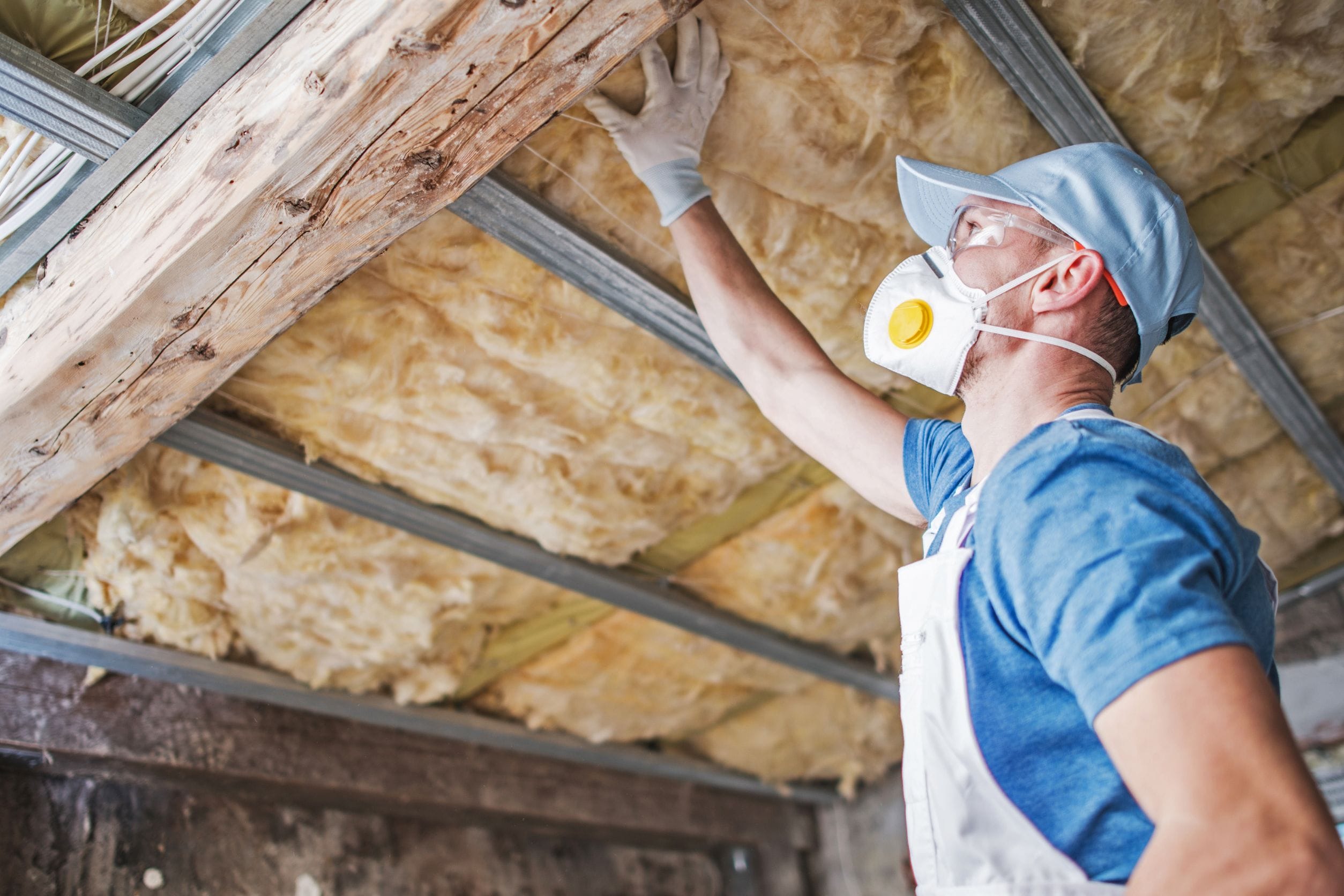
Poor insulation in your attic isn’t just a problem in winter; it affects your home’s efficiency year-round. If your home feels drafty in winter or too hot in summer, it’s likely time to reassess your attic’s insulation. Adding insulation can be a weekend project that pays off substantially in energy savings. Check out local rebates or tax credits for insulation upgrades; it might cost less than you think. This is a long-term investment that keeps on giving.

9. Overwatering Your Lawn

Overwatering Your Lawn

Canva

Keeping your lawn lush and green shouldn’t mean wasting water. Overwatering not only harms your grass but also inflates your water bill. Invest in a timer for your sprinkler system to water during the coolest parts of the day and only when necessary. Adjusting your watering schedule based on the season can also reduce excess water use. Plus, healthier grass means a more beautiful yard!

10. Ignored Air Filters

Ignored Air Filters

Canva

If your heating or cooling system feels sluggish, the culprit could be a dirty air filter. Filters that are clogged with dust and debris restrict airflow and make your system work harder, which costs you more. Check your filters monthly and replace them at least every three months. Keeping your air clean not only improves your home’s air quality but also its energy efficiency.

Sealing the Deal on Savings

house repair savings

123rf

Addressing these 10 money leaks in your home isn’t just about cutting costs; it’s about optimizing your living space for efficiency and comfort. With a few tweaks and some DIY spirit, you can transform your home into a more energy-efficient, cost-effective place. Start plugging those leaks today and watch your utility bills shrink, and your savings grow. Remember, a penny saved is a penny earned, especially when it comes from simple fixes around your home!

Vanessa Bermudez
Vanessa Bermudez
Vanessa Bermudez is a content writer with over eight years of experience crafting compelling content across a diverse range of niches. Throughout her career, she has tackled an array of subjects, from technology and finance to entertainment and lifestyle. In her spare time, she enjoys spending time with her husband and two kids. She’s also a proud fur mom to four gentle giant dogs.

Filed Under: money management Tagged With: Cost Cutting Tips, DIY Home Repairs, Energy Efficiency, Home Savings, sustainable living

FOLLOW US

Search this site:

Recent Posts

  • Can My Savings Account Affect My Financial Aid? by Tamila McDonald
  • 12 Ways Gen X’s Views Clash with Millennials… by Tamila McDonald
  • What Advantages and Disadvantages Are There To… by Jacob Sensiba
  • 10 Tactics for Building an Emergency Fund from Scratch by Vanessa Bermudez
  • Call 911: Go To the Emergency Room Immediately If… by Stephen Kanaval
  • 7 Weird Things You Can Sell Online by Tamila McDonald
  • 10 Scary Facts About DriveTime by Tamila McDonald

Copyright © 2026 · News Pro Theme on Genesis Framework