• Home
  • About Us
  • Toolkit
  • Getting Finances Done
    • Hiring Advisors
    • Debt Management
    • Spending Plan
  • Insurance
    • Life Insurance
    • Health Insurance
    • Disability Insurance
    • Homeowners/Renters Insurance
  • Contact Us
  • Privacy Policy
  • Risk Tolerance Quiz

The Free Financial Advisor

You are here: Home / Archives for electricity rates

Why May Bills Include “Grid Modernization” Charges

April 29, 2026 by Brandon Marcus Leave a Comment

Why May Bills Include “Grid Modernization” Charges

Image Source: Shutterstock.com

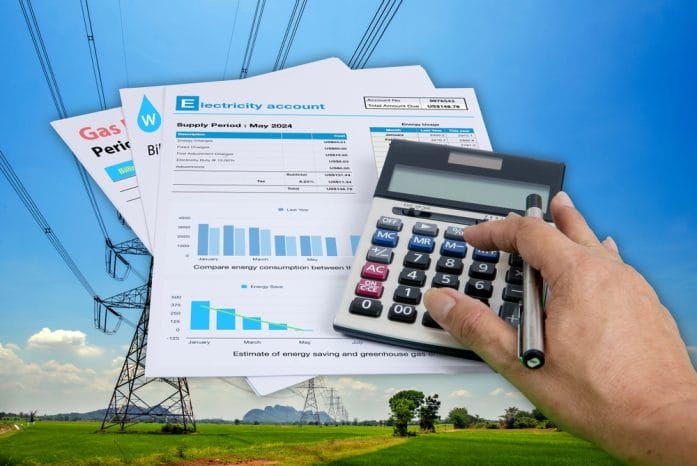
A fresh line item on a monthly electric bill can spark instant frustration, especially when it carries a vague label like “grid modernization.” This May, many households will notice that exact phrase—and the cost attached to it. Utility companies now invest heavily in upgrading aging infrastructure, and they pass part of that bill directly to customers.

These charges often arrive quietly, without much explanation, yet they play a major role in shaping future energy reliability. Getting a clear handle on what drives these fees can help households make smarter financial decisions and avoid surprises.

What “Grid Modernization” Actually Means

This phrase refers to a sweeping overhaul of how electricity gets delivered from power plants to homes. Utilities upgrade old wires, substations, and transformers to handle modern energy demands. They also install smart technology that tracks outages and energy usage in real time. These updates aim to prevent blackouts, improve efficiency, and support renewable energy sources. The term sounds technical, but it boils down to making the power grid faster, smarter, and more resilient.

Utilities built much of the existing power grid decades ago, and it shows. Equipment breaks more often, repair costs climb, and extreme weather pushes systems to their limits. Modernization projects replace worn-out components and introduce automation that detects issues before they spiral into outages. Smart meters now send usage data instantly instead of relying on manual readings, which cuts labor costs and speeds up billing accuracy.

These improvements also support cleaner energy sources like solar and wind. Traditional grids struggle to handle fluctuating energy inputs, but modern systems adjust dynamically. That flexibility allows utilities to integrate renewable energy without destabilizing the system. While the benefits sound appealing, the price tag often lands squarely on customers’ monthly statements.

Why These Charges Are Showing Up

Timing plays a huge role in why these fees suddenly appear on bills this May. Many utility companies received regulatory approval for infrastructure upgrades over the past year. Once those projects start, companies begin recovering costs through customer billing. Seasonal demand also increases in late spring and summer, which makes May an ideal time to introduce new rate structures. The result: a noticeable bump in monthly expenses just as energy usage begins to climb.

Energy demand continues to rise due to electric vehicles, smart homes, and increased reliance on digital devices. Utilities must expand capacity to keep up, and that expansion requires significant investment. Regulatory agencies typically allow companies to recoup those costs gradually, which explains the steady appearance of new fees rather than one-time charges.

Inflation also plays a role in driving up infrastructure costs. Materials like copper, steel, and advanced electronics now cost more than they did even a few years ago. Labor shortages in skilled trades add another layer of expense. Utilities pass these rising costs along to customers, often under the umbrella of modernization efforts.

Why May Bills Include “Grid Modernization” Charges

Image Source: Shutterstock.com

What You’re Actually Paying For On Your Bill

That extra line item does not simply vanish into a corporate black hole. It funds specific upgrades like smart meters, automated substations, and advanced monitoring systems. It also supports cybersecurity improvements that protect the grid from digital threats. Some funds go toward integrating renewable energy sources and improving battery storage systems. Each charge reflects a piece of a much larger transformation happening behind the scenes.

Smart meters stand out as one of the most visible upgrades. These devices track electricity usage in real time and allow utilities to identify outages instantly. They also enable time-of-use pricing, which can reward consumers who shift usage to off-peak hours. While that sounds beneficial, it can also lead to higher bills for households that cannot easily adjust their energy habits.

Grid modernization also includes strengthening infrastructure against extreme weather. Storm-resistant poles, underground lines, and advanced forecasting tools all require funding. These improvements reduce the frequency and duration of outages, which saves money and frustration over time. Still, the upfront costs show up immediately, even if the long-term benefits take years to fully materialize.

How These Fees Affect Household Budgets

Even small increases in utility bills can ripple through a monthly budget. A $10 or $20 bump may not seem dramatic at first glance, but it adds up quickly over a year. Households already juggling rising costs for groceries, housing, and transportation feel the squeeze more intensely. Fixed-income families often face the toughest challenge, since they lack the flexibility to absorb new expenses. These charges can quietly shift financial priorities without much warning.

Energy costs rarely stay flat once they start climbing. Grid modernization often represents just one piece of a broader trend toward higher utility rates. As infrastructure projects expand, additional fees may appear over time. That makes it crucial to plan ahead rather than treat the increase as a one-off occurrence.

Some households may qualify for assistance programs that offset rising energy costs. Utility companies and local agencies often offer discounts or payment plans for eligible customers. Taking advantage of these programs can help ease the burden while still supporting necessary infrastructure improvements.

Smart Ways To Manage And Reduce The Impact

Consumers do not have to accept higher bills without taking action. Simple changes like adjusting thermostat settings, using energy-efficient appliances, and unplugging unused devices can lower overall consumption. Many utilities also offer detailed usage reports that highlight peak energy times. Paying attention to those patterns can help households shift usage and reduce costs. Small adjustments can make a noticeable difference over time.

Energy-efficient upgrades often deliver long-term savings. LED lighting, smart thermostats, and better insulation can significantly cut electricity usage. While these upgrades require upfront investment, they often pay for themselves through lower monthly bills. Some utility companies even provide rebates or incentives to encourage these improvements.

Budgeting strategies also play a key role in managing rising costs. Setting aside a small monthly buffer for utilities can prevent financial strain when bills increase unexpectedly. Reviewing statements regularly helps identify trends and catch errors early. Staying proactive keeps these new charges from derailing a household’s financial stability.

The Bigger Picture Behind The Charges

Grid modernization represents a long-term investment in energy reliability and sustainability. These upgrades aim to reduce outages, support clean energy, and prepare for future demand. While the costs feel immediate, the benefits unfold over years or even decades. The challenge lies in balancing short-term affordability with long-term progress. Consumers ultimately fund this transformation, which makes awareness and planning essential.

Utilities face increasing pressure to modernize as technology evolves and climate challenges intensify. A stronger, smarter grid can handle extreme weather events and reduce recovery times. That resilience carries real value, even if it does not always show up directly on a monthly bill.

What This Means For Your Wallet Moving Forward

Expect energy bills to keep evolving as infrastructure upgrades continue across the country. Grid modernization charges likely will not disappear anytime soon, and they may even increase as projects expand. Households that stay informed and proactive will handle these changes far more effectively. Paying attention to usage patterns, exploring efficiency upgrades, and taking advantage of assistance programs can soften the impact. Awareness turns a confusing line item into a manageable part of a broader financial strategy.

What changes have shown up on your recent utility bills, and how are you adjusting your budget to keep up? Give us your stories below in our comments.

You May Also Like…

Ohio Property Revaluations Are Increasing 2026 Tax Bills Across Multiple Counties

Utility Bills Are Rising as Service Fees Increase Across Multiple States

Virginia Residents Are Receiving Unexpected Personal Property Tax Bills Due to Local Rules

Adult Kids Beware: Some States Can Sue You for Your Parents’ Medical Bills

6 IRS Notices That Can Lead to Unexpected Tax Bills

Brandon Marcus
Brandon Marcus

Brandon Marcus is a writer who has been sharing the written word since a very young age. His interests include sports, history, pop culture, and so much more. When he isn’t writing, he spends his time jogging, drinking coffee, or attempting to read a long book he may never complete.


Filed Under: Lifestyle Tagged With: Budgeting Tips, consumer awareness, electric bills, electricity rates, energy infrastructure, energy policy, grid modernization, home expenses, power grid upgrades, saving money, smart meters, utility costs, utility fees

Utility Billing Cycle Changes Causing Double Charges

February 23, 2026 by Brandon Marcus Leave a Comment

Utility Billing Cycle Changes Causing Double Charges

Image Source: Unsplash.com

A single date change can rattle an entire household budget. When a utility company shifts its billing cycle, many households open a statement that looks inflated, confusing, and sometimes downright alarming.

The total often appears far higher than usual, and panic sets in before anyone even scans the fine print. Utility billing cycle changes can cause what looks like double charges, but the real story often sits in the details, and those details deserve close attention.

Why Billing Cycles Change in the First Place

Utility companies do not change billing cycles on a whim. Providers sometimes adjust billing schedules to streamline operations, align meter-reading routes, or upgrade internal systems. When a company rolls out new billing software or reorganizes service territories, it often shifts customer billing dates to match those new structures.

These changes can also occur after a customer moves service to a new address, switches rate plans, or enrolls in budget billing programs. In some cases, regulators approve adjustments that affect billing cycles, especially when utilities update rate structures or modernize their metering infrastructure. None of this automatically means a mistake occurred, but it does mean the next bill might cover more days than usual.

That extended billing period often triggers the appearance of a double charge. Instead of billing for 30 days, the utility might bill for 45 or even 60 days to transition from the old cycle to the new one. The total rises because the billing period grew longer, not because the company charged twice for the same electricity or water. Still, without clear communication, that spike can feel like a punch to the budget.

When One Bill Covers Two Time Periods

A billing cycle change often results in what industry professionals call a “prorated” bill. That term simply means the company calculated charges based on the actual number of days in the billing period. If the cycle shifts forward by two weeks, the next statement might include six weeks of usage instead of four.

That longer window can easily look like a duplicate charge. The total doubles compared to a typical month, and the brain jumps to the worst-case scenario. In reality, the bill likely reflects real usage over a longer stretch of time. Electricity, gas, and water meters continue to record consumption every day, so a longer billing period naturally generates a higher total.

Utilities typically show the start and end dates for the billing period on the statement. Those dates tell the real story. If the previous bill covered January 1 through January 30 and the new bill covers January 31 through March 15, the math adds up. That statement reflects 44 days of service, not two separate charges for the same month. Scrutinizing those dates clears up confusion faster than any call to customer service.

Red Flags That Signal a Real Problem

Not every high bill stems from a harmless billing cycle change. Errors can occur, and customers should never ignore a number that feels wildly off. A true double charge usually appears as two identical line items for the same service period or two withdrawals from a bank account for the same invoice.

Online account portals make this easier to track. Many utilities allow customers to view payment history, pending charges, and past statements in one place. If the system shows two payments processed for the same bill number, that signals a potential issue. Bank and credit card statements can also confirm whether a duplicate payment cleared.

Another warning sign involves mismatched meter readings. Each bill typically lists the previous and current meter reading. If those numbers jump far beyond normal usage without explanation, something may have gone wrong with the reading or data entry. In that situation, contacting the utility promptly can prevent late fees and additional stress.

Utility Billing Cycle Changes Causing Double Charges

Image Source: Unsplash.com

How to Respond Without Losing Your Cool

The worst move involves ignoring the bill out of frustration. Late fees, service interruptions, and credit reporting consequences can follow quickly if payment deadlines pass. Instead, take a methodical approach.

First, review the billing period dates and compare them to the previous statement. Calculate the number of days covered in each bill. If the latest statement includes significantly more days, the higher total likely reflects a transition period rather than a duplicate charge.

Second, check whether the utility sent prior notice about a billing cycle change. Many companies send emails, letters, or bill inserts explaining upcoming adjustments. Those notices often outline what to expect and warn about a potentially larger transitional bill.

Third, contact customer service if confusion persists. Utility companies typically offer payment plans for unusually large bills, especially when a billing cycle shift creates a temporary spike. Many providers also allow customers to spread the cost over several months through installment arrangements or budget billing programs.

Keeping detailed records strengthens any dispute. Save copies of statements, screenshots of account histories, and confirmation numbers from phone calls or online chats. Organized documentation can speed up resolution if the situation escalates.

Protecting Your Budget From Future Surprises

A billing cycle change highlights a bigger truth about household finances: flexibility matters. Setting aside a small monthly cushion in a dedicated utilities fund can soften the blow of an unexpectedly large bill. Even a modest buffer can prevent panic when a statement jumps higher than usual.

Enrolling in budget billing programs offers another layer of stability. Many utilities calculate an average monthly payment based on past usage and spread costs evenly throughout the year. While the total annual cost remains the same, the predictable payment can simplify planning.

Monitoring usage through smart meters and online dashboards also helps. Many utilities now provide near real-time data, allowing households to track daily or weekly consumption. That visibility makes it easier to spot unusual spikes and adjust habits before the next statement arrives.

Finally, always read notices from utility providers, even when they look routine. Billing inserts and email updates often contain critical information about rate changes, cycle adjustments, or new fees. Staying informed prevents confusion and strengthens confidence when a bill looks unfamiliar.

Information Beats Panic Every Time

A billing cycle change can inflate a single statement and create the impression of double charges, but the explanation usually lies in the dates and the number of days billed. Utilities adjust schedules for operational reasons, and those transitions often produce one larger-than-normal bill rather than an actual duplicate charge. Careful review of billing periods, meter readings, and payment history separates harmless timing shifts from true errors.

Taking a calm, organized approach protects both finances and peace of mind. Reviewing statements closely, keeping records, and reaching out to customer service when necessary ensures that no one pays more than required. A larger bill may feel alarming at first glance, but clear information often replaces that anxiety with understanding.

Has a recent utility bill caught attention in a way that felt confusing or overwhelming, and what steps helped clarify the situation? We want you to share with everyone below.

You May Also Like…

Why Monthly Bills Are Rising Even for Households That Haven’t Changed Spending

Why Are Utility Bills Becoming a Bigger Budget Problem

Could Your Retirement Be at Risk From Rising Utility Costs

9 Everyday Costs Rising Faster Than Seniors’ Income

Why Do So Many People Believe Budgeting Apps Solve Everything

Brandon Marcus
Brandon Marcus

Brandon Marcus is a writer who has been sharing the written word since a very young age. His interests include sports, history, pop culture, and so much more. When he isn’t writing, he spends his time jogging, drinking coffee, or attempting to read a long book he may never complete.

Filed Under: Lifestyle Tagged With: billing cycle change, billing errors, Consumer Protection, customer service, double charges, electricity rates, energy bills, household budgeting, payment due dates, Personal Finance, utility bills, water bills

FOLLOW US

Search this site:

Recent Posts

  • Can My Savings Account Affect My Financial Aid? by Tamila McDonald
  • 12 Ways Gen X’s Views Clash with Millennials… by Tamila McDonald
  • What Advantages and Disadvantages Are There To… by Jacob Sensiba
  • 10 Tactics for Building an Emergency Fund from Scratch by Vanessa Bermudez
  • Call 911: Go To the Emergency Room Immediately If… by Stephen Kanaval
  • 7 Weird Things You Can Sell Online by Tamila McDonald
  • 10 Scary Facts About DriveTime by Tamila McDonald

Copyright © 2026 · News Pro Theme on Genesis Framework