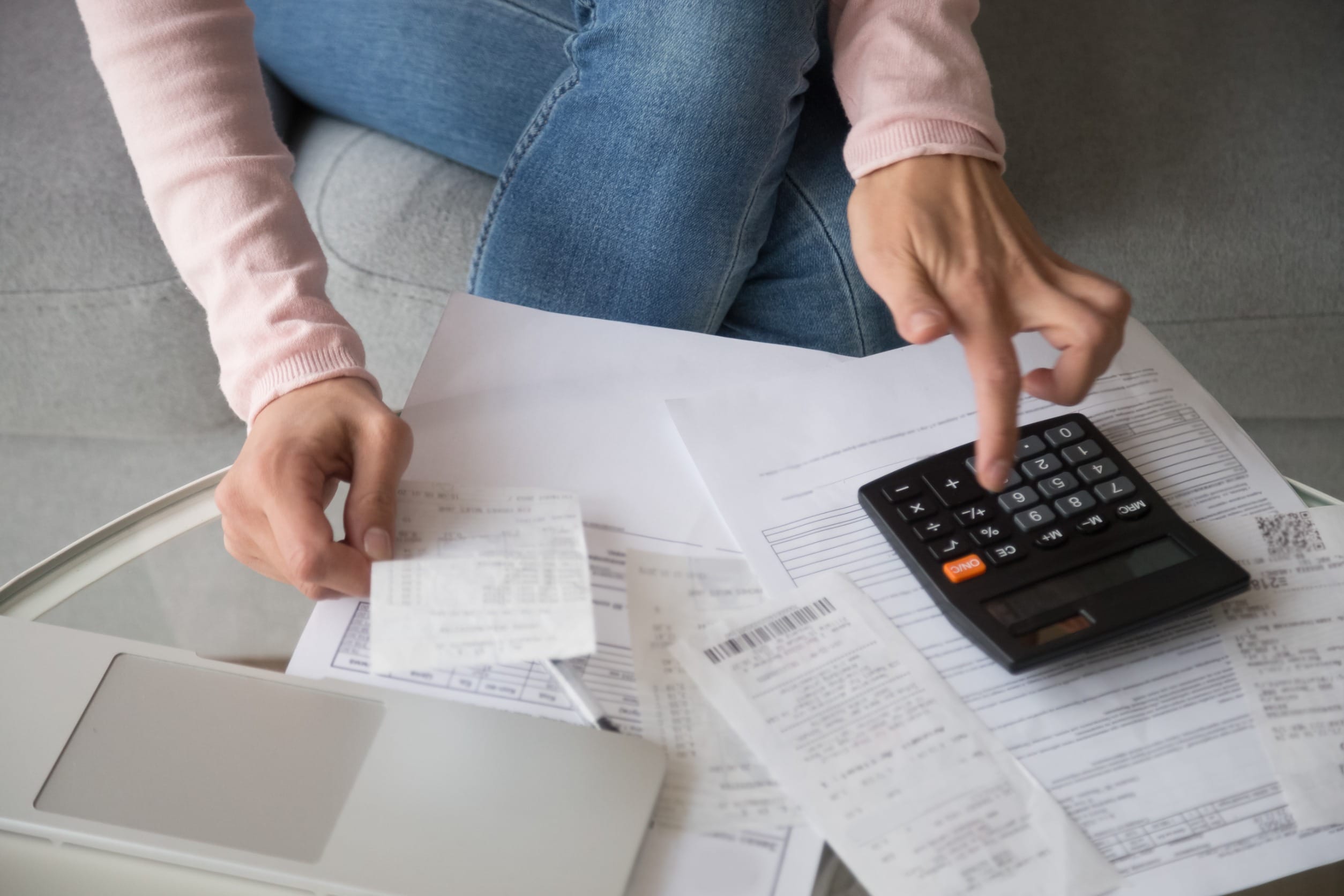
The mailbox just lost one of its most reliable tenants. Utility bills, those predictable envelopes that showed up month after month, now face extinction as companies push hard toward digital-only billing. This shift doesn’t just clean up clutter or save paper; it reshapes how households track spending, avoid late fees, and even think about money. The familiar ritual of tearing open an envelope and scanning a printed total starts to feel like something from another era, and that change comes with both convenience and a few surprising challenges.
The move away from paper billing signals a bigger transformation in how everyday finances operate. Utility companies want faster payments, fewer administrative costs, and tighter integration with apps and automated systems, and digital billing delivers all of that. At the same time, households must adjust quickly or risk missed due dates, confusion over fluctuating charges, and less visibility into monthly expenses. This transition doesn’t ask for permission; it already moves forward at full speed.
The Quiet Disappearance of Paper Bills
Utility companies didn’t flip a switch overnight, but the direction feels unmistakable. Many providers now charge extra fees for paper statements, while others require customers to opt in just to keep receiving them. This shift reduces printing and mailing costs for companies, but it also nudges households toward digital habits whether they feel ready or not. Environmental messaging often supports the change, and it resonates with many people who want to cut down on waste. Still, the financial motivation behind the scenes plays an equally strong role, as digital billing trims operational expenses significantly.
That disappearance changes more than the format of a bill; it alters the way people engage with their finances. A physical bill demands attention in a way that an email notification sometimes does not, especially when inboxes overflow with promotions and updates. Without that tangible reminder sitting on a kitchen counter, some households find it easier to forget or delay payments. Others embrace the change and enjoy instant access to statements, searchable records, and fewer piles of paperwork. The key difference lies in how intentional someone becomes about checking and managing those digital alerts.
The shift also affects households that rely on traditional systems, including those who prefer in-person payments or lack consistent internet access. Utility companies often provide alternatives, but those options sometimes come with extra steps or limitations. This transition doesn’t treat everyone equally, and it places more responsibility on individuals to adapt quickly. Keeping track of account logins, passwords, and billing cycles becomes part of the new routine, whether anyone asked for it or not.
Autopay Takes Center Stage — For Better or Worse
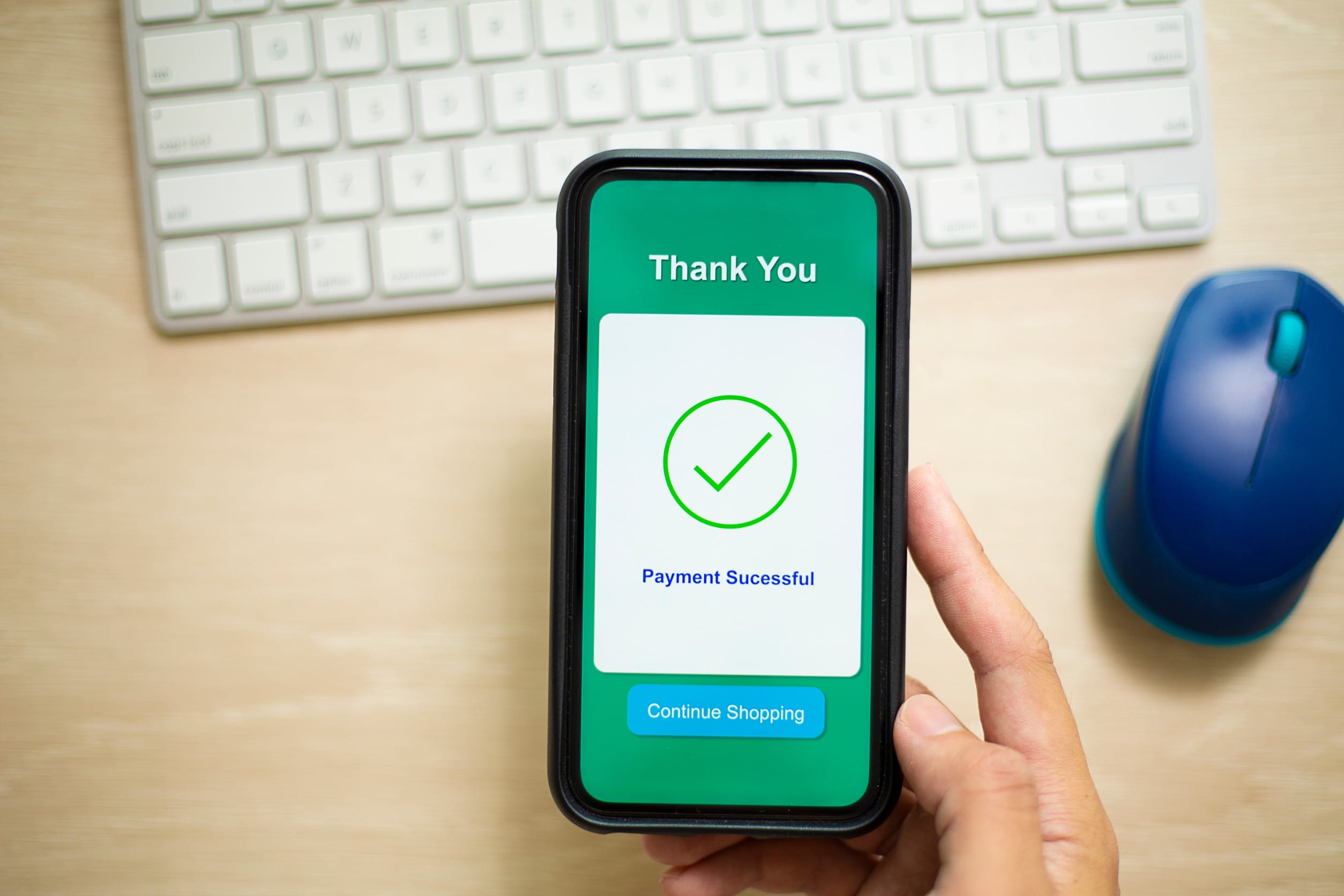
Digital billing almost always pairs with a strong push toward automatic payments. Utility companies highlight autopay as the easiest, most reliable option, and they often sweeten the deal with small discounts or incentives. That setup ensures bills get paid on time, which helps avoid late fees and service interruptions. For many households, autopay removes a layer of stress and keeps everything running smoothly in the background. It turns bill-paying into something that happens quietly rather than something that demands attention every month.
That convenience, however, comes with trade-offs that deserve attention. Automatic withdrawals can catch people off guard when utility costs spike due to seasonal changes or unexpected usage. A higher-than-usual bill might slip through without immediate notice, especially if no one checks the account regularly. This situation can strain budgets quickly, particularly when multiple bills withdraw at different times. Staying aware of account balances and reviewing statements becomes essential, even when autopay handles the actual transaction.
Setting up alerts offers a simple but powerful way to stay in control. Many utility providers allow users to receive notifications when bills exceed a certain amount or when payments process. Taking advantage of these tools helps bridge the gap between convenience and awareness. Reviewing statements at least once a month ensures that errors or unusual charges don’t go unnoticed. Autopay works best when it operates alongside active oversight rather than replacing it entirely.

Budgeting Feels Different Without That Paper Trail
Paper bills used to create a natural rhythm for budgeting. Each envelope served as a physical checkpoint, prompting a quick review of charges and a mental note of how much money needed to go out. Digital billing changes that rhythm completely, and it requires a more proactive approach to tracking expenses. Without a stack of statements to flip through, everything lives inside apps and online accounts, which can feel less immediate and sometimes less memorable.
This shift pushes households toward digital budgeting tools, which can actually improve financial awareness when used consistently. Apps that categorize expenses, track trends, and send reminders offer a level of insight that paper bills never could. Still, these tools demand setup and regular engagement, and they don’t work automatically without some effort. Those who ignore them risk losing sight of how much utilities actually cost month to month, especially when payments happen quietly in the background.
Creating a simple routine helps keep everything on track. Setting a specific day each month to review all utility accounts builds a new habit that replaces the old paper-based system. Downloading or saving digital statements also creates a record that remains easy to access later. Even something as straightforward as jotting down monthly totals in a notebook can restore a sense of control. The format may change, but the goal stays the same: understanding where money goes and why.
Security, Scams, and the Digital Learning Curve
Moving bills online introduces a new set of concerns that didn’t exist with paper statements. Email notifications and online portals create opportunities for phishing scams and fraudulent messages that mimic legitimate utility companies. These scams often look convincing, and they can trick people into sharing sensitive information or making payments through fake websites. Staying cautious becomes essential, especially when dealing with unexpected emails or urgent payment requests.
Learning how to spot red flags makes a huge difference in avoiding these traps. Checking the sender’s email address, avoiding suspicious links, and logging in directly through official websites rather than email prompts all help reduce risk. Utility companies often provide guidance on recognizing scams, and taking a few minutes to review that information can prevent costly mistakes. Digital billing offers convenience, but it also requires a sharper awareness of online security.
Password management plays a bigger role than ever in this new system. Each utility account needs a strong, unique password, and reusing the same credentials across multiple sites increases vulnerability. Using a password manager simplifies this process and keeps everything organized. Enabling two-factor authentication adds another layer of protection, making it harder for unauthorized users to access accounts. These steps may feel like extra work at first, but they quickly become part of a safer, more confident digital routine.
What This Shift Means for the Future of Payments
The move away from paper billing doesn’t stand alone; it connects to a broader evolution in how financial systems operate. Utility companies continue to integrate with mobile apps, smart home devices, and real-time usage tracking tools. This integration allows households to monitor energy or water consumption more closely and adjust habits in response. Payments may soon feel less like monthly events and more like ongoing, dynamic interactions with services.
This future brings both opportunities and challenges. Real-time data can help reduce waste and lower costs, but it also requires consistent attention and engagement. Subscription-style billing models may become more common, smoothing out seasonal spikes but changing how expenses appear month to month. Staying flexible and open to new tools will help households adapt as these changes unfold. The key lies in understanding how each new feature affects both convenience and control.
Adapting early often makes the transition smoother. Exploring available apps, setting up notifications, and reviewing account settings all help build confidence in the new system. Asking questions and seeking support from utility providers can also clear up confusion and prevent mistakes. This shift doesn’t need to feel overwhelming; it simply requires a willingness to adjust habits and embrace new ways of managing everyday finances.
The Bill Isn’t Gone — It Just Changed Shape
Paper bills may disappear, but the responsibility behind them stays exactly the same. Digital billing offers speed, convenience, and powerful tools, yet it also demands more awareness and intentional habits. Ignoring that shift can lead to missed payments, surprise charges, or security risks, while embracing it can create a smoother, more efficient system for handling monthly expenses. The difference comes down to how actively someone engages with the process.
What changes feel most exciting or frustrating about this shift to digital billing, and what strategies have worked best for staying on top of monthly payments? Share your thoughts, ideas, or personal approaches in the comments and keep the conversation going.
You May Also Like…
From Medicare to Medicaid: Why Billing Glitches Are Causing Unexpected Medical Bills Nationwide
6 Ways to Lower Your Tax Bill Under 2026 OBBBA Updates
Ground Ambulance Bills Still Fall Outside Federal Surprise Billing Protections
Why Do Utility Bills Keep Rising Even When Usage Stays the Same
Here’s When It’s Okay To Let Kids Move Back Home To Pay Off Bills

Brandon Marcus is a writer who has been sharing the written word since a very young age. His interests include sports, history, pop culture, and so much more. When he isn’t writing, he spends his time jogging, drinking coffee, or attempting to read a long book he may never complete.