• Home
  • About Us
  • Toolkit
  • Getting Finances Done
    • Hiring Advisors
    • Debt Management
    • Spending Plan
  • Insurance
    • Life Insurance
    • Health Insurance
    • Disability Insurance
    • Homeowners/Renters Insurance
  • Contact Us
  • Privacy Policy
  • Risk Tolerance Quiz

The Free Financial Advisor

You are here: Home / Archives for smart home

The Real Reason Your Utility Bill Is Skyrocketing and What You Can Do

April 7, 2026 by Brandon Marcus Leave a Comment

The Real Reason Your Utility Bill Is Skyrocketing and What You Can Do

Image Source: Shutterstock.com

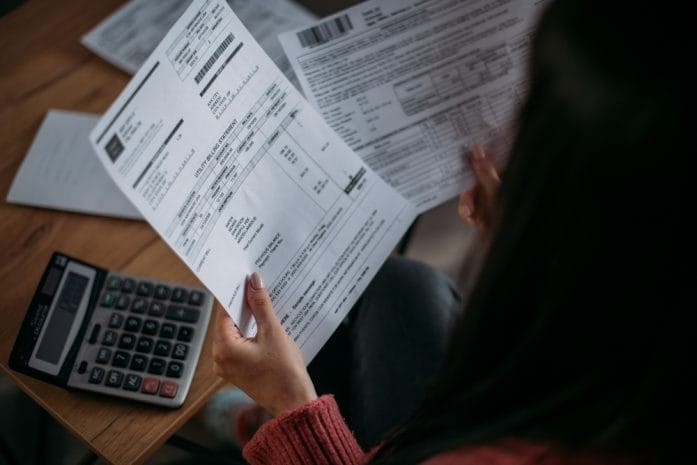
Electric bills aren’t just creeping up anymore—they’re charging forward like they’ve got something to prove. Numbers that once felt manageable now look like a monthly shock, and the explanation rarely feels clear. Blaming “higher costs” sounds vague, and vague doesn’t help when the total jumps again. The truth hides behind a mix of global shifts, local infrastructure, and everyday habits that quietly stack up over time. Understanding what actually drives those numbers gives far more power than simply bracing for the next bill.

Big energy changes don’t stay behind the scenes anymore; they show up in homes, apartments, and bank accounts. Rising costs don’t come from one single cause, and that’s exactly why they feel so frustrating. A mix of supply issues, aging systems, extreme weather, and lifestyle patterns pushes prices higher from multiple directions at once. That layered reality means quick fixes won’t cut it, but smart adjustments absolutely can. Once the real drivers come into focus, cutting costs stops feeling like guesswork and starts feeling like strategy.

The Hidden Forces Driving Your Bill Higher

Energy prices don’t just rise randomly; global supply and demand shifts push them up in ways that ripple into everyday life. When fuel costs increase, electricity providers pass those increases along almost immediately, and that impact hits every household regardless of usage habits. Infrastructure also plays a massive role, because many power grids rely on aging systems that require expensive maintenance and upgrades. Those upgrades cost money, and utility companies recover those expenses through higher rates. Weather adds another layer of pressure, especially during extreme heat or cold when demand spikes dramatically. Increased demand forces utilities to generate more power quickly, which often costs more and drives rates upward. Even water bills feel the pressure, as drought conditions and water treatment expenses raise costs in many regions.

Government policies and environmental regulations also influence utility pricing, often with long-term goals that carry short-term cost increases. Cleaner energy initiatives, for example, require investment in renewable systems, and that transition doesn’t come cheap. While those changes aim to reduce environmental impact, they often increase bills during the transition period. Population growth in certain areas strains local resources, forcing utilities to expand capacity and infrastructure faster than planned. That expansion again feeds into higher costs for consumers. On top of that, energy markets fluctuate constantly, and those fluctuations create unpredictable pricing patterns. When all these forces combine, bills rise steadily rather than dramatically, which makes the increases feel relentless instead of sudden.

The Everyday Habits That Quietly Add Up

Daily routines shape utility bills far more than most people expect, and small patterns often create surprisingly large impacts over time. Leaving lights on in multiple rooms, running appliances during peak hours, and keeping devices plugged in all day steadily increase electricity usage. Even modern homes packed with energy-efficient devices still waste power through standby consumption, sometimes called “phantom energy.” That constant drain may seem minor, but it adds up every single day. Heating and cooling habits also make a massive difference, especially when thermostats stay fixed instead of adjusting with the weather or time of day. A few degrees higher or lower can shift energy use significantly across an entire month. Laundry habits, water heater settings, and even cooking methods all contribute to the total.

Water usage creates another major piece of the puzzle, especially in homes with older fixtures or unnoticed leaks. A dripping faucet or running toilet may not seem urgent, but those small issues waste gallons of water daily and quietly inflate bills. Long showers, frequent laundry cycles, and inefficient dishwashing routines also push usage higher than necessary. Seasonal changes amplify these habits, especially during summer when air conditioning and water use both increase. Many households don’t adjust routines to match those seasonal shifts, which leads to spikes that feel unexpected. Awareness alone can start to shift those patterns in a meaningful way. Once habits come into focus, simple changes begin to lower costs without sacrificing comfort.

Smart Moves That Actually Lower Costs

Cutting utility bills doesn’t require drastic lifestyle changes; it starts with targeted, practical adjustments that deliver real results. Switching to energy-efficient lighting, such as LED bulbs, immediately reduces electricity use without affecting brightness or comfort. Smart thermostats offer another powerful tool by automatically adjusting temperatures based on daily routines. That kind of automation eliminates wasted energy without constant manual changes. Running appliances like dishwashers and washing machines during off-peak hours can also reduce costs in areas with time-based pricing. Sealing windows and doors prevents air leaks, which keeps heating and cooling systems from working overtime. Even unplugging unused devices helps eliminate phantom energy loss.

Water-saving upgrades also make a noticeable difference, especially when paired with smarter usage habits. Low-flow showerheads and faucets reduce water consumption without sacrificing pressure, which keeps comfort intact while lowering costs. Fixing leaks quickly prevents long-term waste and avoids unnecessary charges that build over time.

Adjusting water heater temperatures slightly downward reduces energy use while still providing plenty of hot water. Outdoor water use deserves attention too, especially for homes with gardens or lawns. Watering during early morning or evening hours minimizes evaporation and improves efficiency. These changes don’t require major investments, yet they consistently deliver measurable savings.

The Real Reason Your Utility Bill Is Skyrocketing and What You Can Do

Image Source: Shutterstock.com

Why Timing Matters More Than You Think

Utility costs often fluctuate throughout the day, and timing plays a bigger role than many people realize. Peak hours typically occur when demand hits its highest point, often in the late afternoon and early evening. During those times, electricity costs more because utilities must generate additional power quickly. Running high-energy appliances during those peak periods drives bills higher even if overall usage stays the same. Shifting those activities to off-peak hours reduces costs without reducing comfort or convenience. Many utility providers now offer time-of-use plans that reward this kind of behavior with lower rates.

Seasonal timing also affects energy costs in a big way, especially during extreme weather months. Summer heat drives air conditioning use, while winter cold increases heating demand, and both scenarios push energy consumption upward. Preparing for those seasonal shifts ahead of time helps control costs before they spike. Simple steps like servicing HVAC systems, improving insulation, and adjusting thermostat schedules can make a noticeable difference.

Even cooking habits matter, since using ovens during hot months adds extra heat that forces cooling systems to work harder. Paying attention to timing transforms energy use from reactive to strategic. That shift alone often leads to lower bills without major sacrifices.

You DO Have Control

Rising utility bills don’t come from a single cause, and that complexity makes them feel overwhelming at first glance. Once the real drivers come into focus—global energy shifts, infrastructure costs, everyday habits, and timing—those numbers start to make more sense. More importantly, they start to feel manageable instead of mysterious. Small, consistent changes create real impact, especially when they target the biggest areas of energy and water use. Smart habits, efficient upgrades, and better timing combine into a strategy that works month after month. No dramatic overhaul required, just smarter decisions stacked together.

Which change feels easiest to try first, and what strategies have already made a difference? Drop your thoughts, ideas, or personal wins in the comments and keep the conversation going.

You May Also Like…

Seniors Receiving ‘Utility Shutoff’ Calls With Exact Account Numbers — Here’s How Criminals Are Stealing Them

Utility Companies Are Ending Paper Billing — How It Will Change Your Monthly Payments

Utility Billing Cycle Changes Causing Double Charges

Adult Kids Beware: Some States Can Sue You for Your Parents’ Medical Bills

From Medicare to Medicaid: Why Billing Glitches Are Causing Unexpected Medical Bills Nationwide

Brandon Marcus
Brandon Marcus

Brandon Marcus is a writer who has been sharing the written word since a very young age. His interests include sports, history, pop culture, and so much more. When he isn’t writing, he spends his time jogging, drinking coffee, or attempting to read a long book he may never complete.


Filed Under: Lifestyle Tagged With: budgeting, Cost of living, electricity prices, energy costs, Energy Efficiency, home tips, Inflation, saving money, smart home, sustainability, utility bills, water bills

More Retirees Are “Aging in Place” — But Many Homes Aren’t Built for It

March 27, 2026 by Brandon Marcus Leave a Comment

More Retirees Are “Aging in Place” — But Many Homes Aren’t Built for It

Image Source: Pexels.com

Have you noticed how retirement is no longer about moving into a quiet community and fading into the background? A growing number of older adults are rewriting the rules, insisting on staying right where they’ve built memories, decorated walls, and spent decades perfecting the art of comfortable living. Aging in place isn’t just a trend; it’s a movement, one that’s reshaping homes, neighborhoods, and even the way society thinks about getting older. People aren’t ready to give up control or familiarity, and honestly, who can blame them? Staying home means holding onto independence, comfort, and the routines that bring genuine joy.

But here’s the catch: most homes weren’t designed for the realities of aging. Staircases, narrow hallways, slippery bathrooms, and heavy doors suddenly turn from charming features into daily hazards. Retirees may want to stay put, but without some smart modifications, the dream of independent living can quickly turn stressful—or worse, unsafe. Architects, designers, and families are stepping up, but there’s still a gap between aspiration and reality.

Staying Home Without Losing Your Freedom

Retirees want independence, and aging in place offers it in spades. Living in a familiar space allows them to maintain routines, hobbies, and social connections that simply can’t be replicated in institutional settings. But the average home isn’t built with wide hallways, zero-step entries, or bathrooms that prevent slips and falls. That’s where creative solutions come into play. Grab bars, walk-in showers, stair lifts, and smart lighting aren’t just safety features—they’re confidence boosters, giving homeowners the ability to move freely without fear of injury. Installing these features early can prevent a costly emergency down the road and give families peace of mind.

Technology also plays a starring role in modern aging in place. Smart home devices can remind people to take medications, alert family members if something seems off, and even control lighting and temperature with voice commands. Many retirees are discovering that technology isn’t intimidating—it’s empowering. Paired with thoughtful interior design, these updates can transform an old house into a safe, efficient, and even stylish space. Aging in place is about retaining freedom, and every modification should prioritize the person living there over aesthetics alone.

Bathrooms: The Silent Danger Zone

Bathrooms account for a surprisingly high percentage of accidents among older adults. Wet tiles, tight spaces, and high bathtubs turn everyday routines into potential hazards. Converting a bathtub to a walk-in shower, adding non-slip mats, and installing grab bars may seem minor, but these changes dramatically reduce fall risk. Even something as simple as a shower chair or a hand-held showerhead can increase safety while preserving dignity and independence.

Lighting matters too. Shadows can hide obstacles and make slippery floors more treacherous. Motion-sensor lights and bright, evenly distributed fixtures reduce the chance of accidents. On top of safety, small touches like anti-scald faucets and adjustable water temperatures make daily life easier and more comfortable. Designers are now thinking like seniors, creating bathrooms that balance practicality, style, and accessibility. In many cases, the cost of renovations pales in comparison to the benefits of safety and independence, making bathroom upgrades one of the smartest investments for anyone planning to age in place.

Kitchen Upgrades That Actually Make Life Easier

Kitchens are the heart of any home, but for aging residents, they can be a minefield. Heavy doors, high shelves, and tricky appliances create unnecessary challenges. Modifying cabinets with pull-down shelves, adding lever-style handles, and placing frequently used items within easy reach can make cooking less of a workout and more of a joy. Counter heights may need adjusting to prevent strain, and non-slip flooring can transform a hazardous space into a functional, safe zone.

Beyond safety, kitchen upgrades can foster social connections. Open layouts encourage family gatherings and communal cooking, while better lighting and organization reduce stress during meal prep. Technology is stepping in here too, with smart appliances that monitor cooking times, adjust temperatures, and even alert users if something is left on. Aging in place isn’t about sacrifice—it’s about keeping life delicious, fun, and worry-free. A well-thought-out kitchen allows retirees to maintain independence without missing out on the pleasures of home-cooked meals.

More Retirees Are “Aging in Place” — But Many Homes Aren’t Built for It

Image Source: Pexels.com

Outdoor Spaces: Not Just a Nice View

Many retirees underestimate the importance of outdoor accessibility. Steps, uneven surfaces, and heavy doors can make it difficult to enjoy fresh air, gardens, or morning coffee on the porch. Adding ramps, handrails, and level pathways ensures that outdoor spaces remain accessible and safe. Gardens, patios, and decks aren’t just aesthetic features—they’re crucial for mental health, exercise, and social interaction.

Even small improvements like outdoor lighting, non-slip surfaces, and easy-to-manage planters make a big difference. Retirees who engage with their environment stay more active and maintain stronger social ties. Outdoor accessibility doesn’t require an entire remodel; thoughtful adjustments can transform the yard into an inviting, safe extension of the home. Staying connected to nature while remaining independent adds joy, energy, and purpose to daily life.

Financial Planning Meets Practical Renovations

Aging in place isn’t just a design challenge—it’s a financial one. Many retirees worry about the cost of home modifications, but there are programs and incentives to make updates more affordable. Grants, low-interest loans, and tax credits exist in many areas to help cover accessibility upgrades. Even budgeting for small, incremental improvements over time can add up to a significantly safer living environment without draining savings.

Families also play a role, whether by helping with DIY projects or coordinating professional renovations. Planning ahead prevents costly emergency interventions and allows modifications to match personal needs rather than reacting to accidents. By thinking creatively and financially, retirees can craft homes that balance comfort, safety, and long-term independence. It’s about turning a dream of staying home into a practical, achievable reality.

Designing a Home That Grows With You

Aging in place succeeds when homes evolve alongside the people who live in them. Flexibility is key: adjustable counters, modular furniture, and multipurpose spaces can accommodate changing mobility or health needs. Retirees are increasingly prioritizing universal design principles, which make homes functional for people of all ages and abilities. This proactive approach reduces stress later and keeps life enjoyable rather than restrictive.

Homes can become places of creativity, comfort, and ongoing independence with a few thoughtful upgrades. From smart technology to physical modifications, each change empowers residents to keep living life on their terms. With intentional planning, homes become safe havens that support well-being, social engagement, and even a little fun along the way.

A Home That Lets Life Shine

Aging in place is about more than convenience; it’s about maintaining identity, freedom, and the joy of daily routines. Every ramp, every lever handle, every well-placed sensor contributes to a bigger picture: a home that keeps life vibrant, exciting, and independent. While most houses weren’t built for aging adults, the right modifications make them adaptable, safe, and stylish. The key takeaway is simple: with foresight and creativity, retirees can stay where they belong without sacrificing quality of life.

What are your favorite strategies or tips for creating a home that grows with its residents? Have you seen clever solutions that blend safety and style? Share your thoughts, ideas, and personal stories in the comments section below.

You May Also Like…

Retirement Healthcare Costs Are Climbing Again — What the Average Couple Now Needs

8 Hidden Fees That Can Eat Away at Your Retirement Savings

Starting Retirement Savings at 30 With $0 — Is Catching Up Still Possible?

Is it Too Late at 45? How to Use the Mega Backdoor Roth to Dump Tens of Thousands into Retirement in One Year

10 Hidden 401(k) Fees That Can Eat Into Your Retirement Savings

Brandon Marcus
Brandon Marcus

Brandon Marcus is a writer who has been sharing the written word since a very young age. His interests include sports, history, pop culture, and so much more. When he isn’t writing, he spends his time jogging, drinking coffee, or attempting to read a long book he may never complete.

Filed Under: Retirement Tagged With: accessibility, Aging in Place, elderly care, home modifications, home renovation, home safety, independent living, mobility solutions, Retirement, senior living, smart home

Your Ring Doorbell Is Recording Evidence That Could Void Your Homeowner’s Claim

October 20, 2025 by Travis Campbell Leave a Comment

rind doorbell

Image source: shutterstock.com

Smart home devices like the Ring doorbell have become a staple for homeowners seeking added security. These gadgets offer peace of mind, letting you see who’s at your door and monitor your property from anywhere. But what many people don’t realize is that your Ring doorbell could be quietly recording evidence that could void your homeowner’s claim. Insurance companies are increasingly turning to video footage as part of their investigation process. This means your own device might provide information that works against you if you ever need to file a claim.

Understanding how your Ring doorbell impacts your home insurance is more important than ever. There are real risks if you’re not careful about how you use and manage your video footage. Here’s what you need to know to protect yourself and your claim.

1. Your Ring Footage May Contradict Your Claim

Insurance companies look for inconsistencies when reviewing homeowner’s claims. If you say your house was broken into at 2 a.m., but your Ring doorbell evidence shows nothing happened during that time, your claim could be denied. In some cases, even small differences between your statement and what’s on video can raise red flags.

It’s not uncommon for adjusters to ask if you have security cameras or doorbell footage. If you provide it—or if they obtain it through other means—any discrepancies can be used against you. This is especially true if the footage shows someone entering your home with your permission, or if it captures you leaving a window unlocked. The details captured by your Ring doorbell can be more revealing than you realize.

2. Insurance Companies Can Request or Subpoena Footage

You might think your Ring recordings are private. However, insurance companies have the right to request evidence that’s relevant to your claim. In some situations, they may even subpoena your video footage. If you refuse to provide it, they could argue you’re not cooperating with the investigation, which may also void your claim.

This means you can’t assume your Ring doorbell evidence will stay private if you file a homeowner’s claim. Even if you delete footage, cloud backups, or shared access, it could still put it within reach of investigators. It’s important to know what’s being recorded and stored, just in case you need to hand it over.

3. Footage Can Reveal Policy Violations

Insurance policies often contain requirements about how you must maintain and secure your home. For example, you might be required to keep doors and windows locked, or to use certain types of locks. If your Ring doorbell evidence shows you leaving your door unlocked, or propping it open, your insurer could argue you failed to follow policy rules.

The same applies to claims involving accidents or injuries on your property. If footage shows you neglected basic maintenance or created a hazard, your insurer could use that as a reason to deny your claim. Video evidence is objective and hard to dispute, which makes it a powerful tool for insurance investigators.

4. Misinterpretation of Events Is Common

Ring doorbell cameras don’t capture everything, and sometimes what they record is open to interpretation. A shadow, a passing animal, or a glitch in the recording could be misread by an insurance adjuster. If your Ring doorbell evidence is unclear or doesn’t fully support your version of events, your claim might still be put at risk.

This is especially concerning if your footage is incomplete or missing key moments. Gaps in your recordings can raise suspicion, even if you had nothing to hide. It’s a good idea to regularly check that your Ring camera is functioning correctly and storing footage as expected.

5. Sharing Footage Online Can Backfire

Many people like to share interesting or suspicious activity from their Ring doorbells on social media or neighborhood apps. While this can help alert neighbors, it also creates a permanent record of events that insurers can find. If you post something publicly that contradicts your claim, or if comments reveal details you left out of your report, your insurer may use this information to deny your claim.

Think twice before sharing any Ring doorbell evidence online. Even seemingly harmless posts can be used out of context. Make sure you understand your insurance company’s policies and how they might interpret your online activity.

How to Protect Your Homeowner’s Claim When Using a Ring Doorbell

Awareness is the first step in protecting yourself. If you use a Ring doorbell, take the time to review what your device records and how long footage is stored. Make sure your camera is working properly and that you understand your insurance policy’s requirements for home security. If you’re involved in a claim, be honest and consistent in your statements, and consult with a professional if you’re unsure about sharing video evidence.

It’s also wise to read up on the latest privacy and insurance trends. Remember, your Ring doorbell evidence can be both a help and a hindrance. Use it thoughtfully to keep your home—and your insurance claim—safe.

Have you ever had to use Ring doorbell footage as part of a homeowner’s claim? Share your experience in the comments below!

What to Read Next…

  • 7 Ways Your Neighbor Could Be Spying On You Without Breaking The Law
  • 8 Common Home Security Features That Aren’t As Safe As You Think
  • 7 Homeowner Insurance Exclusions That Void Entire Policies
  • What Insurance Fine Print Could Void Your Entire Claim
  • How Your Wi-Fi Router Placement Might Be Sharing Personal Info
Travis Campbell
Travis Campbell

Travis Campbell is a digital marketer/developer with over 10 years of experience and a writer for over 6 years. He holds a degree in E-commerce and likes to share life advice he’s learned over the years. Travis loves spending time on the golf course or at the gym when he’s not working.

Filed Under: Home Improvement Tagged With: evidence, home security, homeowners insurance, insurance claims, privacy, Ring doorbell, smart home

8 Common Home Security Features That Aren’t As Safe As You Think

July 28, 2025 by Travis Campbell Leave a Comment

home security

Image Source: pexels.com

Home security is a big deal for most people. You want to feel safe in your own space. You buy the latest gadgets, install cameras, and set up alarms. But what if some of these common home security features aren’t as safe as you think? It’s easy to trust the tools you use every day, but sometimes they have hidden flaws. Knowing where your security might fall short can help you make better choices and keep your home—and your family—safer.

1. Keypad Door Locks

Keypad door locks seem convenient. You don’t need to carry keys, and you can share codes with family or friends. But these locks have weaknesses. Many people use simple codes, such as “1234” or their birthdays. Thieves know this. Some keypads also show wear on the most frequently used numbers, making it easier to guess the code. And if the lock connects to Wi-Fi, hackers can sometimes gain remote access. If you use a keypad lock, pick a strong code and change it often. Clean the keypad to avoid leaving clues. And if it’s a smart lock, keep the software updated.

2. Fake Security Cameras

Fake cameras are cheap and easy to install. They might scare off some people, but experienced burglars can spot them. Most fake cameras don’t have wires or real lenses. Some even have blinking lights, which real cameras rarely use. If someone is serious about breaking in, a fake camera won’t stop them. Real security cameras are better. They record evidence and can alert you to trouble. If you want real protection, invest in a working camera system.

3. Glass Door and Window Sensors

Sensors on glass doors and windows are common. They beep if someone opens a door or window. But they don’t always catch a break-in. If a thief breaks the glass and climbs through without opening the window, the sensor might not trigger. Some sensors only work if the frame moves. For better security, use glass-break detectors. These listen for the sound of breaking glass and can catch more types of break-ins.

4. Motion-Activated Lights

Motion-activated lights are everywhere. They light up your yard when someone walks by. But they aren’t foolproof. Animals, wind, or even passing cars can set them off. Over time, people start to ignore them. Burglars know this. They might test the lights to see if anyone responds. If no one comes out, they know it’s safe to keep going. Motion lights work best with other security features, like cameras or alarms. Don’t rely on them alone.

5. Sliding Glass Door Locks

Sliding glass doors are a weak spot in many homes. The standard locks are easy to break or force open. Some burglars lift the door off its track. Others use a simple tool to pop the lock. Adding a bar or rod in the track helps, but it’s not perfect. For better security, use a pin lock or a security bar designed for sliding doors. You can also add shatter-resistant film to the glass.

6. Alarm System Yard Signs

Many people put alarm company signs in their yard. The idea is to scare off burglars. But signs alone don’t stop anyone. Some people even buy fake signs online. Experienced thieves know which signs are real and which aren’t. They might even see a sign as a clue that you have an older system that’s easy to bypass. If you use a sign, make sure you have a real, working alarm system behind it. And keep your system updated.

7. Smart Doorbells

Smart doorbells let you see who’s at your door from your phone. They record video and can even talk to visitors. But they have risks. If the Wi-Fi isn’t secure, hackers can access the camera or your home network. Some smart doorbells have been found to share data with third-party companies, raising concerns about privacy. If you use a smart doorbell, set a strong password and enable two-factor authentication. Update the software regularly. And check the privacy settings to control what data gets shared.

8. Window Bars

Window bars look tough. They keep people from climbing in. But they can also trap you inside during a fire or emergency. Some bars are easy to remove from the outside if they aren’t installed well. Others rust or break over time. If you use window bars, make sure they have a quick-release feature from the inside. Test them often to make sure they work. And don’t block every window—leave at least one exit in case you need to get out fast.

Rethinking Home Security: What Really Keeps You Safe

Home security features are only as strong as their weakest link. It’s easy to trust a lock, a camera, or a sign, but real safety comes from knowing the limits of your tools. Don’t assume that a popular gadget will protect you. Look for the gaps in your system. Combine different types of security and keep everything updated. Most of all, stay alert. The best defense is knowing what works—and what doesn’t. Your home is worth the extra effort.

Have you ever been surprised by a security feature that didn’t work as expected? Share your story or tips in the comments.

Read More

What Happens to Your Social Security If the Government Shuts Down Again?

Home Security Mistakes That Attract Break-Ins

Travis Campbell
Travis Campbell

Travis Campbell is a digital marketer/developer with over 10 years of experience and a writer for over 6 years. He holds a degree in E-commerce and likes to share life advice he’s learned over the years. Travis loves spending time on the golf course or at the gym when he’s not working.

Filed Under: safety Tagged With: burglary prevention, home protection, home security, safety, security tips, smart home

How Your Wi-Fi Router Placement Might Be Sharing Personal Info

July 24, 2025 by Travis Campbell Leave a Comment

wi fi router

Image Source: pexels.com

Wi-Fi routers are everywhere. They sit on shelves, desks, and sometimes even on the floor. Most people don’t think twice about where they put their router. But the spot you choose can do more than just affect your internet speed. It can also put your personal information at risk. If your Wi-Fi signal reaches too far or leaks outside your home, strangers could get access to your network. And that means your private data could be exposed. Here’s why your Wi-Fi router placement matters—and what you can do to protect yourself.

1. Your Router’s Location Can Leak Your Signal

Where you place your Wi-Fi router affects how far your signal extends. If you put it near a window or an outside wall, your Wi-Fi can spill out onto the street. That means people outside your home—neighbors, passersby, or even someone parked in a car—might see your network. If your network isn’t secure, they could try to connect. Even if you use a password, a strong signal outside makes you a bigger target for hackers who want to break in. Keep your router away from windows and exterior walls. Place it closer to the center of your home. This helps keep your signal inside and makes it harder for outsiders to find your network.

2. Publicly Visible Networks Attract Attention

When your Wi-Fi network shows up on someone else’s device, it’s like putting a sign on your house. If your network name (SSID) is unique or includes personal info, you’re sharing more than you think. For example, “SmithFamilyWiFi” tells people your last name. Some people even use their address or apartment number. This makes it easier for someone to determine your location. Use a generic network name that doesn’t give away personal details. And if your router allows it, consider hiding your SSID so it doesn’t show up in the list of available networks.

3. Signal Strength Can Invite Unwanted Guests

A strong Wi-Fi signal is great for streaming movies in every room. But if your signal is too strong, it can reach outside your home. This makes it easier for someone nearby to try to connect. If you live in an apartment or a crowded neighborhood, your Wi-Fi could reach several other units. That’s a problem if your password is weak or you haven’t changed the default settings. Someone could use your internet without you knowing. Worse, they could try to access your devices or personal files. Adjust your router’s power settings if possible. Some routers let you lower the signal strength, so it doesn’t go as far.

4. Placement Affects Device Security

The closer your devices are to your router, the better your connection. But if you put your router in a spot where guests or strangers can easily access it, you’re taking a risk. Some routers have a physical reset button. If someone presses it, they can reset your network and set up their own password. Keep your router in a secure spot, not in a public area or near your front door. This simple step can help keep your network safe from tampering.

5. Wi-Fi Interference Can Lead to Weak Security

Other electronics and even thick walls can mess with your Wi-Fi signal. If your router is in a bad spot, you might get frustrated with slow speeds. Some people attempt to circumvent this by disabling security features or using open networks. That’s risky. Open networks are easy targets for hackers. Instead, move your router to a better spot. Keep it away from microwaves, cordless phones, and large metal objects. This can improve your signal without sacrificing security.

6. Smart Devices Can Reveal More Than You Think

Many homes now have smart devices—cameras, speakers, thermostats—all connected to Wi-Fi. If your router is in a spot where the signal leaks outside, someone could try to connect to these devices. Some smart devices have weak security. If a hacker gets in, they might see your camera feed or control your lights. Always use strong, unique passwords for your smart devices. And keep your router’s firmware up to date.

7. Guest Networks Can Help, But Only If Set Up Right

Many routers let you set up a guest network. This is a separate Wi-Fi network for visitors. It’s a good idea, but only if you set it up correctly. If your guest network isn’t secure, or if it’s too easy to find, it can be a weak spot. Make sure your guest network has a strong password. Don’t let it access your main devices or files. And turn it off when you don’t need it.

8. Router Placement Can Impact Your Privacy

Some people put their router in a spot that’s easy for service workers or guests to see. If someone can see your router, they might see the model number or other details. This info can help a hacker find ways to break in. Cover up or hide your router’s details if possible. And don’t leave the default admin password in place. Change it to something only you know.

Protecting Your Personal Info Starts at Home

Your Wi-Fi router is the gateway to your digital life. Where you put it matters. A few small changes—like moving it away from windows, using a generic network name, and setting strong passwords—can make a big difference. You don’t need to be a tech expert to keep your personal info safe. Just pay attention to your router placement and settings. It’s a simple way to protect your privacy and your peace of mind.

Have you ever had a problem with Wi-Fi security or router placement? Share your story or tips in the comments.

Read More

Free Wi-Fi Spots That Are Ripe for Identity Theft

Why Online Donations May Be Putting Your Identity at Risk

Travis Campbell
Travis Campbell

Travis Campbell is a digital marketer/developer with over 10 years of experience and a writer for over 6 years. He holds a degree in E-commerce and likes to share life advice he’s learned over the years. Travis loves spending time on the golf course or at the gym when he’s not working.

Filed Under: Online Safety Tagged With: cybersecurity, home network, personal info, privacy, router placement, smart home, Wi-Fi security

How Voice Assistants Record More Than You Realize

July 12, 2025 by Travis Campbell Leave a Comment

voice assistant

Image Source: pexels.com

Voice assistants are everywhere. You might have one in your phone, your living room, or even your car. They make life easier—set reminders, play music, answer questions. But there’s a catch. These devices listen more than you think. And what they hear doesn’t always stay private. If you use a voice assistant, you need to know what’s really happening behind the scenes. Here’s why it matters for your privacy and what you can do about it.

1. Voice Assistants Are Always Listening

Voice assistants work by listening for a “wake word.” This could be “Hey Siri,” “Alexa,” or “OK Google.” But to catch that word, the device’s microphone is always on. It listens to everything, not just your commands. Sometimes, it records by mistake. You might say something that sounds like the wake word, and suddenly, it’s recording your conversation. This isn’t rare. It happens more than most people realize. And those recordings can be stored, reviewed, and even shared with others.

2. Your Conversations May Be Stored in the Cloud

When you talk to a voice assistant, your words don’t just stay on the device. Most assistants send their voice to the company servers for processing. This means your requests—and sometimes background conversations—are stored in the cloud. Companies say this helps improve their services. But it also means your private moments could be saved somewhere you can’t control. In some cases, these recordings are kept for months or even years. You can check your own voice history in your device’s settings, but deleting it isn’t always simple.

3. Human Reviewers Listen to Some Recordings

Not all voice assistant recordings are reviewed by machines. Sometimes, real people listen to them. Companies use human reviewers to improve voice recognition. But this means strangers could hear your private conversations. There have been reports of workers hearing sensitive information, arguments, or even personal details. You might not know when this happens, and you can’t always opt out. This practice has raised privacy concerns worldwide.

4. Accidental Activations Happen Often

Voice assistants don’t always get it right. They can mishear words and start recording without you knowing. This is called a “false positive.” It happens when the device thinks it heard the wake word, but it didn’t. These accidental activations can capture private conversations, background noise, or even sensitive information. You might not notice until you check your voice history. And if you never check, you’ll never know what’s been recorded.

5. Data Can Be Shared with Third Parties

Your voice data isn’t always just for the company that made your device. Sometimes, it’s shared with third parties. This could be for advertising, analytics, or partnerships. You might agree to this in the terms of service without realizing it. Once your data is shared, you lose control over how it’s used. It could be combined with other data to build a profile about you. This raises questions about who really owns your information and how it’s protected.

6. Voice Data Can Be Used to Identify You

Your voice is unique. Companies can use voice data to identify you, even if you never gave your name. This is called “voice profiling.” It can link your voice to your habits, preferences, and even your location. Some companies use this to personalize ads or services. Others might use it for security. But it also means your voice becomes another piece of personal data that can be tracked, stored, or even hacked.

7. Privacy Settings Are Often Hard to Find

Most voice assistants offer privacy controls. You can delete recordings, turn off features, or limit data sharing. But these settings aren’t always easy to find. They might be buried in menus or use confusing language. Some features are turned on by default, and you have to opt out. If you don’t know where to look, you might never change the settings. It’s important to review your device’s privacy options and adjust them to fit your comfort level.

8. Children’s Voices Are Also Recorded

If you have kids at home, their voices might be recorded too. Voice assistants don’t always know who’s speaking. This means children’s conversations, questions, or even background noise can end up stored in the cloud. Some companies have special rules for children’s data, but enforcement isn’t perfect. If you’re concerned about your family’s privacy, consider limiting voice assistant use around kids or using devices with better parental controls.

9. Hackers Can Target Voice Data

Voice data isn’t just valuable to companies. Hackers want it too. If a company’s servers are breached, your recordings could be exposed. This could include personal details, passwords, or sensitive conversations. While companies invest in security, no system is perfect. The more data that’s stored, the bigger the risk. Protecting your privacy means understanding these risks and taking steps to limit what’s recorded.

10. You Have More Control Than You Think

It’s easy to feel powerless, but you do have options. You can review and delete your voice history. You can mute the microphone when you’re not using the assistant. You can adjust privacy settings to limit data sharing. Some people choose to use voice assistants only for certain tasks or in certain rooms. The key is to stay informed and make choices that fit your comfort level.

Protecting Your Privacy Starts with Awareness

Voice assistants are helpful, but they come with trade-offs. The more you know about how they work, the better you can protect your privacy. Take time to review your settings, understand what’s being recorded, and decide what you’re comfortable with. Your voice is personal. Make sure you’re the one in control.

Have you ever checked your voice assistant’s recordings? What did you find? Share your experience in the comments.

Read More

I’m Not an Expert on Everything

Ripped From the Headlines: Bad Holiday Economic Mood

Travis Campbell
Travis Campbell

Travis Campbell is a digital marketer/developer with over 10 years of experience and a writer for over 6 years. He holds a degree in E-commerce and likes to share life advice he’s learned over the years. Travis loves spending time on the golf course or at the gym when he’s not working.

Filed Under: Technology Tagged With: data security, personal data, privacy, smart home, technology, voice assistants, voice recognition

6 “Smart” Gadgets That Secretly Cost You More Than They Save

June 17, 2025 by Travis Campbell Leave a Comment

gadgets

Image Source: pexels.com

Smart gadgets promise to make life easier, more efficient, and even cheaper. But are they really saving you money, or are they quietly draining your wallet? In a world where every device seems to have a “smart” upgrade, it’s easy to get swept up in the hype. Many of these gadgets come with hidden costs—whether it’s higher energy bills, expensive subscriptions, or frequent replacements. Understanding which smart gadgets actually help your budget and which ones don’t is crucial for anyone looking to make wise financial decisions. Let’s break down six popular smart gadgets that might be costing you more than you realize, and what you can do to avoid these financial pitfalls.

1. Smart Refrigerators

Smart refrigerators are packed with features like touchscreens, cameras, and Wi-Fi connectivity. While these bells and whistles sound impressive, they often come with a hefty price tag and ongoing costs. The initial investment for a smart fridge can be double or even triple that of a traditional model. Plus, repairs and maintenance are more expensive due to the complex technology involved. Many smart fridges also require regular software updates and may become obsolete faster than their “dumb” counterparts. Instead of saving money by tracking groceries or recipes, you might find yourself paying more for features you rarely use.

2. Smart Thermostats

Smart thermostats are marketed as a way to cut energy bills by learning your habits and adjusting temperatures automatically. While they can help some households save, the savings are often overstated. The benefits may be minimal if your home isn’t well-insulated or you don’t use heating and cooling consistently. Installation can also be costly, especially if you need professional help. Some models require ongoing subscriptions for advanced features, adding to the long-term expense. Before investing, calculate your actual heating and cooling usage to see if a smart thermostat will truly pay off.

3. Smart Light Bulbs

Smart light bulbs let you control lighting from your phone or with your voice, but convenience comes at a price. These bulbs cost significantly more than standard LEDs, and their lifespan can be shorter due to the added electronics. If you want to automate your entire home, the costs add up quickly. Many smart bulbs also require a hub or bridge, which is another expense. While you might save a few dollars on your energy bill, it could take years to recoup the initial investment. For most people, using regular LED bulbs and turning off lights manually is a more cost-effective approach.

4. Smart Plugs

Smart plugs promise to make any device “smart” by allowing remote control and scheduling. However, each plug can cost $20 or more, and outfitting your home quickly becomes expensive. The energy savings from scheduling devices are often negligible, especially if you’re already mindful about unplugging unused electronics. Some smart plugs also draw power even when not in use, slightly increasing your electricity bill. Unless you have a specific need—like controlling hard-to-reach outlets—smart plugs may not deliver the savings you expect.

5. Smart Speakers

Smart speakers like Amazon Echo or Google Nest are popular for their voice assistants and integration with other smart devices. But beyond playing music or answering questions, their practical value is limited for most users. Many features require additional subscriptions, such as music streaming or premium skills. The temptation to buy compatible smart home products can also lead to more spending. If you’re not using your smart speaker for productivity or home automation, it may be an unnecessary expense rather than a money-saving tool.

6. Smart Security Cameras

Smart security cameras offer peace of mind, but they often come with hidden costs. Most require a monthly subscription for cloud storage or advanced features like motion detection and alerts. The upfront cost of cameras, plus ongoing fees, can add up quickly. Some systems also use more electricity than you might expect, especially if you have multiple cameras running 24/7. Before investing, consider whether a traditional security system or simple deterrents like better lighting might be more cost-effective.

Rethink “Smart” for Smarter Savings

The promise of smart gadgets is tempting, but not every device delivers real financial benefits. Many “smart” products come with hidden costs that outweigh their convenience or potential savings. Before buying, ask yourself if the gadget will truly make your life easier or just add another expense to your budget. Focus on smart gadgets that solve real problems and offer clear, measurable savings. Sometimes, the smartest move is sticking with simple, reliable technology that doesn’t require constant updates or subscriptions.

What smart gadgets have you tried that didn’t live up to the hype? Share your experiences or tips in the comments below!

Read More

Stop Reading About Last Year’s Top Ten Mutual Funds

5 Biggest Refinance Concerns

Travis Campbell
Travis Campbell

Travis Campbell is a digital marketer/developer with over 10 years of experience and a writer for over 6 years. He holds a degree in E-commerce and likes to share life advice he’s learned over the years. Travis loves spending time on the golf course or at the gym when he’s not working.

Filed Under: Technology Tagged With: budgeting, Financial Tips, hidden costs, home technology, Personal Finance, saving money, smart gadgets, smart home

FOLLOW US

Search this site:

Recent Posts

  • Can My Savings Account Affect My Financial Aid? by Tamila McDonald
  • 12 Ways Gen X’s Views Clash with Millennials… by Tamila McDonald
  • What Advantages and Disadvantages Are There To… by Jacob Sensiba
  • Call 911: Go To the Emergency Room Immediately If… by Stephen Kanaval
  • 10 Tactics for Building an Emergency Fund from Scratch by Vanessa Bermudez
  • 7 Weird Things You Can Sell Online by Tamila McDonald
  • 10 Scary Facts About DriveTime by Tamila McDonald

Copyright © 2026 · News Pro Theme on Genesis Framework