• Home
  • About Us
  • Toolkit
  • Getting Finances Done
    • Hiring Advisors
    • Debt Management
    • Spending Plan
  • Insurance
    • Life Insurance
    • Health Insurance
    • Disability Insurance
    • Homeowners/Renters Insurance
  • Contact Us
  • Privacy Policy
  • Risk Tolerance Quiz

The Free Financial Advisor

You are here: Home / Archives for water bills

The Real Reason Your Utility Bill Is Skyrocketing and What You Can Do

April 7, 2026 by Brandon Marcus Leave a Comment

The Real Reason Your Utility Bill Is Skyrocketing and What You Can Do

Image Source: Shutterstock.com

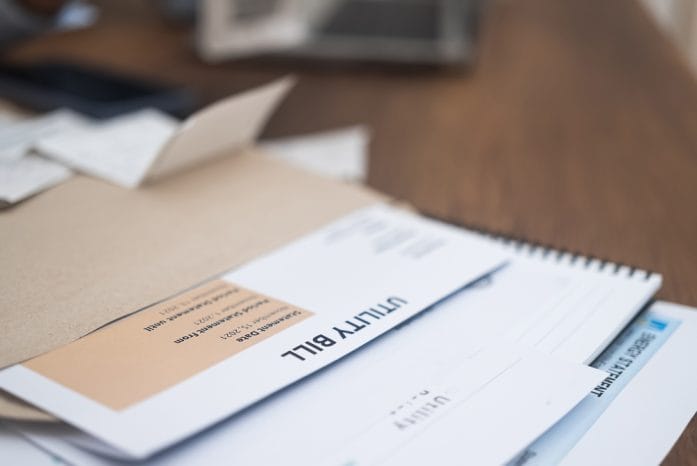
Electric bills aren’t just creeping up anymore—they’re charging forward like they’ve got something to prove. Numbers that once felt manageable now look like a monthly shock, and the explanation rarely feels clear. Blaming “higher costs” sounds vague, and vague doesn’t help when the total jumps again. The truth hides behind a mix of global shifts, local infrastructure, and everyday habits that quietly stack up over time. Understanding what actually drives those numbers gives far more power than simply bracing for the next bill.

Big energy changes don’t stay behind the scenes anymore; they show up in homes, apartments, and bank accounts. Rising costs don’t come from one single cause, and that’s exactly why they feel so frustrating. A mix of supply issues, aging systems, extreme weather, and lifestyle patterns pushes prices higher from multiple directions at once. That layered reality means quick fixes won’t cut it, but smart adjustments absolutely can. Once the real drivers come into focus, cutting costs stops feeling like guesswork and starts feeling like strategy.

The Hidden Forces Driving Your Bill Higher

Energy prices don’t just rise randomly; global supply and demand shifts push them up in ways that ripple into everyday life. When fuel costs increase, electricity providers pass those increases along almost immediately, and that impact hits every household regardless of usage habits. Infrastructure also plays a massive role, because many power grids rely on aging systems that require expensive maintenance and upgrades. Those upgrades cost money, and utility companies recover those expenses through higher rates. Weather adds another layer of pressure, especially during extreme heat or cold when demand spikes dramatically. Increased demand forces utilities to generate more power quickly, which often costs more and drives rates upward. Even water bills feel the pressure, as drought conditions and water treatment expenses raise costs in many regions.

Government policies and environmental regulations also influence utility pricing, often with long-term goals that carry short-term cost increases. Cleaner energy initiatives, for example, require investment in renewable systems, and that transition doesn’t come cheap. While those changes aim to reduce environmental impact, they often increase bills during the transition period. Population growth in certain areas strains local resources, forcing utilities to expand capacity and infrastructure faster than planned. That expansion again feeds into higher costs for consumers. On top of that, energy markets fluctuate constantly, and those fluctuations create unpredictable pricing patterns. When all these forces combine, bills rise steadily rather than dramatically, which makes the increases feel relentless instead of sudden.

The Everyday Habits That Quietly Add Up

Daily routines shape utility bills far more than most people expect, and small patterns often create surprisingly large impacts over time. Leaving lights on in multiple rooms, running appliances during peak hours, and keeping devices plugged in all day steadily increase electricity usage. Even modern homes packed with energy-efficient devices still waste power through standby consumption, sometimes called “phantom energy.” That constant drain may seem minor, but it adds up every single day. Heating and cooling habits also make a massive difference, especially when thermostats stay fixed instead of adjusting with the weather or time of day. A few degrees higher or lower can shift energy use significantly across an entire month. Laundry habits, water heater settings, and even cooking methods all contribute to the total.

Water usage creates another major piece of the puzzle, especially in homes with older fixtures or unnoticed leaks. A dripping faucet or running toilet may not seem urgent, but those small issues waste gallons of water daily and quietly inflate bills. Long showers, frequent laundry cycles, and inefficient dishwashing routines also push usage higher than necessary. Seasonal changes amplify these habits, especially during summer when air conditioning and water use both increase. Many households don’t adjust routines to match those seasonal shifts, which leads to spikes that feel unexpected. Awareness alone can start to shift those patterns in a meaningful way. Once habits come into focus, simple changes begin to lower costs without sacrificing comfort.

Smart Moves That Actually Lower Costs

Cutting utility bills doesn’t require drastic lifestyle changes; it starts with targeted, practical adjustments that deliver real results. Switching to energy-efficient lighting, such as LED bulbs, immediately reduces electricity use without affecting brightness or comfort. Smart thermostats offer another powerful tool by automatically adjusting temperatures based on daily routines. That kind of automation eliminates wasted energy without constant manual changes. Running appliances like dishwashers and washing machines during off-peak hours can also reduce costs in areas with time-based pricing. Sealing windows and doors prevents air leaks, which keeps heating and cooling systems from working overtime. Even unplugging unused devices helps eliminate phantom energy loss.

Water-saving upgrades also make a noticeable difference, especially when paired with smarter usage habits. Low-flow showerheads and faucets reduce water consumption without sacrificing pressure, which keeps comfort intact while lowering costs. Fixing leaks quickly prevents long-term waste and avoids unnecessary charges that build over time.

Adjusting water heater temperatures slightly downward reduces energy use while still providing plenty of hot water. Outdoor water use deserves attention too, especially for homes with gardens or lawns. Watering during early morning or evening hours minimizes evaporation and improves efficiency. These changes don’t require major investments, yet they consistently deliver measurable savings.

The Real Reason Your Utility Bill Is Skyrocketing and What You Can Do

Image Source: Shutterstock.com

Why Timing Matters More Than You Think

Utility costs often fluctuate throughout the day, and timing plays a bigger role than many people realize. Peak hours typically occur when demand hits its highest point, often in the late afternoon and early evening. During those times, electricity costs more because utilities must generate additional power quickly. Running high-energy appliances during those peak periods drives bills higher even if overall usage stays the same. Shifting those activities to off-peak hours reduces costs without reducing comfort or convenience. Many utility providers now offer time-of-use plans that reward this kind of behavior with lower rates.

Seasonal timing also affects energy costs in a big way, especially during extreme weather months. Summer heat drives air conditioning use, while winter cold increases heating demand, and both scenarios push energy consumption upward. Preparing for those seasonal shifts ahead of time helps control costs before they spike. Simple steps like servicing HVAC systems, improving insulation, and adjusting thermostat schedules can make a noticeable difference.

Even cooking habits matter, since using ovens during hot months adds extra heat that forces cooling systems to work harder. Paying attention to timing transforms energy use from reactive to strategic. That shift alone often leads to lower bills without major sacrifices.

You DO Have Control

Rising utility bills don’t come from a single cause, and that complexity makes them feel overwhelming at first glance. Once the real drivers come into focus—global energy shifts, infrastructure costs, everyday habits, and timing—those numbers start to make more sense. More importantly, they start to feel manageable instead of mysterious. Small, consistent changes create real impact, especially when they target the biggest areas of energy and water use. Smart habits, efficient upgrades, and better timing combine into a strategy that works month after month. No dramatic overhaul required, just smarter decisions stacked together.

Which change feels easiest to try first, and what strategies have already made a difference? Drop your thoughts, ideas, or personal wins in the comments and keep the conversation going.

You May Also Like…

Seniors Receiving ‘Utility Shutoff’ Calls With Exact Account Numbers — Here’s How Criminals Are Stealing Them

Utility Companies Are Ending Paper Billing — How It Will Change Your Monthly Payments

Utility Billing Cycle Changes Causing Double Charges

Adult Kids Beware: Some States Can Sue You for Your Parents’ Medical Bills

From Medicare to Medicaid: Why Billing Glitches Are Causing Unexpected Medical Bills Nationwide

Brandon Marcus
Brandon Marcus

Brandon Marcus is a writer who has been sharing the written word since a very young age. His interests include sports, history, pop culture, and so much more. When he isn’t writing, he spends his time jogging, drinking coffee, or attempting to read a long book he may never complete.

Filed Under: Lifestyle Tagged With: budgeting, Cost of living, electricity prices, energy costs, Energy Efficiency, home tips, Inflation, saving money, smart home, sustainability, utility bills, water bills

Utility Billing Cycle Changes Causing Double Charges

February 23, 2026 by Brandon Marcus Leave a Comment

Utility Billing Cycle Changes Causing Double Charges

Image Source: Unsplash.com

A single date change can rattle an entire household budget. When a utility company shifts its billing cycle, many households open a statement that looks inflated, confusing, and sometimes downright alarming.

The total often appears far higher than usual, and panic sets in before anyone even scans the fine print. Utility billing cycle changes can cause what looks like double charges, but the real story often sits in the details, and those details deserve close attention.

Why Billing Cycles Change in the First Place

Utility companies do not change billing cycles on a whim. Providers sometimes adjust billing schedules to streamline operations, align meter-reading routes, or upgrade internal systems. When a company rolls out new billing software or reorganizes service territories, it often shifts customer billing dates to match those new structures.

These changes can also occur after a customer moves service to a new address, switches rate plans, or enrolls in budget billing programs. In some cases, regulators approve adjustments that affect billing cycles, especially when utilities update rate structures or modernize their metering infrastructure. None of this automatically means a mistake occurred, but it does mean the next bill might cover more days than usual.

That extended billing period often triggers the appearance of a double charge. Instead of billing for 30 days, the utility might bill for 45 or even 60 days to transition from the old cycle to the new one. The total rises because the billing period grew longer, not because the company charged twice for the same electricity or water. Still, without clear communication, that spike can feel like a punch to the budget.

When One Bill Covers Two Time Periods

A billing cycle change often results in what industry professionals call a “prorated” bill. That term simply means the company calculated charges based on the actual number of days in the billing period. If the cycle shifts forward by two weeks, the next statement might include six weeks of usage instead of four.

That longer window can easily look like a duplicate charge. The total doubles compared to a typical month, and the brain jumps to the worst-case scenario. In reality, the bill likely reflects real usage over a longer stretch of time. Electricity, gas, and water meters continue to record consumption every day, so a longer billing period naturally generates a higher total.

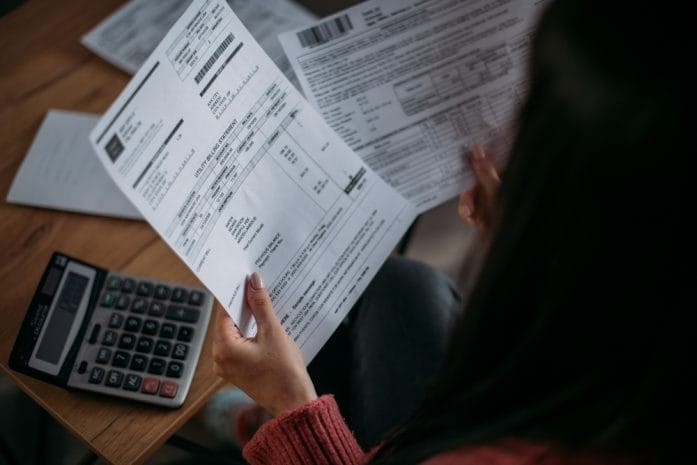
Utilities typically show the start and end dates for the billing period on the statement. Those dates tell the real story. If the previous bill covered January 1 through January 30 and the new bill covers January 31 through March 15, the math adds up. That statement reflects 44 days of service, not two separate charges for the same month. Scrutinizing those dates clears up confusion faster than any call to customer service.

Red Flags That Signal a Real Problem

Not every high bill stems from a harmless billing cycle change. Errors can occur, and customers should never ignore a number that feels wildly off. A true double charge usually appears as two identical line items for the same service period or two withdrawals from a bank account for the same invoice.

Online account portals make this easier to track. Many utilities allow customers to view payment history, pending charges, and past statements in one place. If the system shows two payments processed for the same bill number, that signals a potential issue. Bank and credit card statements can also confirm whether a duplicate payment cleared.

Another warning sign involves mismatched meter readings. Each bill typically lists the previous and current meter reading. If those numbers jump far beyond normal usage without explanation, something may have gone wrong with the reading or data entry. In that situation, contacting the utility promptly can prevent late fees and additional stress.

Utility Billing Cycle Changes Causing Double Charges

Image Source: Unsplash.com

How to Respond Without Losing Your Cool

The worst move involves ignoring the bill out of frustration. Late fees, service interruptions, and credit reporting consequences can follow quickly if payment deadlines pass. Instead, take a methodical approach.

First, review the billing period dates and compare them to the previous statement. Calculate the number of days covered in each bill. If the latest statement includes significantly more days, the higher total likely reflects a transition period rather than a duplicate charge.

Second, check whether the utility sent prior notice about a billing cycle change. Many companies send emails, letters, or bill inserts explaining upcoming adjustments. Those notices often outline what to expect and warn about a potentially larger transitional bill.

Third, contact customer service if confusion persists. Utility companies typically offer payment plans for unusually large bills, especially when a billing cycle shift creates a temporary spike. Many providers also allow customers to spread the cost over several months through installment arrangements or budget billing programs.

Keeping detailed records strengthens any dispute. Save copies of statements, screenshots of account histories, and confirmation numbers from phone calls or online chats. Organized documentation can speed up resolution if the situation escalates.

Protecting Your Budget From Future Surprises

A billing cycle change highlights a bigger truth about household finances: flexibility matters. Setting aside a small monthly cushion in a dedicated utilities fund can soften the blow of an unexpectedly large bill. Even a modest buffer can prevent panic when a statement jumps higher than usual.

Enrolling in budget billing programs offers another layer of stability. Many utilities calculate an average monthly payment based on past usage and spread costs evenly throughout the year. While the total annual cost remains the same, the predictable payment can simplify planning.

Monitoring usage through smart meters and online dashboards also helps. Many utilities now provide near real-time data, allowing households to track daily or weekly consumption. That visibility makes it easier to spot unusual spikes and adjust habits before the next statement arrives.

Finally, always read notices from utility providers, even when they look routine. Billing inserts and email updates often contain critical information about rate changes, cycle adjustments, or new fees. Staying informed prevents confusion and strengthens confidence when a bill looks unfamiliar.

Information Beats Panic Every Time

A billing cycle change can inflate a single statement and create the impression of double charges, but the explanation usually lies in the dates and the number of days billed. Utilities adjust schedules for operational reasons, and those transitions often produce one larger-than-normal bill rather than an actual duplicate charge. Careful review of billing periods, meter readings, and payment history separates harmless timing shifts from true errors.

Taking a calm, organized approach protects both finances and peace of mind. Reviewing statements closely, keeping records, and reaching out to customer service when necessary ensures that no one pays more than required. A larger bill may feel alarming at first glance, but clear information often replaces that anxiety with understanding.

Has a recent utility bill caught attention in a way that felt confusing or overwhelming, and what steps helped clarify the situation? We want you to share with everyone below.

You May Also Like…

Why Monthly Bills Are Rising Even for Households That Haven’t Changed Spending

Why Are Utility Bills Becoming a Bigger Budget Problem

Could Your Retirement Be at Risk From Rising Utility Costs

9 Everyday Costs Rising Faster Than Seniors’ Income

Why Do So Many People Believe Budgeting Apps Solve Everything

Brandon Marcus
Brandon Marcus

Brandon Marcus is a writer who has been sharing the written word since a very young age. His interests include sports, history, pop culture, and so much more. When he isn’t writing, he spends his time jogging, drinking coffee, or attempting to read a long book he may never complete.
Filed Under: Lifestyle Tagged With: billing cycle change, billing errors, Consumer Protection, customer service, double charges, electricity rates, energy bills, household budgeting, payment due dates, Personal Finance, utility bills, water bills

Why Are Utility Bills Becoming a Bigger Budget Problem

January 20, 2026 by Brandon Marcus Leave a Comment

Why Are Utility Bills Becoming a Bigger Budget Problem

Image source: shutterstock.com

If your latest electricity or water bill made you do a double-take, you’re not alone. Across the country, households are feeling the pinch as essential services start demanding more from our wallets. It’s not just about leaving lights on or taking long showers anymore—there’s a tangle of factors at play that’s driving costs higher, and it’s changing the way people think about their monthly spending.

Suddenly, what once seemed like a predictable expense is now a moving target, and everyone from renters to homeowners is scrambling to make sense of the numbers.

Rising Energy Costs Are Hitting Harder Than Ever

Energy prices have been on an upward trajectory for years, but recent shifts in global supply and demand have accelerated the climb. Natural gas, oil, and coal markets fluctuate due to international tensions, weather extremes, and policy changes, and those shifts don’t just stay on paper—they show up in your home heating and electricity bills. Renewable energy adoption is growing, which is excellent for the planet, but transitioning infrastructure can be expensive, and some of those costs are trickling down to consumers.

Add in inflation, and suddenly the energy bill that once felt manageable can turn into a monthly stressor. People are now paying closer attention to the rates they’re charged, the efficiency of their appliances, and even the timing of when they use energy, trying to avoid peak pricing that can double the cost of a single evening of laundry and cooking.

Water Bills Are Increasing In Many Cities

Water isn’t just wet—it’s getting pricey. Municipalities are raising water rates to cover aging infrastructure, ensure safe drinking water, and manage limited water supplies amid droughts and growing populations. In some areas, you might notice a jump in sewer or wastewater fees that come alongside your regular water charges, adding another layer to your monthly utility obligations. The reality is that maintaining pipes, treatment plants, and water quality isn’t cheap, and utilities are passing some of those costs to residents.

Households that used to see water as a trivial part of their budget are discovering it can actually rival entertainment, groceries, or even transportation expenses if usage isn’t monitored carefully. Suddenly, conserving water isn’t just an environmental choice—it’s a practical way to protect your bank account.

Weather And Climate Change Are Making Bills Less Predictable

Seasons used to follow a predictable rhythm, but climate shifts are creating more extremes, and that directly affects utility bills. Scorching summers and bitter winters mean heating and cooling systems are running longer, driving up energy consumption. Storms and floods can damage power lines and water infrastructure, leading to temporary rate hikes or emergency repairs funded by customers.

Even the timing of seasonal weather impacts how much electricity is used, and the variability means households can no longer budget with the same level of certainty as in the past. People are beginning to notice that what once felt like a simple routine bill is now a wild card in their monthly financial planning.

Why Are Utility Bills Becoming a Bigger Budget Problem

Image source: shutterstock.com

Technology And Modern Lifestyles Are Increasing Consumption

We all love our gadgets, smart devices, and streaming services, but every plugged-in convenience adds to the energy load. Homes are packed with electronics that run 24/7, sometimes in “standby” mode, quietly consuming electricity. Even energy-efficient appliances don’t fully offset the sheer number of devices modern families use. Heating, cooling, and refrigeration demand rises as living spaces expand and people spend more time indoors. Lifestyle changes, like working from home or homeschooling, further increase electricity usage. What may have been a small, predictable bill a decade ago now reflects a more connected, tech-heavy lifestyle—and it can be a shock to see the sum of it all at the end of the month.

Inflation And Policy Decisions Shape How Much We Pay

Utility bills are not immune to the broader economic environment. Inflation affects the cost of fuel, chemicals, maintenance, and labor, which translates to higher monthly bills for customers. Additionally, government regulations and policies can introduce new fees or rate adjustments to encourage conservation, fund renewable projects, or address environmental concerns. Sometimes these measures make sense for the long term but create short-term strain on household budgets. Consumers are learning that utility bills are not just about consumption—they reflect a complex web of policy, economics, and infrastructure investment. Navigating this landscape means paying attention, asking questions, and sometimes making lifestyle adjustments to stay ahead of rising costs.

Simple Steps Can Make A Big Difference

While the numbers can be intimidating, small changes often add up to meaningful savings. Adjusting thermostats by a few degrees, fixing leaks, and monitoring daily water and energy use can help households regain some control. Energy-efficient appliances, low-flow showerheads, and LED lighting may require an initial investment but can significantly reduce monthly bills over time. Even behavioral changes, like turning off lights when leaving a room or scheduling laundry during off-peak hours, matter.

The key is understanding patterns and costs, not just hoping bills will remain the same month after month. Knowledge, awareness, and proactive planning can turn what feels like an uncontrollable financial burden into a manageable, even empowering, routine.

What’s Your Utility Story?

Utility bills are becoming more than just a line item—they’re shaping how households budget, plan, and even think about daily routines. Rising costs, unpredictable weather, modern lifestyles, and policy shifts all contribute to bills that are increasingly hard to ignore. Everyone experiences these changes differently, and the strategies to cope can be as unique as your home.

Have you noticed your bills creeping up? Tried a clever trick to save on energy or water? Jump into the conversation below. Your story might help someone else see a new way to tackle the challenge.

You May Also Like…

Why Do Utility Bills Keep Rising Even When Usage Stays the Same

Why Do People Feel Less Financially Secure Than Before

Expense Overflow: 4 Retirement Bills That Catch People Off Guard

Why Does Financial Anxiety Show Up Even When Bills Are Paid

Why Are Emergency Funds Harder to Rebuild Than People Expect

Brandon Marcus
Brandon Marcus

Brandon Marcus is a writer who has been sharing the written word since a very young age. His interests include sports, history, pop culture, and so much more. When he isn’t writing, he spends his time jogging, drinking coffee, or attempting to read a long book he may never complete.

Filed Under: Budgeting Tagged With: Budget, budget problems, budgeting, budgeting problems, climate change, energy costs, home spending, household bills, household budgets, household costs, household duties, Inflation, monthly bills, Planning, Smart Spending, spending, subscriptions, utilities, utility bills, water bills, weather

FOLLOW US

Search this site:

Recent Posts

  • Can My Savings Account Affect My Financial Aid? by Tamila McDonald
  • 12 Ways Gen X’s Views Clash with Millennials… by Tamila McDonald
  • What Advantages and Disadvantages Are There To… by Jacob Sensiba
  • Call 911: Go To the Emergency Room Immediately If… by Stephen Kanaval
  • 10 Tactics for Building an Emergency Fund from Scratch by Vanessa Bermudez
  • 7 Weird Things You Can Sell Online by Tamila McDonald
  • 10 Scary Facts About DriveTime by Tamila McDonald

Copyright © 2026 · News Pro Theme on Genesis Framework