
• Home
  • About Us
  • Toolkit
  • Getting Finances Done
    • Hiring Advisors
    • Debt Management
    • Spending Plan
  • Insurance
    • Life Insurance
    • Health Insurance
    • Disability Insurance
    • Homeowners/Renters Insurance
  • Contact Us
  • Risk Tolerance Quiz
  • Our Editorial Commitment

The Free Financial Advisor

You are here: Home / Archives for overspending

Behavior Shock: 5 Emotional Triggers That Make People Spend More During the Holidays

December 16, 2025 by Brandon Marcus Leave a Comment

These Are Behavior Shock: 5 Emotional Triggers That Make People Spend More During the Holidays
Image Source: Shutterstock.com

Holiday shopping does not sneak up on people anymore; it barrels in with music, lights, emails, and banners screaming for attention. One minute you’re calmly planning a modest budget, and the next you’re justifying an extra gift because it “felt right in the moment.” That moment is not random, and it is definitely not accidental. The holiday season is a masterclass in emotional influence, where spending decisions are guided less by logic and more by carefully activated feelings.

Below are five emotional triggers that quietly nudge people to spend more during the holidays, often without them even realizing it is happening.

1. Scarcity Panic Turns Gifts Into Urgent Missions

Holiday shopping flips a quiet switch in the brain that makes limited time and limited stock feel like emergencies instead of details. When banners scream about deadlines and low inventory, people stop comparing prices and start chasing relief from the fear of missing out. This urgency compresses decision making, which is why carts fill faster and budgets stretch further than planned. Retailers amplify this reaction with countdown timers, flash deals, and phrases that imply everyone else is already buying. The result is spending driven less by value and more by the emotional comfort of beating the clock.

2. Nostalgia Glow Makes Spending Feel Like Memory Making

The holidays awaken memories tied to childhood, family rituals, and moments when life felt simpler and warmer. Those memories create a glow that spills onto products, brands, and traditions that promise to recreate that feeling. People are not just buying objects; they are buying emotional time travel wrapped in shiny paper. That is why retro packaging, classic songs, and throwback ads perform so well during this season. When nostalgia leads the charge, price resistance weakens because feelings feel priceless.

3. Social Proof Pressure Turns Shopping Into A Group Activity

Holiday spending rarely happens in isolation because social cues are everywhere, from packed stores to endless online hauls. Seeing others buy, post, and recommend creates the sense that spending is not only normal but expected. This pressure intensifies at the end of the year, when generosity becomes a visible social performance. People spend more to avoid looking cheap, careless, or out of step with the season’s spirit. In that moment, approval becomes the unspoken currency driving the purchase.

4. Guilt And Reciprocity Push Wallets Past Comfort

The holidays come with emotional accounting, where people mentally track who gave, who hosted, and who helped. That silent ledger creates guilt and a powerful urge to balance the books through spending. Gifts become emotional apologies, thank you notes, and peace offerings rolled into one. Marketers tap into this by framing purchases as ways to show appreciation or avoid disappointing loved ones. Once guilt enters the equation, rational budgets struggle to survive.

These Are Behavior Shock: 5 Emotional Triggers That Make People Spend More During the Holidays
Image Source: Shutterstock.com

5. Stress Relief Rewards Make Spending Feel Like Self Care

End of year stress primes people to treat shopping as a quick emotional escape. Buying something feels productive, decisive, and oddly soothing during chaotic weeks. The brain rewards purchases with a brief hit of pleasure that masks exhaustion and overwhelm. Holiday messaging leans into this by positioning spending as self-care and celebration combined. That reward loop can quietly turn one small treat into a string of costly decisions.

Turning Awareness Into Holiday Power

Holiday spending is not a character flaw or a lack of discipline; it is a human response to emotional overload. When people understand the psychological triggers at play, they gain the ability to pause without killing the joy of the season. Awareness allows generosity to feel intentional instead of reactive, and fun to exist without regret attached. The goal is not to spend less at all costs, but to spend with clarity and confidence.

If any of this sparked recognition or reminded you of a holiday moment that hit a little too close to home, we invite you to submit your thoughts, stories, or comments in the section below.

You May Also Like…

Debt Alert: 6 Ways Holiday Spending Could Trigger a January Credit Score Crisis

11 Anxiety Triggers Caused By Living Paycheck-to-Paycheck Still

9 Powerful Techniques to Master Your Money Emotions Wisely

Market Calm: 4 Quiet Moves Wealthy Clients Are Making Before the Holidays

Deadline Countdown: 11 Smart Moves Every Wealth-Seeker Should Do in December


Brandon Marcus
Brandon Marcus

Brandon Marcus is a writer who has been sharing the written word since a very young age. His interests include sports, history, pop culture, and so much more. When he isn’t writing, he spends his time jogging, drinking coffee, or attempting to read a long book he may never complete.


Filed Under: Spending Habits Tagged With: emotional guilt, emotional triggers, emotions, guilt, holiday spending, Holidays, nostalgia, overspending, Smart Spending, spending, Spending Habits, stress

Market Calm: 4 Quiet Moves Wealthy Clients Are Making Before the Holidays

December 14, 2025 by Brandon Marcus Leave a Comment

Here Are The Quiet Moves Wealthy Clients Are Making Before the Holidays
Image Source: Shutterstock.com

As the holiday season approaches, the markets have a way of feeling like a slow-moving storm—predictable enough to prepare for, but unpredictable enough to keep you on your toes. For most investors, it’s a time of cautious optimism, holiday cheer, and a few lingering worries about portfolio performance. But the wealthiest clients aren’t just sitting back with eggnog in hand. They’re making quiet, deliberate moves that fly under the radar while the rest of the market focuses on festive distractions.

These strategies aren’t flashy, but they’re clever, effective, and reveal how high-net-worth investors think differently about money, timing, and opportunity.

1. Rebalancing Portfolios With Surgical Precision

Wealthy investors rarely let their portfolios drift aimlessly. Before the holidays, many take a step back to review their holdings and rebalance with surgical precision. They aren’t just selling the underperformers or buying the winners—they’re adjusting allocations to align with long-term goals while capitalizing on seasonal market patterns. By rebalancing now, they reduce risk, capture gains, and prepare their investments for the first quarter of the next year. Unlike casual investors who check their accounts sporadically, these clients approach rebalancing as a strategic ritual that maintains control and calm in a market that can otherwise feel chaotic.

2. Tax-Efficient Moves To Lock In Gains

High-net-worth investors are always mindful of taxes, especially when the year is coming to a close. Quietly, many are harvesting gains or losses in a way that minimizes their tax exposure while positioning themselves for future growth. This isn’t about panic selling—it’s about intelligent timing and understanding which moves make sense in a broader financial picture. The holidays are often a time to assess what’s worked and what hasn’t, and to act in ways that protect wealth while preparing for new opportunities. By planning these moves discreetly, they avoid the noise of market hype and maintain flexibility heading into the new year.

Here Are The Quiet Moves Wealthy Clients Are Making Before the Holidays
Image Source: Shutterstock.com

3. Strategic Cash Positioning For Early-Year Opportunities

Wealthy clients understand that liquidity is power. As the holiday season winds down, many are quietly increasing their cash positions, not out of fear, but to ensure they have dry powder for strategic investments early in the next year. This allows them to take advantage of market dips, special offerings, or private deals that less-prepared investors might miss. It’s a calm, patient approach: they don’t chase trends but position themselves to move decisively when opportunities appear. By being proactive now, they transform uncertainty into leverage, keeping their portfolios both flexible and resilient.

4. Review And Fine-Tune Long-Term Plans

While the public is distracted by year-end parties, wealthy clients are reviewing their broader financial plans. They’re looking at estate strategies, philanthropic commitments, retirement allocations, and other long-term goals that require careful attention. The holidays provide a natural pause—a time to check progress without the constant day-to-day noise of market movements. This review often leads to small, quiet adjustments that compound into significant advantages over time. It’s a methodical, deliberate approach that reinforces the principle that wealth management is not just about reacting to the market—it’s about designing it thoughtfully.

Learn From Quiet Strategies

While the average investor might focus on seasonal trends, flashy predictions, or panic-driven decisions, wealthy clients are quietly shaping their financial future with calm, deliberate actions. Rebalancing portfolios, making tax-efficient moves, positioning cash strategically, and reviewing long-term plans are subtle yet powerful practices that can make a dramatic difference. Observing these behaviors offers a masterclass in thoughtful, patient wealth management, especially during a time of year when emotions often run high.

Have you tried implementing any of these strategies in your own investing or financial planning? Share your experiences, tips, or holiday-season investing stories in the comments section below.

You May Also Like…

Why Young People Should Invest In The Stock Market

Why Must I Pay a Percentage of My Assets Even When Markets Fall Hard?

5 Valuable Lessons Learned From Market Crashes Historically

How Much Money Is Enough to Be Considered Truly Wealthy Nowadays?

7 Money Lessons Baby Boomers Taught That Still Build Wealth


Brandon Marcus
Brandon Marcus

Brandon Marcus is a writer who has been sharing the written word since a very young age. His interests include sports, history, pop culture, and so much more. When he isn’t writing, he spends his time jogging, drinking coffee, or attempting to read a long book he may never complete.
Filed Under: Lifestyle Tagged With: cash positioning, gains, holiday spending, Holidays, investing, investments, investors, Life, Lifestyle, overspending, portfolios, Smart Spending, spending, spending strategies, Wealth, wealthy clients, wealthy investors

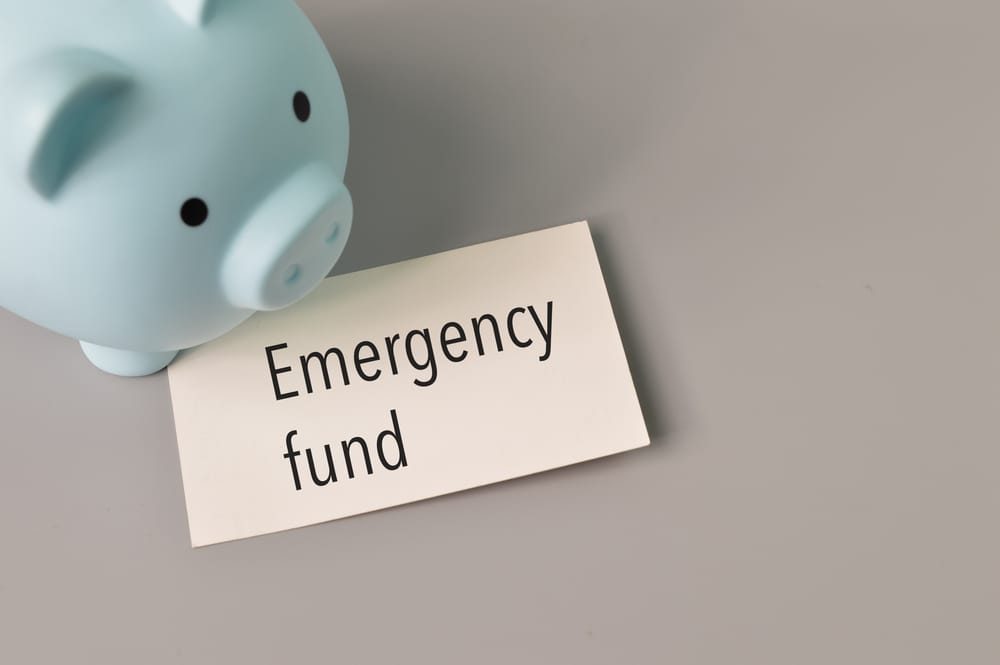
Savings Game: 5 Ways to Boost Your Emergency Fund Before December Ends

December 12, 2025 by Brandon Marcus Leave a Comment

Here Are Ways to Boost Your Emergency Fund Before December Ends
Image Source: Shutterstock.com

The year is almost over, and if your emergency fund is still looking like it went on a permanent vacation, it’s time to play catch-up. December might feel like chaos with holiday shopping, end-of-year parties, and that never-ending to-do list, but it’s also the perfect moment to give your savings a turbo boost. Think of your emergency fund as a financial superhero—it swoops in when life throws unexpected bills your way.

The more you can stockpile before the clock strikes midnight on December 31st, the stronger your shield will be.

1. Automate Micro-Savings Without Feeling It

Small changes can add up faster than you think. Apps, banks, and budgeting tools make it easy to automatically funnel tiny amounts from each paycheck into your emergency fund. Even $5 or $10 per week grows quietly in the background, and before you know it, you’ve built a nice cushion without stressing your regular spending. The beauty of micro-savings is that it’s almost invisible—you won’t miss the money, but your fund will definitely notice. Set it, forget it, and watch your account swell like a snowball rolling downhill.

2. Turn Holiday Extras Into Savings

Holidays bring bonuses, gift cards, or unexpected extra cash, and most people immediately think “spend it all.” Flip the script: dedicate a portion—or all—of these extras straight to your emergency fund. That bonus you weren’t counting on? Boom—fund boosted. That gift card from Aunt Linda that’s been sitting in your drawer? Deposit its cash value and watch your savings grow. Using “found” money keeps your regular budget intact while giving your fund a surprise injection of power.

3. Side Hustle For Extra Fuel

Even just a few hours of extra work can do wonders for your emergency fund. Freelancing, pet sitting, delivery apps, or selling items you no longer need can create a small windfall that goes straight into savings. The key is treating this income as sacred—resist the urge to spend it on extra lattes or impulse gifts. Put it all in one place and let it build a safety net that feels almost unstoppable. By December’s end, even a mini side hustle can feel like a financial power-up.

Here Are Ways to Boost Your Emergency Fund Before December Ends
Image Source: Shutterstock.com

4. Cut Tiny Luxuries And Redirect Them

Sometimes the biggest boost comes from noticing small leaks in your spending. Daily coffee runs, streaming extras, or subscription services you forgot you had might be quietly draining your account. Pause or trim those tiny indulgences and funnel that money directly into your emergency fund. It may seem small at first, but these little sacrifices multiply fast, and your fund will thank you. Over a few weeks, redirecting just $10–$15 a day can make a surprising dent in your year-end goal.

5. Cash-Back And Rewards Can Be Your Secret Weapon

Credit card rewards, store cash-back programs, and loyalty points aren’t just for shopping—they can be secret allies for your emergency fund. Convert points, rewards, or cashback into actual money and deposit it straight into savings. This method turns everyday spending into a savings game where you win for doing what you were already doing. You don’t need extra effort, just a strategic mindset. By using your rewards wisely, even routine purchases can become a fast-track boost for your fund before the year ends.

Level Up Your Savings Before December Ends

Boosting your emergency fund before December isn’t about depriving yourself or working around the clock. It’s about being intentional, creative, and a little strategic with your money. Micro-savings, holiday extras, side hustles, spending tweaks, and smart use of rewards all combine to create a stronger, safer financial cushion.

And the best part? These habits don’t just help this month—they set you up for a healthier, more resilient 2026. What strategies have you tried to grow your emergency fund? Share your tips, wins, or funny fails in the comments section.

You May Also Like…

Deadline Countdown: 11 Smart Moves Every Wealth-Seeker Should Do in December

Build an Ironclad Emergency Fund That Can Withstand Any Crisis

9 Ways People Screw Up Emergency Funds — Even When They Have Good Intentions

11 Things You Should Have in a “Grab-and-Go” Financial Binder for Emergencies

Holiday Trap: 6 Gift-Spending Mistakes That Could Wreck Your Budget


Brandon Marcus
Brandon Marcus

Brandon Marcus is a writer who has been sharing the written word since a very young age. His interests include sports, history, pop culture, and so much more. When he isn’t writing, he spends his time jogging, drinking coffee, or attempting to read a long book he may never complete.

Filed Under: saving money Tagged With: December, emergency fund, emergency funds, Holiday Savings, holiday spending, Holidays, micro-savings, Money, money issues, overspending, saving accounts, saving money, savings, side hustle, Smart Spending, spending

Holiday Trap: 6 Gift-Spending Mistakes That Could Wreck Your Budget

December 10, 2025 by Brandon Marcus Leave a Comment

Here Are 6 Gift-Spending Mistakes That Could Wreck Your Budget
Image Source: Shutterstock.com

The holiday season has a magical way of turning even the most disciplined spender into a wide-eyed, wallet-wielding gift enthusiast. Suddenly every sale looks irresistible, every ad feels personal, and every shopping cart fills itself as if controlled by a festive spirit with questionable financial judgment. The pressure to deliver the “perfect gift” can push people into overspending before they even notice what’s happening.

If you’ve ever looked at your January bank statement and wondered whether a group of elves secretly borrowed your debit card, you’re not alone. Holiday spending mistakes are easy to make—but thankfully, they’re also easy to avoid once you know exactly what traps to watch out for.

1. Falling For “Limited-Time” Urgency Hype

Retailers know that a ticking clock triggers panic, and panic triggers purchases. When you see banners shouting phrases like “Only Two Hours Left!” or “Final Chance!” your brain shifts into impulse mode instead of logic mode. The problem is that many of these so-called limited-time deals quietly return days later, disguised as brand-new promotions. Shoppers often rush to buy before thinking about whether the gift is actually needed or whether the price is really a bargain. Taking a moment to step back and breathe can save you from wasting money on items that felt urgent but weren’t worth the rush.

2. Forgetting To Set A Real Spending Plan

Most people enter the holiday season with a mental note that says “Don’t overspend,” but that’s not an actual plan. Without clear limits, it becomes incredibly easy to justify a few extra gifts here and there. A simple list of who you’re buying for and how much you’ll spend on each person can keep your budget from unraveling. When you don’t define boundaries, you end up reacting emotionally instead of budgeting intentionally. A bit of structure doesn’t kill holiday spirit—it keeps the joy high and the money stress low.

Here Are 6 Gift-Spending Mistakes That Could Wreck Your Budget
Image Source: Shutterstock.com

3. Equating Price With Love Or Generosity

One of the sneakiest money traps is the belief that the more you spend, the more meaningful the gift. This mindset quietly drains bank accounts because it convinces shoppers that a modest or inexpensive present isn’t “enough.” The truth is that thoughtful gifts often carry more weight than pricey ones, and nobody who genuinely appreciates you is measuring your affection by a receipt. People end up overspending to impress others or avoid judgment, even when no one asked for expensive presents in the first place. When your budget takes a hit, the guilt that follows usually outlasts any brief moment of gift-giving glory.

4. Ignoring Small Add-Ons That Quietly Pile Up

Holiday shopping carts have a strange habit of attracting add-ons like ornaments, stocking stuffers, candles, candy, cards, and gift-wrap supplies. Each item seems cheap on its own, but together they can topple your budget faster than a holiday cookie tower. These small extras feel harmless, so you toss them in without realizing they multiply your total.

By the time you reach checkout, your bill looks like it belongs to someone shopping for a large family holiday reunion—even if you’re only buying for a few people. Becoming aware of these sneaky add-ons is one of the simplest ways to avoid a budget blowout.

5. Overcommitting To Holiday Social Obligations

Holiday gatherings, office gift exchanges, community events, and last-minute dinner invitations can all tug at your wallet. People feel pressured to bring gifts, buy outfits, contribute food, or participate in exchanges they didn’t plan for. The result is a long list of unplanned expenses that chip away at your financial stability. Most of these commitments are optional, but they don’t always feel that way when you’re caught up in the holiday whirlwind. Learning to say no—or choosing lower-cost alternatives—keeps you from draining your budget out of sheer obligation.

6. Waiting Until The Last Minute To Shop

Procrastinating during the holidays is practically a tradition, but it’s an expensive one. When you shop at the last minute, you lose your ability to compare prices, hunt for deals, or even think clearly about what you’re buying.

With time running out, you grab whatever looks acceptable and hope for the best, usually paying full price without hesitation. Last-minute panic-buying is one of the fastest ways to torch your budget. Planning ahead, even slightly, can break the cycle and save you a surprising amount of money.

Take Control Of Your Holiday Spending Before It Takes Control Of You

Holiday gift-giving should be joyful, heartfelt, and fun—not a financial hangover waiting to happen. By recognizing the subtle (and not-so-subtle) money traps of the season, you can keep your celebrations merry without throwing your budget into chaos. Remember that thoughtful planning beats last-minute panic, and smart spending beats emotional buying every time.

Now it’s your turn: have you ever fallen into one of these holiday traps? Share your stories, lessons, or tips for smarter spending in the comments for others to hear.

You May Also Like…

6 Sneaky Financial Risks Hiding in Holiday Spending

Why Do Families Overspend During the Holidays

Could Being Too Generous With Gifts Destroy Your Budget

Here’s Why Your Expensive Gifts Don’t Matter to Most People

Expense Mindset: 5 Budgeting Habits High-Net Individuals Use


Brandon Marcus
Brandon Marcus

Brandon Marcus is a writer who has been sharing the written word since a very young age. His interests include sports, history, pop culture, and so much more. When he isn’t writing, he spends his time jogging, drinking coffee, or attempting to read a long book he may never complete.

Filed Under: Budgeting Tagged With: Budget, Budgeting Tips, budgets, gift-giving, gifts, Holiday, holiday budget, Holidays, Money, money issues, money matters, overspending, Smart Spending, spending

Behaviour Check: 8 Money Habits That Sabotage Boomers’ Financial Futures

December 10, 2025 by Brandon Marcus Leave a Comment

Here Are 8 Money Habits That Sabotage Boomers’ Financial Futures
Image Source: Shutterstock.com

The moment anyone starts talking about retirement, legacy planning, or “slowing down,” Boomers often nod confidently as if they’ve mastered every stage of adulthood with a perfect financial playbook. But behind that seasoned composure, many still fall into sneaky money habits that quietly chip away at long-term security.

These aren’t dramatic mistakes or headline-making disasters—they’re subtle behavioral patterns that seem harmless until they snowball. And the wild part is that most of these habits start with good intentions, making them even harder to spot. So let’s break down the eight behaviors that can derail even the most experienced saver’s financial future and see how a few tweaks could change everything.

1. Overspending On Adult Children

Many Boomers grew up believing that helping your children financially is the ultimate act of love, but sometimes that generosity spirals into self-sabotage. When adult kids rely on ongoing support, parents may drain savings they’ll later desperately need. The emotional urge to protect your children makes it easy to ignore how quickly these “temporary” expenses add up. While giving feels good in the moment, it can quietly reshape an entire retirement timeline. Financial independence should be a two-way priority, not a lifelong subsidy.

2. Holding Too Much Wealth In The Family Home

A paid-off home can feel like the ultimate badge of stability, yet it often traps wealth where it can’t be easily accessed. Boomers frequently underestimate how much of their net worth is locked inside those walls, making emergencies or lifestyle adjustments harder to manage. Downsizing feels emotional, so many resist it long past the time when it makes financial sense. The result is a retirement portfolio that looks impressive on paper but struggles to support day-to-day needs. Liquidity is your friend, not an insult to your family memories.

3. Avoiding Technology That Simplifies Money

There’s a whole generation that learned personal finance long before apps, automation, and online tools existed, and many still prefer doing things “the old-fashioned way.” But that habit can lead to missed opportunities, forgotten payments, and blind spots in budgeting. Avoiding digital tools also makes fraud detection slower and less efficient, which becomes a bigger risk with age. Modern financial tech exists to reduce stress, not create it. Embracing a few simple tools can turn money management from manual labour into effortless clarity.

Here Are 8 Money Habits That Sabotage Boomers’ Financial Futures
Image Source: Shutterstock.com

4. Putting Off Estate Planning

Nobody loves talking about wills or medical directives, so plenty of Boomers push these tasks to “someday.” Unfortunately, someday often becomes never, leaving families scrambling during emotional, confusing moments. Without clear instructions, assets can get tied up, taxed heavily, or distributed in ways the owner never intended. Proper planning isn’t just responsible—it’s an act of compassion for the people who will eventually handle the logistics. Avoiding these conversations doesn’t prevent the future; it only complicates it.

5. Relying Too Heavily On Fixed Income

Fixed income feels predictable and safe, and Boomers who lived through volatile markets often cling to stability as they age. But overdependence on fixed returns can mean portfolios that fail to grow enough to outpace inflation. When costs rise—and they always do—fixed income alone struggles to sustain long-term needs. Balancing stability with strategic growth is essential, not optional. Playing it too safe can be just as dangerous as taking unnecessary risks.

6. Underestimating Healthcare Costs

Healthcare often becomes the biggest expense in later life, yet many Boomers imagine it will be fully covered by government programs. That misconception can leave major gaps when sudden illnesses, long-term care, or prescription costs arise. Without proper planning, these expenses quickly devour retirement savings. Ignoring future medical costs doesn’t make them disappear—it just pushes the stress to a later, more vulnerable moment. Proactive planning is the only real safeguard.

7. Clinging To Outdated Financial Advice

Boomers received plenty of financial guidance in their youth, but some of those rules simply don’t apply anymore. Strategies that worked decades ago can fail miserably in today’s economic landscape. Inflation, market dynamics, interest rates, and financial technology have evolved, and advice must evolve with them. Continuing to follow outdated tips can quietly erode wealth instead of strengthening it. Staying informed isn’t a trend—it’s a necessity.

8. Avoiding Honest Conversations About Money

Many Boomers grew up in households where money talk was seen as taboo, and that mindset follows them into retirement. This reluctance makes it harder to address financial concerns with spouses, children, or advisors. Silence leads to confusion, misunderstandings, and decisions based on assumptions instead of facts. Open dialogue turns financial planning into a shared, thoughtful process rather than a secretive struggle. Transparency creates security, while avoidance breeds uncertainty.

Awareness Today Protects Tomorrow

Every generation has blind spots, and Boomers are no exception. The good news is that recognizing these habits makes them easier to change—and even small adjustments can dramatically reshape financial futures. Whether it’s updating a plan, embracing new tools, or simply talking openly with family, progress starts with awareness.

What habits have you noticed in yourself or someone you know? Let’s talk about your thoughts, stories, or experiences in the comments below.

You May Also Like…

8 Financial “Rules” Boomers Swear By That Are Actually Useless Now

8 Essential Items Boomers Should Invest In If They’ll Be Living Alone

5 Mistakes Young People Make About Their Financial Futures

7 Strange Questions Financial Advisors Secretly Love to Answer

6 Ways Baby Boomers Spend Money That Actually Adds Meaning


Brandon Marcus
Brandon Marcus

Brandon Marcus is a writer who has been sharing the written word since a very young age. His interests include sports, history, pop culture, and so much more. When he isn’t writing, he spends his time jogging, drinking coffee, or attempting to read a long book he may never complete.

Filed Under: Finance Tagged With: adult children, baby boomers, bad habits, Boomers, daily habits, Estate plan, Estate planning, finance, finances, financial future, general finance, good habits, habits, Money, money habits, money issues, overspending, technology, Wealth, wealthy families

8 Hidden Risks People Overlook When Financing a Car at High APR

December 8, 2025 by Brandon Marcus Leave a Comment

There Are Hidden Risks People Overlook When Financing a Car at High APR
Image Source: Shutterstock.com

Buying a car can feel like a thrilling power move—new wheels, fresh start, big energy. But once that excitement fades and the paperwork settles, many drivers discover a financial plot twist they never saw coming. High-APR financing looks simple on the surface, yet it hides a handful of sneaky dangers that can quietly drain your wallet long after the dealership coffee turns cold.

Most people focus on the monthly payment and ignore the traps tucked into the long-term math. Before signing on the dotted line, let’s break down the risks most drivers don’t even realize they’re stepping into—and why your APR might matter more than your car’s horsepower.

1. Total Cost Skyrockets Faster Than Expected

Financing a car at a high APR might seem manageable at first because the monthly payments look reasonable. What many people forget is that those interest charges compound with ruthless consistency. Over several years, you may pay thousands more than the car is actually worth. By the time the loan ends, some drivers realize they could have bought a nicer vehicle for the same total amount. This creeping cost increase is one of the biggest hidden dangers of high-interest financing.

2. You Become Trapped In Negative Equity

Negative equity happens when you owe more on your car loan than your car is worth. High APRs accelerate this issue because your payments attack the interest before making a dent in the principal. As your car depreciates, the gap between its value and your loan balance grows wider. This trap can become a nightmare if you need to sell or trade the vehicle early. Because of negative equity, many drivers feel stuck in a loan they no longer want or can no longer afford.

3. Refinancing Options Shrink Dramatically

People often assume they can refinance down the road and escape their high APR, but lenders don’t always make that easy. If your loan is already upside-down, many banks simply won’t touch it. Even if refinancing is possible, you may face terms that aren’t much better than what you already have. High APRs can essentially lock you into a long-term struggle with hefty interest payments. The belief that refinancing is a guaranteed safety net is one of the most common—and painful—misconceptions.

4. Repairs Hit Harder Because Savings Disappear

A high-APR loan gnaws away at your financial breathing room, leaving less space in your budget for surprise repairs. Cars don’t wait for perfect timing to break down, and repairs can show up before your paycheck does. When savings are thin because your interest charges eat everything first, even minor issues feel like a crisis. This forces many drivers to turn to credit cards or additional loans, deepening the spiral. Over time, the stress of constant financial juggling becomes just as exhausting as the debt itself.

There Are Hidden Risks People Overlook When Financing a Car at High APR
Image Source: Shutterstock.com

5. Insurance Requirements Stay Expensive Longer

When you finance a car, your lender usually requires full-coverage insurance. With a high APR, your loan term might be longer, meaning you’re stuck paying higher insurance premiums for years. Drivers who expected to downgrade coverage once the loan balance dropped often find themselves paying more than they planned. This hidden long-term cost adds up and makes the total financial burden heavier than expected. The extended commitment to pricey insurance only intensifies the sting of an already expensive loan.

6. Trade-In Flexibility Practically Disappears

High-APR loans limit your freedom to upgrade or switch cars. When your balance grows slower than your vehicle depreciates, you lose the ability to trade in early without bringing cash to the table. Dealerships may roll your negative equity into the next loan, which traps you in an even higher mountain of debt. This domino effect creates a cycle where every new car becomes more financially draining than the last. Before long, what started as a simple purchase becomes an ongoing chain reaction of costly commitments.

7. Financial Stress Slowly Becomes a Daily Companion

Money stress doesn’t announce itself all at once—it creeps in. High-interest car payments can quietly turn into a monthly source of dread as other expenses pile up around them. When too much income goes toward interest, everyday costs feel heavier and unexpected expenses become overwhelming. This strain can spill into relationships, work performance, and overall well-being. The emotional toll might not appear on a loan agreement, but it’s one of the biggest hidden risks of all.

8. Your Credit Score Can Take a Hit Without Warning

People assume that simply making payments keeps their credit safe, but high APR loans can still cause damage indirectly. When a huge chunk of your budget goes toward an expensive car payment, you’re more likely to fall behind on other bills. Even small slip-ups can lead to missed payments or high credit utilization, which hurts your score. A weakened credit profile then makes future loans—car, mortgage, or otherwise—more expensive. Over time, the high APR that started with just one car can ripple across your entire financial life.

Protect Your Wallet Before the Keys Even Touch Your Hand

Financing a car at a high APR may feel convenient in the moment, but the long-term risks are far bigger than most people realize. From rising total costs to shrinking flexibility and mounting stress, the dangers hide in plain sight until they’re too big to ignore. Understanding these risks helps you make smarter decisions—not just for your next car, but for your overall financial health.

Have you ever dealt with a high-interest auto loan or financial surprises at the dealership? Give us your stories, thoughts, or advice in the comments below.

You May Also Like…

The Rental Car Insurance Mistake That Can Cost You a Fortune

The Truth About APR Balance Transfer Cards and Their Hidden Fees

7 Wild Facts About Electric Cars That’ll Shock You

Why Do Families Spend More On Cars Than Homes Over a Lifetime

Why Do Wealthy People Lease Cars Instead of Buying Them Outright


Brandon Marcus
Brandon Marcus

Brandon Marcus is a writer who has been sharing the written word since a very young age. His interests include sports, history, pop culture, and so much more. When he isn’t writing, he spends his time jogging, drinking coffee, or attempting to read a long book he may never complete.

Filed Under: Car Tagged With: APR, automobiles, automotive care, buying a car, car, car insurance, car issues, car repairs, cars, credit score, equity, finances, financial issues, financial stress, financing a car, Money, money issues, overspending, refinancing, Smart Spending, spending, trade-in car

10 Psychological Traps That Keep You Poor Despite High Earnings

October 7, 2025 by Catherine Reed Leave a Comment

10 Psychological Traps That Keep You Poor Despite High Earnings
Image source: 123rf.com

Earning a high income doesn’t automatically lead to wealth — in fact, many people with impressive paychecks still live paycheck to paycheck. The issue often isn’t financial knowledge but mindset. Subtle psychological traps can quietly sabotage your savings, spending, and long-term goals, no matter how much money you make. Understanding these patterns can help you break free from emotional spending cycles and build true financial stability instead of chasing short-term gratification.

1. The Lifestyle Inflation Trap

One of the most common psychological traps is lifestyle inflation — spending more simply because you earn more. It starts small, like upgrading your car or dining out more often, but soon those “deserved” treats become monthly expenses. You might feel wealthier, yet your savings account tells a different story. The trick is to keep your lifestyle consistent while channeling extra income toward debt, investments, or emergency funds. Wealth grows when your income rises but your spending doesn’t.

2. The “I Deserve It” Mentality

After a stressful week, it’s easy to justify splurges with the phrase “I deserve it.” This emotional spending pattern provides short-term comfort but long-term regret. Rewarding yourself isn’t the problem — it’s doing so impulsively without considering your financial goals. If every frustration ends in retail therapy or luxury purchases, your money never gets the chance to grow. Finding healthier ways to decompress, like exercise or hobbies, helps break this emotional link between stress and spending.

3. The Comparison Trap

Comparing your lifestyle to others can quietly drain your finances. Social media makes it worse by showcasing curated versions of success that make you feel like you’re falling behind. You start upgrading your wardrobe, vacations, or home just to “keep up,” even if you can’t truly afford it. These psychological traps feed insecurity, not happiness. Real financial freedom comes when you define success by your goals, not someone else’s highlight reel.

4. The Optimism Bias

Many high earners assume the good times will last forever, leading to risky financial behavior. This optimism bias makes it easy to overspend or skip building an emergency fund because “things will work out.” But job loss, market downturns, or medical bills can quickly expose financial vulnerabilities. A strong financial plan anticipates uncertainty. By preparing for downturns during the good times, you protect yourself from future hardship.

5. The Present Bias

Present bias is one of the most subtle psychological traps because it prioritizes immediate gratification over future rewards. It’s why saving for retirement feels less urgent than buying a new gadget or planning another vacation. Even when you earn a high income, this mindset keeps you trapped in short-term thinking. Combat it by automating savings and investments so future goals become non-negotiable. You’ll thank yourself later when your financial security outlasts fleeting pleasures.

6. The Fear of Missing Out (FOMO)

FOMO can make you spend like your wallet is bottomless. Whether it’s the newest tech, a limited-time sale, or an expensive trip friends are taking, the fear of being left out fuels poor financial decisions. This trap disguises itself as opportunity but often leads to regret. When you chase every experience or product, your savings goals get sidelined. Learning to say “no” without guilt is one of the most powerful financial habits you can develop.

7. The Overconfidence Trap

Earning a high income can create a false sense of financial mastery. You might believe that because you make good money, you can afford to take bigger risks or skip budgeting altogether. Overconfidence often leads to poor investments, high-interest debt, or lack of diversification. True financial strength comes from humility — acknowledging what you don’t know and seeking expert advice. Even high earners need discipline to turn income into lasting wealth.

8. The Sunk Cost Fallacy

Once you’ve invested money into something — a business, a timeshare, or an expensive hobby — it’s hard to walk away, even if it’s draining your finances. This sunk cost fallacy keeps people throwing good money after bad. Emotionally, it feels like quitting means failure, but in reality, it means financial wisdom. Recognizing when something no longer serves your goals allows you to redirect funds toward better opportunities. The smartest investors know when to cut their losses.

9. The Denial of Financial Reality

Many high earners avoid checking their accounts or calculating how much they truly spend each month. Denial provides short-term comfort but long-term damage. Ignoring debt or overspending doesn’t make it disappear; it simply grows in the dark. Facing your finances honestly — even if it’s uncomfortable — is the first step toward control. The more clarity you have, the easier it becomes to make confident, informed decisions.

10. The Comfort Zone Trap

Once people reach a certain level of income, they often stop striving for more financial growth. This comfort zone trap feels safe, but it limits potential wealth-building. High earners who avoid learning about investing, passive income, or new opportunities risk stagnation. The key is to stay curious and continuously improve your financial literacy. Growth happens when you challenge the mindset that “good enough” is truly enough.

Breaking Free from Psychological Traps

The hardest part of building wealth isn’t earning more — it’s mastering your mindset. Psychological traps quietly erode financial progress by turning emotions into spending habits. Awareness is your first line of defense, but change comes from intentional action. By recognizing these mental patterns and replacing them with healthy financial behaviors, you can turn high earnings into long-term security. True wealth begins when you stop letting your mind sabotage your money.

Have you fallen into any of these psychological traps? Which ones are the hardest for you to overcome? Share your thoughts below!

What to Read Next…

7 Silent Money Traps in Monthly Bills

8 Surprising Financial Traps in the Gig Economy

Why Do People Get Trapped by “Buy Now Pay Later” Schemes

10 Financial Traps People Walk Into After Buying a New House

8 Psychological Traps That Make Saving Feel Impossible

Catherine Reed
Catherine Reed

Catherine is a tech-savvy writer who has focused on the personal finance space for more than eight years. She has a Bachelor’s in Information Technology and enjoys showcasing how tech can simplify everyday personal finance tasks like budgeting, spending tracking, and planning for the future. Additionally, she’s explored the ins and outs of the world of side hustles and loves to share what she’s learned along the way. When she’s not working, you can find her relaxing at home in the Pacific Northwest with her two cats or enjoying a cup of coffee at her neighborhood cafe.

Filed Under: Personal Finance Tagged With: financial literacy, financial psychology, high income habits, money mindset, overspending, Personal Finance, psychological traps, Wealth Building

9 Emotional Costs of Keeping Up With Wealthy Neighbors Daily

October 6, 2025 by Catherine Reed Leave a Comment

9 Emotional Costs of Keeping Up With Wealthy Neighbors Daily
Image source: 123rf.com

Living in a neighborhood where wealthier families set the standard can feel like a constant competition. Whether it’s the latest car in the driveway, an elaborate vacation, or renovations that make your home look modest, the pressure to keep up can weigh heavily. What begins as small comparisons can slowly chip away at confidence, contentment, and even relationships. Many people underestimate just how draining this cycle becomes when it plays out day after day. Here are nine emotional costs of keeping up with wealthy neighbors that deserve attention before they take a toll on your well-being.

1. Constant Stress Over Appearances

Trying to match the lifestyle of wealthy neighbors can create ongoing stress about how others perceive you. Every purchase, from clothing to cars, may feel like a performance. Instead of enjoying what you already have, you worry about what you lack. This constant focus on appearances leaves little room for peace of mind. Over time, stress becomes part of your daily routine.

2. Guilt From Overspending

Competing with wealthy neighbors often leads to spending beyond your means. When bills pile up, guilt follows close behind. You may feel torn between wanting to provide for your family and knowing you’re making financially unwise choices. The shame of hidden debt or overspending can create emotional strain that lingers long after the purchase. Guilt erodes the joy of what you’ve bought and highlights the sacrifice it required.

3. Anxiety About Falling Behind

The pressure to keep up with wealthy neighbors creates a cycle of anxiety that never seems to end. Just when you think you’ve matched one aspect of their lifestyle, another comparison pops up. The constant feeling of being behind fuels insecurity. Anxiety about not measuring up takes energy you could be investing elsewhere. This never-ending chase leaves you mentally and emotionally drained.

4. Strained Family Relationships

The drive to impress wealthy neighbors can spill into your home life. Spouses may argue about spending decisions, and children may feel pressure to keep pace with their peers. When money becomes a battleground, family bonds suffer. Resentment builds when one person feels sacrifices are unfair. What should be a source of love and support can instead become a source of conflict.

5. Loss of Self-Worth

Measuring success against wealthy neighbors chips away at self-esteem. Instead of valuing your accomplishments, you focus on what others have. This comparison diminishes the pride you should feel in your own hard work. Over time, your sense of self-worth becomes tied to possessions rather than personal growth. The emotional cost of this shift is difficult to recover from.

6. Social Pressure to Participate

Neighborhood dynamics often revolve around shared activities like parties, vacations, or fundraising events. For those without the same resources, the pressure to participate can be overwhelming. Declining invitations may feel embarrassing, yet accepting them can create financial strain. The fear of being left out or judged fuels emotional discomfort. Social circles that should bring joy can instead become stressful obligations.

7. Resentment Toward Others

Seeing wealthy neighbors upgrade homes, drive luxury cars, or enjoy lavish trips can spark feelings of resentment. Instead of celebrating their success, you may feel bitter about your own situation. Resentment poisons not only your relationships with neighbors but also your overall outlook. It fosters negativity that impacts how you see the world. Carrying this burden daily takes a heavy emotional toll.

8. Exhaustion From Pretending

When you try to appear wealthier than you are, maintaining the facade becomes exhausting. Every interaction feels like a performance, whether it’s discussing vacations or purchases. Pretending drains emotional energy and creates a gap between reality and appearance. Over time, the effort required to sustain this illusion can lead to burnout. Authenticity suffers, and so does your emotional health.

9. Diminished Gratitude for What You Have

Perhaps the most painful cost of competing with wealthy neighbors is the loss of gratitude. Instead of appreciating your own home, job, or family, you fixate on what you lack. This constant comparison blinds you to blessings you may once cherished. Gratitude, a key source of happiness, becomes harder to access. Without it, contentment feels increasingly out of reach.

Choosing Contentment Over Competition

The emotional costs of competing with wealthy neighbors show how damaging constant comparison can be. By recognizing the toll it takes, you can choose to focus on gratitude, authenticity, and financial stability instead. Protecting your emotional health means setting boundaries and embracing your own values rather than trying to meet someone else’s standard. True prosperity isn’t measured by cars, vacations, or renovations—it’s measured by peace of mind and strong relationships. Choosing contentment over competition is the best investment you can make.

Have you felt the pressure of keeping up with wealthy neighbors? Share your experiences and strategies for finding peace in the comments below.

What to Read Next…

10 Powerful Books That Will Change Your Mindset Forever

Why Do Families Fight Over Items Worth Almost Nothing

Could A Sudden Divorce Erase Generational Wealth

8 Shocking Costs That Appear in Bankruptcy Court

What Happens When You Trust the Wrong People With Money

Catherine Reed
Catherine Reed

Catherine is a tech-savvy writer who has focused on the personal finance space for more than eight years. She has a Bachelor’s in Information Technology and enjoys showcasing how tech can simplify everyday personal finance tasks like budgeting, spending tracking, and planning for the future. Additionally, she’s explored the ins and outs of the world of side hustles and loves to share what she’s learned along the way. When she’s not working, you can find her relaxing at home in the Pacific Northwest with her two cats or enjoying a cup of coffee at her neighborhood cafe.

Filed Under: money management Tagged With: emotional costs, financial pressure, gratitude, lifestyle comparison, neighborhood dynamics, overspending, Personal Finance, wealthy neighbors

These 8 Wedding Expenses Look Harmless – Until You See the Final Bill

September 30, 2025 by Catherine Reed Leave a Comment

These 8 Wedding Expenses Look Harmless – Until You See the Final Bill
Image source: 123rf.com

Planning a wedding is one of the most exciting times in a couple’s life, but it’s also one of the most expensive. Couples often focus on big-ticket items like the venue or catering, but it’s the smaller details that quietly drive up the budget. Many of these wedding expenses look harmless at first glance, only to shock couples once the final bill arrives. Overspending on these hidden costs can quickly turn a dream day into financial stress. Here are eight expenses to watch out for when planning a wedding.

1. Invitations and Stationery

Custom invitations feel like a small part of the overall budget, but they add up quickly. Between design, printing, calligraphy, and postage, the price can climb into the hundreds or even thousands. Couples may also forget about save-the-dates, RSVP cards, and thank-you notes. Specialty paper and elegant designs often come with premium price tags. Invitations are one of those wedding expenses look harmless until the order is finalized.

2. Flowers and Décor

A few bouquets and centerpieces don’t seem like much—until couples see how many arrangements are needed. Ceremony flowers, reception décor, boutonnieres, and accent pieces pile up in cost. Seasonal availability also affects pricing, with out-of-season flowers costing significantly more. Add in delivery and setup fees, and this category quickly balloons. Flowers are a classic example of wedding expenses look harmless but become a financial surprise.

3. Wedding Attire Alterations

The dress or suit might fit perfectly in the store, but alterations are almost always required. Hemming, adjusting straps, or tailoring jackets comes at an additional cost. Brides often need multiple fittings, which adds both time and money to the process. Accessories like veils, belts, or cufflinks further increase the bill. Attire alterations are another case where wedding expenses look harmless but aren’t.

4. Photography and Videography Extras

Most couples budget for a photographer, but extras drive the cost much higher. Extended hours, a second shooter, albums, and highlight reels all come at premium prices. Videography is often overlooked until the last minute, and it adds thousands to the budget. While capturing memories is important, upgrades can make this category overwhelming. Photography packages are one of the wedding expenses look harmless but easily spiral.

5. Music and Entertainment Add-Ons

Hiring a DJ or band seems straightforward, but extras quickly appear. Couples may want live musicians for the ceremony, background music during cocktail hour, and upgraded sound systems. Some entertainers charge extra for travel, special requests, or overtime. Lighting packages tied to entertainment vendors also inflate costs. Entertainment is a category where wedding expenses look harmless until the final balance arrives.

6. Transportation for Guests and Wedding Party

Arranging limousines, shuttles, or buses for guests seems like a thoughtful detail. However, the price per vehicle adds up when multiple trips are needed. Vendors often charge minimum booking hours, even if you only use part of that time. Parking fees or gratuities may also sneak into the budget. Transportation is one of those wedding expenses look harmless but catches couples off guard.

7. Cake and Dessert Tables

A wedding cake seems simple, but the size, design, and flavors impact the cost. Couples often underestimate how much a custom cake can cost per slice. Adding dessert tables or late-night snacks makes the total rise even higher. Delivery and cake-cutting fees may also appear on the final bill. Cakes are a perfect example of wedding expenses look harmless at first but leave couples stunned later.

8. Service Fees and Gratuities

Service charges, taxes, and gratuities often account for a large chunk of surprise costs. Catering, bartending, and venue staff all require tips or built-in service fees. Couples who don’t factor these in upfront may see thousands added to their final invoice. Even vendors like drivers, stylists, and photographers expect gratuities. These behind-the-scenes costs are the wedding expenses look harmless that quickly snowball.

How to Keep Your Wedding Budget Under Control

Many couples underestimate the impact of these small but powerful expenses. Wedding expenses look harmless at first, but when stacked together, they can overwhelm even carefully planned budgets. The best approach is to ask vendors upfront about hidden fees, build in a cushion for surprises, and prioritize what truly matters. By identifying potential pitfalls early, couples can save themselves from post-wedding financial stress. The celebration should be about love, not lingering bills.

Which of these wedding expenses look harmless have you seen catch couples off guard the most? Share your thoughts and stories in the comments.

What to Read Next…

8 Outrageous Costs of Hosting Large Weddings

10 Weird Ways Rich People Waste Money Without Thinking Twice

6 Financial Risks That Appear After Moving in With Someone

Why Do Families Pretend They Can Afford the Holidays

6 Times Helping Family Financially Ends in Regret

Catherine Reed
Catherine Reed

Catherine is a tech-savvy writer who has focused on the personal finance space for more than eight years. She has a Bachelor’s in Information Technology and enjoys showcasing how tech can simplify everyday personal finance tasks like budgeting, spending tracking, and planning for the future. Additionally, she’s explored the ins and outs of the world of side hustles and loves to share what she’s learned along the way. When she’s not working, you can find her relaxing at home in the Pacific Northwest with her two cats or enjoying a cup of coffee at her neighborhood cafe.

Filed Under: Spending Habits Tagged With: family finances, hidden wedding costs, overspending, Planning, wedding budget tips, wedding expenses look harmless, wedding planning mistakes

Could Being Too Generous With Gifts Destroy Your Budget

September 26, 2025 by Travis Campbell Leave a Comment

gifts
Image source: pexels.com

Gift giving can be one of life’s greatest joys. It’s a way to show appreciation, celebrate milestones, and make memories with loved ones. But have you ever stopped to consider if your generosity is quietly undermining your financial stability? For many, the urge to give can spiral into overspending, especially around holidays or special occasions. If you find yourself stretching your wallet to make others happy, you’re not alone. Let’s explore how being too generous with gifts could destroy your budget, and what you can do to keep both your relationships and your finances healthy.

1. Emotional Spending Can Spiral Out of Control

It’s easy to get caught up in the excitement of picking out the perfect gift. Sometimes, the desire to make someone feel special overshadows your financial reality. When emotional spending takes over, you might buy gifts that are far more expensive than you can reasonably afford. This pattern can quickly put a dent in your monthly budget, especially if you’re not tracking your expenses closely.

Being too generous with gifts often means ignoring your budget boundaries. Before you know it, you’re dipping into savings or using credit cards to cover the difference. Over time, emotional spending habits can create a cycle of debt and regret, making it harder to meet your financial goals.

2. The Hidden Costs Add Up Fast

Buying gifts is rarely just about the price tag on the box. Wrapping paper, cards, shipping fees, and even the cost of attending events can sneak up on you. These hidden costs often go unnoticed, especially if you’re focused on the joy of giving. But when you add them up, you may be spending much more than you realize.

For those who are regularly generous with gifts, these extra expenses can eat away at your budget without warning. A $50 gift might actually cost $70 or more by the time you’ve wrapped and delivered it. If you’re giving gifts to several people, these costs multiply quickly, making it easy to lose track of your spending.

3. Social Pressure Can Lead to Overspending

It’s natural to want to keep up with friends and family, especially during the holidays. Sometimes, being too generous with gifts isn’t just about your own preferences—it’s about meeting expectations or avoiding disappointment. Social media can make this even harder, with people sharing extravagant presents and celebrations online.

Feeling pressured to match or exceed others’ generosity can push you to spend more than you planned. This is a common way budgets get derailed, especially if you’re not comfortable setting boundaries. Learning to say “no” or giving within your means is key to protecting your finances from social pressure.

4. Sacrificing Essentials for Generosity

When you prioritize gift giving over your essential expenses, you risk putting your financial security in jeopardy. Maybe you skip a bill payment or cut back on groceries so you can buy a nicer present. While your intentions are good, these sacrifices can create bigger problems down the road.

Being too generous with gifts shouldn’t mean neglecting your own needs. If you find yourself making trade-offs that affect your health, housing, or savings, it’s time to reassess. Generosity should never come at the expense of your own well-being.

5. The Debt Trap of Gift Giving

One of the most dangerous ways being too generous with gifts can destroy your budget is by leading you into debt. Using credit cards or loans to fund your generosity might feel manageable at first, but interest charges and minimum payments add up quickly.

Over time, this debt can become overwhelming, making it harder to recover. If you’re struggling with this, consider resources like Consumer Financial Protection Bureau tips on managing debt and budgeting. Remember, true generosity doesn’t require you to put your financial future at risk.

6. Long-Term Financial Goals Take a Backseat

Every dollar you spend on gifts is a dollar you can’t put toward your long-term goals. Whether you’re saving for a home, building an emergency fund, or planning for retirement, frequent overspending on gifts can slow your progress. In the moment, it’s easy to justify a splurge, but repeated over time, these decisions can seriously impact your financial trajectory.

Being too generous with gifts may seem harmless now, but it could mean postponing important milestones later. Balancing generosity with discipline is crucial for maintaining a budget on track and keeping your dreams within reach.

Healthy Generosity: Setting Boundaries and Sticking to Your Budget

Generosity is a beautiful quality, but like anything, it’s best in moderation. Being too generous with gifts can destroy your budget if you’re not careful. The key is to give thoughtfully and within your means. Set a realistic gift budget for the year and stick to it, even if it means scaling back or getting creative with your presents. Homemade gifts, shared experiences, or heartfelt notes can mean just as much as expensive items.

If you need help staying disciplined, there are plenty of apps and resources to help you track spending and set limits. Remember, your loved ones care more about your presence and well-being than the price of your gifts. By keeping your budget in check, you’re not just protecting your finances—you’re setting a healthy example for others.

How do you balance generosity with your budget? Share your experiences and tips in the comments below!

What to Read Next…

  • 7 Times Generosity Has Legal Consequences For Seniors
  • Are These 7 Little Expenses Quietly Costing You Thousands A Year?
  • Are These 6 Helpful Budget Tips Actually Ruining Your Finances?
  • 10 Signs You’re Living Above Your Means Without Realizing
  • 10 Ways You’re Wasting Money Just Trying To Keep Up Appearances
Travis Campbell
Travis Campbell

Travis Campbell is a digital marketer/developer with over 10 years of experience and a writer for over 6 years. He holds a degree in E-commerce and likes to share life advice he’s learned over the years. Travis loves spending time on the golf course or at the gym when he’s not working.

Filed Under: Budgeting Tagged With: budgeting, Debt, Financial Health, gift-giving, money management, overspending, Personal Finance

  • « Previous Page
  • 1
  • …
  • 3
  • 4
  • 5
  • 6
  • 7
  • 8
  • Next Page »

FOLLOW US

Search this site:

Recent Posts

  • Can My Savings Account Affect My Financial Aid? by Tamila McDonald
  • 12 Ways Gen X’s Views Clash with Millennials… by Tamila McDonald
  • What Advantages and Disadvantages Are There To… by Jacob Sensiba
  • 10 Tactics for Building an Emergency Fund from Scratch by Vanessa Bermudez
  • Call 911: Go To the Emergency Room Immediately If… by Stephen Kanaval
  • 7 Weird Things You Can Sell Online by Tamila McDonald
  • 10 Scary Facts About DriveTime by Tamila McDonald

Copyright © 2026 · News Pro Theme on Genesis Framework