• Home
  • About Us
  • Toolkit
  • Getting Finances Done
    • Hiring Advisors
    • Debt Management
    • Spending Plan
  • Insurance
    • Life Insurance
    • Health Insurance
    • Disability Insurance
    • Homeowners/Renters Insurance
  • Contact Us
  • Privacy Policy
  • Risk Tolerance Quiz

The Free Financial Advisor

You are here: Home / Archives for nostalgia

Behavior Shock: 5 Emotional Triggers That Make People Spend More During the Holidays

December 16, 2025 by Brandon Marcus Leave a Comment

These Are Behavior Shock: 5 Emotional Triggers That Make People Spend More During the Holidays

Image Source: Shutterstock.com

Holiday shopping does not sneak up on people anymore; it barrels in with music, lights, emails, and banners screaming for attention. One minute you’re calmly planning a modest budget, and the next you’re justifying an extra gift because it “felt right in the moment.” That moment is not random, and it is definitely not accidental. The holiday season is a masterclass in emotional influence, where spending decisions are guided less by logic and more by carefully activated feelings.

Below are five emotional triggers that quietly nudge people to spend more during the holidays, often without them even realizing it is happening.

1. Scarcity Panic Turns Gifts Into Urgent Missions

Holiday shopping flips a quiet switch in the brain that makes limited time and limited stock feel like emergencies instead of details. When banners scream about deadlines and low inventory, people stop comparing prices and start chasing relief from the fear of missing out. This urgency compresses decision making, which is why carts fill faster and budgets stretch further than planned. Retailers amplify this reaction with countdown timers, flash deals, and phrases that imply everyone else is already buying. The result is spending driven less by value and more by the emotional comfort of beating the clock.

2. Nostalgia Glow Makes Spending Feel Like Memory Making

The holidays awaken memories tied to childhood, family rituals, and moments when life felt simpler and warmer. Those memories create a glow that spills onto products, brands, and traditions that promise to recreate that feeling. People are not just buying objects; they are buying emotional time travel wrapped in shiny paper. That is why retro packaging, classic songs, and throwback ads perform so well during this season. When nostalgia leads the charge, price resistance weakens because feelings feel priceless.

3. Social Proof Pressure Turns Shopping Into A Group Activity

Holiday spending rarely happens in isolation because social cues are everywhere, from packed stores to endless online hauls. Seeing others buy, post, and recommend creates the sense that spending is not only normal but expected. This pressure intensifies at the end of the year, when generosity becomes a visible social performance. People spend more to avoid looking cheap, careless, or out of step with the season’s spirit. In that moment, approval becomes the unspoken currency driving the purchase.

4. Guilt And Reciprocity Push Wallets Past Comfort

The holidays come with emotional accounting, where people mentally track who gave, who hosted, and who helped. That silent ledger creates guilt and a powerful urge to balance the books through spending. Gifts become emotional apologies, thank you notes, and peace offerings rolled into one. Marketers tap into this by framing purchases as ways to show appreciation or avoid disappointing loved ones. Once guilt enters the equation, rational budgets struggle to survive.

These Are Behavior Shock: 5 Emotional Triggers That Make People Spend More During the Holidays

Image Source: Shutterstock.com

5. Stress Relief Rewards Make Spending Feel Like Self Care

End of year stress primes people to treat shopping as a quick emotional escape. Buying something feels productive, decisive, and oddly soothing during chaotic weeks. The brain rewards purchases with a brief hit of pleasure that masks exhaustion and overwhelm. Holiday messaging leans into this by positioning spending as self-care and celebration combined. That reward loop can quietly turn one small treat into a string of costly decisions.

Turning Awareness Into Holiday Power

Holiday spending is not a character flaw or a lack of discipline; it is a human response to emotional overload. When people understand the psychological triggers at play, they gain the ability to pause without killing the joy of the season. Awareness allows generosity to feel intentional instead of reactive, and fun to exist without regret attached. The goal is not to spend less at all costs, but to spend with clarity and confidence.

If any of this sparked recognition or reminded you of a holiday moment that hit a little too close to home, we invite you to submit your thoughts, stories, or comments in the section below.

You May Also Like…

Debt Alert: 6 Ways Holiday Spending Could Trigger a January Credit Score Crisis

11 Anxiety Triggers Caused By Living Paycheck-to-Paycheck Still

9 Powerful Techniques to Master Your Money Emotions Wisely

Market Calm: 4 Quiet Moves Wealthy Clients Are Making Before the Holidays

Deadline Countdown: 11 Smart Moves Every Wealth-Seeker Should Do in December


Brandon Marcus
Brandon Marcus

Brandon Marcus is a writer who has been sharing the written word since a very young age. His interests include sports, history, pop culture, and so much more. When he isn’t writing, he spends his time jogging, drinking coffee, or attempting to read a long book he may never complete.

Filed Under: Spending Habits Tagged With: emotional guilt, emotional triggers, emotions, guilt, holiday spending, Holidays, nostalgia, overspending, Smart Spending, spending, Spending Habits, stress

7 Gadgets From the 2000s That Will Blow Gen Alpha’s Minds

November 21, 2025 by Travis Campbell Leave a Comment

flip phone

Image source: shutterstock.com

The world of Generation Alpha is defined by modern technology, including glass slabs for phones, instant music streaming, and cloud-based photo storage that can make content disappear. The physical technology that controlled daily life before 2010 appears to Generation Alpha as something from a distant past. Research on 2000s gadgets requires examination because it demonstrates how quickly technology has advanced for consumers and highlights the main differences between digital life then and current automated systems. Children experience a strong contrast between previous technology devices because these devices have unusual features and limited capabilities.

1. iPod Classic

The iPod Classic defined portable music for an entire generation. It packed thousands of songs into a hard drive the size of a deck of cards, a feat that felt enormous at the time. Gen Alpha lives in a world where playlists sync automatically and music never truly runs out. Holding an old iPod, with its click wheel and fixed storage, shows how different digital entertainment felt when gadgets from the 2000s ruled the scene. Managing a music library manually sounds almost absurd to them, but it once shaped how people listened on the go.

2. Flip Phone

The flip phone delivered a physical snap that no touchscreen can match. It shut with finality—conversation over, call complete. Simple, tough, and unapologetically limited, it offered texting, calling, and little else. For Gen Alpha, who grew up pinching, swiping, and streaming on full-color displays, these phones resemble props from early sci‑fi. Yet for many families, flip phones provided independence while shielding kids from the open internet. That balance now exists mainly in parental‑control settings rather than hardware.

3. Portable DVD Player

Before streaming libraries followed people everywhere, portable DVD players guarded long road trips. You put a disc inside, waited for it to spin up, and hoped it wouldn’t skip during a bump. That was entertainment on demand. And it was precious. Kids today carry endless shows in their pockets, but the act of choosing one disc and sticking with it built a different kind of patience. Portable DVD players remain one of the clearest examples of how gadgets from the 2000s shaped travel before digital ecosystems took over.

4. Digital Point-and-Shoot Camera

Digital cameras in the 2000s felt advanced even when they captured grainy images by today’s standards. They introduced the idea of shooting without film, but storage and battery limits kept users cautious. You reviewed each shot, deleted the mistakes, and guarded your memory card like a treasure. Gen Alpha takes thousands of photos without thinking; everything uploads instantly. They rarely touch a device dedicated solely to photography unless it’s a high-end camera. The point-and-shoot sits in the middle—simple, small, and now almost forgotten.

5. Nintendo DS

Two screens, a stylus, and a clamshell design turned the Nintendo DS into a breakout handheld console. Kids carried them everywhere, tapping through games on commutes and school breaks. The dual-screen setup feels strange now, given how unified modern devices look. But the DS thrived on that novelty. Gen Alpha, used to gaming on tablets or cloud platforms, often reacts with surprise at how limited the graphics were and how physical the cartridges felt. Yet the DS shows how creative game design flourished within tight technical boundaries.

6. BlackBerry Phone

The BlackBerry keyboard made mobile email feel unstoppable. Tactile keys delivered speed and precision long before predictive typing became reliable. Adults clutched them like lifelines, firing off messages with a distinct rhythm. For Gen Alpha, the idea of a phone built around email feels almost surreal. And the physical keyboard stands in contrast to the invisible tools they use now—autocorrect, voice typing, and cloud-synced drafts. The BlackBerry era illustrates the business world’s reliance on gadgets from the 2000s and the drastic change in workplace communication.

7. USB Flash Drive

The USB flash drive served as a pocket-sized vault. School assignments, photos, reports, and music files all lived on these tiny sticks that could disappear in a heartbeat. The fear of losing one created real tension. Today’s kids rely on cloud storage that updates constantly in the background. The flash drive’s limitations—capacity, fragility, and the ever-present chance of corruption—capture the unpredictable nature of early digital organization. It remains one of the most tangible examples of how people moved data in an era before constant connectivity.

The Pull of Tech From Another Era

People in the 2000s had to keep going through difficulties by finding innovative solutions to their problems. Users had to put in physical effort to operate these devices, risking data loss and battery failure with no backup solutions. People from Generation Alpha are interested in these outdated devices because they represent a different technological environment than the one they experience in their automated present. Gen Alpha uses pre-smartphone devices to understand how quickly society has evolved to its current state of modern technology.

Which 2000s gadget do you think would surprise Gen Alpha the most?

What to Read Next…

  • How Your Wi-Fi Router Placement Might Be Sharing Personal Info
  • Is It Legal for Companies to Listen to You Through Smart Speakers?
  • What Happens to Your Credit Score If Your Cell Provider Changes Ownership?
  • Why ChatGPT May Be Generating Fake Financial Advice and Getting Away with It
  • 7 Ways Your Neighbor Could Be Spying on You Without Breaking the Law
Travis Campbell
Travis Campbell

Travis Campbell is a digital marketer/developer with over 10 years of experience and a writer for over 6 years. He holds a degree in E-commerce and likes to share life advice he’s learned over the years. Travis loves spending time on the golf course or at the gym when he’s not working.

Filed Under: History Tagged With: digital-life, gadgets, nostalgia, parenting, technology

7 Funny Signs You Grew Up in an Old-School Italian Family

November 11, 2025 by Travis Campbell Leave a Comment

family

Image source: shutterstock.com

Growing up in an Italian family leaves its mark on the jokes you tell, the habits you pick up, and even the size of your appetite. The food, of course, is a part of it, but the real heart of the experience lies in the loud, unrestrained love, the time‑tested traditions, and the endless stream of stories that swirl around the table. You end up speaking with your hands, learning to honor the elders (and their guarded sauce recipes). You never, under any circumstances, walk out of a house feeling hungry. For many, those tiny idiosyncrasies latch onto you like a skin, becoming woven into your identity long after you’ve packed up and left the family house. If Sunday dinner ever rose to the level of a ritual, you’ll instantly spot the quirky, unmistakable signs that reveal an upbringing in an old‑school Italian household.

1. Sunday Dinner Was Non-Negotiable

No matter what else was going on—sports, school, or even a date—Sunday dinner always won. The table was set for a small army, and the smell of simmering sauce filled the house from morning until night. You didn’t just eat; you celebrated. Missing it wasn’t an option unless you wanted a week of guilt calls from your mother.

This weekly gathering taught you the meaning of family time and how to stretch a conversation (and a meal) over several hours. In an old-school Italian family, Sunday dinner wasn’t a meal—it was a ritual of love and leftovers.

2. Every Argument Sounded Like a Fight

Volume was never a sign of anger—it was just how people talked. Outsiders might have thought the family was constantly fighting, but you knew better. That was just a passionate conversation. Voices got loud, hands flew through the air, and everyone talked at once. Somehow, everyone still understood each other perfectly.

In an old-school Italian family, silence was suspicious. If it was quiet, someone was probably mad. Otherwise, the noise was just another sign of affection.

3. Food Was the Love Language

Food wasn’t just nourishment; it was a form of communication. If your grandmother thought you were too thin, she’d feed you until you could barely move. If you were sad, she made lasagna. If you were celebrating, she made even more lasagna. Saying “no” to food was considered an insult.

In every old-school Italian family, recipes were a form of oral history. Everyone claimed their sauce was the best, and every generation had its own secret ingredient. The kitchen was both a battleground and a place of peace, depending on who was in charge of the wooden spoon.

4. Plastic Couch Covers Were a Thing

Visiting your grandparents meant sitting on furniture that squeaked and stuck to your legs. Those plastic covers were supposed to “keep it nice,” even though no one ever sat in the living room anyway. You could tell how special a guest was based on whether they were allowed to sit on the uncovered part of the couch.

It was an odd mix of pride and practicality—protecting the furniture for occasions that never came. In an old-school Italian family, preserving the nice things was a sign of respect, even if those “nice things” were from 1973.

5. You Grew Up Surrounded by Saints and Garlic

Every wall had at least one religious icon, and every doorway had the faint scent of garlic. The kitchen counter might hold a statue of the Virgin Mary next to a bowl of tomatoes. Faith and food lived side by side, and both were essential. You learned early that a little prayer and a little olive oil could fix almost anything.

To this day, walking into a home that smells like garlic feels like a hug from the past. It’s one of those comforting reminders that you came from an old-school Italian family that valued both flavor and faith.

6. Everyone Was Somehow Related

Family trees were more like family forests. You had cousins who weren’t really cousins, uncles who were just close family friends, and people who called your grandmother “Ma” even though she wasn’t theirs. Everyone knew everyone, and gossip traveled faster than text messages.

This web of connections meant you could never misbehave without someone telling your parents. But it also meant you always had a place to go, a meal waiting, and someone who cared. That’s the beauty of an old-school Italian family—it’s big, messy, and full of love.

7. Money Talk Was Always Practical

While food and family took center stage, money was never ignored. You were taught early to work hard, save your cash, and never waste. Maybe your grandparents kept money in coffee cans, or your parents insisted on paying cash for everything. Either way, financial prudence was part of the culture.

In many households, the lessons of thrift and generosity went hand in hand. You’d hear stories about how your ancestors built a life from nothing, how they saved every penny, and how they helped neighbors when times were tough. The old-school Italian family mindset still influences how many people handle money today, striking a balance between frugality and generosity.

Why These Memories Still Matter

Being born into an old‑school clan etches an indelible identity that follows you everywhere. It impresses the notion that bonds outweigh convenience and that a chuckle can surface amidst mayhem. The clamorous dinner gatherings and the ceaseless supply of leftovers were more than traditions—they functioned as a practical curriculum, in love, tenacity, and thankfulness.

Even if the extended family now lives in memory rather than next door, their influence stays powerful. It shows up in the way you stir a sauce, the way you argue, the way you mark celebrations, and even the way you set aside savings. That mix of affection and down‑to‑earth sense continues to shape lives today, proving that a classic Italian family never truly leaves; you simply carry it as part of who you are.

What’s the most side‑splitting, or simply unforgettable, Italian family moment you’ve got? Drop your tale into the comments below!

What to Read Next…

  • Why Even Wealthy Families Are Now Fighting Over Heirlooms
  • Why Do Adult Children Fight More Over Jewelry Than Homes
  • 9 Expensive Traditions That Are Quietly Dying Off In American Families
  • 7 Times Generosity Has Legal Consequences For Seniors
  • 7 Ways Your Neighbor Could Be Spying On You Without Breaking The Law
Travis Campbell
Travis Campbell

Travis Campbell is a digital marketer/developer with over 10 years of experience and a writer for over 6 years. He holds a degree in E-commerce and likes to share life advice he’s learned over the years. Travis loves spending time on the golf course or at the gym when he’s not working.

Filed Under: Lifestyle Tagged With: Family Humor, financial values, heritage, Italian Culture, nostalgia, traditions

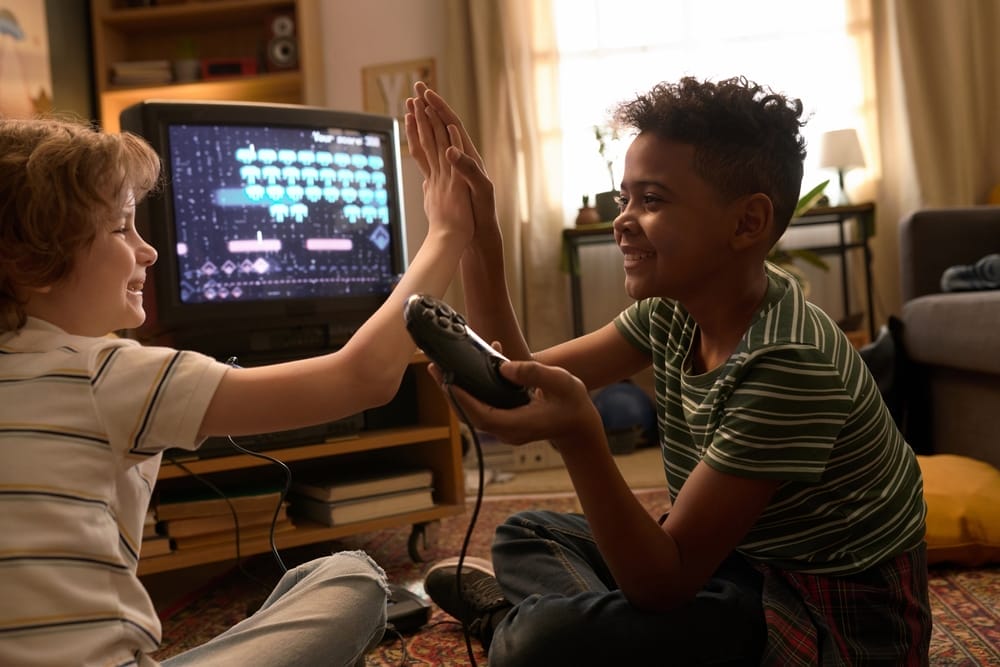
9 Nostalgic Video Games That Are Still Dominating Decades Later

November 7, 2025 by Travis Campbell Leave a Comment

video games

Image source: shutterstock.com

Some games continue to remain popular throughout time. The games maintain player interest through basic gameplay systems, well-designed mechanics, and enjoyable gameplay. The titles in this list have become influential in gaming history while drawing in fresh audiences who play them today. The games have entered gaming history because they provided long-lasting gameplay to players who first played them at launch or through subsequent releases. The following analysis evaluates nine classic video games that have maintained their popularity across multiple decades, explaining their enduring appeal to different age groups.

1. Super Mario Bros.

When it comes to nostalgic video games, nothing tops Super Mario Bros. It defined platforming, introduced iconic characters, and set the tone for countless sequels. Released in 1985, it remains a timeless example of perfect level design and rewarding gameplay. The controls are tight, the challenge is fair, and the sense of discovery still feels fresh today.

Even with modern 3D entries, players continue to return to the original. Nintendo has re-released it on multiple systems, and speedrunners continue to break records. Mario’s simple quest to save the princess is proof that a great idea, executed well, never gets old.

2. The Legend of Zelda

The Legend of Zelda has been captivating players since its debut in 1986. Its blend of exploration, puzzles, and adventure set the foundation for countless games that followed. Every generation of consoles sees a new Zelda game, but the spirit of the original still guides the series. That sense of freedom and mystery remains unmatched.

From the first dungeon to the final boss, Zelda rewards curiosity. Fans who replay the early titles often find new secrets decades later. It’s no surprise that the franchise continues to influence open-world design across the industry.

3. Tetris

Tetris is the ultimate example of simplicity done right. Blocks fall, you rotate them, and you clear lines. Yet the challenge never gets old. Its clean design has made it one of the most enduring nostalgic video games of all time. It has been adapted to nearly every platform imaginable, from old handheld devices to smartphones.

Studies have even shown that playing Tetris can improve spatial reasoning and focus. It’s more than a game; it’s a mental workout that still feels satisfying decades after its release. The best part? Anyone can pick it up and play within seconds.

4. Street Fighter II

Street Fighter II didn’t just define the fighting genre—it created a culture. Released in the early 1990s, it brought competitive gaming to arcades everywhere. Players lined up with quarters, testing their skills against friends and strangers. The game’s balance and depth remain intact today.

Modern tournaments still feature Street Fighter II, demonstrating its enduring popularity. It’s a perfect mix of accessible gameplay and technical mastery. Even newer fighting games borrow their core mechanics and character archetypes. Few titles have left such a lasting mark.

5. Sonic the Hedgehog

Sega’s blue blur raced into the early ’90s with attitude and speed. Sonic the Hedgehog became a rival to Mario, giving Sega its identity. The original game’s fast-paced platforming and catchy music made it an instant hit. It remains one of the most beloved nostalgic video games for players who grew up during the console wars.

Recent remasters and fan projects, such as Sonic Mania, demonstrate the enduring affection for the character. Sonic’s world has expanded into TV, movies, and modern titles, but fans never forget where it started.

6. Pokémon Red and Blue

Pokémon Red and Blue launched a global phenomenon in 1996. Catching, training, and battling creatures became a shared experience that crossed generations. The original games might look simple today, but their core idea remains powerful. Building a team and exploring a new world still feels magical.

Players continue to revisit these nostalgic video games through re-releases and emulators. The formula hasn’t changed much because it doesn’t need to. Pokémon’s appeal lies in its sense of adventure and collection, and that’s as strong now as it was decades ago.

7. Final Fantasy VII

Few games have had the cultural impact of Final Fantasy VII. Released in 1997, it brought cinematic storytelling to the gaming world. Its mix of RPG mechanics, emotional depth, and memorable characters made it a classic. Even with modern remakes, the original still draws players who want to experience where it all began.

The story, music, and world design continue to influence role-playing games today. Fans often replay it for nostalgia, while new players seek to understand why it changed gaming forever. Its staying power is a testament to great storytelling and design.

8. Pac-Man

Pac-Man is one of the earliest examples of a game that never loses appeal. Its simple goal—eat dots, avoid ghosts, survive—still hooks players. Released in 1980, it helped define arcade culture and remains instantly recognizable. The bright visuals and catchy sounds give it lasting charm.

Even after decades, Pac-Man appears in mobile apps, crossovers, and tournaments. The game’s design is timeless, proving that fun doesn’t need complex graphics or long tutorials. It’s pure, instinctive entertainment that continues to connect generations.

9. Minecraft

While newer than some on this list, Minecraft has already reached nostalgic video game status for many. Released in 2011, it captures the same timeless quality as older classics. Its simple block-based world invites creativity, exploration, and community. Players of all ages build, survive, and share their creations endlessly.

It’s one of the best-selling games of all time and continues to evolve through updates and mods. The open-ended design ensures that no two experiences are the same. For younger players, it’s already a nostalgic part of their childhood gaming memories.

Why Nostalgia Still Wins

Nostalgic video games remain popular because they prioritize gameplay above all else. The graphics quality improves as hardware components advance, yet the core gaming experience remains unchanged. The titles in this collection unite people through their shared experiences and basic enjoyment. The designs demonstrate that minimalism is the most effective design approach.

The classics remain popular because players can play them through emulators or purchase updated versions from Nintendo’s digital store. Which of these classic games continues to occupy your screen today?

What to Read Next…

  • Why ChatGPT May Be Generating Fake Financial Advice And Getting Away With It
  • Are Budgeting Apps Designed To Push You Into Debt
  • What Are Banks Really Doing With Your Personal Spending Data
  • Whos Watching Your Financial Apps Without You Knowing It
  • 8 Financial Red Flags You Might Be Missing In Joint Accounts
Travis Campbell
Travis Campbell

Travis Campbell is a digital marketer/developer with over 10 years of experience and a writer for over 6 years. He holds a degree in E-commerce and likes to share life advice he’s learned over the years. Travis loves spending time on the golf course or at the gym when he’s not working.

Filed Under: Entertainment Tagged With: Entertainment, gaming, nostalgia, retro, video games

Baby Boomer Hobbies That Are Quietly Going Extinct

July 7, 2025 by Travis Campbell Leave a Comment

stamp collecting

Image Source: pexels.com

The world is changing at a dizzying pace, and with it, so are the ways we spend our free time. For baby boomers, hobbies once formed the backbone of social life, relaxation, and even personal identity. But as technology, culture, and lifestyles evolve, many classic baby boomer hobbies are quietly going extinct. This shift matters not just for nostalgia’s sake, but because these activities often offered real benefits—community, creativity, and even financial wisdom. If you’re a baby boomer or simply someone who values tradition, understanding which hobbies are fading can help you preserve what matters or adapt your leisure time for today’s world.

1. Stamp Collecting

Stamp collecting, once a beloved pastime for baby boomers, is now rarely seen among younger generations. The thrill of finding a rare stamp or completing a collection used to bring people together at clubs and conventions. Today, digital communication has largely replaced traditional mail, making stamps less relevant and harder to obtain. If you still have a collection, consider sharing it with grandchildren or local schools to spark curiosity. Alternatively, online forums and auction sites can help you connect with the remaining community or even sell valuable pieces. For those who miss the hunt, try geocaching or digital collectibles, which offer a modern twist on the thrill of the chase.

2. Model Train Building

Model train building was once a staple in many baby boomer households, with intricate layouts sprawling across basements and garages. This hobby combines engineering, artistry, and patience, offering hours of hands-on fun. However, the rise of video games and shrinking living spaces have made it less practical for younger generations. If you’re passionate about model trains, look for local clubs or museums that still celebrate this craft. Volunteering at a railway museum or hosting open houses can keep the tradition alive. For a digital alternative, train simulation games can offer a similar sense of control and creativity without the need for physical space.

3. Bridge and Card Clubs

Bridge, canasta, and other card games were once social cornerstones for baby boomers, fostering friendships and mental sharpness. Today, these games are quietly fading as younger people gravitate toward online gaming or different social activities. If you love card games, consider teaching them to friends or family, or joining online platforms that host virtual games. Card games offer proven cognitive benefits, helping to keep your mind sharp as you age. Don’t let this tradition disappear—invite others to the table, whether in person or online.

4. Woodworking

Woodworking was once a rite of passage for many baby boomers, offering a sense of accomplishment and practical skills. The satisfaction of building furniture or toys from scratch is hard to match. However, fewer people have access to the tools, space, or mentorship needed to get started today. If you’re an experienced woodworker, consider mentoring others or donating your creations to charity. Community workshops and maker spaces are emerging in certain areas, offering shared resources for individuals interested in learning. Passing on your knowledge can help keep this rewarding hobby from vanishing entirely.

5. Coin Collecting

Coin collecting, or numismatics, was a popular hobby for baby boomers who enjoyed history, art, and the thrill of discovery. With fewer people using cash and coins in daily life, this hobby is becoming increasingly rare. If you have a collection, now is a great time to catalog and preserve it or even share its stories with younger family members. Online communities and coin show still exist, but they’re shrinking. For those interested in the investment side, rare coins can still hold significant value. Consider combining your interest with genealogy or local history projects to keep the passion alive.

6. Bowling Leagues

Bowling alleys were once packed with baby boomers enjoying league nights, friendly competition, and socializing. Today, many alleys are closing, and league participation is down as entertainment options diversify. If you miss the camaraderie of bowling, look for community centers or senior leagues that still operate. Organizing a casual group of friends for regular games can recreate the social benefits, even if the competitive scene has faded. For a similar experience, try bocce or shuffleboard, which offer social play and gentle physical activity.

7. Ham Radio

Ham radio was a gateway to global communication for many baby boomers, long before the internet made the world feel small. Tinkering with radios and making contacts across continents was both a technical challenge and a social thrill. Today, ham radio is a niche hobby, with fewer new operators joining the ranks. If you’re interested in keeping this tradition alive, local ham radio clubs are always looking for new members and mentors. The skills learned—like emergency communication—are still valuable, especially in times of crisis. Consider introducing younger family members to the basics, or volunteering for community emergency response teams.

Keeping the Spirit of Baby Boomer Hobbies Alive

While many baby boomer hobbies are quietly going extinct, their core values—creativity, connection, and lifelong learning—remain as important as ever. Adapting these pastimes for today’s world can mean sharing your skills, joining online communities, or finding modern equivalents that capture the same spirit. Whether you’re dusting off an old collection or teaching a grandchild to play bridge, you’re helping to preserve a piece of cultural heritage. Don’t let these hobbies fade without a fight; instead, find new ways to keep their legacy alive and relevant.

What baby boomer hobbies do you miss most, or which ones are you keeping alive? Share your stories in the comments!

Read More

Ripped From The Headlines: Bad Holiday Economic Mood

Im Not An Expert On Everything

Travis Campbell
Travis Campbell

Travis Campbell is a digital marketer/developer with over 10 years of experience and a writer for over 6 years. He holds a degree in E-commerce and likes to share life advice he’s learned over the years. Travis loves spending time on the golf course or at the gym when he’s not working.

Filed Under: Lifestyle Tagged With: aging, baby boomers, generational trends, hobbies, leisure, Lifestyle, nostalgia, Personal Finance, Retirement

Are Those “Collectible” Beanie Babies From Your Childhood Worth Anything Now?

June 21, 2025 by Travis Campbell Leave a Comment

benie baby

Image Source: pexels.com

Remember the days when Beanie Babies were the hottest craze, and everyone seemed convinced they’d pay for college someday? If you grew up in the 1990s or early 2000s, chances are you have a box of these plush toys tucked away in your attic or closet. With stories of rare Beanie Babies selling for thousands of dollars, it’s natural to wonder: Is your collection a goldmine or just a pile of nostalgia? Understanding the real Beanie Babies value today can help you decide whether to cash in, hold on, or simply reminisce. Let’s break down what’s going on in Beanie Babies and how you can make the most of your collection.

1. The Beanie Babies Craze: What Happened?

Beanie Babies exploded onto the scene in the mid-1990s, quickly becoming a pop culture phenomenon. People lined up outside stores, hoping to snag the latest release, and rumors of skyrocketing Beanie Babies value fueled a buying frenzy. Many believed these plush toys would become valuable collectibles, leading to hoarding and even heated bidding wars. However, the market eventually crashed as supply outpaced demand and collectors realized not every Beanie Baby was rare. The landscape is very different today, and understanding this history is key to managing your expectations.

2. Rarity Is Everything: What Makes a Beanie Baby Valuable?

Not all Beanie Babies are created equal. The Beanie Babies value depends heavily on rarity, condition, and specific production errors. Limited editions, retired models, and those with unique tag errors tend to fetch higher prices. For example, the “Peanut the Royal Blue Elephant” and “Princess the Bear” with certain tags have sold for hundreds or even thousands of dollars, but these are exceptions, not the rule. Most Beanie Babies were mass-produced, making them common and less valuable. If you’re hoping to cash in, start by researching your specific Beanie Babies to see if they fall into the rare category.

3. Condition Matters: How to Assess Your Collection

Even if you have a rare Beanie Baby, its value drops significantly if it’s not in mint condition. Collectors look for toys with intact tags, no stains, and no signs of wear. Original packaging and tag protectors can also boost Beanie Babies’ value. Before listing your collection for sale, carefully inspect each toy. If you find damage or missing tags, be realistic about the price you can expect. Taking clear, well-lit photos and providing honest descriptions will help you attract serious buyers and avoid disappointment.

4. Where to Sell: Finding the Right Marketplace

If you’ve determined your Beanie Babies have potential value, the next step is choosing where to sell them. Online marketplaces like eBay remain popular, but prices can vary widely. Some sellers list Beanie Babies for thousands of dollars, but actual sales often close for much less. It’s smart to check completed listings to see what buyers are really paying. Specialty collectible sites and local toy shows can also be good options, especially for rare items. Be wary of scams and always use secure payment methods.

5. The Harsh Truth: Most Beanie Babies Aren’t Worth Much

It’s easy to get swept up in stories of six-figure sales, but the reality is that most Beanie Babies’ value is low. The vast majority sell for just a few dollars, if they sell at all. The market is saturated, and only a handful of truly rare items command high prices. If your collection consists of common models, keeping them for sentimental reasons or donating them to a good cause might be better. That said, it’s always worth double-checking for hidden gems before making any decisions.

6. Tips for Maximizing Your Beanie Babies Value

A few strategies can help you get the best possible price if you’re determined to sell. First, group common Beanie Babies into lots to attract buyers looking for bulk deals. Second, highlight unique features in your listings, such as tag errors or limited editions. Third, be patient—rare items may take time to find the right buyer. Finally, stay informed about current trends, as nostalgia can sometimes spark renewed interest in certain models. Remember, the Beanie Babies value can fluctuate, so timing your sale can make a difference.

Nostalgia or Nest Egg? Making the Most of Your Beanie Babies

At the end of the day, the true value of your Beanie Babies might be more emotional than financial. While a few rare pieces can fetch impressive sums, most collections are worth far less than the legends suggest. Still, these plush toys can bring back fond memories and even spark joy for a new generation. Whether you decide to sell, donate, or simply display your Beanie Babies, understanding their real worth puts you in control. Take the time to research, assess, and make the choice that feels right for you.

Have you checked the value of your Beanie Babies lately? Share your stories or surprises in the comments below!

Read More

The Definition of Irony (or Why You Should Know What You’re Doing)

2011 Money Lessons

Travis Campbell
Travis Campbell

Travis Campbell is a digital marketer/developer with over 10 years of experience and a writer for over 6 years. He holds a degree in E-commerce and likes to share life advice he’s learned over the years. Travis loves spending time on the golf course or at the gym when he’s not working.

Filed Under: Investing Tagged With: Beanie Babies, childhood toys, collectibles, investing, money tips, nostalgia, Personal Finance, resale, value

6 Brands Being Kept Alive by Nostalgia Alone

May 25, 2025 by Travis Campbell Leave a Comment

store with Nostalgia

Image Source: 123rf.com

Nostalgia is a powerful force, especially regarding the brands we grew up with. Whether it’s the cereal you ate as a kid or the sneakers you wore in high school, certain products have a way of sticking around—even when their heyday has long passed. But why do some nostalgia brands continue to survive, even when newer, flashier competitors dominate the market? The answer often lies in our emotional attachment and the comfort of familiarity. Understanding which brands are running on nostalgia alone can help consumers make smarter spending decisions and avoid falling for marketing tricks that play on their memories. Let’s look at six nostalgia brands that are still around, not because they’re the best, but because they remind us of a simpler time.

1. RadioShack

RadioShack was once the go-to destination for electronics enthusiasts and DIY tinkerers. Today, it’s a shadow of its former self, with only a handful of stores and a limited online presence. The brand’s survival is almost entirely due to nostalgia. Many people remember wandering the aisles as kids, marveling at the gadgets and parts. Despite multiple bankruptcies and a drastically reduced footprint, RadioShack’s name still evokes a sense of wonder for those who grew up in the 80s and 90s. If you’re tempted to shop there, remember that you can often find better deals and more reliable products elsewhere.

2. Blockbuster

Blockbuster is the poster child for nostalgia brands. Once a titan of home entertainment, Blockbuster failed to adapt to the streaming revolution and now exists as a single store in Bend, Oregon. The brand’s continued presence is less about business success and more about the warm, fuzzy memories of Friday night movie rentals. People flock to the last Blockbuster for the experience, not the selection. If you’re considering a visit, think of it as a fun trip down memory lane rather than a practical way to rent movies. The story of Blockbuster’s rise and fall is a cautionary tale for any business that ignores changing technology.

3. Sears

Sears was once America’s retail giant, famous for its massive catalogs and everything-under-one-roof stores. Today, Sears is a nostalgia brand clinging to life, with only a handful of locations left. Many shoppers remember going to Sears with their parents or grandparents, especially during the holidays. However, the company’s inability to innovate and compete with online retailers has left it struggling. If you’re still shopping at Sears, it’s likely out of habit or sentimentality rather than value.

4. Kodak

Kodak is synonymous with photography, but its glory days are long gone. The brand failed to keep up with the digital revolution, and now its main appeal is to those who remember the thrill of dropping off film rolls and waiting for prints. While Kodak has tried to reinvent itself with digital products and even cryptocurrency ventures, its core business is nostalgia. If you’re drawn to Kodak, consider whether you’re buying for quality or simply reliving the past. Sometimes, embracing new technology can save you money and hassle in the long run.

5. Oldsmobile

Oldsmobile, once a staple of American roads, was discontinued in 2004. Yet, the brand still has a devoted following, with car shows and online forums dedicated to keeping its memory alive. For many, Oldsmobile represents a golden era of American automotive design and reliability. While you can’t buy a new Oldsmobile, the brand’s legacy lives on through collectors and enthusiasts. If you’re thinking about investing in a classic car, make sure you’re doing it for the right reasons—nostalgia is great, but maintenance costs can add up quickly.

6. Hostess Twinkies

Hostess Twinkies are the ultimate nostalgia snack. When Hostess declared bankruptcy in 2012, fans rushed to buy up the last boxes, fearing the end of an era. The brand was eventually revived, but Twinkies’ appeal is rooted in childhood memories rather than nutritional value or taste. If you’re reaching for a Twinkie, ask yourself if it’s the best treat for your wallet and health. Sometimes, nostalgia brands are best enjoyed in moderation.

Why Nostalgia Brands Matter for Your Wallet

Nostalgia brands have a unique power to influence our spending habits. They tap into our emotions, making us feel safe, happy, and connected to our past. But as fun as it is to revisit old favorites, it’s important to recognize when you’re paying for memories rather than value. Before buying from a nostalgia brand, ask yourself if the product meets your needs or if you’re just chasing a feeling. Being aware of this can help you make smarter financial decisions and avoid unnecessary purchases. Remember, nostalgia brands aren’t inherently bad—but your money is best spent on things that add real value to your life.

What about you? Which nostalgia brands do you still support, and why? Share your stories in the comments below!

Read More

10 Smart Reasons Most Baby Boomers Are Aging in Place

13 Beautiful Retro Design Trends You Need to Revisit

Travis Campbell
Travis Campbell

Travis Campbell is a digital marketer/developer with over 10 years of experience and a writer for over 6 years. He holds a degree in E-commerce and likes to share life advice he’s learned over the years. Travis loves spending time on the golf course or at the gym when he’s not working.

Filed Under: Business Tagged With: brand loyalty, brands, consumer behavior, financial advice, marketing, nostalgia, Personal Finance, retro

12 Clues That Your High School Sweetheart May Have Been The One You Should Have Married

April 13, 2025 by Travis Campbell Leave a Comment

girl in school hallway

Image Source: unsplash.com

Do you ever find yourself scrolling through old photos, wondering, “What if?” High school relationships often get dismissed as fleeting teenage romances, but sometimes, those early connections hold more significance than we realize. Many people report that their first loves left an indelible mark on their hearts and minds. Research suggests that these formative relationships can shape our expectations and patterns in future romantic partnerships. Let’s explore the signs that might indicate your high school sweetheart was truly special.

1. You Still Compare Everyone to Them

Your current dates somehow never measure up to that benchmark set years ago. You find yourself unconsciously using them as the standard for compatibility and connection. Their quirks and qualities become the invisible measuring stick against which all potential partners are evaluated. This persistent comparison isn’t just nostalgia—it might indicate a genuine connection that was uniquely suited to your authentic self. When someone continues to be your reference point decades later, it suggests they understood fundamental aspects of your personality that newer relationships haven’t captured.

2. Your Paths Keep Crossing in Meaningful Ways

Despite time and distance, you find yourselves reconnecting at pivotal moments in your lives. These “coincidental” meetings often happen when you’re at a crossroads or significant life transitions. The timing of these encounters frequently feels too perfect to be mere chance, suggesting some deeper connection. Each meeting leaves you with a sense of unfinished business or renewed possibility that lingers long afterward. These recurring intersections might be life’s way of offering second chances or reminding you of an important connection worth revisiting.

3. You Share an Effortless Understanding

Communication with them requires minimal explanation—they simply “get” you on a fundamental level. This natural understanding extends beyond shared history to an intuitive grasp of your thoughts and feelings. You find that even after years apart, conversations flow as if no time has passed at all. This effortless rapport starkly contrasts the work required to achieve similar understanding in other relationships. The psychological concept of emotional attunement suggests that such natural synchronicity is rare and valuable in relationships.

4. Your Core Values Remain Aligned

Despite growing and changing separately, you discover your fundamental beliefs and priorities have evolved in parallel. Your perspectives on family, career, lifestyle, and what constitutes a meaningful life remain compatible. This alignment extends to how you both approach challenges and make important decisions in your lives. The foundation of shared values provides a stable platform that could have supported a lasting relationship. Research from the Gottman Institute confirms that shared meaning and values are crucial predictors of relationship longevity.

5. They Knew the Authentic You

With them, you never felt the need to present a curated version of yourself. They witnessed your awkward phases, family dynamics, and formative experiences firsthand. This person knew you before adult pressures shaped your public persona and professional identity. Their understanding of your origins gives them insight into your motivations and reactions that newer connections lack. This authentic knowledge creates a unique form of intimacy that’s difficult to replicate with people who only know your adult self.

6. You’ve Never Experienced the Same Chemistry

The physical and emotional connection you shared hasn’t been replicated in subsequent relationships. Your interactions had an intensity and natural synchronicity that stands apart from later romantic experiences. Scientists suggest that neurochemical patterns formed during first loves can create powerful imprints in our brains. You find yourself remembering specific moments of connection with unusual clarity despite the passage of time. This persistent chemical memory might indicate a particularly strong biological compatibility that’s worth considering.

7. They Supported Your Dreams Before They Were Realistic

They believed in your potential when your ambitions were just formative ideas. Their support wasn’t contingent on your success or status—it came from genuine faith in your capabilities. This early validation often came at a time when you were still discovering your own strengths and direction. Their encouragement may have played a crucial role in building the confidence that later enabled your achievements. This unconditional belief in your potential represents a rare form of support that’s particularly valuable in formative relationships.

8. You’ve Maintained a Unique Friendship Despite Romantic History

Unlike most ex-relationships, you’ve managed to preserve a meaningful connection over time. Your friendship transcends typical post-breakup dynamics to include genuine care for each other’s well-being. You celebrate each other’s successes without jealousy and provide support during difficulties without ulterior motives. This unusual post-romantic bond suggests a connection based on something more fundamental than temporary attraction. The ability to transition from romance to authentic friendship often indicates a relationship built on substantial mutual respect and understanding.

9. Your Breakup Resulted From Timing, Not Compatibility

Looking back, you realize external factors—not fundamental incompatibility—ended your relationship. Perhaps college plans, family circumstances, or simple youth and inexperience drove your separation. The relationship ended before it had the opportunity to face real-world challenges together. You sometimes wonder how things might have developed with more maturity and better timing. These circumstantial endings leave the relationship’s potential untested rather than proven unviable.

10. They Know Parts of Your History No One Else Shares

They were present for formative experiences that shaped who you’ve become. This shared history creates a unique context for understanding your reactions and perspectives. They remember the family dynamics, hometown influences, and early dreams that formed your foundation. This historical knowledge gives them insight into aspects of yourself that even your spouse may not fully comprehend. The value of having someone who witnessed your origins and understands your complete narrative shouldn’t be underestimated.

11. You’ve Both Changed in Compatible Ways

Your separate life journeys have led to growth that actually increases your compatibility. The maturity you’ve both gained has resolved earlier issues that may have challenged your relationship. Your individual experiences have broadened your perspectives in ways that complement rather than conflict with each other. The people you’ve become might navigate a relationship more successfully than your younger selves could. This parallel evolution suggests a fundamental alignment in your developmental trajectories.

12. You Wonder “What If” More Than You Should

The question of what might have been occupies more mental space than seems reasonable. These thoughts persist despite successful relationships and fulfilling life experiences. You find yourself creating alternative timelines where your paths remain intertwined through the years. This persistent wondering suggests an unresolved sense of potential that continues to resonate. While some nostalgia is normal, the intensity and persistence of these thoughts might indicate something more significant.

The Road Not Taken: Reflection Without Regret

Acknowledging these feelings doesn’t necessarily mean you should abandon your current life. Understanding the significance of past connections can provide valuable insight into your emotional patterns and needs. Recognizing what made this relationship special can help you appreciate or enhance elements in your current partnership. This reflection becomes problematic only when it prevents you from fully engaging with your present life and relationships. The goal isn’t to dwell in regret but to integrate these insights into a more self-aware approach to your current connections.

Have you experienced any of these signs with your high school sweetheart? How has that early relationship influenced your later romantic choices? Share your story in the comments below—your experience might help others understand their relationship journeys.

Read More

9 Nice Things That Are Secretly Killing Your Relationship

Comfort vs. Connection: 8 Signs Your Marriage Lacks True Love

Travis Campbell
Travis Campbell

Travis Campbell is a digital marketer/developer with over 10 years of experience and a writer for over 6 years. He holds a degree in E-commerce and likes to share life advice he’s learned over the years. Travis loves spending time on the golf course or at the gym when he’s not working.

Filed Under: relationships Tagged With: first love, high school sweethearts, nostalgia, reconnection, relationship psychology, relationships, romantic compatibility

Why Baby Boomers Had the Best Childhood—And Gen Z Will Never Understand

March 11, 2025 by Latrice Perez Leave a Comment

Children playing

Image Source: 123rf.com

Ask any Baby Boomer about their childhood, and chances are you’ll hear stories filled with adventure, independence, and experiences that seem completely foreign to today’s younger generations. Born between 1946 and 1964, Boomers grew up in a world vastly different from today’s digital age.

There were no smartphones, no social media, and certainly no GPS tracking their every move. Instead, they had the freedom to explore, the joy of simpler pleasures, and a childhood that revolved around real-life experiences rather than screens. While every generation has its defining moments, Baby Boomers had a childhood that many argue was the best—and one that Gen Z will never truly understand.

Freedom to Roam Without Constant Supervision

One of the biggest differences between a Baby Boomer’s childhood and the childhood of today is the sheer level of independence they had. Boomers spent their days outside, riding bikes for miles, playing in the neighborhood, and exploring the world around them without helicopter parents watching their every move. The only rule? Be home before the streetlights came on.

Parents didn’t track their children’s locations with apps or demand constant check-ins. Instead, kids learned self-reliance and problem-solving skills just by being out in the world. Getting lost? You figured it out. Scraped knees? Walk it off. Today’s kids rarely get this kind of unstructured outdoor play, as safety concerns and technology have drastically changed childhood.

Saturday Mornings Were Pure Magic

For Baby Boomers, Saturday mornings were sacred. It was the one time of the week when kids could wake up early, pour themselves a bowl of cereal, and watch a lineup of the best cartoons ever made. Shows like Looney Tunes, The Jetsons, Scooby-Doo, and The Flintstones were a highlight of the week.

Unlike today, where streaming services allow kids to watch whatever they want, whenever they want, Boomers had to wait all week for their favorite shows. And that waiting made it special. There was no pausing, no rewinding, and definitely no binge-watching. If you missed an episode, you had to wait for a rerun. That patience made Saturday mornings feel like an event, something that Gen Z will never fully experience in an on-demand world.

Playing Outside Was the Only Option

Boomers didn’t have iPads, video games, or 24/7 entertainment at their fingertips. Instead, their childhood entertainment was found outside, in backyards, parks, and streets filled with other neighborhood kids. They built treehouses, played pickup baseball games, climbed trees, and made up their own games using nothing but their imagination.

Summer days felt endless, and the best adventures happened when kids were left to their own devices—just not the digital kind. When the weather was bad, board games, comic books, and radio shows provided entertainment. Compare that to Gen Z, where kids are more likely to spend their free time indoors, staring at screens, scrolling through TikTok, or playing online games instead of running through the neighborhood until dusk.

No Social Media Pressure or Online Drama

Perhaps one of the biggest advantages of a Baby Boomer childhood was the absence of social media. There was no pressure to take the perfect selfie, keep up with influencers, or deal with online drama. Friendships were built face-to-face, and people didn’t judge their worth based on Instagram likes or Snapchat streaks.

When Boomers had a bad day, they didn’t vent on Twitter or get caught in a digital argument. Instead, they talked to a friend, wrote in a diary, or just moved on. Today’s kids are under constant pressure to curate their lives for public consumption, something Boomers never had to worry about.

Jobs Were Plentiful—And You Could Work as a Kid

Boomers didn’t just play hard—they worked hard, too. Many started their first jobs as teenagers, whether it was delivering newspapers, bagging groceries, or working at the local diner. Not only were jobs easier to find, but wages also stretched further, allowing young workers to save money, buy their own cars, or help their families.

Compare that to Gen Z, where entry-level jobs are often scarce, wages are lower in comparison to the cost of living, and many employers now require experience even for the simplest of positions. The idea of working your way through college with a part-time job, which was common for Boomers, is almost impossible for today’s students.

Music and Movies Were Cultural Events

Baby Boomers

Image Source: 123rf.com

Boomers lived through the golden age of music and film. The birth of rock and roll, the explosion of The Beatles, Elvis Presley, and the Rolling Stones, and the rise of legendary films like Jaws, Star Wars, and The Godfather defined their youth. Concerts were affordable, and going to the movies wasn’t an overpriced luxury—it was a weekly tradition.

Unlike today, where music and movies are instantly available at the click of a button, Boomers had to actively seek out entertainment. They saved money to buy vinyl records, camped out for concert tickets, and experienced movies the way they were meant to be seen—on the big screen, without distractions from cell phones or notifications.

Family Dinners Were Non-Negotiable

Boomers grew up in a time when sitting down for dinner with family was the norm, not the exception. Families gathered around the table every evening, shared stories about their day, and actually talked to each other without screens getting in the way. Fast food was a rare treat, not a regular convenience.

Today’s families are often too busy to eat together, with parents working late and kids glued to their phones. Even when they do share a meal, conversations are often interrupted by notifications and social media scrolling. The family dinner table was once a sacred space, something that’s largely disappeared in modern life.

Childhood Was About Living in the Moment

At its core, a Baby Boomer’s childhood was all about living in the moment. There was no doomscrolling, no 24-hour news cycle, and no digital overload. People weren’t glued to screens or obsessed with capturing every second on camera—they simply lived it. The joys of youth were about real experiences, whether it was riding bikes until sundown, playing board games with friends, or simply lying in the grass watching the clouds go by.

Gen Z has access to more technology, more entertainment, and more convenience than ever before, yet many still feel overwhelmed, anxious, and nostalgic for a past they never lived. Maybe it’s because a Boomer childhood, with all its simplicity, freedom, and face-to-face connections, really was something special—something that no amount of technology can ever replace.

Do you think Gen Z has missed out on having a great childhood? As a baby boomer what do you miss most about that time. Let us know in the comments.

Read More:

9 Reasons Why Baby Boomers Aren’t Leaving Much Wealth Behind

12 Things Baby Boomers Can Teach Us About Frugality

Latrice Perez

Latrice is a dedicated professional with a rich background in social work, complemented by an Associate Degree in the field. Her journey has been uniquely shaped by the rewarding experience of being a stay-at-home mom to her two children, aged 13 and 5. This role has not only been a testament to her commitment to family but has also provided her with invaluable life lessons and insights.

As a mother, Latrice has embraced the opportunity to educate her children on essential life skills, with a special focus on financial literacy, the nuances of life, and the importance of inner peace.

Filed Under: Lifestyle Tagged With: 70s, and 80s, baby boomers, childhood freedom, childhood memories, Gen Z vs Boomers, Generational Differences, growing up in the 60s, life before social media, nostalgia, old-school parenting

9 Rare Historical Photos You’ve Never Seen

July 10, 2024 by Stephen Kanaval Leave a Comment

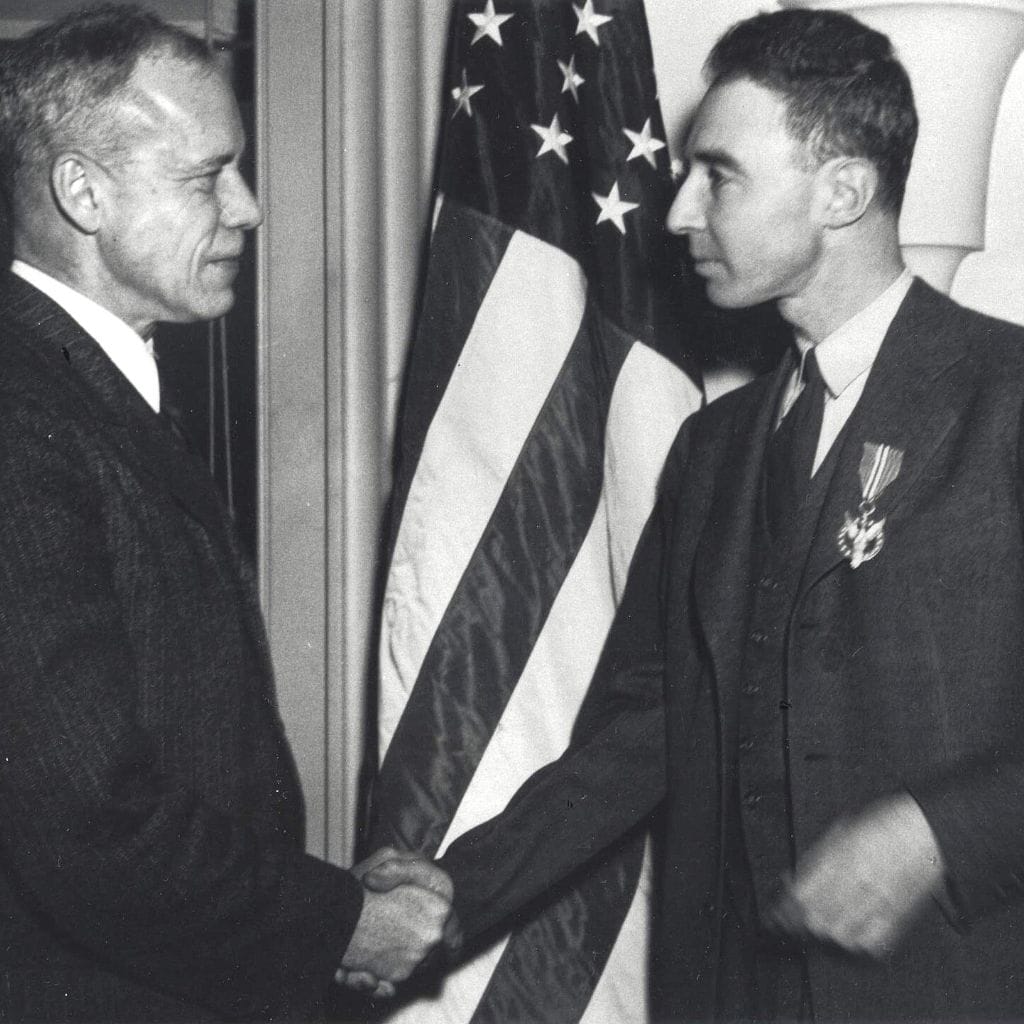
Oppenheimer

wikimedia

History is filled with captivating moments that have shaped the world as we know it. While many iconic images are etched in our minds, countless rare photographs remain hidden in archives, waiting to be discovered. In this article, we present nine rare historical photos that offer a fresh perspective on significant events and lesser-known moments. These images not only provide a glimpse into the past but also highlight the stories that shaped our history.

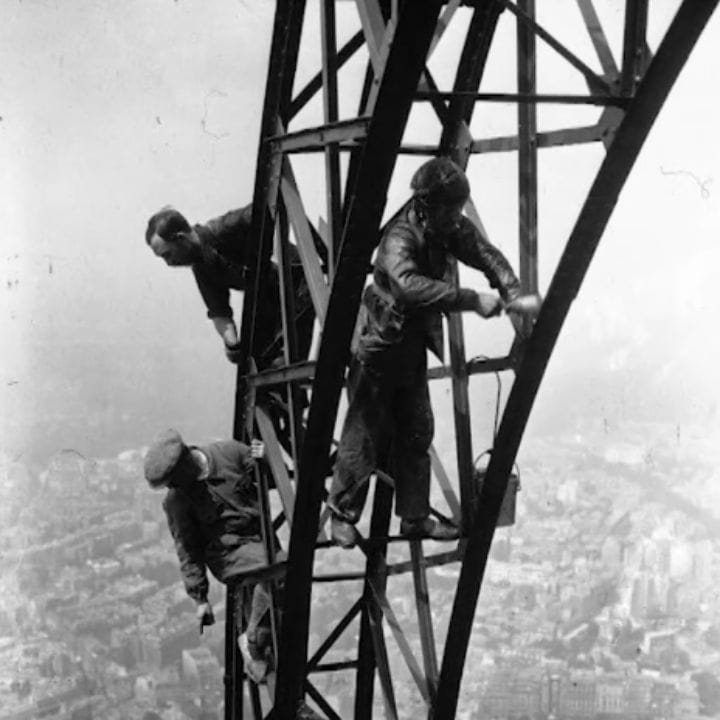
1. The Construction of the Eiffel Tower

YouTube/mycompasstv

The Eiffel Tower, one of the most recognizable landmarks in the world, was a marvel of engineering when it was constructed in the late 19th century. This rare photo captures the tower mid-construction, showcasing the intricate framework that supports the iconic structure. Workers can be seen meticulously assembling the iron beams, demonstrating the sheer scale and complexity of the project. The image provides a unique perspective on the construction techniques of the time and the dedication of the laborers involved. It’s a testament to human ingenuity and the ambition of a generation that dared to dream big.

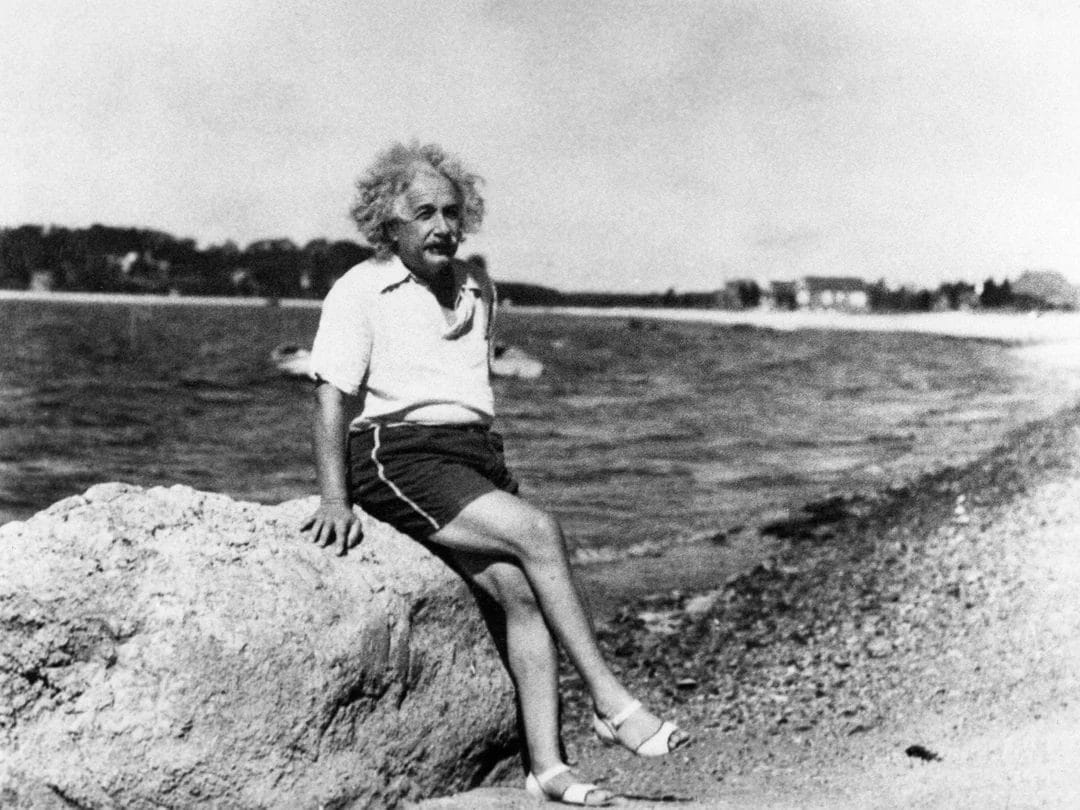
2. Albert Einstein on the Beach

Einstein on the beach

Reddit

Albert Einstein, renowned for his contributions to theoretical physics, is often pictured in formal settings or deep in thought. However, this rare photo shows a different side of the genius, as he enjoys a relaxing day at the beach. Dressed casually and smiling, Einstein appears content and carefree, a stark contrast to his usual serious demeanor. This image humanizes the legendary scientist, reminding us that even the greatest minds need moments of relaxation and joy. It’s a glimpse into the personal life of a man who changed our understanding of the universe.

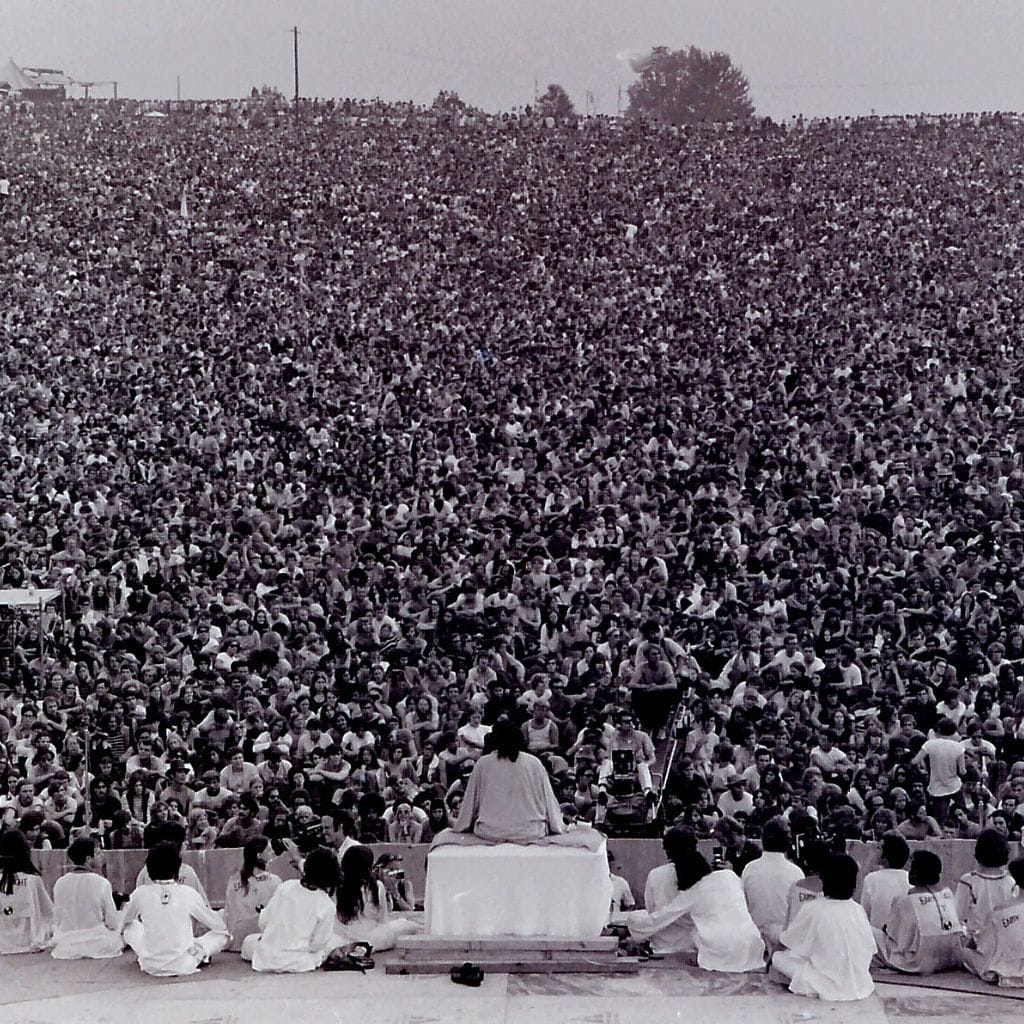
3. The First Woodstock Festival

Woodstock

wikimedia

The Woodstock Festival of 1969 is synonymous with the counterculture movement of the 1960s, but many photos of the event focus on the performances and the crowds. This rare image captures the festival grounds before the attendees arrived, showing the calm before the storm. The vast open field, dotted with makeshift stages and tents, hints at the monumental event that was about to unfold. It’s a reminder of the organization and effort that went into creating one of the most iconic music festivals in history. The photo serves as a prelude to the peace, love, and music that defined Woodstock.

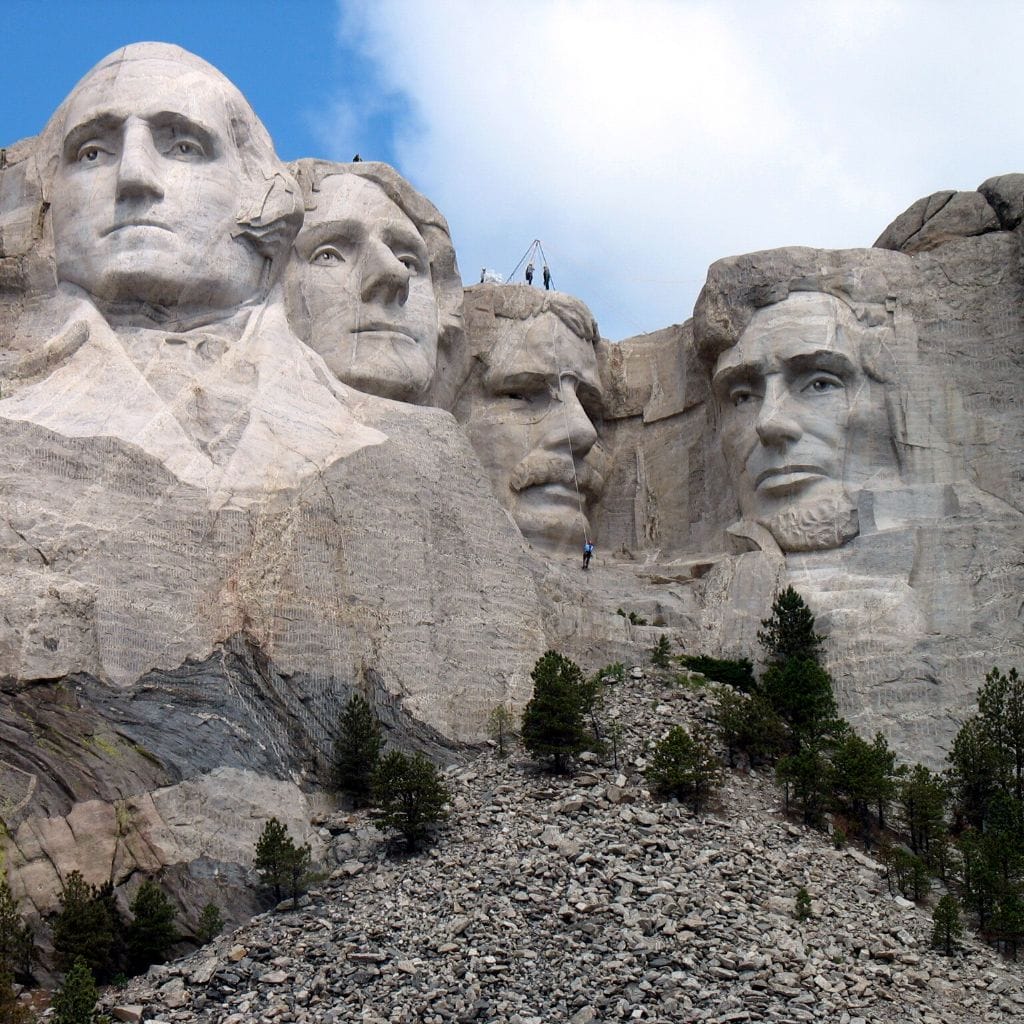
4. The Unveiling of Mount Rushmore

MT Rushmore

wikimedia

Mount Rushmore, with its colossal carvings of four U.S. presidents, is a symbol of American history and achievement. The photo captures the moment when the monument was first unveiled to the public. Crowds gather in awe, gazing up at the immense faces carved into the granite mountain. The image reflects the national pride and excitement surrounding the project, as well as the remarkable craftsmanship involved. It’s a snapshot of a significant moment in American history, celebrating the completion of a monumental feat of art and engineering.

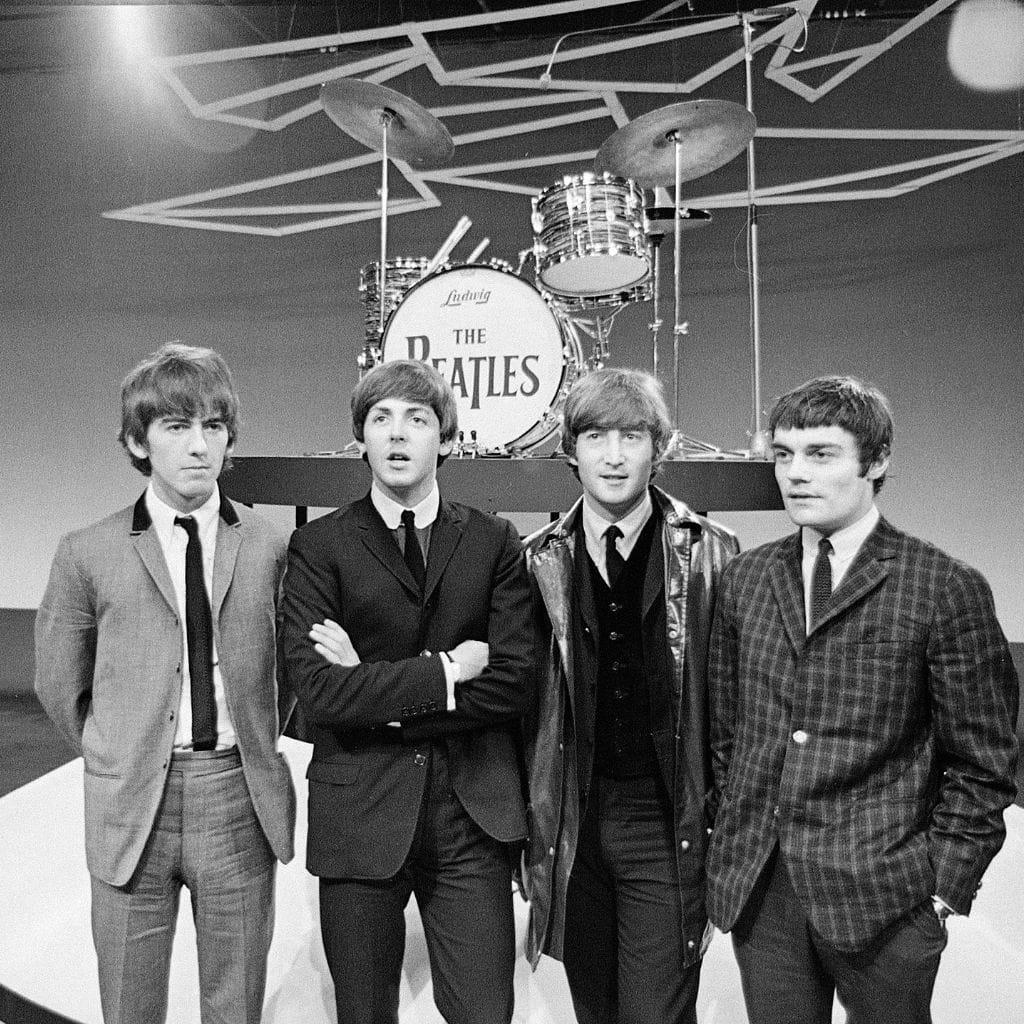
5. The Beatles’ Last Concert

Beatles

wikimedia

The Beatles, one of the most influential bands in music history, played their last public concert in 1966. This rare photo captures the Fab Four on stage during their final performance, radiating the energy and charisma that captivated millions. The image is a bittersweet reminder of the end of an era, as the band transitioned from live performances to studio work. It highlights the enduring legacy of The Beatles and the impact they had on music and culture. Fans can see the band in their prime, delivering a performance that would be remembered for decades.

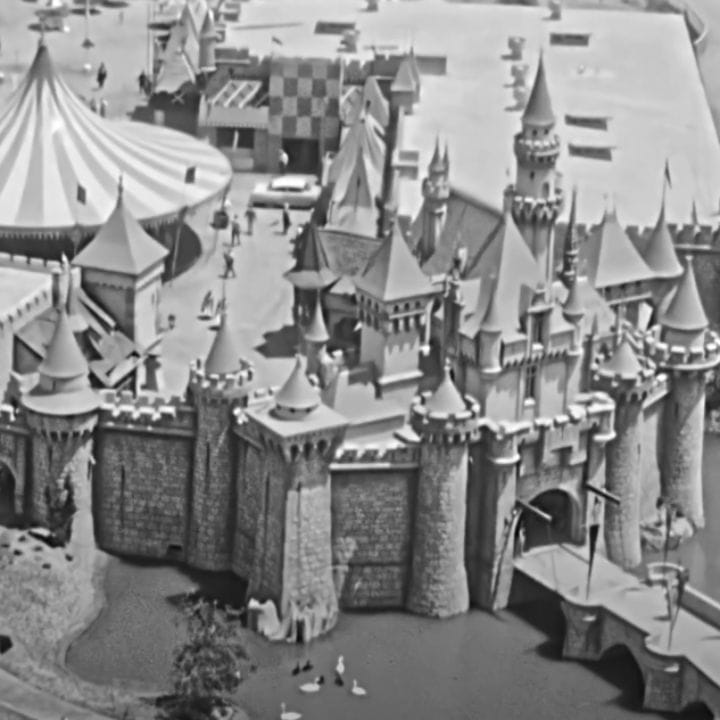
6. The Opening of Disneyland

Disneyland Opening Day

YouTube/CBS 8 San Diego

Disneyland, the brainchild of Walt Disney, opened its doors in 1955 and quickly became a beloved destination for families around the world. This rare photo captures the opening day, with Walt Disney himself greeting the first visitors. The image shows the excitement and wonder on the faces of children and adults alike, as they experience the magic of Disneyland for the first time. It’s a nostalgic glimpse into the early days of the theme park that has brought joy to millions. The photo encapsulates the vision and creativity of Walt Disney and the lasting impact of his creation.

7. The Hindenburg Before Disaster

Zeppelin

wikimedia

The Hindenburg disaster of 1937 is one of the most infamous tragedies in aviation history. This rare photo captures the airship in flight, just moments before the catastrophic explosion. The image shows the grandeur and elegance of the Hindenburg, highlighting the advanced engineering of the time. It’s a haunting reminder of the fragility of human achievements and the unpredictable nature of technology. The photo provides context for the disaster, illustrating the awe and fascination that surrounded the Hindenburg before its tragic end.

8. Frida Kahlo in New York

Instagram/arthiding

Frida Kahlo, the iconic Mexican artist, is often associated with her vibrant paintings and tumultuous personal life. This rare photo captures Kahlo in New York City, a place that influenced her work and broadened her horizons. The image shows Kahlo amidst the urban backdrop, blending her unique style with the bustling energy of the city. It highlights her bold personality and the cultural exchanges that enriched her art. The photo offers a rare glimpse into Kahlo’s experiences outside of Mexico, showcasing the diverse influences that shaped her creative vision.

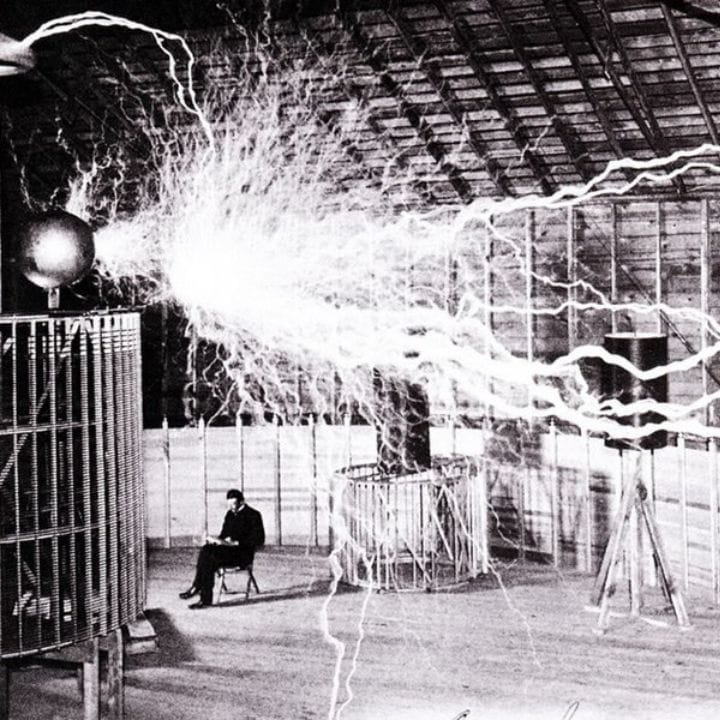
9. Nikola Tesla’s Laboratory

wikimedia

Nikola Tesla, the brilliant inventor and electrical engineer, conducted groundbreaking experiments that revolutionized modern technology. This rare photo captures Tesla in his laboratory, surrounded by his inventions and equipment. The image highlights the intensity and dedication of Tesla’s work, providing a window into the environment where he developed his revolutionary ideas. It’s a fascinating glimpse into the mind of a genius, showcasing the tools and techniques that paved the way for countless technological advancements. The photo underscores Tesla’s legacy as a pioneer of innovation and scientific discovery.

History Through Photographs

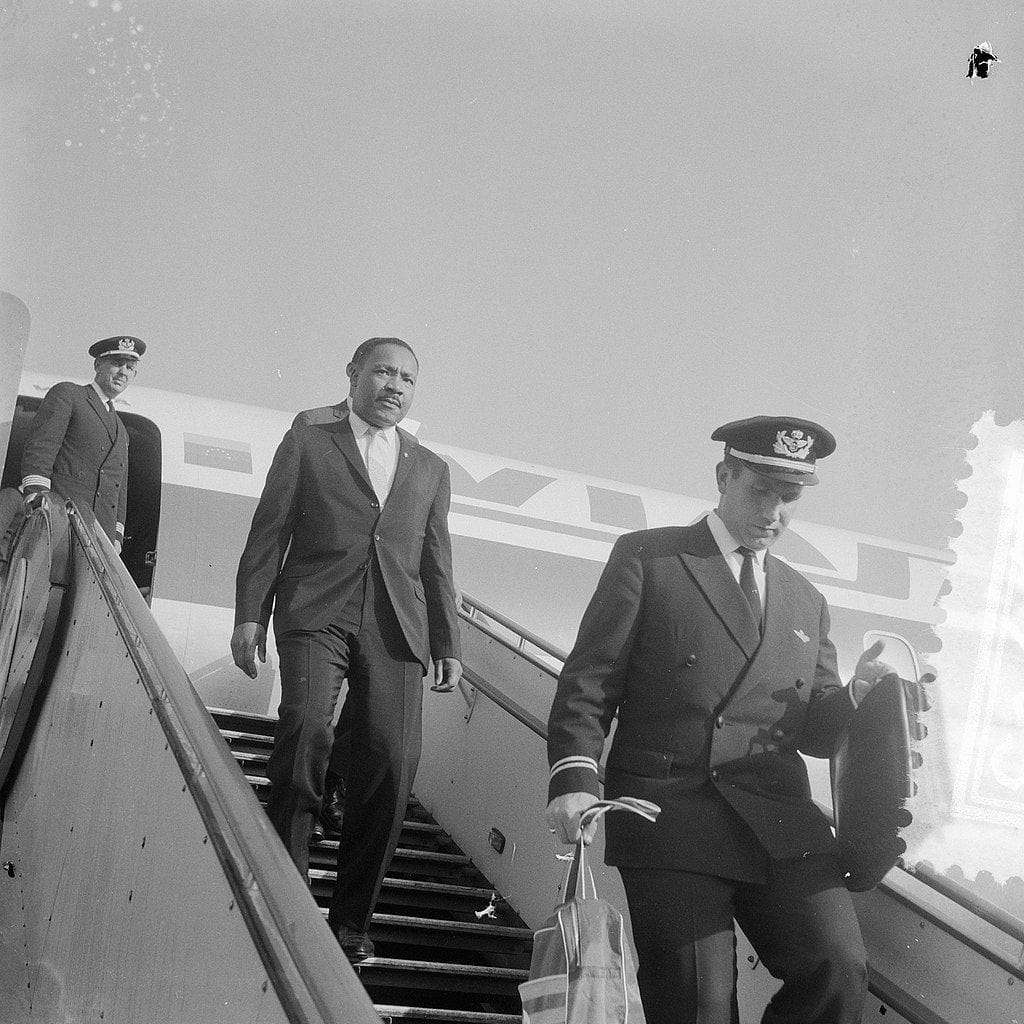
MLK again

wikimedia

These nine rare historical photos offer a fresh perspective on some of the most significant events and figures in history. They provide a deeper understanding of the moments that shaped our world and the people who made it happen. By exploring these unique images, we gain insight into the personal experiences, challenges, and triumphs that defined our past. For more fascinating historical insights and captivating visuals, be sure to explore our other articles and share your thoughts in the comments.

Stephen Kanaval
Stephen Kanaval

Stephen began his career as a Research Assistant at a reputable middle-market private equity firm, where he honed his skills in market research, financial analysis, and identifying investment opportunities. He then transitioned to full-time financial writing focusing on small-cap biotech innovation and digital payment solutions. Today, Stephen is a value-based retail investor and novice baseball statistician.

Filed Under: Lists Tagged With: historical photos, history, nostalgia, Photos

  • 1
  • 2
  • Next Page »

FOLLOW US

Search this site:

Recent Posts

  • Can My Savings Account Affect My Financial Aid? by Tamila McDonald
  • 12 Ways Gen X’s Views Clash with Millennials… by Tamila McDonald
  • What Advantages and Disadvantages Are There To… by Jacob Sensiba
  • 10 Tactics for Building an Emergency Fund from Scratch by Vanessa Bermudez
  • Call 911: Go To the Emergency Room Immediately If… by Stephen Kanaval
  • 7 Weird Things You Can Sell Online by Tamila McDonald
  • 10 Scary Facts About DriveTime by Tamila McDonald

Copyright © 2026 · News Pro Theme on Genesis Framework