• Home
  • About Us
  • Toolkit
  • Getting Finances Done
    • Hiring Advisors
    • Debt Management
    • Spending Plan
  • Insurance
    • Life Insurance
    • Health Insurance
    • Disability Insurance
    • Homeowners/Renters Insurance
  • Contact Us
  • Risk Tolerance Quiz
  • Our Editorial Commitment

The Free Financial Advisor

You are here: Home / Archives for child support

6 Financial Landmines That Even Bankruptcy Can’t Fix

February 14, 2025 by Latrice Perez Leave a Comment

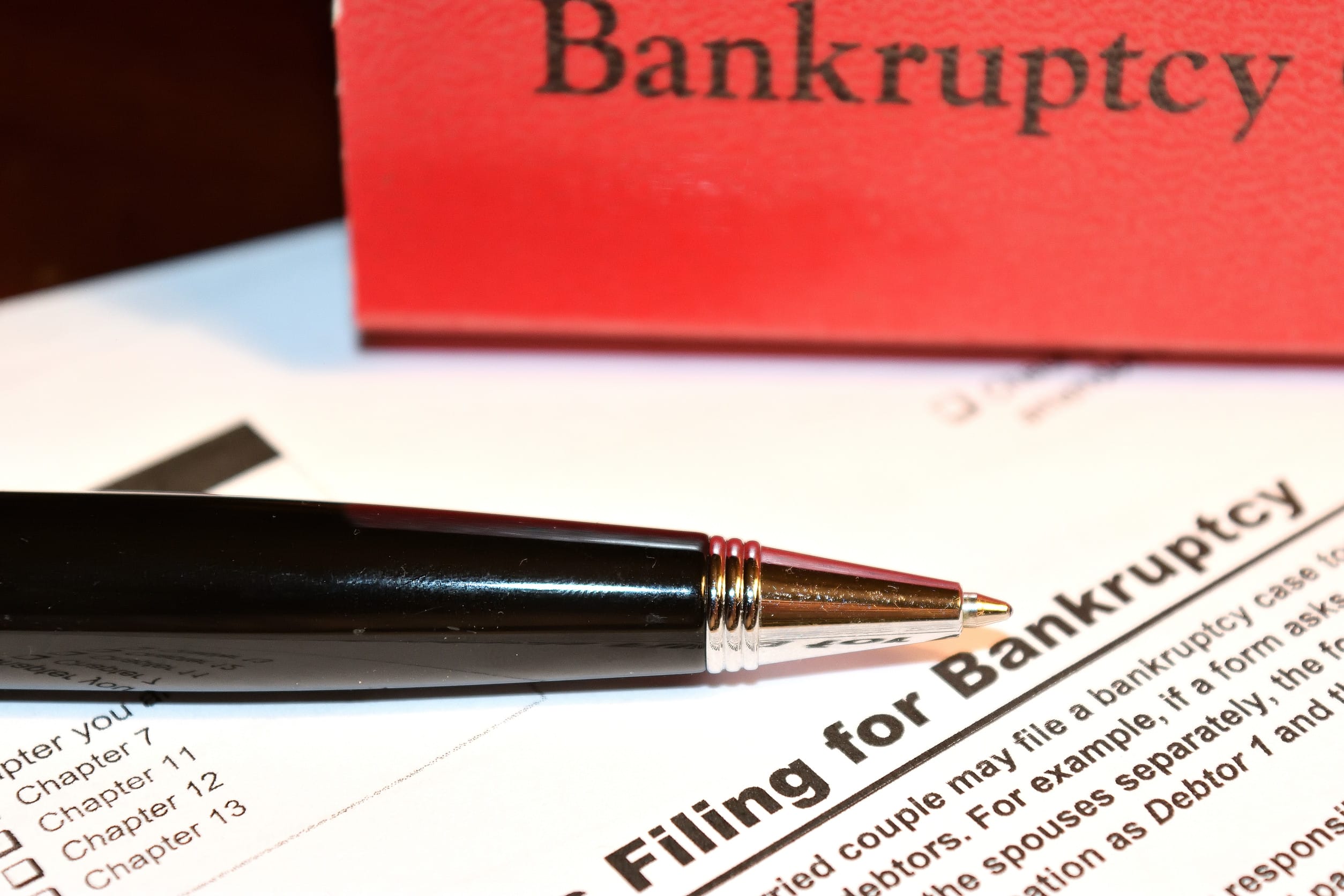
Bankruptcy
Image Source: 123rf.com

Some consumers believe that bankruptcy can fix any financial trouble that they find themselves in. Due to this myth, many people carelessly get into debt thinking that a quick trip to a bankruptcy attorney will make all of their problems go away. While it can provide relief from some financial obligations, it’s not a universal solution.

There are several financial issues that bankruptcy cannot address, leaving you stuck in a cycle of financial instability. Understanding these financial landmines will help you avoid costly mistakes and make smarter choices before you ever consider bankruptcy. Here are six financial challenges that bankruptcy can’t fix—and how to navigate them.

1. Mortgage Debt on a Property You Can’t Afford

While bankruptcy may discharge many types of debt, mortgage debt is generally not one of them. If you’re underwater on your home loan, meaning the value of your property is less than the mortgage balance, and you’re unable to make your monthly payments, bankruptcy won’t necessarily fix the problem. You could end up losing the home through foreclosure, and bankruptcy may only delay the inevitable.

To address mortgage debt, it’s essential to explore alternatives such as loan modifications, refinancing, or negotiating directly with your lender. Sometimes, bankruptcy can help prevent foreclosure temporarily, but without a viable plan to handle the mortgage in the long term, your home may still be at risk.

2. Student Loan Debt

Student loan debt is one of the most persistent financial burdens. While bankruptcy can discharge many debts, it doesn’t typically apply to student loans unless you can prove “undue hardship,” which is a difficult standard to meet. The result? Many people continue to pay off student loans for decades after graduation, long after bankruptcy might have resolved other financial issues.

To address student loan debt, explore repayment options like income-driven plans, loan consolidation, or forgiveness programs. It’s essential to stay proactive and consider refinancing to reduce the interest rates or seek other solutions that can make your debt more manageable.

3. Credit Card Debt from Impulse Spending

Credit card debt is one of the most common forms of debt in the U.S., and it’s easy to accumulate, especially when impulse spending gets out of hand. It’s simple to swipe your card for things you don’t necessarily need, and over time, the balance builds up with high-interest rates. If you’re carrying a significant amount of credit card debt, bankruptcy can offer relief, but it won’t stop the behavior that led to the debt in the first place.

If you struggle with impulse spending, it’s important to take control of your habits. Create a budget, reduce reliance on credit cards, and focus on paying down the balance each month to prevent accumulating interest.

4. Ongoing Tax Liabilities

Tax Liability
Image Source:123rf.com

Back taxes or unpaid taxes are a serious issue that bankruptcy can’t solve. In most cases, bankruptcy doesn’t discharge tax liabilities, especially if they are recent or the result of neglect. The IRS and state tax agencies will still require you to pay what you owe, and failing to do so can lead to wage garnishments, liens, or even legal action.

Addressing tax liabilities means staying current on your filings and payments. If you owe back taxes, consider working with a tax professional to create a repayment plan or explore options like an Offer in Compromise to settle for less than what you owe.

5. Child Support and Alimony Payments

When it comes to child support or alimony, bankruptcy offers no relief. These are considered priority debts, which means they are not discharged in bankruptcy proceedings. Not paying child support or alimony can result in severe legal consequences, including wage garnishments and even jail time.

It’s crucial to stay up to date on any family court obligations. If you’re having trouble making payments, consult with a legal professional to explore options for modifying your support payments based on your current financial situation.

6. Poor Financial Habits

Bankruptcy might resolve your current debts, but it won’t address the underlying financial habits that got you into trouble in the first place. If you continually overspend, fail to save, or ignore budgeting, you’ll end up right back where you started. Bankruptcy doesn’t fix poor financial habits; it just offers a reset. Without a change in behavior, you may find yourself accumulating new debt almost immediately.

To avoid falling back into financial hardship, commit to better habits. Start by creating a realistic budget, setting financial goals, and automating savings. Tracking your spending and adjusting habits is key to building lasting financial stability after bankruptcy.

Avoiding Financial Landmines

Bankruptcy can provide much-needed relief in certain situations, but it’s not a cure-all. To avoid the financial landmines that even bankruptcy can’t fix, take a proactive approach to your financial health. Avoid lifestyle inflation, address student loan debt early, manage credit card spending, stay on top of taxes and family obligations, and, most importantly, change the habits that led to your financial difficulties. By doing so, you can build a solid foundation for a secure and prosperous future.

Have you ever filed for bankruptcy? If so, what did you do differently to stay out of debt for a better financial future? Let us know in the comments below.

Read More:

Bankruptcy Blues: 14 Financial Mistakes We Can’t Believe People Still Make

Don’t File Bankruptcy Due to Medical Debt-Do This Instead!

Latrice Perez

Latrice is a dedicated professional with a rich background in social work, complemented by an Associate Degree in the field. Her journey has been uniquely shaped by the rewarding experience of being a stay-at-home mom to her two children, aged 13 and 5. This role has not only been a testament to her commitment to family but has also provided her with invaluable life lessons and insights.

As a mother, Latrice has embraced the opportunity to educate her children on essential life skills, with a special focus on financial literacy, the nuances of life, and the importance of inner peace.


Filed Under: Personal Finance Tagged With: bankruptcy, child support, Credit card debt, Debt Management, financial habits, Financial Stability, Personal Finance, Planning, student loans, tax liabilities

10 Phrases That Could Destroy Your Child Support Case

February 5, 2025 by Latrice Perez Leave a Comment

gavel, lady justice and man with hands on table
123rf

Nobody wants to find themselves in court over child support. Unfortunately many people find themselves fighting for their financial lives and that of their children during these hearings. It’s easy to feel emotional or frustrated during the process, but the words you choose can have a lasting impact on the outcome. In fact, certain phrases can seriously hurt your case and cost you thousands of dollars. If you’re involved in a child support case, understanding which phrases could damage your position is essential. Here are ten phrases you should avoid at all costs in a child support hearing.

1. “They are not using the money for the kids.”

Claiming that the other parent isn’t using the child support payments for the child’s needs is a dangerous argument to make in court. Child support is meant to provide for the child’s overall well-being, and how the other parent chooses to allocate those funds isn’t typically within your control. The court assumes the receiving parent is using the money appropriately unless there is clear evidence to the contrary. Making a blanket statement like this without supporting evidence can come off as an attempt to avoid paying or an effort to undermine the other parent. Instead of focusing on how the other parent spends the money, it’s better to focus on your ability to contribute to the child’s needs, demonstrating a willingness to provide.

2. “I don’t see my child enough to pay that much.”

The amount of child support isn’t tied to how often you see your child; it’s based on your income, the child’s needs, and other factors. Saying something like this could make it seem like you’re unwilling to contribute, which may reflect poorly on you in the eyes of the court. This kind of statement can also suggest to the judge that you’re not prioritizing the child’s best interests. It’s essential to focus on your legal responsibility to support your child, regardless of visitation frequency. The court doesn’t want to hear excuses about why you think the amount is too high—it just wants to ensure the child is properly supported.

3. “They don’t need that much money.”

You may feel that the child doesn’t need as much support as is being asked for, but this isn’t a decision for you to make. Courts determine child support based on a set of legal guidelines, which often include the child’s needs, the parent’s income, and other relevant factors. Saying something like this could be seen as undermining the court’s authority or suggesting that you don’t understand the child’s needs. Instead, focus on presenting your financial situation and, if necessary, provide evidence that the amount requested is unreasonable based on your income. It’s critical to respect the guidelines and let the court decide what’s best for your child.

4. “I’ll just stop working to avoid paying more.”

This statement can do more harm than good and can even be considered illegal. Trying to avoid paying child support by quitting your job or reducing your income could result in serious consequences, including legal penalties or increased payments. The court is aware of such tactics and will likely take them into account when making a ruling. It’s crucial to demonstrate that you are working to the best of your ability to support your child, not trying to dodge your financial obligations. Be honest about your situation, and let the court assess your ability to pay.

5. “I shouldn’t have to pay for their extracurricular activities.”

extracurricular activities
123rf

While you might not want to cover extra expenses like extracurricular activities, saying this during your hearing can hurt your case. The court considers the child’s overall well-being, including education and extracurriculars, as part of their care. Dismissing these costs could make you seem disengaged from the child’s life or uninterested in providing the full support they need. If there are issues with specific expenses, it’s better to address them calmly and offer a reasonable explanation. The court wants to see that you’re committed to the child’s holistic development, not just the basic costs of living.

6. “I can’t afford the amount you’re asking for.”

While this phrase may reflect your genuine financial concerns, it’s not enough to just make a blanket statement about what you can or cannot afford. Instead, you should be prepared to present detailed financial documentation to back up your claims. If you’re struggling, explain your situation clearly, but provide evidence of your income, monthly expenses, and any other financial obligations you have. Courts understand that not everyone can pay the same amount, so showing your financial situation in detail can help the judge determine a fair amount. Avoid simply stating that you can’t afford it without context.

7. “I never agreed to that amount.”

If you’re in court, you’re likely already aware of the terms being contested. Stating that you “never agreed” to the amount without providing clear evidence or explanation could undermine your credibility. Courts make determinations based on objective evidence, and you need to show that any previous agreements were reached legally or were fair. If you disagree with the amount, bring up the reasons why, but avoid saying this in a way that disregards the formal process. It’s essential to engage with the process, not dismiss it.

8. “I’m not paying until I see my child more.”

This kind of conditional statement can be detrimental to your case. Child support is an obligation, not a tool for negotiating visitation. Tying your willingness to pay to more visitation time is not only unfair to the child but also likely to alienate the judge. If you’re dissatisfied with your visitation schedule, it’s better to address that separately in family court. Paying child support is part of your responsibility, regardless of how often you see your child.

9. “They should be paying me child support.”

It’s rare, but some parents argue that they should receive child support instead of paying it. This argument can be a red flag to the court and suggest that you’re not focused on the child’s best interests. The purpose of child support is to ensure both parents contribute to the child’s well-being, not to turn the child into a financial arrangement between parents. If you feel that your situation warrants a different arrangement, consult with a legal professional, but don’t make this argument in court without proper grounds.

10. “I’ve paid enough already.”

This phrase can imply a lack of understanding of your ongoing responsibilities as a parent. Child support doesn’t stop once you’ve made a few payments—it’s an ongoing commitment that continues as long as your child needs support. Arguing that you’ve “paid enough” can make it appear as though you’re trying to avoid future payments or not fulfilling your legal obligations. It’s important to frame your argument in terms of your actual financial situation and the needs of your child, not as an excuse to stop paying.

Think Before You Speak

What you say during a child support hearing can have a lasting impact on your case. Avoiding these damaging phrases will help ensure that your argument remains focused on the best interests of your child. By being respectful, clear, and honest about your financial situation, you can present a case that aligns with the law and the needs of your family. Remember, child support is about providing for your child’s well-being—so keep the conversation productive and focused on the facts.

Have you made a misstep during a child support case before? If so, what were the consequences of your actions. Please tell us more in the comments below.

Read More:

What Should I Do If I Receive a Summons for Credit Card Debt?

Demystifying Financial Ruin: What Happens When You Can’t Pay Your Debts


Latrice Perez

Latrice is a dedicated professional with a rich background in social work, complemented by an Associate Degree in the field. Her journey has been uniquely shaped by the rewarding experience of being a stay-at-home mom to her two children, aged 13 and 5. This role has not only been a testament to her commitment to family but has also provided her with invaluable life lessons and insights.

As a mother, Latrice has embraced the opportunity to educate her children on essential life skills, with a special focus on financial literacy, the nuances of life, and the importance of inner peace.

Filed Under: Personal Finance Tagged With: child support, child support hearing, child support mistakes, child support tips, family court, family law, financial obligations, legal advice

FOLLOW US

Search this site:

Recent Posts

  • Can My Savings Account Affect My Financial Aid? by Tamila McDonald
  • 12 Ways Gen X’s Views Clash with Millennials… by Tamila McDonald
  • What Advantages and Disadvantages Are There To… by Jacob Sensiba
  • 10 Tactics for Building an Emergency Fund from Scratch by Vanessa Bermudez
  • Call 911: Go To the Emergency Room Immediately If… by Stephen Kanaval
  • 7 Weird Things You Can Sell Online by Tamila McDonald
  • 10 Scary Facts About DriveTime by Tamila McDonald

Copyright © 2026 · News Pro Theme on Genesis Framework